The Story
Plant Bio
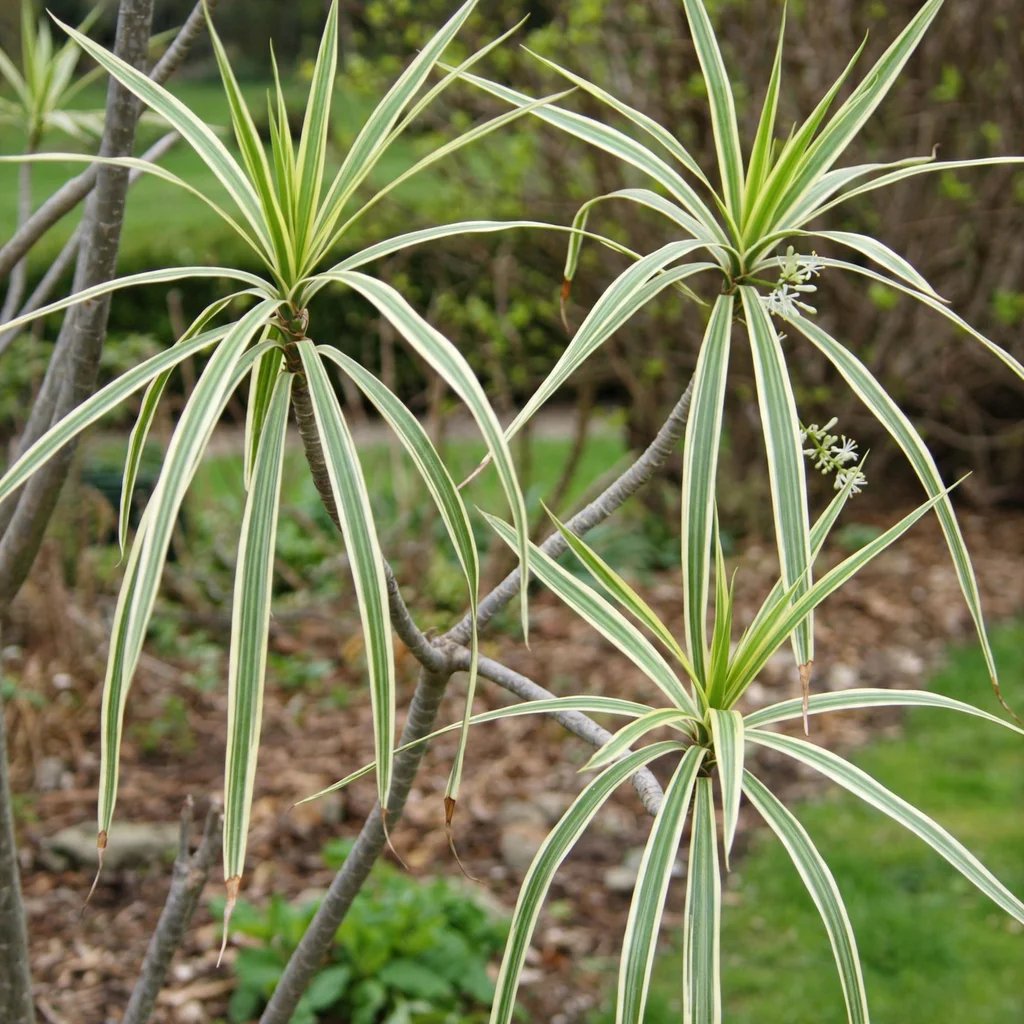
Dracaena marginata, the Madagascar dragon tree, is an arborescent tropical shrub or small tree characterized by slender, gray, cane-like stems topped by dense tufts of arching foliage. The woody stems bear distinctive diamond-shaped leaf scars where older leaves have shed over time.
The narrow, sword-shaped leaves grow up to 24 inches long, displaying a deep green coloration with thin, reddish-purple margins. New growth emerges upright from the center of the crown in bright green before developing its characteristic dark red edges.
Uses & Benefits:
Essentials
At a Glance
Plant Type
Tropical
Height
236"
Width
94"
Light
Partial Sun, Shade
Zones
10
Water
Moderate
Humidity
Moderate to high
Lifespan
Long-lived
Native To
Madagascar
Toxicity
Toxic to dogs and cats
Bloom period
Spring
In flower about 3 months of the year
Marketplace
Where to Buy
Shipping costs Year-round shipping Free shipping
Planting
How to Grow
- Select a container with ample drainage holes and fill it with a loamy, peaty, well-draining potting mix.
- Position the plant in a location that receives bright, indirect sunlight, avoiding direct afternoon sun which scorches the leaves.
- Water thoroughly only when the top two inches of soil have dried out, ensuring the pot never sits in standing water.
- Maintain indoor temperatures above 50°F (10°C) and provide moderate to high humidity to prevent dry leaf tips.
Pro Tip
Irrigate using distilled water, rainwater, or filtered water, as tap water containing fluoride, chlorine, or sodium causes severe brown tip burn on the foliage. Allow the top two inches of soil to dry completely between waterings to prevent root rot.
Keep It Thriving
Care Guide
Do
- Use rainwater or distilled water to avoid fluoride toxicity.
- Wipe the leaves regularly with a damp cloth to remove dust and discourage pests.
- Prune the canes in spring to control height and stimulate branching.
- Apply a balanced houseplant fertilizer diluted to half-strength monthly during spring and summer.
Don't
- Do not allow the plant to sit in waterlogged soil or standing saucer water.
- Do not fertilize during the late fall and winter months when growth slows.
- Do not expose the plant to freezing temperatures or cold drafts below 50°F.
- Do not prune into old, leafless woody trunk sections that lack visible buds.
Seasonal Care Calendar
| Task | Jan | Feb | Mar | Apr | May | Jun | Jul | Aug | Sep | Oct | Nov | Dec |
|---|---|---|---|---|---|---|---|---|---|---|---|---|
| Fertilize | ||||||||||||
| Pest Check | ||||||||||||
| Propagate | ||||||||||||
| Prune |
Watch Out For
Pests & Diseases
Common Pests
Common Diseases
In the Garden
Landscape Uses & Companions
Landscape Uses
Companion Plants
Multiply
Propagation Methods
Good to Know
Common Questions
Madagascar Dragon Tree questions
What zones can Madagascar Dragon Tree grow in?
Madagascar Dragon Tree is hardy in USDA Zone 10. Inside that range it survives winter in the ground; outside it, grow it as an annual or a container plant you protect.
When does Madagascar Dragon Tree bloom?
Madagascar Dragon Tree typically blooms in spring through spring. Exact timing shifts a week or two with your zone — Sow's bloom calendar maps it to your garden.
Does Madagascar Dragon Tree need full sun?
Madagascar Dragon Tree does best in part shade.
Is Madagascar Dragon Tree drought tolerant?
Yes — once established (usually after the first full season), Madagascar Dragon Tree handles dry spells with minimal watering. Water deeply its first year to build the root system that makes that possible.
More Dracaena to compare
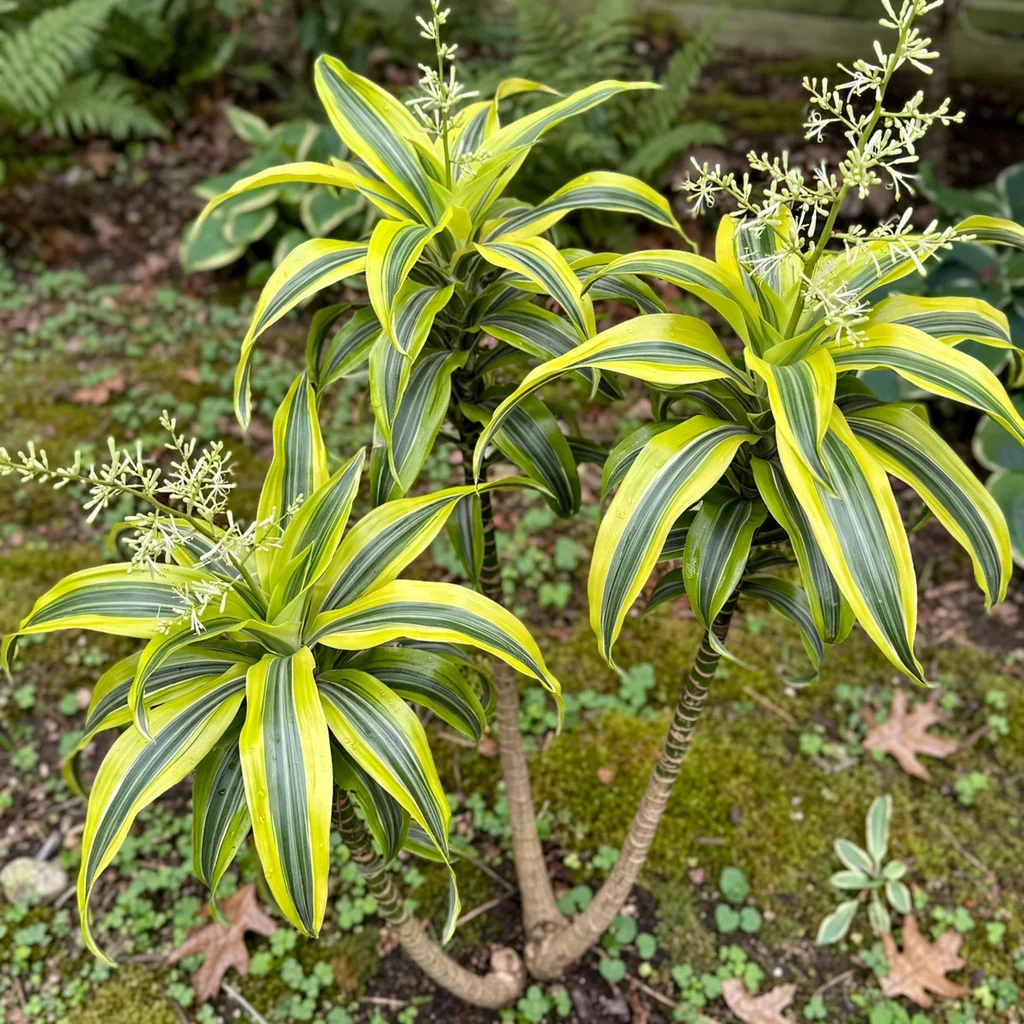
Lemon Surprise Corn Plant
Dracaena fragrans 'Lemon Surprise'
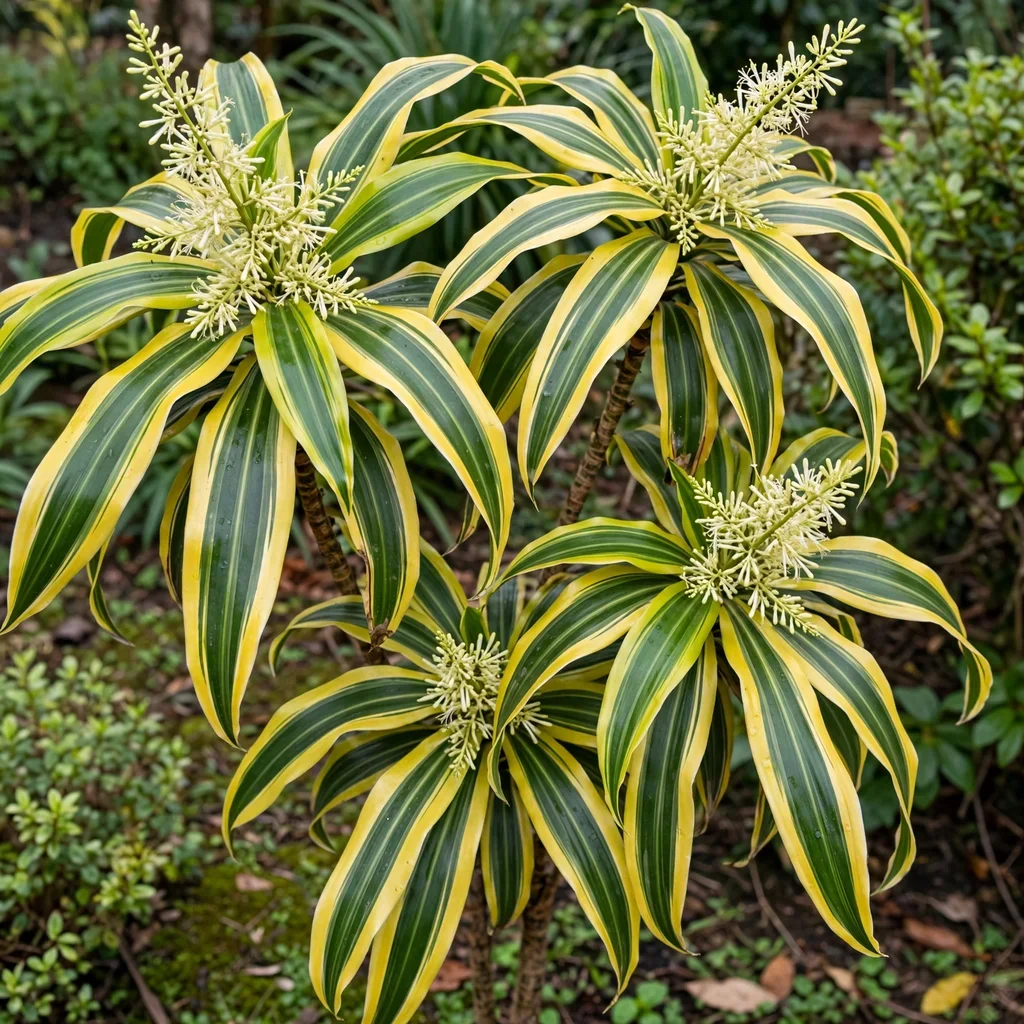
Corn Plant Dracaena Corn Plant
Dracaena fragrans 'Aureo Marginata'
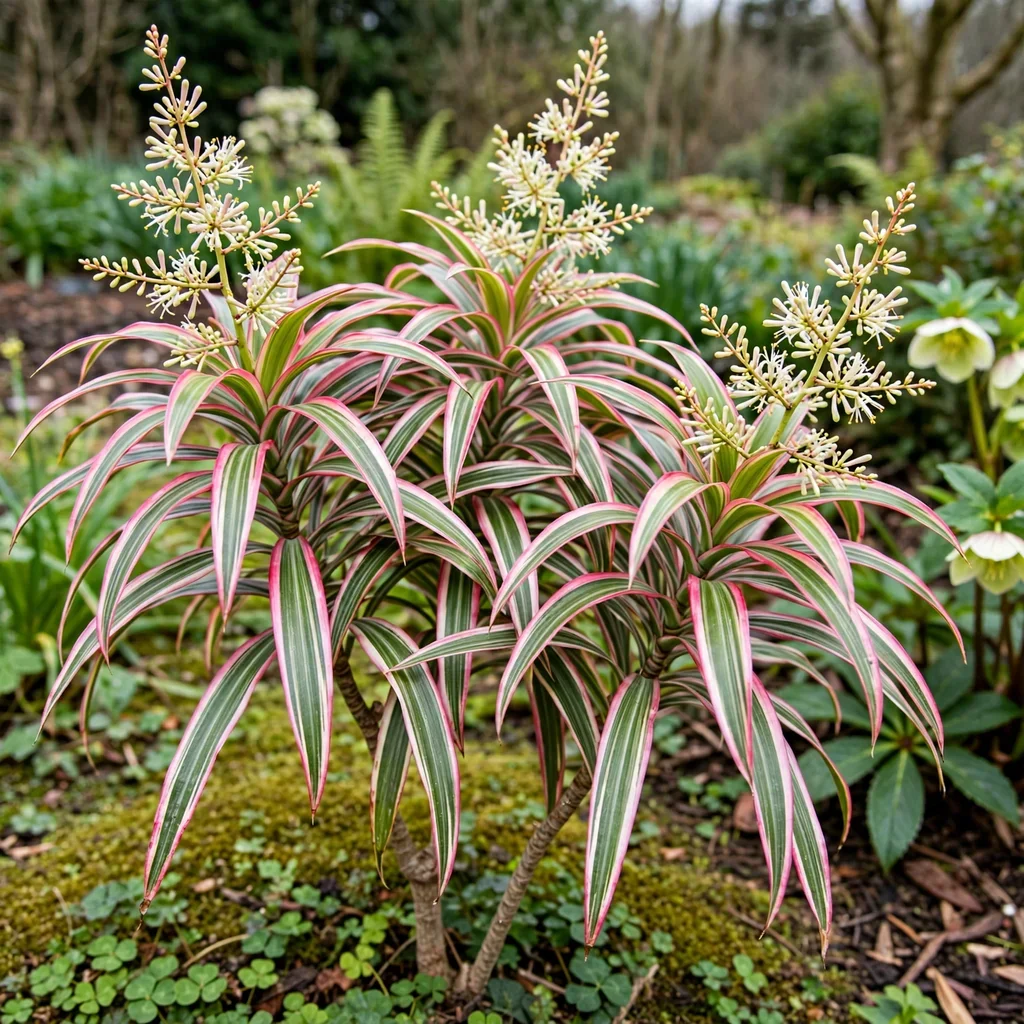
Madagascar Dragon Tree 'Colorama'
Dracaena fragrans 'Colorama'
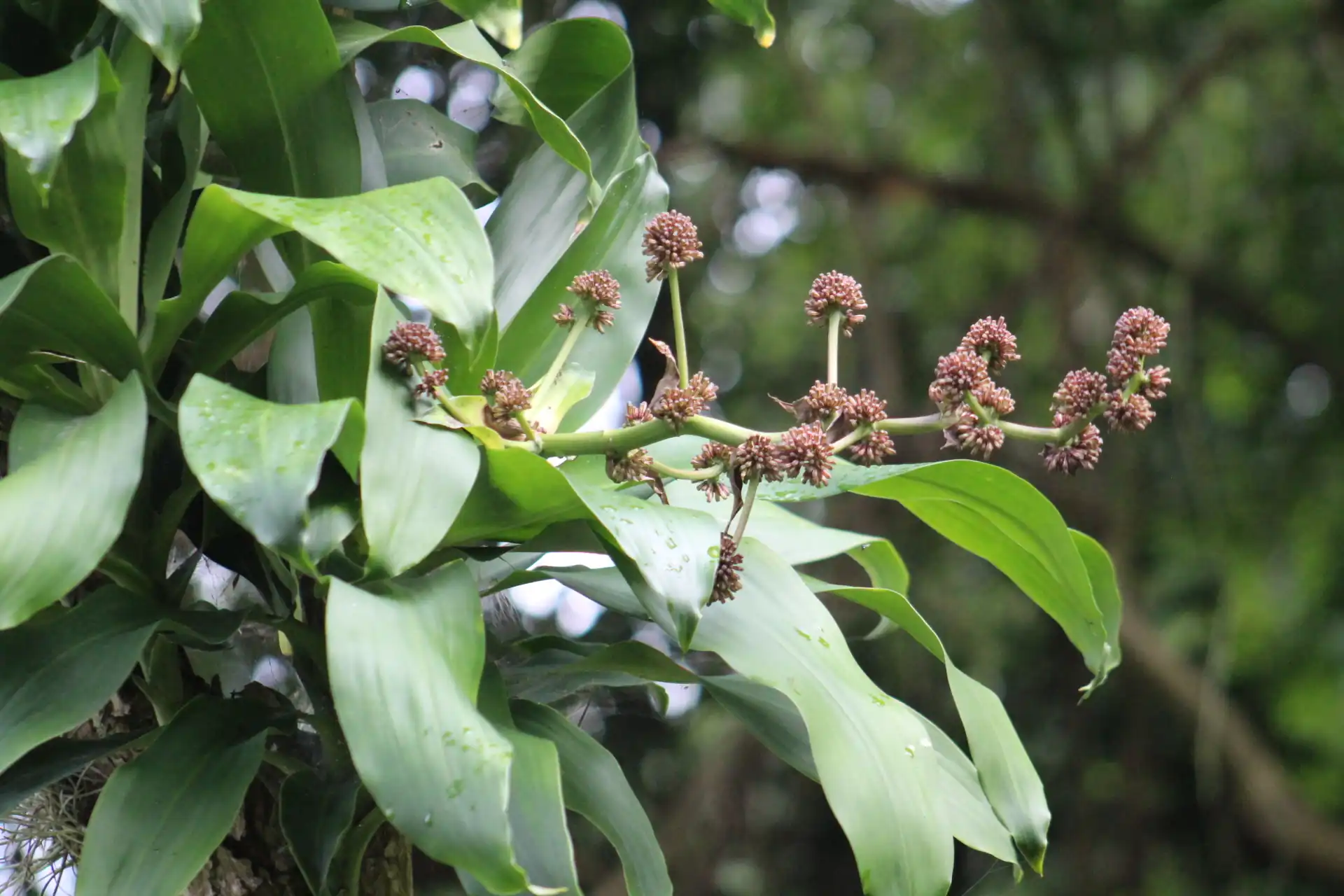
Corn Plant
Dracaena fragrans
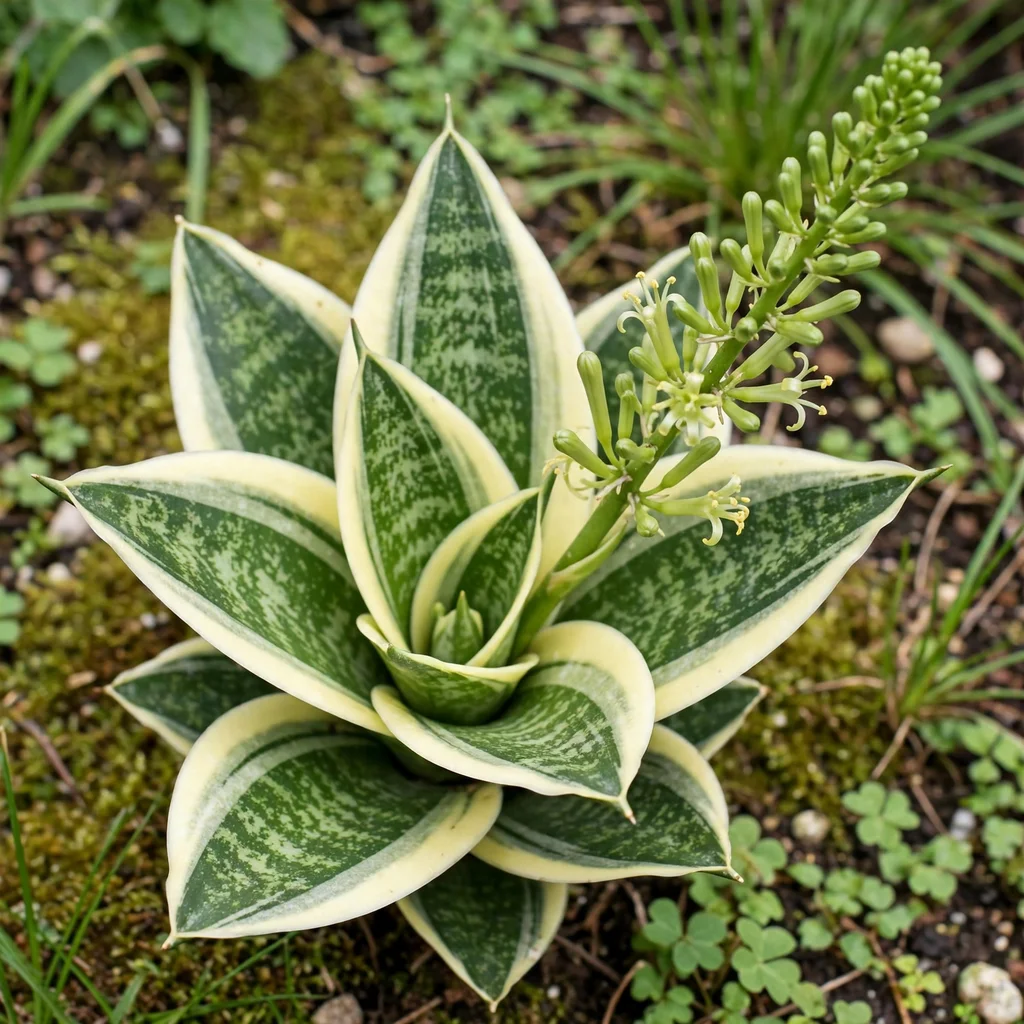
Bird's Nest Snake Plant
Dracaena trifasciata 'Hahnii'
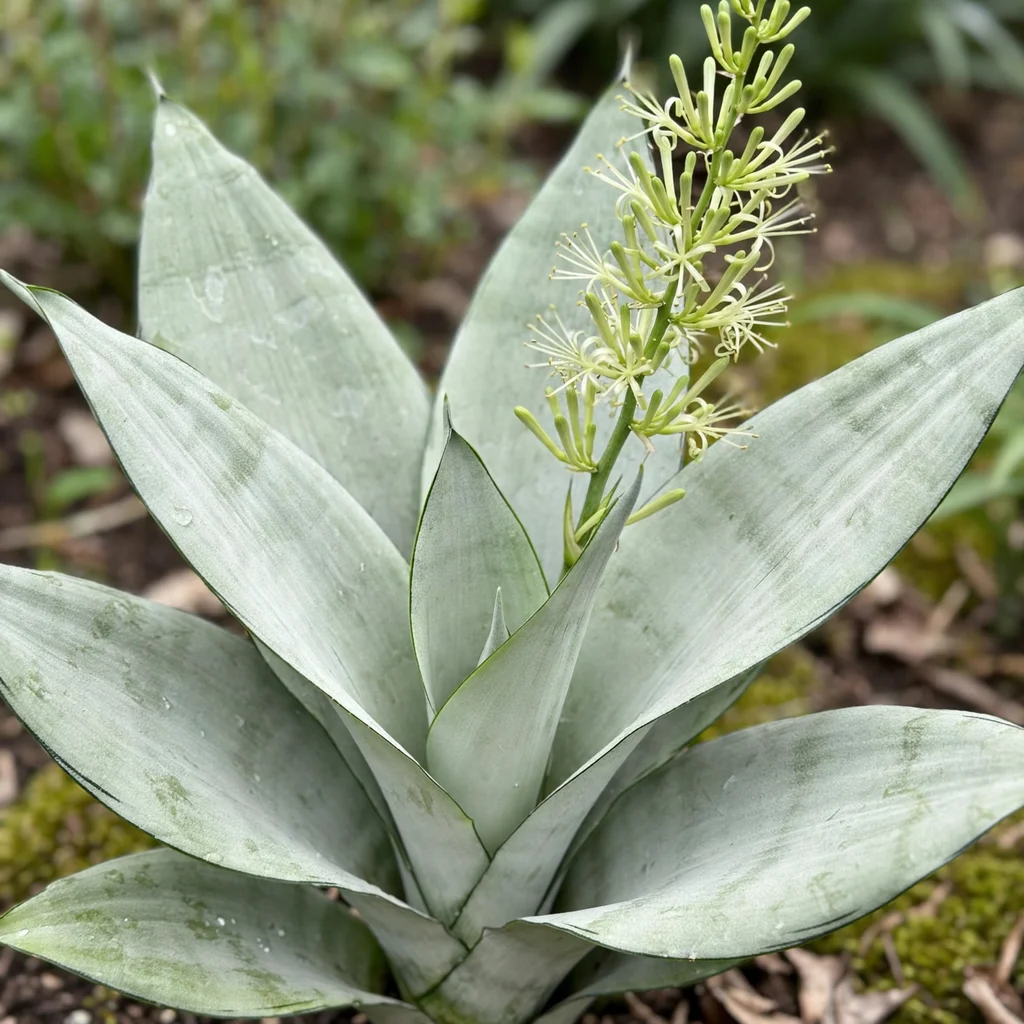
Moonshine Snake Plant
Dracaena trifasciata 'Moonshine'
Keep exploring
Explore the genus
Hardy in your zone?
Grow Madagascar Dragon Tree with confidence
See it in a design of your actual yard, get zone-matched care reminders, and track it season by season in your garden journal.