The Story
Plant Bio
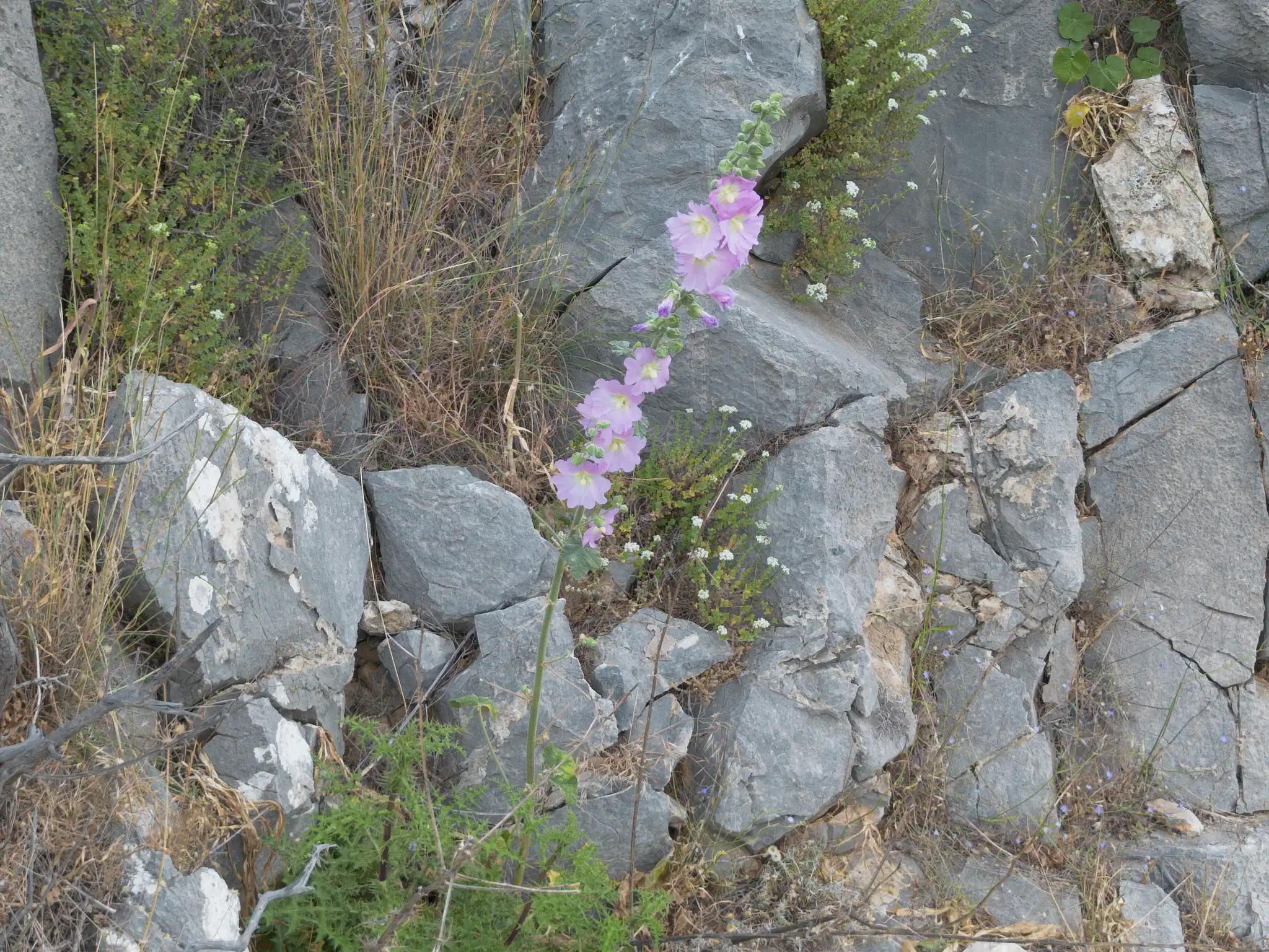
Alcea biennis is a towering, rigid biennial forming a low-lying basal rosette of dusty, sage-green leaves in its first year before shooting a massive, unbranched flowering spike in its second. The foliage is covered in soft, velvety, star-shaped hairs, and the plant establishes a deep taproot to support its upright growth.
This species is distinguished by its soft grey-green to bright green new growth and its long, terminal flower spikes that carry solitary or clustered blossoms in gentle shades of pink, pale lavender, or creamy white. The flowers feature a prominent central column of yellow stamens that attract a wide range of native pollinators.
Uses & Benefits:
Essentials
At a Glance
Plant Type
Perennial
Height
80"
Width
36"
Light
Full Sun, Partial Sun
Zones
4, 5, 6, 7, 8
Water
Moderate
Humidity
Moderate
Lifespan
Biennial
Native To
Europe
Toxicity
Skin Irritant
Bloom period
Summer – Fall
In flower about 6 months of the year
Planting
How to Grow
- Select a planting site in full sun with neutral to alkaline, well-draining soil.
- Sow seeds in late summer or early fall to establish a strong basal rosette before winter.
- Space plants 18 to 36 inches apart to allow adequate air circulation and reduce fungal disease risk.
- Water regularly during the first growing season to establish the deep taproot, then reduce watering.
Pro Tip
Plant this biennial at the back of borders against fences or walls to shield the heavy, towering stalks from summer winds and avoid the need for manual staking. Ensure the soil is exceptionally well-drained and calcium-rich, as wet winter soils will cause the taproot to rot.
Keep It Thriving
Care Guide
Do
- Clear away dead stalks annually at the end of the season to maintain garden hygiene.
- Plant in highly permeable soil to prevent winter root rot.
- Wear gloves when handling the foliage to avoid skin irritation from the bristly hairs.
Don't
- Do not apply high-nitrogen fertilizers, which stimulate soft foliage that is highly susceptible to rust.
- Do not water overhead; wet leaves encourage the spread of fungal pathogens.
- Do not plant in low-lying, wet areas of the garden where water pools.
Seasonal Care Calendar
| Task | Jan | Feb | Mar | Apr | May | Jun | Jul | Aug | Sep | Oct | Nov | Dec |
|---|---|---|---|---|---|---|---|---|---|---|---|---|
| Deadhead | ||||||||||||
| Fertilize | ||||||||||||
| Pest Check | ||||||||||||
| Prune | ||||||||||||
| Winter Prep |
Watch Out For
Pests & Diseases
Common Pests
Common Diseases
In the Garden
Landscape Uses & Companions
Landscape Uses
Companion Plants
Multiply
Propagation Methods
Good to Know
Common Questions
Biennial Hollyhock questions
What zones can Biennial Hollyhock grow in?
Biennial Hollyhock is hardy in USDA Zones 4–8. Inside that range it survives winter in the ground; outside it, grow it as an annual or a container plant you protect.
Is Biennial Hollyhock deer resistant?
Not reliably. Deer may browse Biennial Hollyhock, especially tender spring growth — plan on repellents or fencing where pressure is high.
When does Biennial Hollyhock bloom?
Biennial Hollyhock typically blooms in summer through fall. Exact timing shifts a week or two with your zone — Sow's bloom calendar maps it to your garden.
Does Biennial Hollyhock need full sun?
Biennial Hollyhock does best in full sun to part shade. In hot climates, afternoon shade keeps blooms fresher longer.
Is Biennial Hollyhock drought tolerant?
Yes — once established (usually after the first full season), Biennial Hollyhock handles dry spells with minimal watering. Water deeply its first year to build the root system that makes that possible.
More Alcea to compare
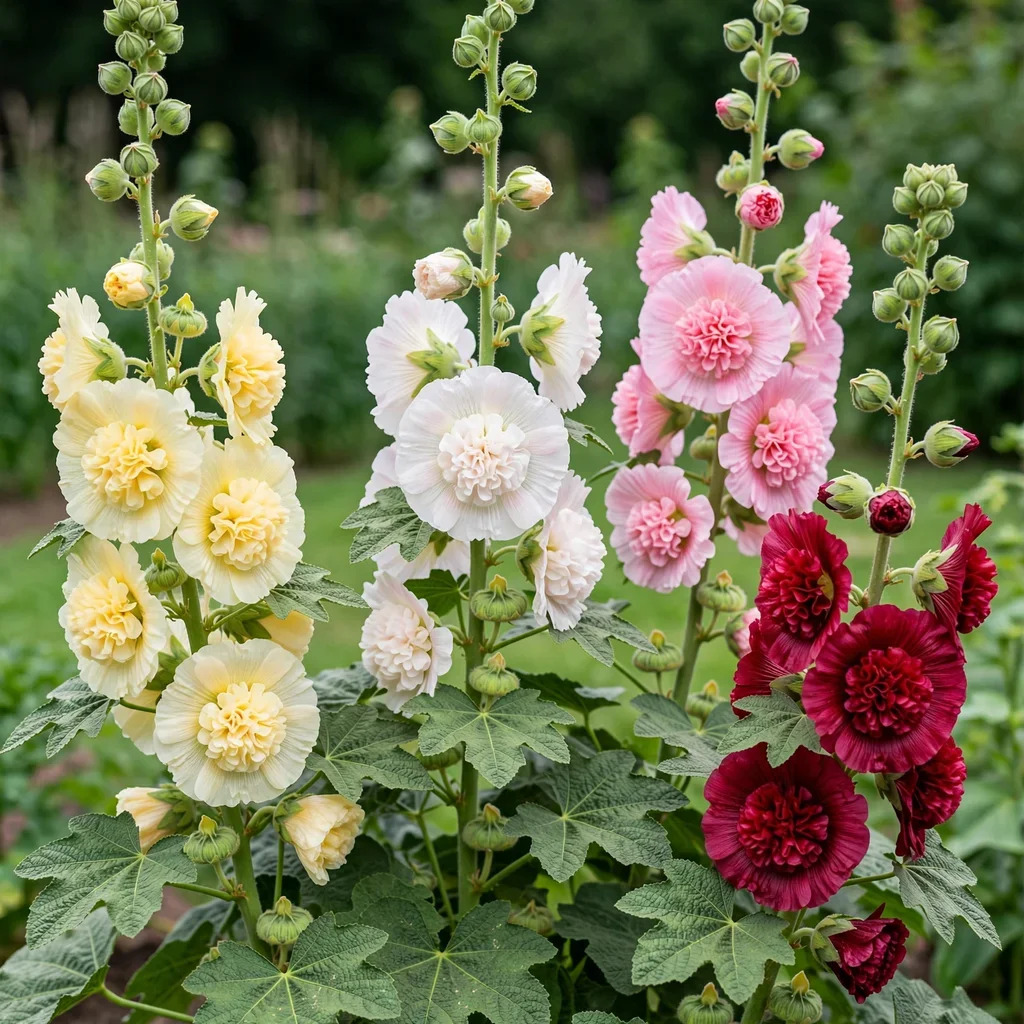
Old Farmyard Hollyhock
Alcea rosea 'Old Farmyard'
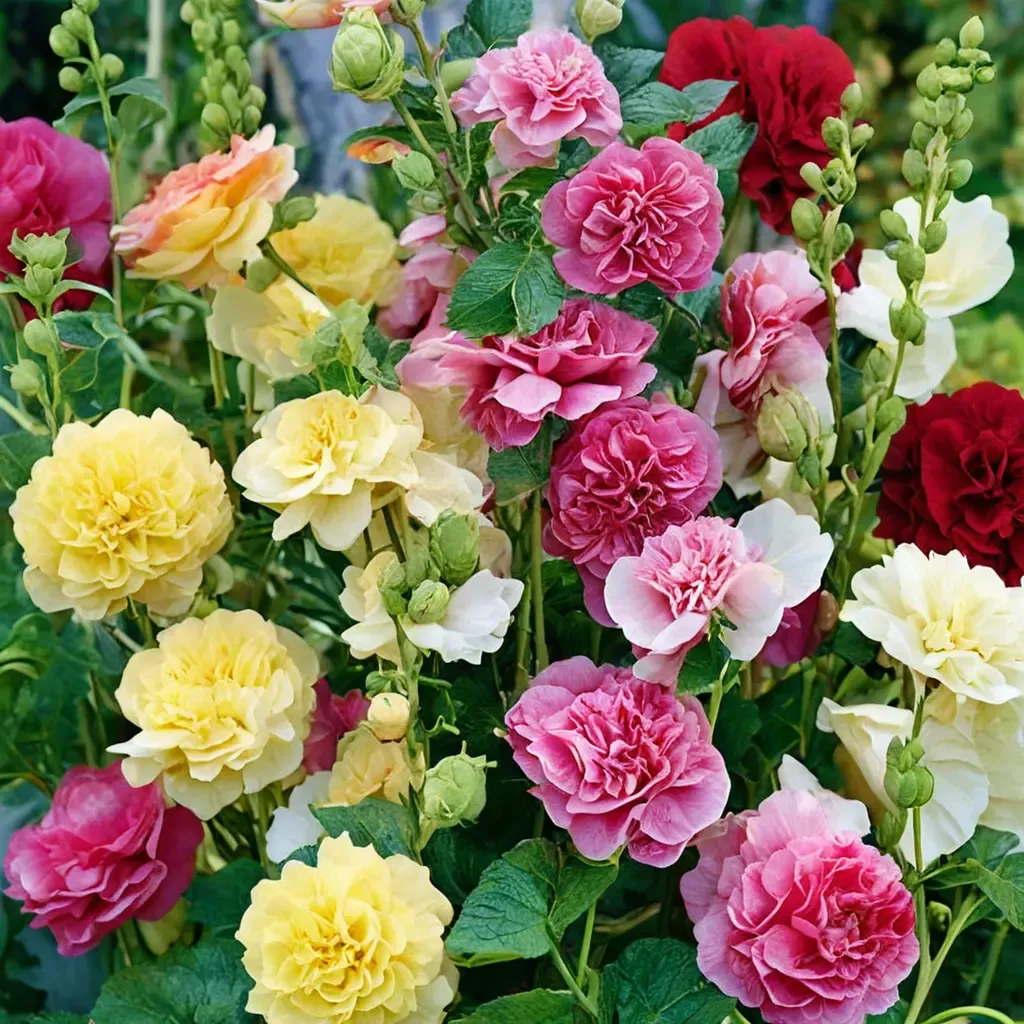
Double Hollyhock
Alcea rosea 'Double Hollyhock Mix'
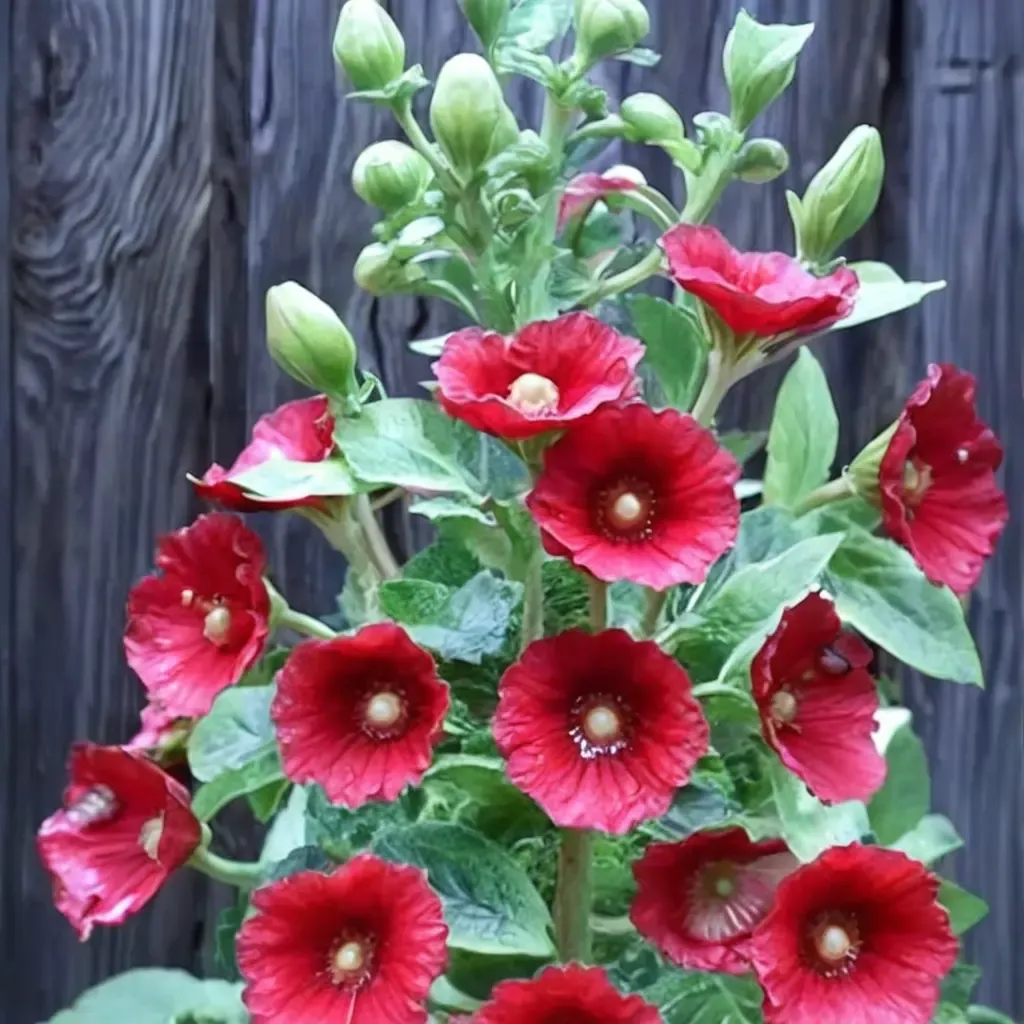
Hollyhock Country Mix
Alcea rosea 'Country Mix'
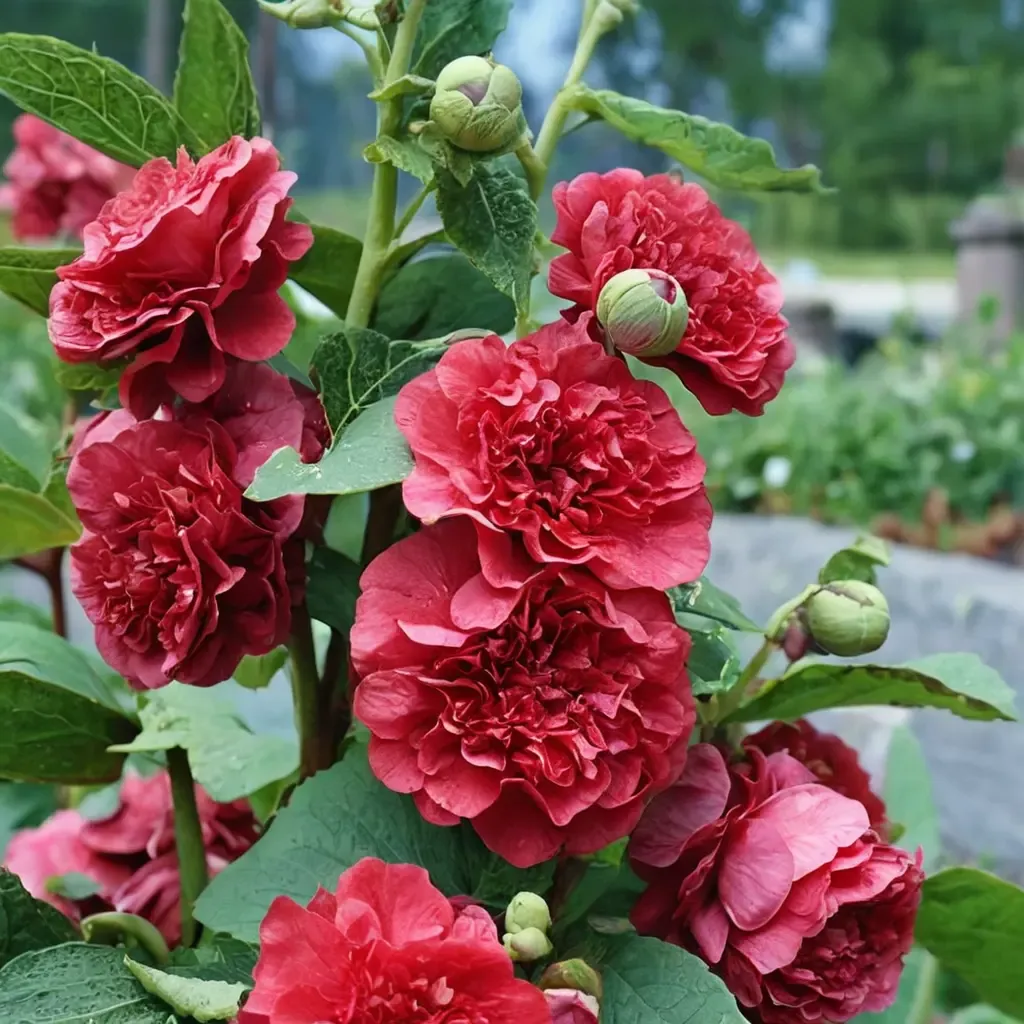
Double Scarlet Hollyhock
Alcea rosea 'Double Scarlet'
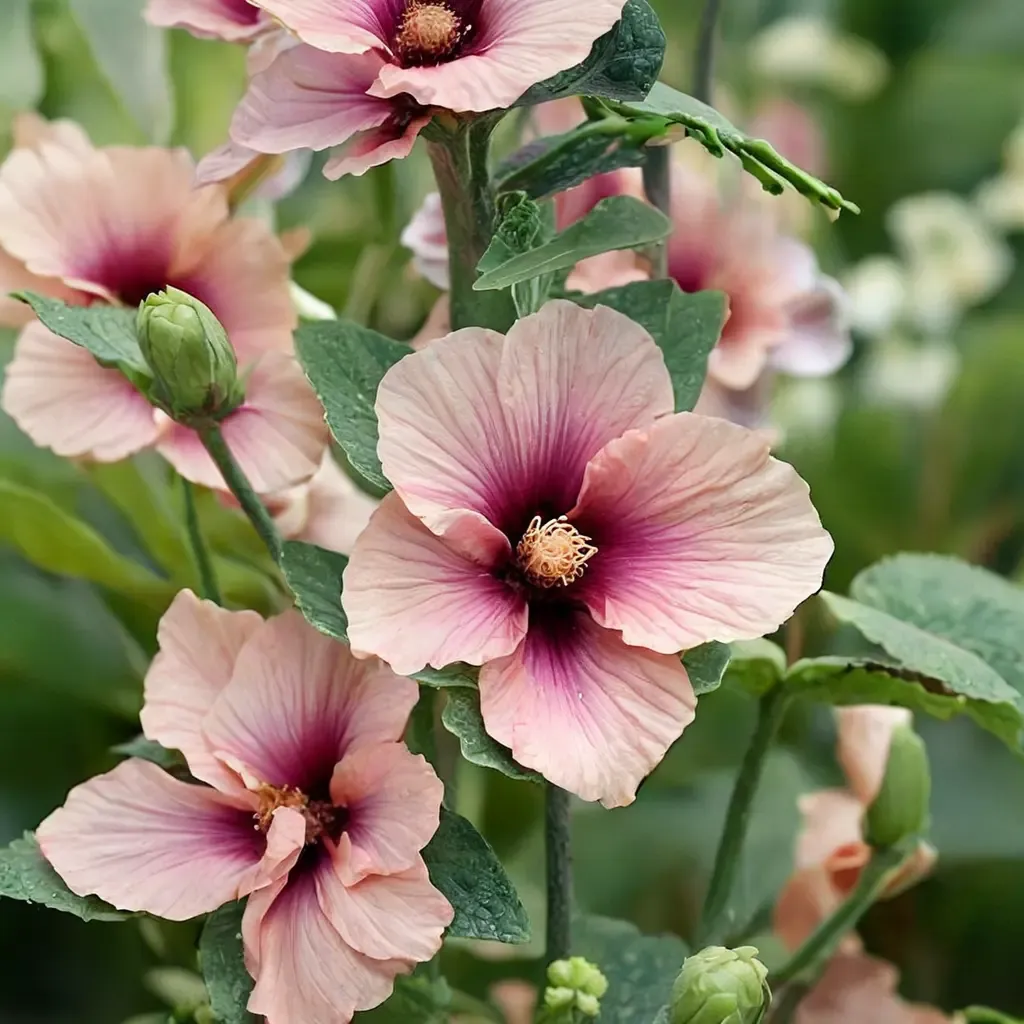
Apricot Hollyhock
Alcea rosea 'Halo Apricot'
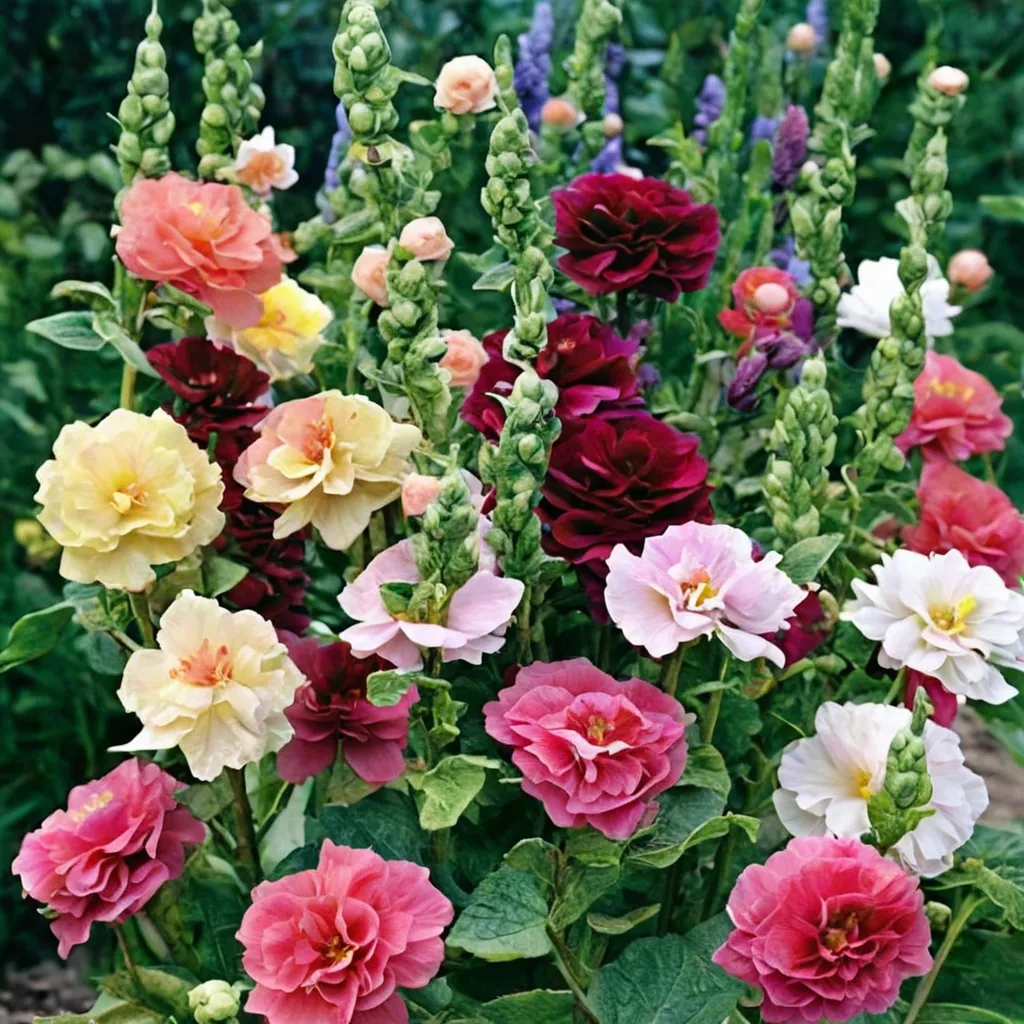
Hollyhock Mix
Alcea x hybrida 'Mix'
Keep exploring
Explore the genus
Hardy in your zone?
Grow Biennial Hollyhock with confidence
See it in a design of your actual yard, get zone-matched care reminders, and track it season by season in your garden journal.