The Story
Plant Bio
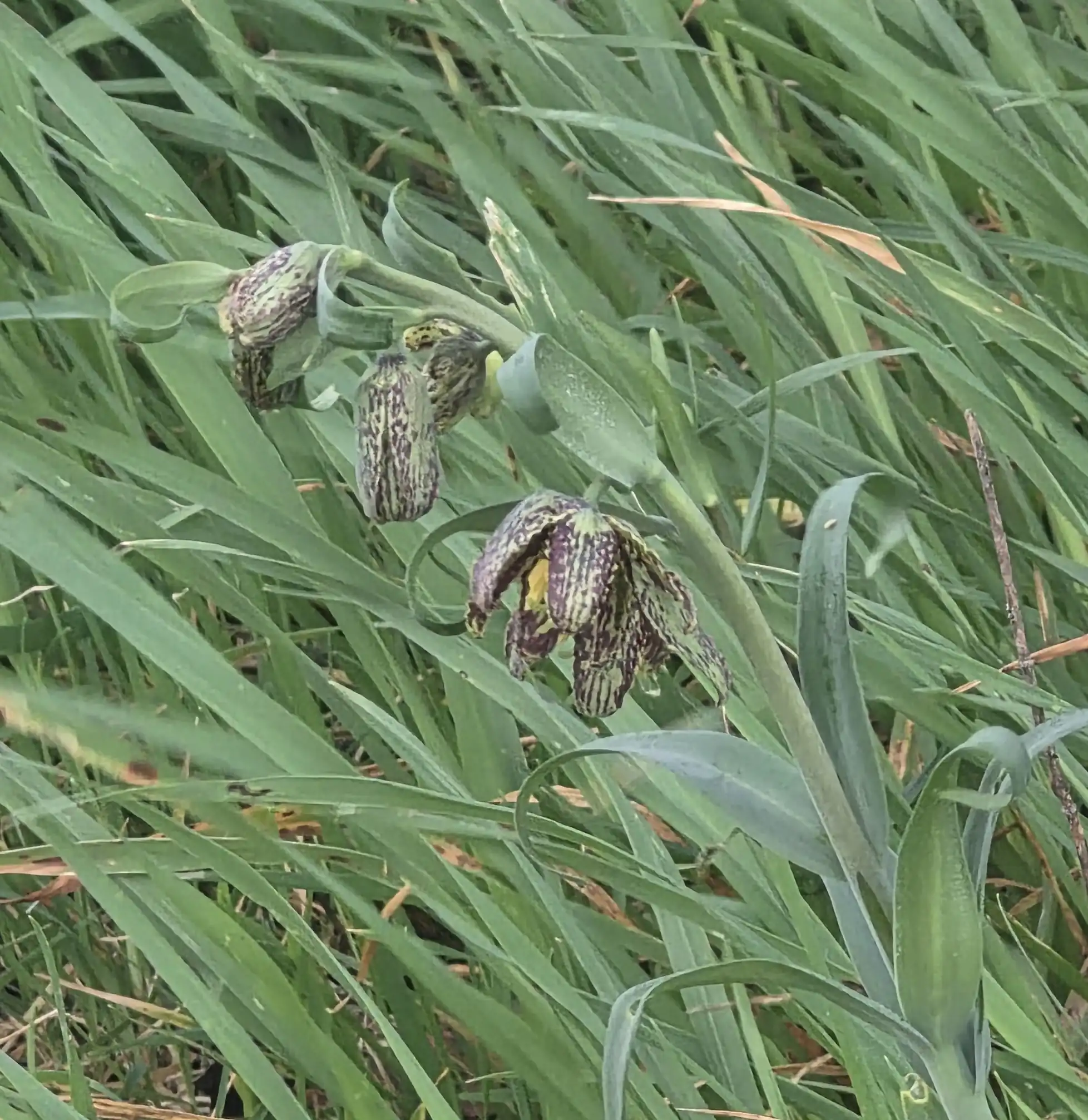
Fritillaria affinis is a deciduous bulbous perennial native to western North American bluffs, grassy prairies, and open conifer forests. Slender erect stems emerge from rice-grain-like bulblets in spring, carrying linear foliage arranged in whorls beneath nodding bell-shaped flowers.
Immature plants produce a single broad basal leaf before developing stalks bearing up to twelve mottled blooms. The pendent flowers feature a checkered pattern combining dark maroon, purple, brown, green, and yellow tones.
Uses & Benefits:
Essentials
At a Glance
Plant Type
Bulb Corm Tuber
Height
24"
Width
24"
Light
Full Sun, Partial Sun, Shade
Zones
6, 7, 8, 9
Water
Low (Dry Summer)
Humidity
Moderate
Lifespan
Perennial
Native To
Western North America
Toxicity
Toxic if ingested
Bloom period
Mid spring – Early summer
In flower about 3 months of the year
Planting
How to Grow
- Plant bulbs in fall approximately 3 to 4 inches deep in well-drained loamy, sandy, or clay-amended soil.
- Select a site in partial shade or dappled shade beneath deciduous trees.
- Water moderately during active spring growth and bloom.
- Cease all watering once foliage turns yellow in early summer to ensure absolute summer dormancy.
Pro Tip
Allow foliage to yellow and die back naturally before clearing stems; early removal deprives the underground bulb of energy needed for next spring.
Keep It Thriving
Care Guide
Do
- Ensure planting sites have sharp drainage to avoid root rot during dormancy
- Let leaves turn yellow and dry completely before removing stems
Don't
- Do not apply supplemental summer water while bulbs are dormant
- Do not remove green foliage prematurely after flowering
Seasonal Care Calendar
| Task | Jan | Feb | Mar | Apr | May | Jun | Jul | Aug | Sep | Oct | Nov | Dec |
|---|---|---|---|---|---|---|---|---|---|---|---|---|
| Pest Check | ||||||||||||
| Plant | ||||||||||||
| Propagate | ||||||||||||
| Spring Cleanup |
Watch Out For
Pests & Diseases
Common Pests
Common Diseases
In the Garden
Landscape Uses & Companions
Landscape Uses
Multiply
Propagation Methods
Good to Know
Common Questions
Checker Lily questions
What zones can Checker Lily grow in?
Checker Lily is hardy in USDA Zones 6–9. Inside that range it survives winter in the ground; outside it, grow it as an annual or a container plant you protect.
Is Checker Lily deer resistant?
Not reliably. Deer may browse Checker Lily, especially tender spring growth — plan on repellents or fencing where pressure is high.
When does Checker Lily bloom?
Checker Lily typically blooms in mid spring through early summer. Exact timing shifts a week or two with your zone — Sow's bloom calendar maps it to your garden.
Does Checker Lily need full sun?
Checker Lily does best in full sun to part shade. In hot climates, afternoon shade keeps blooms fresher longer.
Is Checker Lily drought tolerant?
Yes — once established (usually after the first full season), Checker Lily handles dry spells with minimal watering. Water deeply its first year to build the root system that makes that possible.
More Fritillaria to compare
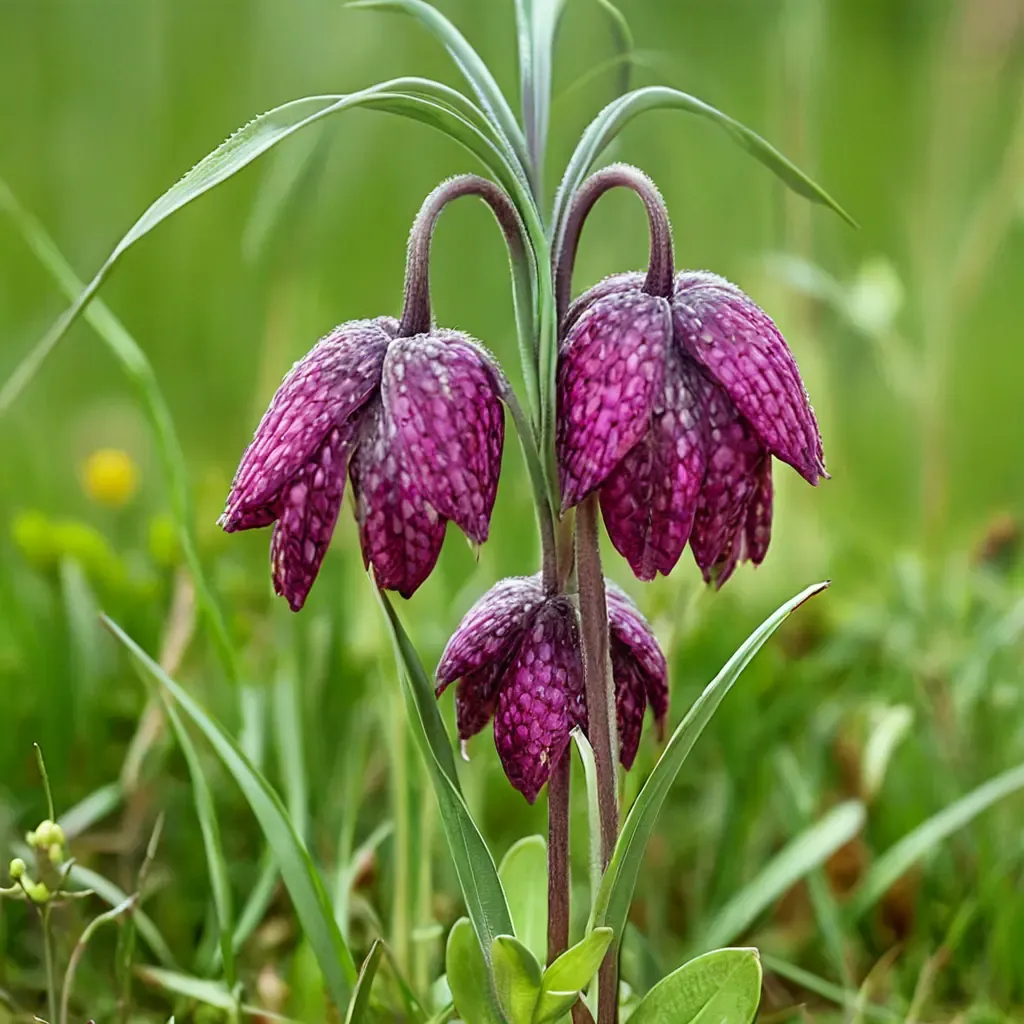
Snake's Head Fritillary
Fritillaria meleagris
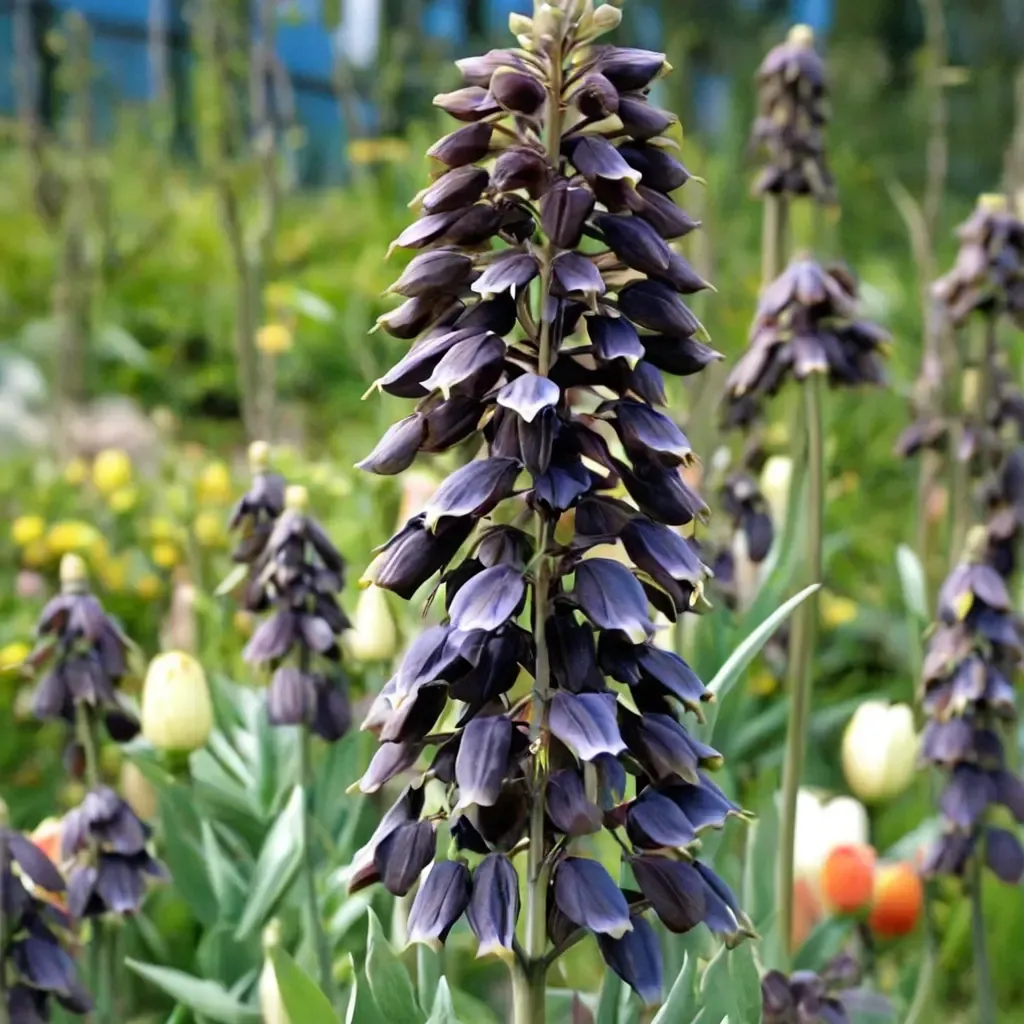
Persian Fritillary
Fritillaria persica
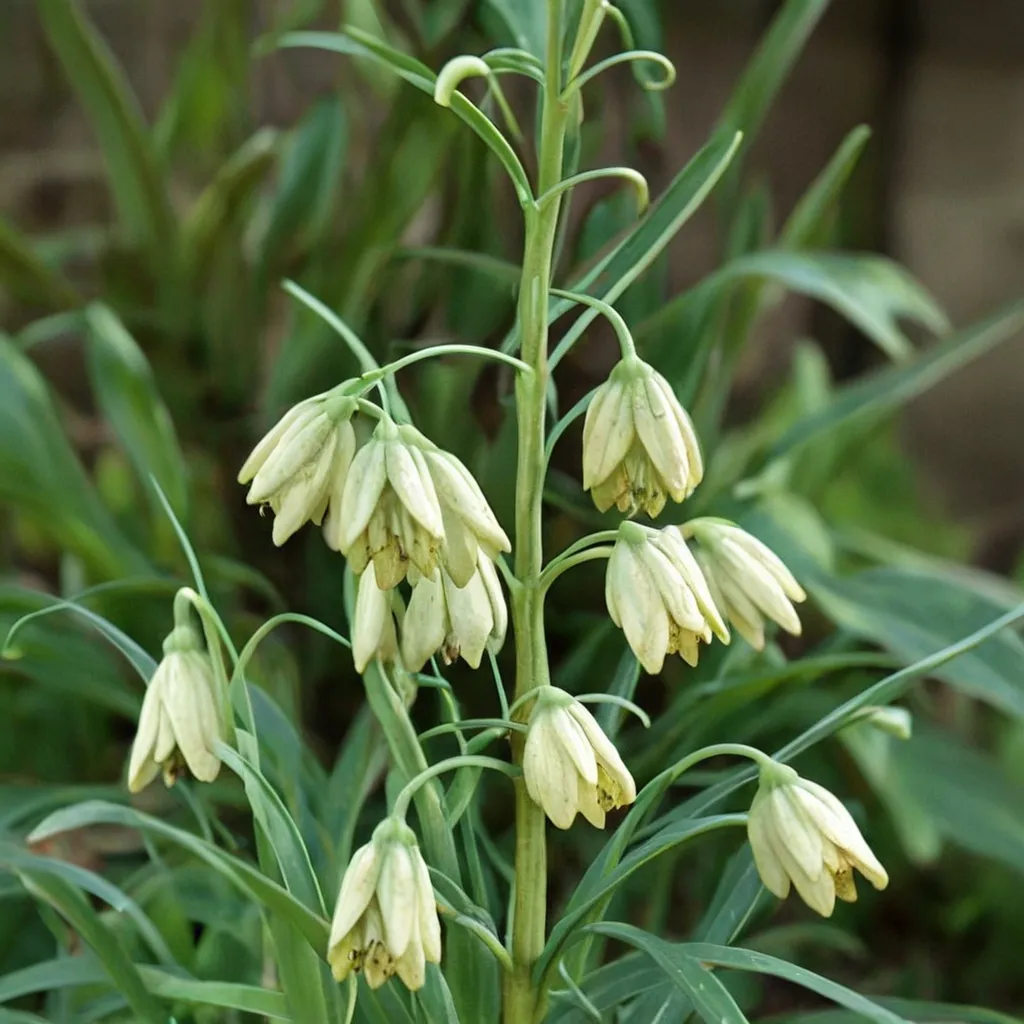
Thunberg's fritillary
Fritillaria thunbergii
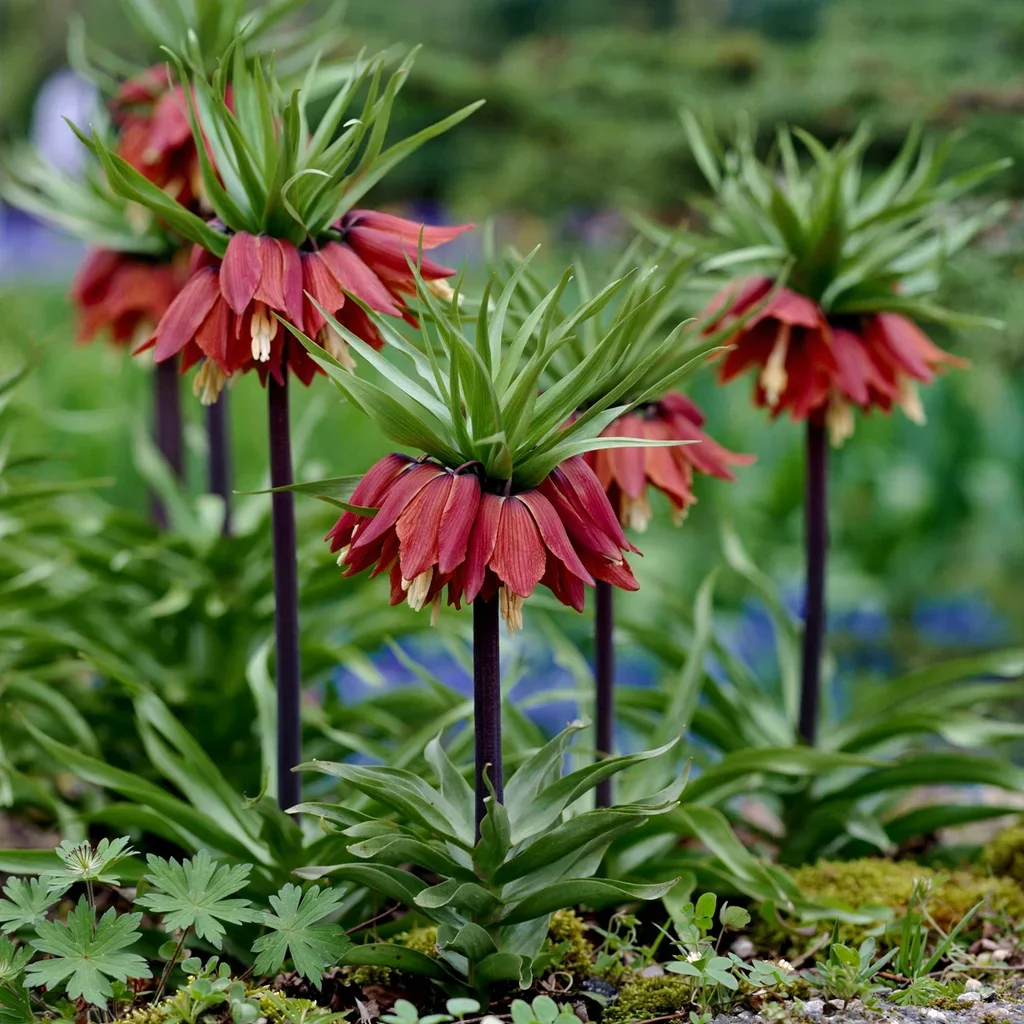
Red Crown Imperial
Fritillaria imperialis 'Red Crown Imperial'
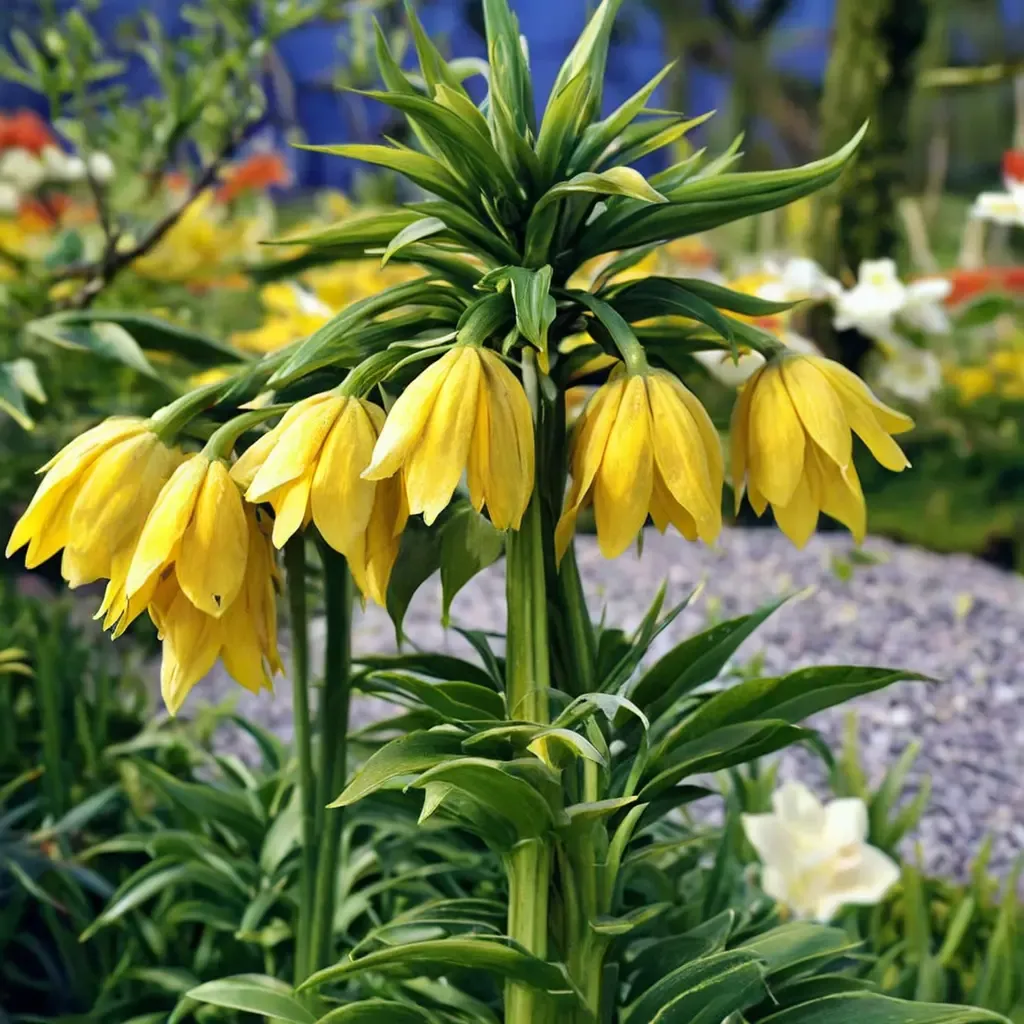
Yellow Crown Imperial
Fritillaria imperialis 'Maxima Lutea'
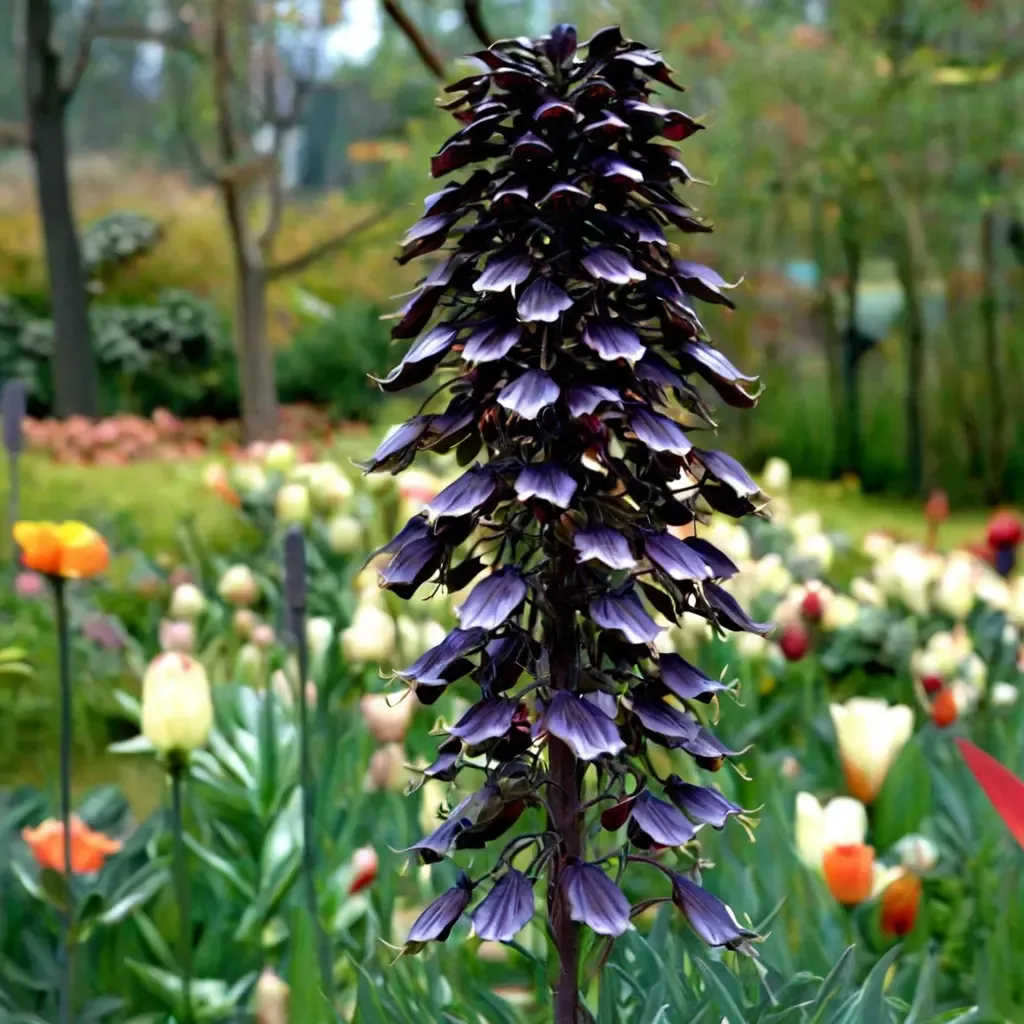
Persian Lily
Fritillaria imperialis 'Persian Lily'
Keep exploring
Explore the genus
Hardy in your zone?
Grow Checker Lily with confidence
See it in a design of your actual yard, get zone-matched care reminders, and track it season by season in your garden journal.