The Story
Plant Bio
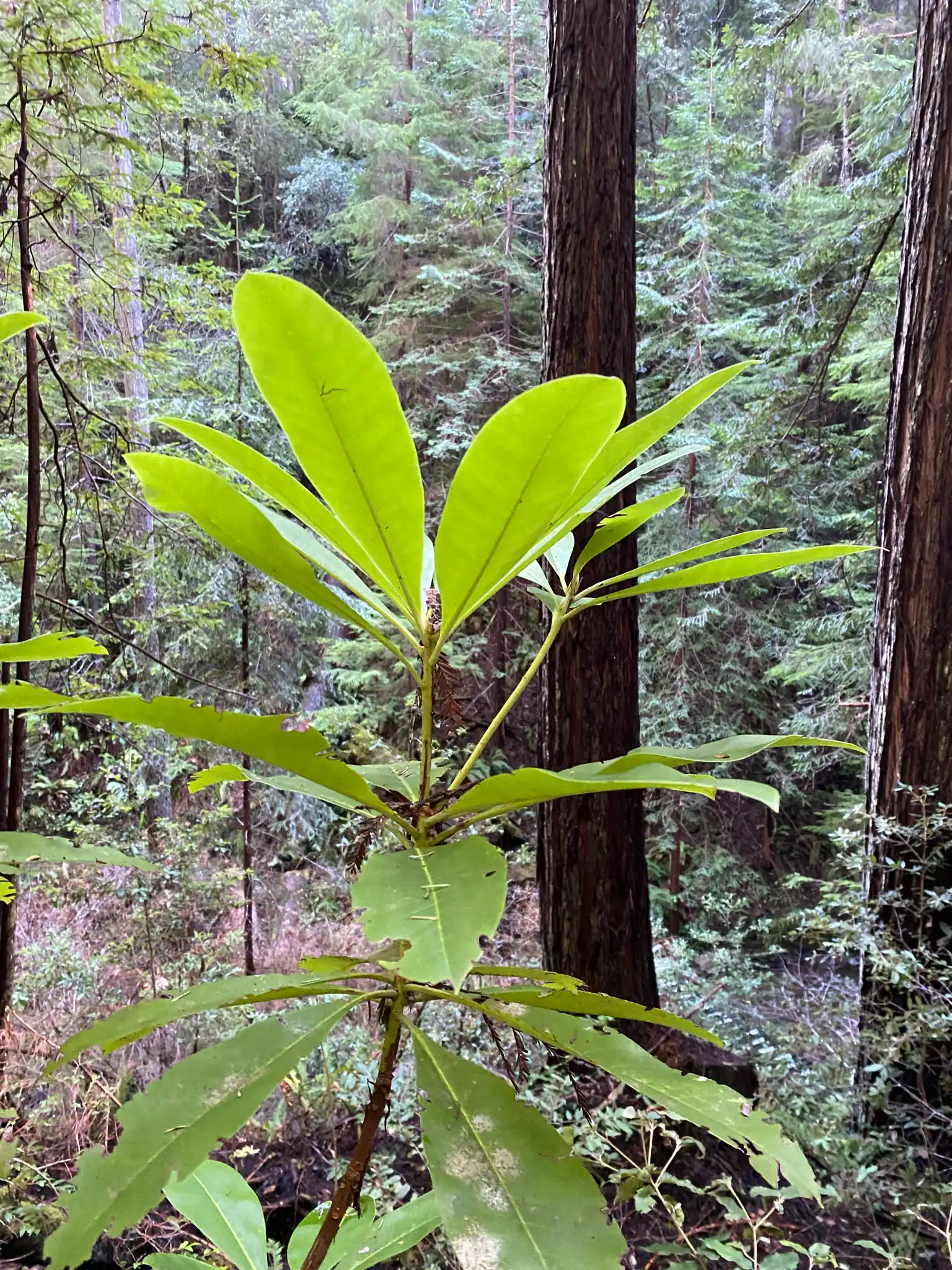
Rhododendron macrophyllum is a large, upright, evergreen shrub native to the Pacific Coast understories, characterized by leathery, dark green leaves up to eight inches long with rolled margins. In spring and early summer, it produces dense terminal trusses of fifteen to thirty funnel-shaped flowers ranging from pale pink to deep rose-purple.
The upper petal lobes feature distinctive greenish-brown or yellowish flecks that contrast against the pink blooms. New foliage emerges in a bright light green to yellowish-green shade, providing a seasonal contrast against the dark, coarse-textured mature canopy.
Uses & Benefits:
Essentials
At a Glance
Plant Type
Shrub
Height
295"
Width
157"
Light
Partial Sun, Shade
Zones
8, 9, 10
Water
Moderate
Humidity
Moderate to high
Lifespan
Long-lived
Native To
North America
Toxicity
Toxic if ingested
Bloom period
Spring – Early summer
In flower about 4 months of the year
Planting
How to Grow
- Select a planting site with dappled canopy shade and protection from hot afternoon sun.
- Incorporate organic matter such as leaf mold or decomposed forest humus into sandy loam or loamy sand to achieve an acidic pH between 4.0 and 6.2.
- Ensure the planting spot has excellent drainage, as waterlogged soils or compacted clay will cause root rot.
- Apply a thick layer of organic mulch annually to retain soil moisture and protect the shallow root system.
Pro Tip
Plant in highly drained, acidic soil with dappled shade; planting in heavy clay or full afternoon sun leads rapidly to root rot or leaf scorch.
Keep It Thriving
Care Guide
Do
- Mulch annually with an acidifying organic material like leaf mold or aged compost.
- Provide regular irrigation during dry summer periods to maintain consistent soil moisture.
- Deadhead spent flower trusses immediately after blooming to maintain a clean appearance.
Don't
- Do not plant in heavy clay soils or areas prone to standing water.
- Do not prune hard into old, leafless wood, as it frequently fails to resprout.
- Do not apply heavy synthetic fertilizers high in nitrogen or phosphorus.
Seasonal Care Calendar
| Task | Jan | Feb | Mar | Apr | May | Jun | Jul | Aug | Sep | Oct | Nov | Dec |
|---|---|---|---|---|---|---|---|---|---|---|---|---|
| Mulch | ||||||||||||
| Pest Check | ||||||||||||
| Propagate | ||||||||||||
| Prune |
Watch Out For
Pests & Diseases
Common Pests
Common Diseases
In the Garden
Landscape Uses & Companions
Landscape Uses
Multiply
Propagation Methods
Good to Know
Common Questions
Pacific Rhododendron questions
What zones can Pacific Rhododendron grow in?
Pacific Rhododendron is hardy in USDA Zones 8–10. Inside that range it survives winter in the ground; outside it, grow it as an annual or a container plant you protect.
Is Pacific Rhododendron deer resistant?
Not reliably. Deer may browse Pacific Rhododendron, especially tender spring growth — plan on repellents or fencing where pressure is high.
When does Pacific Rhododendron bloom?
Pacific Rhododendron typically blooms in spring through early summer. Exact timing shifts a week or two with your zone — Sow's bloom calendar maps it to your garden.
Does Pacific Rhododendron need full sun?
Pacific Rhododendron does best in part shade.
More Rhododendron to compare
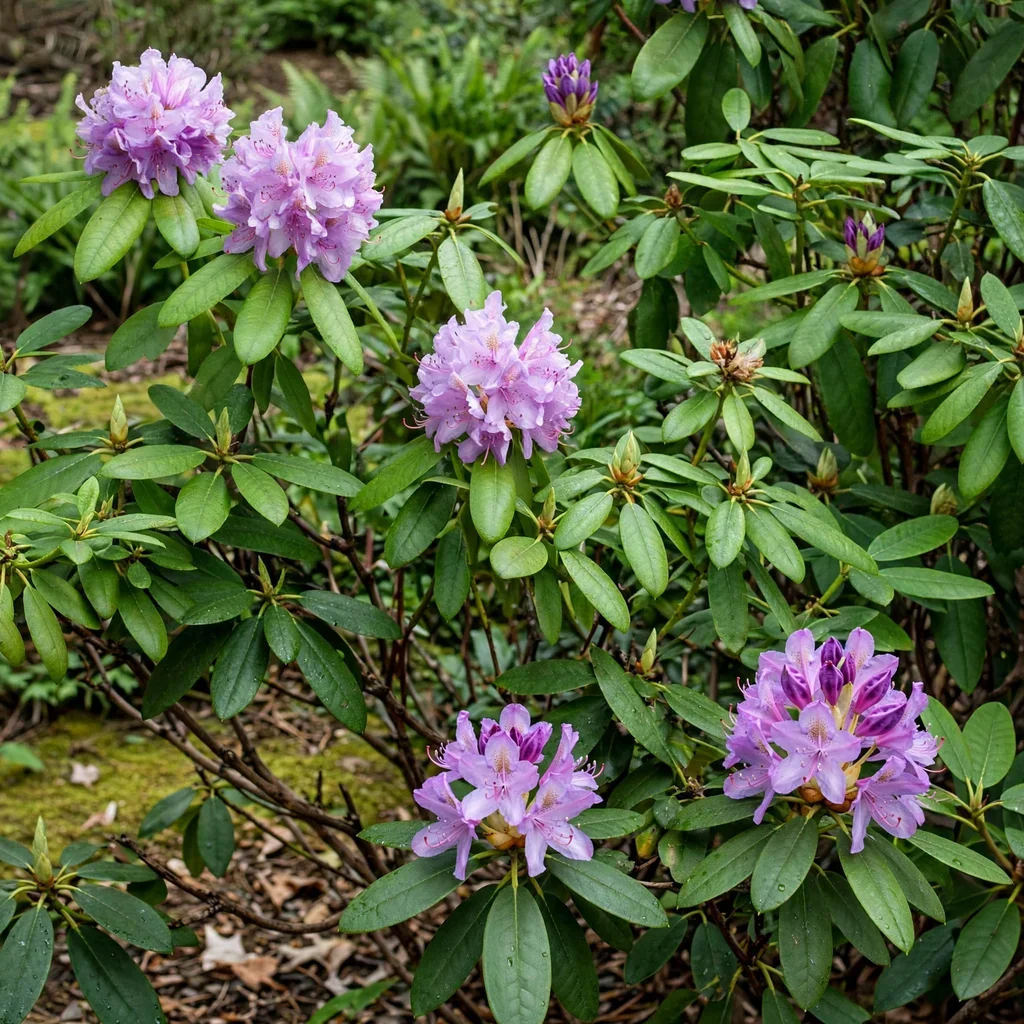
Catawba Rhododendron
Rhododendron catawbiense
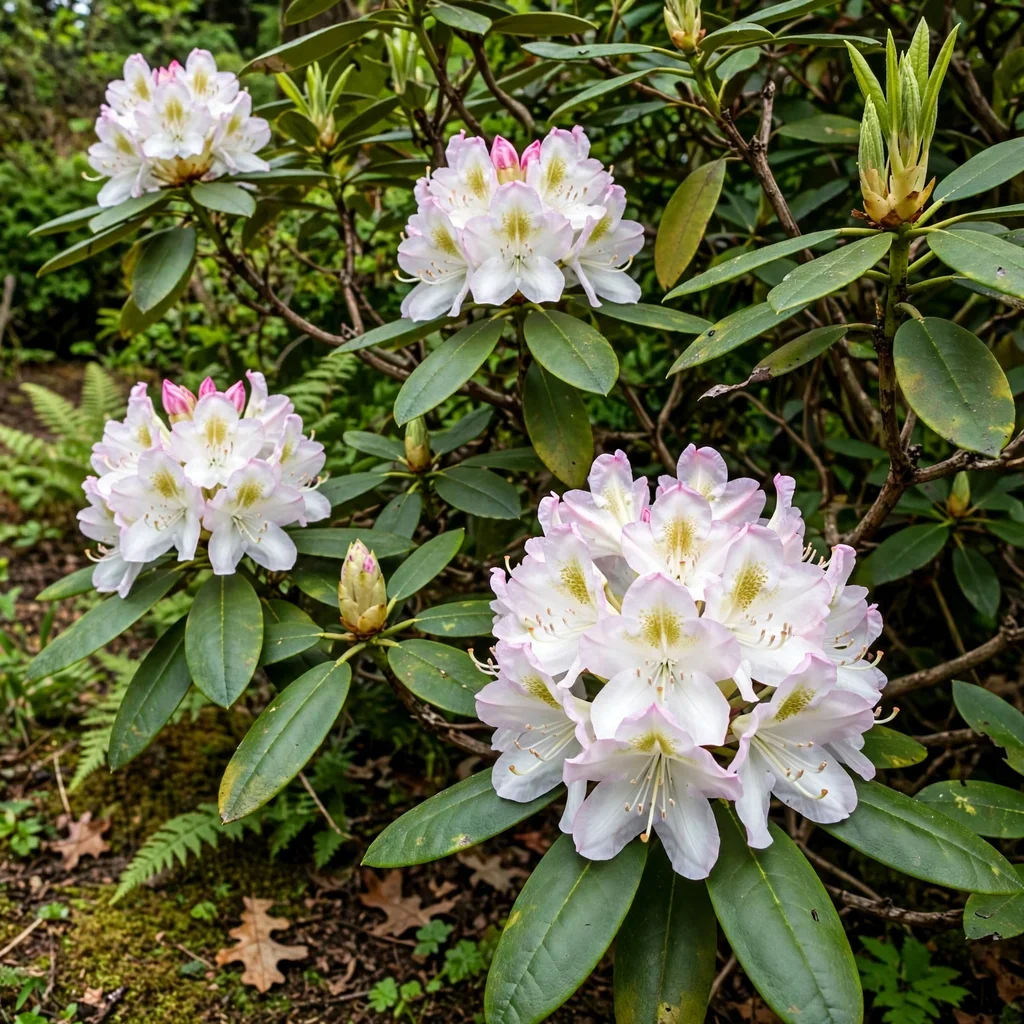
Great Laurel Rhododendron
Rhododendron maximum
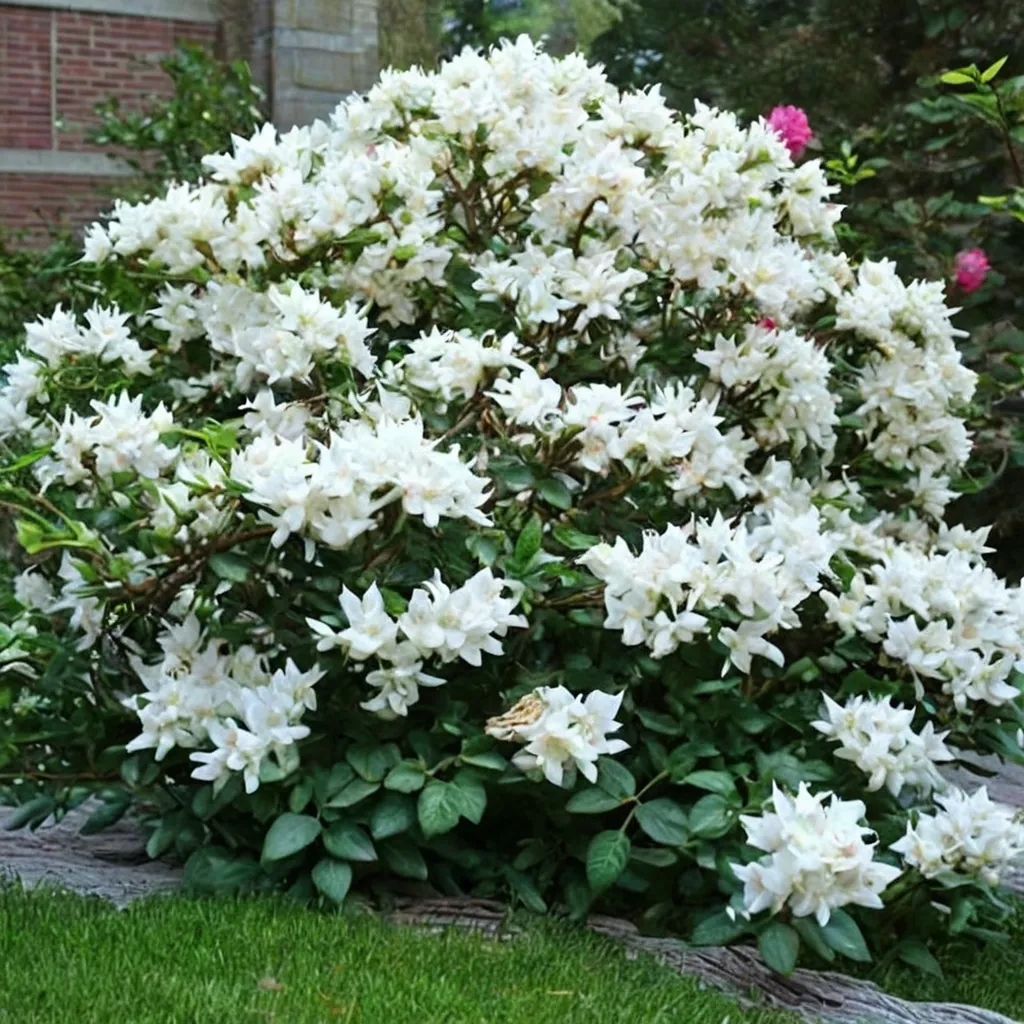
Double White Rhododendron
Rhododendron x hybrida 'Double White'
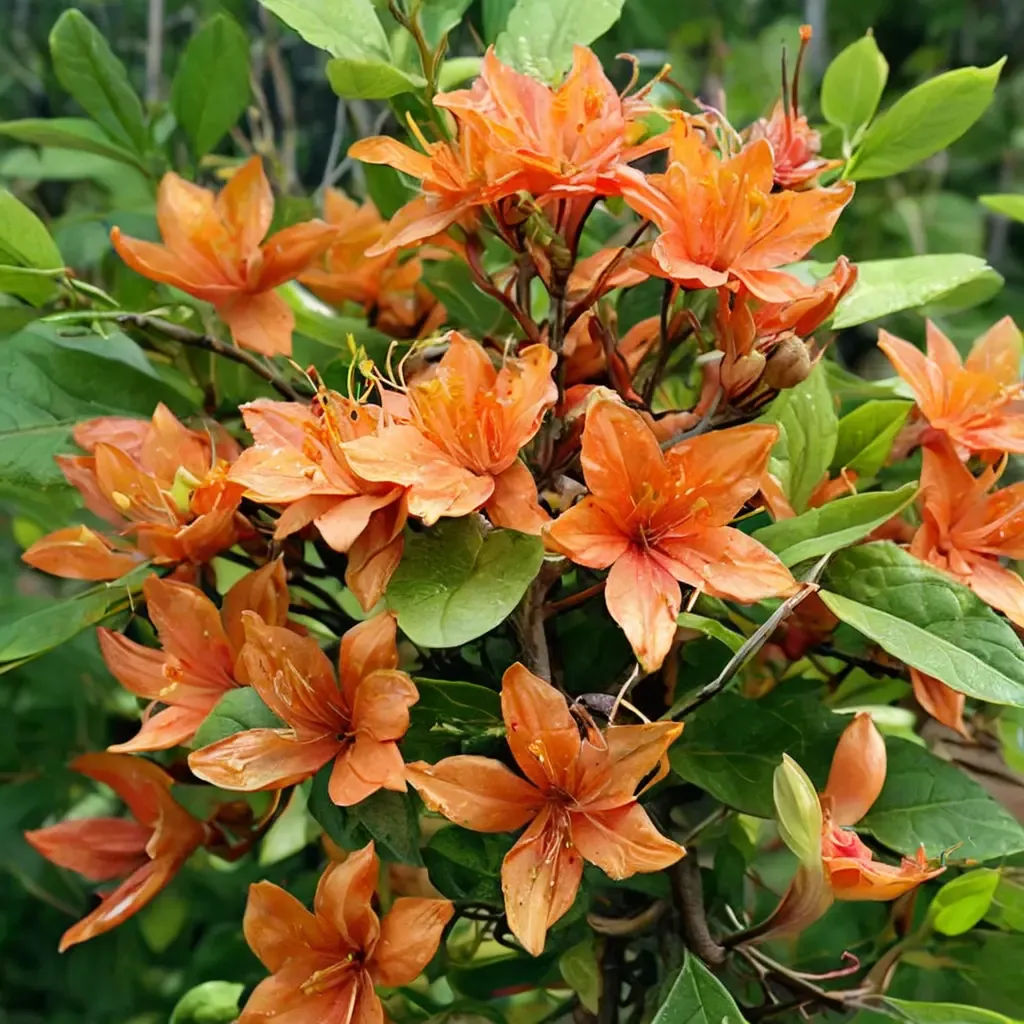
Flame Azalea
Rhododendron calendulaceum
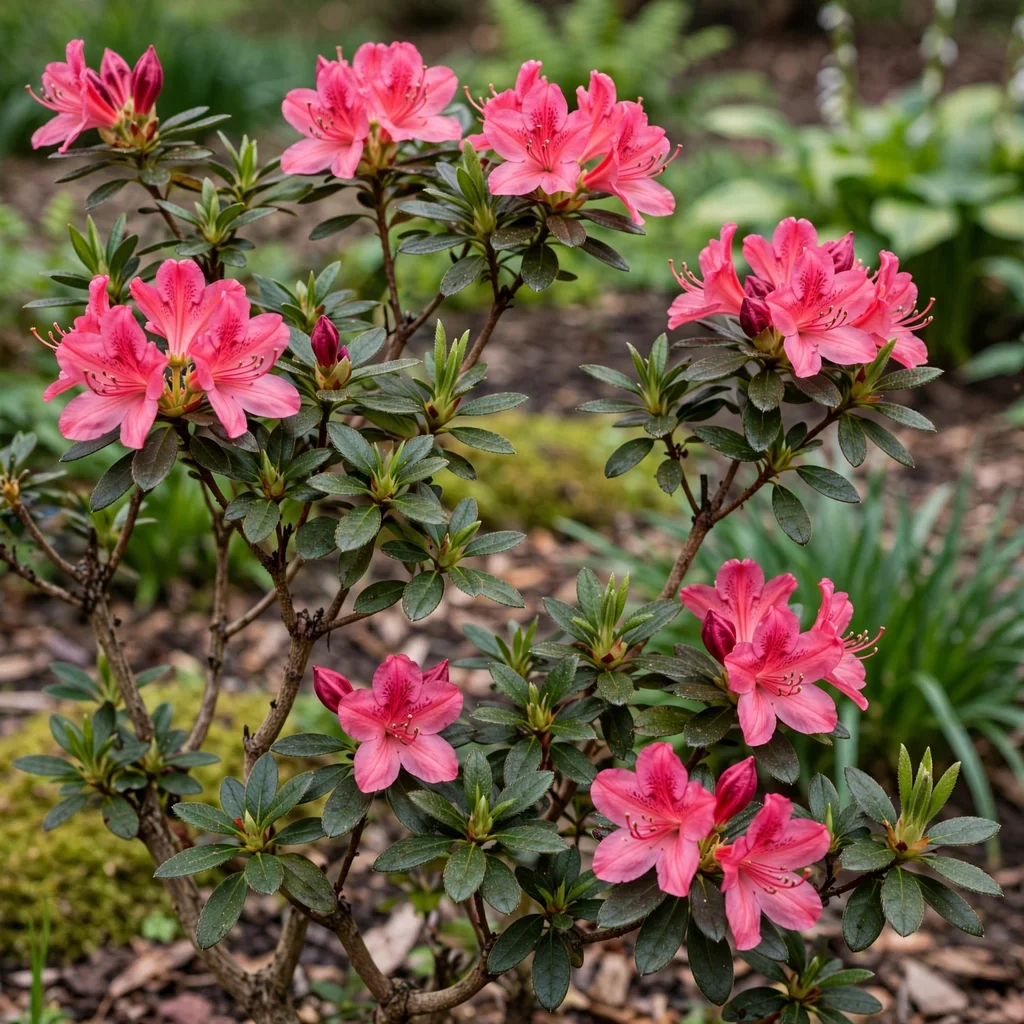
Bone Hardy Azalea
Rhododendron x hybrida 'Bone Hardy Azalea Sampler'
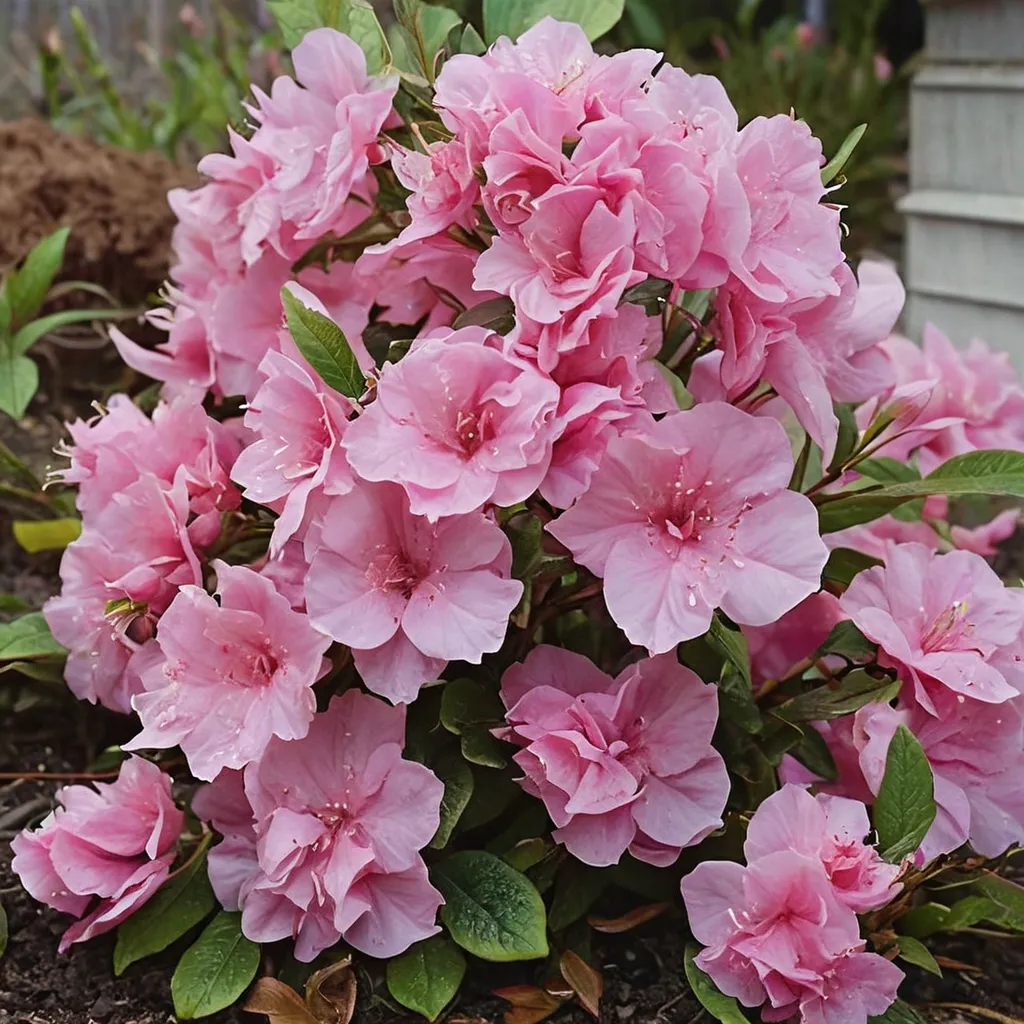
Rhododendron x hybrida Double Pink
Rhododendron x hybrida 'Double Pink'
Keep exploring
Explore the genus
Hardy in your zone?
Grow Pacific Rhododendron with confidence
See it in a design of your actual yard, get zone-matched care reminders, and track it season by season in your garden journal.