
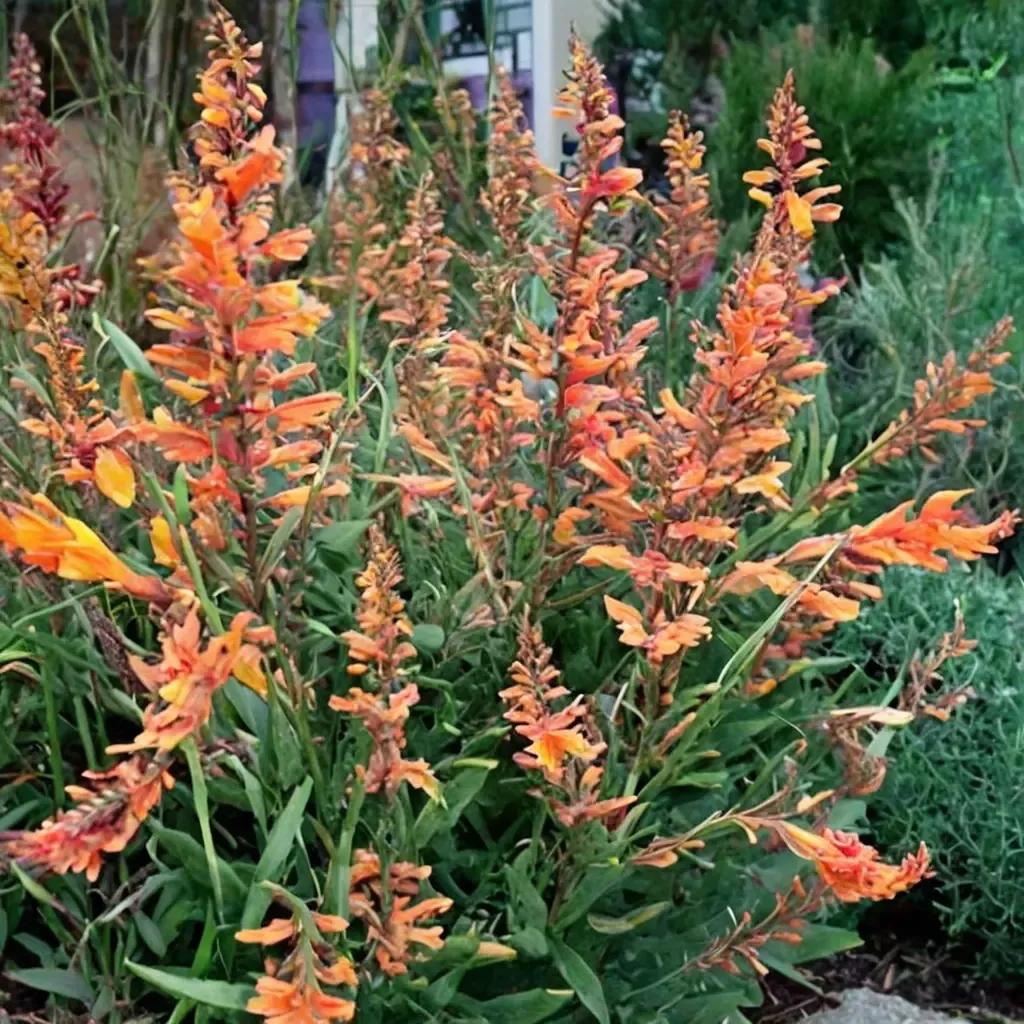
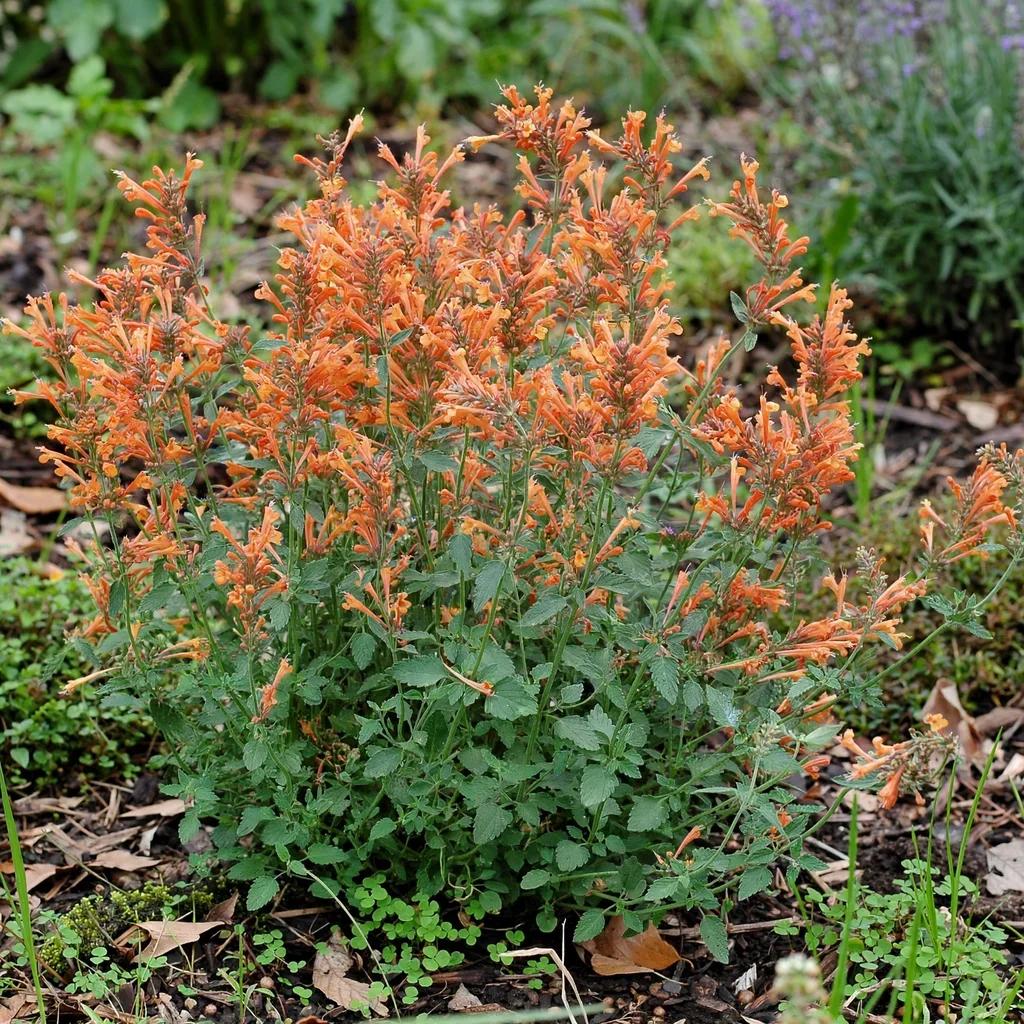
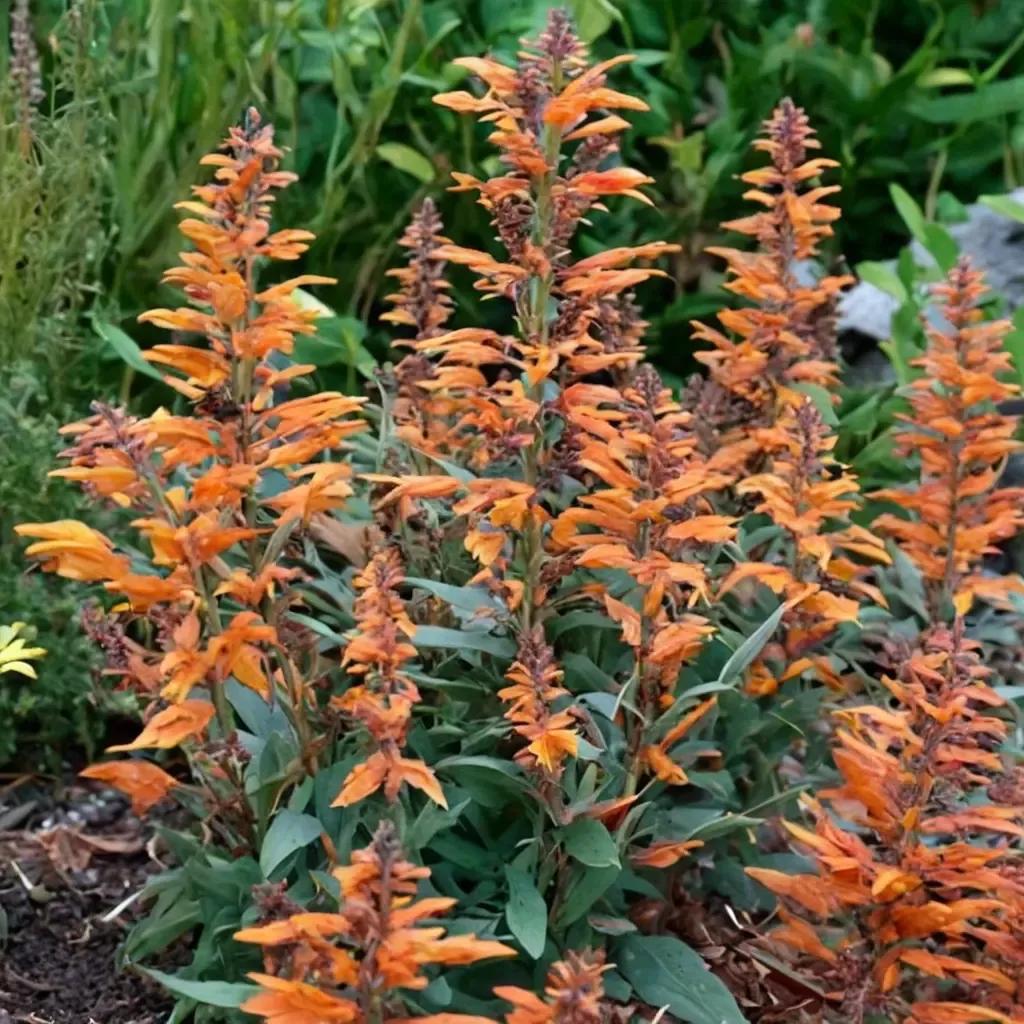

The Story
Plant Bio
Agastache species, native to the dry grasslands and rocky slopes of North America, are aromatic herbaceous perennials in the mint family. They produce upright spikes of tubular flowers that attract pollinators and possess volatile oils that deter browsing herbivores.
'Sunny Sparks Pink' is a compact, mounding cultivar that produces soft pink tubular flowers emerging from darker rose-pink buds with purple-tinted calyxes. The narrow, dark green foliage releases a strong mint-anise fragrance when crushed.
Uses & Benefits:
Essentials
At a Glance
Plant Type
Perennial
Height
20"
Width
24"
Light
Full Sun
Zones
6, 7, 8, 9, 10
Water
Low
Humidity
Moderate
Lifespan
Perennial
Native To
North America
Toxicity
Non-toxic
Bloom period
Late spring – Autumn
In flower about 7 months of the year
Planting
How to Grow
- Plant in a location that receives at least six hours of direct sunlight daily.
- Amend heavy soils with coarse grit or sand to ensure rapid drainage, as waterlogged roots will fail.
- Water regularly after planting until the root system is established, then reduce watering to dry or moderate levels.
- Apply a light layer of organic mulch around the base, keeping it clear of the immediate crown to prevent moisture retention.
Pro Tip
Avoid cutting back dead stems in fall; leaving the hollow stems intact until spring prevents winter moisture from collecting in the crown and causing rot.
Keep It Thriving
Care Guide
Do
- Plant in sharply drained, gritty soil.
- Prune dead stems close to the base in early spring.
- Provide full sun exposure for optimal flowering and compact habit.
Don't
- Do not plant in heavy clay or poorly drained soils.
- Do not prune heavily in autumn, which exposes hollow stems to winter rot.
- Do not over-fertilize, as excess nitrogen causes weak, floppy growth.
Seasonal Care Calendar
| Task | Jan | Feb | Mar | Apr | May | Jun | Jul | Aug | Sep | Oct | Nov | Dec |
|---|---|---|---|---|---|---|---|---|---|---|---|---|
| Deadhead | ||||||||||||
| Fertilize | ||||||||||||
| Pest Check | ||||||||||||
| Spring Cleanup |
Watch Out For
Pests & Diseases
Common Pests
Common Diseases
In the Garden
Landscape Uses & Companions
Landscape Uses
Multiply
Propagation Methods
Good to Know
Common Questions
Hummingbird Mint questions
What zones can Hummingbird Mint grow in?
Hummingbird Mint is hardy in USDA Zones 6–10. Inside that range it survives winter in the ground; outside it, grow it as an annual or a container plant you protect.
Is Hummingbird Mint deer resistant?
Yes — Hummingbird Mint is rated deer-resistant. Deer typically pass it over, though extreme hunger can override any plant's defenses.
When does Hummingbird Mint bloom?
Hummingbird Mint typically blooms in late spring through autumn. Exact timing shifts a week or two with your zone — Sow's bloom calendar maps it to your garden.
Does Hummingbird Mint need full sun?
Hummingbird Mint does best in full sun (6+ hours).
Is Hummingbird Mint drought tolerant?
Yes — once established (usually after the first full season), Hummingbird Mint handles dry spells with minimal watering. Water deeply its first year to build the root system that makes that possible.
More Agastache to compare
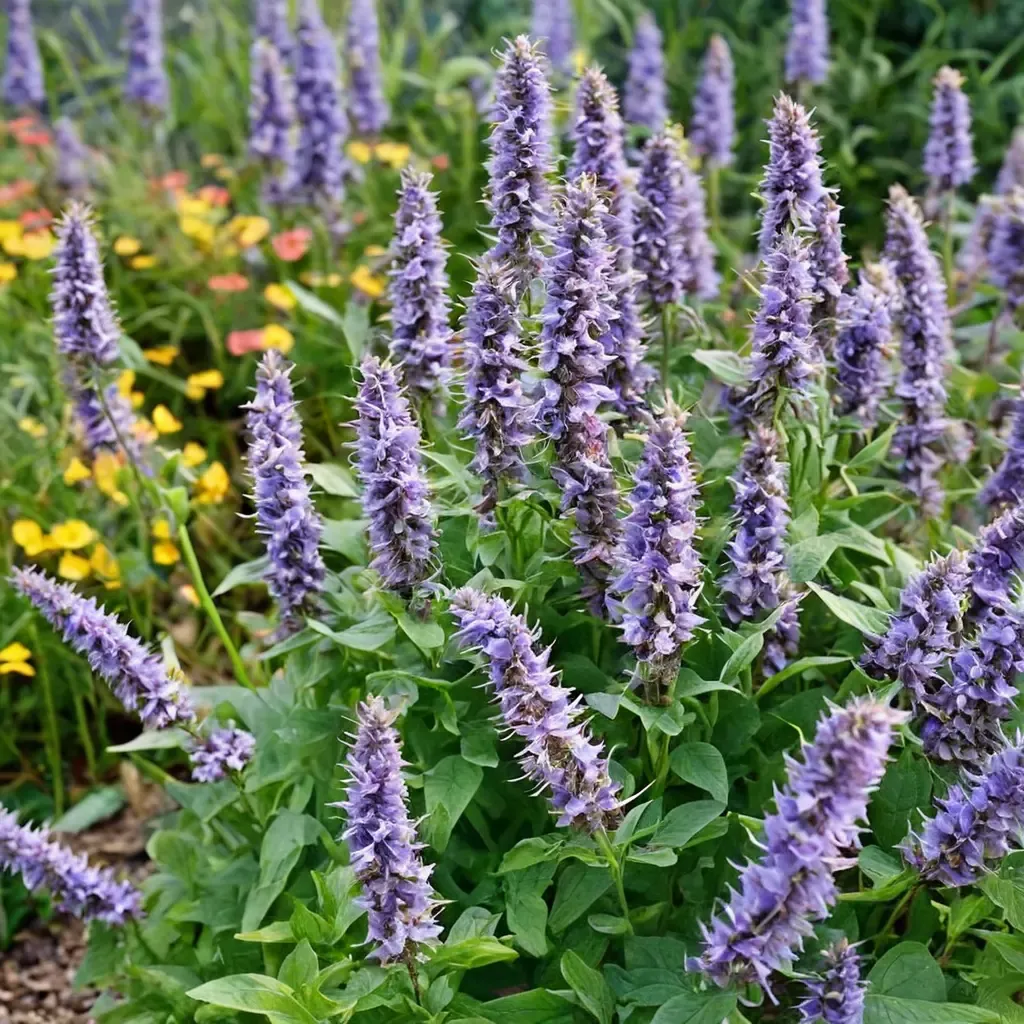
'Blue Fortune' Anise Hyssop
Agastache x hybrida 'Blue Fortune'
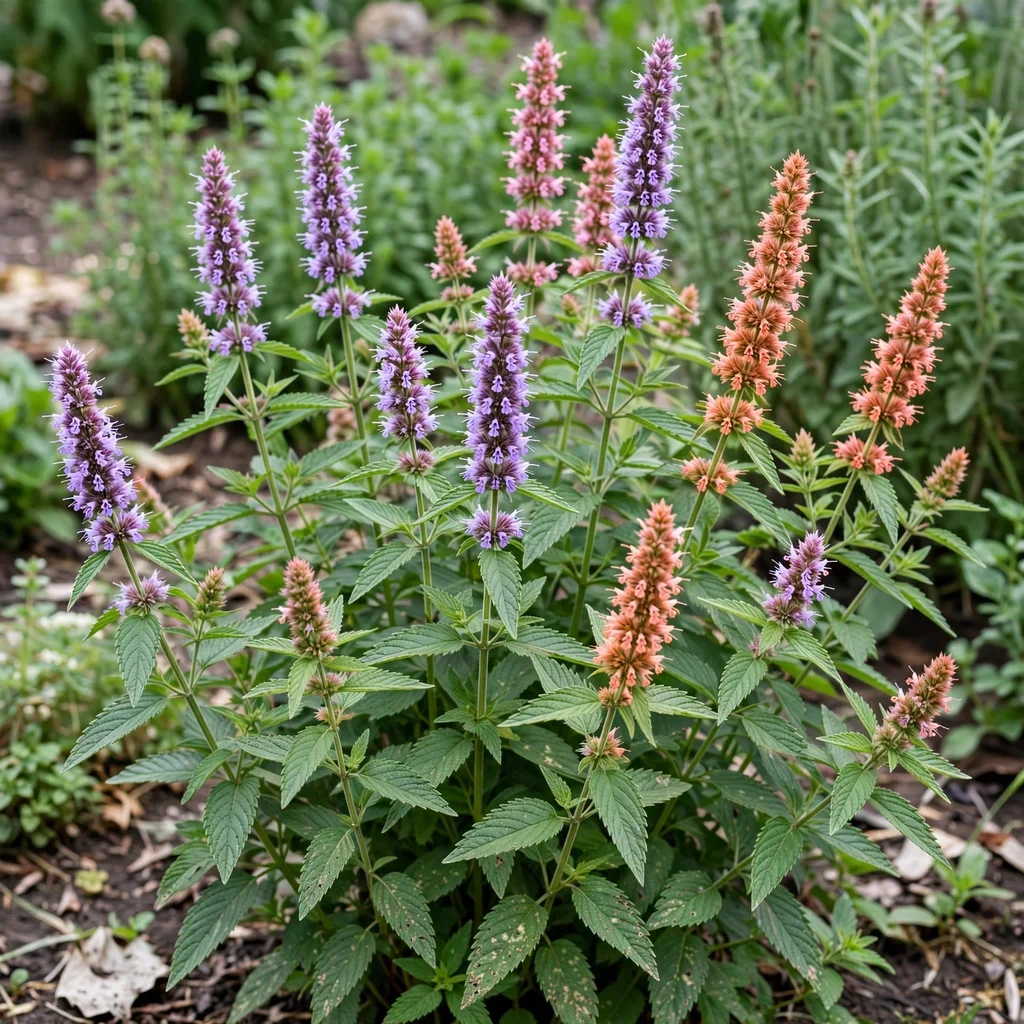
Hummingbird Mint Mix
Agastache x hybrida 'Mix'
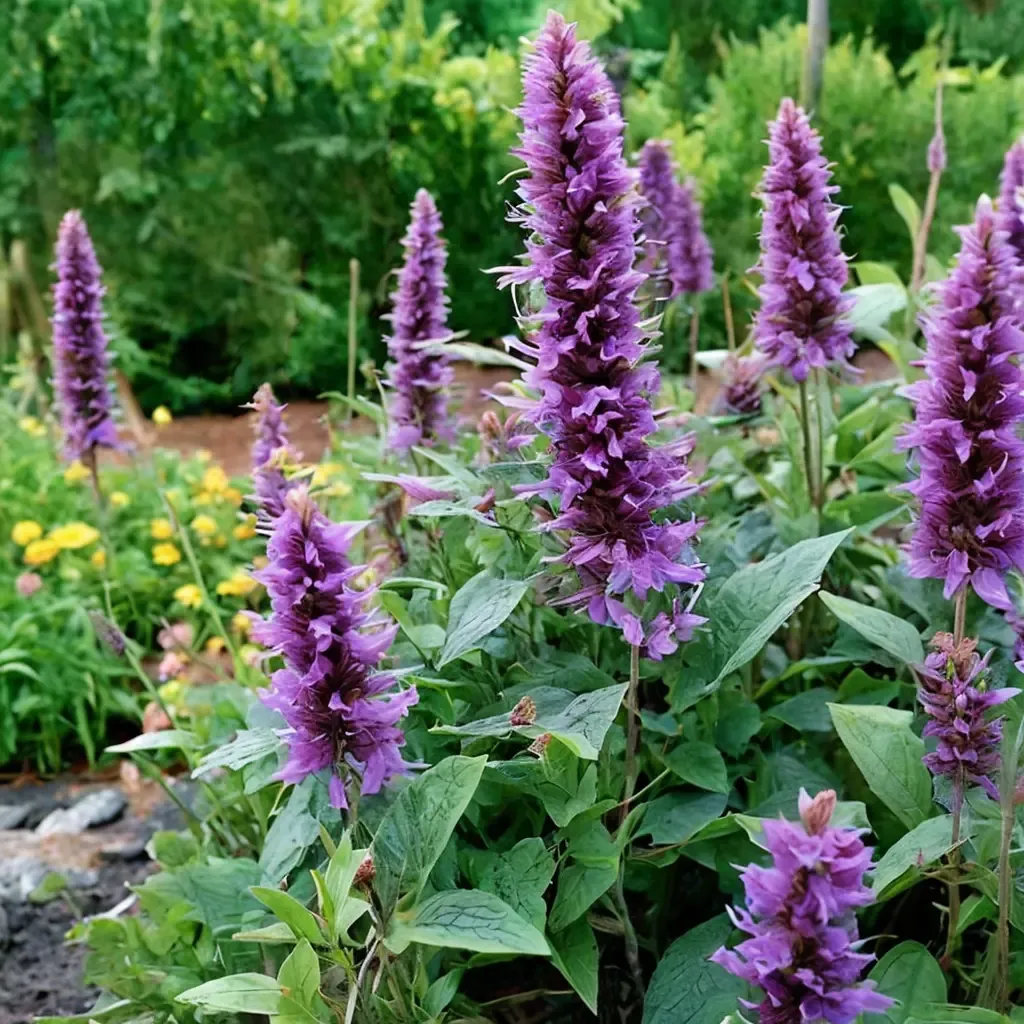
Blue Boa Hyssop
Agastache x hybrida 'Blue Boa'
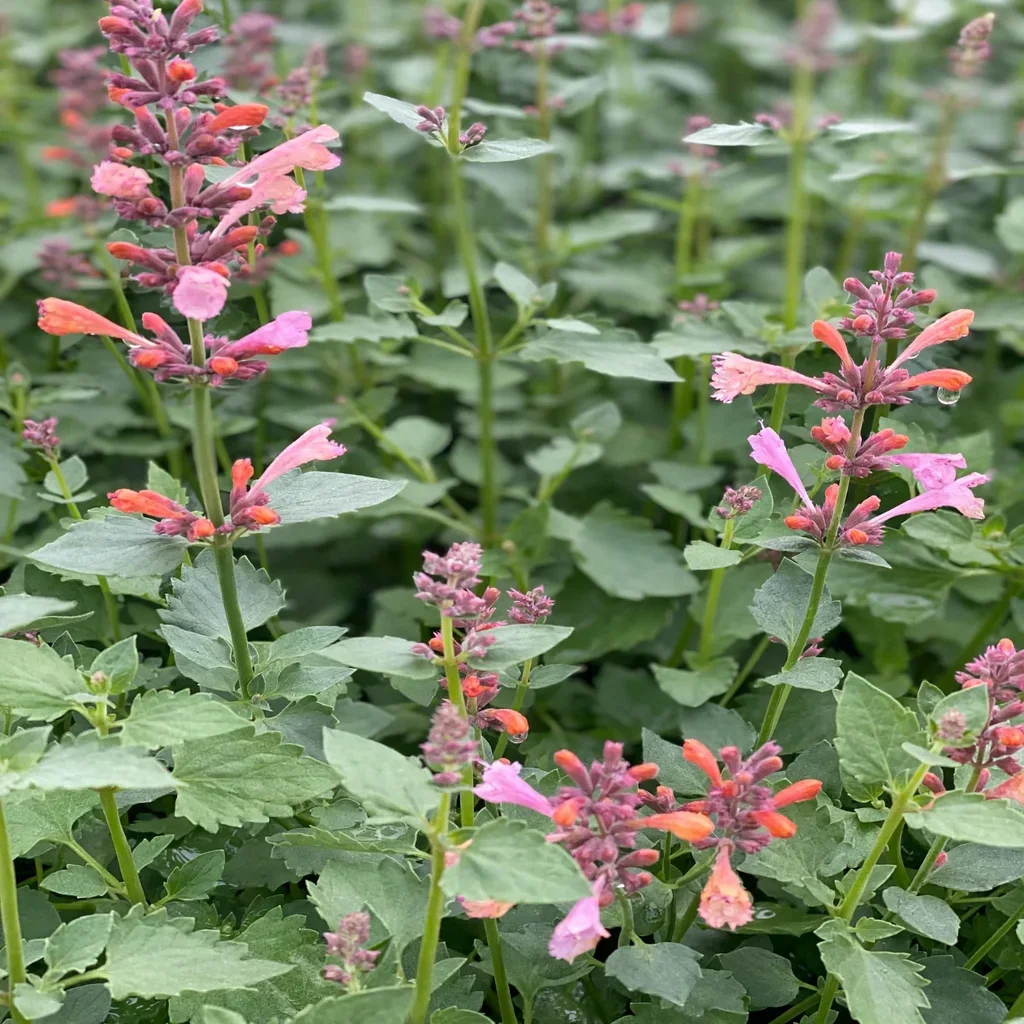
Kudos Ambrosia Anise Hyssop
Agastache foeniculum 'Kudos Ambrosia'
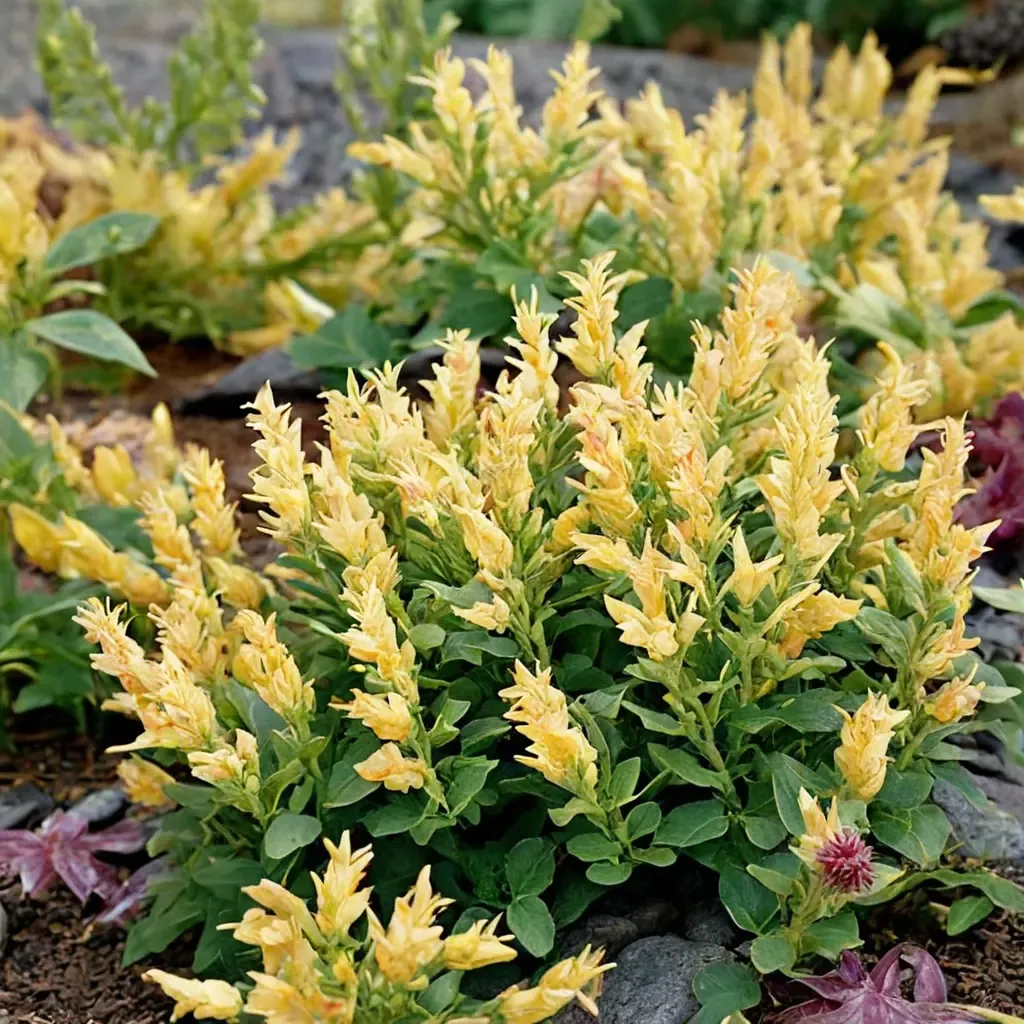
Poquito Butter Yellow Anise Hyssop
Agastache foeniculum 'Poquito Butter Yellow'
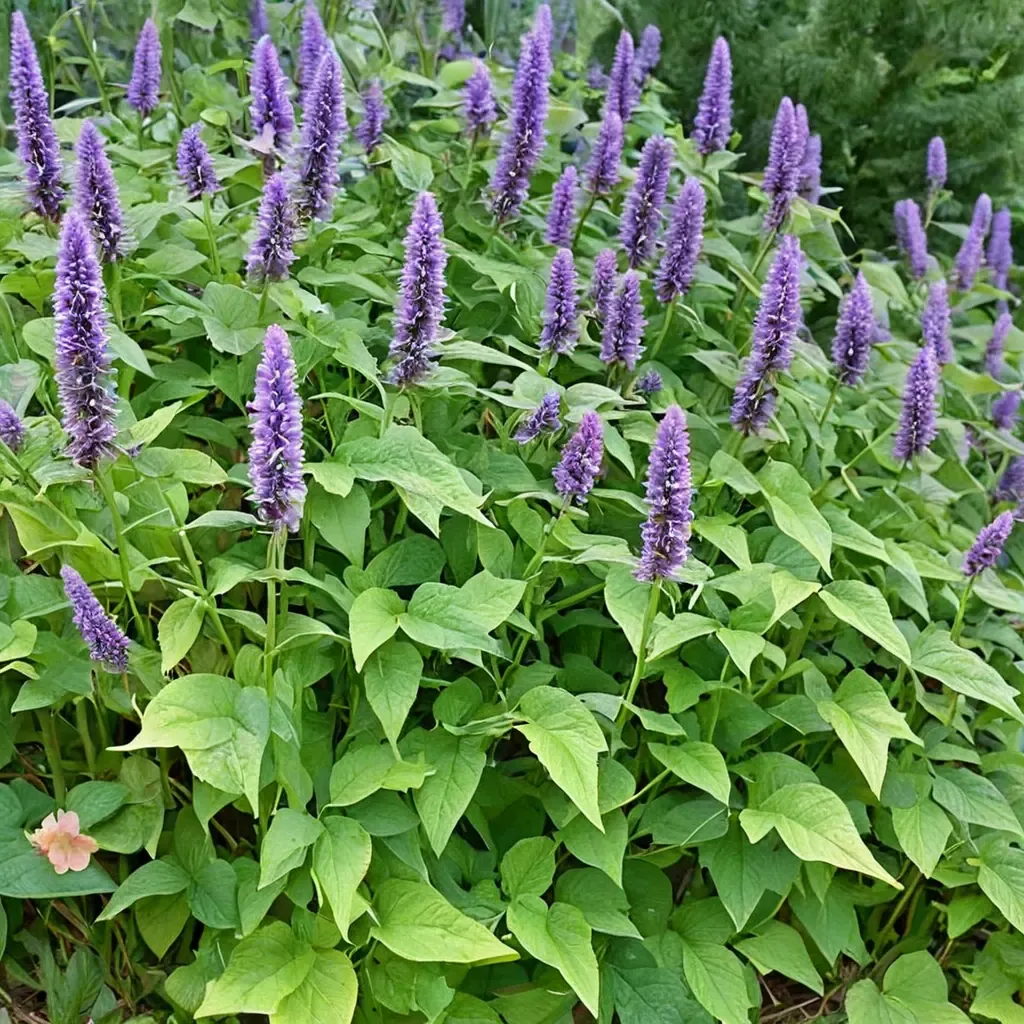
Anise Hyssop
Agastache foeniculum
Keep exploring
Explore the genus
Hardy in your zone?
Grow Hummingbird Mint with confidence
See it in a design of your actual yard, get zone-matched care reminders, and track it season by season in your garden journal.