

The Story
Plant Bio
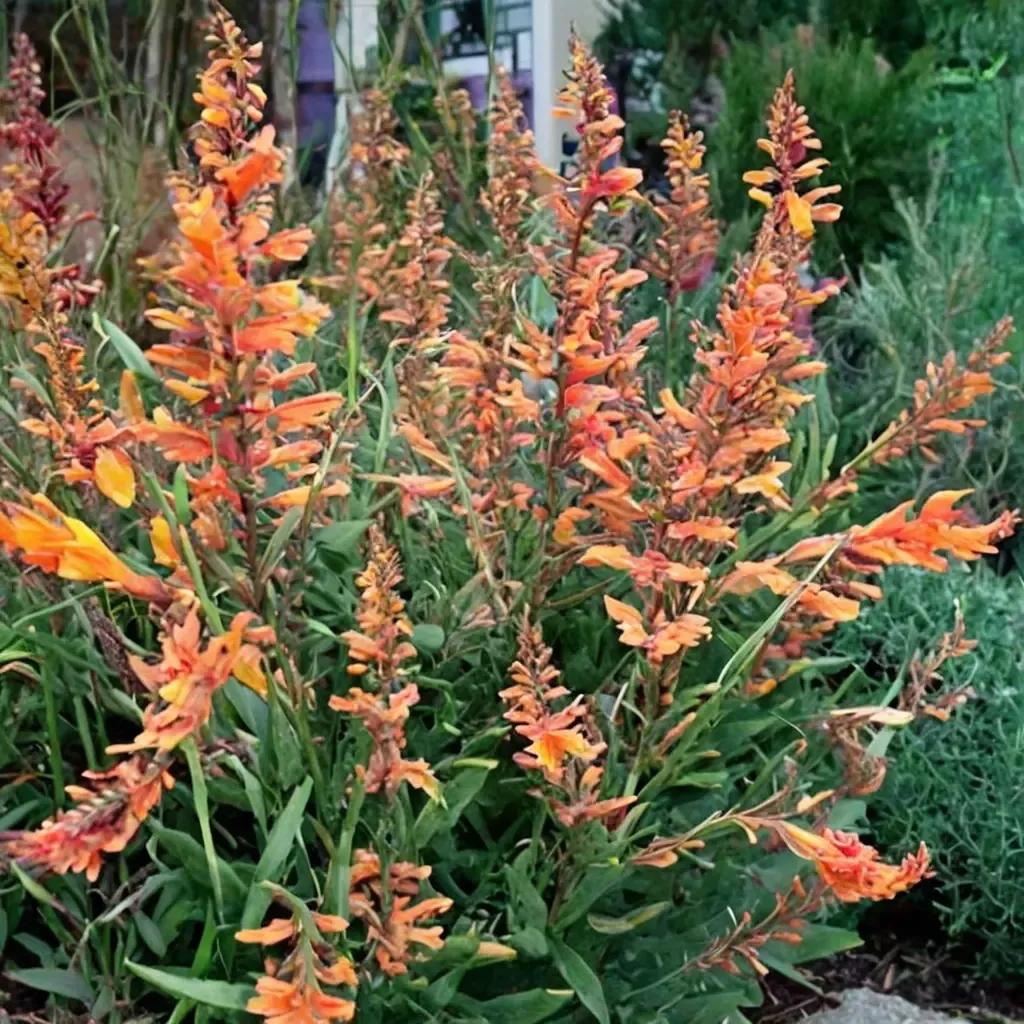
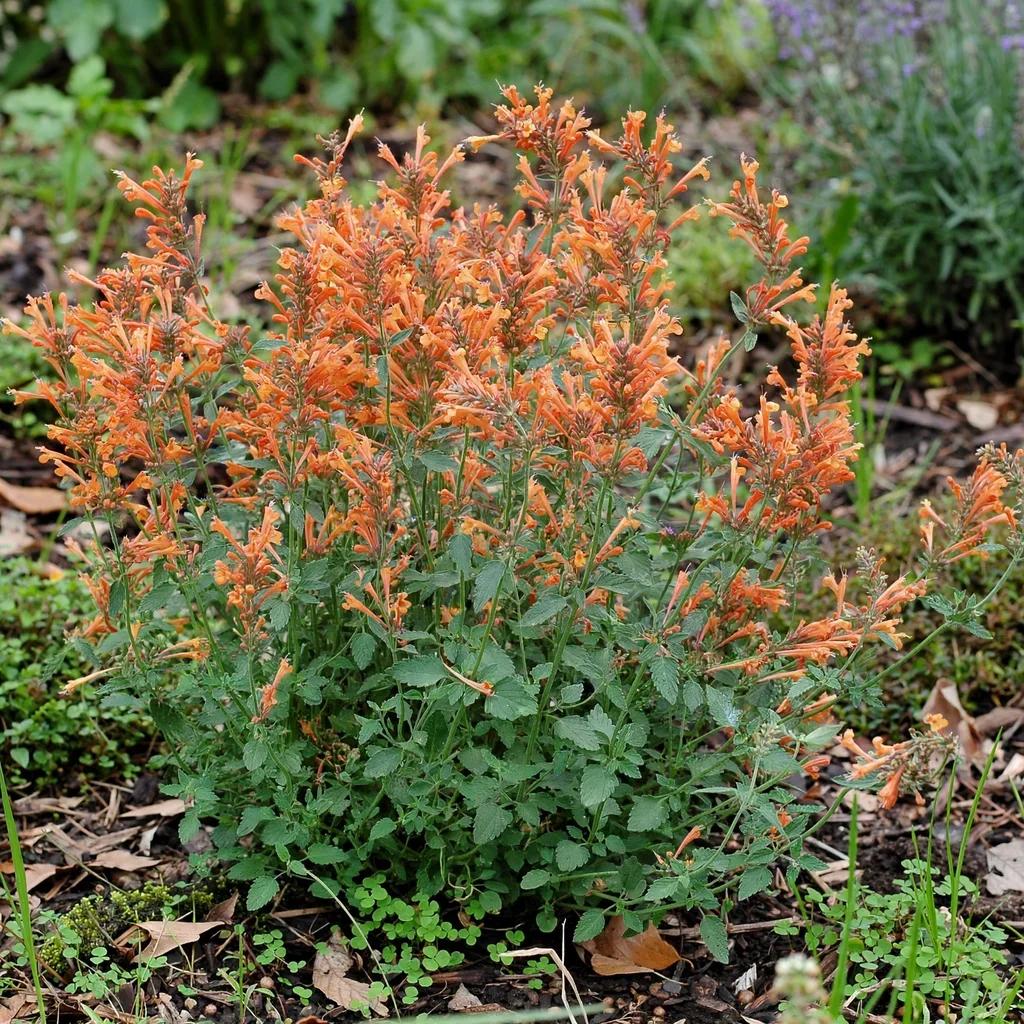
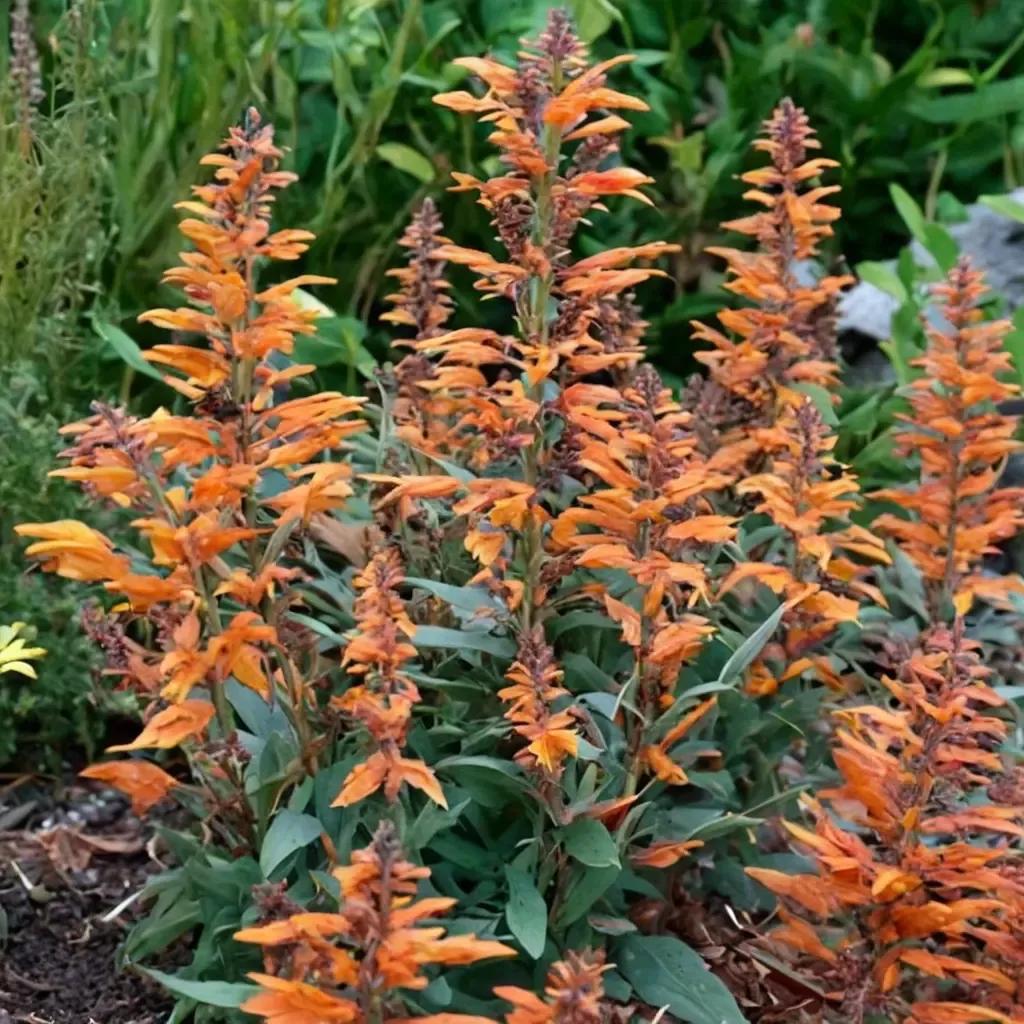
Agastache aurantiaca is an upright, clump-forming perennial native to the dry, rocky soils of the southwestern United States and Mexico. The species features highly aromatic, triangular leaves with silver-grey undersides and produces tubular flowers on terminal spikes.
'Sunny Sparks Tangerine' is distinguished by its compact, tightly branched habit and vibrant tangerine-orange flowers. This cultivar forms a sturdy, dense mound that resists splaying, blooming continuously from early summer through fall.
Uses & Benefits:
Essentials
At a Glance
Plant Type
Perennial
Height
24"
Width
22"
Light
Full Sun
Zones
6, 7, 8, 9, 10
Water
Low
Humidity
Low to Moderate
Lifespan
Perennial
Native To
North America
Toxicity
Non-toxic
Bloom period
Early summer – Fall
In flower about 6 months of the year
Planting
How to Grow
- Select a planting site in full sun with excellent, sharp drainage, such as a sandy loam or a raised bed.
- Dig a hole twice the width of the root ball and plant at the same depth as the container, avoiding heavy organic soil amendments.
- Water sparingly during the first season to establish the root system, allowing the soil to dry completely between waterings.
- Leave the dead top growth standing through winter to protect the crown from moisture and freezing temperatures.
Pro Tip
Never cut the stems back to the ground in late fall; leaving the hollow stems intact over winter prevents water from collecting in the crown and causing fatal rot.
Keep It Thriving
Care Guide
Do
- Plant in lean, low-fertility soil to maintain a compact, sturdy growth habit.
- Ensure excellent soil drainage, especially during wet winter months.
- Deadhead spent flower spikes regularly to promote continuous blooming.
Don't
- Do not over-fertilize, as excess nitrogen causes weak, sappy growth and reduces flowering.
- Do not prune deep into old, leafless woody stems in late fall.
- Do not plant in heavy clay or poorly draining soils where water pools.
Seasonal Care Calendar
| Task | Jan | Feb | Mar | Apr | May | Jun | Jul | Aug | Sep | Oct | Nov | Dec |
|---|---|---|---|---|---|---|---|---|---|---|---|---|
| Deadhead | ||||||||||||
| Fertilize | ||||||||||||
| Propagate | ||||||||||||
| Spring Cleanup |
Watch Out For
Pests & Diseases
Common Pests
Common Diseases
In the Garden
Landscape Uses & Companions
Landscape Uses
Multiply
Propagation Methods
Good to Know
Common Questions
Hummingbird Mint questions
What zones can Hummingbird Mint grow in?
Hummingbird Mint is hardy in USDA Zones 6–10. Inside that range it survives winter in the ground; outside it, grow it as an annual or a container plant you protect.
Is Hummingbird Mint deer resistant?
Yes — Hummingbird Mint is rated deer-resistant. Deer typically pass it over, though extreme hunger can override any plant's defenses.
When does Hummingbird Mint bloom?
Hummingbird Mint typically blooms in early summer through fall. Exact timing shifts a week or two with your zone — Sow's bloom calendar maps it to your garden.
Does Hummingbird Mint need full sun?
Hummingbird Mint does best in full sun (6+ hours).
Is Hummingbird Mint drought tolerant?
Yes — once established (usually after the first full season), Hummingbird Mint handles dry spells with minimal watering. Water deeply its first year to build the root system that makes that possible.
More Agastache to compare
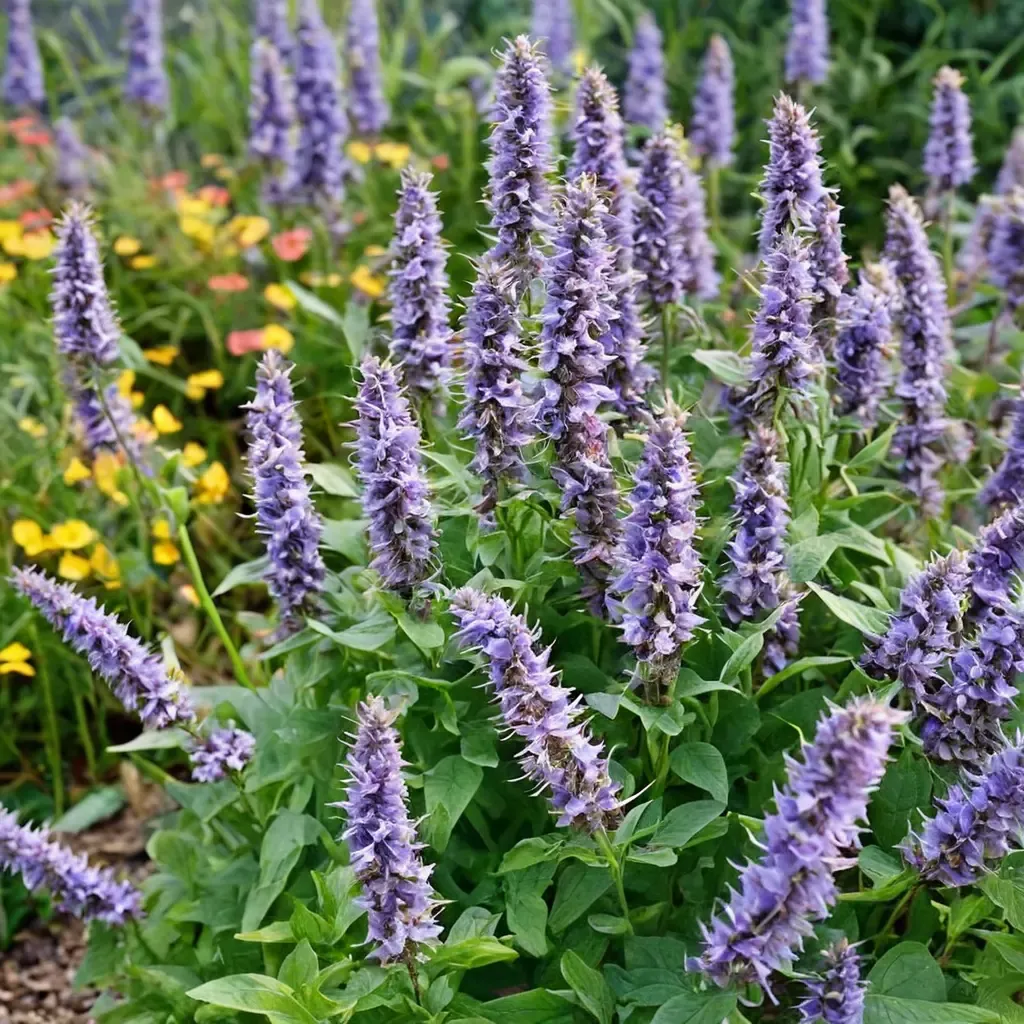
'Blue Fortune' Anise Hyssop
Agastache x hybrida 'Blue Fortune'
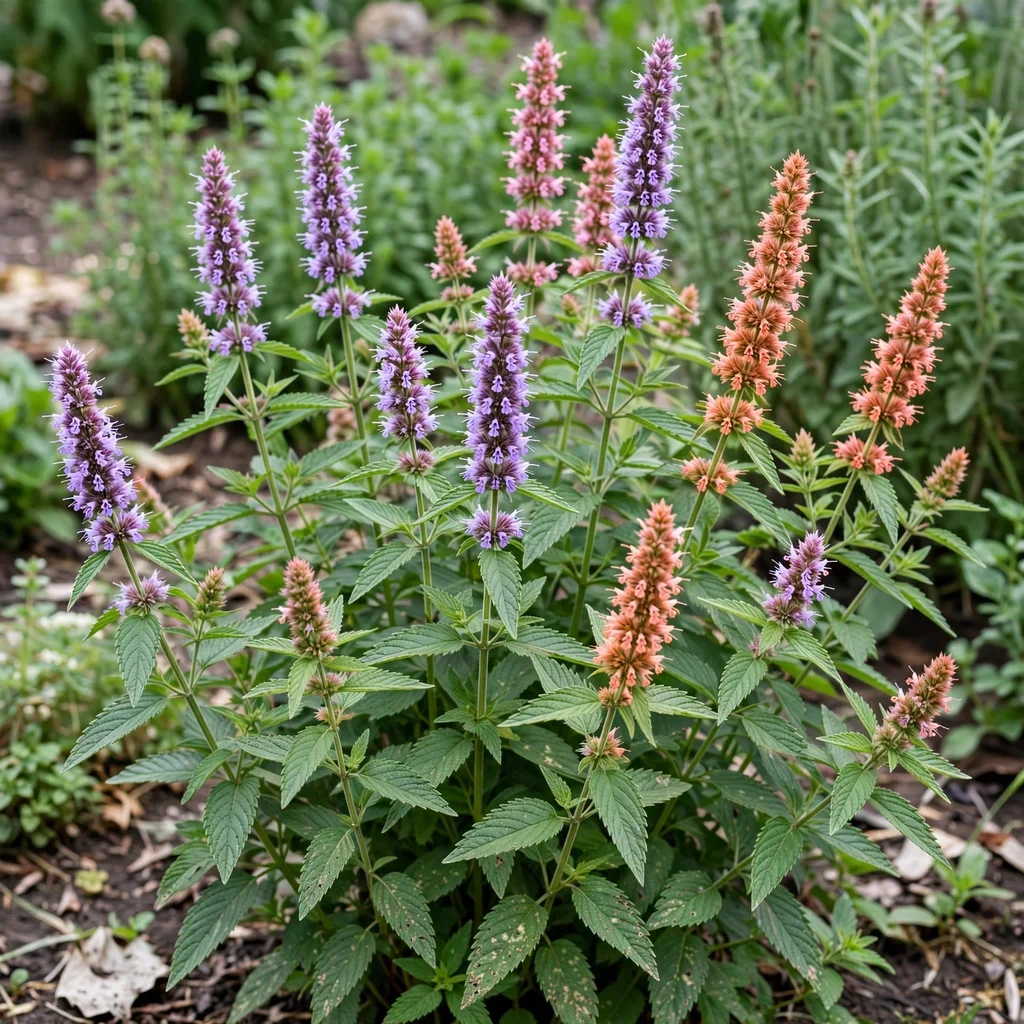
Hummingbird Mint Mix
Agastache x hybrida 'Mix'
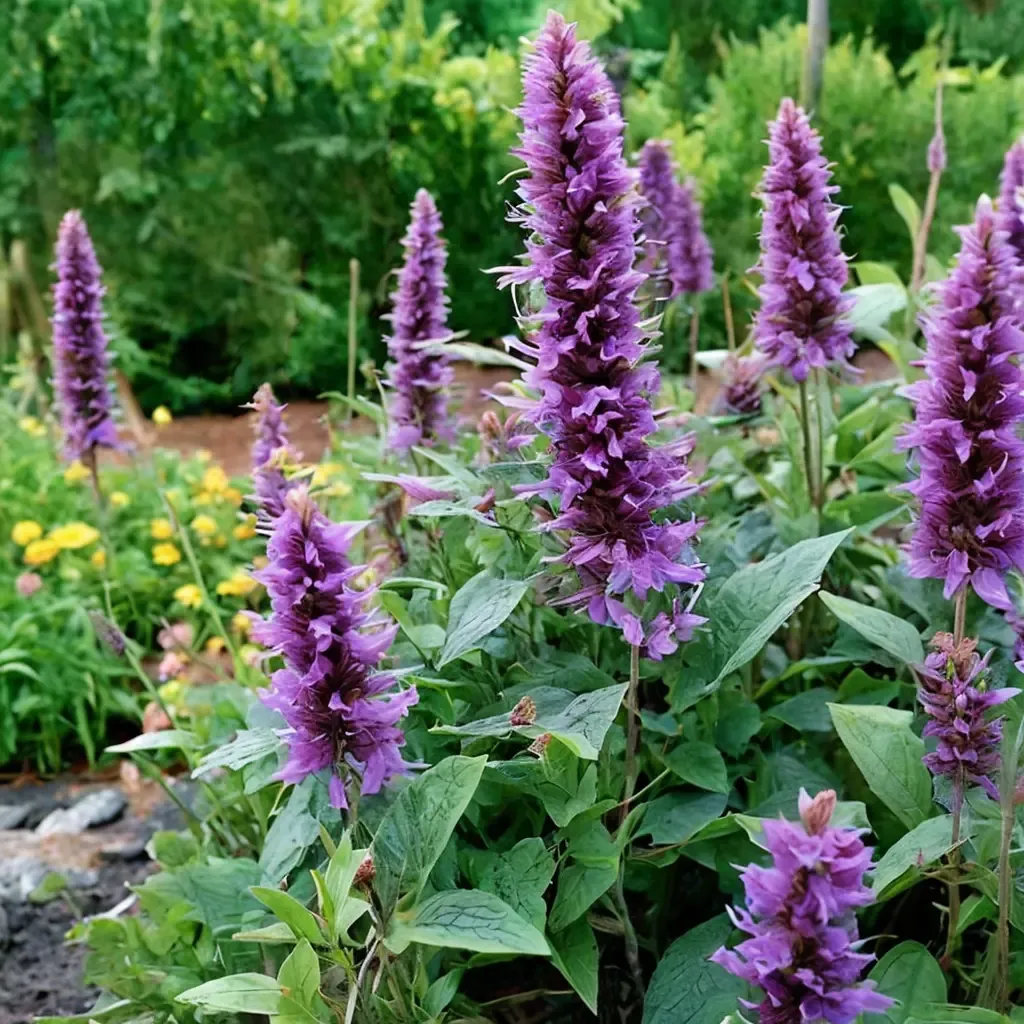
Blue Boa Hyssop
Agastache x hybrida 'Blue Boa'
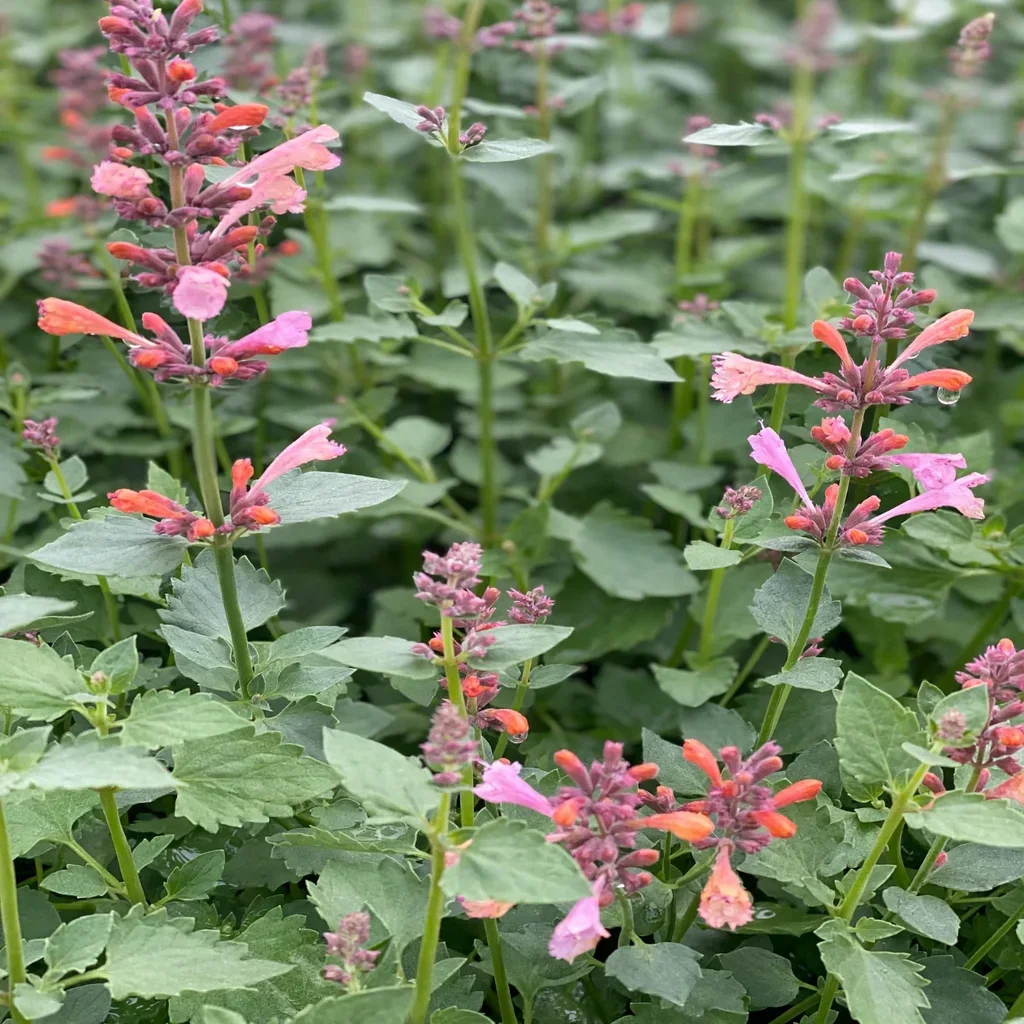
Kudos Ambrosia Anise Hyssop
Agastache foeniculum 'Kudos Ambrosia'
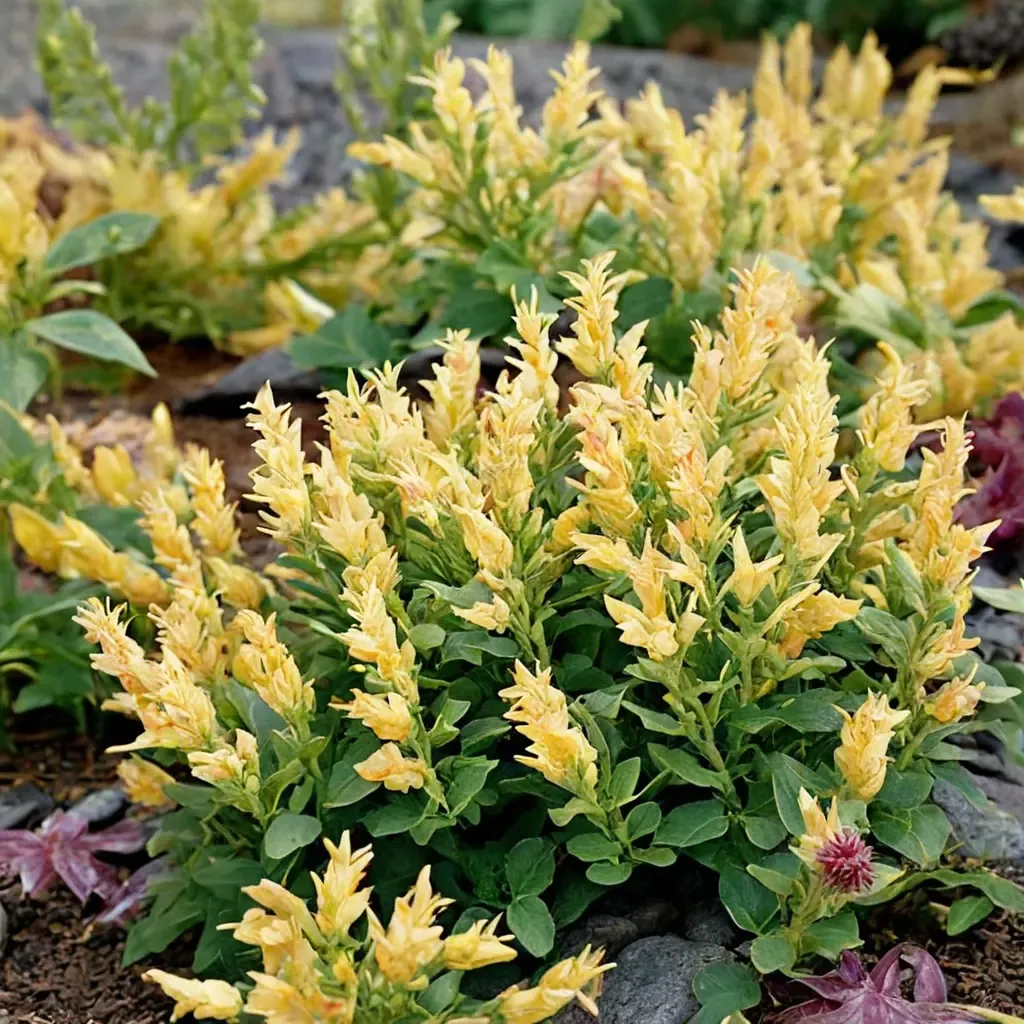
Poquito Butter Yellow Anise Hyssop
Agastache foeniculum 'Poquito Butter Yellow'
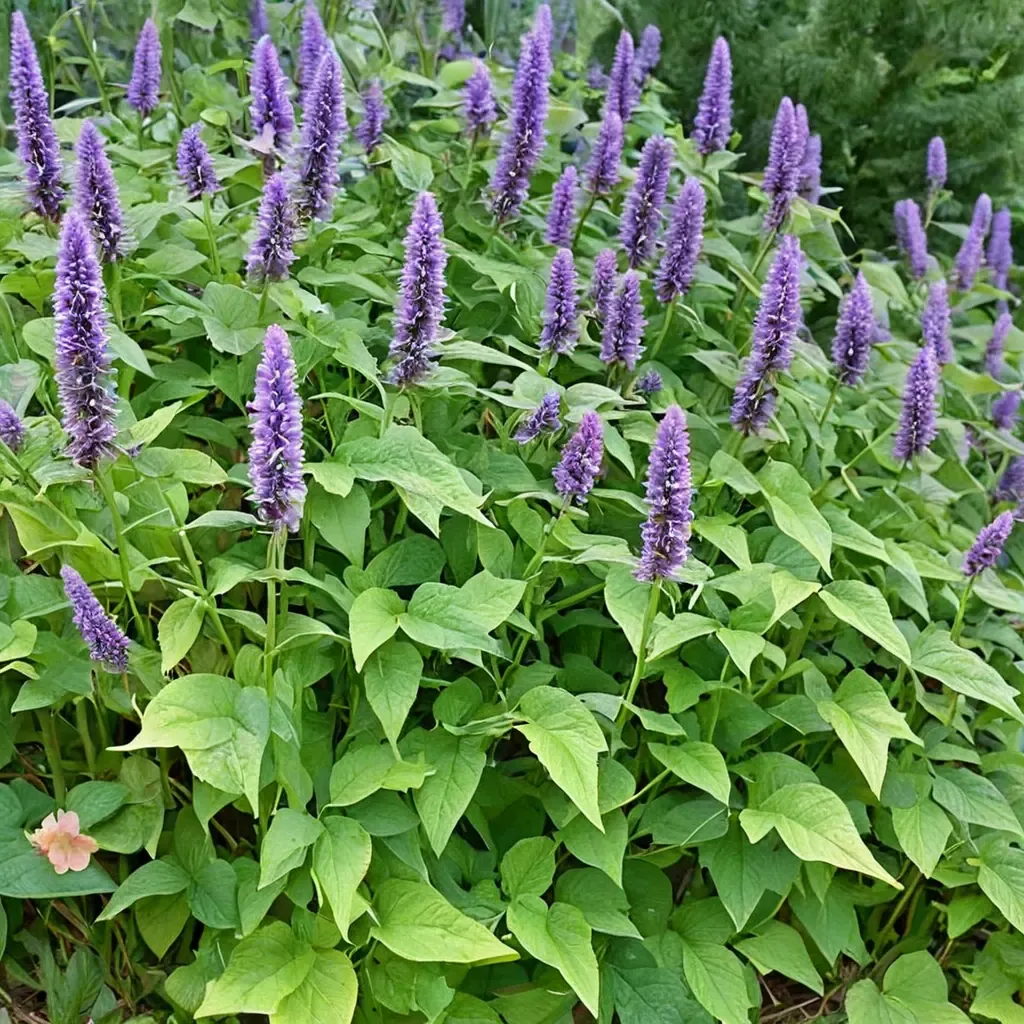
Anise Hyssop
Agastache foeniculum
Keep exploring
Explore the genus
Hardy in your zone?
Grow Hummingbird Mint with confidence
See it in a design of your actual yard, get zone-matched care reminders, and track it season by season in your garden journal.