1 named cultivar
The Story
Plant Bio
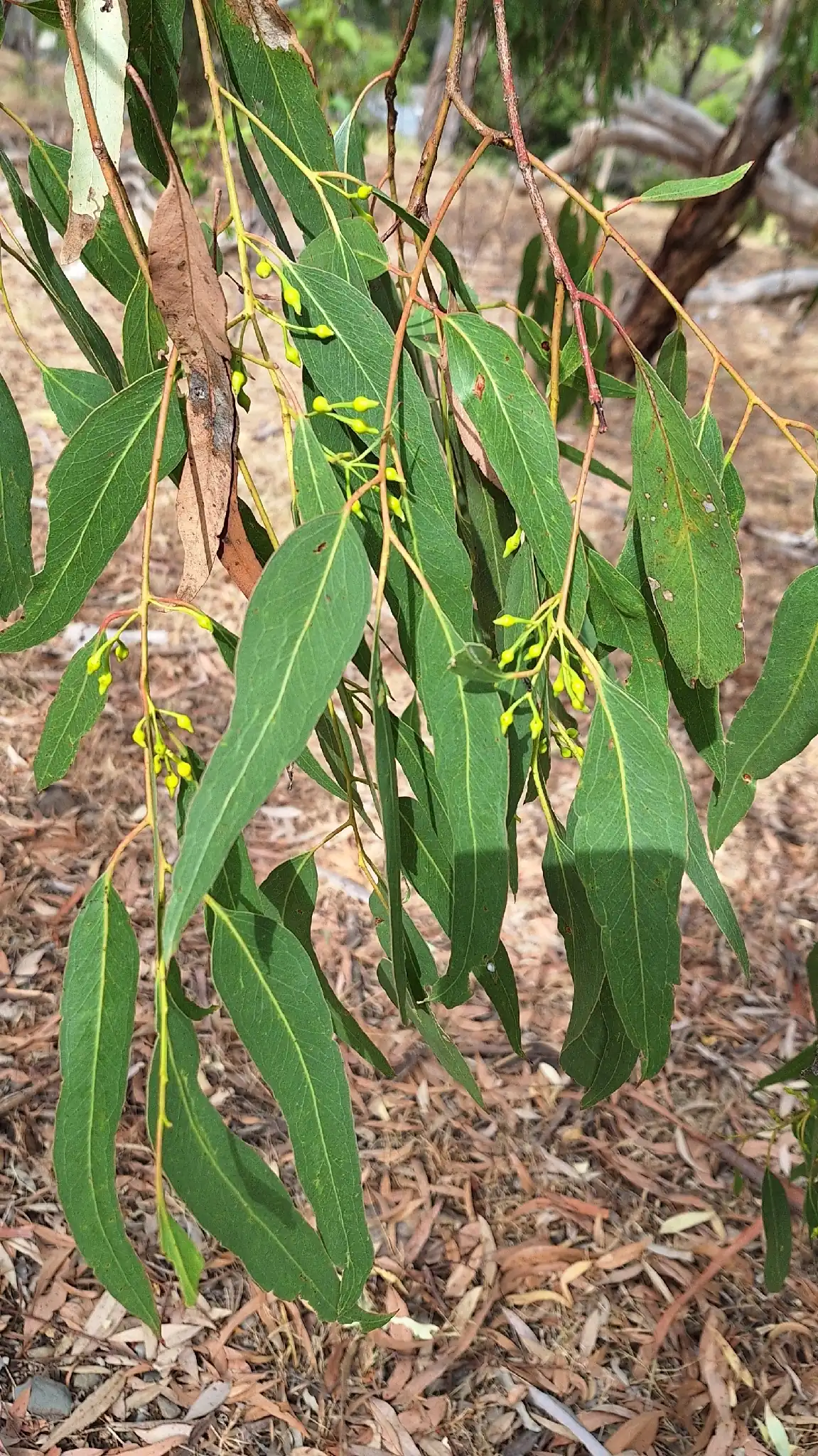
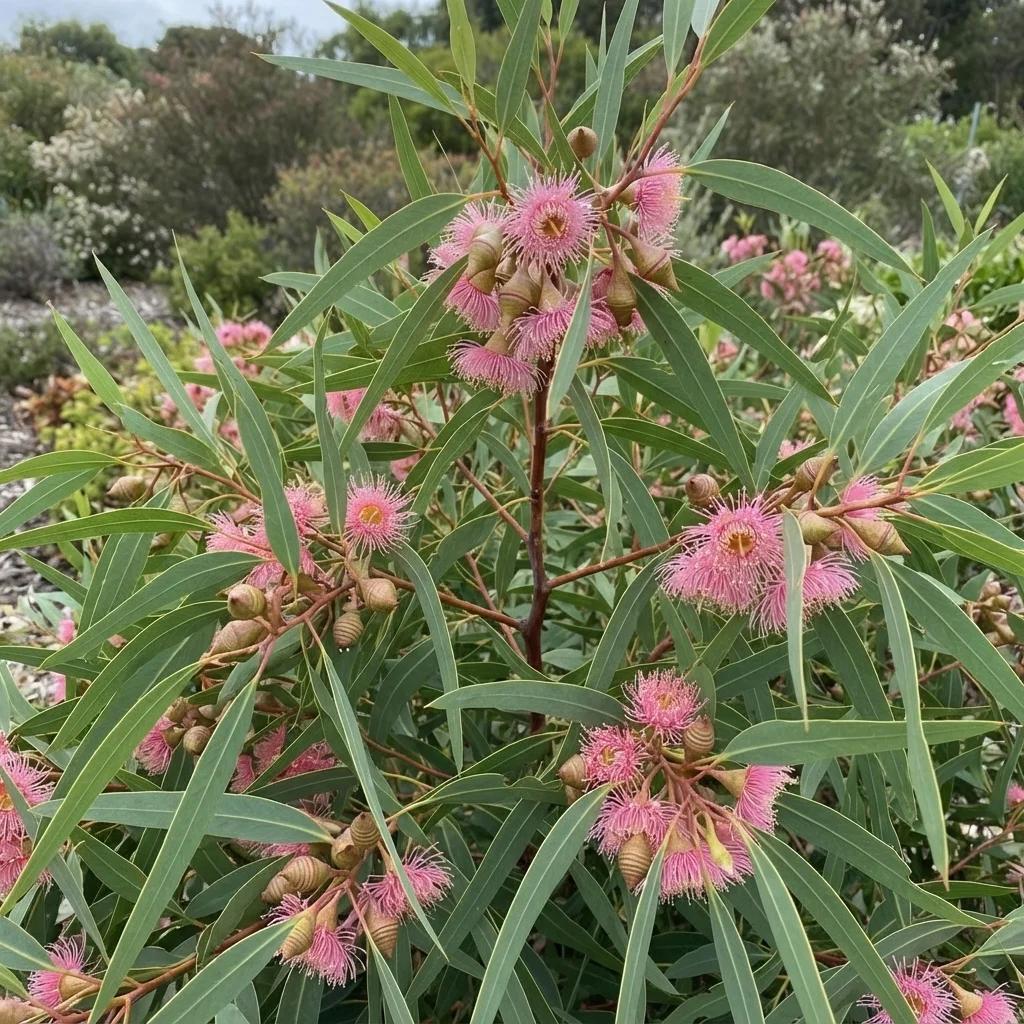
Eucalyptus leucoxylon, commonly known as the yellow gum, is a medium-sized evergreen tree native to Australia that features smooth, cream-to-gray bark on its upper branches and rough, fibrous bark at the base. The lance-shaped, blue-green foliage holds high concentrations of volatile essential oils, while clusters of white, pink, or crimson flowers emerge from autumn through spring.
This species is highly drought-tolerant once established and adapts to a wide range of well-drained soils, from sandy loam to clay loam. Its nectar-rich blossoms serve as a critical food source for bees and nectar-feeding birds throughout the cooler months.
Uses & Benefits:
Essentials
At a Glance
Plant Type
Tree
Height
1181"
Width
360"
Light
Full Sun
Zones
8, 9, 10
Water
Low
Humidity
Low to Moderate
Lifespan
Long-lived
Native To
Australia
Toxicity
Toxic to pets and livestock
Planting
How to Grow
- Select a planting site in full sun with excellent soil drainage.
- Dig a hole twice as wide as the root ball but no deeper than the container.
- Gently tease any circling roots at the bottom of the root ball before placing the plant in the hole.
- Backfill with native soil, firm gently, and water thoroughly to settle.
Pro Tip
Plant young tubestock or small containerized specimens rather than older, root-bound trees, as eucalypts suffer irreversible root-circling that prevents proper establishment.
Keep It Thriving
Care Guide
Do
- Plant young containerized specimens to ensure healthy root development.
- Provide excellent soil drainage to prevent root rot.
- Water deeply but infrequently once the root system is established.
Don't
- Do not prune hard into old, bare wood as the stems fail to resprout.
- Do not plant in heavy, waterlogged soils.
- Do not apply high-phosphorus or heavy nitrogen fertilizers.
Seasonal Care Calendar
| Task | Jan | Feb | Mar | Apr | May | Jun | Jul | Aug | Sep | Oct | Nov | Dec |
|---|---|---|---|---|---|---|---|---|---|---|---|---|
| Fertilize | ||||||||||||
| Pest Check | ||||||||||||
| Plant | ||||||||||||
| Prune | ||||||||||||
| Winter Prep |
Watch Out For
Pests & Diseases
Common Pests
Common Diseases
In the Garden
Landscape Uses & Companions
Landscape Uses
Companion Plants
Multiply
Propagation Methods
Good to Know
Common Questions
Yellow Gum questions
What zones can Yellow Gum grow in?
Yellow Gum is hardy in USDA Zones 8–10. Inside that range it survives winter in the ground; outside it, grow it as an annual or a container plant you protect.
When does Yellow Gum bloom?
Yellow Gum typically blooms in autumn through spring. Exact timing shifts a week or two with your zone — Sow's bloom calendar maps it to your garden.
Does Yellow Gum need full sun?
Yellow Gum does best in full sun (6+ hours).
Is Yellow Gum drought tolerant?
Yes — once established (usually after the first full season), Yellow Gum handles dry spells with minimal watering. Water deeply its first year to build the root system that makes that possible.
More Eucalyptus to compare
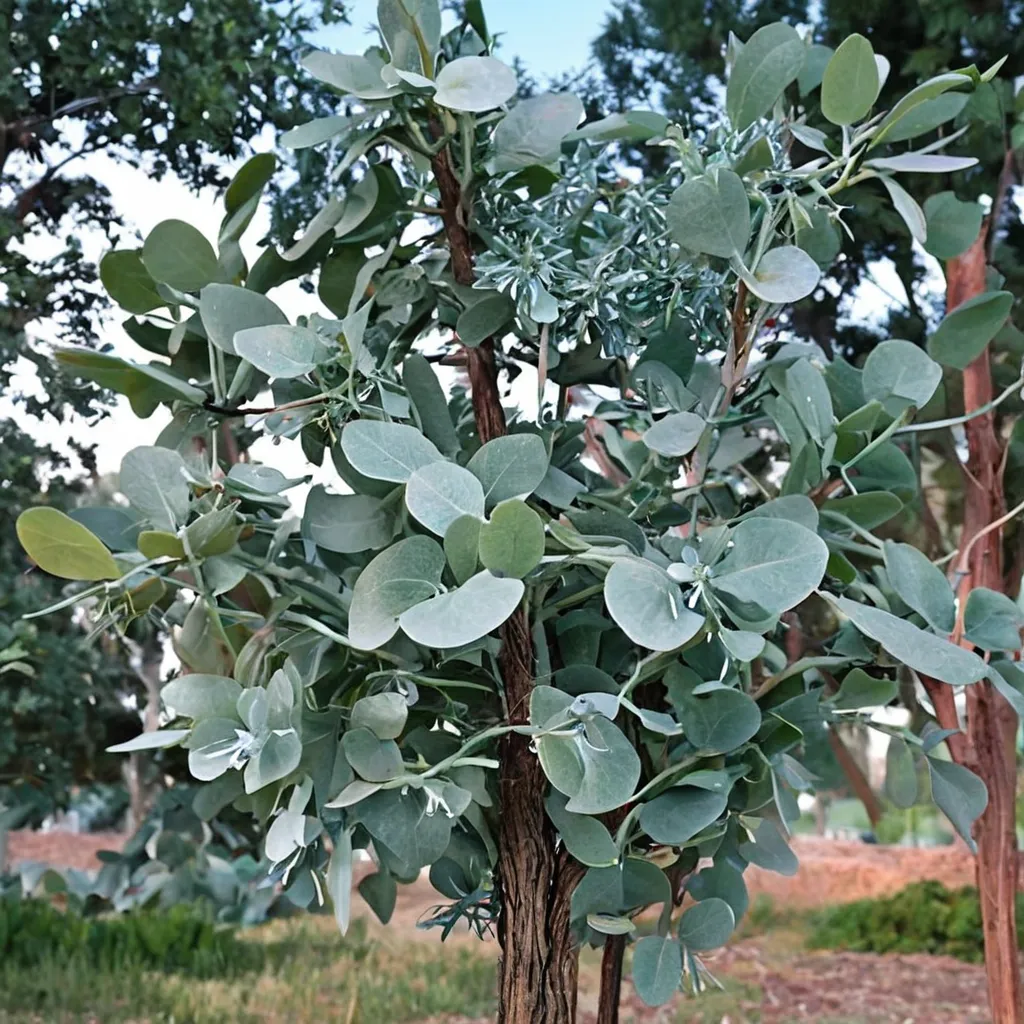
Silver Dollar Eucalyptus
Eucalyptus cinerea
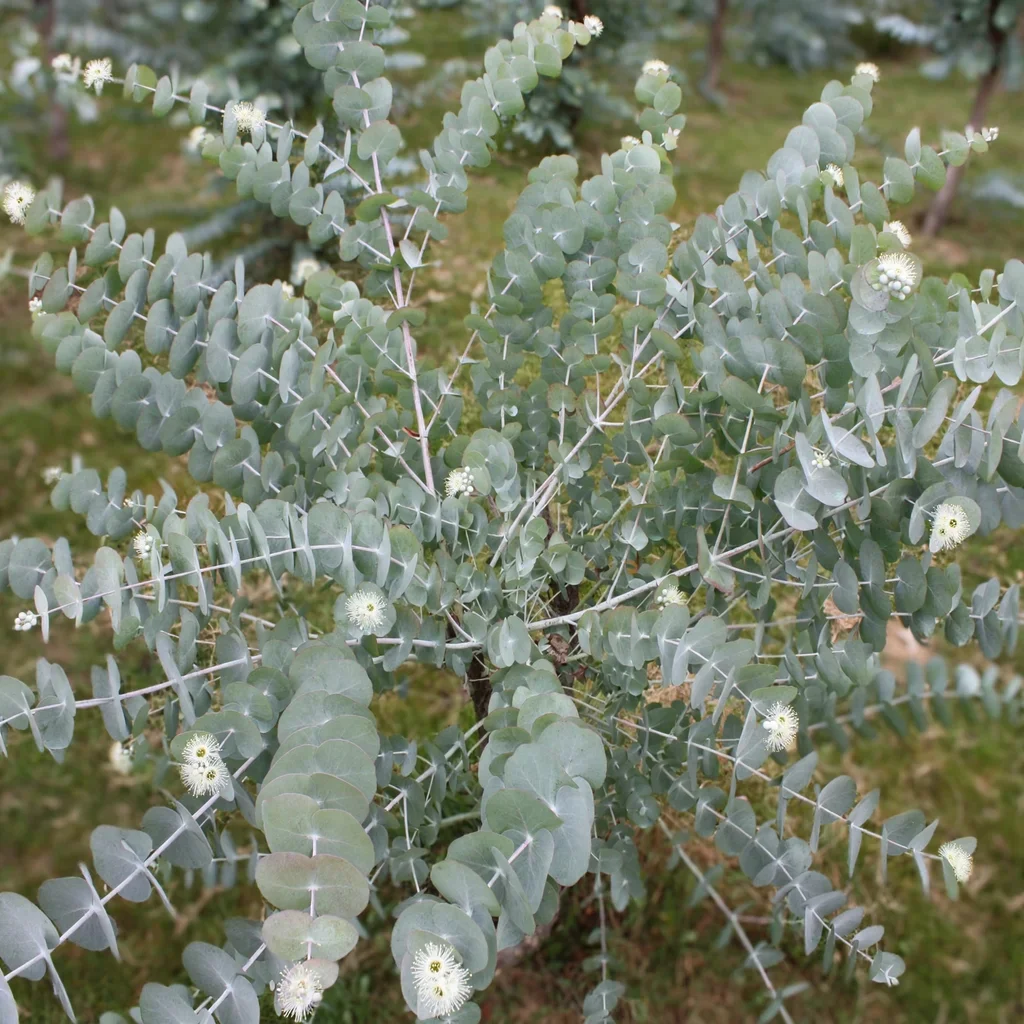
Silver Dollar Tree
Eucalyptus cinerea 'Silver Dollar Tree'
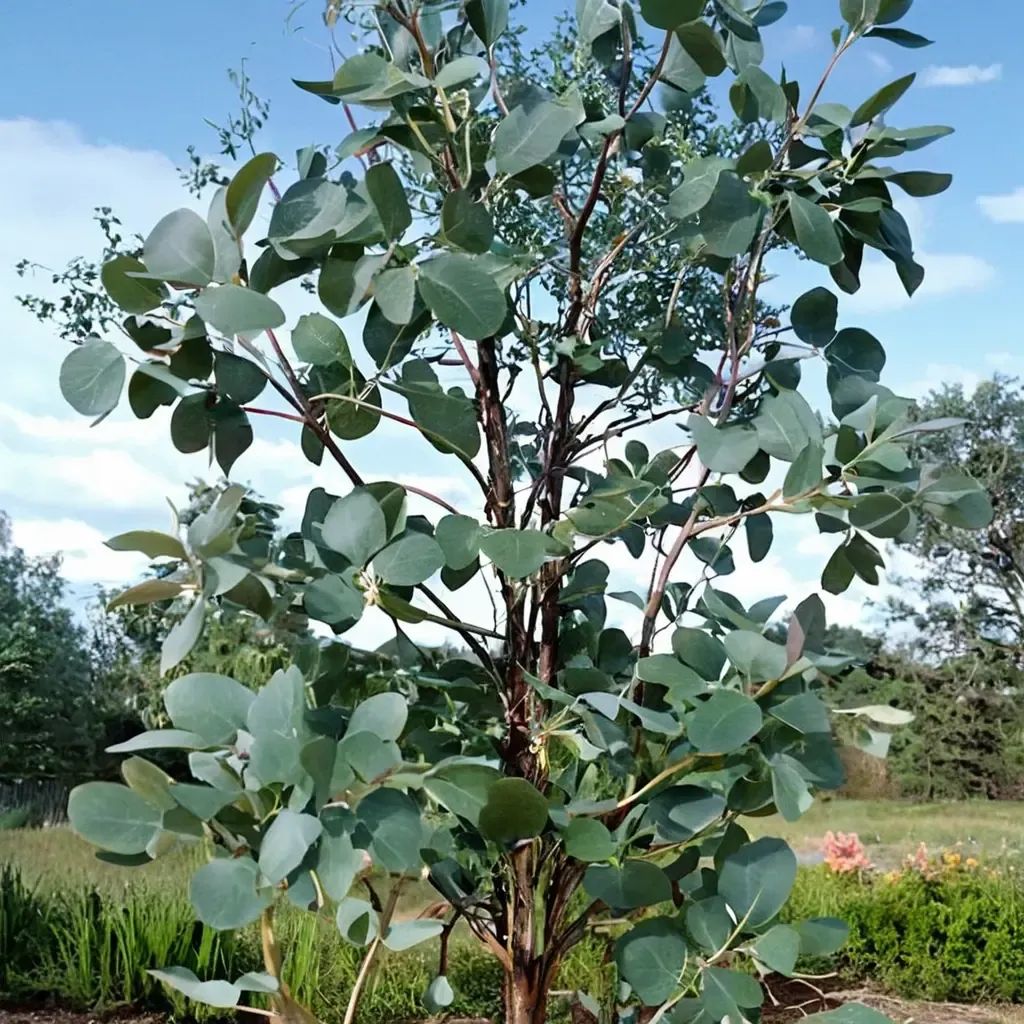
Omeo Gum
Eucalyptus neglecta
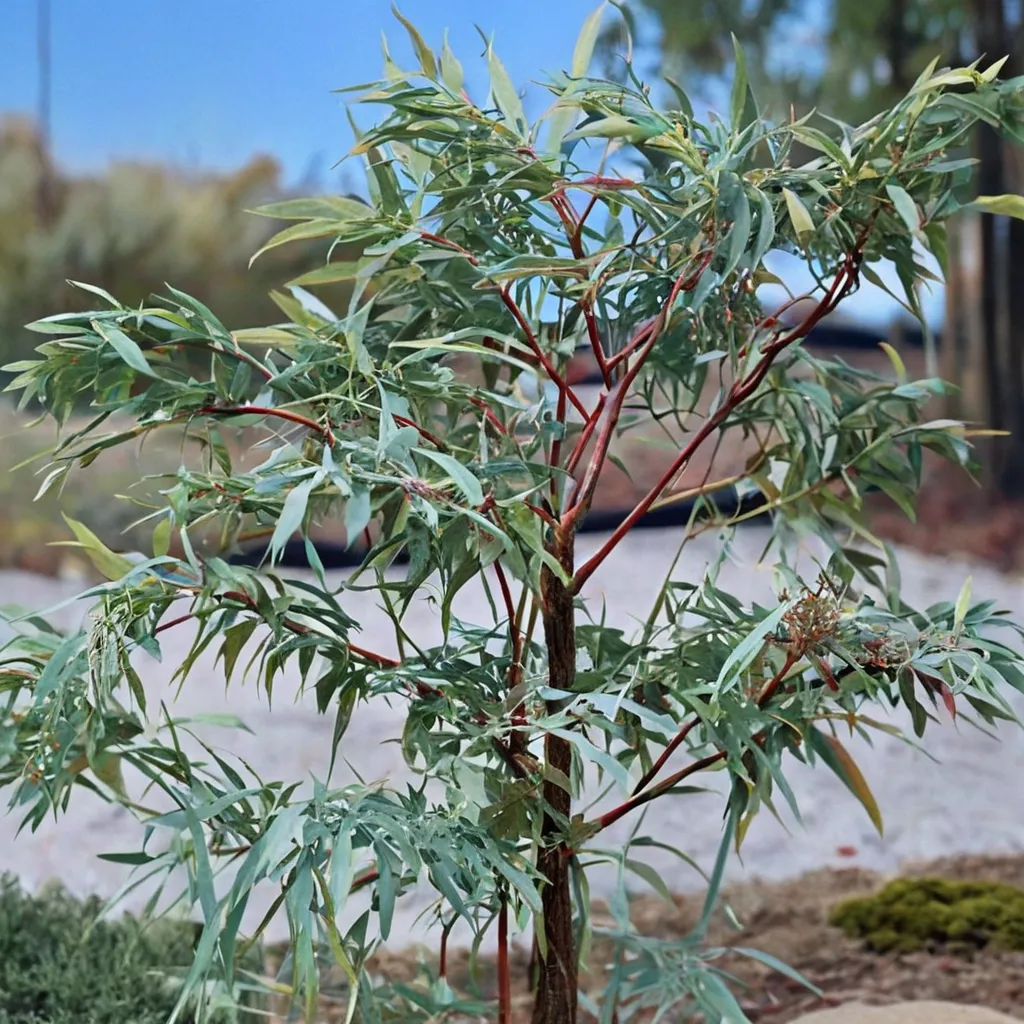
Narrow-leaved Peppermint Eucalyptus
Eucalyptus nicholii
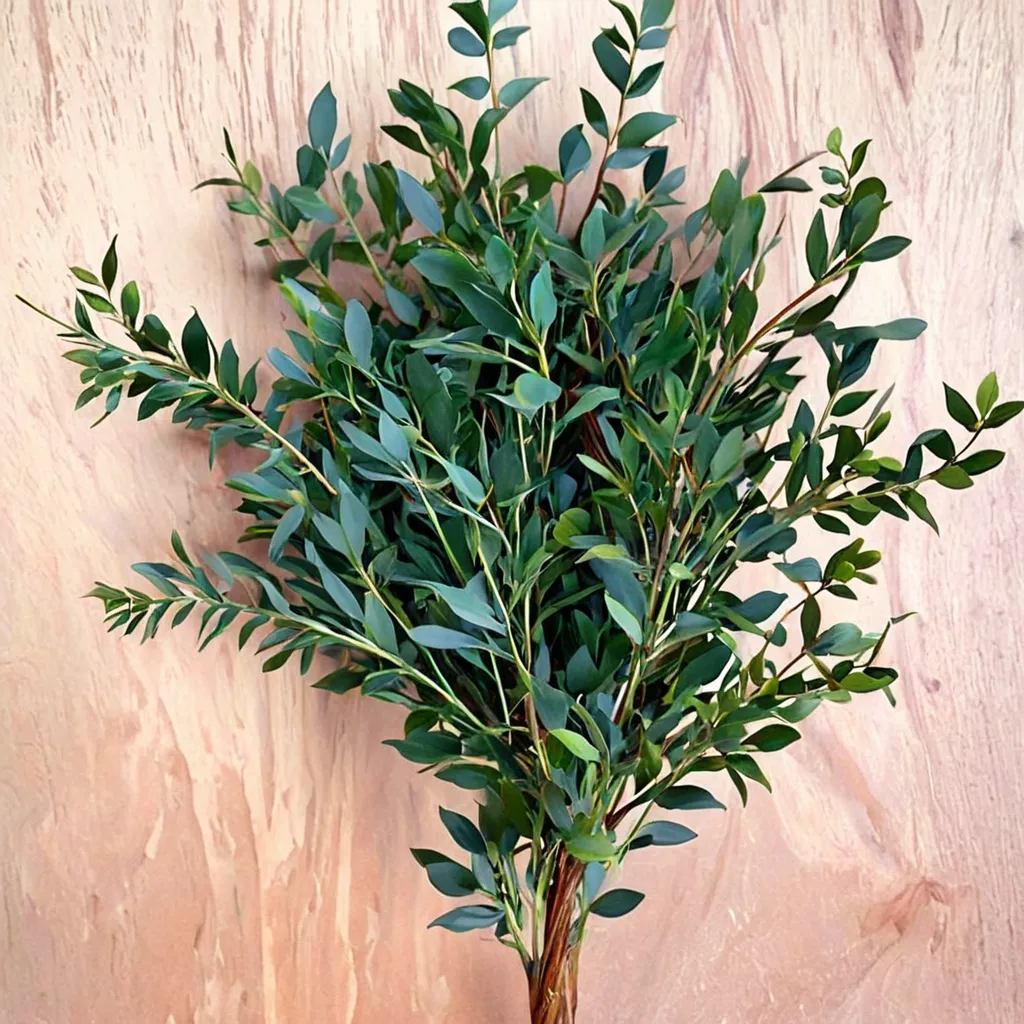
Small-leaved Gum
Eucalyptus parvifolia
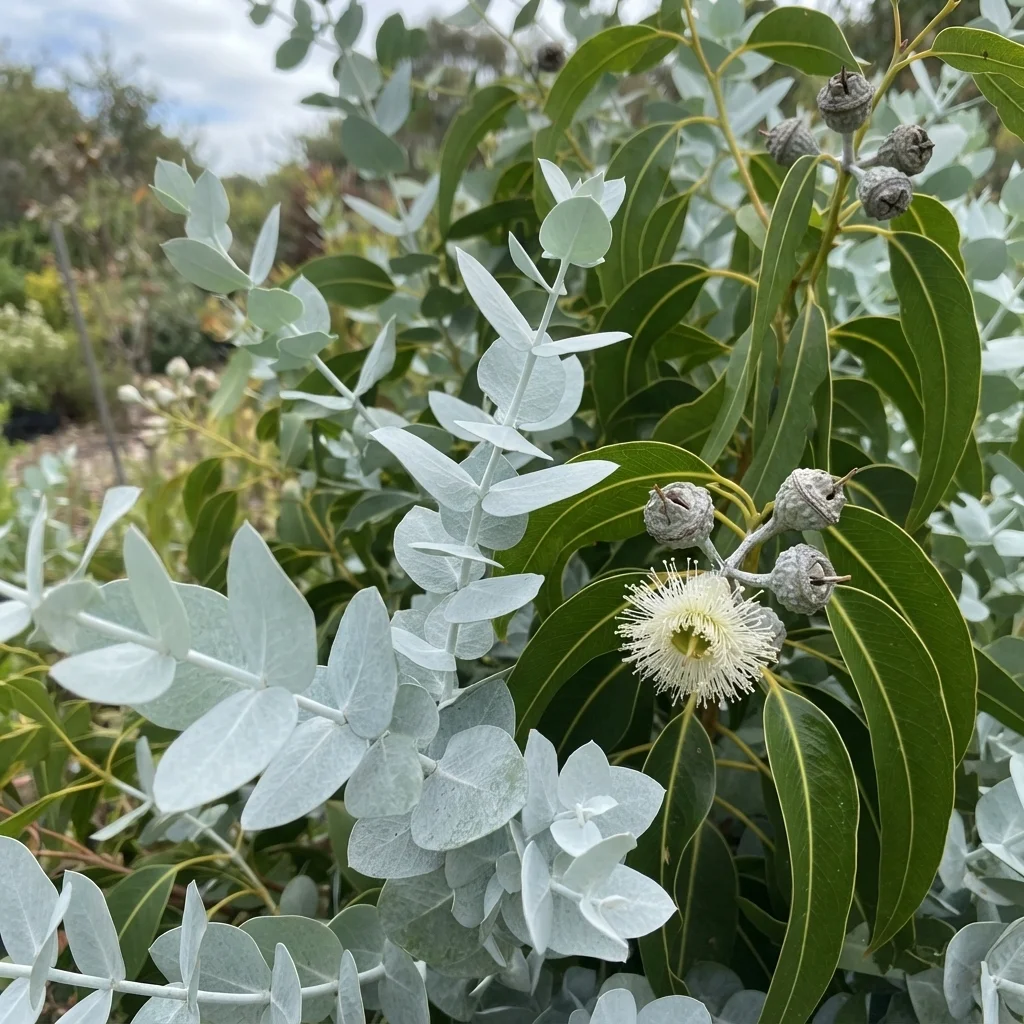
Tasmanian Blue Gum
Eucalyptus globulus
Keep exploring
Explore the genus
Hardy in your zone?
Grow Yellow Gum with confidence
See it in a design of your actual yard, get zone-matched care reminders, and track it season by season in your garden journal.