

The Story
Plant Bio
Salix purpurea is a species of willow known for its slender, flexible stems, which are often purplish, and its narrow, blue-green leaves. It is adaptable to a range of soils, especially moist ones.
'Nana' is a compact, dwarf cultivar that forms a dense, rounded shrub with fine-textured foliage. Its blue-green leaves create a soft, airy appearance, and its purplish winter stems add seasonal interest.
Uses & Benefits:
Essentials
At a Glance
Plant Type
Shrub
Height
48"
Width
48"
Light
Full Sun
Zones
4, 5, 6, 7
Water
Medium to Wet
Humidity
Average to High
Lifespan
20-40 years
Native To
Europe, North Africa, Central Asia
Toxicity
Non-toxic
Bloom period
Early spring – Mid-spring
In flower about 2 months of the year
Planting
How to Grow
- Select a site in full sun for best foliage and stem color.
- This willow thrives in moist soil but tolerates average conditions.
- Dig a hole twice as wide as the root ball.
- Set the plant in the hole at the same depth it was in the container.
- Backfill with soil and water thoroughly to settle.
- Keep consistently moist, especially during the first growing season.
Pro Tip
For the best stem color and a compact habit, prune it back hard to about 6-12 inches from the ground every 1-2 years in late winter.
Keep It Thriving
Care Guide
Do
- Provide consistent moisture; it's a great choice for rain gardens.
- Prune regularly to maintain its dense, dwarf form.
- Plant in full sun to get the best blue-green foliage color.
- Use it to stabilize soil on moist slopes.
Don't
- Do not let the soil dry out for extended periods.
- Avoid planting in deep shade, which leads to sparse growth.
- Do not plant near septic systems or water lines, as willow roots are water-seeking.
- Avoid planting near white pines if rust is a concern in your area.
Seasonal Care Calendar
| Task | Jan | Feb | Mar | Apr | May | Jun | Jul | Aug | Sep | Oct | Nov | Dec |
|---|---|---|---|---|---|---|---|---|---|---|---|---|
| Plant | ||||||||||||
| Propagate | ||||||||||||
| Prune |
Watch Out For
Pests & Diseases
Common Pests
Common Diseases
In the Garden
Landscape Uses & Companions
Landscape Uses
Multiply
Propagation Methods
Good to Know
Common Questions
Dwarf Arctic Willow questions
What zones can Dwarf Arctic Willow grow in?
Dwarf Arctic Willow is hardy in USDA Zones 4–7. Inside that range it survives winter in the ground; outside it, grow it as an annual or a container plant you protect.
Is Dwarf Arctic Willow deer resistant?
Yes — Dwarf Arctic Willow is rated deer-resistant. Deer typically pass it over, though extreme hunger can override any plant's defenses.
When does Dwarf Arctic Willow bloom?
Dwarf Arctic Willow typically blooms in early spring through mid-spring. Exact timing shifts a week or two with your zone — Sow's bloom calendar maps it to your garden.
Does Dwarf Arctic Willow need full sun?
Dwarf Arctic Willow does best in full sun (6+ hours).
More Salix to compare
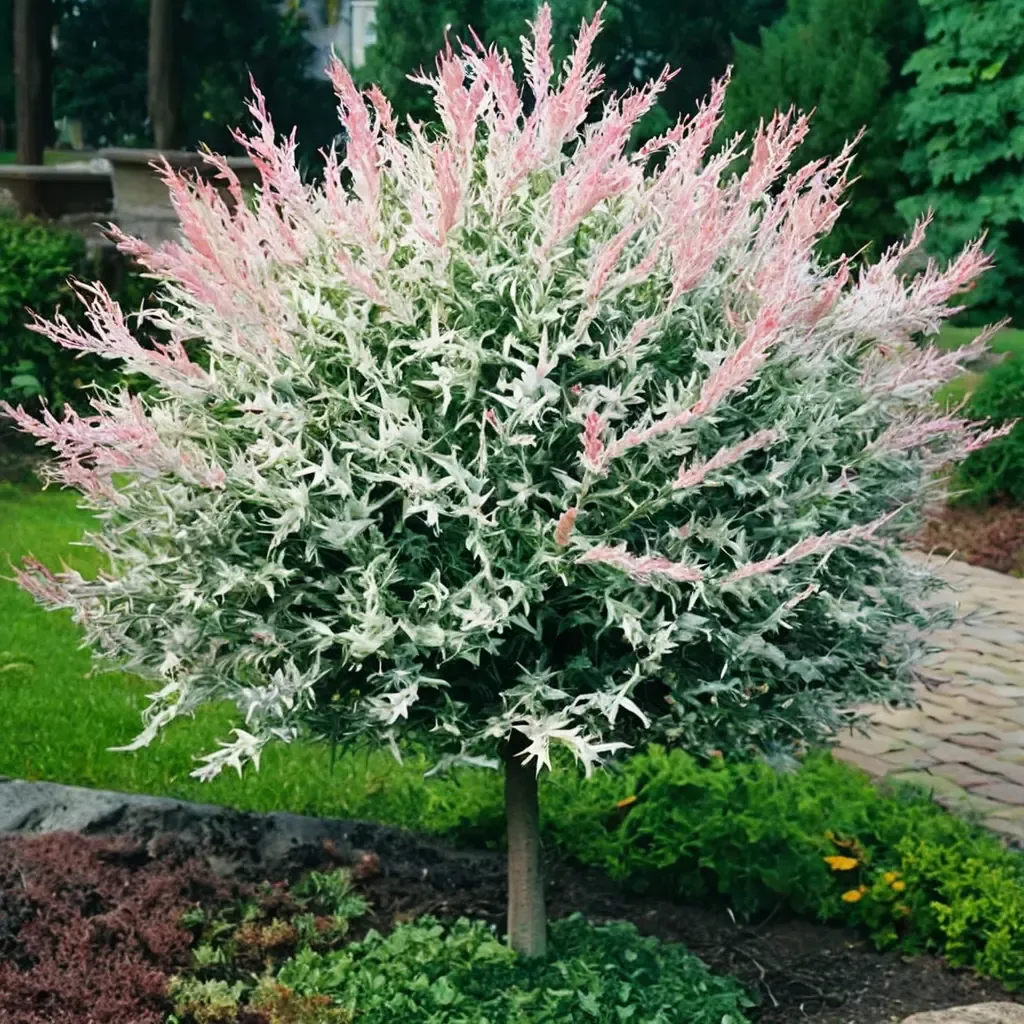
Dappled Willow
Salix integra 'Hakuro-nishiki'
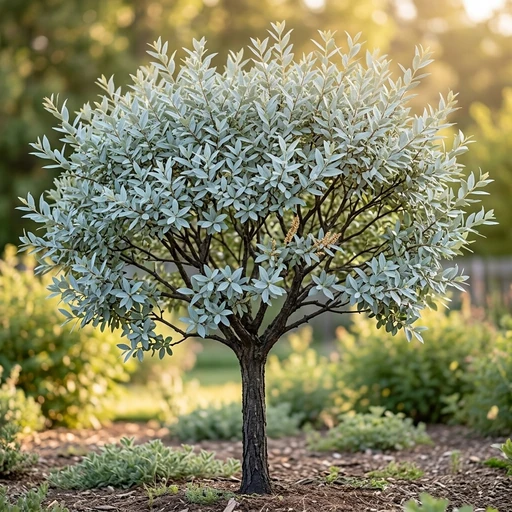
Black Willow
Salix nigra
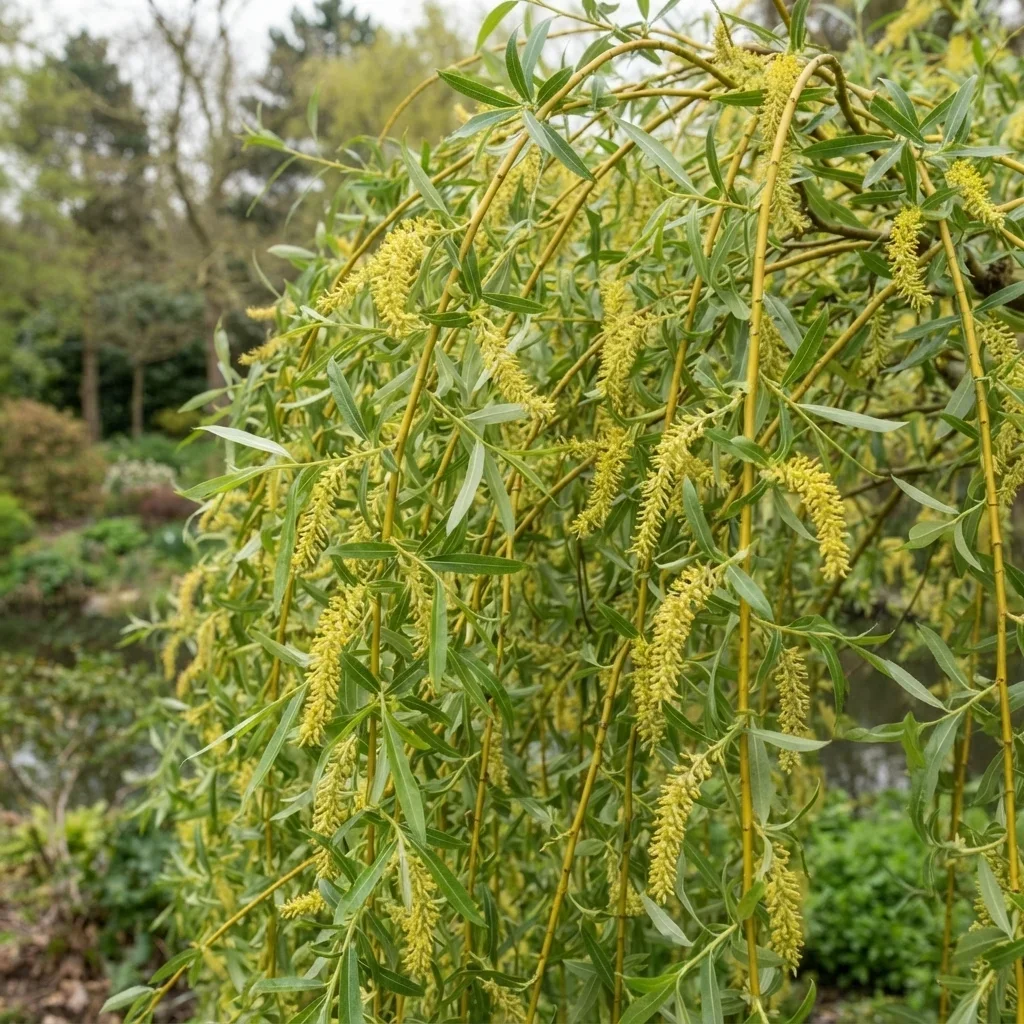
Weeping Willow
Salix x sepulcralis 'Mix'
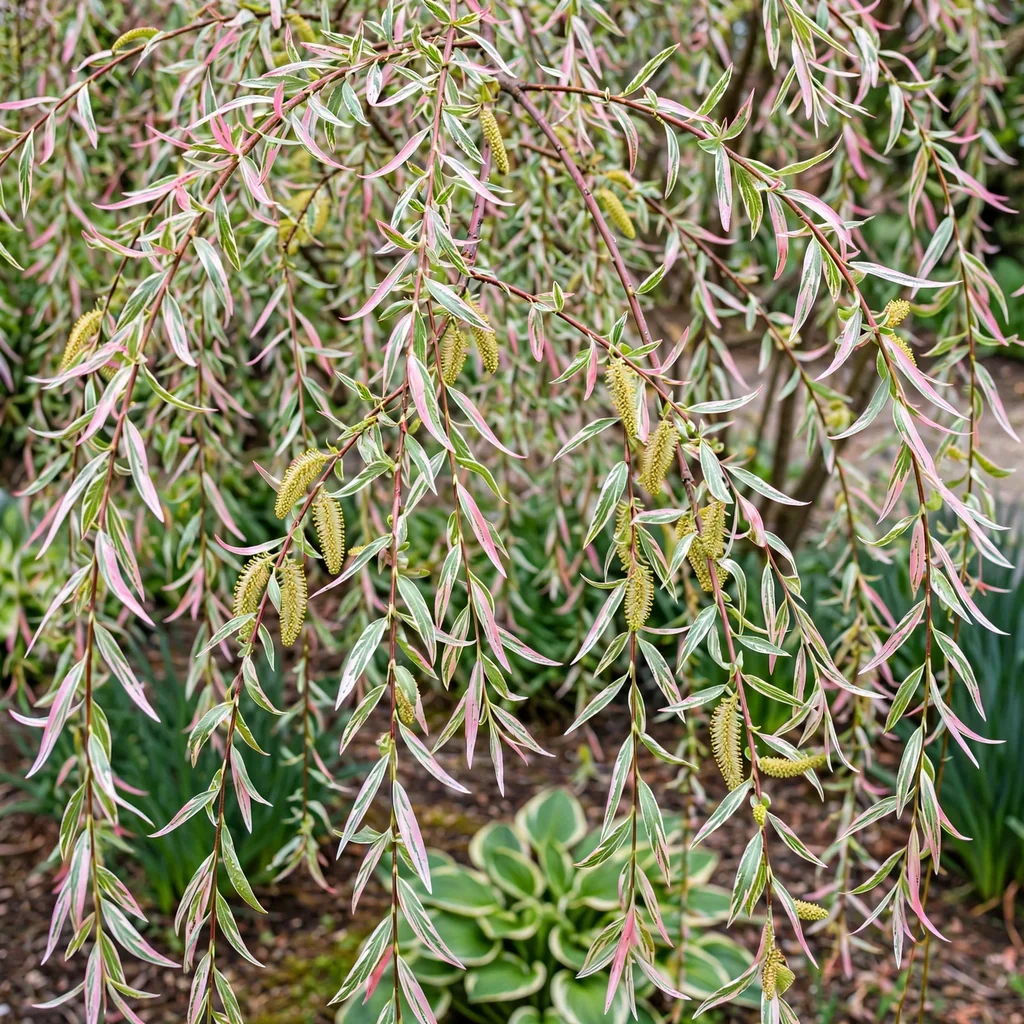
Flamingo Dappled Willow
Salix integra 'Flamingo'
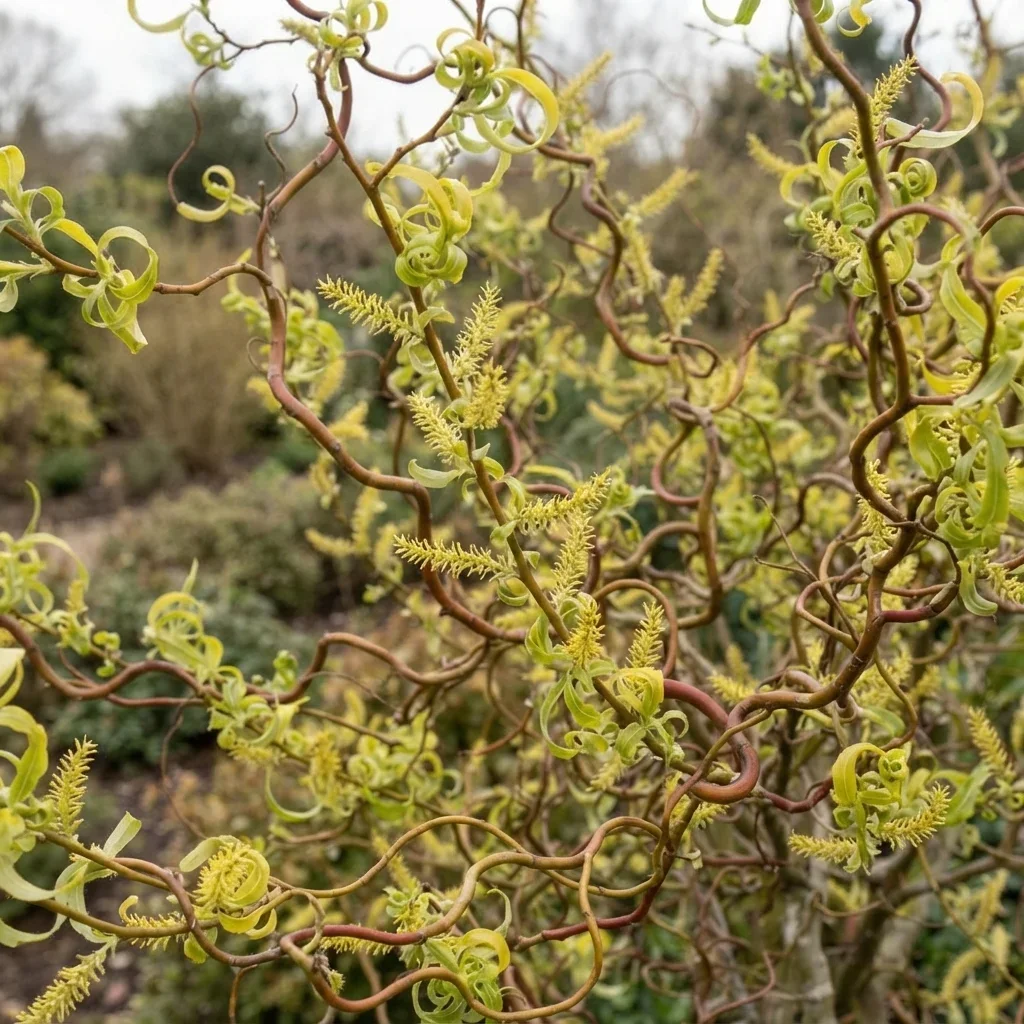
Corkscrew Willow
Salix babylonica 'Tortuosa'
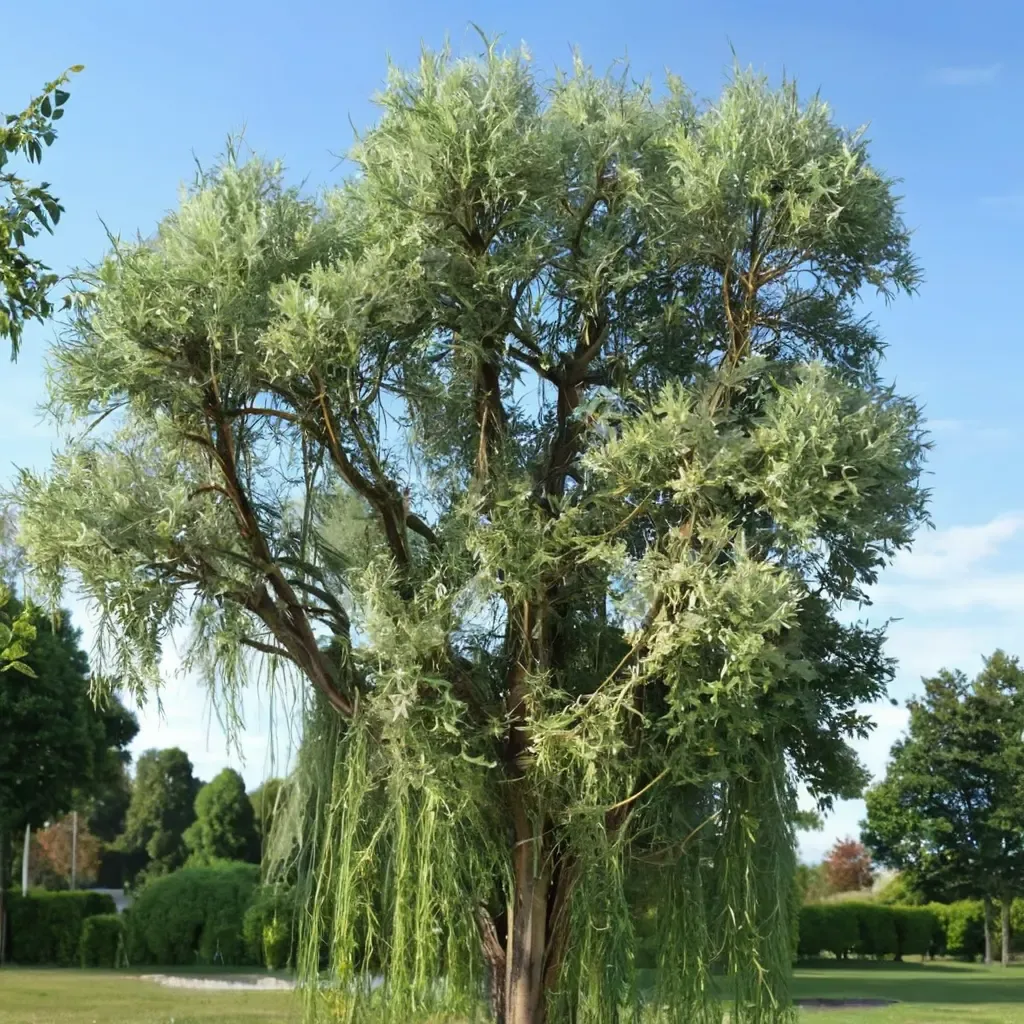
White Willow
Salix alba
Keep exploring
Explore the genus
Hardy in your zone?
Grow Dwarf Arctic Willow with confidence
See it in a design of your actual yard, get zone-matched care reminders, and track it season by season in your garden journal.