The Story
Plant Bio
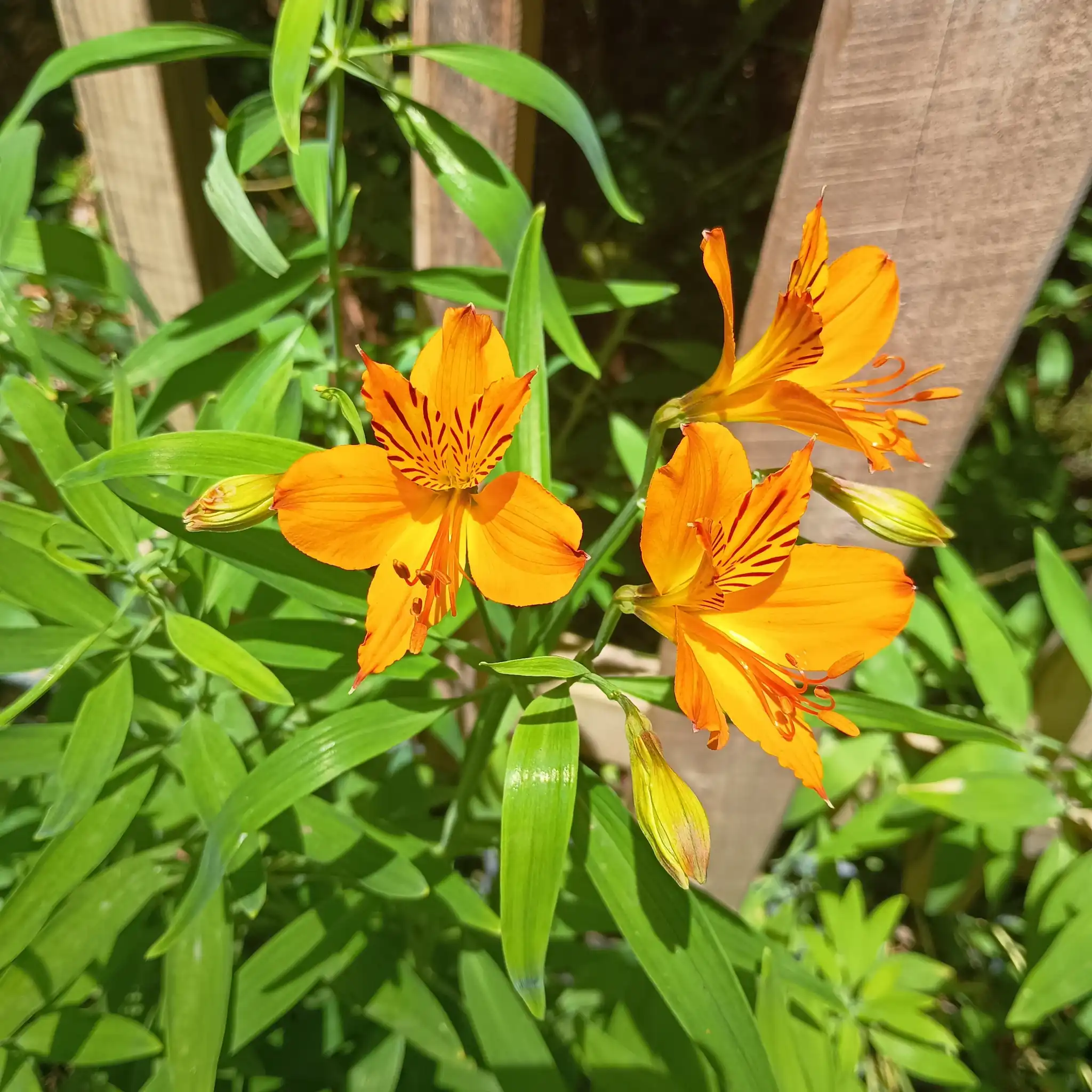
Alstroemeria aurea, native to Chile and Argentina, is an upright, clump-forming herbaceous perennial growing from fleshy, brittle underground rhizomes. In summer, it produces unbranched stems topped with loose clusters of golden-yellow to bright orange flowers heavily flecked with brownish-red.
The narrow, lance-shaped green leaves are uniquely resupinate, twisting at the petiole so the lower leaf surface faces upward. The showy, long-lasting blooms feature distinctively patterned posterior petals that make them highly valued as commercial cut flowers.
Uses & Benefits:
Essentials
At a Glance
Plant Type
Perennial
Height
48"
Width
24"
Light
Full Sun, Partial Sun
Zones
7, 8, 9, 10
Water
Moderate
Humidity
Moderate
Lifespan
Perennial
Native To
South America (Chile and Argentina)
Toxicity
Toxic if ingested; sap causes contact dermatitis
Bloom period
Summer
In flower about 3 months of the year
Planting
How to Grow
- Select a planting site in full sun to partial shade with rich, moist, and well-drained soil.
- Dig a hole twice the width of the root ball and amend the soil with organic matter to improve drainage.
- Plant the rhizomes or containerized plant, ensuring the crown sits just below the soil surface.
- Water thoroughly to settle the soil around the brittle roots, taking care not to waterlog the area.
- Apply a thick layer of organic mulch in late fall to protect the underground rhizomes from freezing temperatures.
Pro Tip
Never shear or cut spent flower stems down; instead, pull them firmly from the base of the underground rhizome to stimulate a fresh flush of blooms. Take extreme care when dividing the clump, as the brittle, finger-like tuberous roots fracture easily and resent disturbance.
Keep It Thriving
Care Guide
Do
- Pull spent flowering stems directly from the base rather than cutting them.
- Mulch heavily in winter to protect the rhizomes in colder zones.
- Keep the soil evenly moist during the active summer growing and flowering season.
Don't
- Do not shear the plant back like a traditional perennial, which halts future flowering.
- Do not disturb the root system unnecessarily due to the highly brittle nature of the tubers.
- Do not allow the soil to become waterlogged, which triggers root rot.
Seasonal Care Calendar
| Task | Jan | Feb | Mar | Apr | May | Jun | Jul | Aug | Sep | Oct | Nov | Dec |
|---|---|---|---|---|---|---|---|---|---|---|---|---|
| Deadhead | ||||||||||||
| Divide | ||||||||||||
| Spring Cleanup | ||||||||||||
| Winter Prep |
Watch Out For
Pests & Diseases
Common Pests
Common Diseases
In the Garden
Landscape Uses & Companions
Landscape Uses
Multiply
Propagation Methods
Good to Know
Common Questions
Peruvian Lily questions
What zones can Peruvian Lily grow in?
Peruvian Lily is hardy in USDA Zones 7–10. Inside that range it survives winter in the ground; outside it, grow it as an annual or a container plant you protect.
When does Peruvian Lily bloom?
Peruvian Lily typically blooms in summer through summer. Exact timing shifts a week or two with your zone — Sow's bloom calendar maps it to your garden.
Does Peruvian Lily need full sun?
Peruvian Lily does best in full sun to part shade. In hot climates, afternoon shade keeps blooms fresher longer.
Is Peruvian Lily drought tolerant?
Yes — once established (usually after the first full season), Peruvian Lily handles dry spells with minimal watering. Water deeply its first year to build the root system that makes that possible.
More Alstroemeria to compare
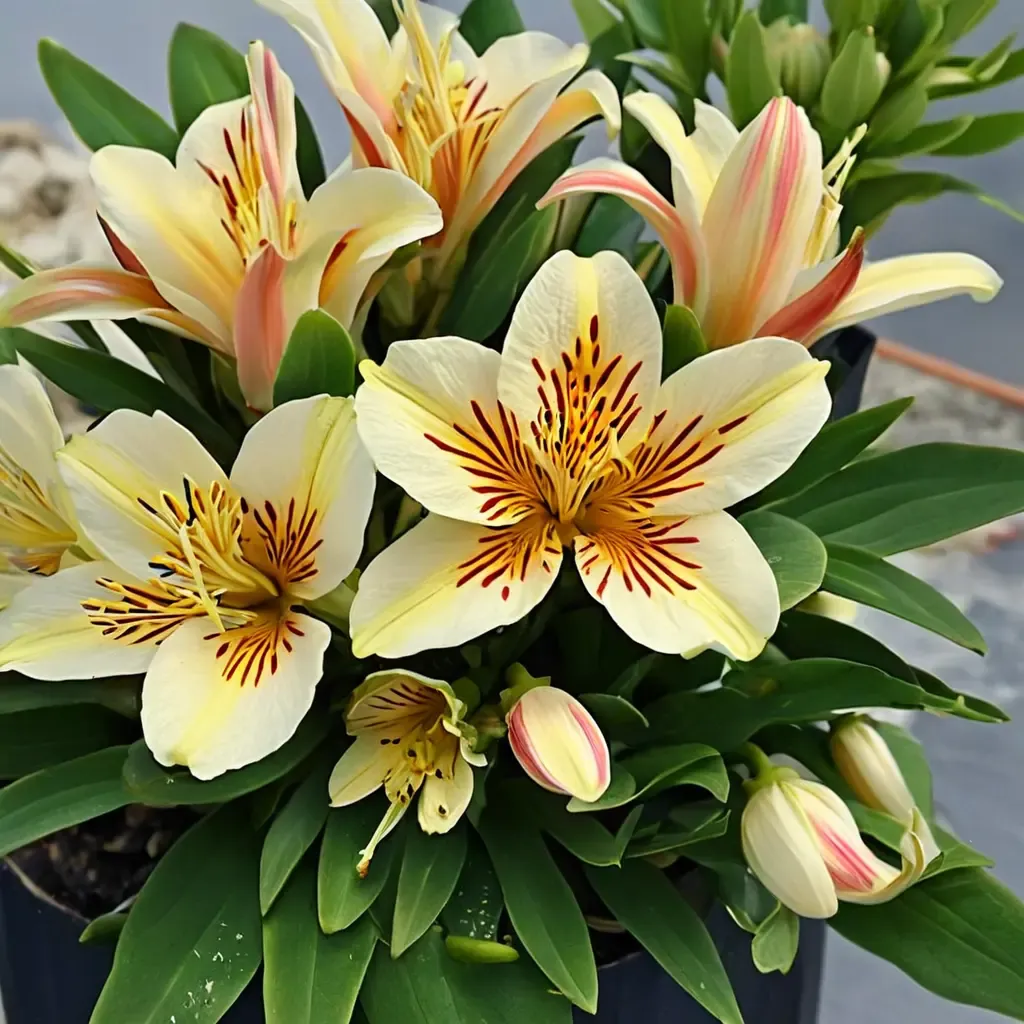
Inca Sundance Alstroemeria
Alstroemeria x hybrida 'Inca Sundance'
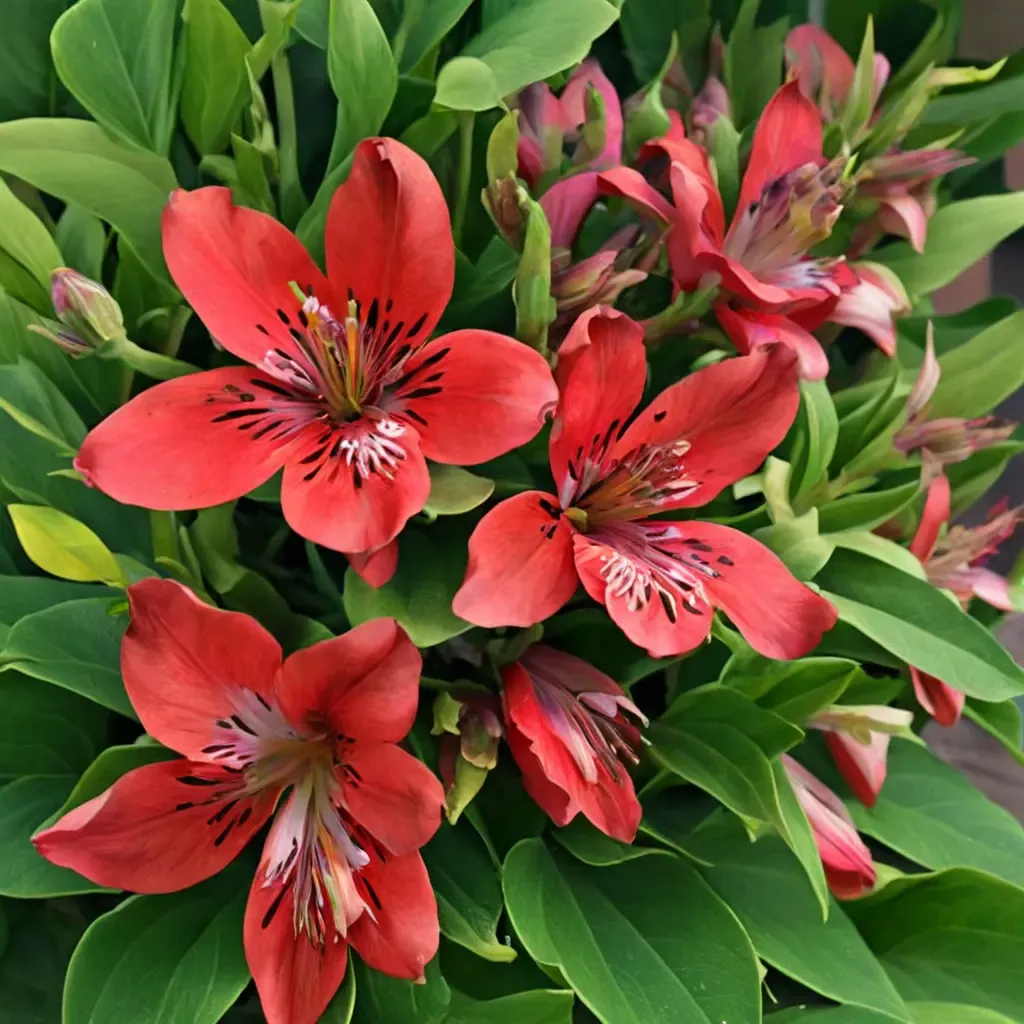
Inca Lolly Peruvian Lily
Alstroemeria x hybrida 'Inca Lolly'
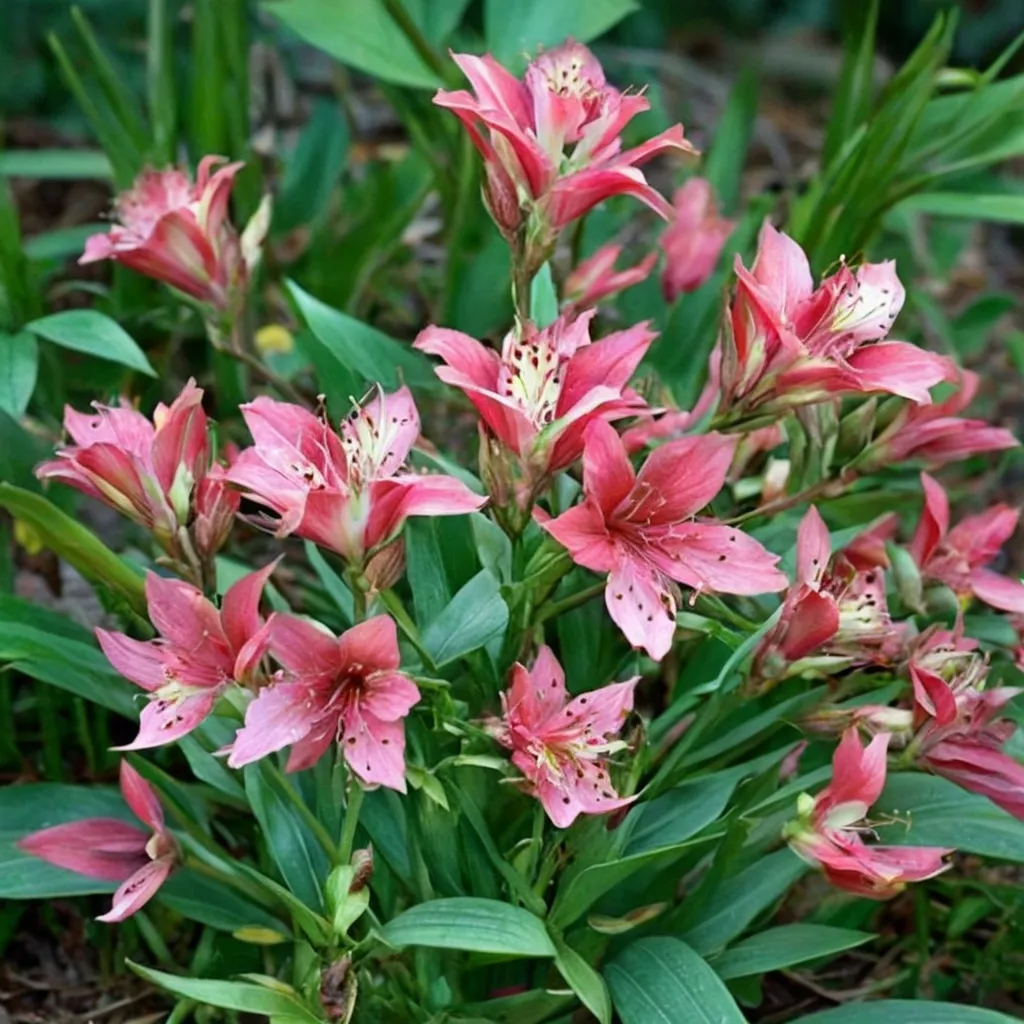
Peruvian Lily Freedom
Alstroemeria x hybrida 'Freedom'
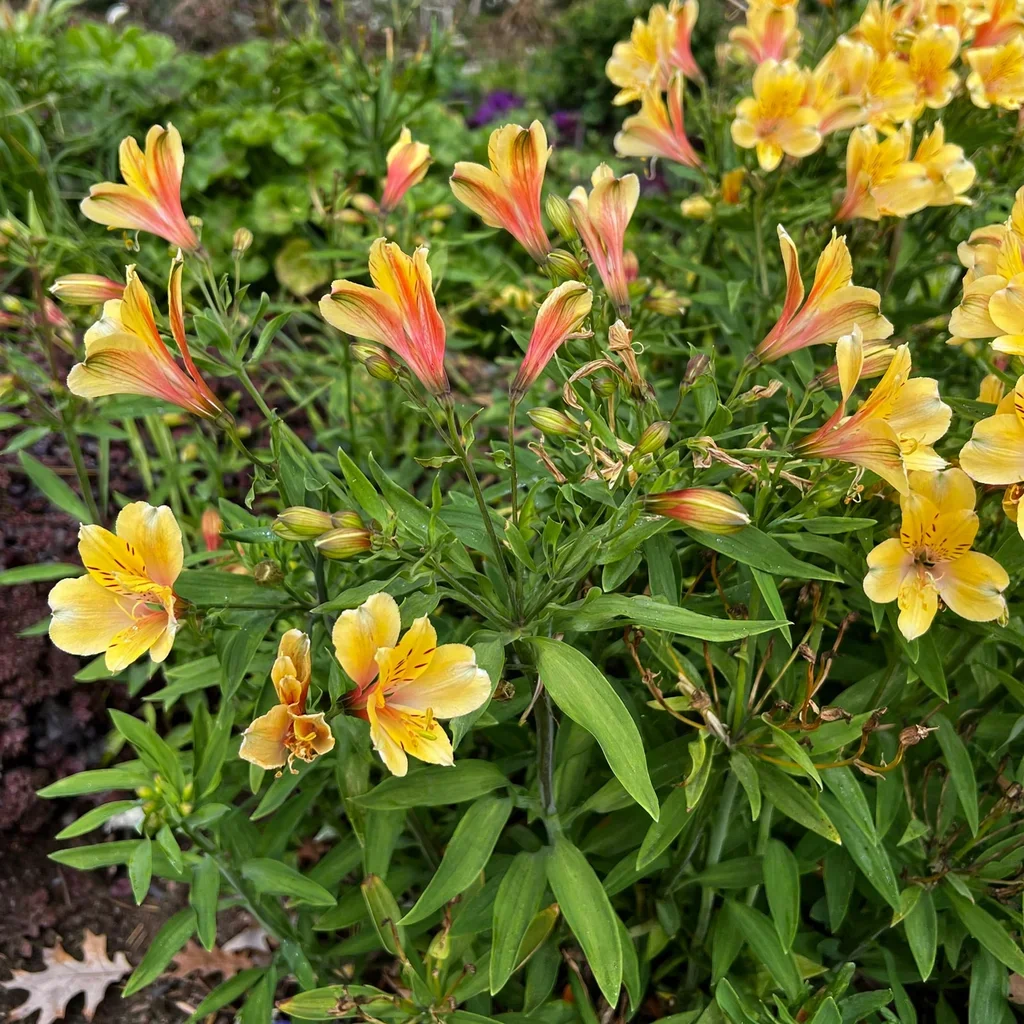
Golden Tiara Peruvian Lily
Alstroemeria x hybrida 'Golden Tiara'
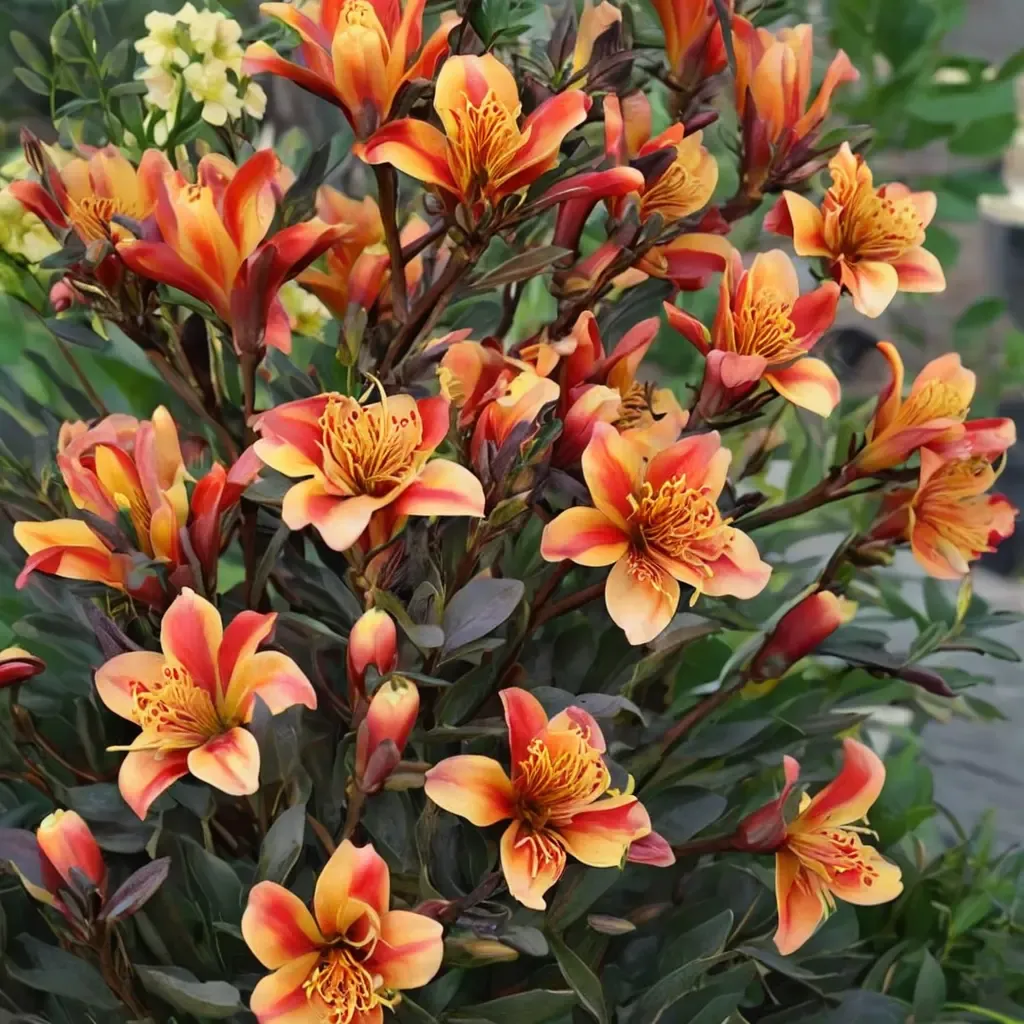
Indian Summer Peruvian Lily
Alstroemeria x hybrida 'Indian Summer'
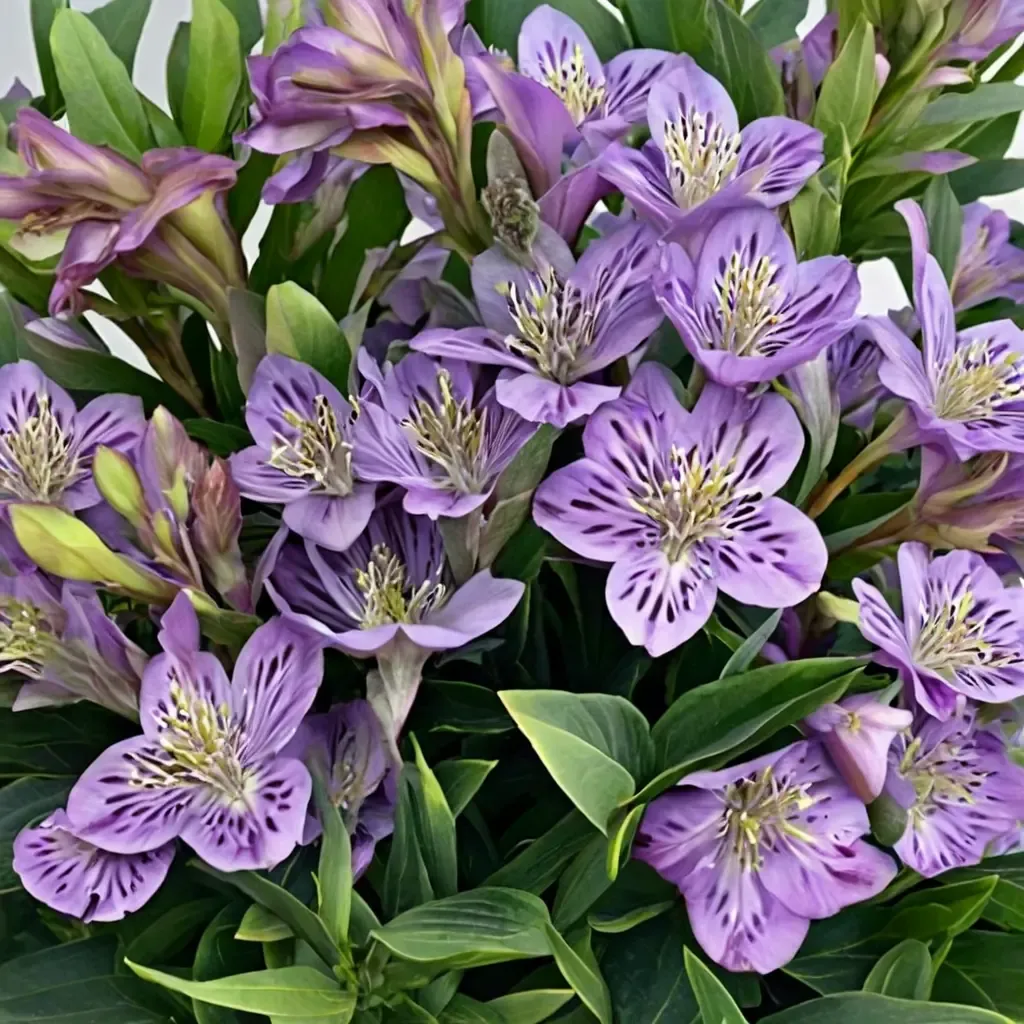
Inca Ocean Lily Peruvian Lily
Alstroemeria x hybrida 'Inca Ocean'
Keep exploring
Explore the genus
Hardy in your zone?
Grow Peruvian Lily with confidence
See it in a design of your actual yard, get zone-matched care reminders, and track it season by season in your garden journal.