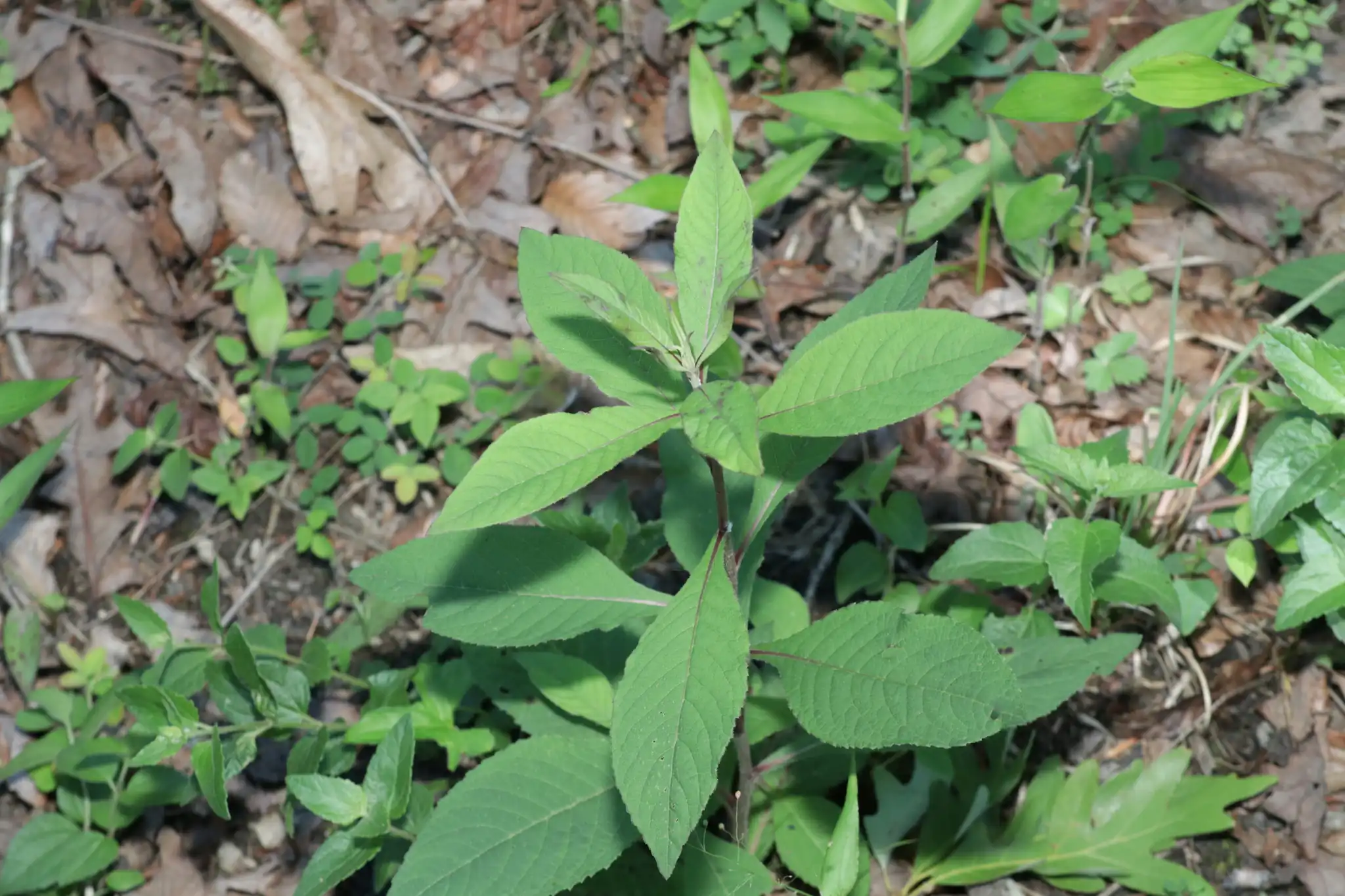
The Story
Plant Bio
Vernonia glauca is an upright, clump-forming herbaceous perennial native to eastern North America, reaching three to five feet in height on rigid, self-supporting stems. Its simple, lance-shaped foliage is dark green on top with a distinct whitish, glaucous underside.
Unlike wetland-dwelling ironweeds, broadleaf ironweed thrives in dry to medium-moist, well-drained soils with notable drought resistance. Late summer blooms consist of broad, flat-topped terminal clusters of deep royal purple disc florets that lack ray petals entirely.
Uses & Benefits:
Essentials
At a Glance
Plant Type
Perennial
Height
59"
Width
47"
Light
Full Sun, Partial Sun
Zones
6, 7, 8
Water
Low to medium
Humidity
Tolerates high summer heat and humidity
Lifespan
Perennial
Native To
Eastern North America
Toxicity
Non-toxic
Bloom period
Late summer – Early fall
In flower about 2 months of the year
Planting
How to Grow
- Choose a site receiving at least six hours of direct full sun daily in well-draining soil.
- Dig a hole twice as wide as the root ball and level with the existing container depth.
- Backfill with native soil, firming lightly around the crown, and water thoroughly to settle.
- Mulch the root zone with two inches of organic matter, keeping mulch clear of main stems.
Pro Tip
Pinch stem tips back by half in late spring to reduce mature height and stimulate branching, and leave twelve to twenty-four inches of standing stem stubble during winter cleanup to provide nesting sites for stem-nesting bees.
Keep It Thriving
Care Guide
Do
- Provide well-drained soil to protect roots from winter waterlogging.
- Leave hollow dead stems standing through winter for wildlife shelter.
Don't
- Do not plant in soggy, poorly drained sites or waterlogged clay beds.
- Do not prune dead stems down to ground level in fall if supporting native stem-nesting bees.
Seasonal Care Calendar
| Task | Jan | Feb | Mar | Apr | May | Jun | Jul | Aug | Sep | Oct | Nov | Dec |
|---|---|---|---|---|---|---|---|---|---|---|---|---|
| Pest Check | ||||||||||||
| Pinch | ||||||||||||
| Propagate | ||||||||||||
| Spring Cleanup |
Watch Out For
Pests & Diseases
Common Pests
Common Diseases
In the Garden
Landscape Uses & Companions
Landscape Uses
Multiply
Propagation Methods
Good to Know
Common Questions
Broadleaf Ironweed questions
What zones can Broadleaf Ironweed grow in?
Broadleaf Ironweed is hardy in USDA Zones 6–8. Inside that range it survives winter in the ground; outside it, grow it as an annual or a container plant you protect.
Is Broadleaf Ironweed deer resistant?
Yes — Broadleaf Ironweed is rated deer-resistant. Deer typically pass it over, though extreme hunger can override any plant's defenses.
When does Broadleaf Ironweed bloom?
Broadleaf Ironweed typically blooms in late summer through early fall. Exact timing shifts a week or two with your zone — Sow's bloom calendar maps it to your garden.
Does Broadleaf Ironweed need full sun?
Broadleaf Ironweed does best in full sun to part shade. In hot climates, afternoon shade keeps blooms fresher longer.
Is Broadleaf Ironweed drought tolerant?
Yes — once established (usually after the first full season), Broadleaf Ironweed handles dry spells with minimal watering. Water deeply its first year to build the root system that makes that possible.
More Vernonia to compare
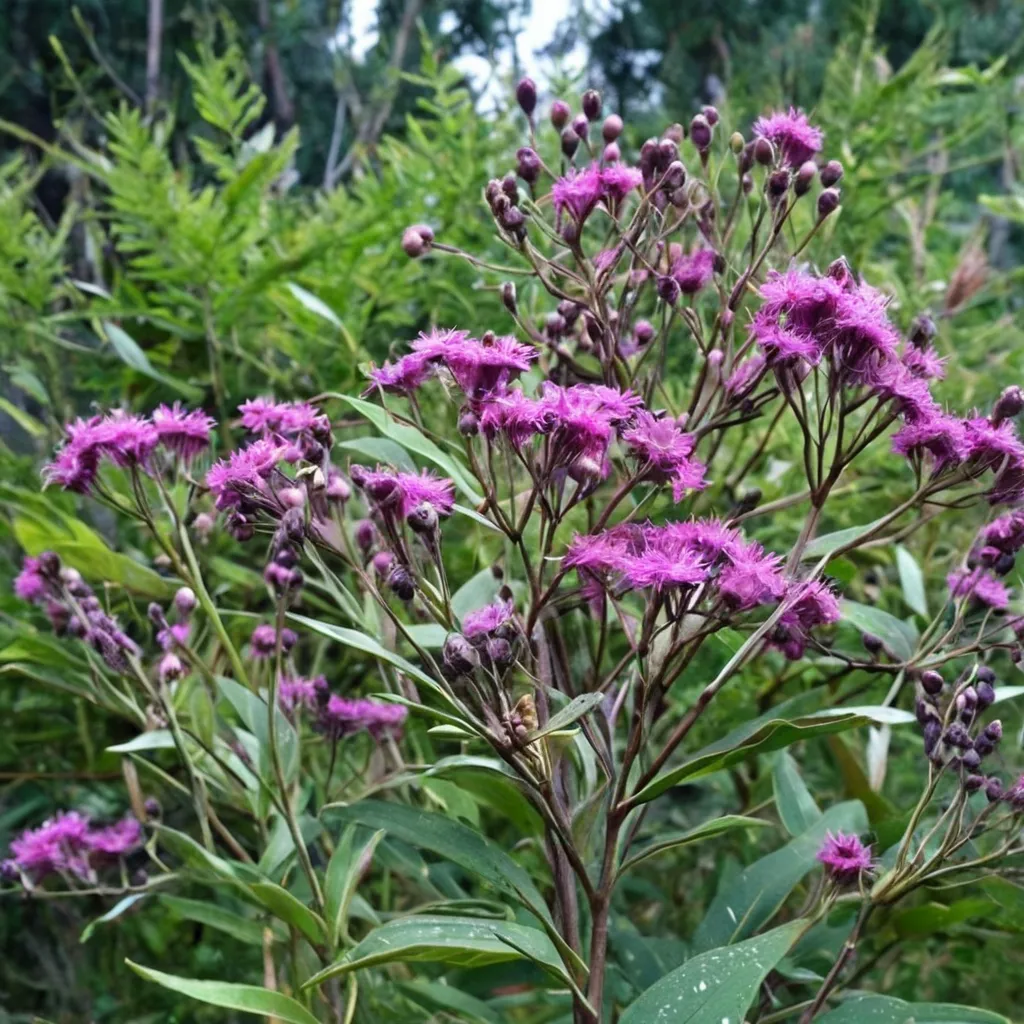
Tall Ironweed
Vernonia altissima
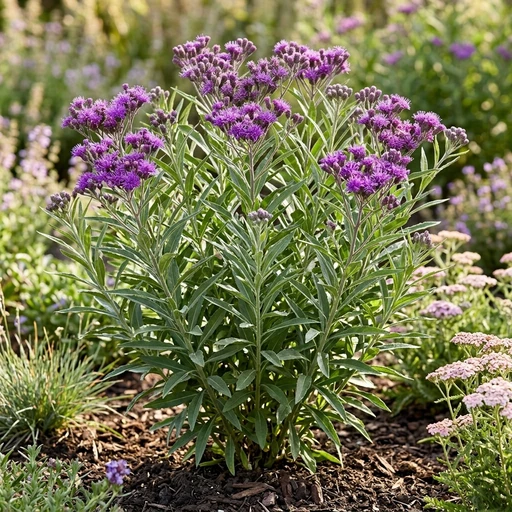
Summers Swan Song Ironweed
Vernonia x hybrida 'Summer'S Swan Song'
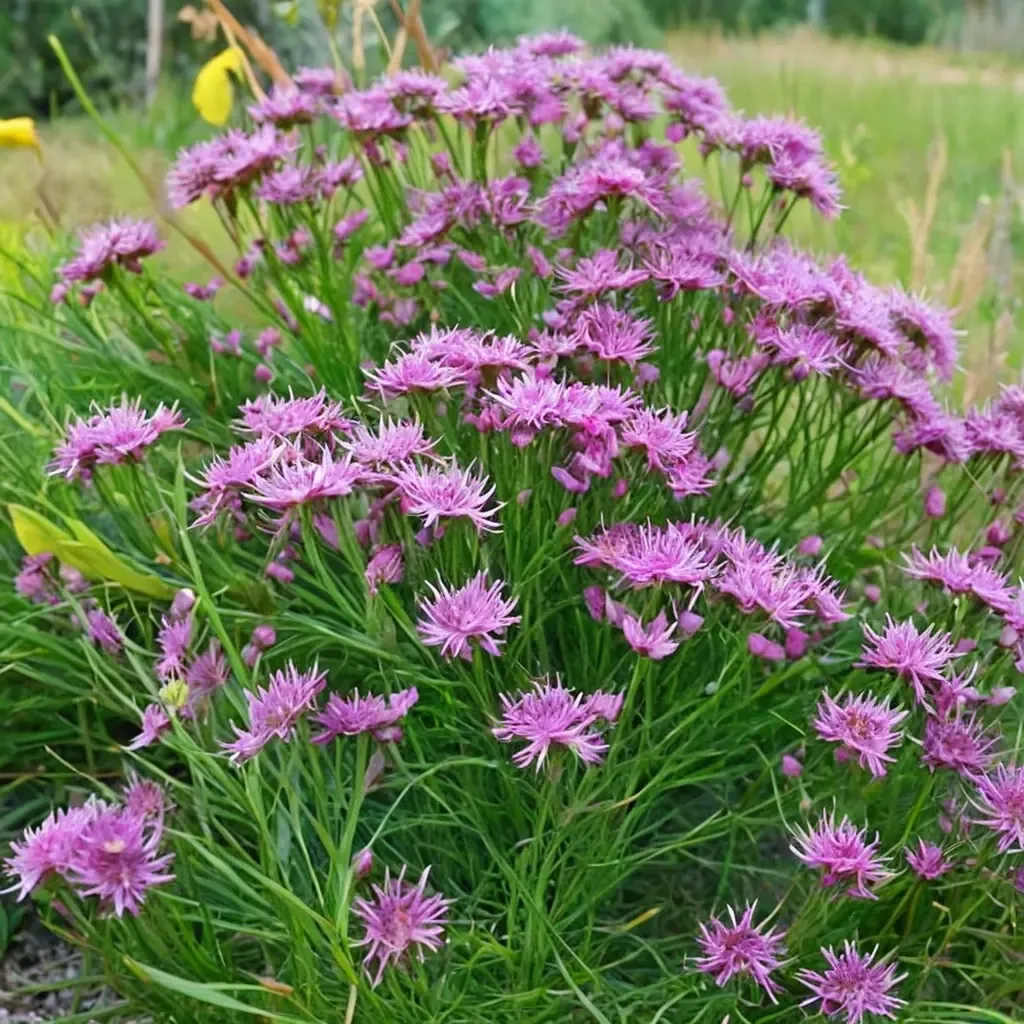
Iron Butterfly Ironweed
Vernonia lettermannii 'Iron Butterfly'
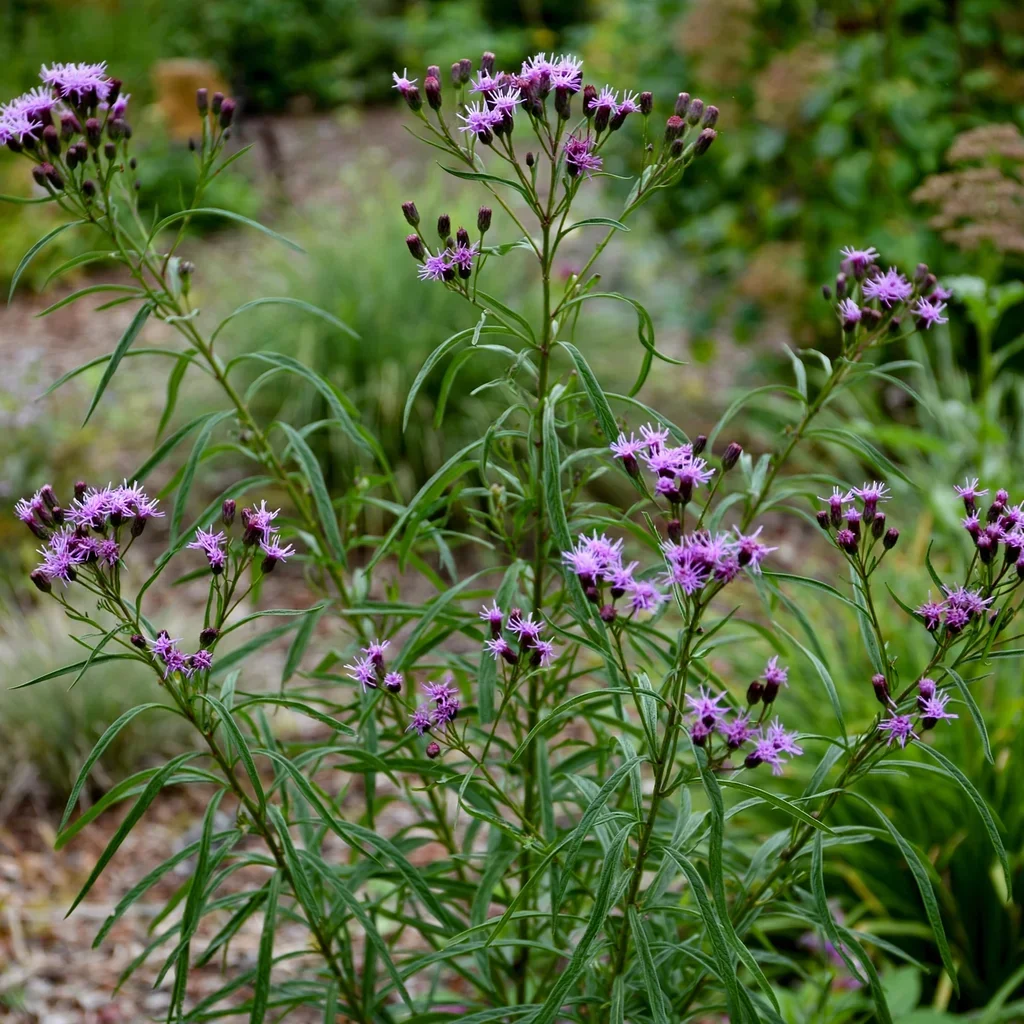
Southern Cross Ironweed
Vernonia arkansana 'Southern Cross'
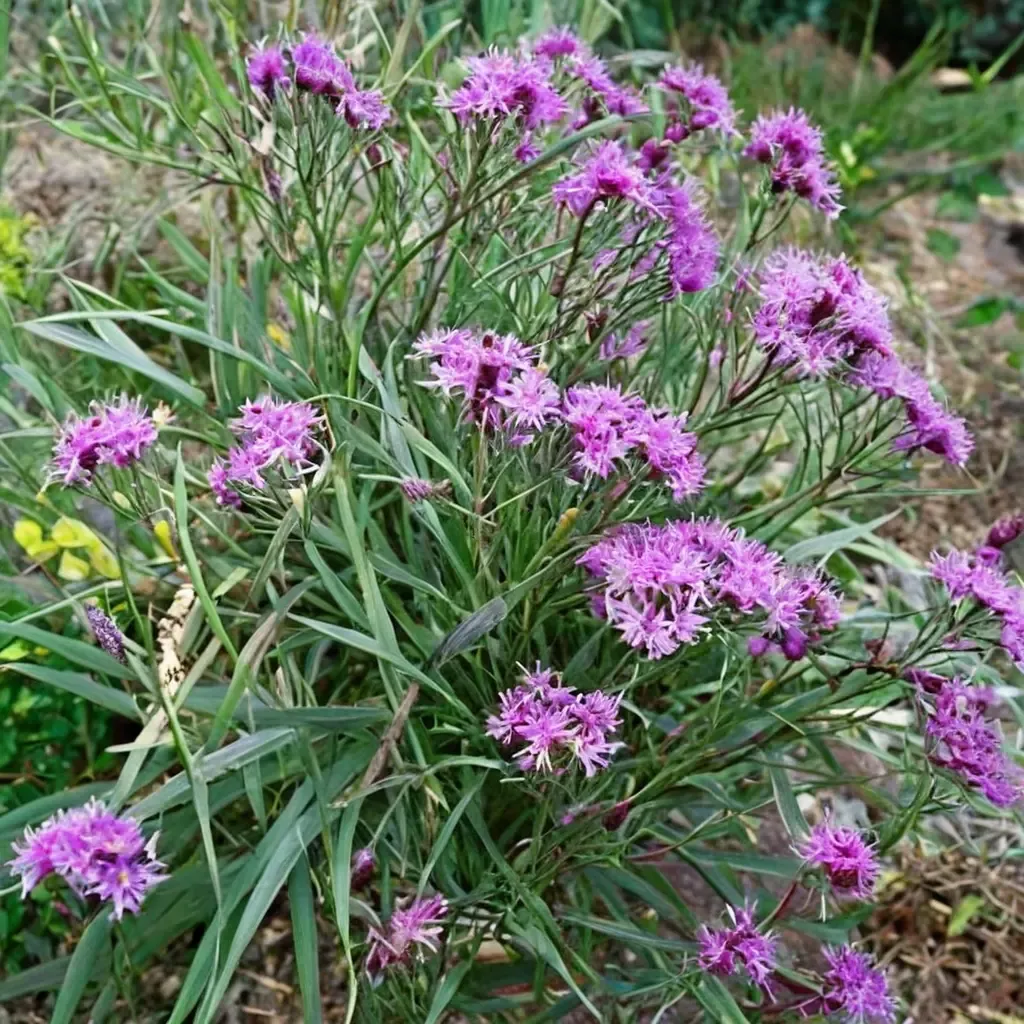
Plum Peachy Ironweed
Vernonia angustifolia 'Plum Peachy'
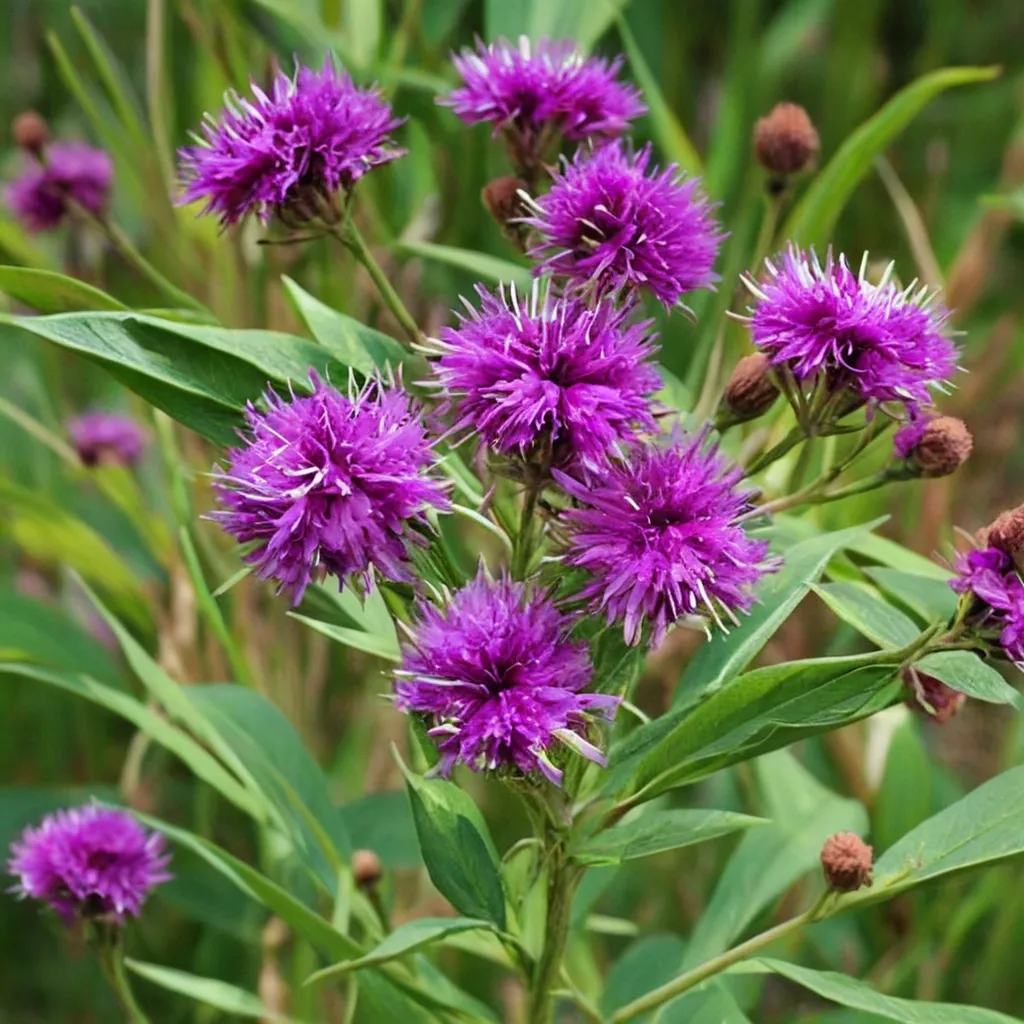
Arkansas Ironweed
Vernonia arkansana
Keep exploring
Explore the genus
Hardy in your zone?
Grow Broadleaf Ironweed with confidence
See it in a design of your actual yard, get zone-matched care reminders, and track it season by season in your garden journal.