The Story
Plant Bio
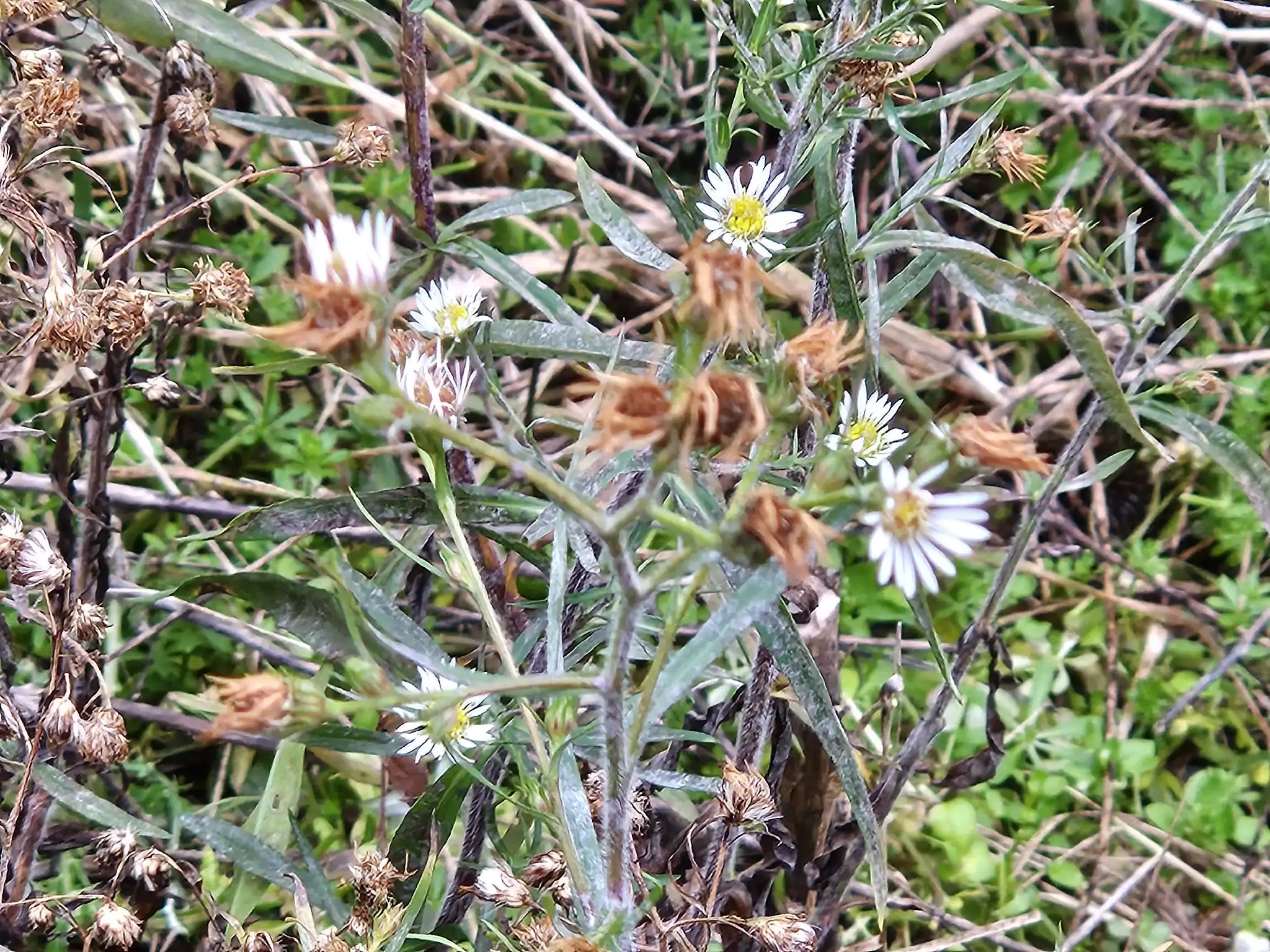
Symphyotrichum pilosum is an erect, stiffly branched herbaceous perennial native to North America, forming a bushy, shrub-like mound up to five feet tall. In fall, the plant produces dense branching arrays of small, daisy-like flower heads with white ray florets surrounding yellow centers that age to reddish-brown.
The species features alternate, narrow leaves and stems covered in soft white hairs that create a hoary appearance, though the hairless variety pringlei remains smooth. It spreads through a woody crown, short rhizomes, and prolific self-seeding, making it an aggressive colonizer of open, disturbed soils.
Uses & Benefits:
Essentials
At a Glance
Plant Type
Perennial
Height
60"
Width
48"
Light
Full Sun, Partial Sun
Zones
4, 5, 6, 7, 8, 9
Water
Low to Medium
Humidity
Medium to High
Lifespan
Perennial
Native To
North America
Toxicity
Non-toxic
Bloom period
Late summer – Fall
In flower about 4 months of the year
Planting
How to Grow
- Plant in a location that receives at least six hours of direct sunlight daily to ensure strong stems and maximum flowering.
- Select a well-drained site with sandy, loamy, or clay soil, avoiding areas where water pools or remains saturated.
- Water regularly during the first growing season to establish a deep root system, after which the plant is highly drought-tolerant.
- Leave dead stems standing through winter to provide structural interest and nesting sites for native bees, then cut them to the ground in early spring.
Pro Tip
Pinch or cut back stems by one-quarter to one-third in late spring to prevent floppy, leggy growth; pruning after mid-July removes developing flower buds and ruins the fall display.
Keep It Thriving
Care Guide
Do
- Pinch back stems in late spring to encourage a bushier habit.
- Provide adequate spacing between plants to maximize air circulation and reduce powdery mildew.
- Cut back old stems in early spring before new growth emerges.
Don't
- Do not apply heavy fertilizer, which causes weak, floppy growth and increases disease susceptibility.
- Do not prune the plant after mid-July, as this removes the autumn flower buds.
- Do not plant in poorly drained, heavy clay soils where water stands.
Seasonal Care Calendar
| Task | Jan | Feb | Mar | Apr | May | Jun | Jul | Aug | Sep | Oct | Nov | Dec |
|---|---|---|---|---|---|---|---|---|---|---|---|---|
| Divide | ||||||||||||
| Pest Check | ||||||||||||
| Pinch | ||||||||||||
| Spring Cleanup |
Watch Out For
Pests & Diseases
Common Pests
Common Diseases
In the Garden
Landscape Uses & Companions
Landscape Uses
Companion Plants
Multiply
Propagation Methods
Good to Know
Common Questions
Frost Aster questions
What zones can Frost Aster grow in?
Frost Aster is hardy in USDA Zones 4–9. Inside that range it survives winter in the ground; outside it, grow it as an annual or a container plant you protect.
Is Frost Aster deer resistant?
Yes — Frost Aster is rated deer-resistant. Deer typically pass it over, though extreme hunger can override any plant's defenses.
When does Frost Aster bloom?
Frost Aster typically blooms in late summer through fall. Exact timing shifts a week or two with your zone — Sow's bloom calendar maps it to your garden.
Does Frost Aster need full sun?
Frost Aster does best in full sun to part shade. In hot climates, afternoon shade keeps blooms fresher longer.
Is Frost Aster drought tolerant?
Yes — once established (usually after the first full season), Frost Aster handles dry spells with minimal watering. Water deeply its first year to build the root system that makes that possible.
More Symphyotrichum to compare
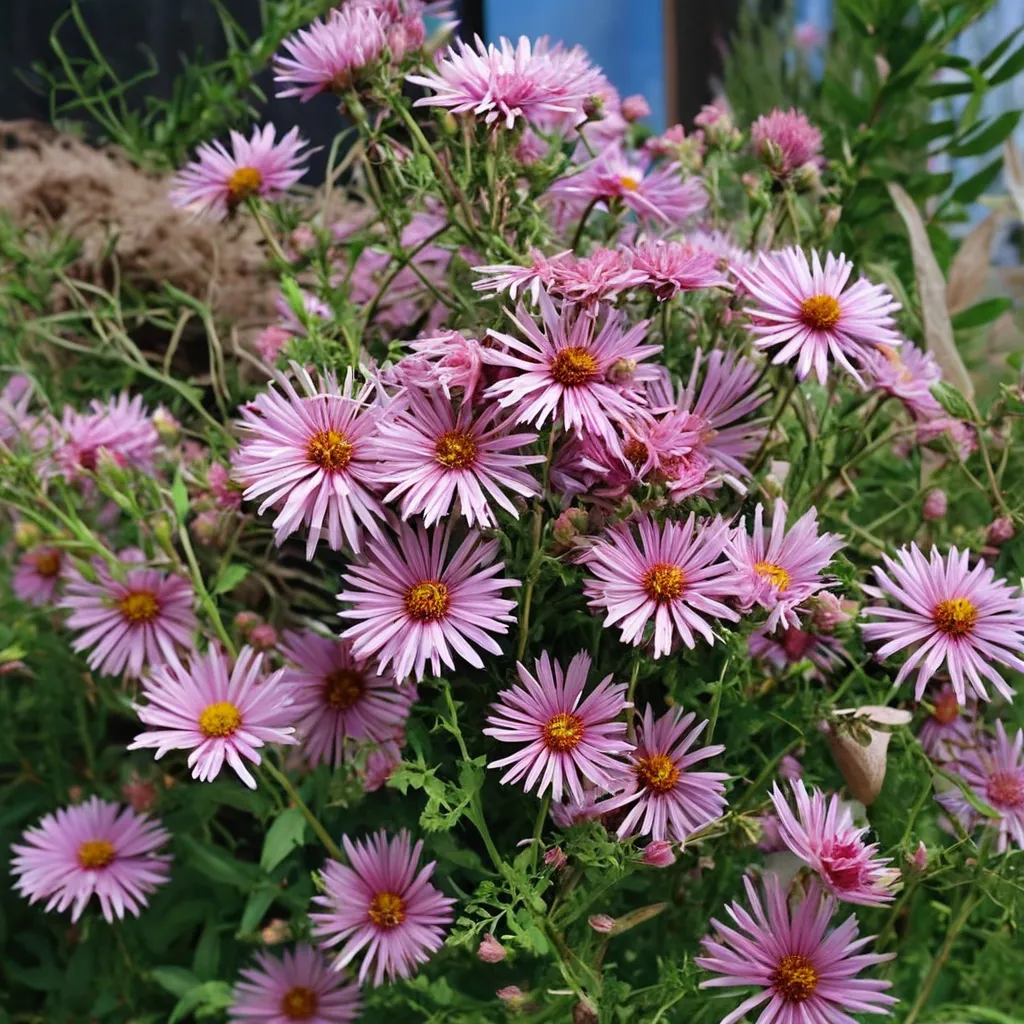
New England Aster Harringtons Pink
Symphyotrichum novae-angliae 'Harringtons Pink'
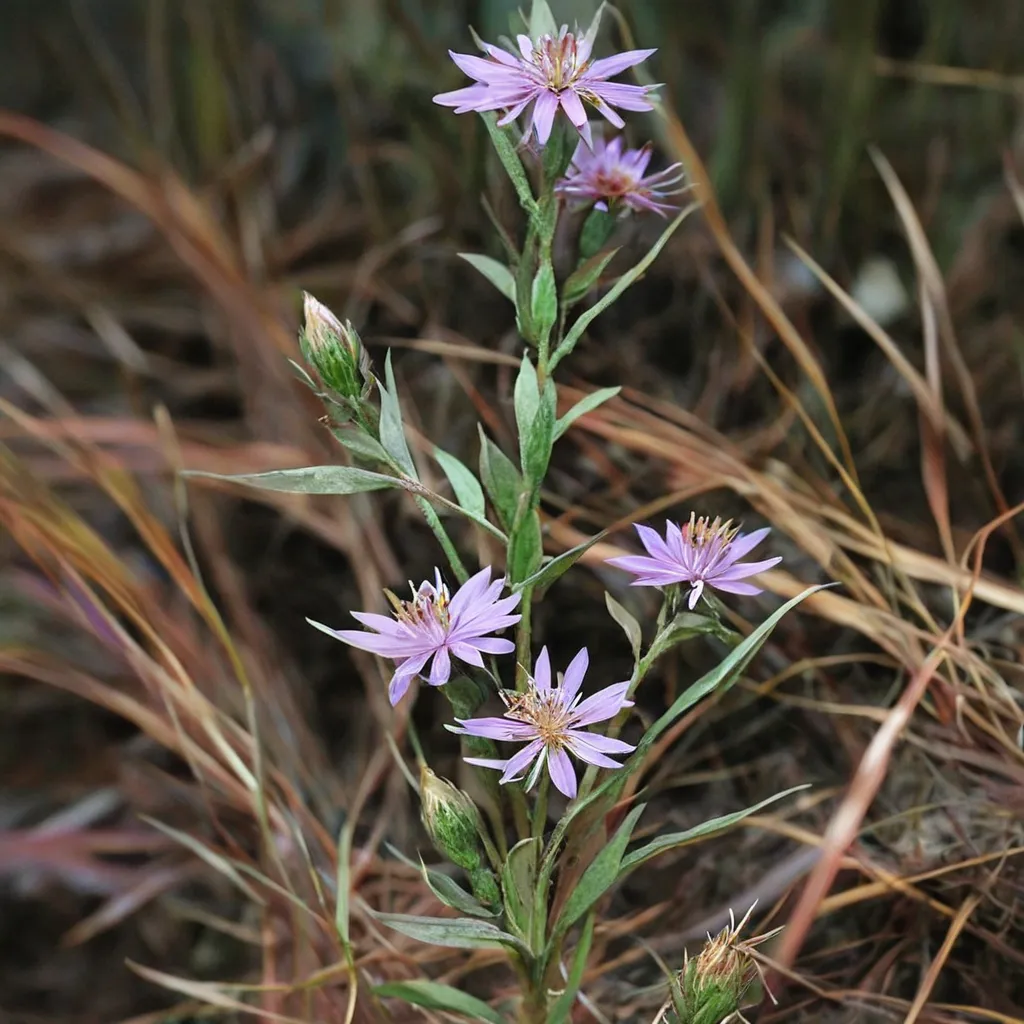
Eastern Silver Aster
Symphyotrichum concolor
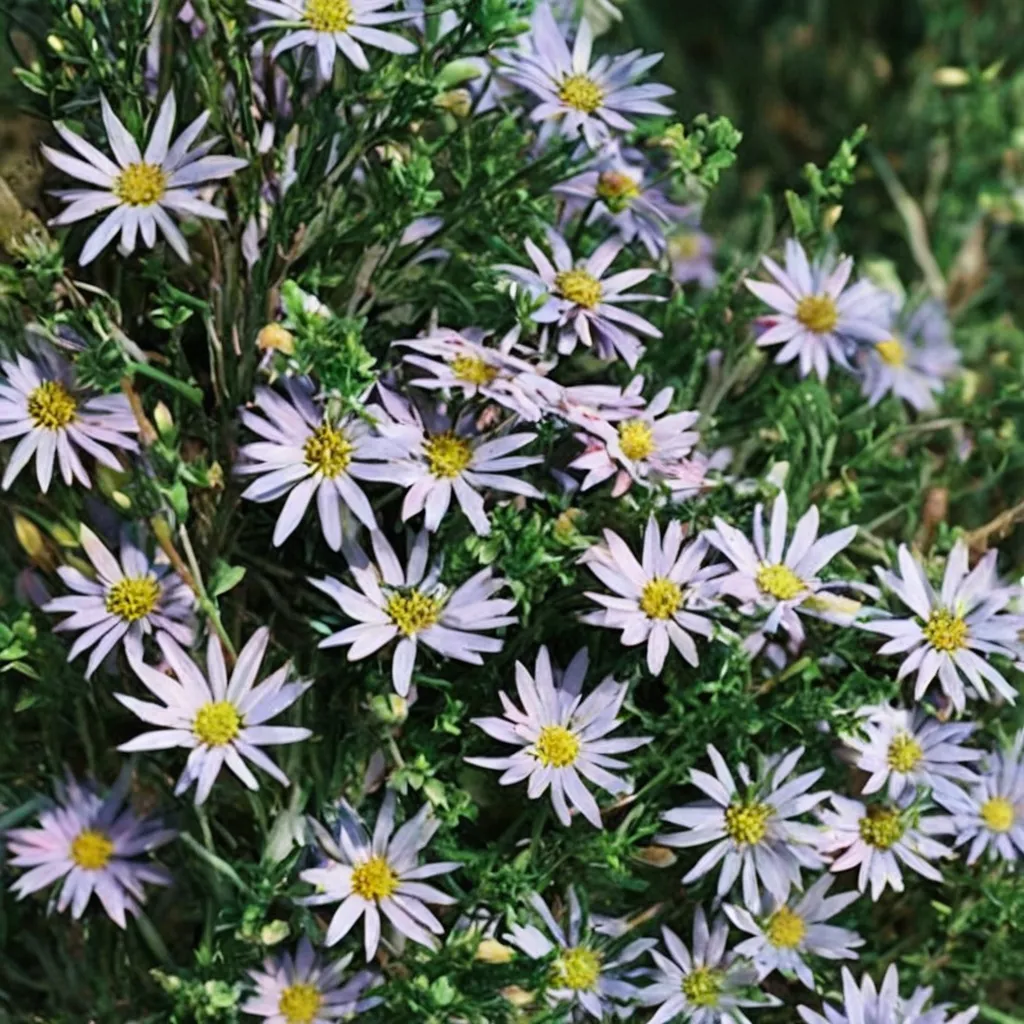
New Mexico Aster My Antonia
Symphyotrichum fendleri 'My Antonia'
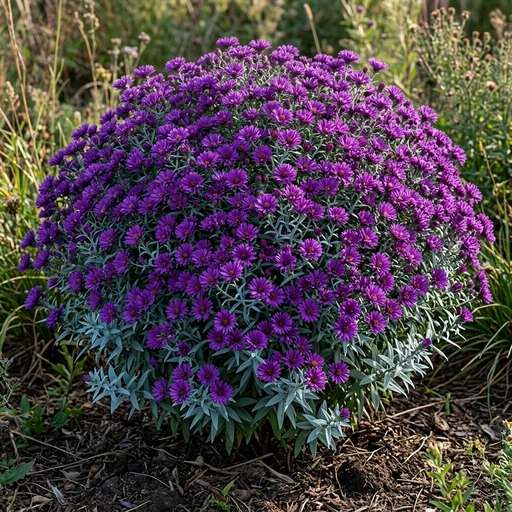
Purple Dome New England Aster
Symphyotrichum novae-angliae 'Purple Dome'
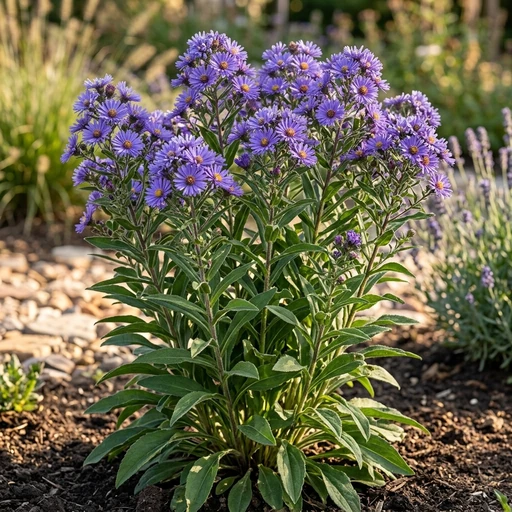
New England Aster
Symphyotrichum novae-angliae '05-196-10'
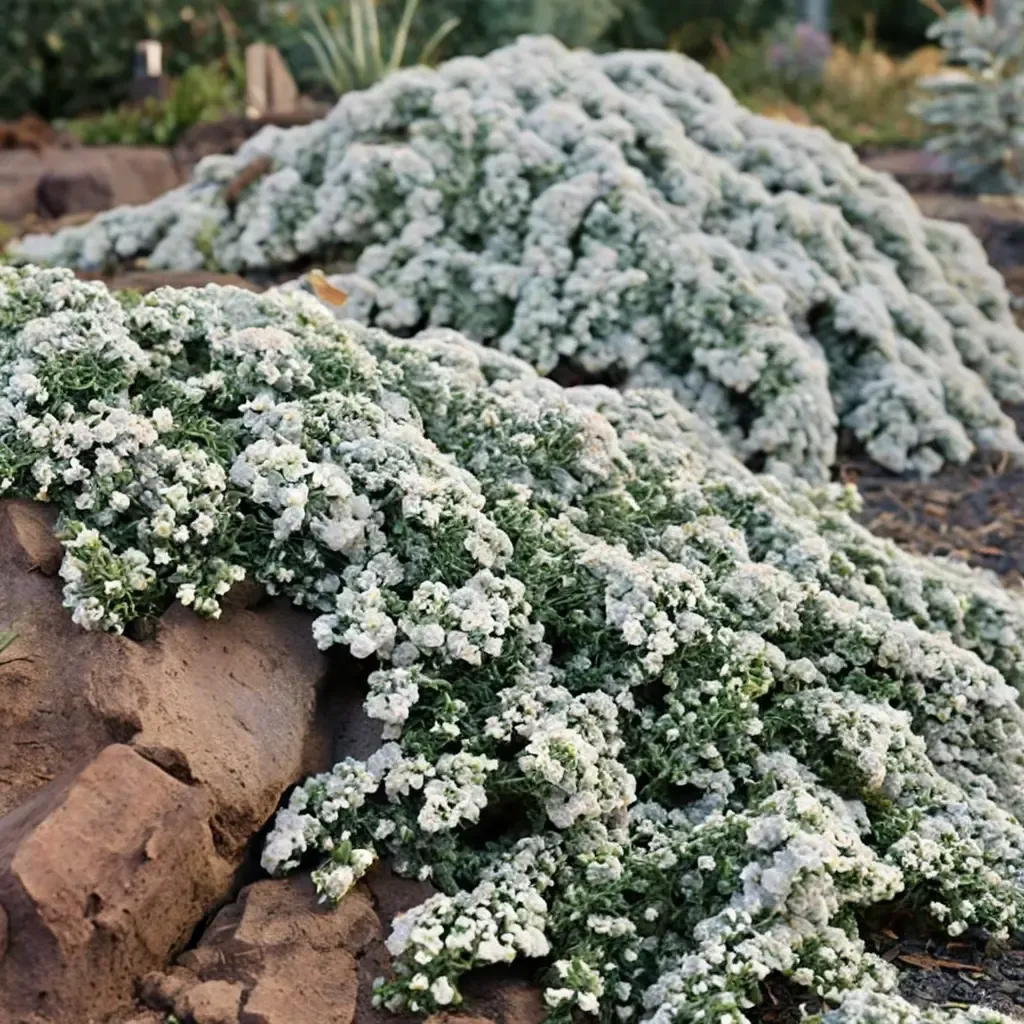
Snow Flurry Heath Aster
Symphyotrichum ericoides 'Snow Flurry'
Keep exploring
Explore the genus
Grow Frost Aster with confidence
See it in a design of your actual yard, get zone-matched care reminders, and track it season by season in your garden journal.