13 named cultivars
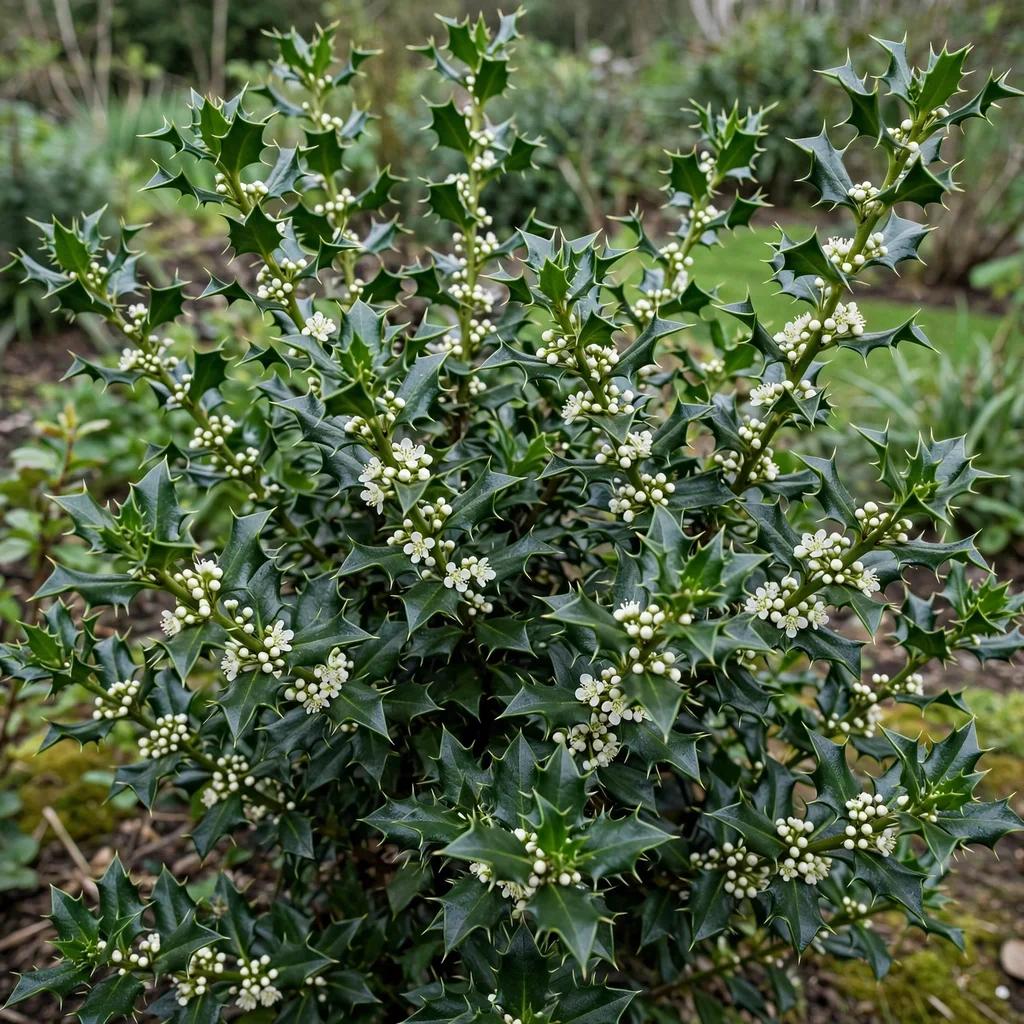 ‘Mr Poppins’Mr Poppins Holly
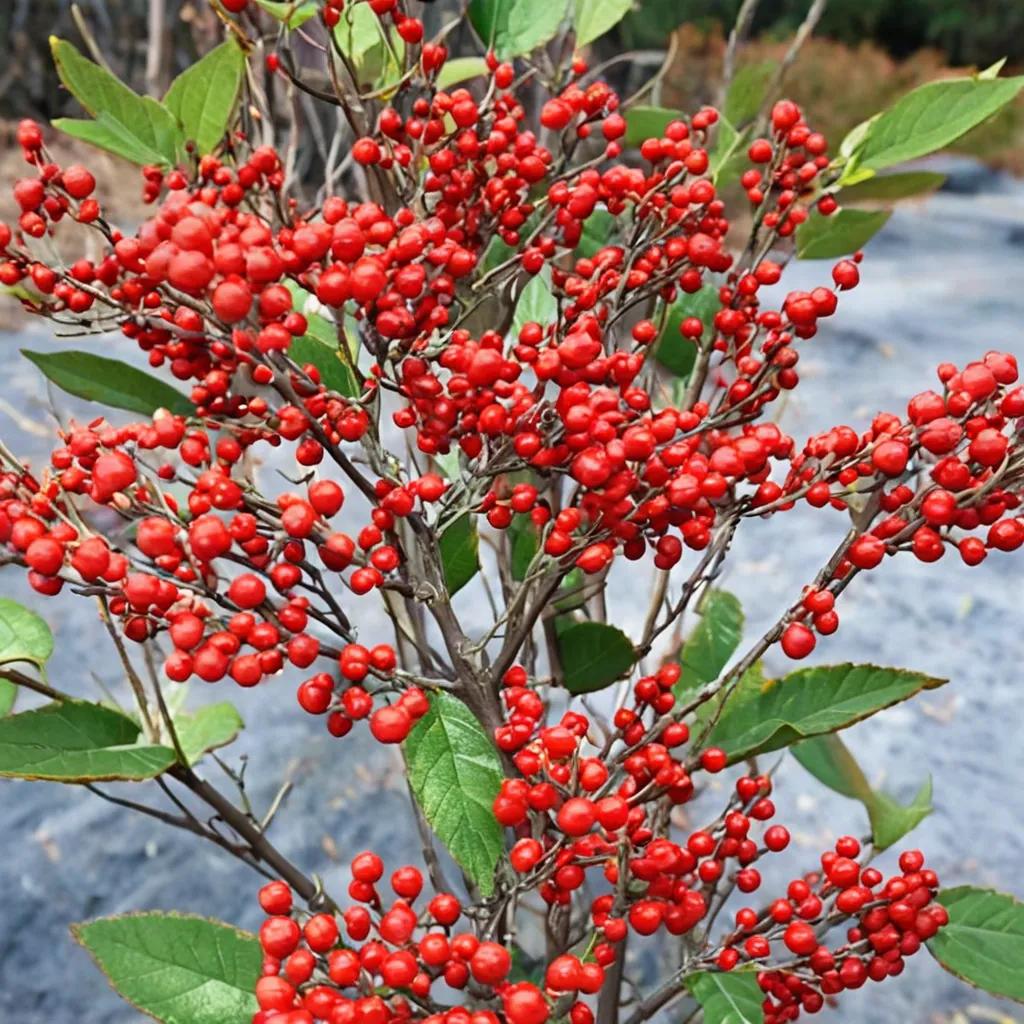 ‘Berry Poppins’Blue Holly Berry Poppins
 ‘Blue Prince Princess’Blue Prince Holly Blue Princess Holly
 ‘Blue Princess’Blue Princess Holly
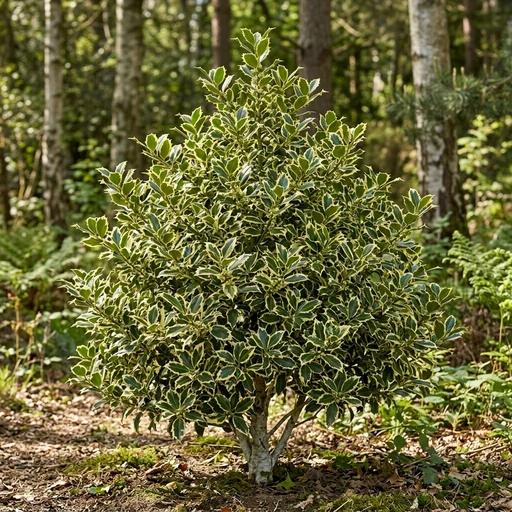 ‘Honeymaid’Honeymaid Meserve Holly
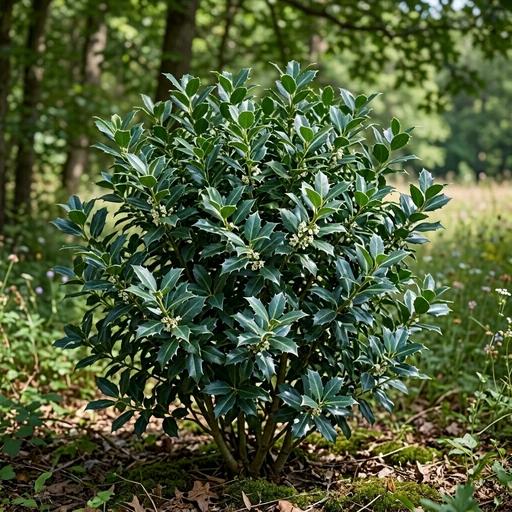 ‘Blue Girl’Blue Girl Holly
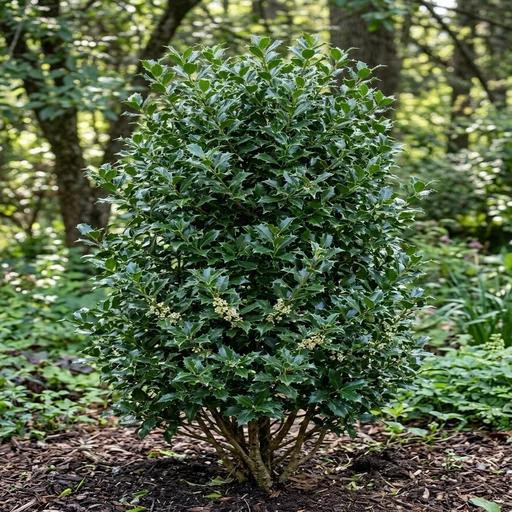 ‘Heckenstar’Castle Wall Holly
 ‘Mesdob’China Boy Holly
 ‘Centennial Girl’Blue Holly
 ‘Blue Prince’Blue Prince Holly
 ‘Mesog’China Girl Holly
 ‘Mesid’Blue Maid Holly
 ‘Hachfee’Castle Spire Holly
The Story
Plant Bio
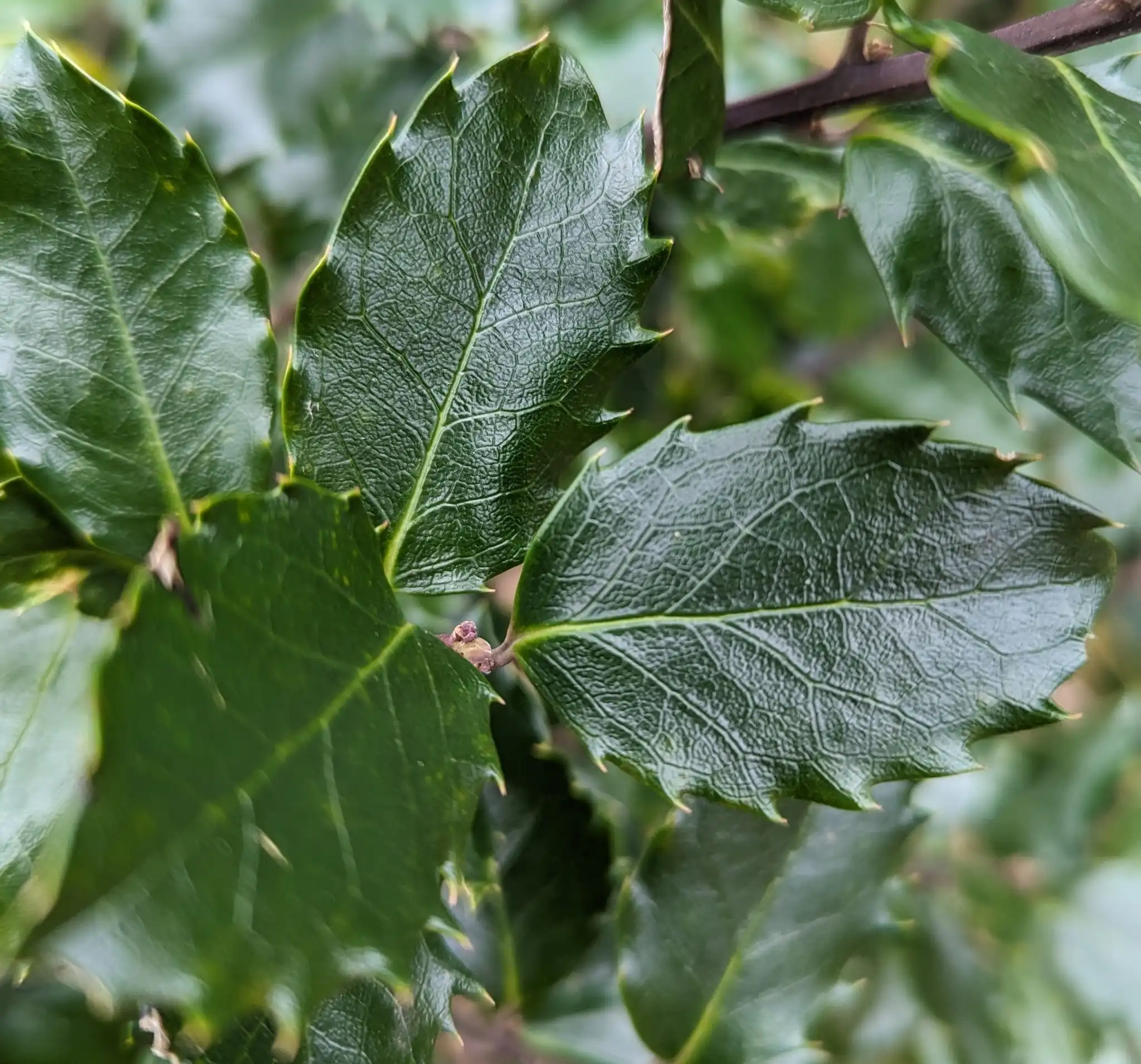
Ilex x meserveae, the blue holly, is a dense broadleaf evergreen shrub bred to combine the look of English holly with real cold hardiness. It reaches three to eight feet on an erect, rounded or vase-shaped frame, carrying spiny blue-green leaves on distinctly purple stems, and female plants set showy red berries that persist into spring.
Male and female flowers are on separate plants, so a female such as 'Blue Princess' sets no fruit at all without a male such as 'Blue Prince' within range — buy both, and check which one you are being sold, because this is far and away the commonest reason a blue holly never berries. The berries themselves cause mild stomach upset if eaten.
Uses & Benefits:
Essentials
At a Glance
Plant Type
Shrub
Height
69"
Width
84"
Light
Full Sun, Partial Sun
Zones
5, 6, 7, 8
Water
Moderate
Humidity
Moderate
Lifespan
Perennial
Native To
Garden hybrid of Asian and European species
Toxicity
Berries cause mild stomach upset
Marketplace
Where to Buy
Shipping costs Year-round shipping Free shipping
Planting
How to Grow
- Plant a male within about fifty feet of any females.
- Choose full sun to partial shade and acid, well-drained soil.
- Water deeply through the first two summers.
- Mulch to keep the shallow roots cool and moist.
- Prune lightly in late winter if shaping is needed.
- Avoid any spot where water stands after rain.
Pro Tip
One male will pollinate several females, so buy one 'Prince' to every three or four 'Princess' rather than pairing them off.
Keep It Thriving
Care Guide
Do
- Plant a male nearby for berries 💙
- Give it acid, well-drained soil 🌱
- Mulch over the shallow roots 🍂
- Prune lightly in late winter ✂️
Don't
- Buy a single female and expect fruit ❌
- Plant it where water stands after rain ❌
- Let children eat the berries ❌
Seasonal Care Calendar
| Task | Jan | Feb | Mar | Apr | May | Jun | Jul | Aug | Sep | Oct | Nov | Dec |
|---|---|---|---|---|---|---|---|---|---|---|---|---|
| Mulch | ||||||||||||
| Prune |
Watch Out For
Pests & Diseases
Common Pests
Common Diseases
In the Garden
Landscape Uses & Companions
Landscape Uses
Companion Plants
Multiply
Propagation Methods
Good to Know
Common Questions
Blue Holly questions
What zones can Blue Holly grow in?
Blue Holly is hardy in USDA Zones 5–8. Inside that range it survives winter in the ground; outside it, grow it as an annual or a container plant you protect.
Is Blue Holly deer resistant?
Yes — Blue Holly is rated deer-resistant. Deer typically pass it over, though extreme hunger can override any plant's defenses.
When does Blue Holly bloom?
Blue Holly typically blooms in spring through late spring. Exact timing shifts a week or two with your zone — Sow's bloom calendar maps it to your garden.
Does Blue Holly need full sun?
Blue Holly does best in full sun to part shade. In hot climates, afternoon shade keeps blooms fresher longer.
More Ilex to compare
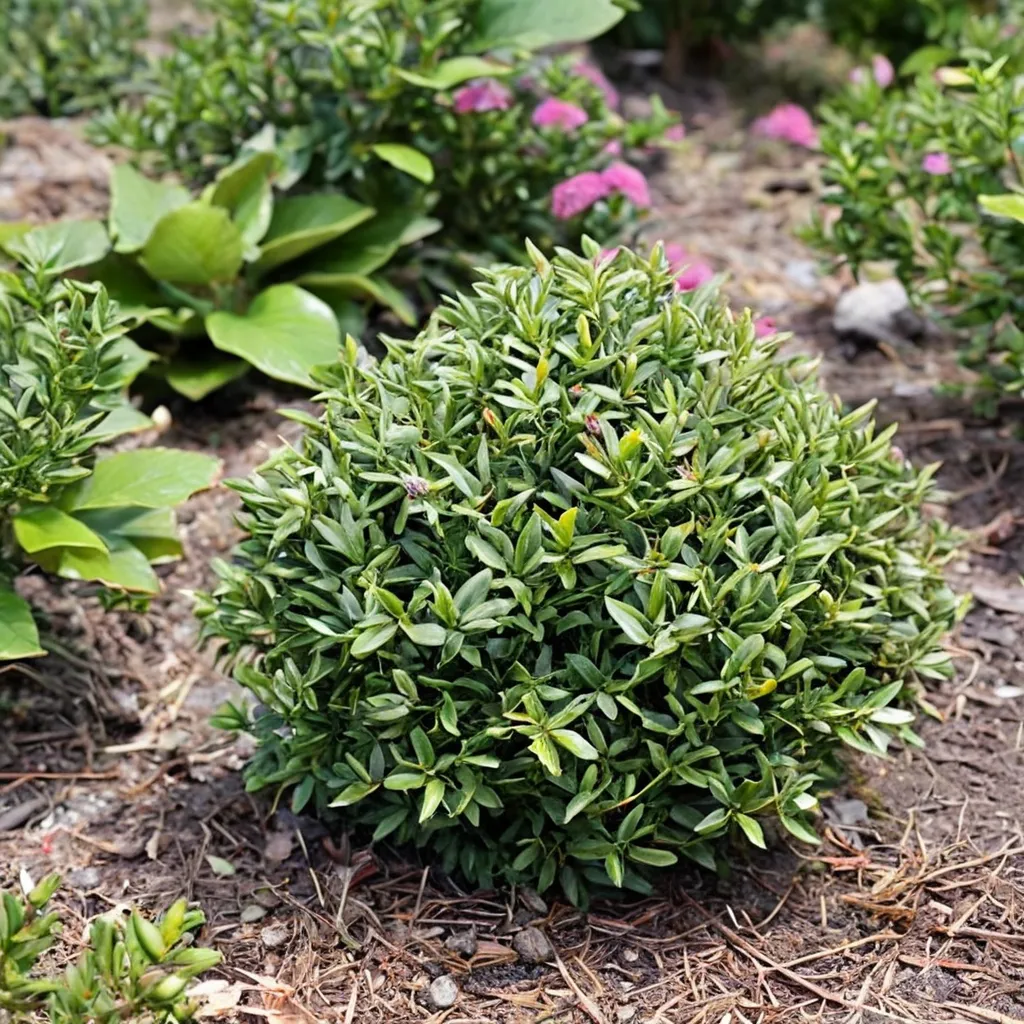
Gem Box Inkberry Holly
Ilex glabra 'Gem Box'
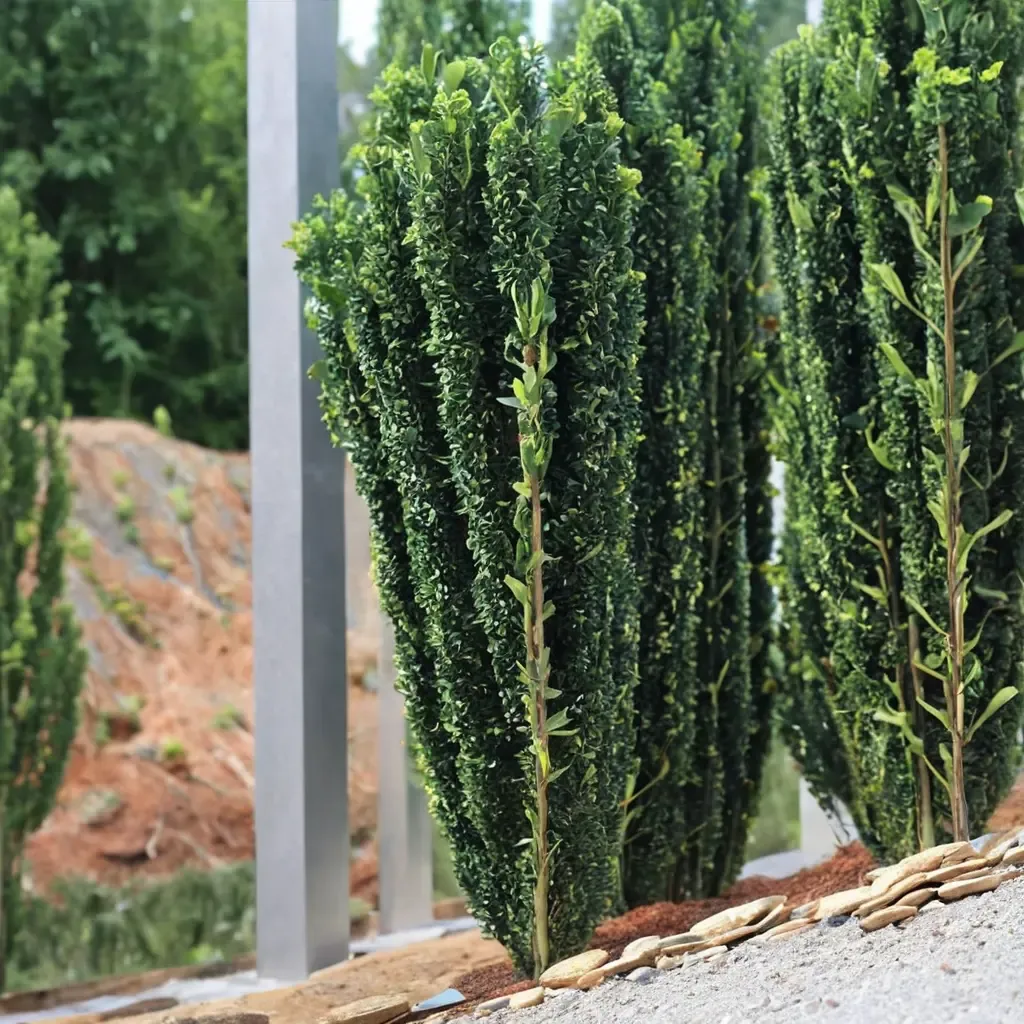
Sky Pencil Holly
Ilex crenata 'Sky Pencil'
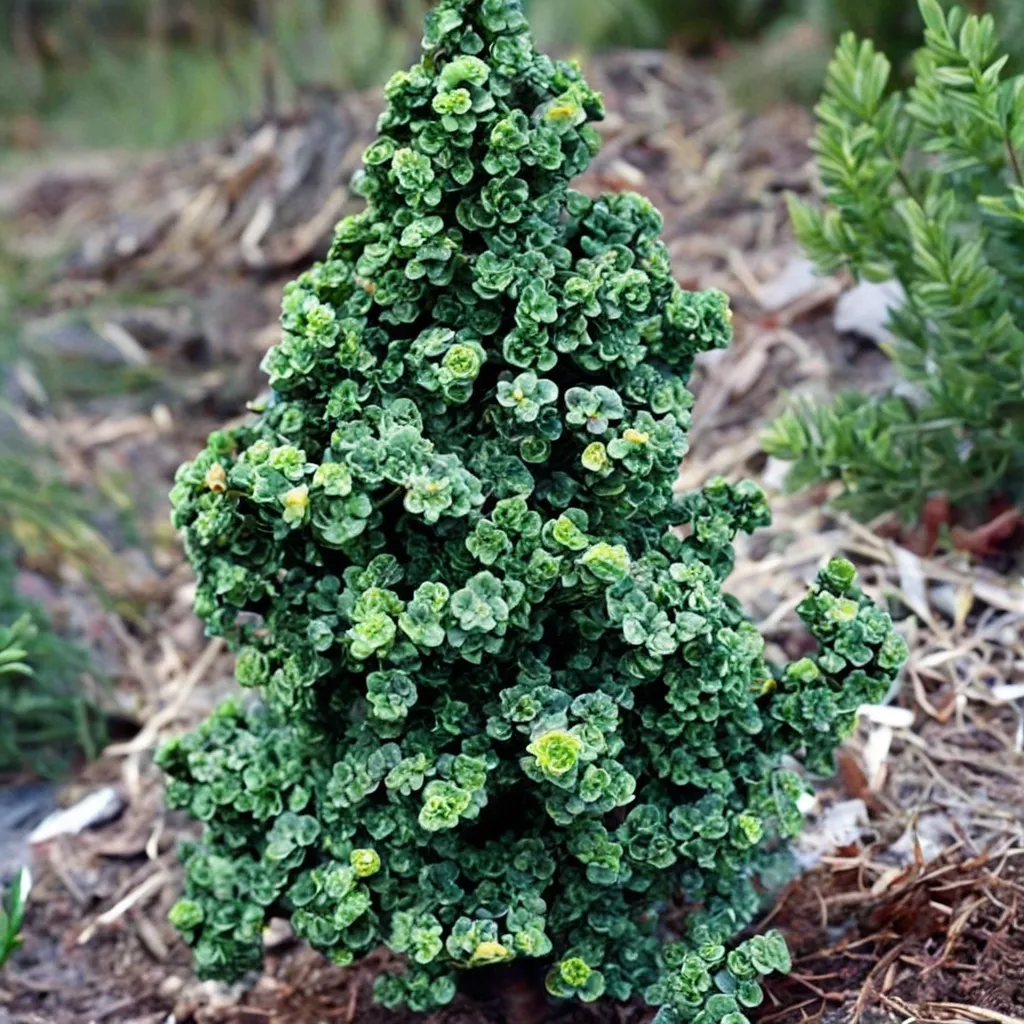
Dwarf Pagoda Holly
Ilex crenata 'Dwarf Pagoda'
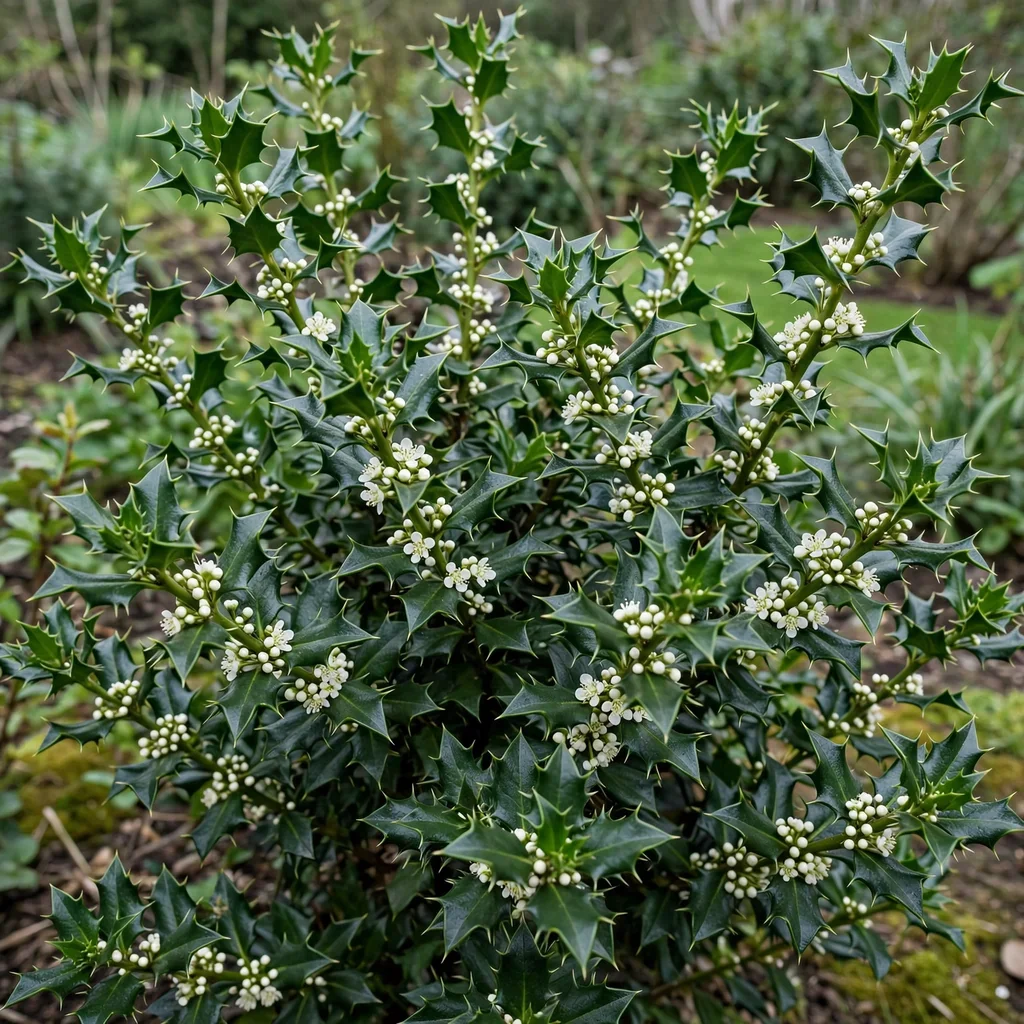
Mr Poppins Holly
Ilex x meserveae 'Mr Poppins'
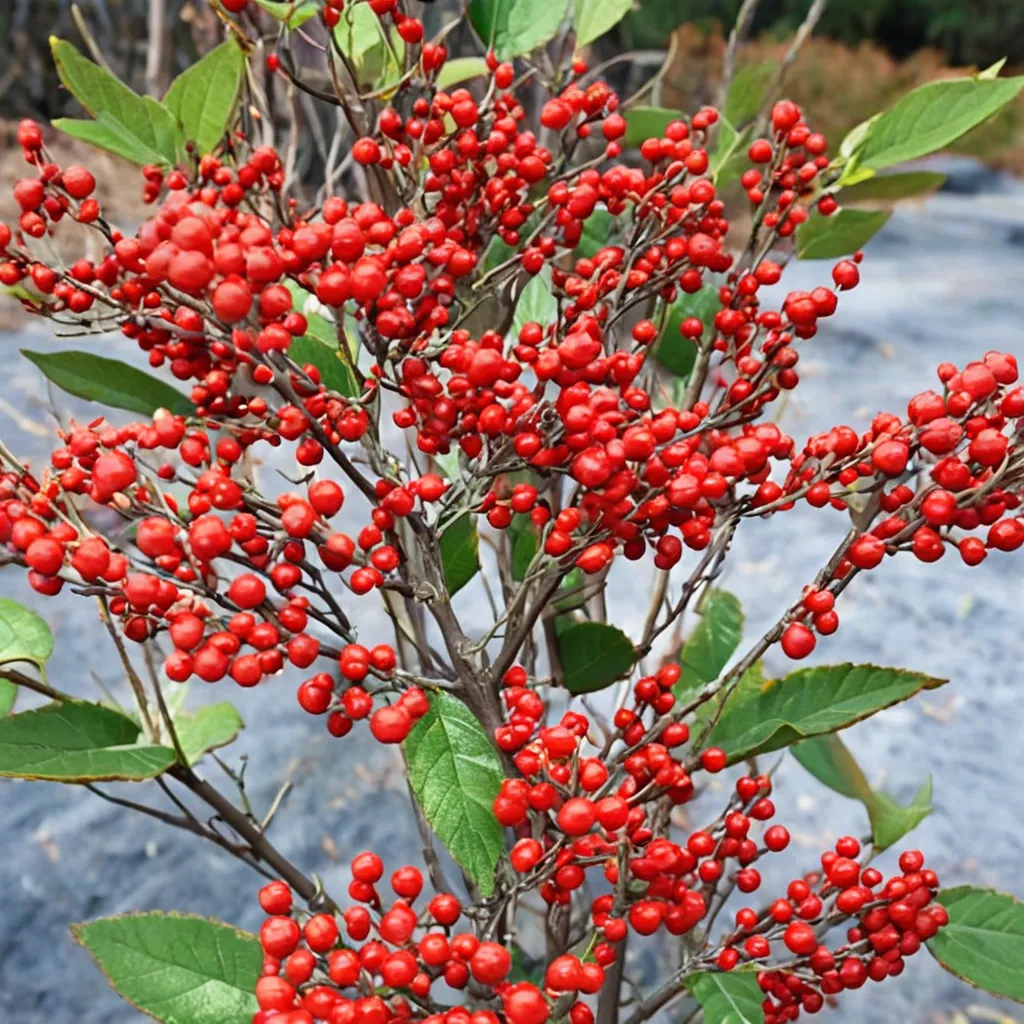
Blue Holly Berry Poppins
Ilex x meserveae 'Berry Poppins'
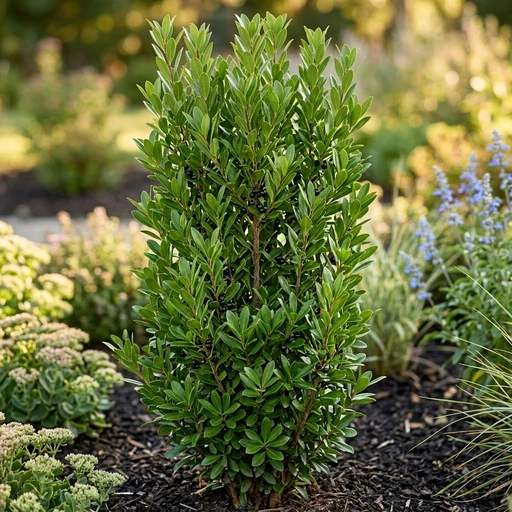
Squeeze Box Inkberry Holly
Ilex glabra 'Squeeze Box'
Keep exploring
Explore the genus
Hardy in your zone?
Grow Blue Holly with confidence
See it in a design of your actual yard, get zone-matched care reminders, and track it season by season in your garden journal.