Species
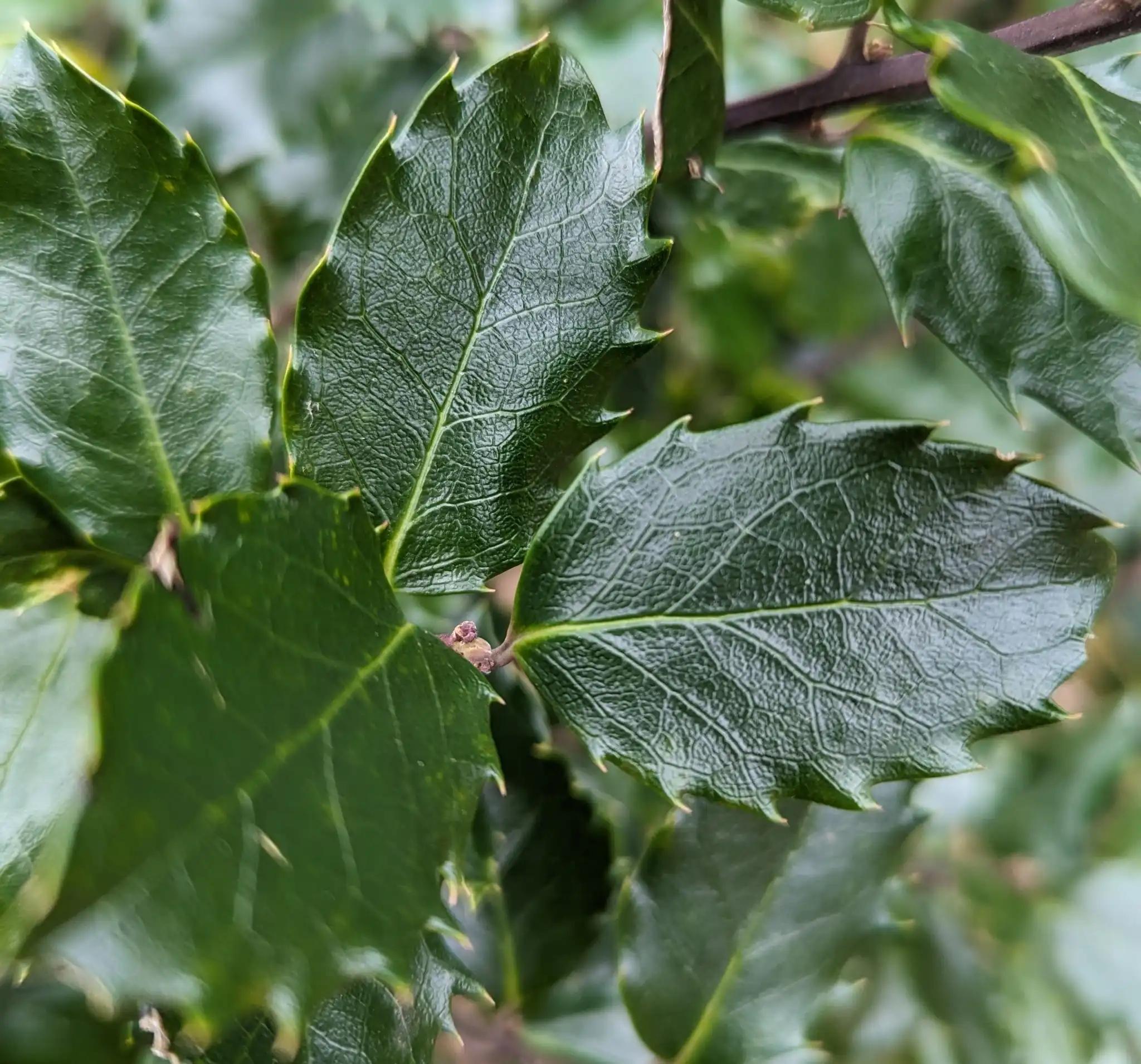 Ilex x meserveaeBlue Holly
12 other cultivars
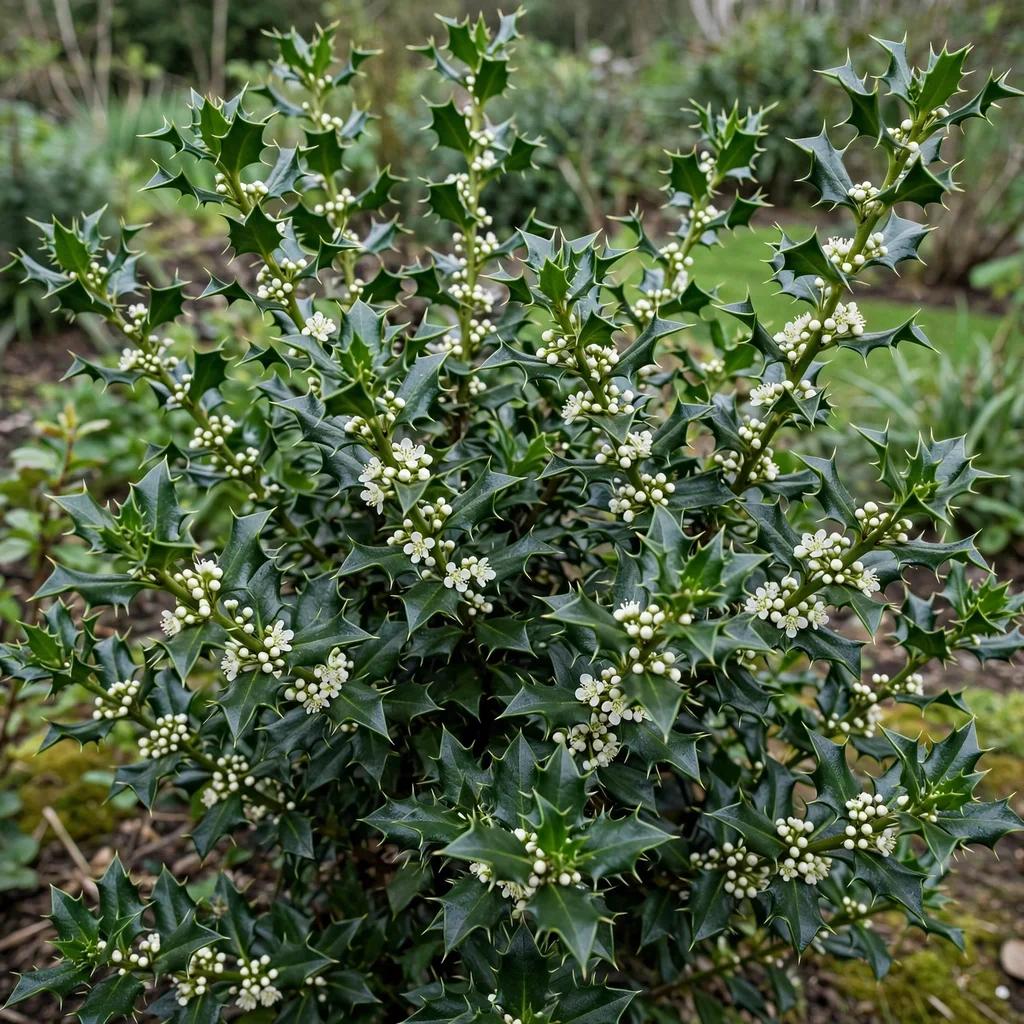 ‘Mr Poppins’Mr Poppins Holly
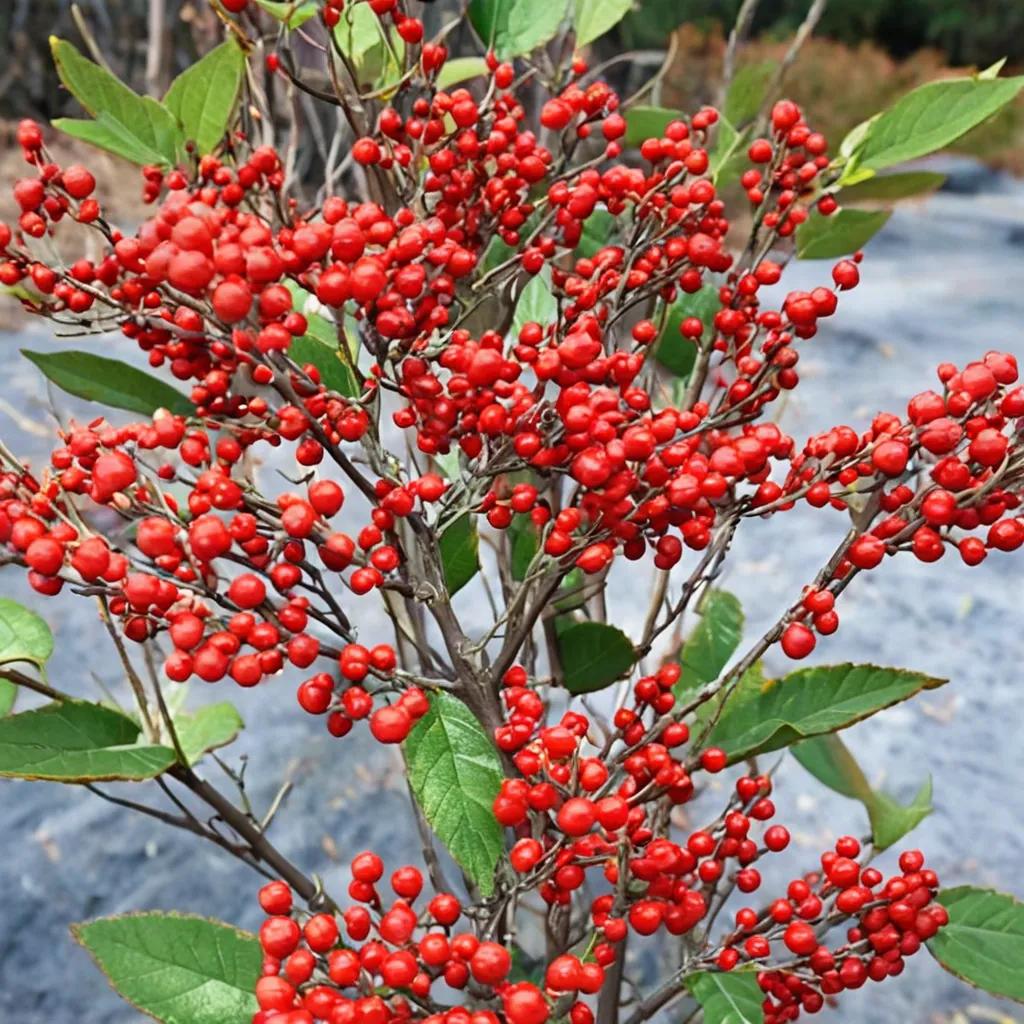 ‘Berry Poppins’Blue Holly Berry Poppins
 ‘Blue Prince Princess’Blue Prince Holly Blue Princess Holly
 ‘Blue Princess’Blue Princess Holly
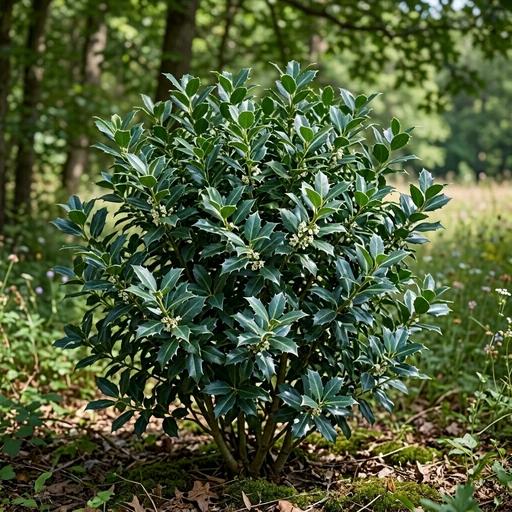 ‘Blue Girl’Blue Girl Holly
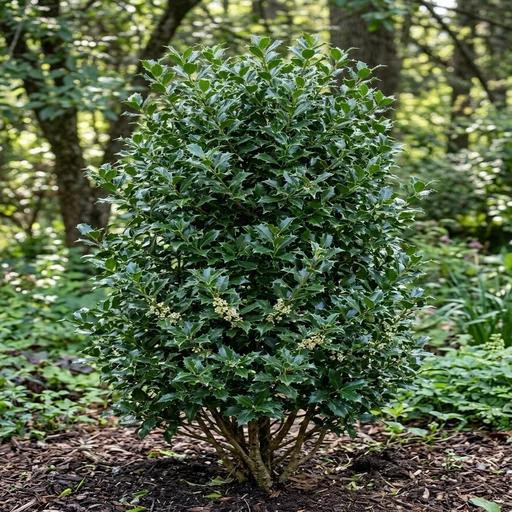 ‘Heckenstar’Castle Wall Holly
 ‘Mesdob’China Boy Holly
 ‘Centennial Girl’Blue Holly
 ‘Blue Prince’Blue Prince Holly
 ‘Mesog’China Girl Holly
 ‘Mesid’Blue Maid Holly
 ‘Hachfee’Castle Spire Holly
The Story
Plant Bio
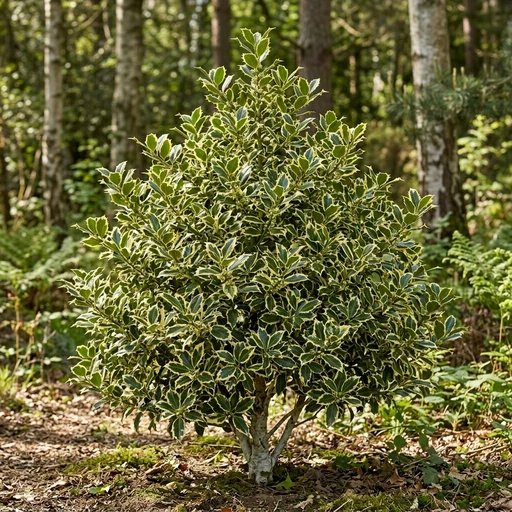
Ilex x meserveae, or Meserve Holly, is a group of hybrids known for their glossy, spiny, blue-green foliage and excellent cold hardiness. They typically have a dense, shrubby habit.
'Honeymaid' is a distinctive female cultivar with beautiful variegated leaves, featuring creamy-yellow margins around a blue-green center. It produces bright red berries when pollinated by a male Meserve holly.
Uses & Benefits:
Essentials
At a Glance
Plant Type
Shrub
Height
108"
Width
78"
Light
Full Sun, Partial Sun
Zones
5, 6, 7, 8, 9
Water
Moderate
Humidity
Average
Lifespan
Long-lived evergreen shrub
Native To
Hybrid origin
Toxicity
Berries are toxic if ingested
Bloom period
Mid-spring – Late spring
In flower about 2 months of the year
Planting
How to Grow
- Select a site with morning sun and afternoon shade.
- Ensure soil is acidic and well-drained; amend if necessary.
- Dig a hole twice as wide as the root ball.
- Plant a male pollinator like 'Blue Prince' within 50 feet.
- Set the plant so the top of the root ball is level with the ground.
- Water thoroughly and apply a layer of mulch.
Pro Tip
Site in a location protected from winter sun and wind to prevent the variegated leaf margins from scorching.
Keep It Thriving
Care Guide
Do
- Maintain consistent moisture, do not let the soil dry out.
- Use an acidic mulch like pine bark or compost.
- Prune to encourage dense growth and maintain a desirable shape.
- Provide winter protection in colder climates.
Don't
- Don't plant in alkaline soil, which can cause poor growth.
- Avoid planting in exposed, windy locations.
- Don't forget to plant a male pollinator if you want berries.
- Avoid letting the plant get drought-stressed, which can damage foliage.
Seasonal Care Calendar
| Task | Jan | Feb | Mar | Apr | May | Jun | Jul | Aug | Sep | Oct | Nov | Dec |
|---|---|---|---|---|---|---|---|---|---|---|---|---|
| Fertilize | ||||||||||||
| Plant | ||||||||||||
| Prune | ||||||||||||
| Winter Prep |
Watch Out For
Pests & Diseases
Common Pests
Common Diseases
In the Garden
Landscape Uses & Companions
Landscape Uses
Multiply
Propagation Methods
Good to Know
Common Questions
Honeymaid Meserve Holly questions
What zones can Honeymaid Meserve Holly grow in?
Honeymaid Meserve Holly is hardy in USDA Zones 5–9. Inside that range it survives winter in the ground; outside it, grow it as an annual or a container plant you protect.
Is Honeymaid Meserve Holly deer resistant?
Yes — Honeymaid Meserve Holly is rated deer-resistant. Deer typically pass it over, though extreme hunger can override any plant's defenses.
When does Honeymaid Meserve Holly bloom?
Honeymaid Meserve Holly typically blooms in mid-spring through late spring. Exact timing shifts a week or two with your zone — Sow's bloom calendar maps it to your garden.
Does Honeymaid Meserve Holly need full sun?
Honeymaid Meserve Holly does best in full sun to part shade. In hot climates, afternoon shade keeps blooms fresher longer.
More Ilex to compare
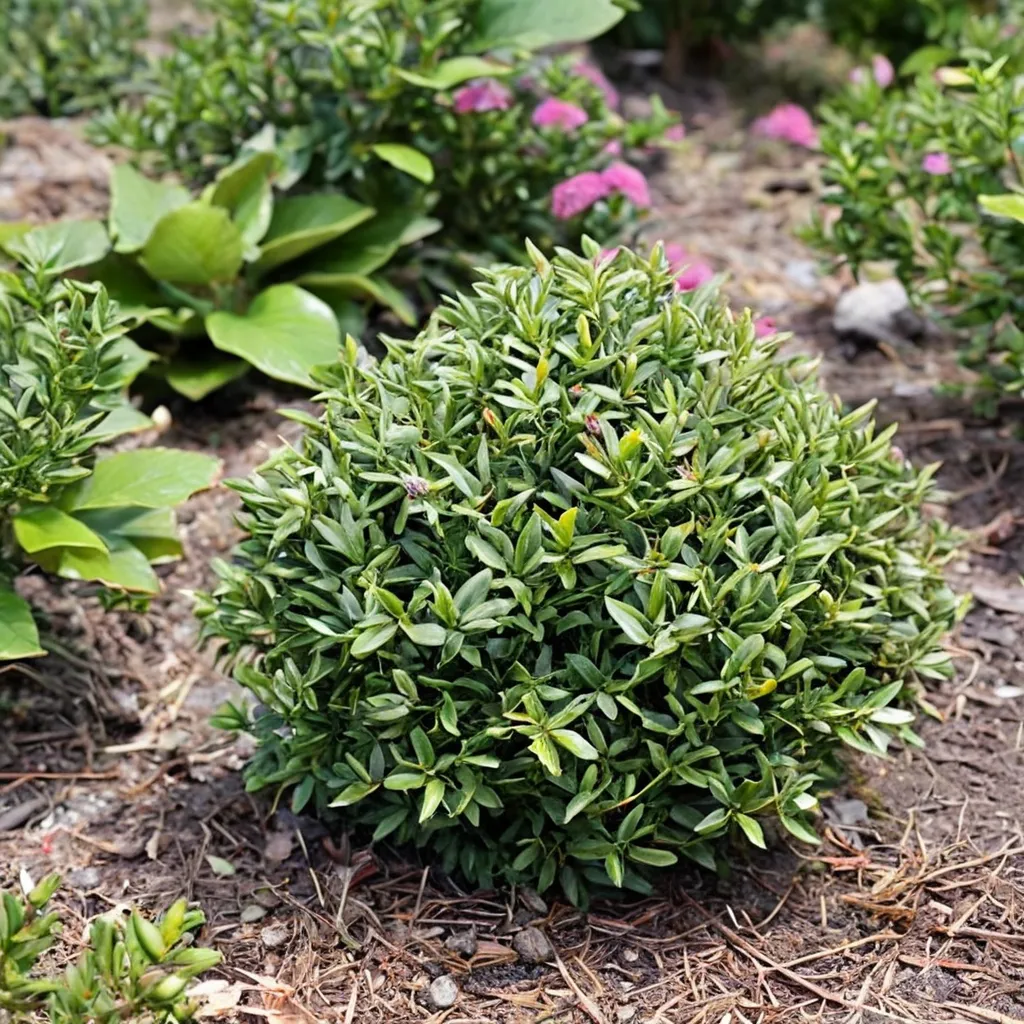
Gem Box Inkberry Holly
Ilex glabra 'Gem Box'
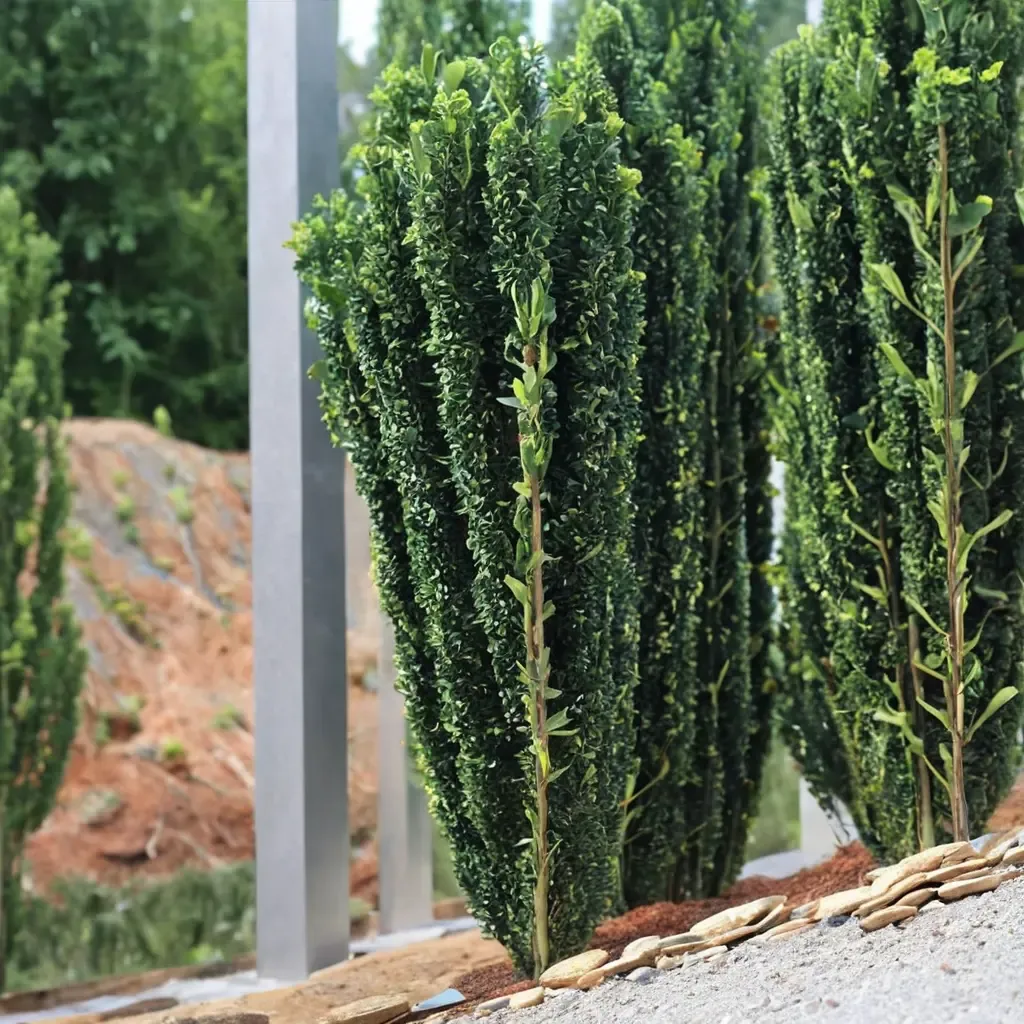
Sky Pencil Holly
Ilex crenata 'Sky Pencil'
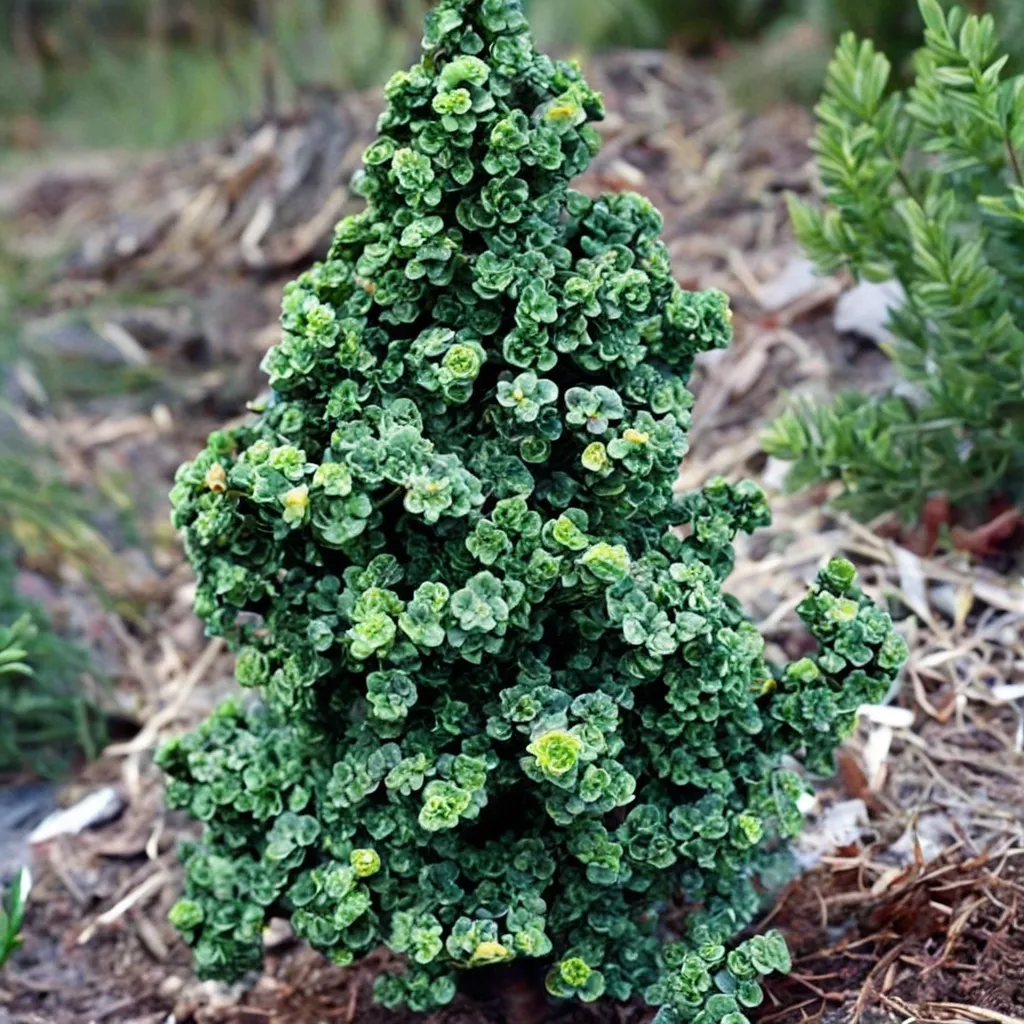
Dwarf Pagoda Holly
Ilex crenata 'Dwarf Pagoda'
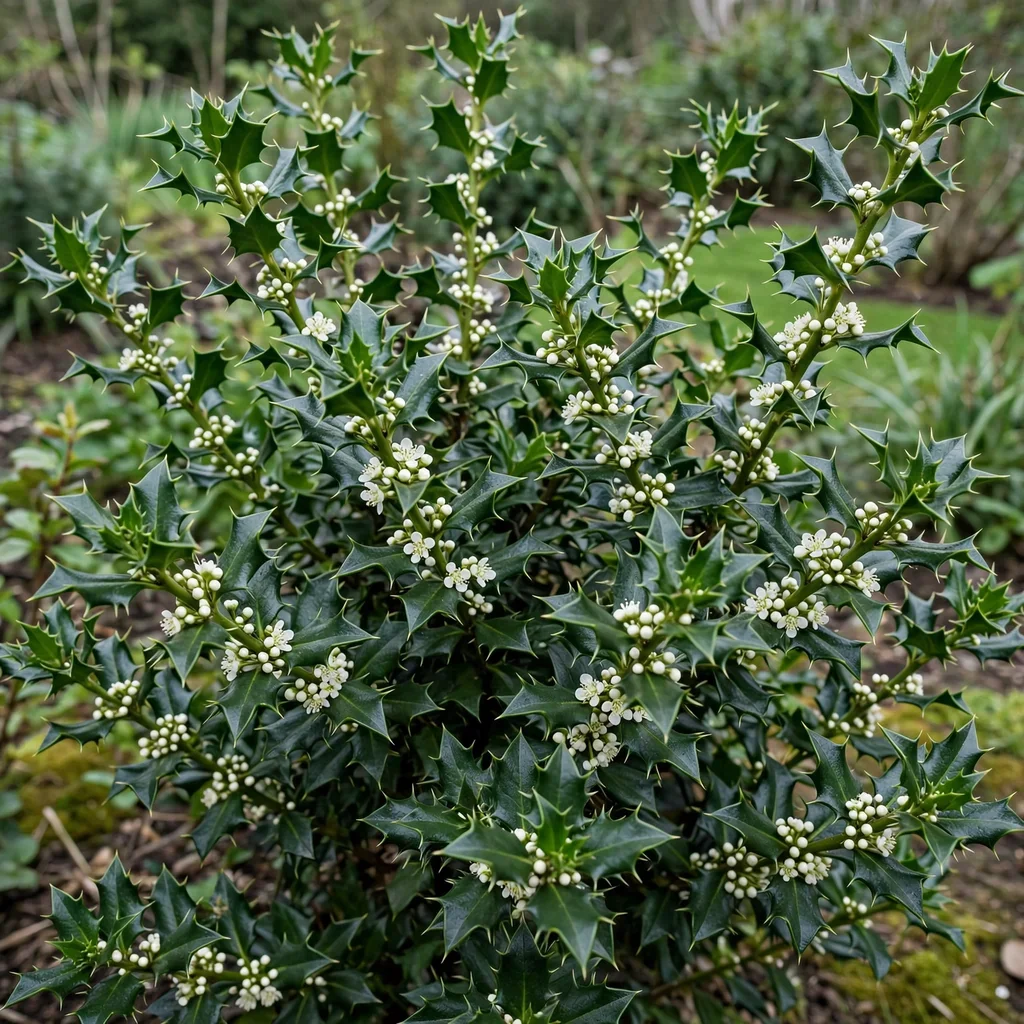
Mr Poppins Holly
Ilex x meserveae 'Mr Poppins'
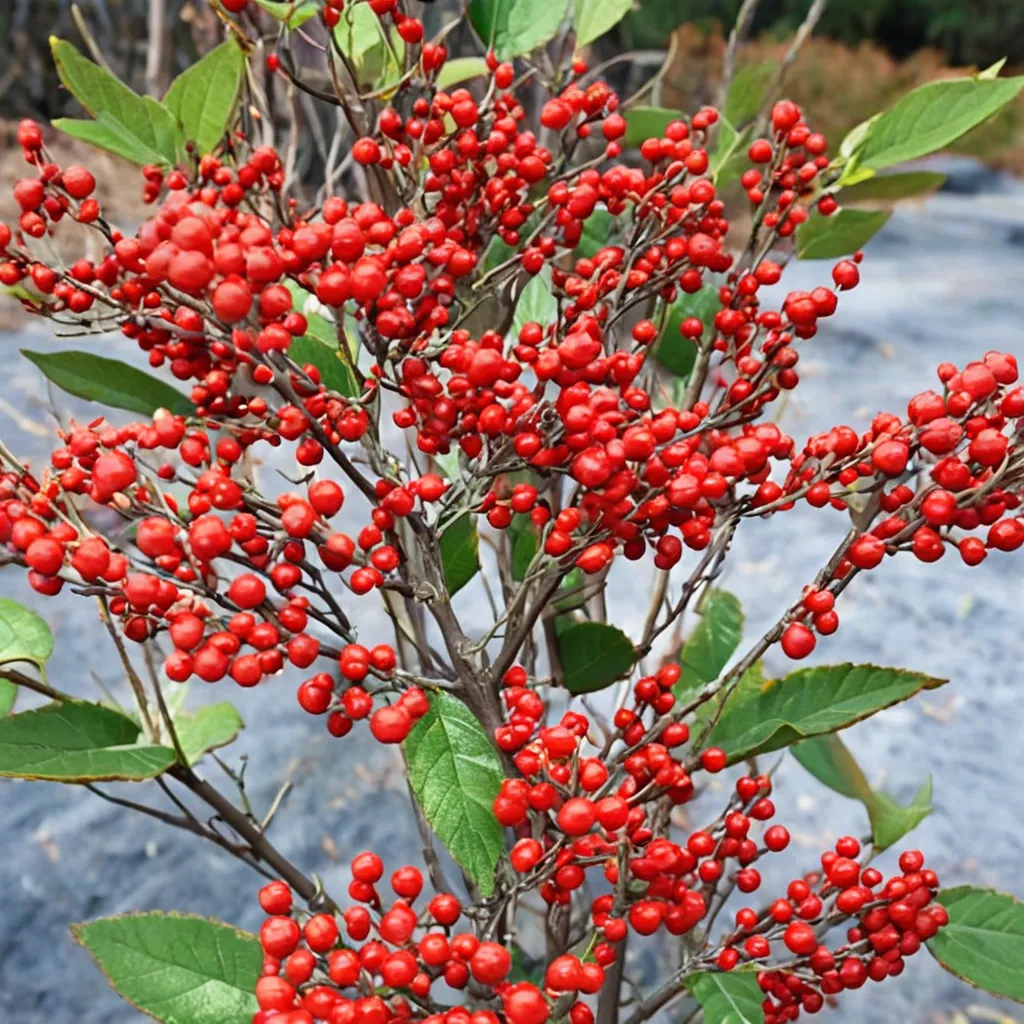
Blue Holly Berry Poppins
Ilex x meserveae 'Berry Poppins'
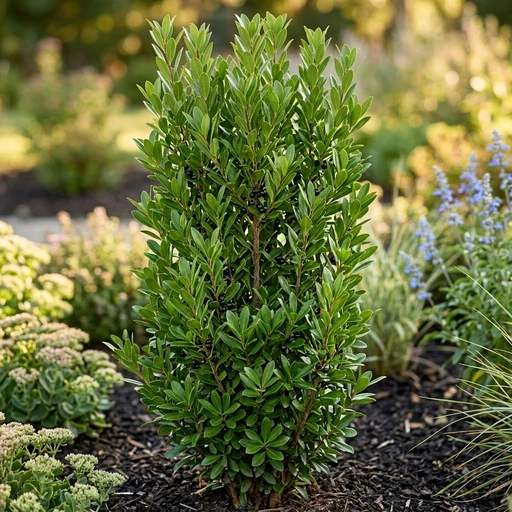
Squeeze Box Inkberry Holly
Ilex glabra 'Squeeze Box'
Keep exploring
Explore the genus
Hardy in your zone?
Grow Honeymaid Meserve Holly with confidence
See it in a design of your actual yard, get zone-matched care reminders, and track it season by season in your garden journal.