1 named cultivar
The Story
Plant Bio
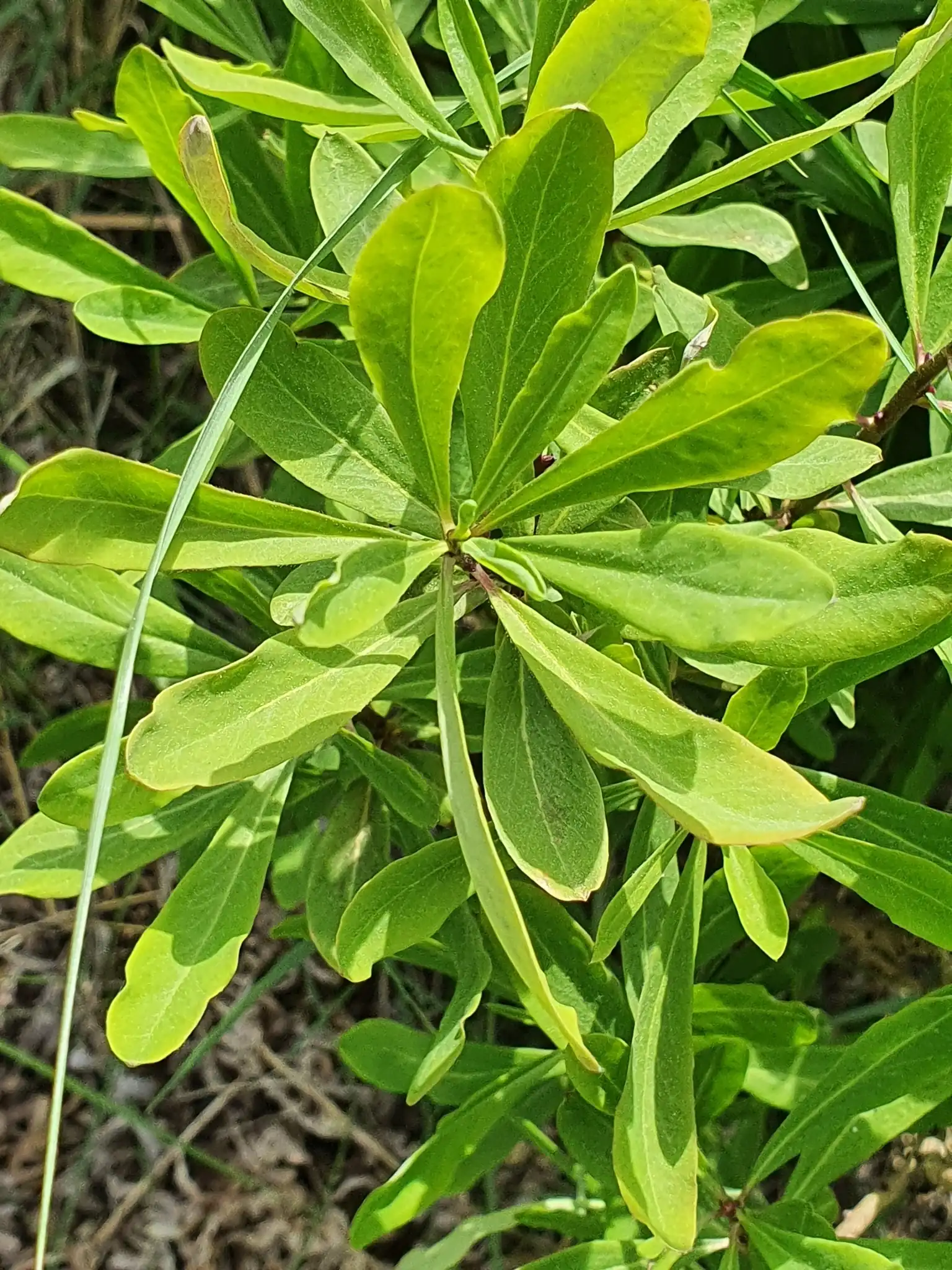
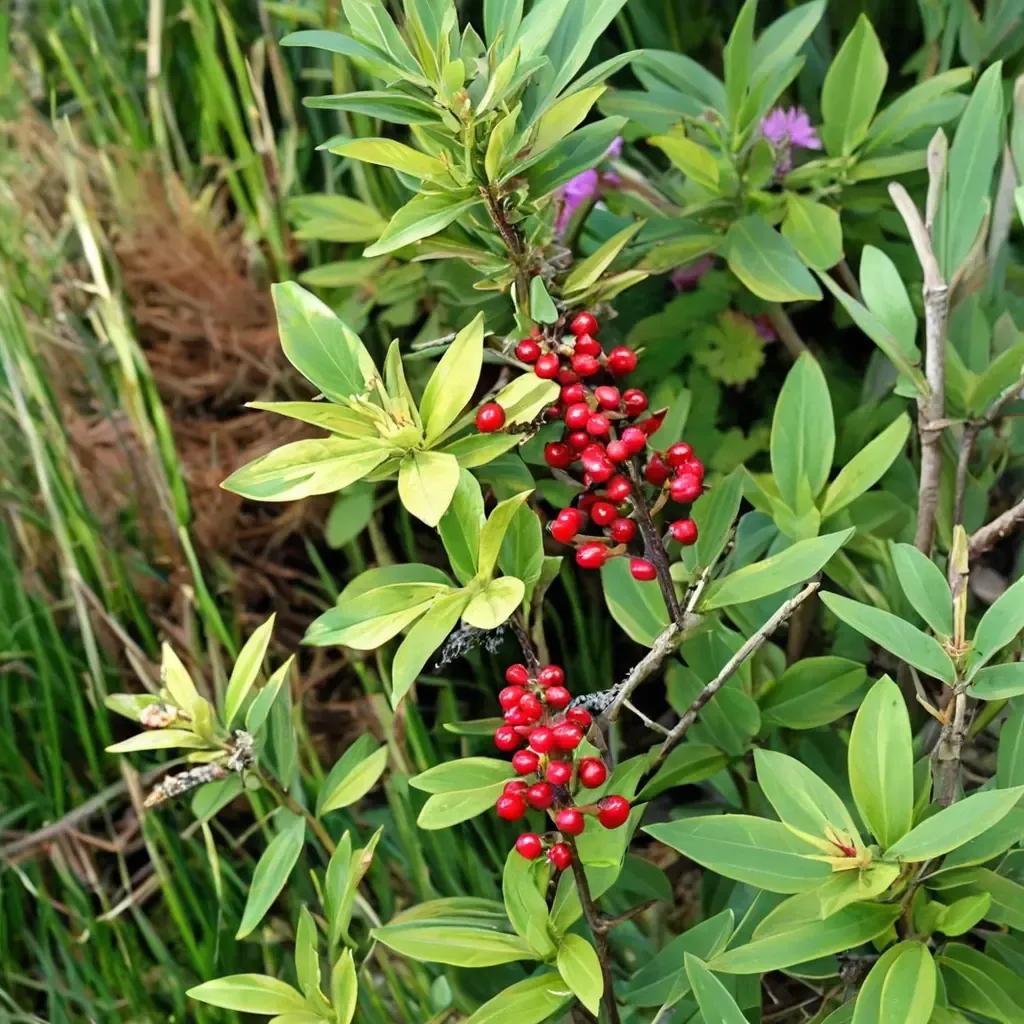
Daphne mezereum, February daphne, is an upright deciduous shrub from Europe and northern Iran, three to five feet in both directions. Clusters of small intensely fragrant pinkish-purple flowers open directly on the bare stems in late winter, well before the dark green leaves appear, and are followed by bright red berries held tight against the wood.
The scent in late winter is extraordinary and the reason anyone grows it. It is also among the most poisonous garden shrubs there is: the berries have killed children, the sap blisters skin, and the fruit is bright red and held at eye level for a small person. Think hard before planting it where children play, and never prune it without gloves.
Uses & Benefits:
Essentials
At a Glance
Plant Type
Shrub
Height
48"
Width
48"
Light
Partial Sun, Shade
Zones
4, 5, 6, 7
Water
Moderate
Humidity
Moderate
Lifespan
Perennial
Native To
Europe to northern Iran
Toxicity
Highly toxic; berries have caused fatalities
Planting
How to Grow
- Site it away from areas used by small children.
- Plant in partial shade in moist, well-drained soil.
- Site it near a path or door for the winter scent.
- Do not move it once planted; it resents disturbance.
- Prune as little as possible, wearing gloves.
- Expect a shortish life; plan to replace it.
Pro Tip
Daphnes hate root disturbance and often die after being moved, so choose the position once and leave it alone thereafter.
Keep It Thriving
Care Guide
Do
- Site it away from small children ⚠️
- Plant it where the winter scent carries 👃
- Wear gloves for any pruning 🧤
- Leave the roots undisturbed 🌱
Don't
- Let anyone eat the berries ❌
- Move an established plant ❌
- Prune it hard ❌
Seasonal Care Calendar
| Task | Jan | Feb | Mar | Apr | May | Jun | Jul | Aug | Sep | Oct | Nov | Dec |
|---|---|---|---|---|---|---|---|---|---|---|---|---|
| Check | ||||||||||||
| Enjoy |
Watch Out For
Pests & Diseases
Common Pests
Common Diseases
In the Garden
Landscape Uses & Companions
Landscape Uses
Companion Plants
Multiply
Propagation Methods
Good to Know
Common Questions
February Daphne questions
What zones can February Daphne grow in?
February Daphne is hardy in USDA Zones 4–7. Inside that range it survives winter in the ground; outside it, grow it as an annual or a container plant you protect.
Is February Daphne deer resistant?
Yes — February Daphne is rated deer-resistant. Deer typically pass it over, though extreme hunger can override any plant's defenses.
When does February Daphne bloom?
February Daphne typically blooms in late winter to early spring through late spring. Exact timing shifts a week or two with your zone — Sow's bloom calendar maps it to your garden.
Does February Daphne need full sun?
February Daphne does best in part shade.
More Daphne to compare
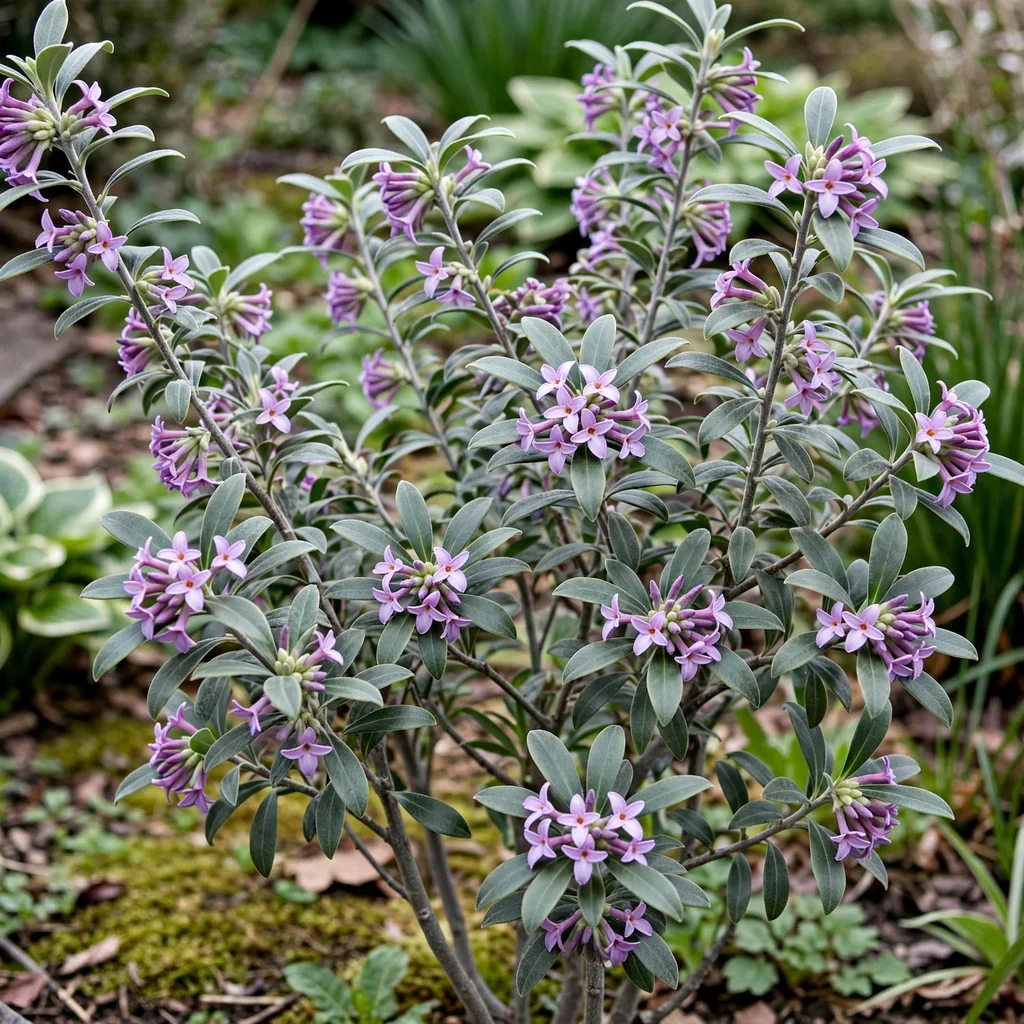
Gwen Daphne
Daphne genkwa
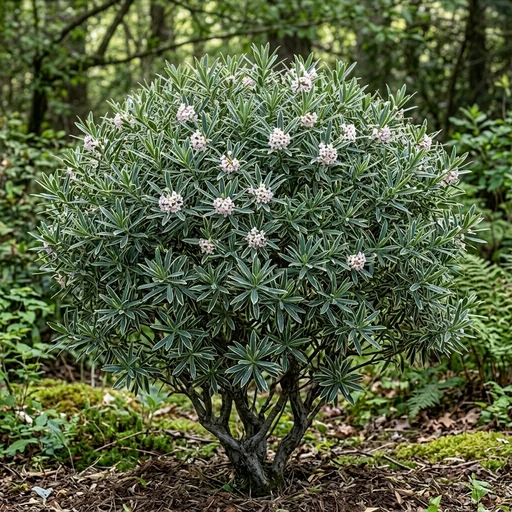
Carol Mackie Burkwood Daphne
Daphne burkwoodii 'Carol Mackie'
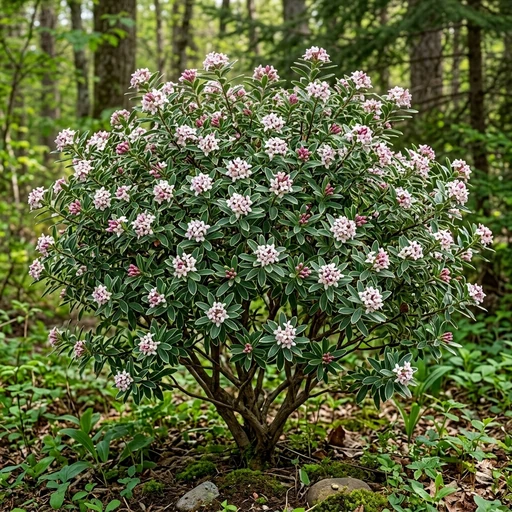
Eternal Fragrance Daphne
Daphne transatlantica 'Blafra'
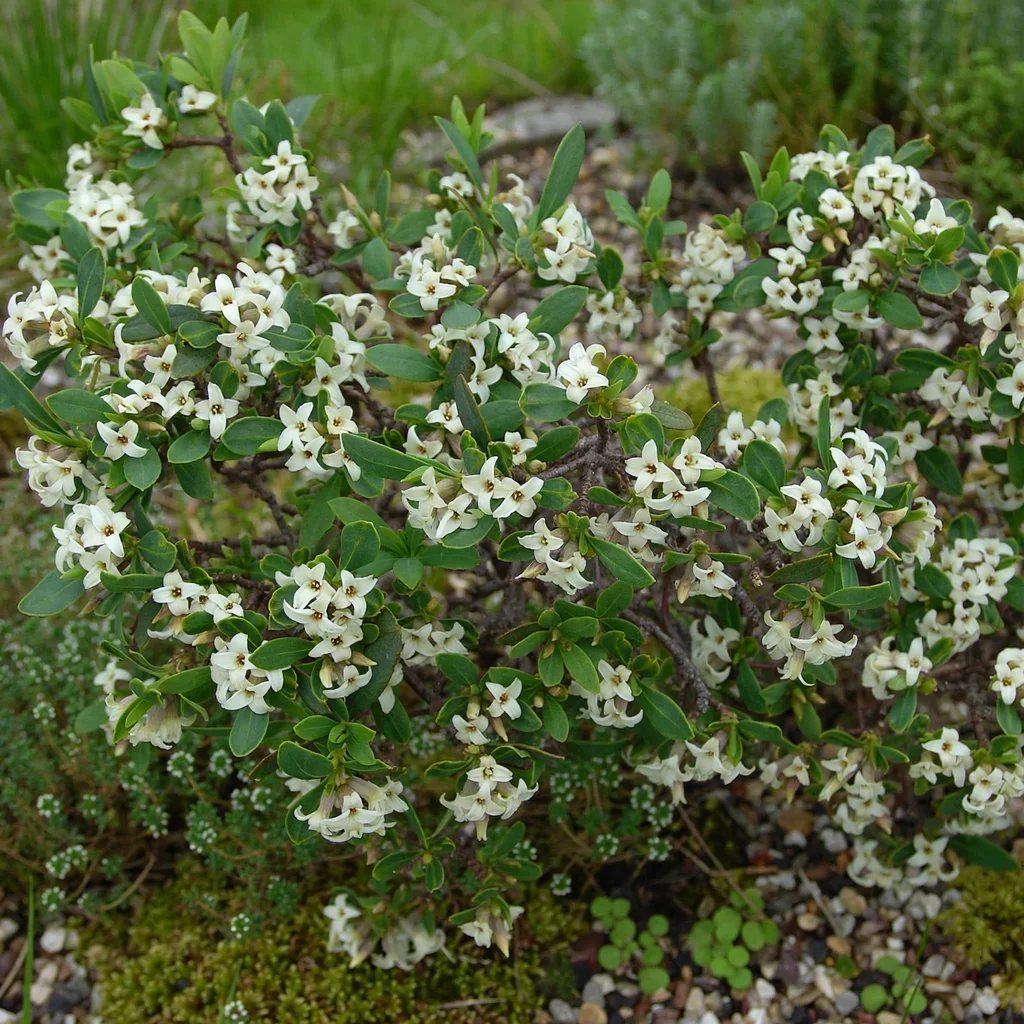
Sea Daphne
Daphne odora 'Marianni'
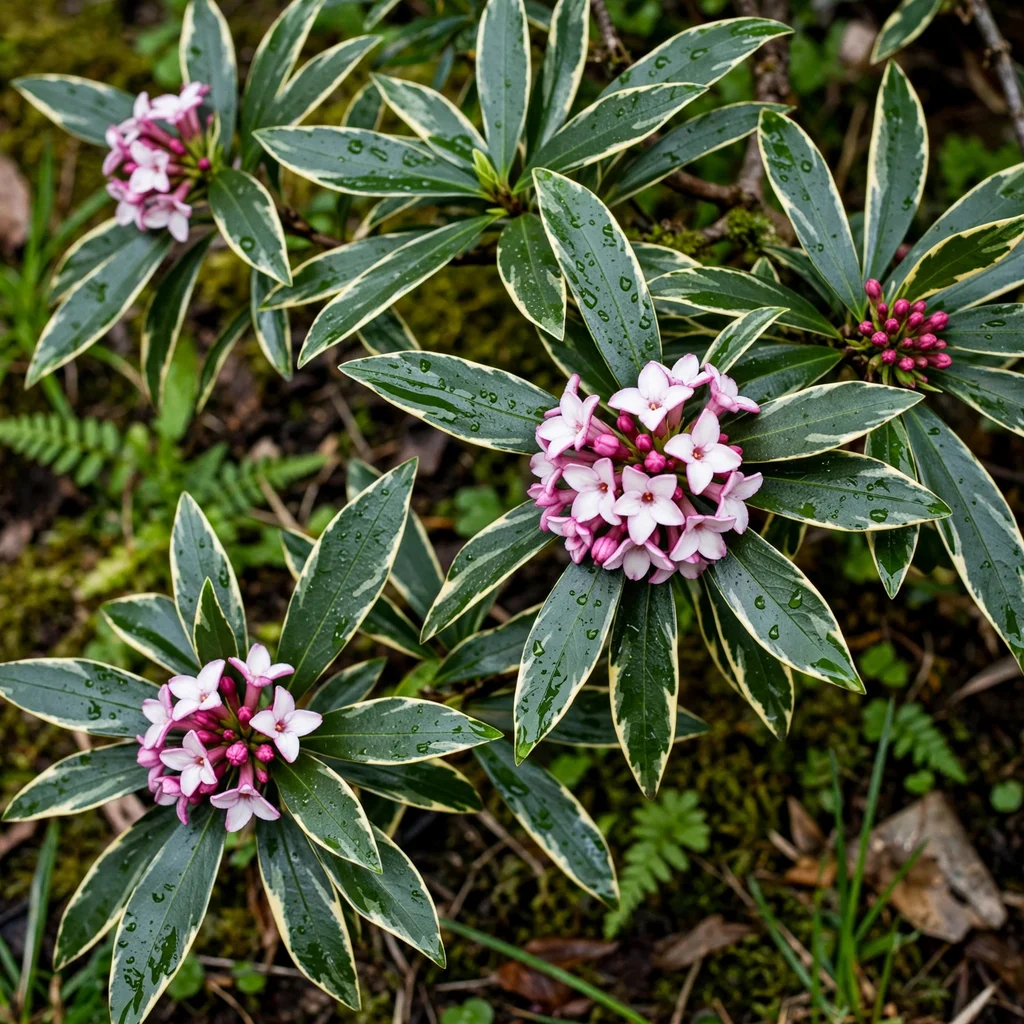
Winter Daphne
Daphne odora 'Aureomarginata'

Burkwood Daphne
Daphne burkwoodii
Keep exploring
Explore the genus
Hardy in your zone?
Grow February Daphne with confidence
See it in a design of your actual yard, get zone-matched care reminders, and track it season by season in your garden journal.