
Species
1 other cultivar
The Story
Plant Bio
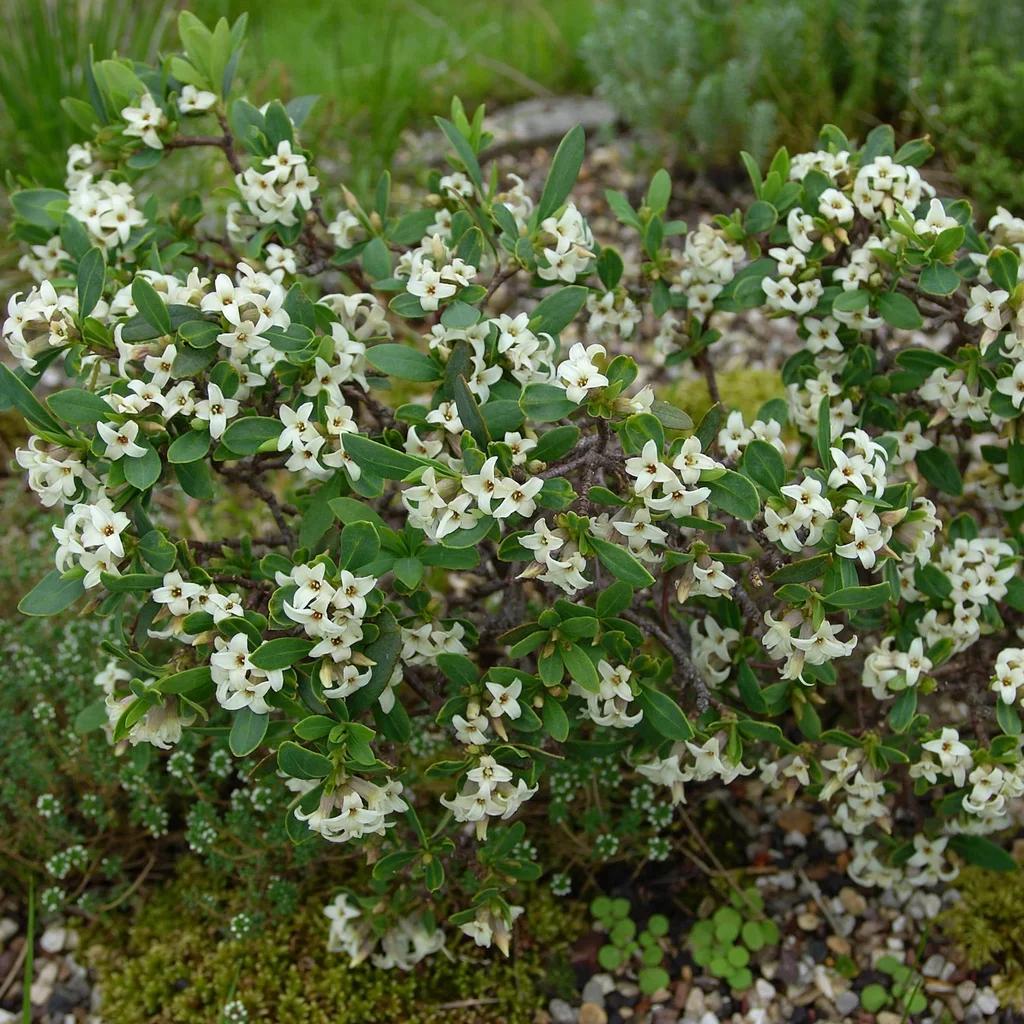
Daphne odora, native to southern China and Taiwan, is a broadleaf evergreen shrub prized for its intensely fragrant late-winter blooms. It forms a mounded frame of thick, leathery leaves centered around dense terminal clusters of four-lobed tubular flowers.
'Aureomarginata' is distinguished by narrow, irregular creamy-gold margins outlining its dark green foliage, maintaining variegated interest throughout the year. Its purplish-pink flower buds open into pale pink and white blossoms that carry the rich, sweet fragrance of the species.
Uses & Benefits:
Essentials
At a Glance
Plant Type
Shrub
Height
78"
Width
48"
Light
Partial Sun, Shade
Zones
7, 8, 9
Water
Moderate
Humidity
Moderate
Lifespan
Short-lived (3-7 years)
Native To
Asia (China, Taiwan)
Toxicity
High severity (all parts)
Bloom period
Winter – Early spring
In flower about 4 months of the year
Planting
How to Grow
- Select a planting site in partial sun or dappled shade sheltered from harsh afternoon heat and strong winds.
- Amend the planting zone with organic matter to ensure exceptionally well-draining, humus-rich soil.
- Plant the root ball slightly elevated above the surrounding soil grade to prevent crown saturation.
- Apply a light layer of mulch over the root zone, keeping it clear of the main stem base.
Pro Tip
Avoid cutting back into mature bare wood during pruning, as stems lack dormant buds to regenerate growth once old wood is cut.
Keep It Thriving
Care Guide
Do
- Ensure topsoil drains rapidly after irrigation or rain.
- Provide partial shade during peak afternoon sun exposure.
- Leave roots undisturbed once the shrub is established in the ground.
Don't
- Do not prune heavily into bare, leafless woody stems.
- Do not allow roots to sit in heavy, poorly drained clay or standing water.
- Do not attempt to transplant or move established shrubs.
Seasonal Care Calendar
| Task | Jan | Feb | Mar | Apr | May | Jun | Jul | Aug | Sep | Oct | Nov | Dec |
|---|---|---|---|---|---|---|---|---|---|---|---|---|
| Fertilize | ||||||||||||
| Mulch | ||||||||||||
| Pest Check | ||||||||||||
| Prune |
Watch Out For
Pests & Diseases
Common Pests
Common Diseases
In the Garden
Landscape Uses & Companions
Landscape Uses
Multiply
Propagation Methods
Good to Know
Common Questions
Winter Daphne questions
What zones can Winter Daphne grow in?
Winter Daphne is hardy in USDA Zones 7–9. Inside that range it survives winter in the ground; outside it, grow it as an annual or a container plant you protect.
Is Winter Daphne deer resistant?
Not reliably. Deer may browse Winter Daphne, especially tender spring growth — plan on repellents or fencing where pressure is high.
When does Winter Daphne bloom?
Winter Daphne typically blooms in winter through early spring. Exact timing shifts a week or two with your zone — Sow's bloom calendar maps it to your garden.
Does Winter Daphne need full sun?
Winter Daphne does best in part shade.
Is Winter Daphne drought tolerant?
Yes — once established (usually after the first full season), Winter Daphne handles dry spells with minimal watering. Water deeply its first year to build the root system that makes that possible.
More Daphne to compare
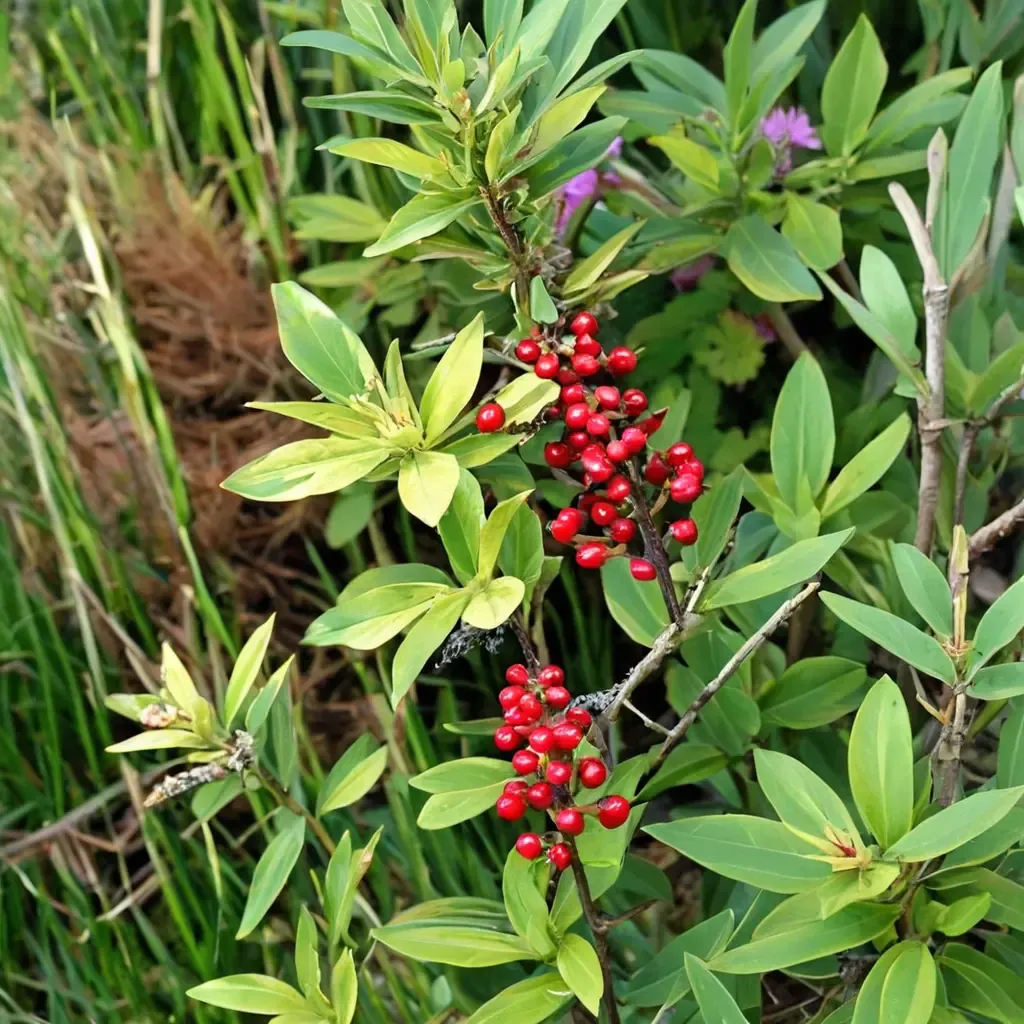
February Daphne
Daphne mezereum 'October'
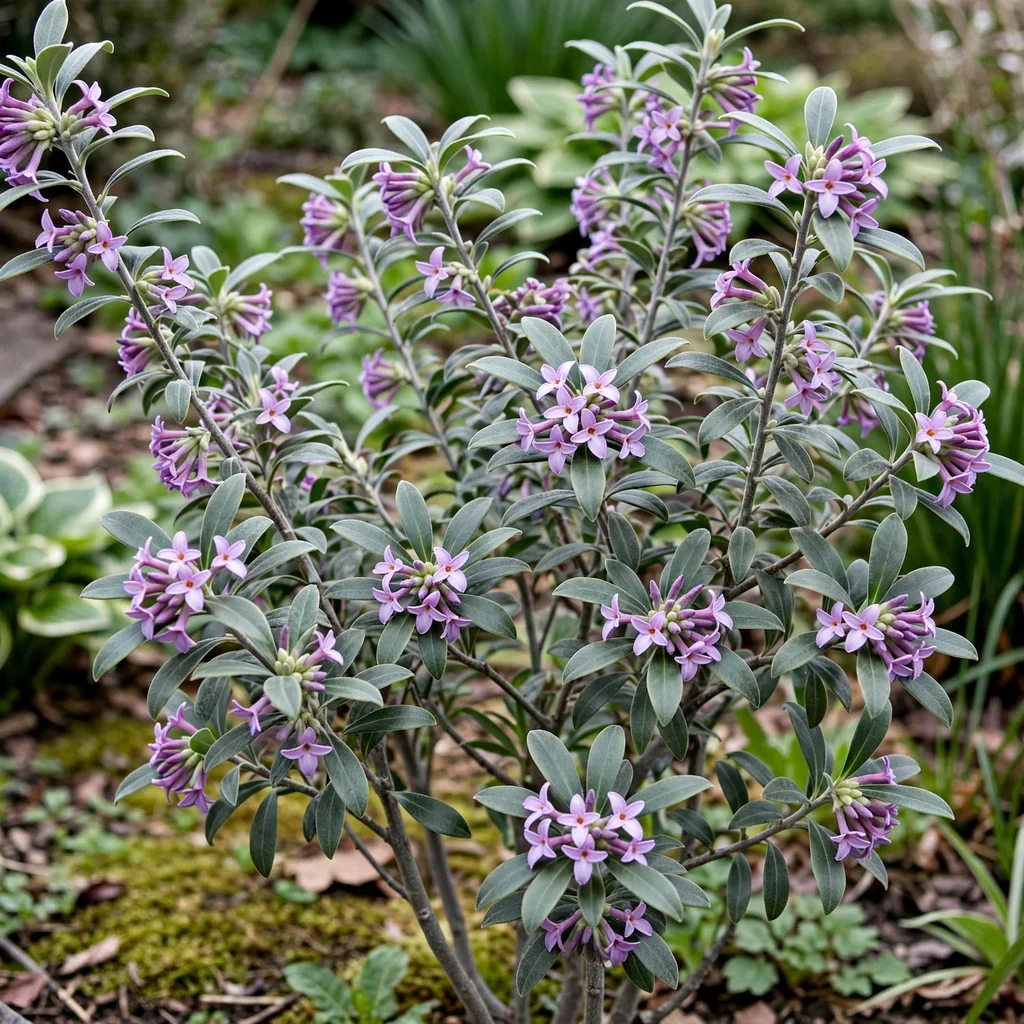
Gwen Daphne
Daphne genkwa
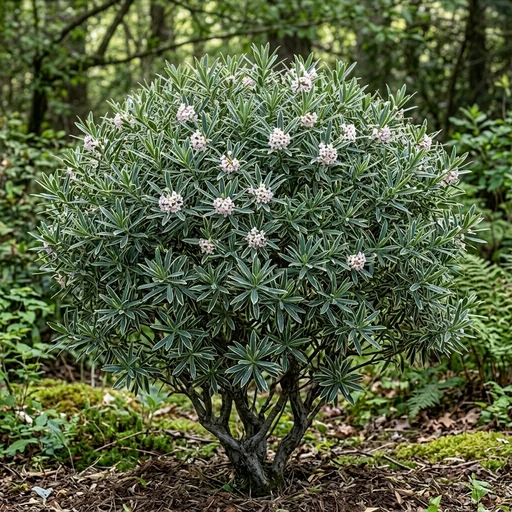
Carol Mackie Burkwood Daphne
Daphne burkwoodii 'Carol Mackie'
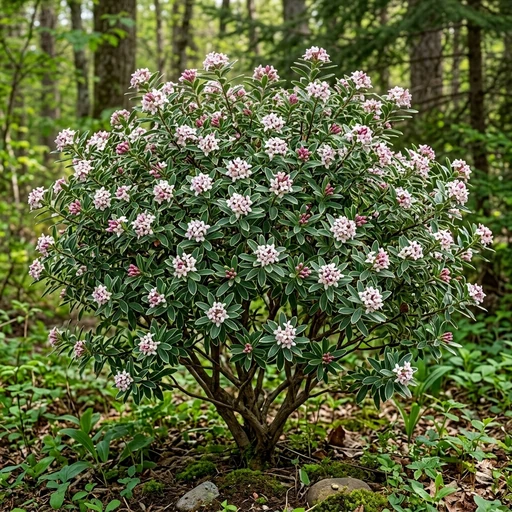
Eternal Fragrance Daphne
Daphne transatlantica 'Blafra'
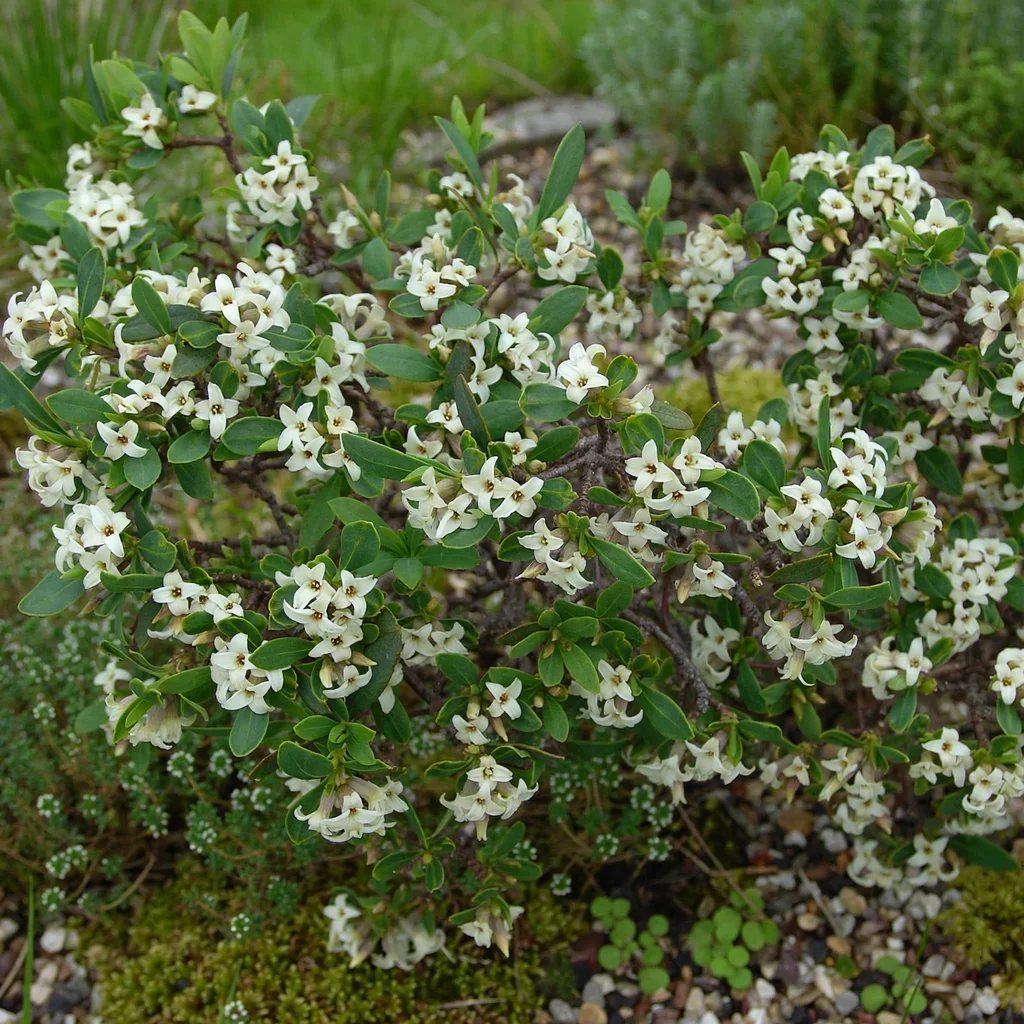
Sea Daphne
Daphne odora 'Marianni'

Burkwood Daphne
Daphne burkwoodii
Keep exploring
Explore the genus
Hardy in your zone?
Grow Winter Daphne with confidence
See it in a design of your actual yard, get zone-matched care reminders, and track it season by season in your garden journal.