The Story
Plant Bio
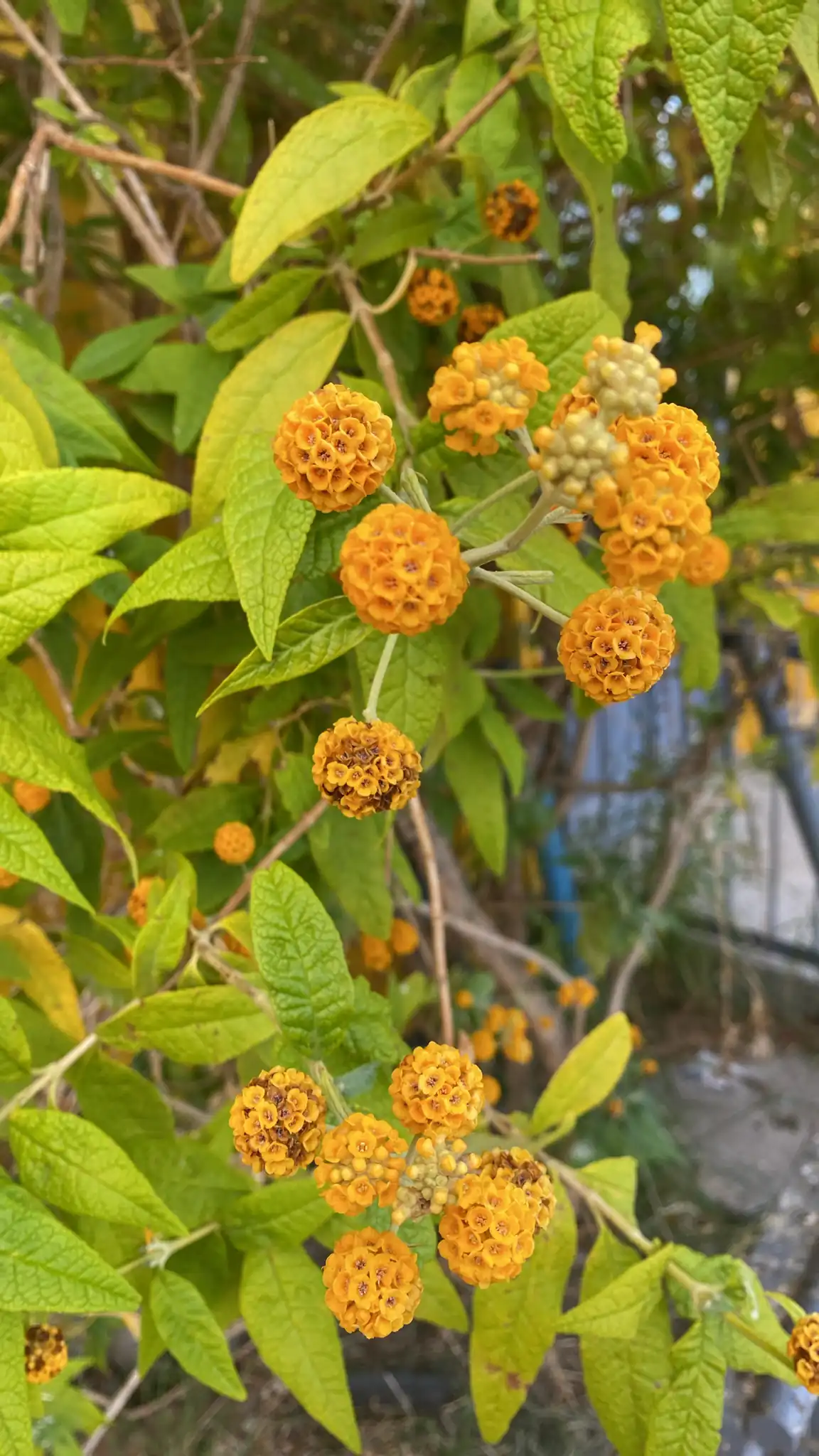
Buddleja globosa, the orange ball tree, is a large, semi-evergreen South American shrub that grows with an upright, open habit when young, becoming denser with age. Its dark green, leathery leaves have wrinkled, yellowish, hairy undersides and distinct toothed margins.
The species is distinguished by its small, bright yellowish-orange tubular flowers, which are packed into dense, spherical, globe-shaped heads about two centimeters across. These unusual globe clusters bloom in early to mid-summer on terminal clusters, attracting numerous pollinators.
Uses & Benefits:
Essentials
At a Glance
Plant Type
Shrub
Height
144"
Width
118"
Light
Full Sun
Zones
6, 7, 8, 9
Water
Medium
Humidity
Moderate
Lifespan
Perennial
Native To
South America
Toxicity
Non-toxic
Bloom period
Early summer – Mid-summer
In flower about 2 months of the year
Planting
How to Grow
- Plant in a location that receives full sun, as shaded positions cause sparse, weedy growth and poor flowering.
- Ensure the soil is fertile, loamy, and highly well-drained, amending clay soils to prevent waterlogging.
- Water regularly during the first growing season to establish a deep root system, maintaining moderate moisture thereafter.
- Apply a balanced, slow-release fertilizer in spring if planting in poor soils, avoiding over-fertilization.
Pro Tip
Prune the shrub back hard in late winter close to its structural framework near the ground to maintain a dense shape and maximize flower production.
Keep It Thriving
Care Guide
Do
- Prune hard in late winter to maintain a compact, productive shape.
- Provide full sun to ensure dense growth and abundant flowering.
- Ensure excellent soil drainage to prevent root rot.
Don't
- Do not plant in wet, poorly draining sites where water pools.
- Do not over-fertilize, which leads to excessive foliage at the expense of flowers.
- Do not grow in heavy shade where the habit becomes sparse and weedy.
Seasonal Care Calendar
| Task | Jan | Feb | Mar | Apr | May | Jun | Jul | Aug | Sep | Oct | Nov | Dec |
|---|---|---|---|---|---|---|---|---|---|---|---|---|
| Fertilize | ||||||||||||
| Pest Check | ||||||||||||
| Propagate | ||||||||||||
| Prune |
Watch Out For
Pests & Diseases
Common Pests
Common Diseases
In the Garden
Landscape Uses & Companions
Landscape Uses
Companion Plants
Multiply
Propagation Methods
Good to Know
Common Questions
Orange Ball Tree questions
What zones can Orange Ball Tree grow in?
Orange Ball Tree is hardy in USDA Zones 6–9. Inside that range it survives winter in the ground; outside it, grow it as an annual or a container plant you protect.
Is Orange Ball Tree deer resistant?
Not reliably. Deer may browse Orange Ball Tree, especially tender spring growth — plan on repellents or fencing where pressure is high.
When does Orange Ball Tree bloom?
Orange Ball Tree typically blooms in early summer through mid-summer. Exact timing shifts a week or two with your zone — Sow's bloom calendar maps it to your garden.
Does Orange Ball Tree need full sun?
Orange Ball Tree does best in full sun (6+ hours).
Is Orange Ball Tree drought tolerant?
Yes — once established (usually after the first full season), Orange Ball Tree handles dry spells with minimal watering. Water deeply its first year to build the root system that makes that possible.
More Buddleja to compare
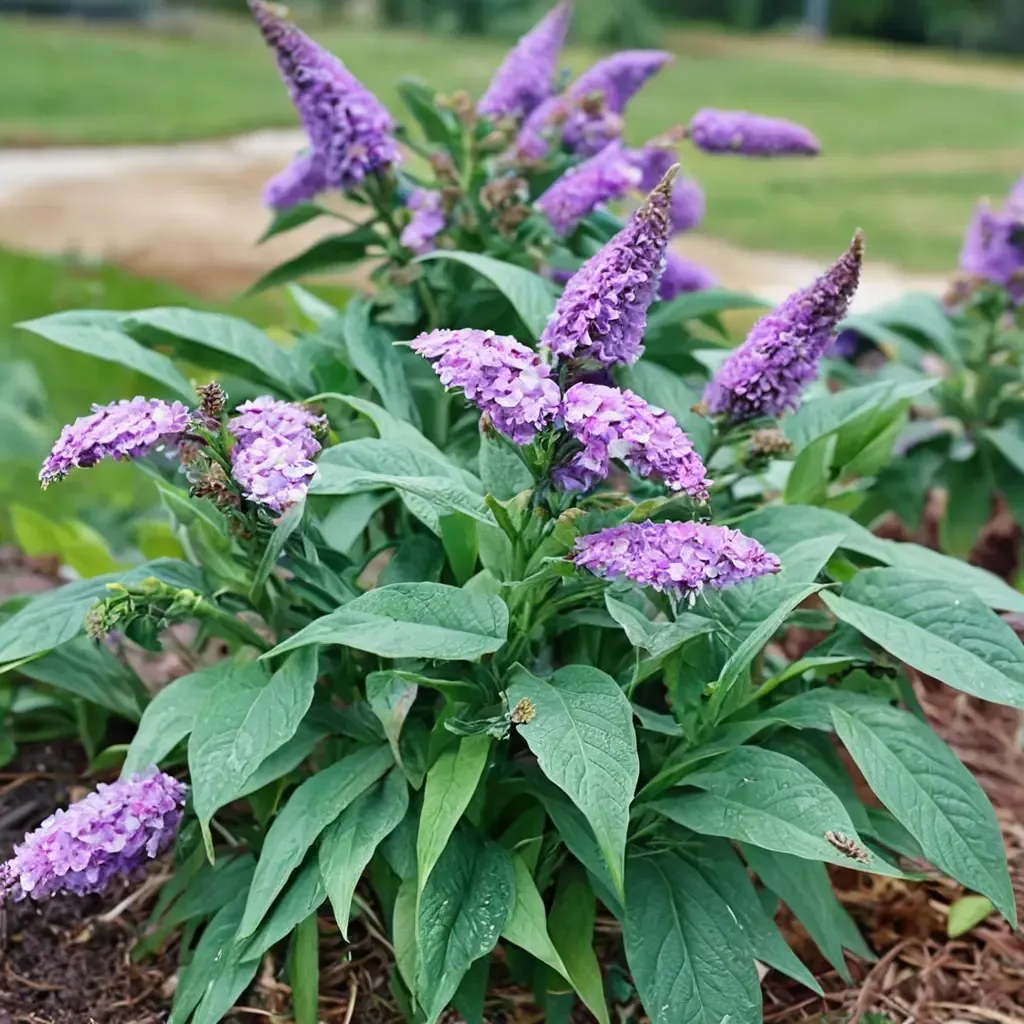
Pugster Amethyst Butterfly Bush
Buddleja davidii 'Pugster Amethyst'
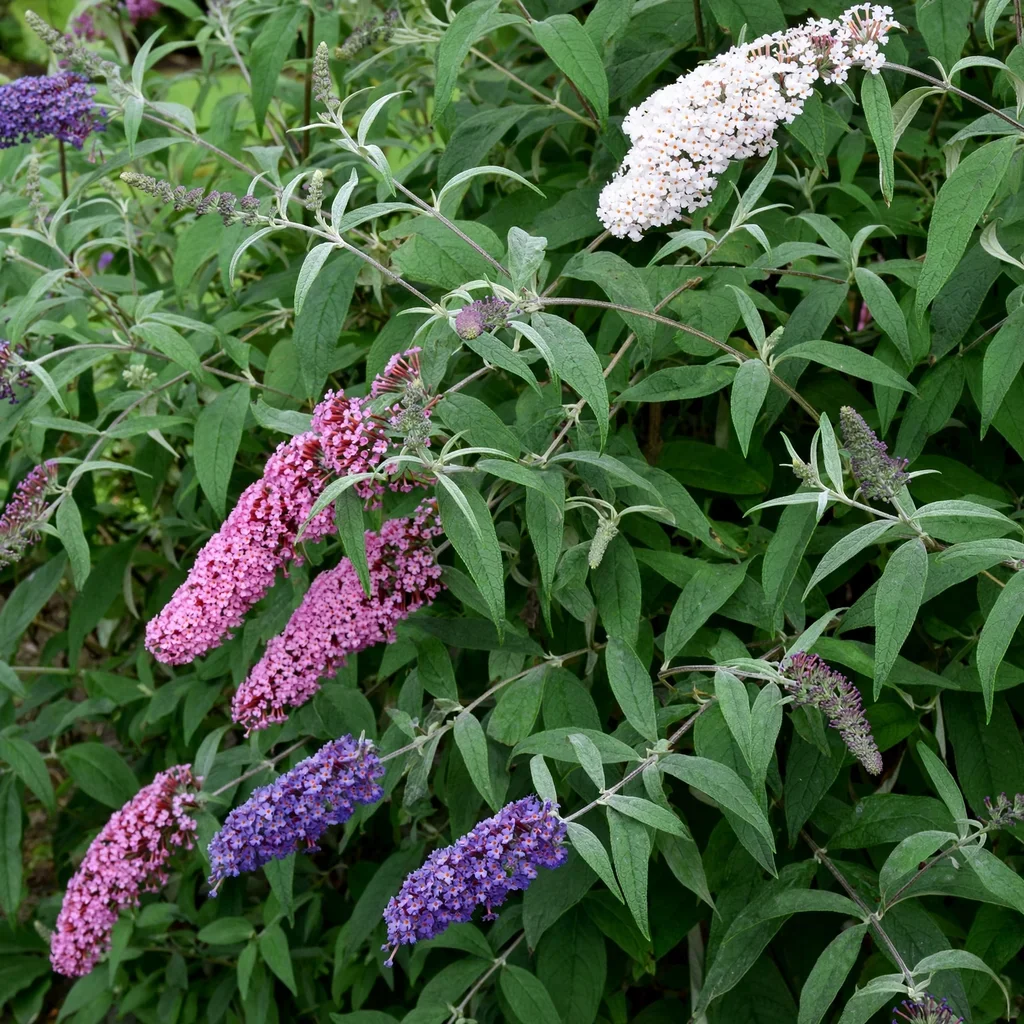
Trio Butterfly Bush
Buddleja davidii 'Trio'
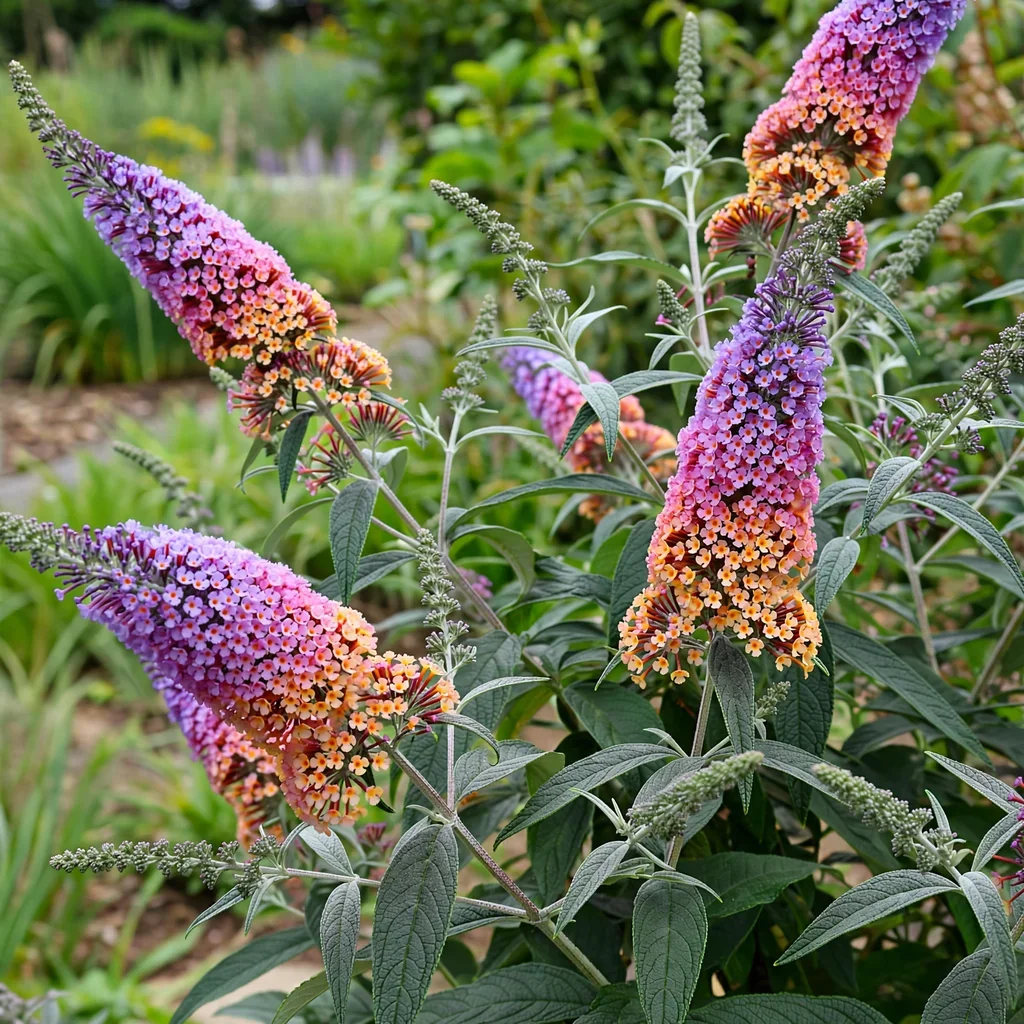
Bicolor Butterfly Bush
Buddleja davidii 'Bicolor'
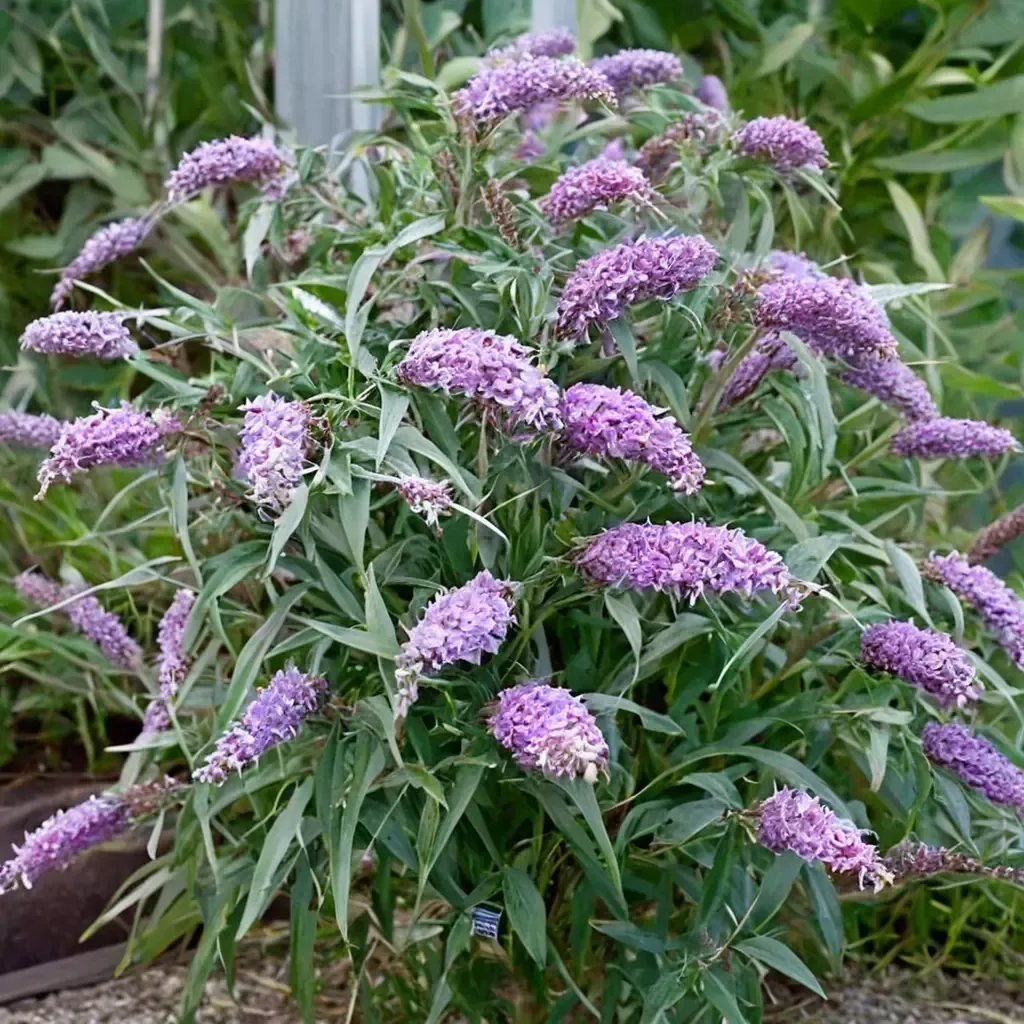
Butterfly Bush
Buddleja davidii
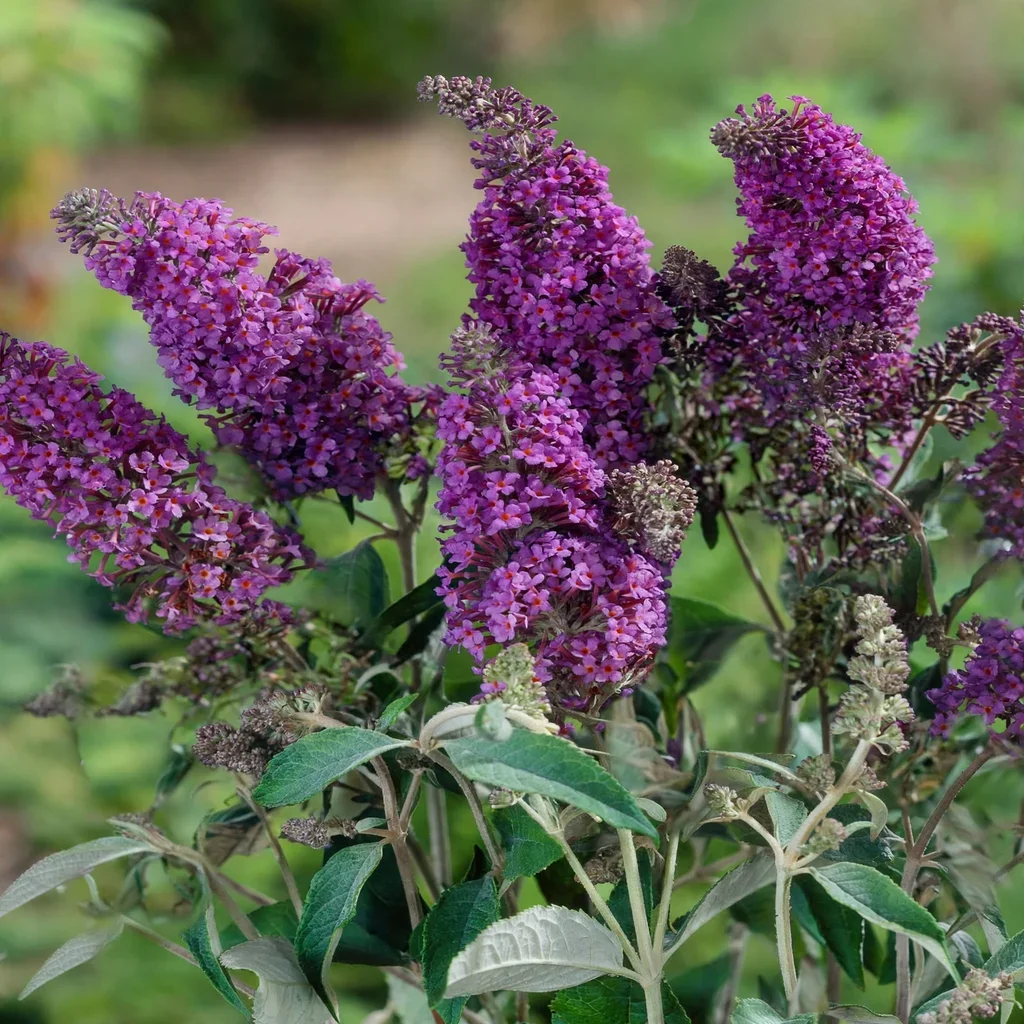
Butterfly Bush Purple Prince
Buddleja davidii 'Purple Prince'
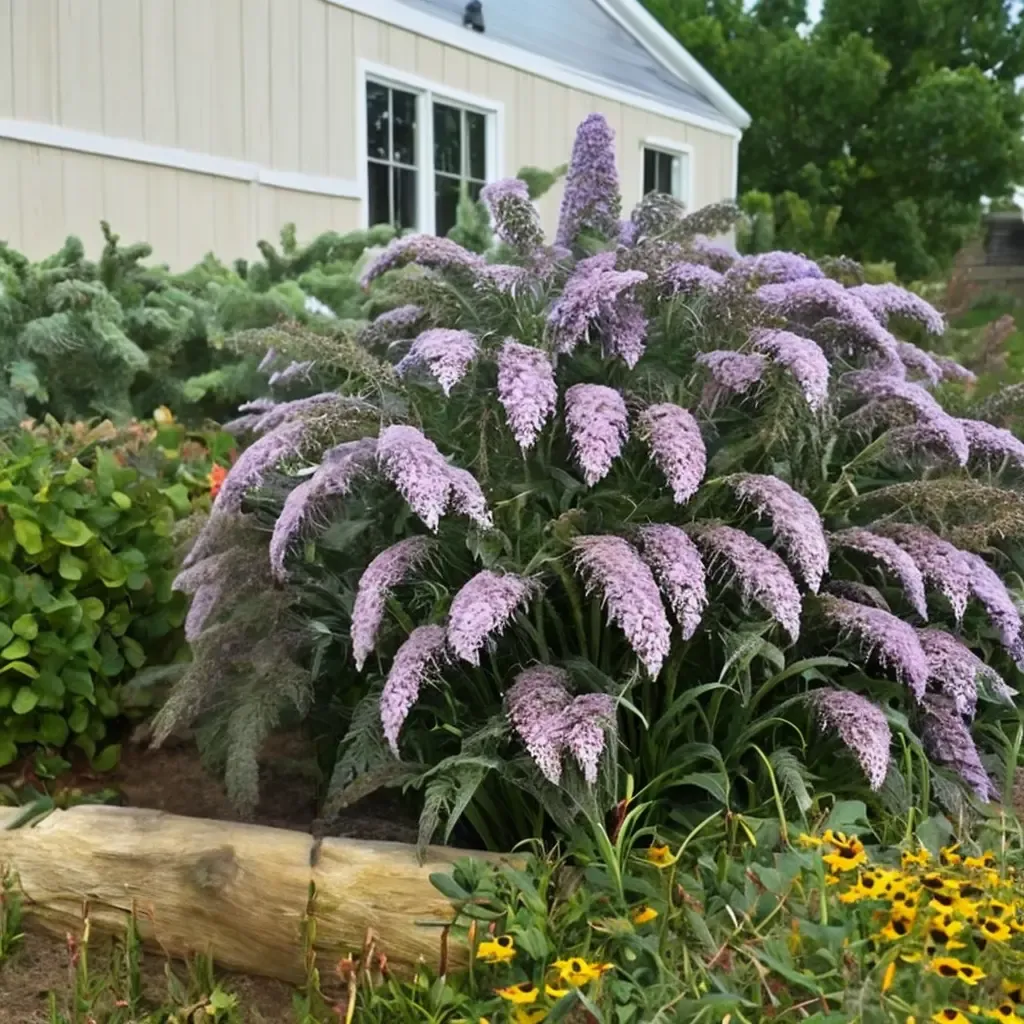
Grand Cascade Butterfly Bush
Buddleja davidii 'Grand Cascade'
Keep exploring
Explore the genus
Hardy in your zone?
Grow Orange Ball Tree with confidence
See it in a design of your actual yard, get zone-matched care reminders, and track it season by season in your garden journal.