The Story
Plant Bio
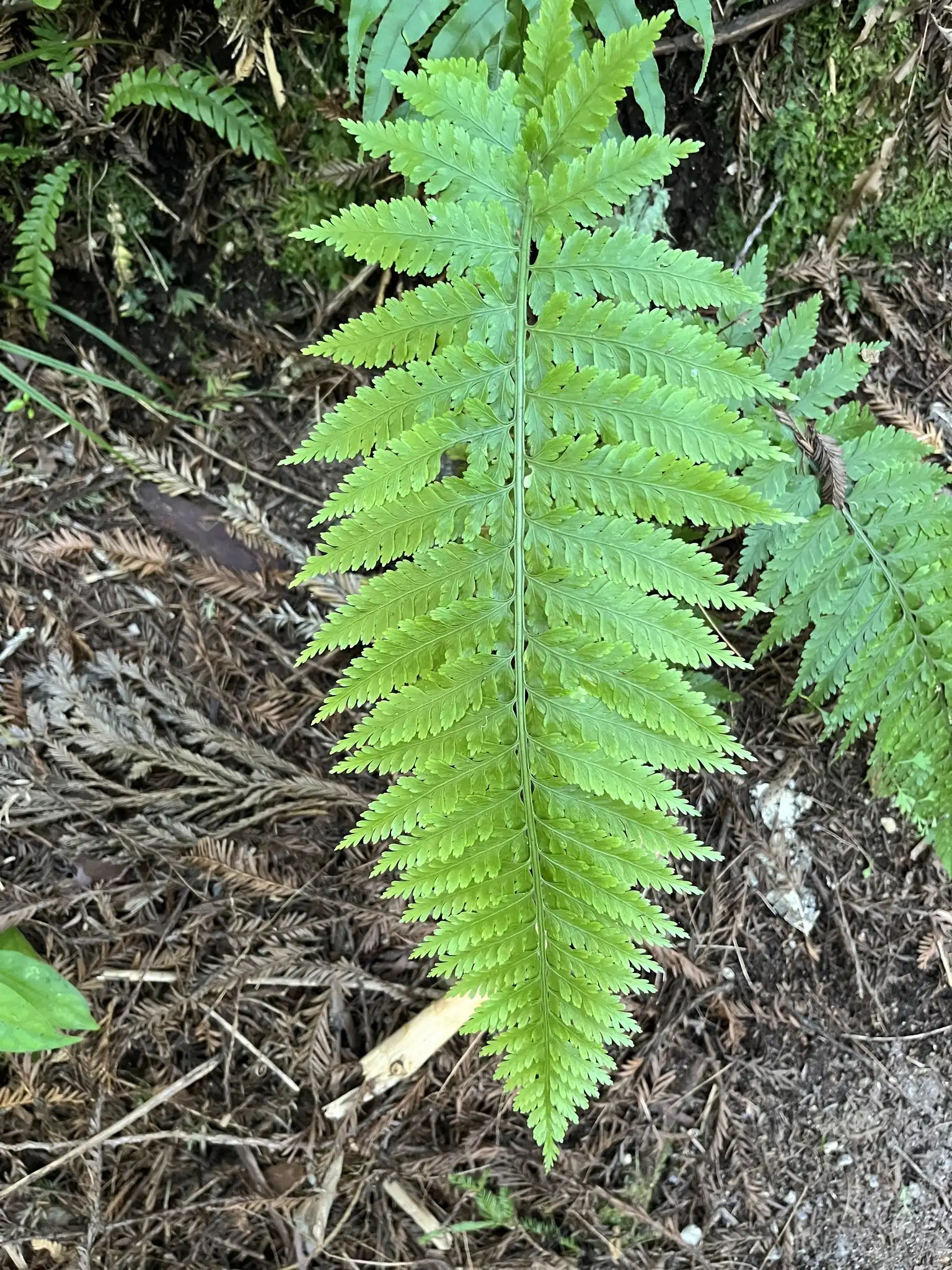
Asplenium bulbiferum, the hen and chicken fern, is an evergreen terrestrial or epiphytic fern native to New Zealand that forms a graceful, arching rosette of feathery fronds. The bipinnate to tripinnate foliage emerges bright lime-green from a central crown, maturing to a deep green and producing small vegetative bulbils along the upper leaf surfaces.
This species is distinguished by its unique reproductive habit of growing miniature clone plantlets directly on its mature fronds, which eventually drop off to root in the surrounding soil. Under cultivation, it serves as an elegant understory or container plant, though many specimens sold under this name are robust garden hybrids selected for sturdier fronds.
Uses & Benefits:
Essentials
At a Glance
Plant Type
Fern
Height
36"
Width
40"
Light
Partial Sun, Shade
Zones
9, 10
Water
High
Humidity
High
Lifespan
Perennial
Native To
New Zealand
Toxicity
Non-toxic
Marketplace
Where to Buy
Shipping costs Year-round shipping Free shipping
Planting
How to Grow
- Select a site in dappled to deep shade, completely sheltered from direct midday sun which bleaches and scorches the delicate fronds.
- Plant in rich, humus-dense soil with high organic content and excellent drainage to mimic a forest floor environment.
- Water regularly to maintain consistent moisture, ensuring the root ball never dries out completely.
- Apply a balanced, half-strength organic liquid fertilizer infrequently during the active spring and summer growing season.
Pro Tip
Keep the soil uniformly moist but never waterlogged, as stagnant water around the crown in cool or poorly ventilated conditions quickly triggers fatal crown rot.
Keep It Thriving
Care Guide
Do
- Keep the soil consistently moist to prevent irreversible frond desiccation.
- Provide high humidity and shelter from dry, cold winds.
- Remove old, yellowed fronds at the base to maintain a clean appearance.
Don't
- Do not allow the root ball to dry out completely.
- Do not expose the plant to direct, hot afternoon sunlight.
- Do not mist the crown overhead in cold, stagnant indoor environments.
- Do not prune back into old, leafless wood.
Seasonal Care Calendar
| Task | Jan | Feb | Mar | Apr | May | Jun | Jul | Aug | Sep | Oct | Nov | Dec |
|---|---|---|---|---|---|---|---|---|---|---|---|---|
| Fertilize | ||||||||||||
| Pest Check | ||||||||||||
| Propagate | ||||||||||||
| Prune | ||||||||||||
| Winter Prep |
Watch Out For
Pests & Diseases
Common Pests
Common Diseases
In the Garden
Landscape Uses & Companions
Landscape Uses
Companion Plants
Multiply
Propagation Methods
Good to Know
Common Questions
Hen and Chicken Fern questions
What zones can Hen and Chicken Fern grow in?
Hen and Chicken Fern is hardy in USDA Zones 9–10. Inside that range it survives winter in the ground; outside it, grow it as an annual or a container plant you protect.
Is Hen and Chicken Fern deer resistant?
Not reliably. Deer may browse Hen and Chicken Fern, especially tender spring growth — plan on repellents or fencing where pressure is high.
Does Hen and Chicken Fern need full sun?
Hen and Chicken Fern does best in part shade.
More Asplenium to compare
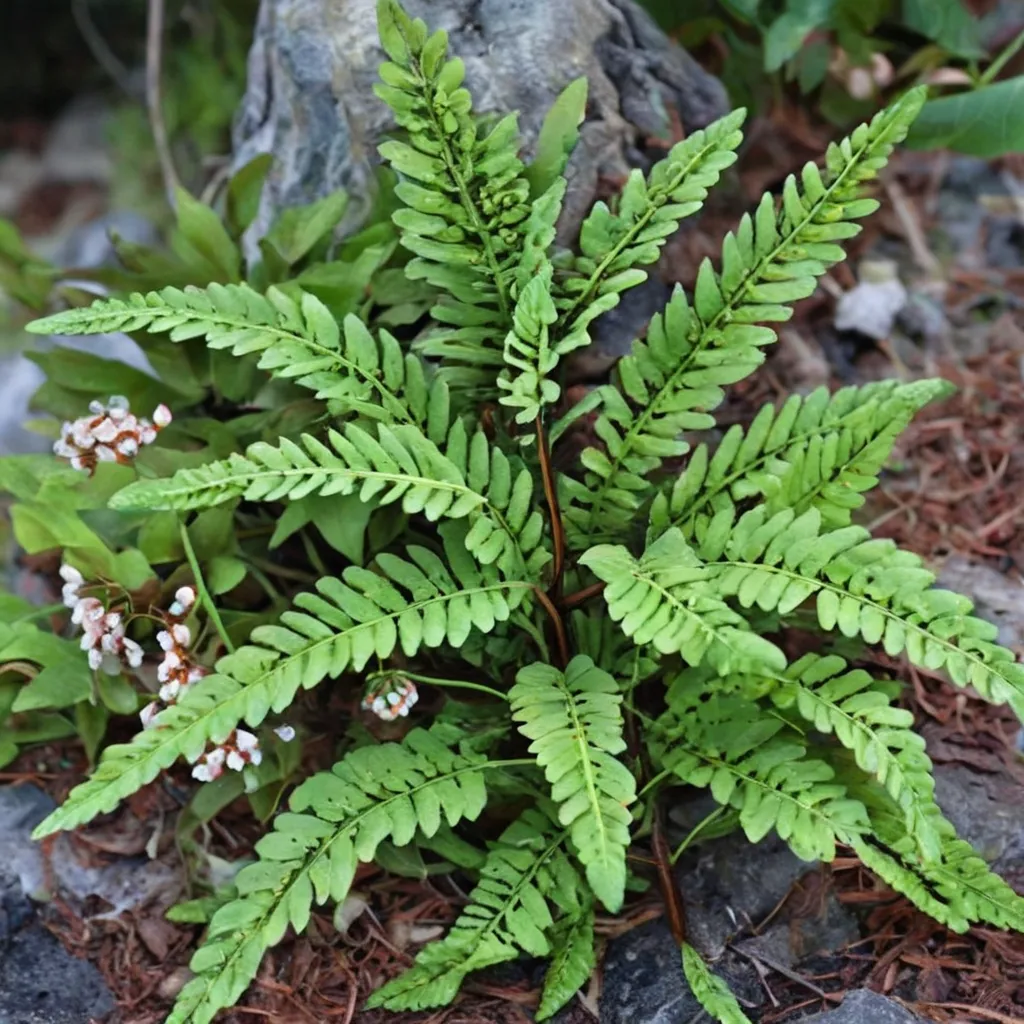
Maidenhair Spleenwort
Asplenium trichomanes
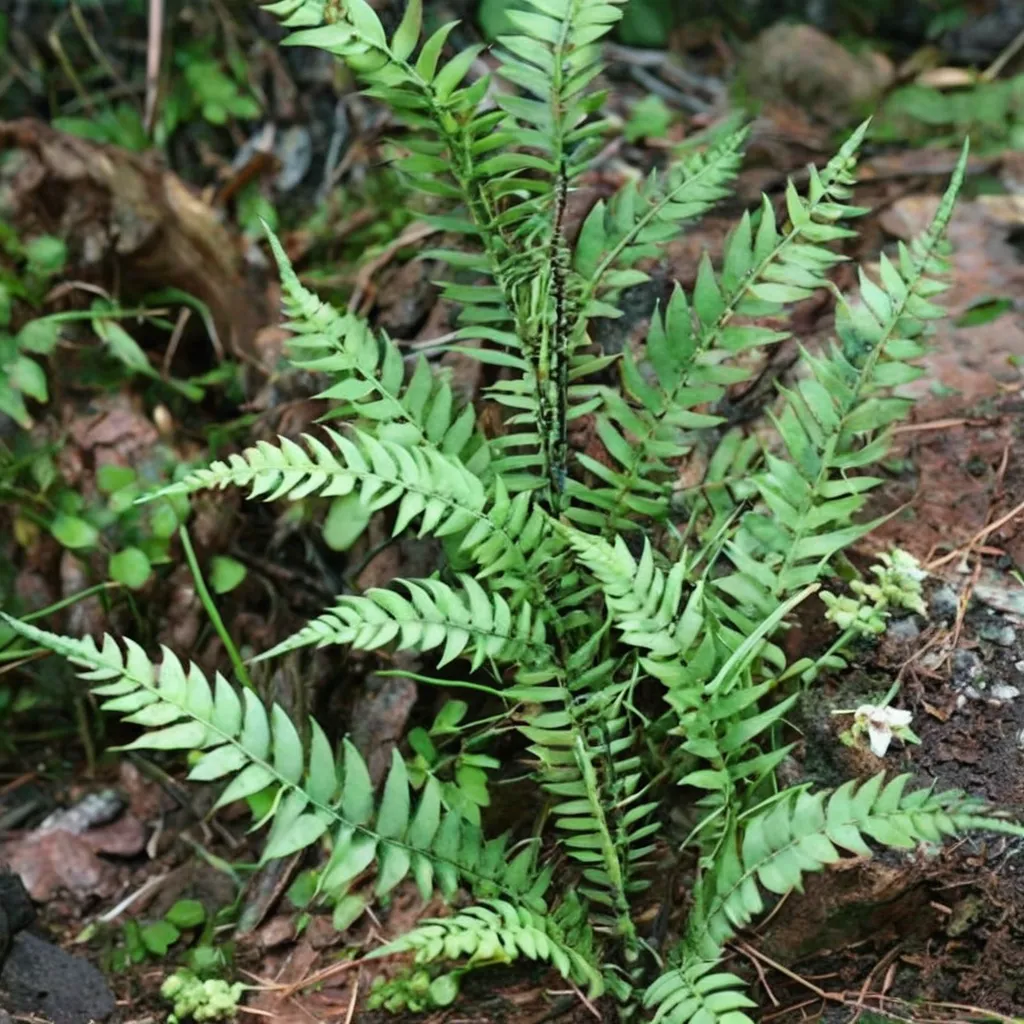
Brunswick Giant Ebony Spleenwort
Asplenium platyneuron 'Brunswick Giant'
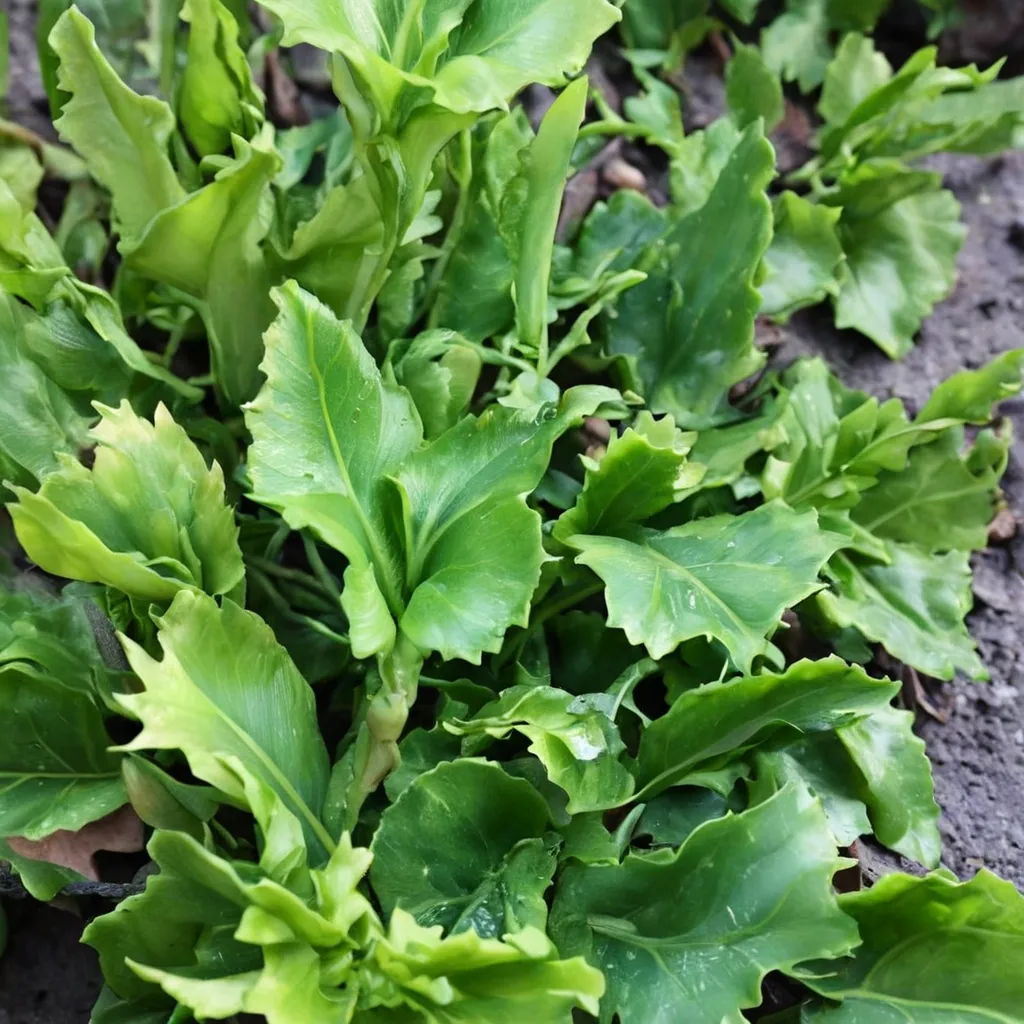
Cristatum Hart's Tongue Fern
Asplenium scolopendrium 'Cristatum'
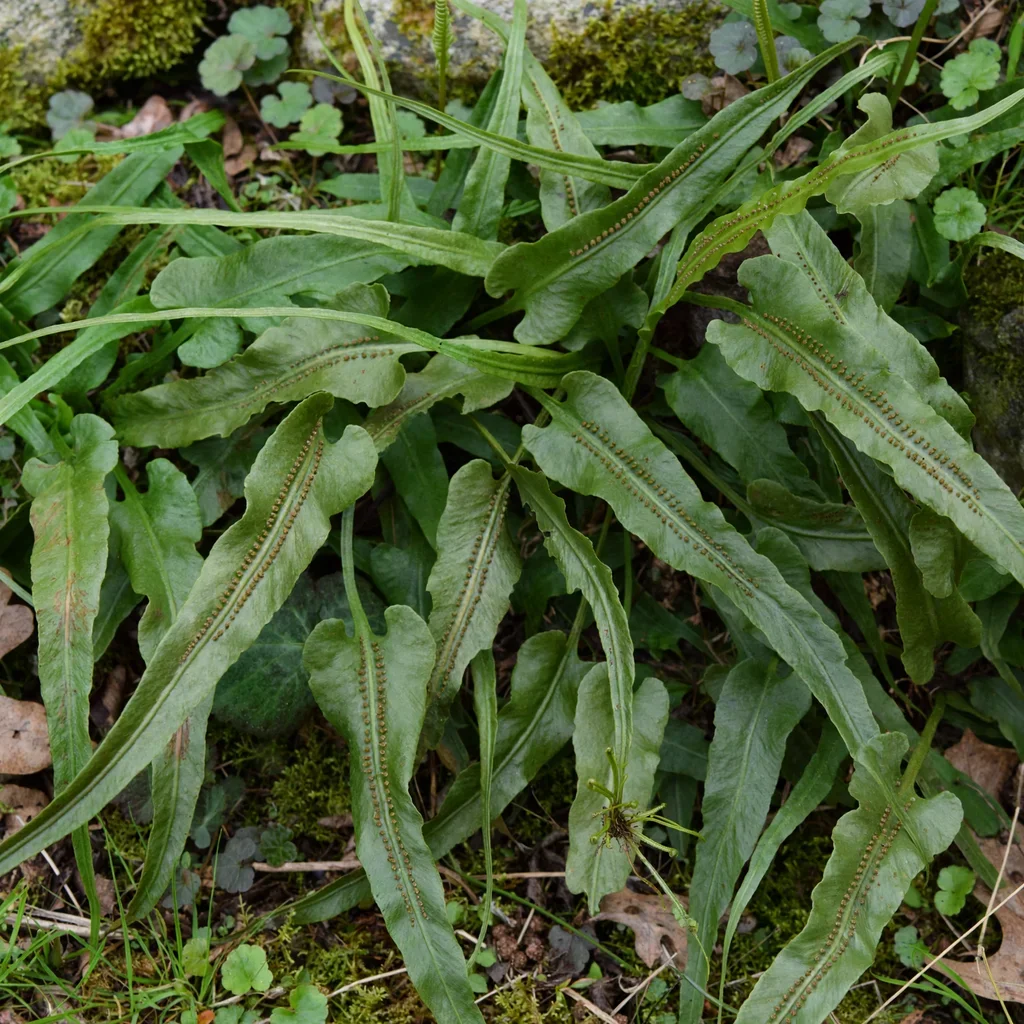
Walking Fern
Asplenium rhizophyllum
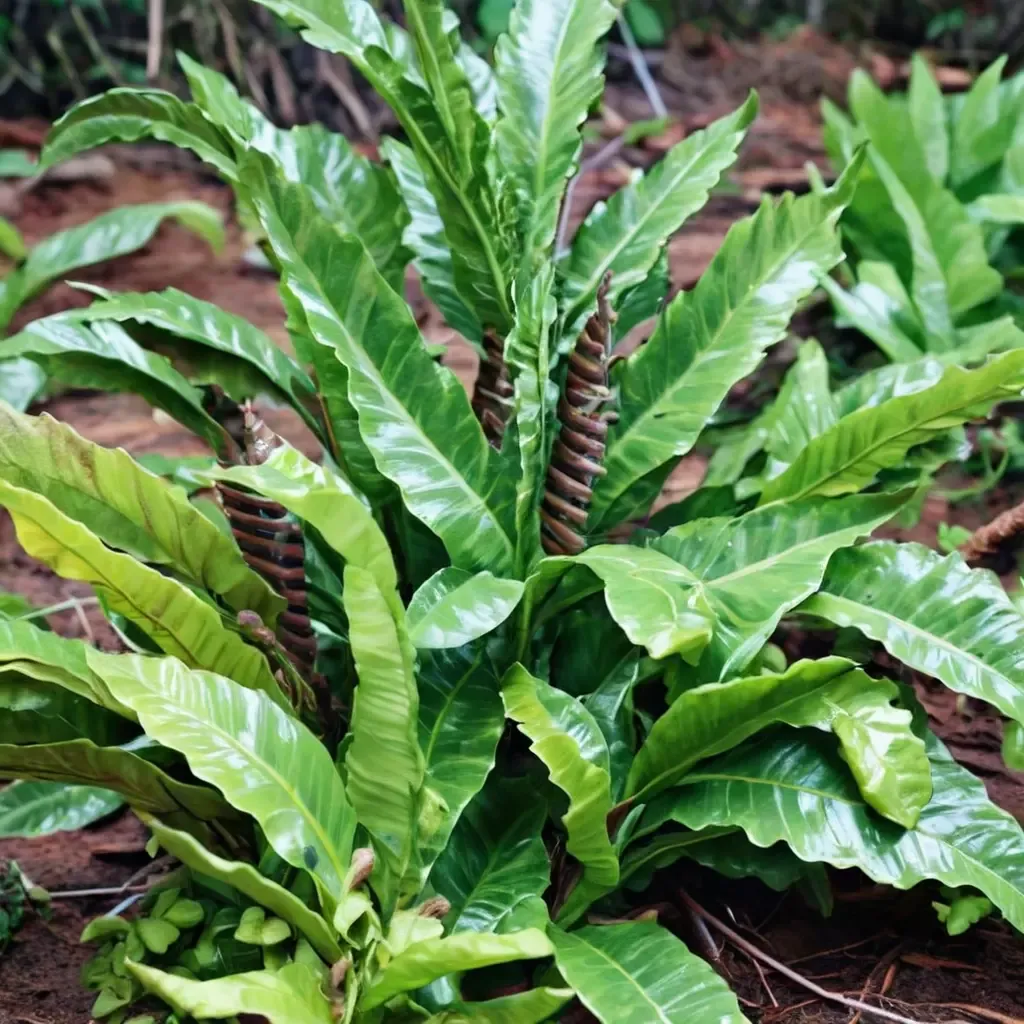
Hart's Tongue Fern
Asplenium scolopendrium
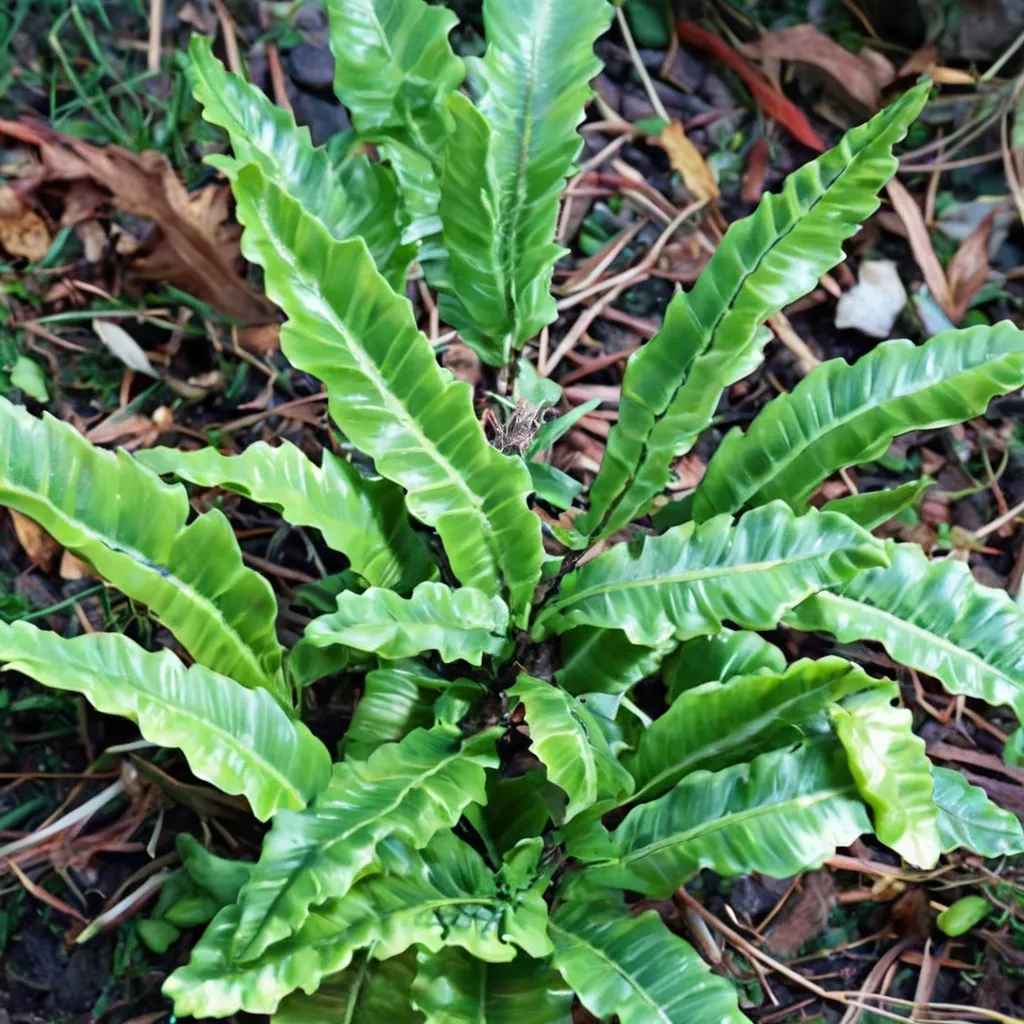
Ulleung Island Hart's-tongue Fern
Asplenium scolopendrium 'Ulleung Island'
Keep exploring
Explore the genus
Hardy in your zone?
Grow Hen and Chicken Fern with confidence
See it in a design of your actual yard, get zone-matched care reminders, and track it season by season in your garden journal.