
The Story
Plant Bio
Rhododendron prinophyllum, commonly known as the early azalea, is a deciduous, upright shrub native to the moist, rocky woodlands of eastern North America. In mid-spring, terminal clusters of five to nine bright pink, funnel-shaped flowers emerge alongside the new foliage, releasing a distinct clove-like fragrance.
The species is distinguished by its fine, glandular hairs coating the undersides of the elliptic leaves, which emit a sweet, spicy scent when crushed. It exhibits exceptional cold hardiness, reliably enduring winter temperatures down to USDA Zone 4.
Uses & Benefits:
Essentials
At a Glance
Plant Type
Shrub
Height
96"
Width
72"
Light
Full Sun, Partial Sun
Zones
4, 5, 6, 7, 8
Water
Consistent moisture
Humidity
Moderate
Lifespan
Long-lived
Native To
North America
Toxicity
Highly toxic if ingested
Bloom period
Spring
In flower about 3 months of the year
Planting
How to Grow
- Select a planting site with filtered morning sun and protection from harsh afternoon heat.
- Amend the soil with generous amounts of organic matter, such as composted pine bark, to ensure a highly acidic pH between 4.5 and 6.0.
- Dig a shallow, wide hole and set the root ball slightly above the surrounding soil level to guarantee excellent drainage.
- Apply a three-inch layer of pine needle or bark mulch to conserve moisture and keep the shallow roots cool, keeping it clear of the main stem.
Pro Tip
Never prune hard into old, leafless wood, as dormant buds are absent and the stems will fail to regenerate. Instead, restrict pruning to light shaping immediately after the spring bloom.
Keep It Thriving
Care Guide
Do
- Maintain consistent soil moisture, especially during dry summer spells.
- Apply an annual layer of organic mulch to protect the shallow root system.
- Feed sparingly with an acid-forming organic fertilizer in early spring.
Don't
- Do not allow the soil to dry out completely, which triggers immediate leaf drop.
- Do not plant in heavy clay or poorly draining areas where water pools.
- Do not prune heavily into old, leafless wood.
Seasonal Care Calendar
| Task | Jan | Feb | Mar | Apr | May | Jun | Jul | Aug | Sep | Oct | Nov | Dec |
|---|---|---|---|---|---|---|---|---|---|---|---|---|
| Fertilize | ||||||||||||
| Mulch | ||||||||||||
| Pest Check | ||||||||||||
| Prune |
Watch Out For
Pests & Diseases
Common Pests
Common Diseases
In the Garden
Landscape Uses & Companions
Landscape Uses
Companion Plants
Multiply
Propagation Methods
Good to Know
Common Questions
Early Azalea questions
What zones can Early Azalea grow in?
Early Azalea is hardy in USDA Zones 4–8. Inside that range it survives winter in the ground; outside it, grow it as an annual or a container plant you protect.
Is Early Azalea deer resistant?
Not reliably. Deer may browse Early Azalea, especially tender spring growth — plan on repellents or fencing where pressure is high.
When does Early Azalea bloom?
Early Azalea typically blooms in spring through spring. Exact timing shifts a week or two with your zone — Sow's bloom calendar maps it to your garden.
Does Early Azalea need full sun?
Early Azalea does best in full sun to part shade. In hot climates, afternoon shade keeps blooms fresher longer.
More Rhododendron to compare
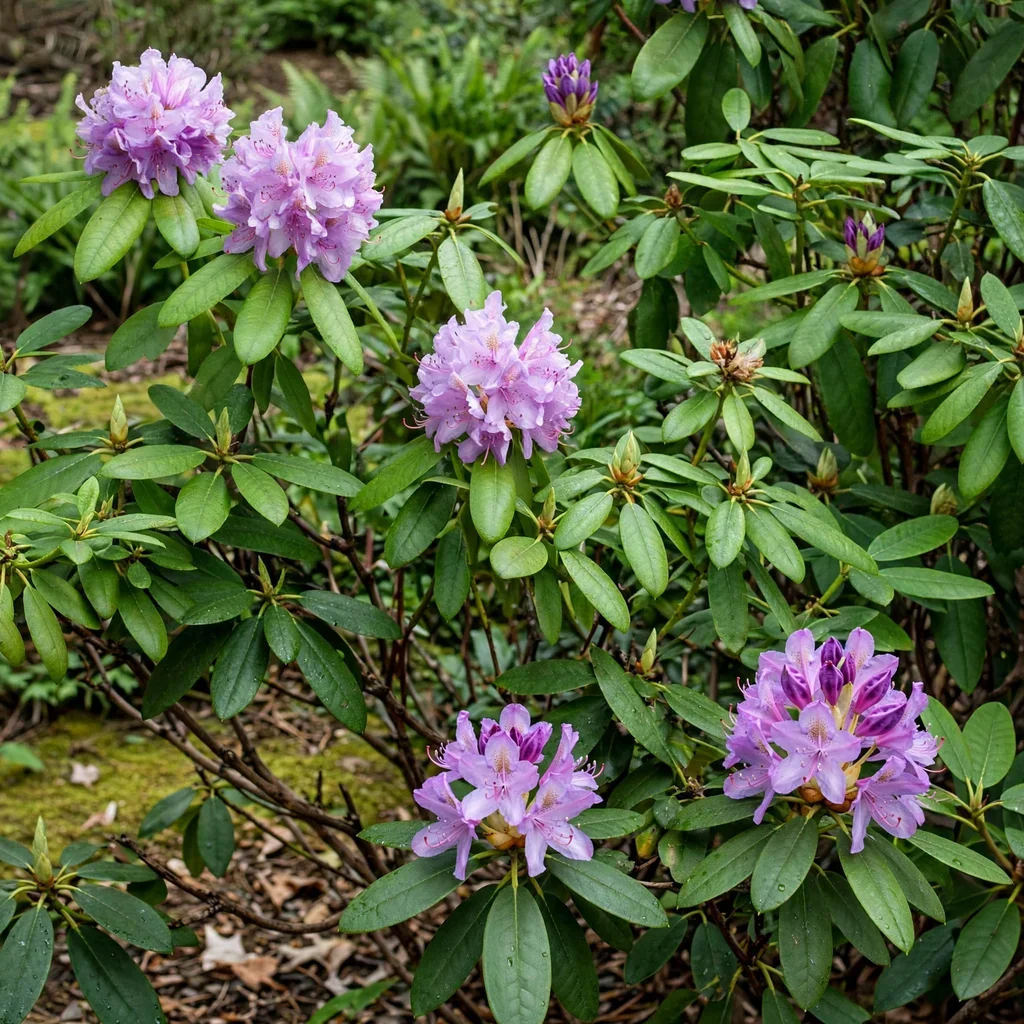
Catawba Rhododendron
Rhododendron catawbiense
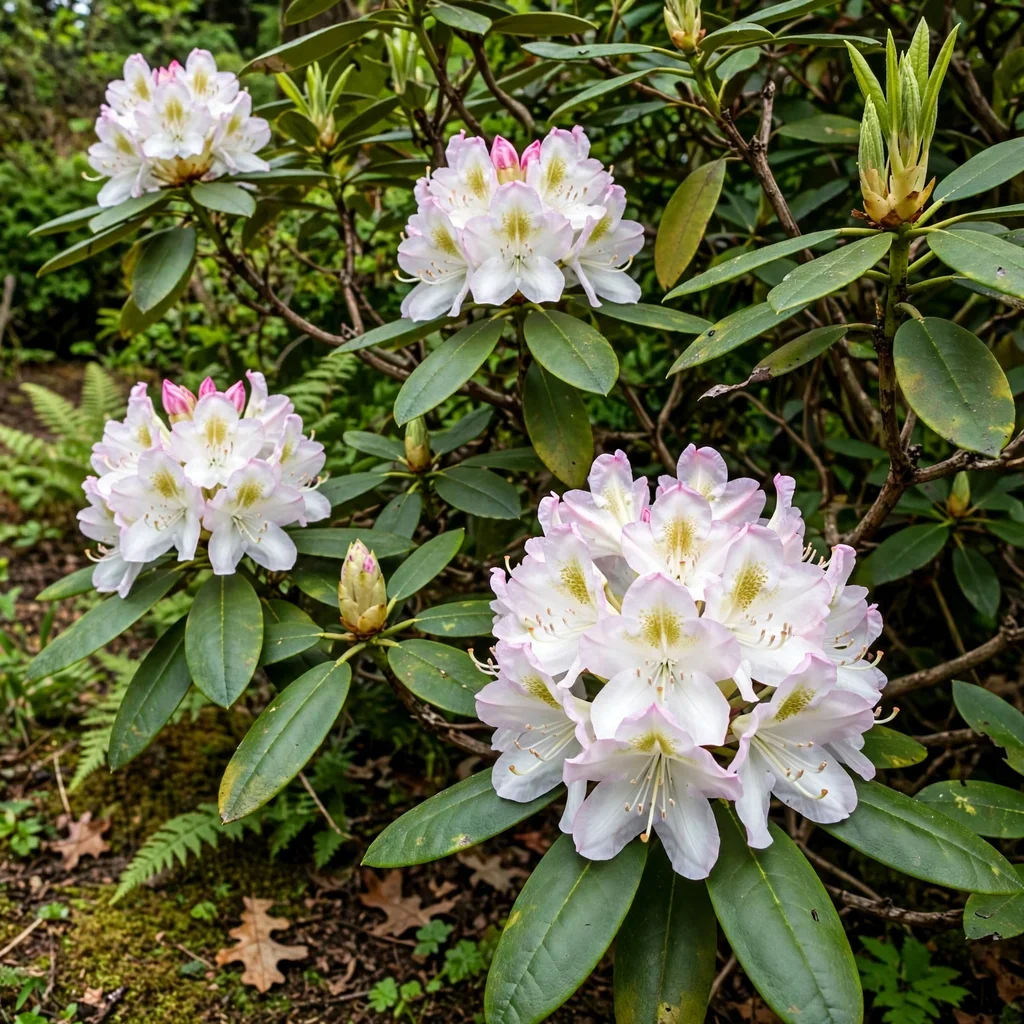
Great Laurel Rhododendron
Rhododendron maximum
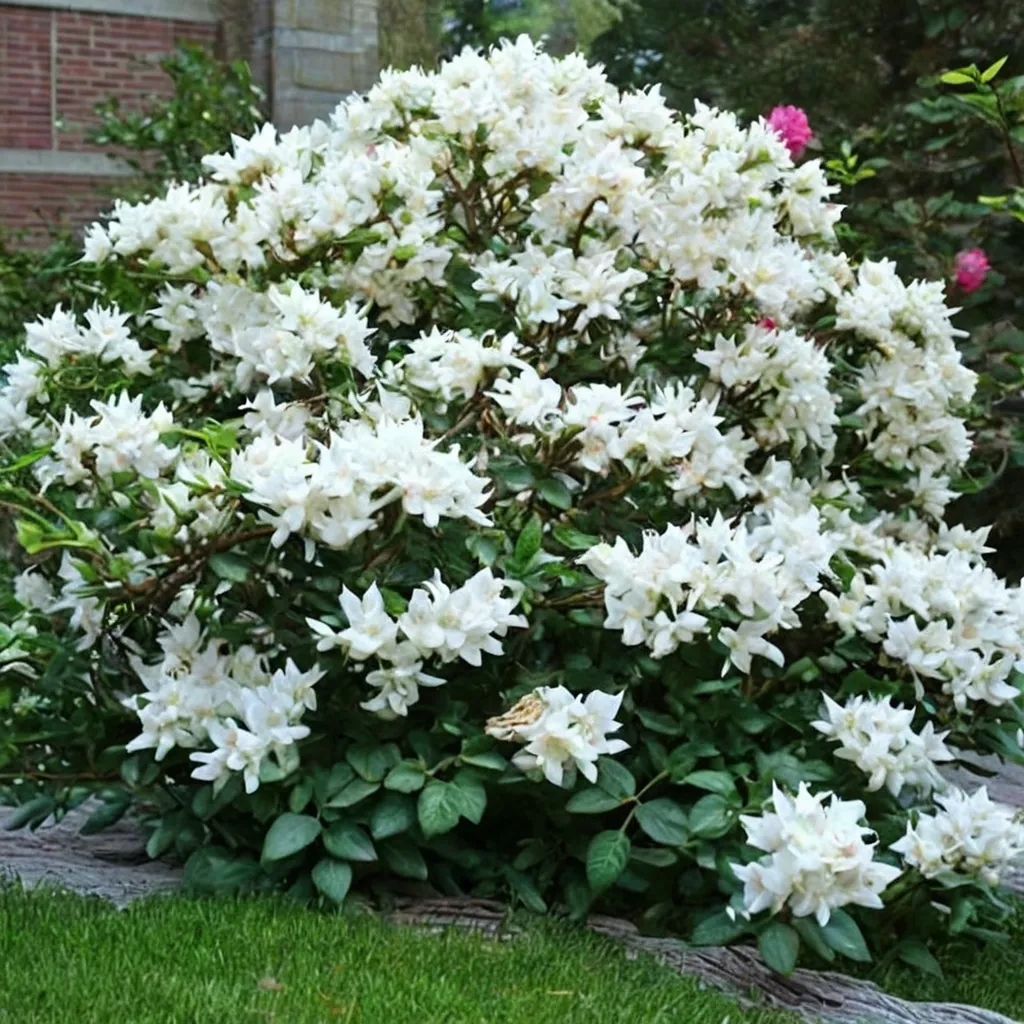
Double White Rhododendron
Rhododendron x hybrida 'Double White'
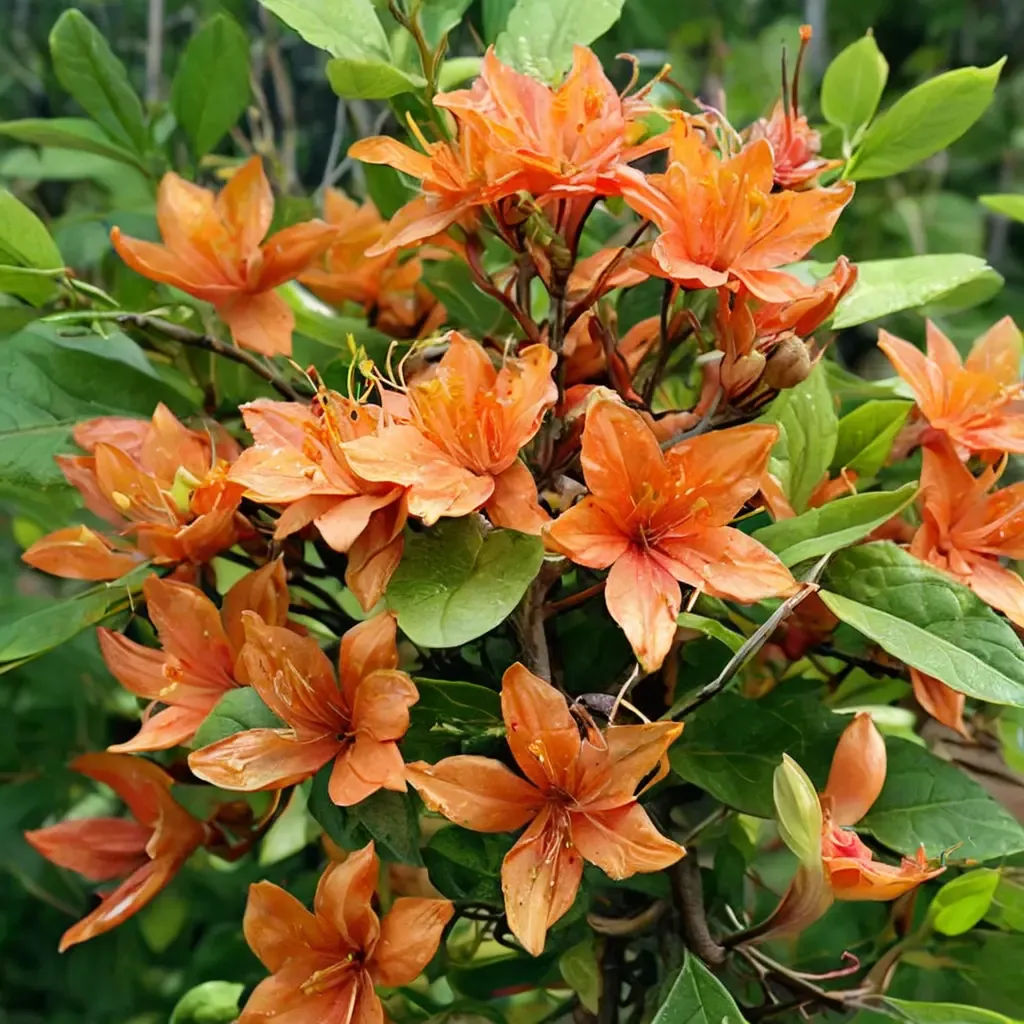
Flame Azalea
Rhododendron calendulaceum
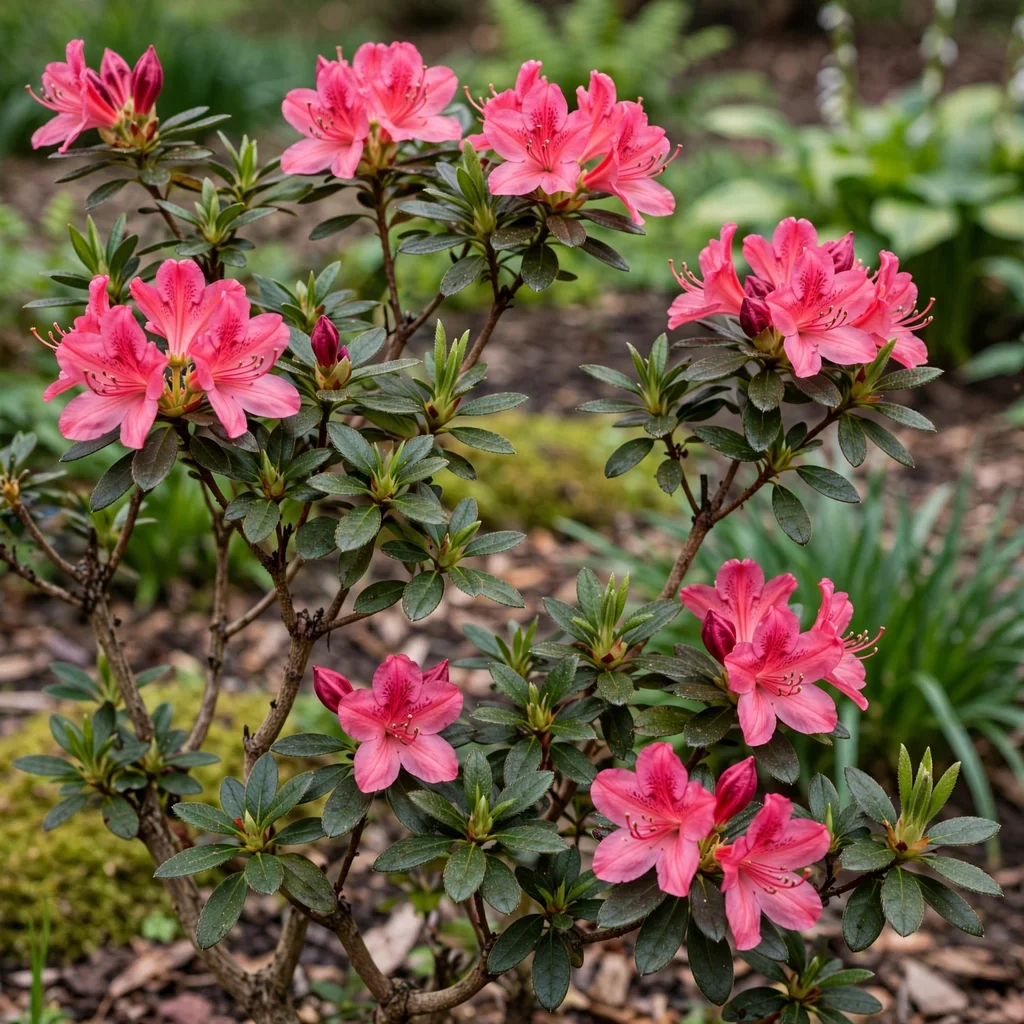
Bone Hardy Azalea
Rhododendron x hybrida 'Bone Hardy Azalea Sampler'
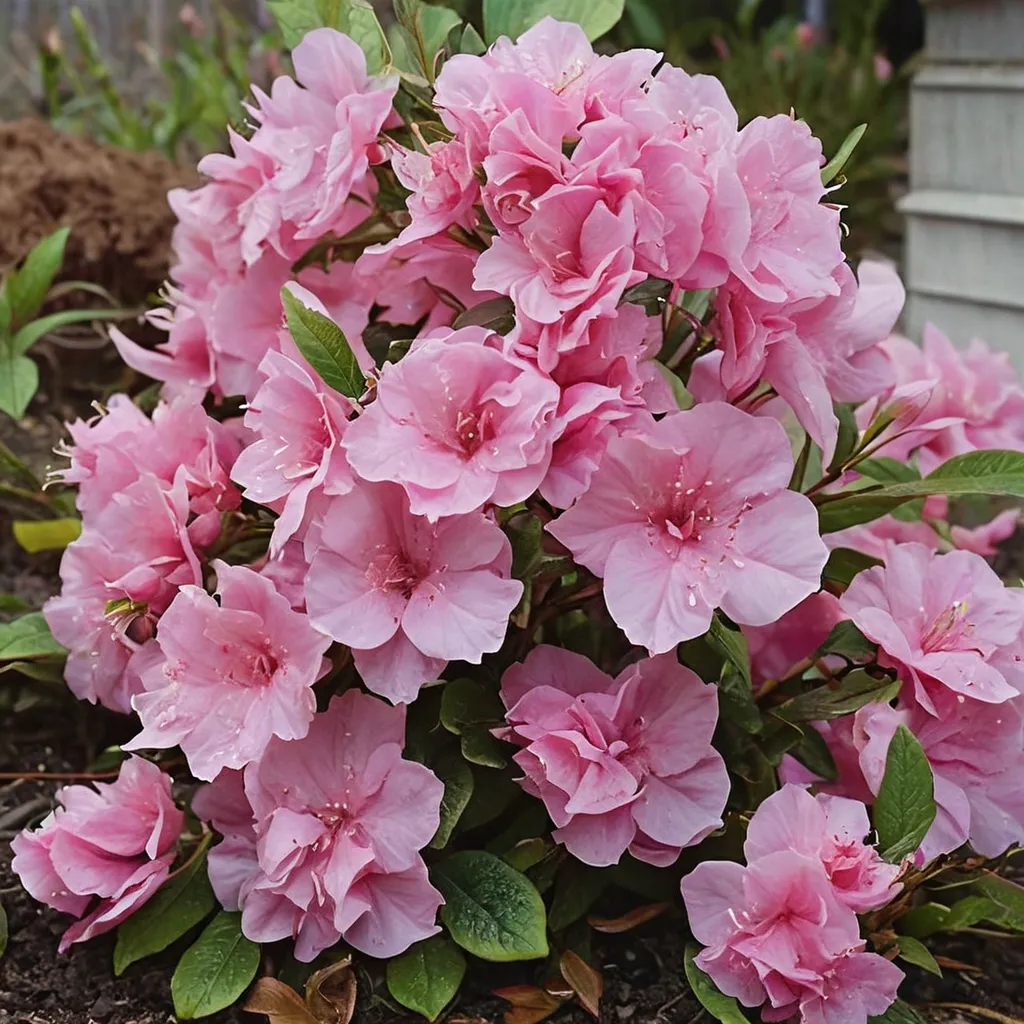
Rhododendron x hybrida Double Pink
Rhododendron x hybrida 'Double Pink'
Keep exploring
Explore the genus
Hardy in your zone?
Grow Early Azalea with confidence
See it in a design of your actual yard, get zone-matched care reminders, and track it season by season in your garden journal.