The Story
Plant Bio
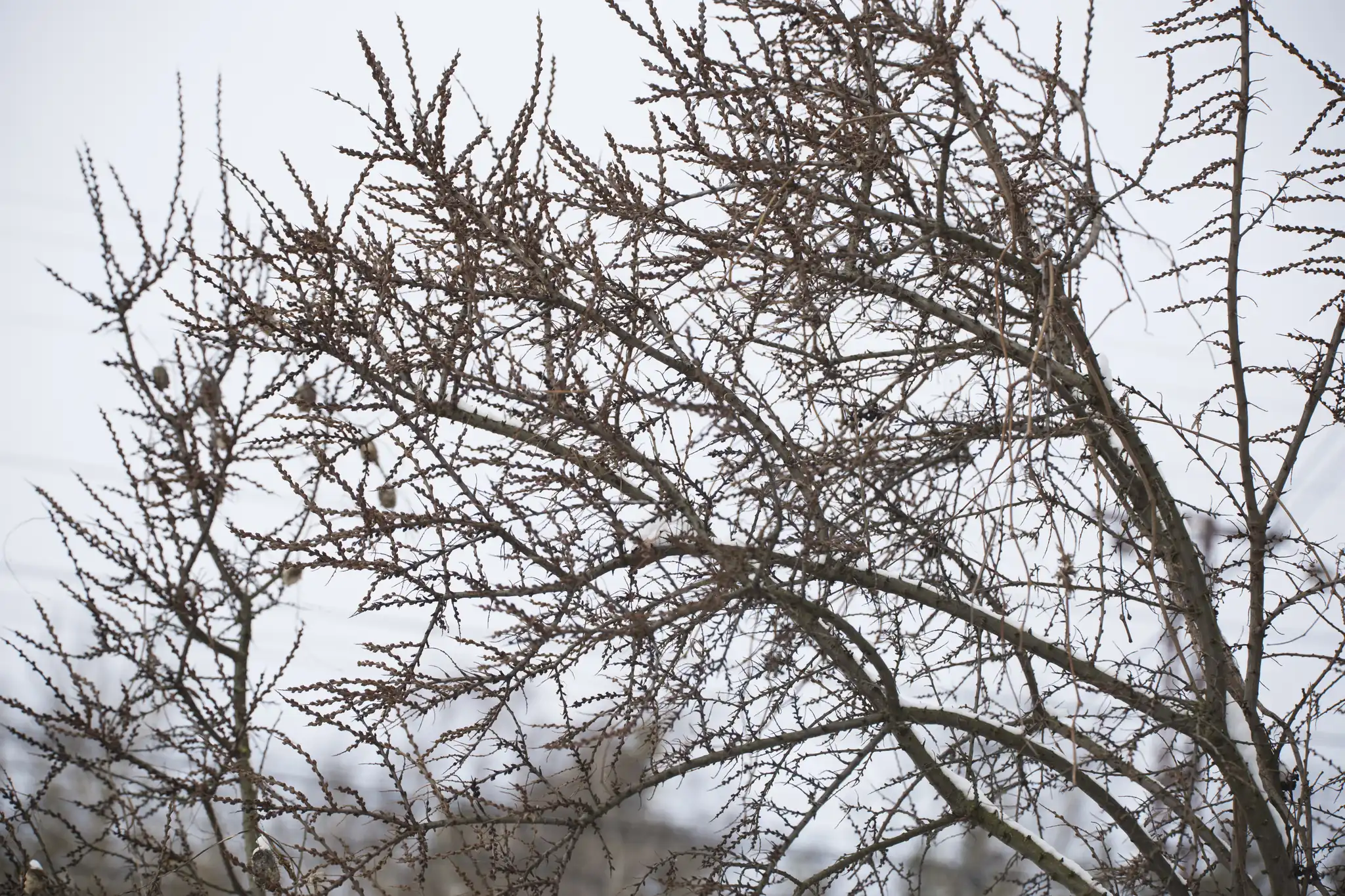
Hippophae rhamnoides, the sea buckthorn, is a deciduous, thorny shrub or small tree native to Eurasia, reaching up to thirteen feet in height with a dense, spreading habit. The narrow, linear leaves are distinctive for their silvery-grey upper surfaces and densely scaly, silvery-white undersides.
This dioecious species is highly valued for its exceptional wind, salt, and drought tolerance, making it an excellent choice for stabilizing sandy banks or coastal sites. In late summer and fall, female plants produce abundant clusters of bright orange, nutrient-rich berries that persist into winter, contrasting sharply with the pale foliage.
Uses & Benefits:
Essentials
At a Glance
Plant Type
Shrub
Height
157"
Width
157"
Light
Full Sun
Zones
4, 5, 6, 7, 8
Water
Low
Humidity
Moderate
Lifespan
Long
Native To
Eurasia
Toxicity
Non-toxic
Bloom period
Spring
In flower about 3 months of the year
Planting
How to Grow
- Select a planting site in full sun with sandy, gravelly, or exceptionally well-drained soil.
- Install a physical root barrier around the planting zone if containment is necessary to prevent aggressive suckering.
- Plant female specimens within close proximity to a compatible male pollinator, positioning the male upwind.
- Water regularly during the first growing season to establish a deep, drought-tolerant root system.
Pro Tip
Plant at least one male specimen upwind for every six to eight female plants to ensure wind pollination and fruit set, and install root barriers to contain the aggressive, suckering root system.
Keep It Thriving
Care Guide
Do
- Prune out dead, damaged, or crossing branches in late winter before new growth begins.
- Manage root suckers annually by cutting them back to the ground to control the plant's spread.
- Ensure the soil remains dry to moderately moist, allowing excellent drainage at all times.
Don't
- Do not apply heavy nitrogen fertilizers, as the plant's root nodules fix atmospheric nitrogen independently.
- Do not prune heavily into old, leafless wood, which fails to regenerate reliably.
- Do not plant in heavy, wet, or poorly drained clay soils that invite root rot.
Seasonal Care Calendar
| Task | Jan | Feb | Mar | Apr | May | Jun | Jul | Aug | Sep | Oct | Nov | Dec |
|---|---|---|---|---|---|---|---|---|---|---|---|---|
| Harvest | ||||||||||||
| Pest Check | ||||||||||||
| Prune | ||||||||||||
| Spring Cleanup |
Watch Out For
Pests & Diseases
Common Pests
Common Diseases
In the Garden
Landscape Uses & Companions
Landscape Uses
Companion Plants
Multiply
Propagation Methods
Good to Know
Common Questions
Sea Buckthorn questions
What zones can Sea Buckthorn grow in?
Sea Buckthorn is hardy in USDA Zones 4–8. Inside that range it survives winter in the ground; outside it, grow it as an annual or a container plant you protect.
Is Sea Buckthorn deer resistant?
Yes — Sea Buckthorn is rated deer-resistant. Deer typically pass it over, though extreme hunger can override any plant's defenses.
When does Sea Buckthorn bloom?
Sea Buckthorn typically blooms in spring through spring. Exact timing shifts a week or two with your zone — Sow's bloom calendar maps it to your garden.
Does Sea Buckthorn need full sun?
Sea Buckthorn does best in full sun (6+ hours).
Is Sea Buckthorn drought tolerant?
Yes — once established (usually after the first full season), Sea Buckthorn handles dry spells with minimal watering. Water deeply its first year to build the root system that makes that possible.
Keep exploring
Explore the genus
Hardy in your zone?
Grow Sea Buckthorn with confidence
See it in a design of your actual yard, get zone-matched care reminders, and track it season by season in your garden journal.