The Story
Plant Bio
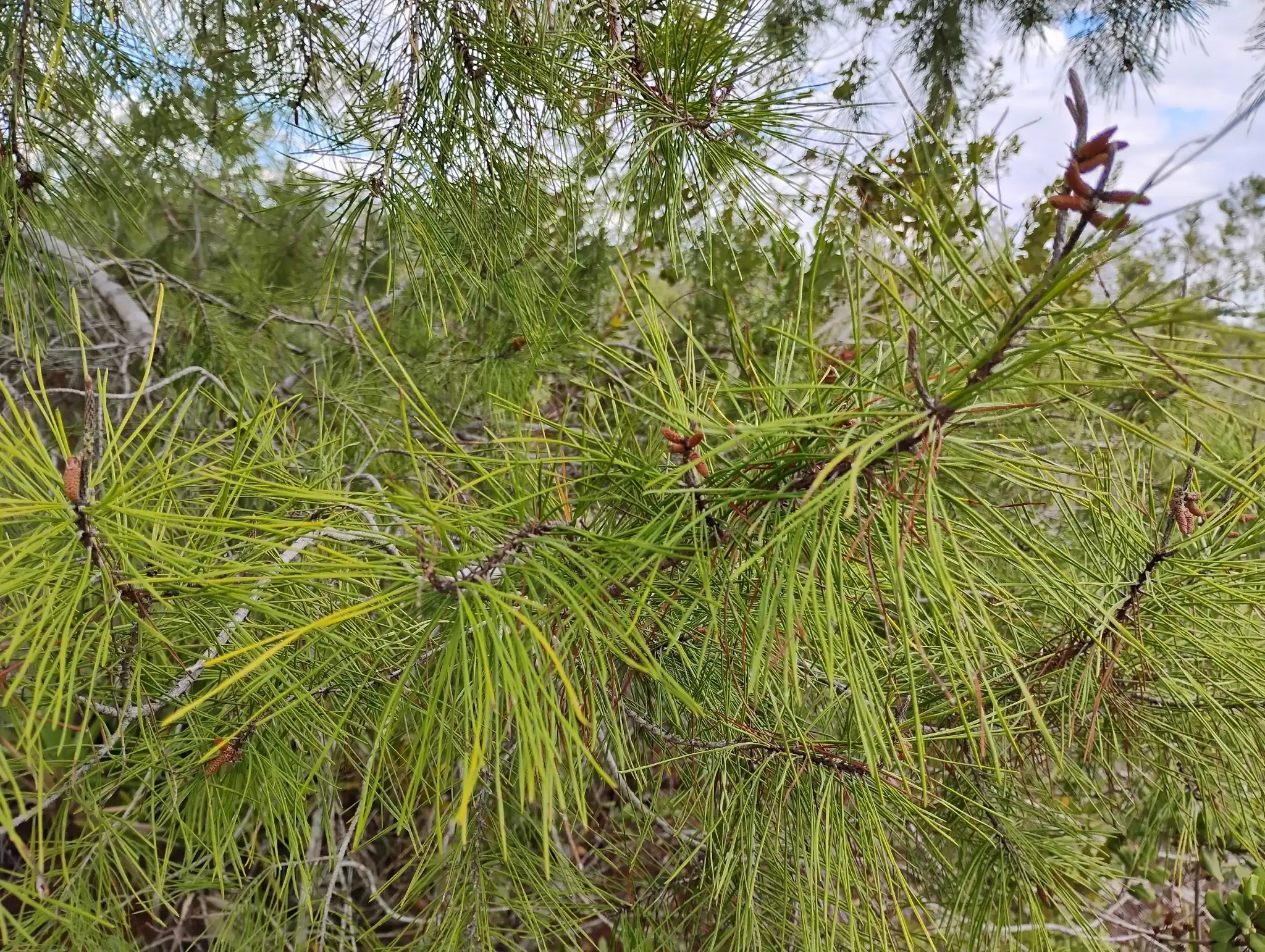
Pinus clausa, commonly known as the sand pine, is a small to medium evergreen conifer native to the xeric sand hills and coastal dunes of Florida and Alabama. It develops a rounded or flattened, scrubby crown with slender, yellow-green needles held in pairs.
This species is highly adapted to nutrient-poor, rapidly draining sands where other trees fail to establish. Its serotinous cones often remain closed for years, opening primarily in response to the heat of a wildfire to release seeds onto the cleared forest floor.
Uses & Benefits:
Essentials
At a Glance
Plant Type
Tree
Height
780"
Width
472"
Light
Full Sun
Zones
8, 9, 10
Water
Low
Humidity
High
Lifespan
Short-lived conifer
Native To
Southeastern United States
Toxicity
Non-toxic
Bloom period
Spring – Early summer
In flower about 4 months of the year
Planting
How to Grow
- Select a planting site in full sun with extremely well-drained, nutrient-poor sandy soil.
- Dig a hole twice as wide as the root ball but no deeper, ensuring the root flare sits level with the surrounding soil.
- Gently backfill with the native sandy soil without adding organic amendments or fertilizers.
- Water deeply immediately after planting to settle the soil, then water sparingly only until the root system establishes.
Pro Tip
Plant this pine exclusively in nutrient-poor, rapidly draining sand; planting in standard garden loam or organic-rich soils inevitably triggers fatal root rot.
Keep It Thriving
Care Guide
Do
- Plant in pure, well-draining sand or xeric sandy ridges.
- Protect the root system from physical disturbance and compaction.
- Allow the soil to dry out completely between waterings.
Don't
- Do not add compost, fertilizer, or organic matter to the planting hole.
- Do not prune heavily into old, leafless wood, as pines do not regenerate from bare branches.
- Do not plant in heavy clay, wet soils, or poorly drained low spots.
Seasonal Care Calendar
| Task | Jan | Feb | Mar | Apr | May | Jun | Jul | Aug | Sep | Oct | Nov | Dec |
|---|---|---|---|---|---|---|---|---|---|---|---|---|
| Mulch | ||||||||||||
| Pest Check | ||||||||||||
| Plant | ||||||||||||
| Prune |
Watch Out For
Pests & Diseases
Common Pests
Common Diseases
In the Garden
Landscape Uses & Companions
Landscape Uses
Companion Plants
Multiply
Propagation Methods
Good to Know
Common Questions
Sand Pine questions
What zones can Sand Pine grow in?
Sand Pine is hardy in USDA Zones 8–10. Inside that range it survives winter in the ground; outside it, grow it as an annual or a container plant you protect.
When does Sand Pine bloom?
Sand Pine typically blooms in spring through early summer. Exact timing shifts a week or two with your zone — Sow's bloom calendar maps it to your garden.
Does Sand Pine need full sun?
Sand Pine does best in full sun (6+ hours).
Is Sand Pine drought tolerant?
Yes — once established (usually after the first full season), Sand Pine handles dry spells with minimal watering. Water deeply its first year to build the root system that makes that possible.
More Pinus to compare
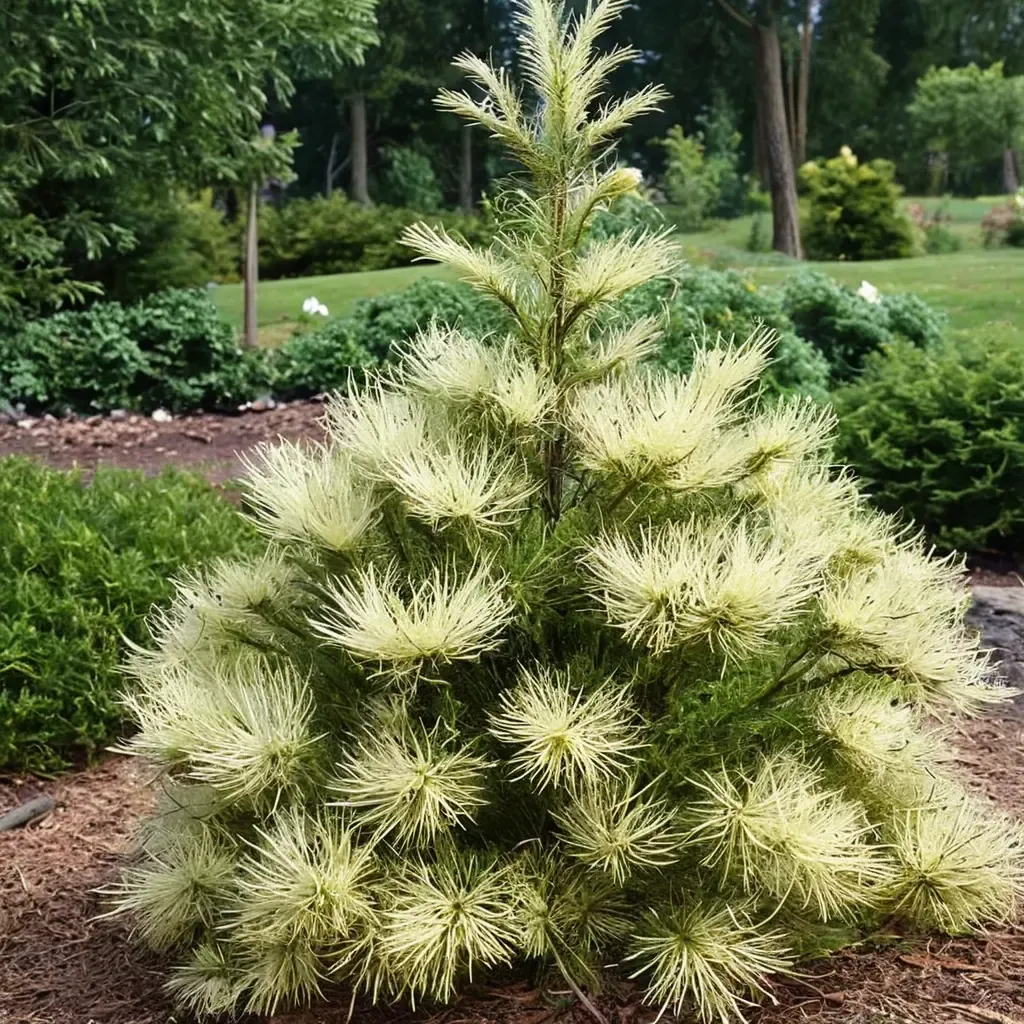
Golden Ghost Pine
Pinus densiflora 'Golden Ghost'
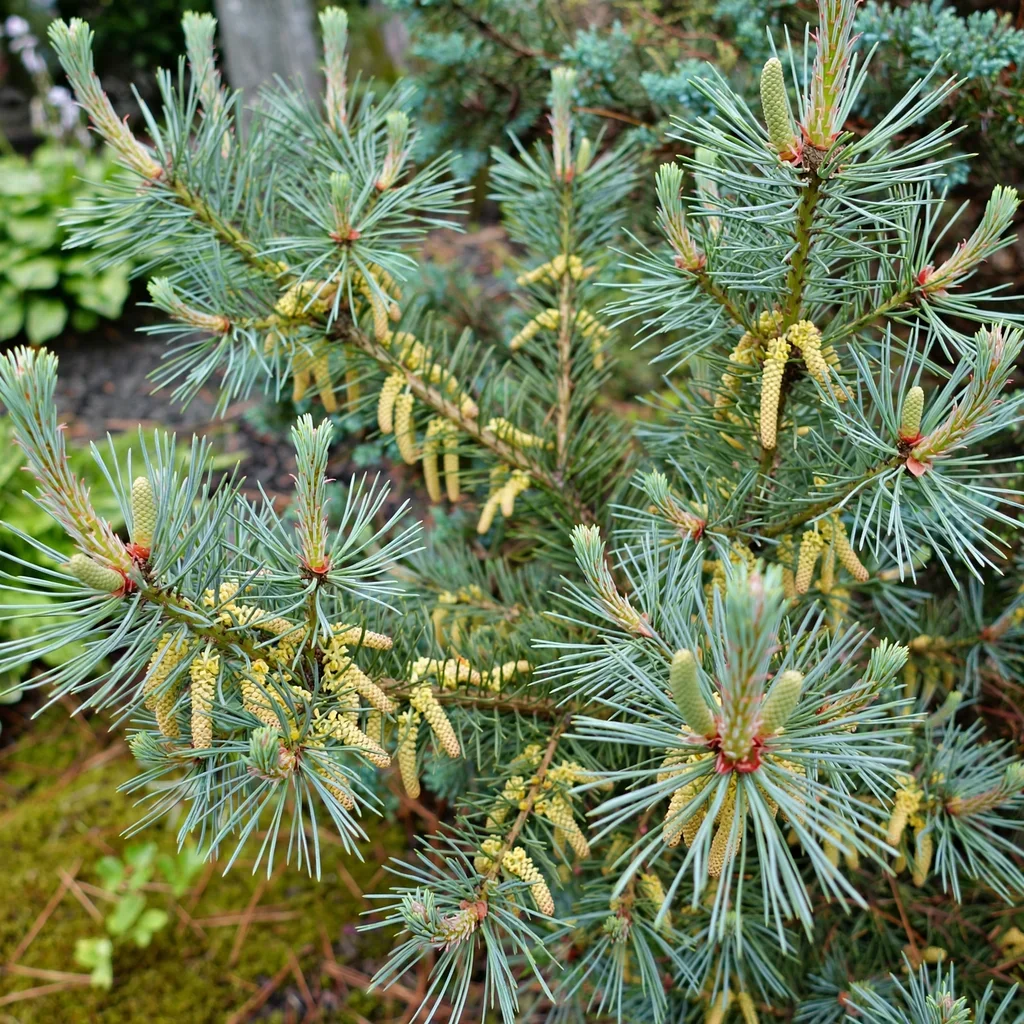
Eastern White Pine
Pinus strobus
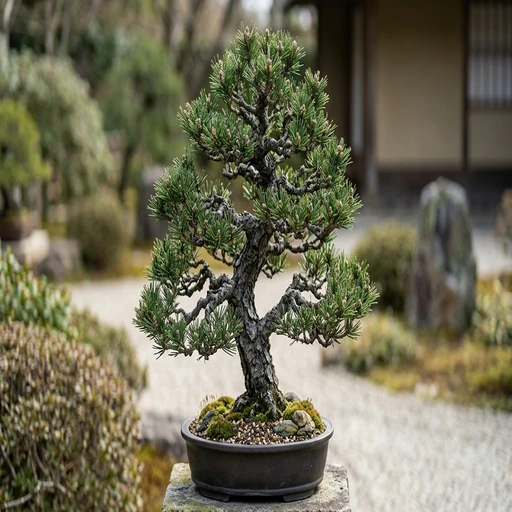
Thunderhead Japanese Black Pine
Pinus thunbergii 'Thunderhead'
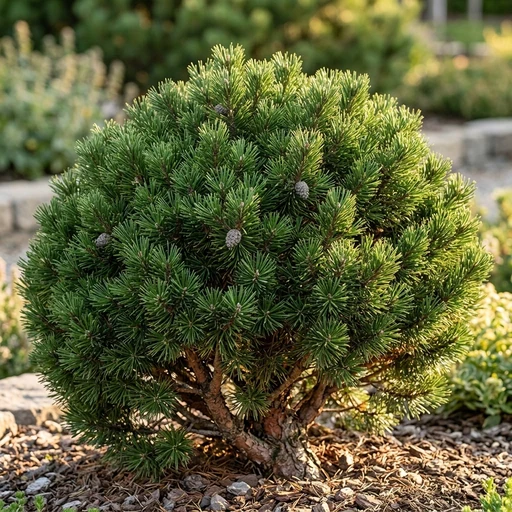
Slowmound Mugo Pine
Pinus mugo 'Slowmound'
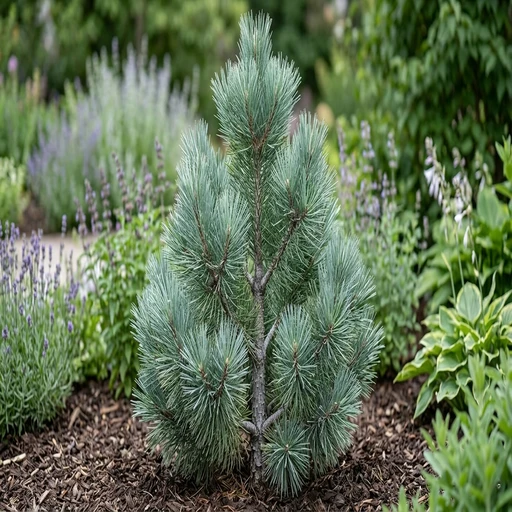
Vanderwolf's Pyramid Limber Pine
Pinus flexilis 'Vanderwolf'
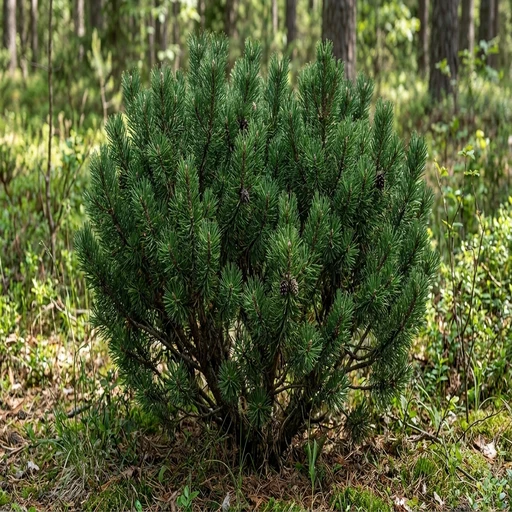
Mugo Pine
Pinus mugo
Keep exploring
Explore the genus
Hardy in your zone?
Grow Sand Pine with confidence
See it in a design of your actual yard, get zone-matched care reminders, and track it season by season in your garden journal.