The Story
Plant Bio
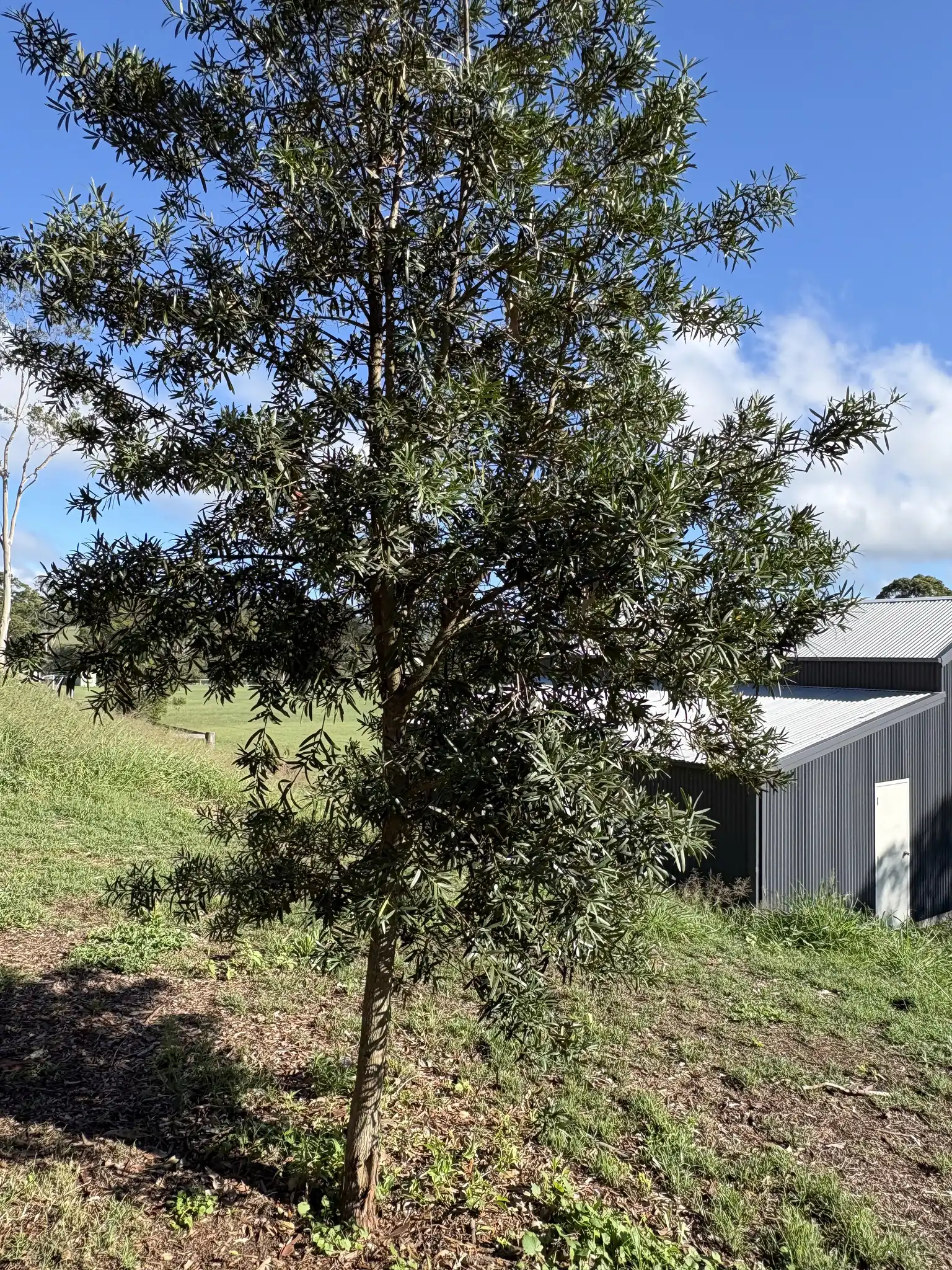
Podocarpus elatus, the Illawarra plum, is an evergreen conifer native to eastern Australia that reaches thirty feet in garden cultivation, developing a dense, pyramidal crown of glossy, strap-like leaves. The species is dioecious, producing inconspicuous pale green pollen cones on male trees and small, solitary cones on female specimens.
The female cones mature into a distinctive, swollen, purple-black fleshy stalk that carries a single rounded seed at its tip. This edible, plum-like receptacle contrasts sharply with the deep green, bronze-tipped new foliage and provides structural interest throughout the year.
Uses & Benefits:
Essentials
At a Glance
Plant Type
Tree
Height
354"
Width
177"
Light
Full Sun, Partial Sun
Zones
9, 10
Water
Moderate
Humidity
High
Lifespan
Long-lived
Native To
Eastern Australia
Toxicity
Seed is toxic if ingested
Bloom period
Spring
In flower about 3 months of the year
Planting
How to Grow
- Plant in a full sun to partially shaded location with well-drained loam, sandy loam, or clay soil.
- Incorporate organic matter into the planting hole to improve soil structure and moisture retention.
- Water regularly during the first two growing seasons to establish a deep, resilient root system.
- Protect young plants from heavy frost during their first few winters using burlap or frost cloth.
Pro Tip
Shape the canopy lightly in spring, but never prune heavily into old, leafless brown wood as it fails to shoot back.
Keep It Thriving
Care Guide
Do
- Water consistently during dry spells to maintain optimal foliage density.
- Apply a balanced, slow-release fertilizer in early spring to support new growth.
- Monitor soil drainage to prevent waterlogging around the root zone.
Don't
- Do not prune deeply into old, leafless wood, which lacks active buds to regenerate.
- Do not plant in low-lying areas prone to standing water or poor drainage.
- Do not allow young, unestablished plants to experience hard freezes unprotected.
Seasonal Care Calendar
| Task | Jan | Feb | Mar | Apr | May | Jun | Jul | Aug | Sep | Oct | Nov | Dec |
|---|---|---|---|---|---|---|---|---|---|---|---|---|
| Fertilize | ||||||||||||
| Pest Check | ||||||||||||
| Prune | ||||||||||||
| Winter Prep |
Watch Out For
Pests & Diseases
Common Pests
Common Diseases
In the Garden
Landscape Uses & Companions
Landscape Uses
Companion Plants
Multiply
Propagation Methods
Good to Know
Common Questions
Illawarra Plum questions
What zones can Illawarra Plum grow in?
Illawarra Plum is hardy in USDA Zones 9–10. Inside that range it survives winter in the ground; outside it, grow it as an annual or a container plant you protect.
When does Illawarra Plum bloom?
Illawarra Plum typically blooms in spring through spring. Exact timing shifts a week or two with your zone — Sow's bloom calendar maps it to your garden.
Does Illawarra Plum need full sun?
Illawarra Plum does best in full sun to part shade. In hot climates, afternoon shade keeps blooms fresher longer.
Is Illawarra Plum drought tolerant?
Yes — once established (usually after the first full season), Illawarra Plum handles dry spells with minimal watering. Water deeply its first year to build the root system that makes that possible.
More Podocarpus to compare
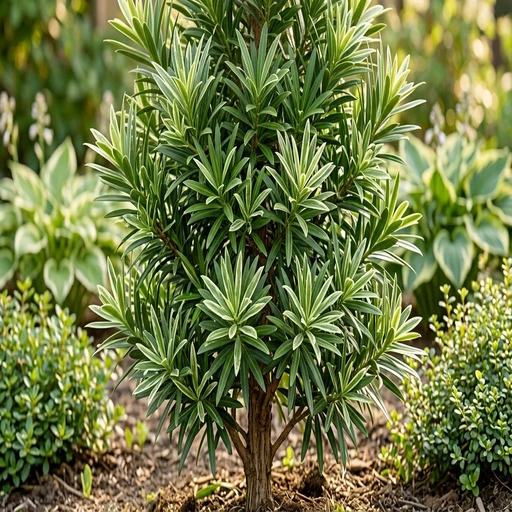
Roman Candle Podocarpus
Podocarpus macrophyllus 'Miu'
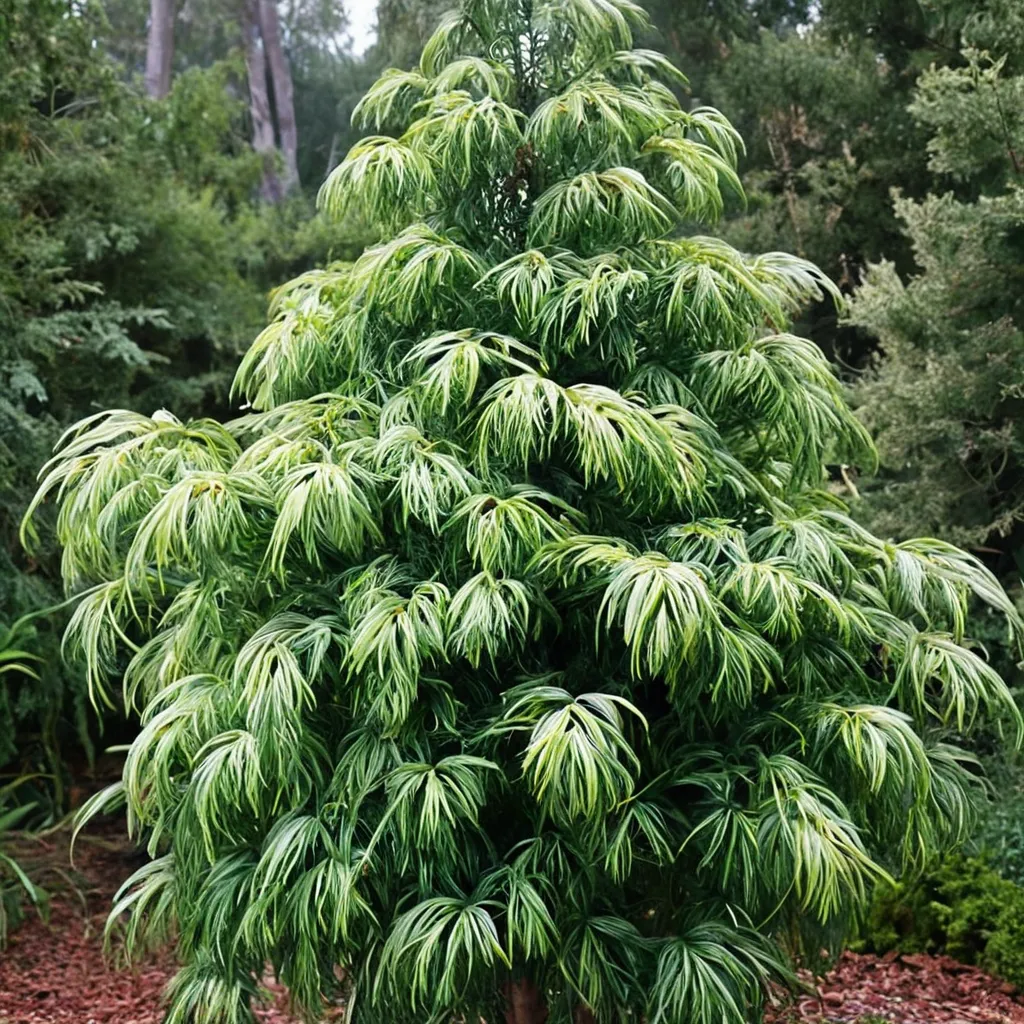
Henkel's Yellowwood
Podocarpus henkelii
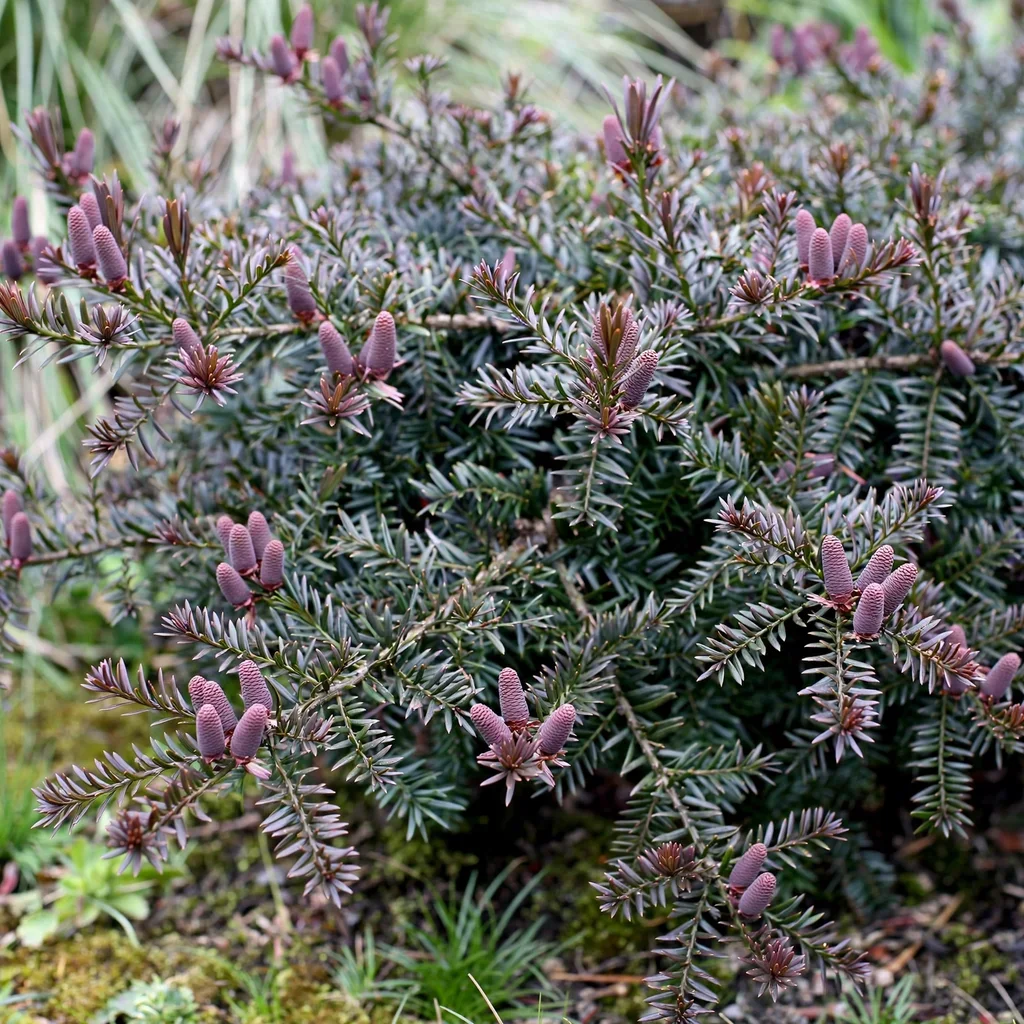
Mountain Plum-pine
Podocarpus lawrencei 'Purple King'
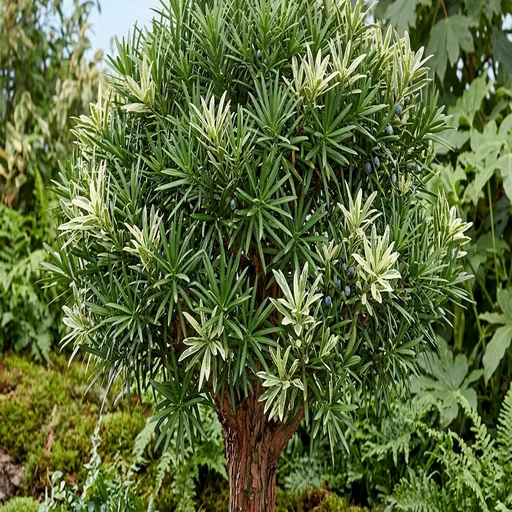
Yew Plum Pine
Podocarpus macrophyllus
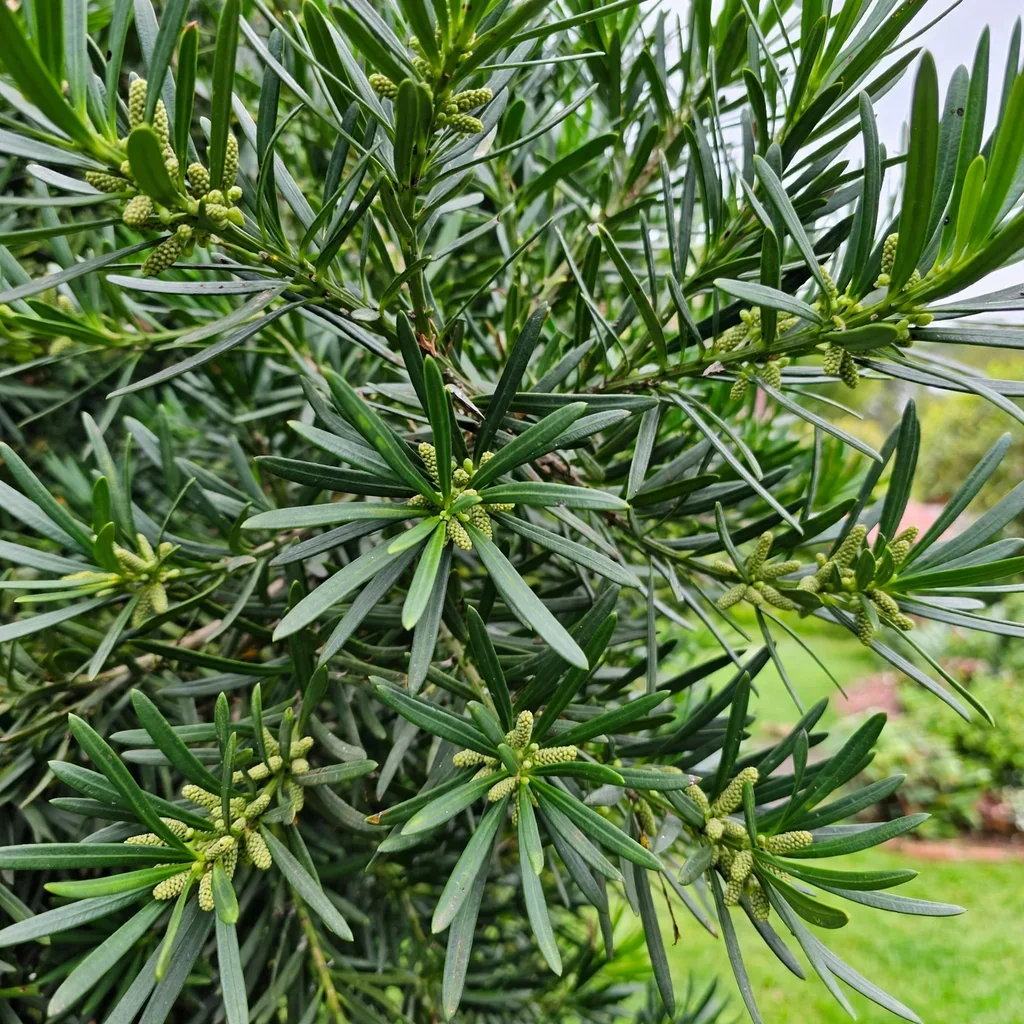
Outeniqua Yellowwood
Podocarpus falcatus
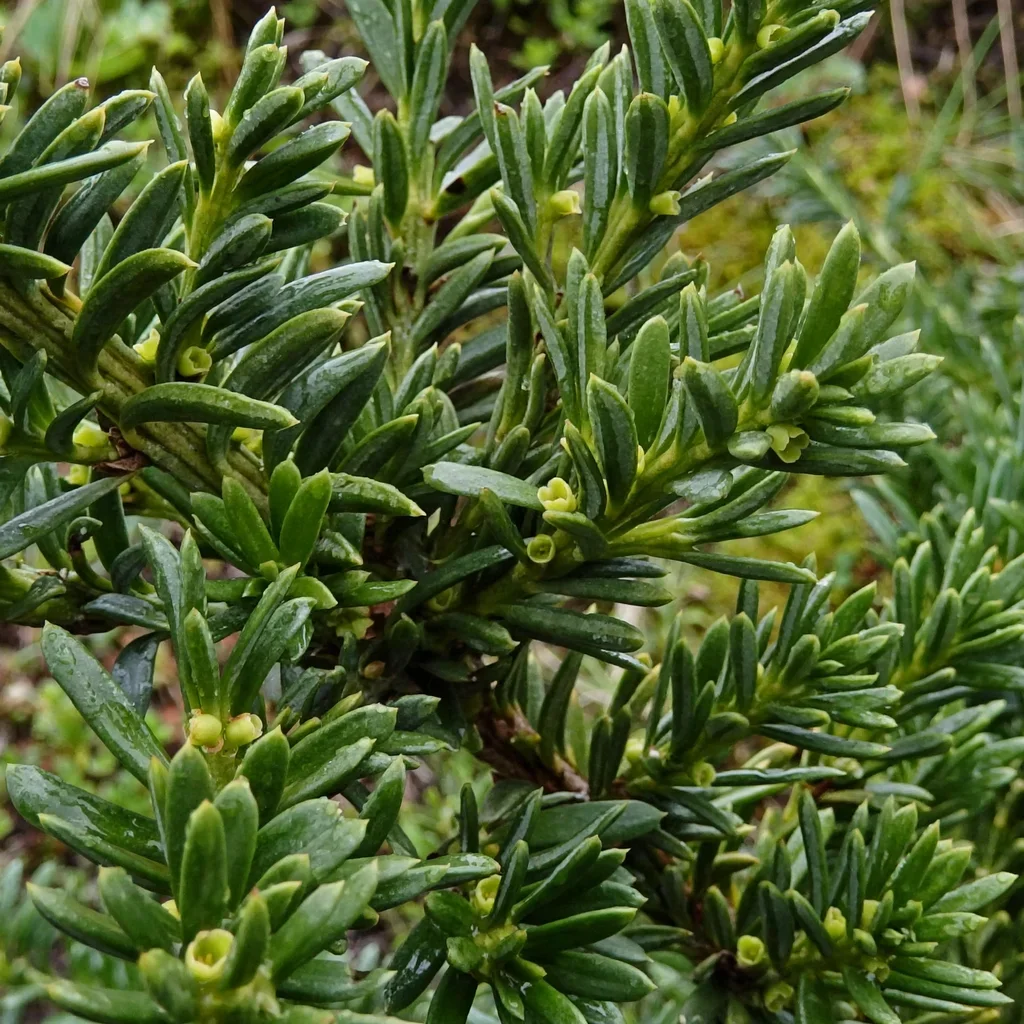
Snow Podocarp
Podocarpus nivalis 'Female Form'
Keep exploring
Explore the genus
Hardy in your zone?
Grow Illawarra Plum with confidence
See it in a design of your actual yard, get zone-matched care reminders, and track it season by season in your garden journal.