The Story
Plant Bio
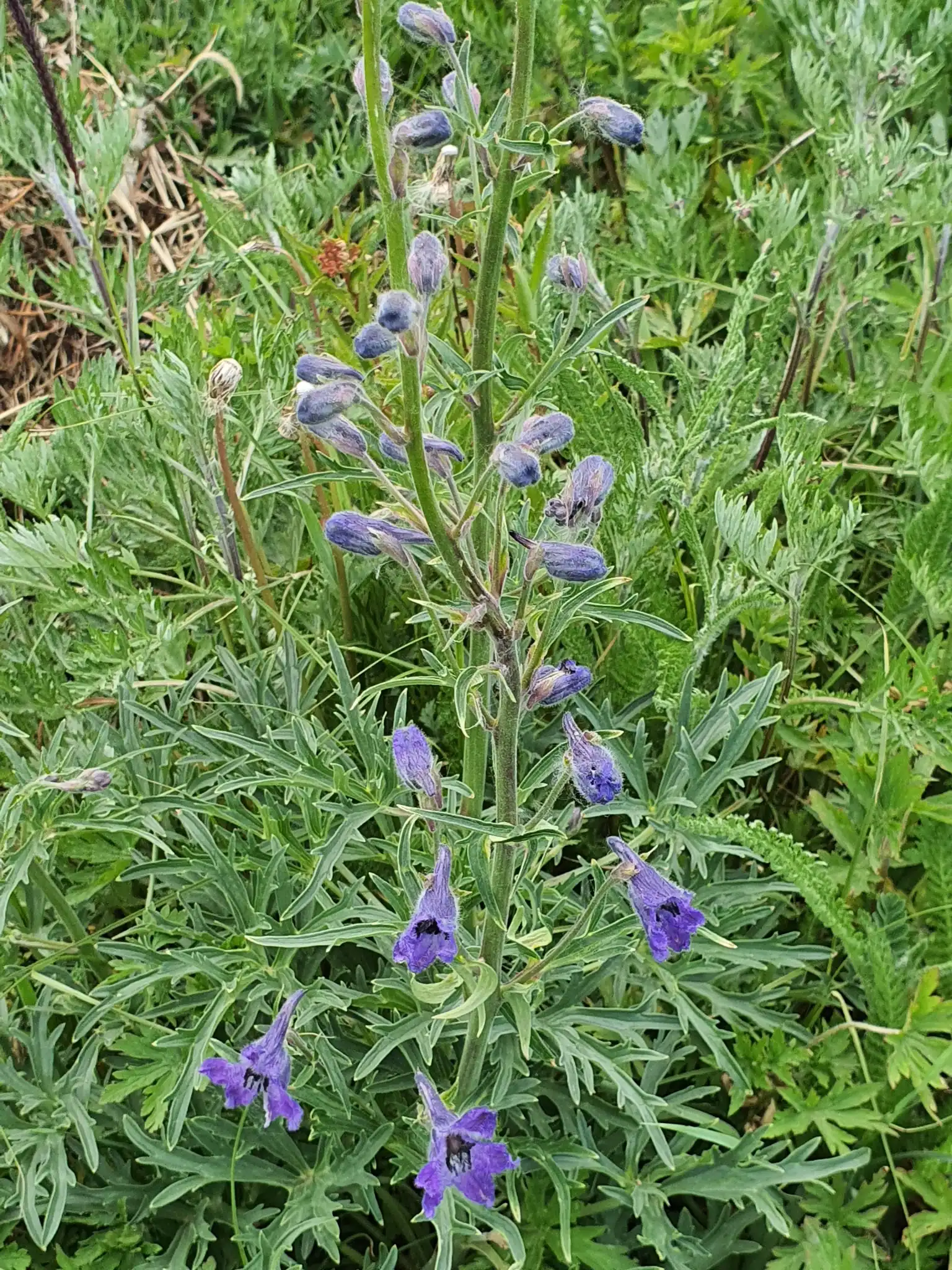
Delphinium grandiflorum, the Chinese delphinium, is a short-lived herbaceous perennial reaching twelve to twenty-four inches in height, featuring deeply divided, bright green foliage and a bushy, free-branching habit. Unlike its taller relatives, this species does not require staking and produces loose racemes of spurred, intense blue, purple, pink, or white flowers from spring through early fall.
This species is distinguished by its compact, mounded growth habit and significantly better tolerance to heat and dry conditions than classic garden delphiniums. It functions primarily as a biennial or short-lived perennial, typically lasting only two to three years before requiring replacement.
Uses & Benefits:
Essentials
At a Glance
Plant Type
Perennial
Height
24"
Width
18"
Light
Full Sun, Partial Sun
Zones
4, 5, 6, 7
Water
Medium
Humidity
Low
Lifespan
Short-lived perennial (2-3 years)
Native To
Asia
Toxicity
Highly Toxic
Bloom period
Spring – Fall
In flower about 9 months of the year
Planting
How to Grow
- Select a planting site in full sun with fertile, organically rich, and exceptionally well-drained loamy soil.
- Incorporate compost into the planting hole to improve soil structure and ensure a neutral to slightly alkaline pH.
- Set the plant so the crown sits slightly above the surrounding soil line to prevent water from pooling around the stems.
- Water deeply and regularly to keep the soil evenly moist, applying a layer of mulch to cool the roots without touching the crown.
Pro Tip
Propagate new plants from seed or basal cuttings rather than dividing established clumps; division severely compromises the root system and shortens the lifespan of this already short-lived species.
Keep It Thriving
Care Guide
Do
- Deadhead spent flower spikes regularly to stimulate continuous blooming and prolong the plant's lifespan.
- Apply a balanced organic fertilizer during the active spring and summer growing seasons.
- Provide light afternoon shade in regions with intensely hot summer climates.
Don't
- Do not allow the soil to become waterlogged, especially during winter, as soggy conditions trigger rapid root rot.
- Do not cut back into old, leafless woody stems when pruning.
- Do not attempt to divide mature clumps, which drastically shortens their remaining lifespan.
Seasonal Care Calendar
| Task | Jan | Feb | Mar | Apr | May | Jun | Jul | Aug | Sep | Oct | Nov | Dec |
|---|---|---|---|---|---|---|---|---|---|---|---|---|
| Deadhead | ||||||||||||
| Fertilize | ||||||||||||
| Pest Check | ||||||||||||
| Winter Prep |
Watch Out For
Pests & Diseases
Common Pests
Common Diseases
In the Garden
Landscape Uses & Companions
Landscape Uses
Multiply
Propagation Methods
Good to Know
Common Questions
Chinese Delphinium questions
What zones can Chinese Delphinium grow in?
Chinese Delphinium is hardy in USDA Zones 4–7. Inside that range it survives winter in the ground; outside it, grow it as an annual or a container plant you protect.
Is Chinese Delphinium deer resistant?
Yes — Chinese Delphinium is rated deer-resistant. Deer typically pass it over, though extreme hunger can override any plant's defenses.
When does Chinese Delphinium bloom?
Chinese Delphinium typically blooms in spring through fall. Exact timing shifts a week or two with your zone — Sow's bloom calendar maps it to your garden.
Does Chinese Delphinium need full sun?
Chinese Delphinium does best in full sun to part shade. In hot climates, afternoon shade keeps blooms fresher longer.
More Delphinium to compare
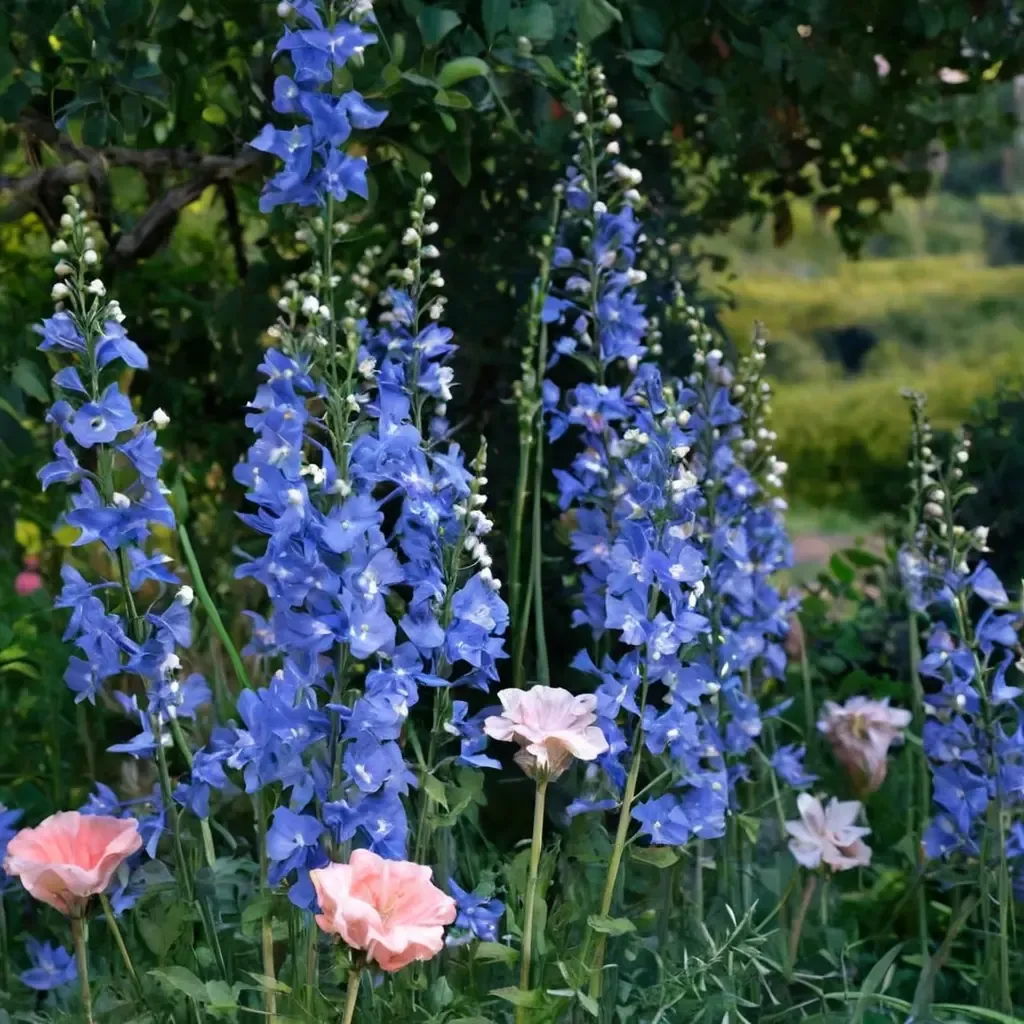
Delphinium 'Double Blue'
Delphinium elatum 'Double Blue'
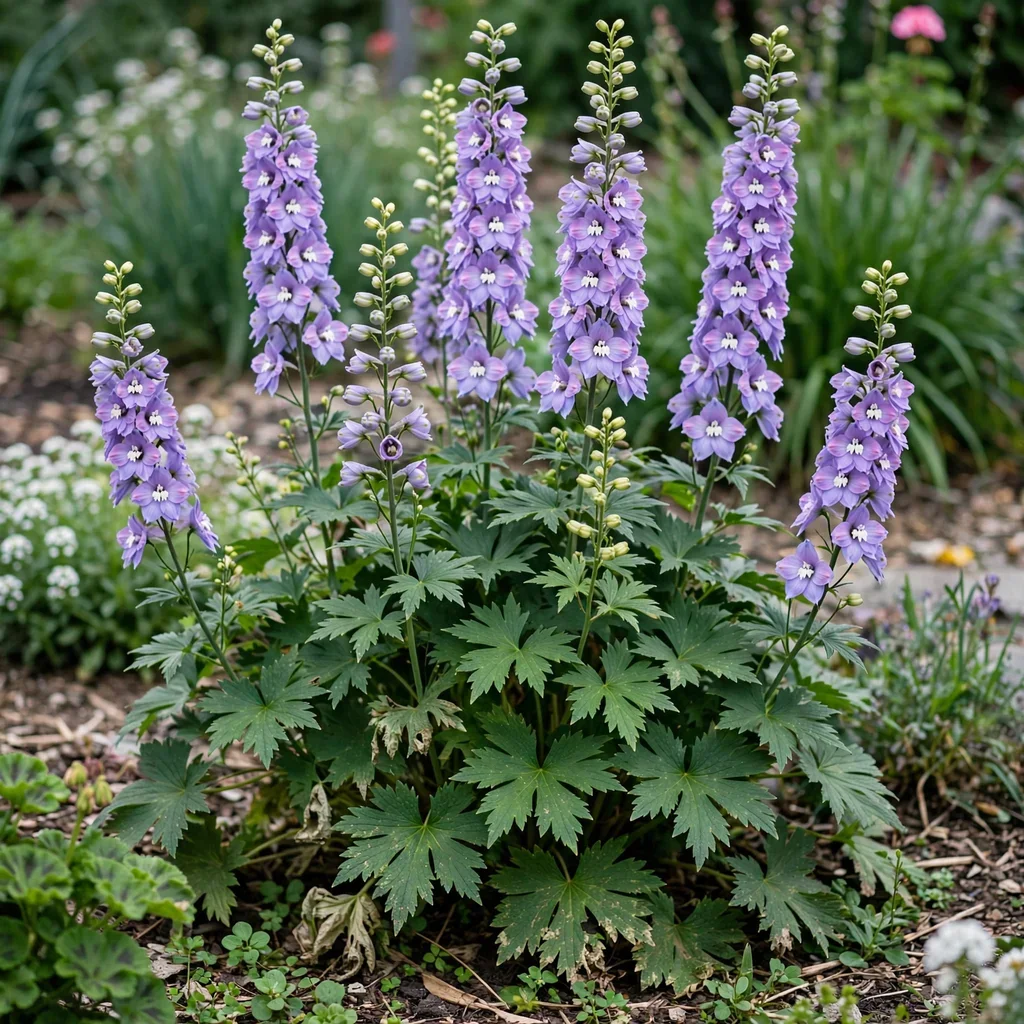
Larkspur
Delphinium elatum 'Magic Fountain Lavender'
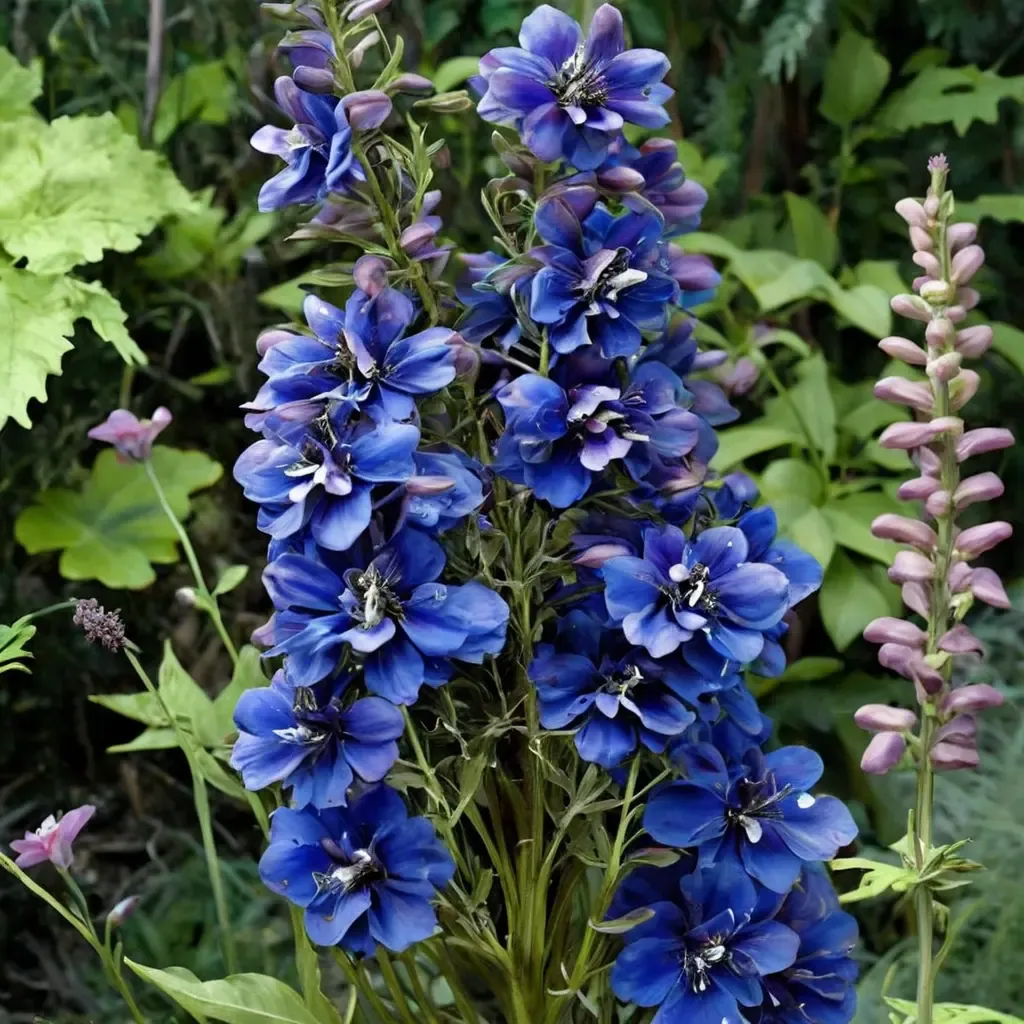
Belladonna Delphinium
Delphinium x belladonna 'Dark Blue Dark Bee'
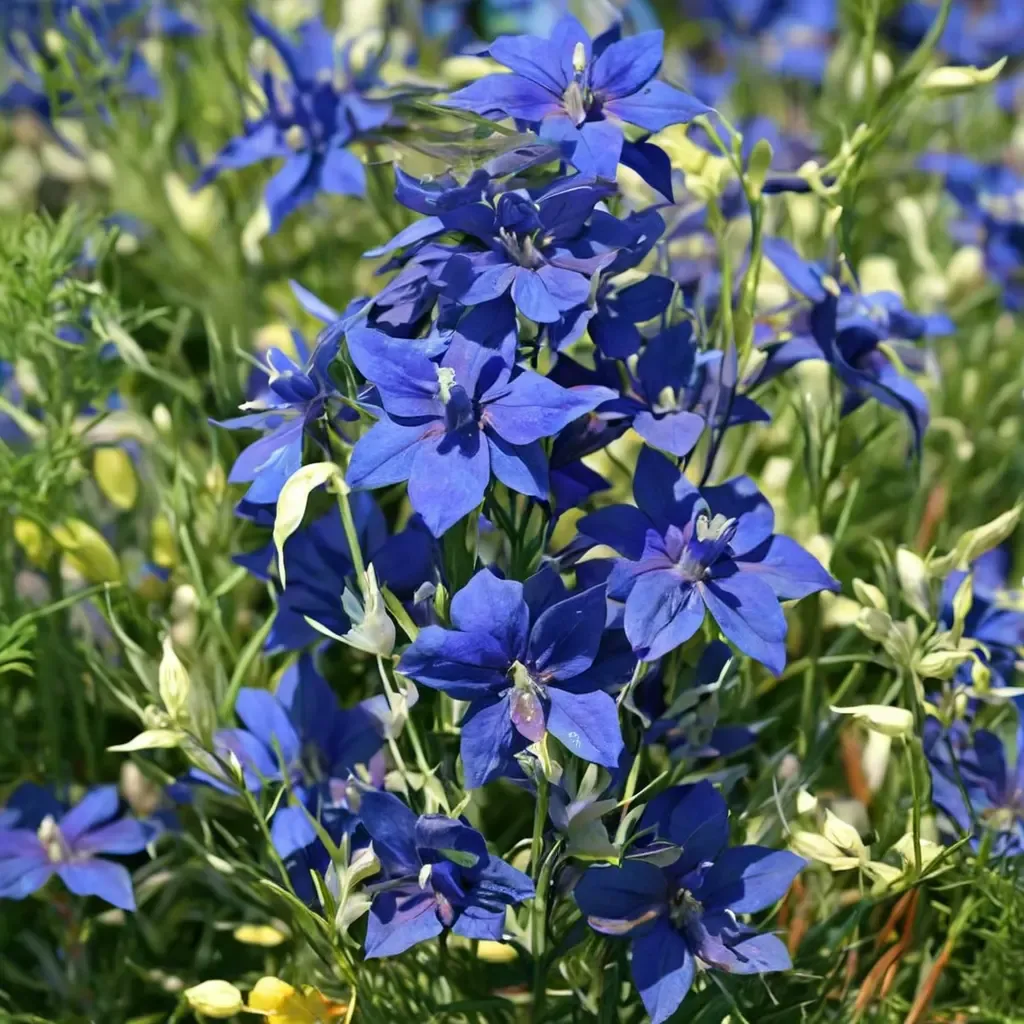
Summer Nights Larkspur
Delphinium elatum 'Summer Nights'
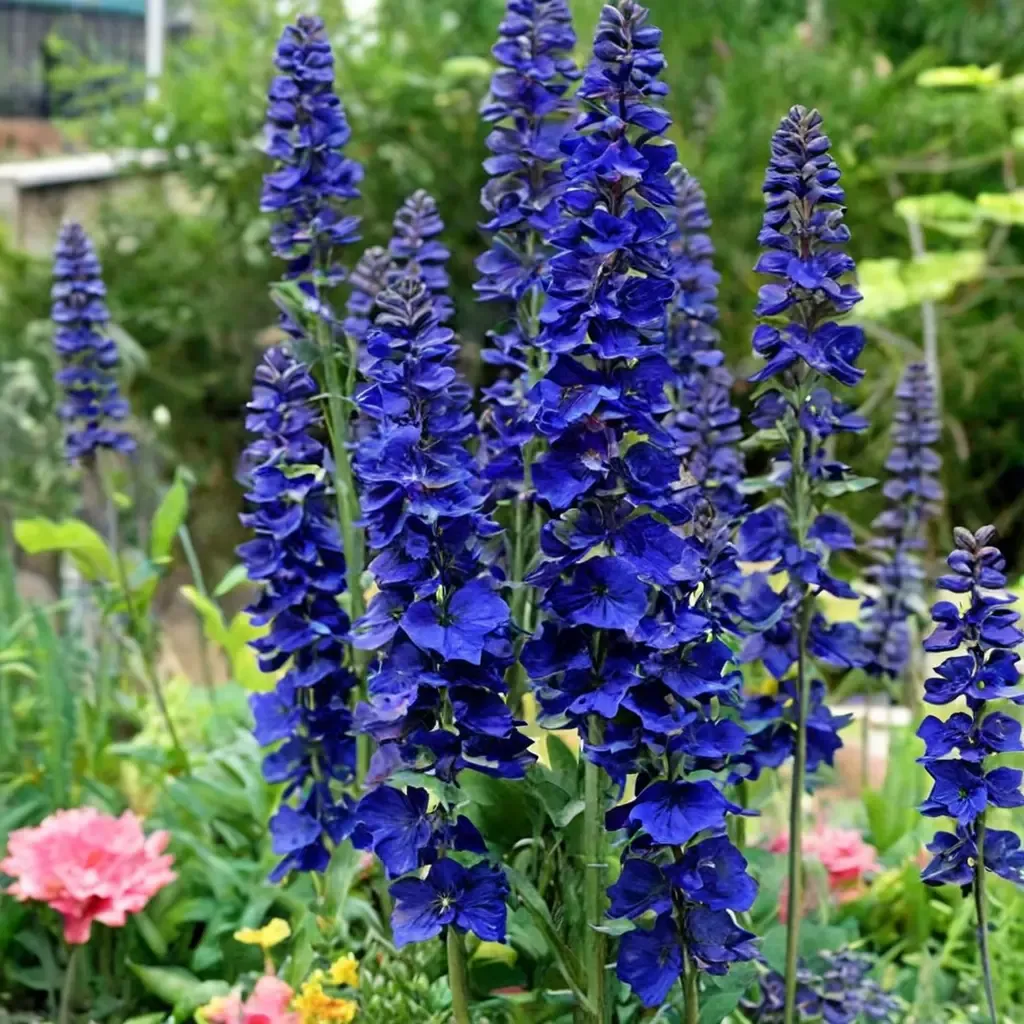
Faust Delphinium
Delphinium elatum 'Faust'
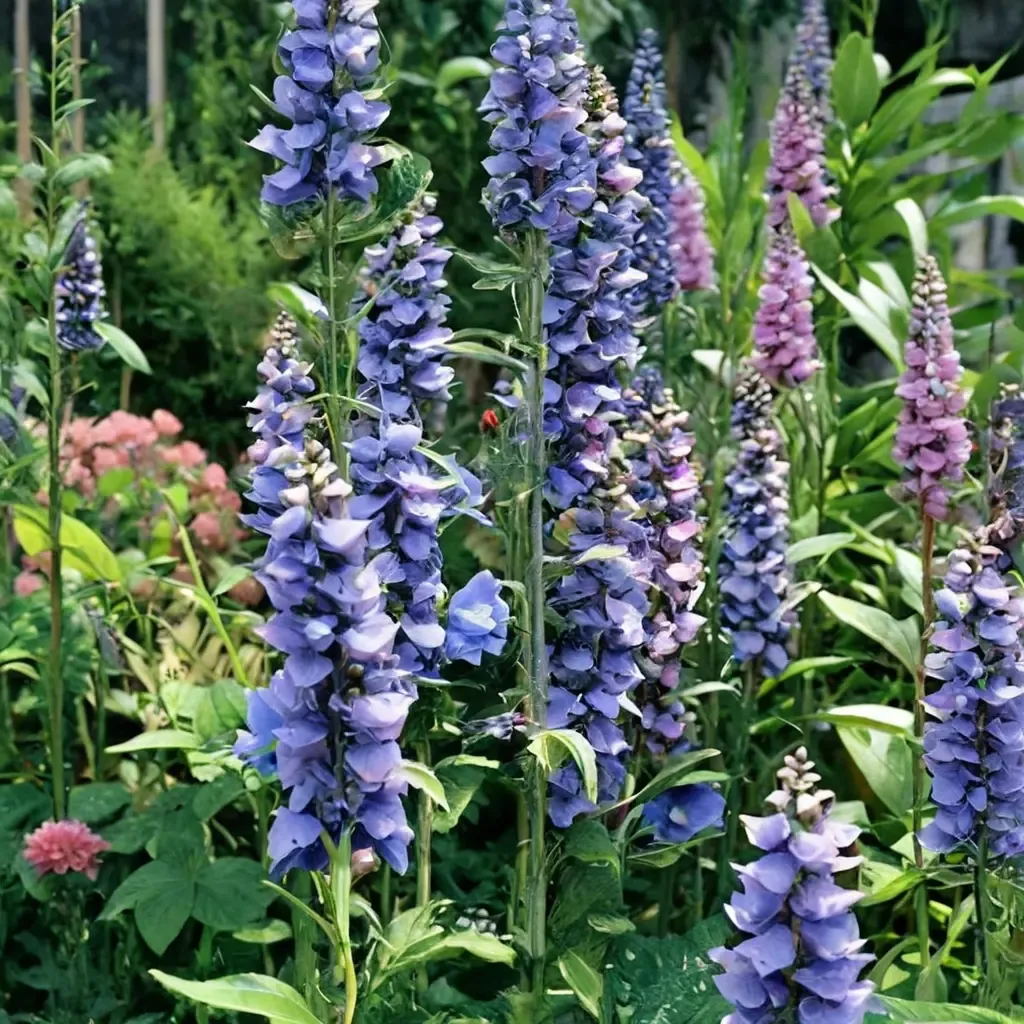
Pacific Giant Delphinium
Delphinium x belladonna 'Pacific Giant'
Keep exploring
Explore the genus
Hardy in your zone?
Grow Chinese Delphinium with confidence
See it in a design of your actual yard, get zone-matched care reminders, and track it season by season in your garden journal.