
The Story
Plant Bio
Narcissus bicolor is an erect, clumping, bulbous perennial native to Western and Central Europe, producing narrow, strap-shaped basal foliage that emerges blue-green. In early to midspring, solitary flowers rise on leafless scapes, displaying a two-toned structure of white or pale yellow petals surrounding a golden-yellow trumpet.
This species is distinguished by its pronounced two-toned floral coloration and high frost tolerance, allowing it to naturalize reliably across cold-winter regions. The bulbs contain toxic alkaloids that render the entire plant unpalatable to deer, rabbits, and other browsing wildlife.
Uses & Benefits:
Essentials
At a Glance
Plant Type
Bulb Corm Tuber
Height
18"
Width
6"
Light
Full Sun, Partial Sun
Zones
4, 5, 6, 7, 8
Water
Medium
Humidity
Moderate
Lifespan
Perennial
Native To
Europe
Toxicity
Toxic to human and animal ingestion; sap causes skin irritation
Bloom period
Early spring – Midspring
In flower about 2 months of the year
Planting
How to Grow
- Select a planting site with organically rich, well-draining loam that receives full sun to partial shade.
- Plant bulbs in the fall at a depth of three times the bulb's height, pointing the nose upward.
- Water thoroughly after planting to settle the soil and initiate root development before winter.
- Apply a low-nitrogen, high-potassium fertilizer in early spring as new green shoots emerge.
Pro Tip
Leave the green foliage completely intact after flowering until it yellows and withers naturally in late spring; cutting or braiding the leaves starves the bulb of photosynthetic energy and reduces future blooms.
Keep It Thriving
Care Guide
Do
- Deadhead spent flowers immediately after blooming to prevent energy loss to seed production.
- Ensure excellent soil drainage to prevent basal rot and bulb decay.
- Allow foliage to yellow and die back completely before removing it.
Don't
- Do not plant bulbs in heavy, compacted clay soils or waterlogged areas.
- Never cut, tie, or braid green leaves after the flowering period ends.
- Do not apply high-nitrogen fertilizers, which promote excessive foliage at the expense of blooms.
Seasonal Care Calendar
| Task | Jan | Feb | Mar | Apr | May | Jun | Jul | Aug | Sep | Oct | Nov | Dec |
|---|---|---|---|---|---|---|---|---|---|---|---|---|
| Deadhead | ||||||||||||
| Divide | ||||||||||||
| Fertilize | ||||||||||||
| Plant |
Watch Out For
Pests & Diseases
Common Pests
Common Diseases
In the Garden
Landscape Uses & Companions
Landscape Uses
Companion Plants
Multiply
Propagation Methods
Good to Know
Common Questions
Bicolor Daffodil questions
What zones can Bicolor Daffodil grow in?
Bicolor Daffodil is hardy in USDA Zones 4–8. Inside that range it survives winter in the ground; outside it, grow it as an annual or a container plant you protect.
Is Bicolor Daffodil deer resistant?
Yes — Bicolor Daffodil is rated deer-resistant. Deer typically pass it over, though extreme hunger can override any plant's defenses.
When does Bicolor Daffodil bloom?
Bicolor Daffodil typically blooms in early spring through midspring. Exact timing shifts a week or two with your zone — Sow's bloom calendar maps it to your garden.
Does Bicolor Daffodil need full sun?
Bicolor Daffodil does best in full sun to part shade. In hot climates, afternoon shade keeps blooms fresher longer.
Is Bicolor Daffodil drought tolerant?
Yes — once established (usually after the first full season), Bicolor Daffodil handles dry spells with minimal watering. Water deeply its first year to build the root system that makes that possible.
More Narcissus to compare
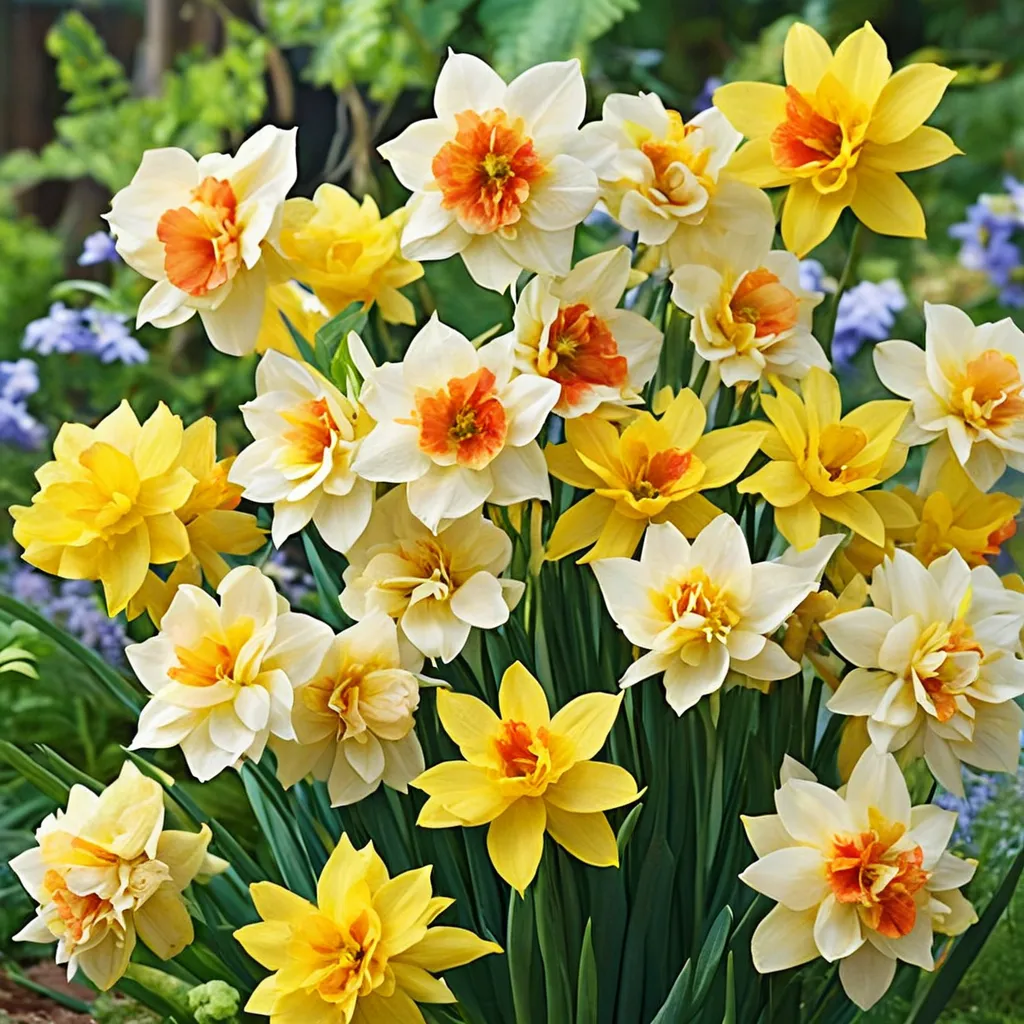
Daffodil Narcissus Hybrida Mix
Narcissus x hybrida 'Mix'
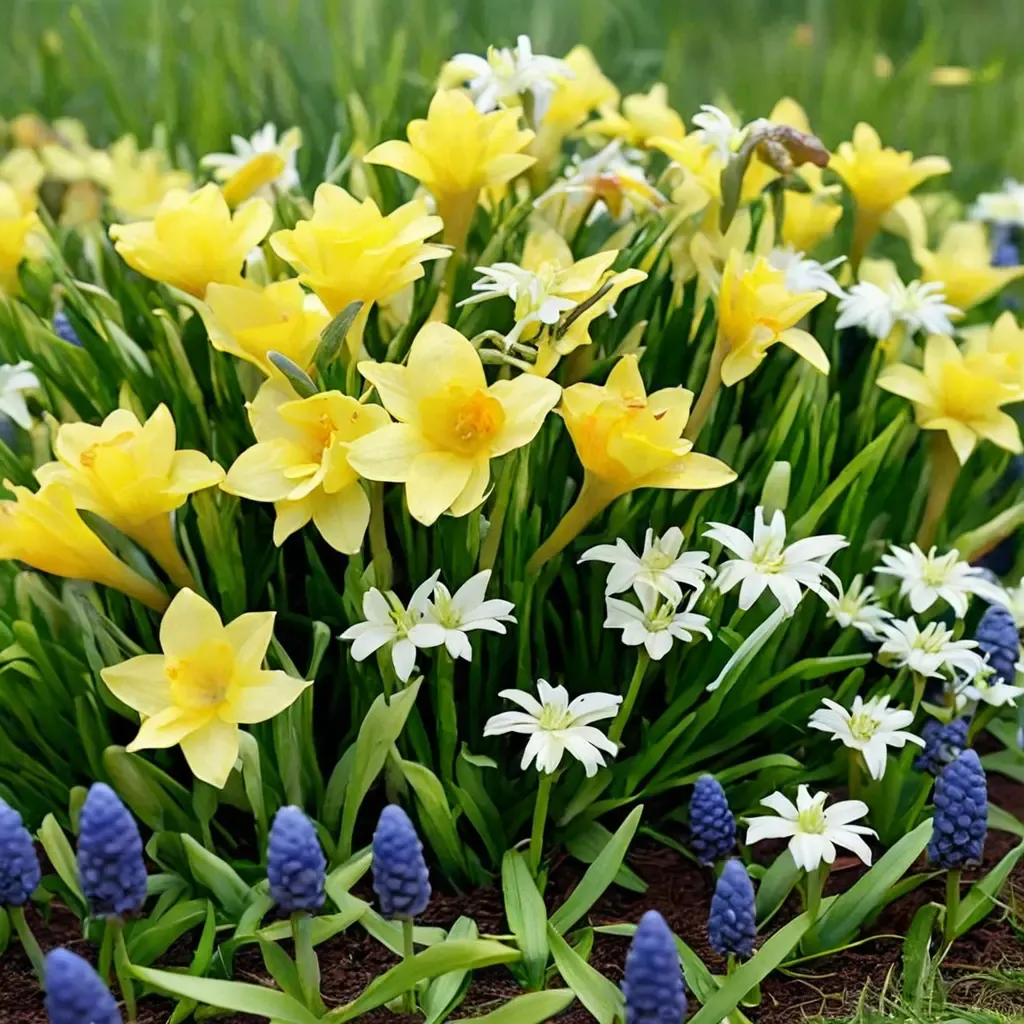
Tete-a-Tete Daffodil
Narcissus pseudonarcissus 'Tete a Tete'
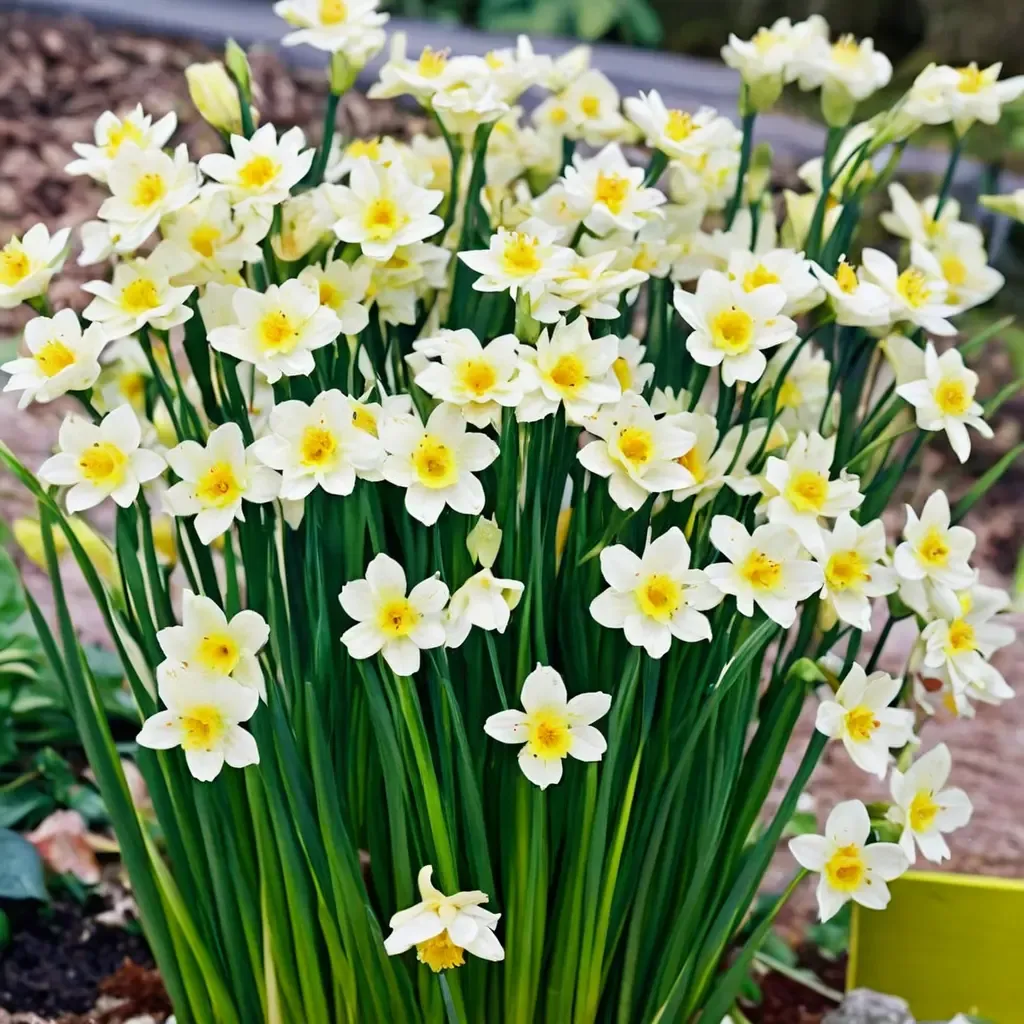
Minnow Daffodil
Narcissus tazetta 'Minnow'
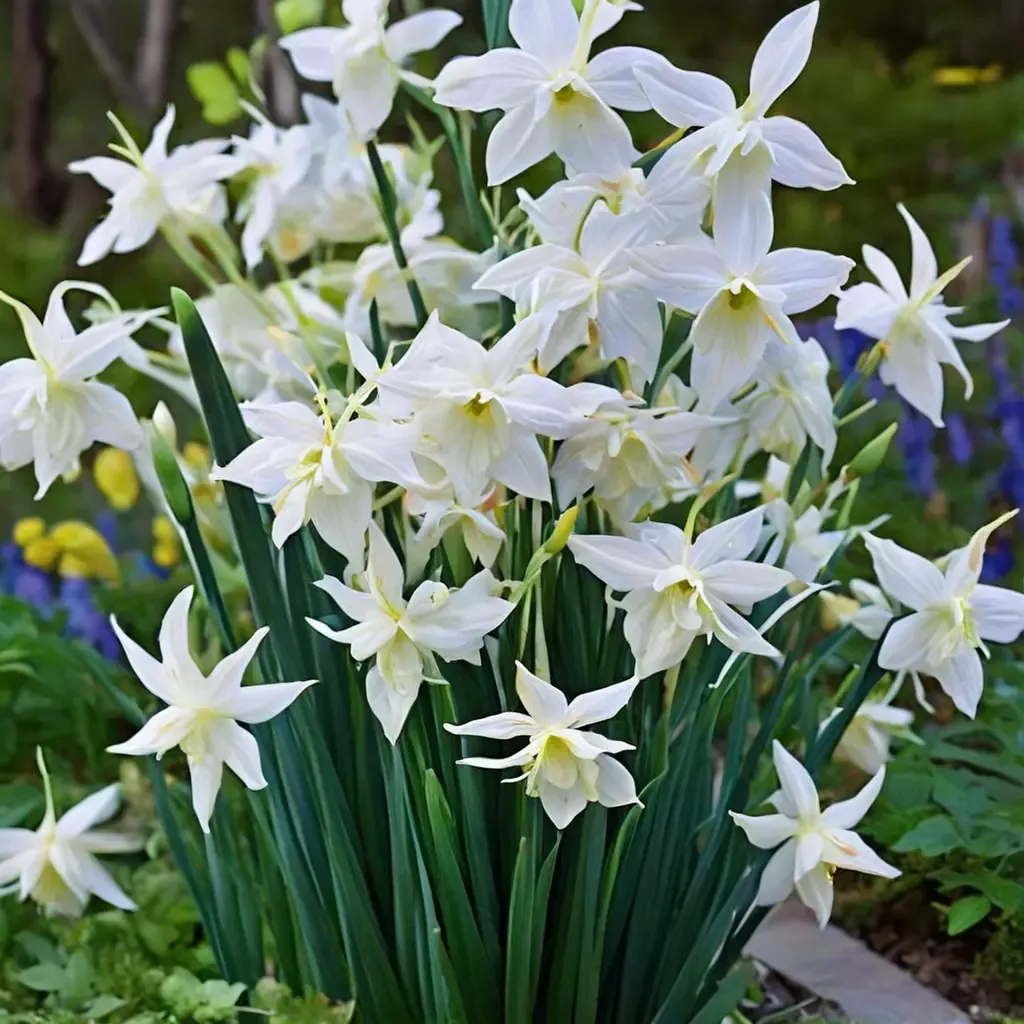
Thalia Daffodil
Narcissus triandrus 'Thalia'
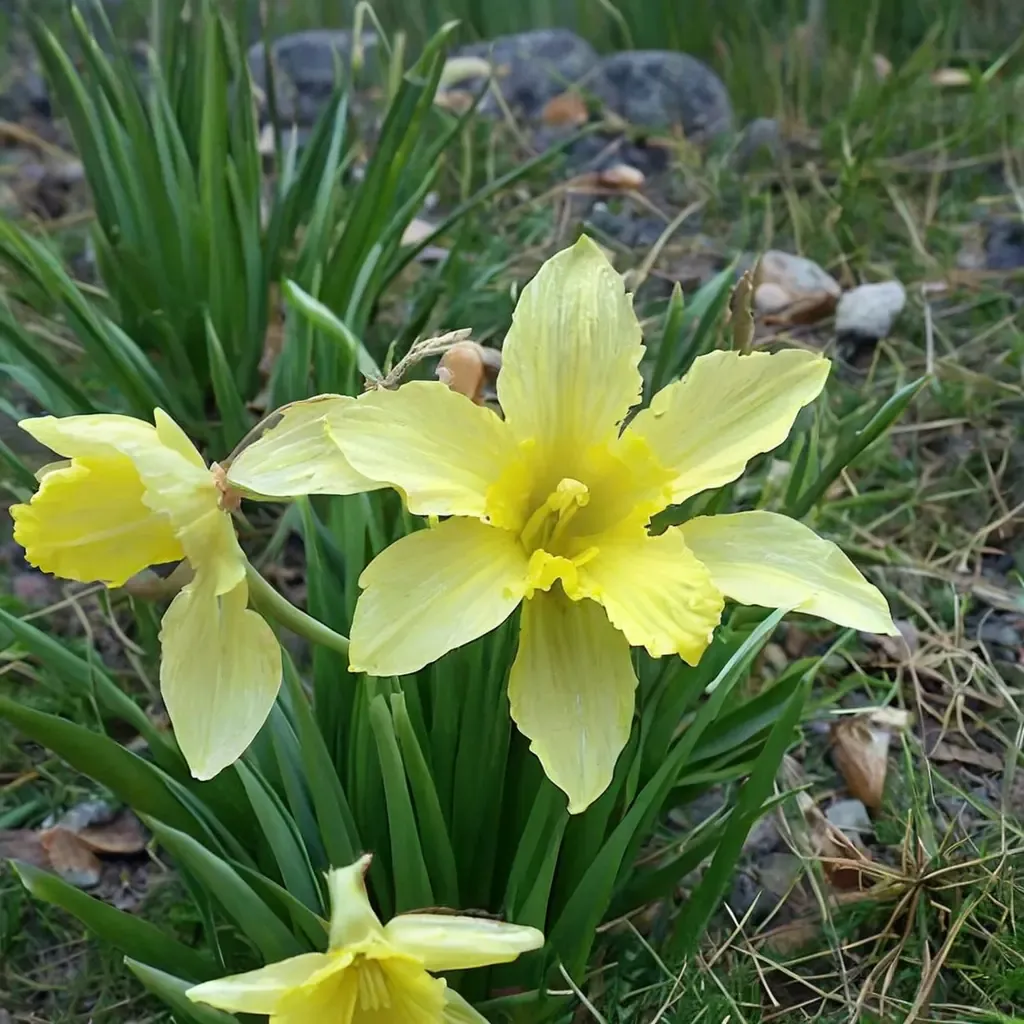
Wild Daffodil
Narcissus pseudonarcissus
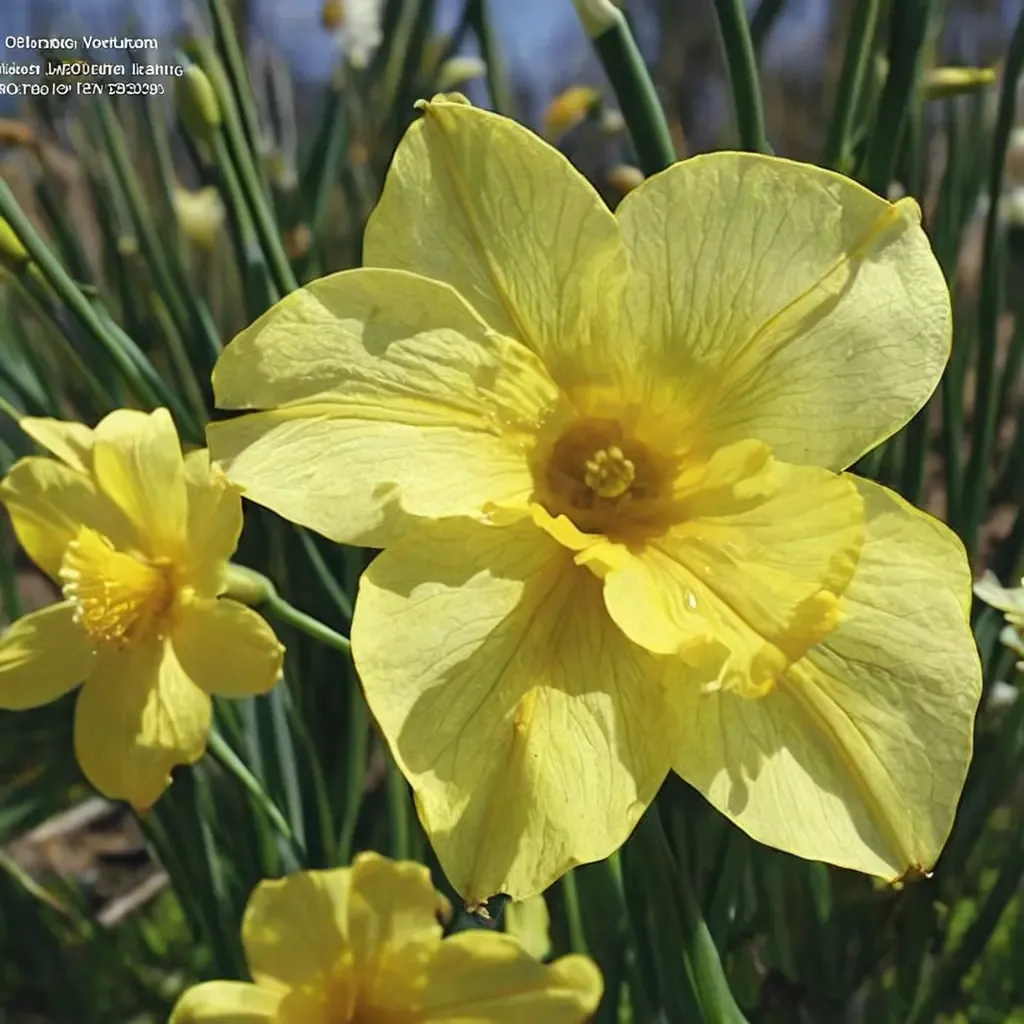
Trevithian Jonquil
Narcissus jonquilla 'Trevithian'
Keep exploring
Explore the genus
Hardy in your zone?
Grow Bicolor Daffodil with confidence
See it in a design of your actual yard, get zone-matched care reminders, and track it season by season in your garden journal.