The Story
Plant Bio
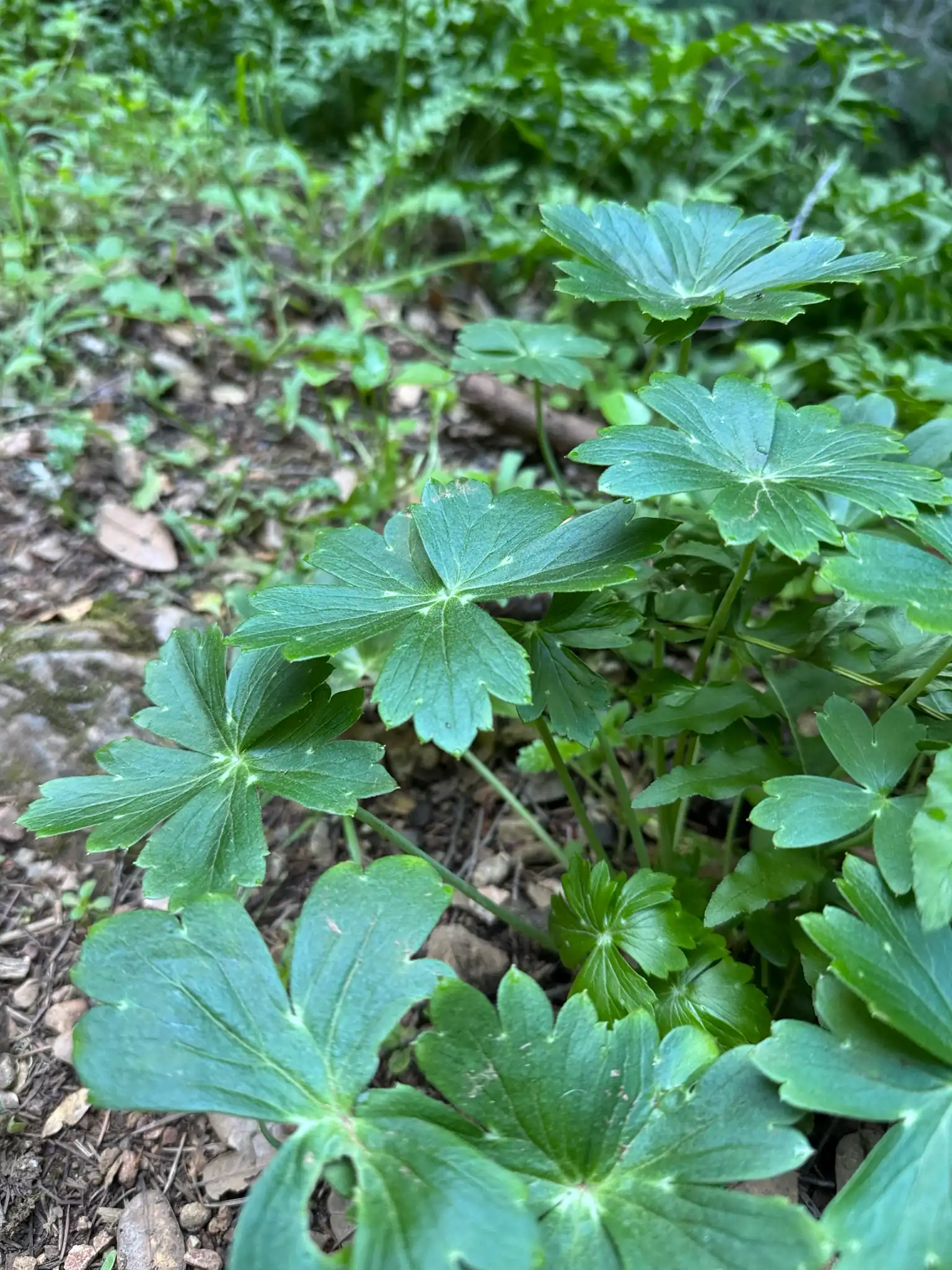
Delphinium orientale is an erect, slender annual wildflower native to the Mediterranean basin, characterized by deeply divided, palmate foliage and terminal racemes of spurred flowers. The plant grows as a single stem or branches sparsely near the top, with lower leaves withering early as the flowering spikes develop.
This species is distinguished by its finely dissected upper leaves and dense, upright spikes of violet, blue, pink, or white blossoms that appear from spring through summer. Unlike perennial delphiniums, it functions as a hardy annual or short-lived self-seeding plant well-suited to dry, sunny borders.
Uses & Benefits:
Essentials
At a Glance
Plant Type
Annual
Height
24"
Width
12"
Light
Full Sun
Zones
4, 5, 6, 7, 8, 9
Water
Low to Moderate
Humidity
Low
Lifespan
Annual
Native To
Europe, North Africa, Southwest Asia
Toxicity
Highly Toxic
Bloom period
Spring – Summer
In flower about 6 months of the year
Planting
How to Grow
- Select a planting site in full sun with neutral to alkaline, sandy or loamy soil that drains rapidly.
- Sow seeds directly onto the soil surface in fall or early spring, pressing them lightly into the earth as they require darkness and cold temperatures to germinate.
- Water sparingly once seedlings emerge, keeping the soil lightly moist but never saturated to prevent damping-off.
- Thin young plants to stand six to twelve inches apart to allow adequate air circulation and reduce the risk of powdery mildew.
Pro Tip
Sow seeds directly into well-drained soil in fall or early spring; transplanting established seedlings often fails due to their sensitive root systems.
Keep It Thriving
Care Guide
Do
- Deadhead spent flower spikes to encourage a secondary flush of blooms and manage self-seeding.
- Wear gloves when handling the foliage to prevent potential contact dermatitis.
- Apply a light, balanced organic fertilizer in spring if planting in exceptionally poor soils.
Don't
- Do not overwater or plant in heavy, poorly drained clay soils, which trigger root rot.
- Do not cut back into the base of the plant expecting woody regrowth, as this is a strictly herbaceous annual.
- Do not allow livestock or pets near the plants, as all parts contain highly toxic diterpenoid alkaloids.
Seasonal Care Calendar
| Task | Jan | Feb | Mar | Apr | May | Jun | Jul | Aug | Sep | Oct | Nov | Dec |
|---|---|---|---|---|---|---|---|---|---|---|---|---|
| Deadhead | ||||||||||||
| Fertilize | ||||||||||||
| Pest Check | ||||||||||||
| Plant |
Watch Out For
Pests & Diseases
Common Pests
Common Diseases
In the Garden
Landscape Uses & Companions
Landscape Uses
Companion Plants
Multiply
Propagation Methods
Good to Know
Common Questions
Oriental Larkspur questions
What zones can Oriental Larkspur grow in?
Oriental Larkspur is hardy in USDA Zones 4–9. Inside that range it survives winter in the ground; outside it, grow it as an annual or a container plant you protect.
Is Oriental Larkspur deer resistant?
Not reliably. Deer may browse Oriental Larkspur, especially tender spring growth — plan on repellents or fencing where pressure is high.
When does Oriental Larkspur bloom?
Oriental Larkspur typically blooms in spring through summer. Exact timing shifts a week or two with your zone — Sow's bloom calendar maps it to your garden.
Does Oriental Larkspur need full sun?
Oriental Larkspur does best in full sun (6+ hours).
Is Oriental Larkspur drought tolerant?
Yes — once established (usually after the first full season), Oriental Larkspur handles dry spells with minimal watering. Water deeply its first year to build the root system that makes that possible.
More Delphinium to compare
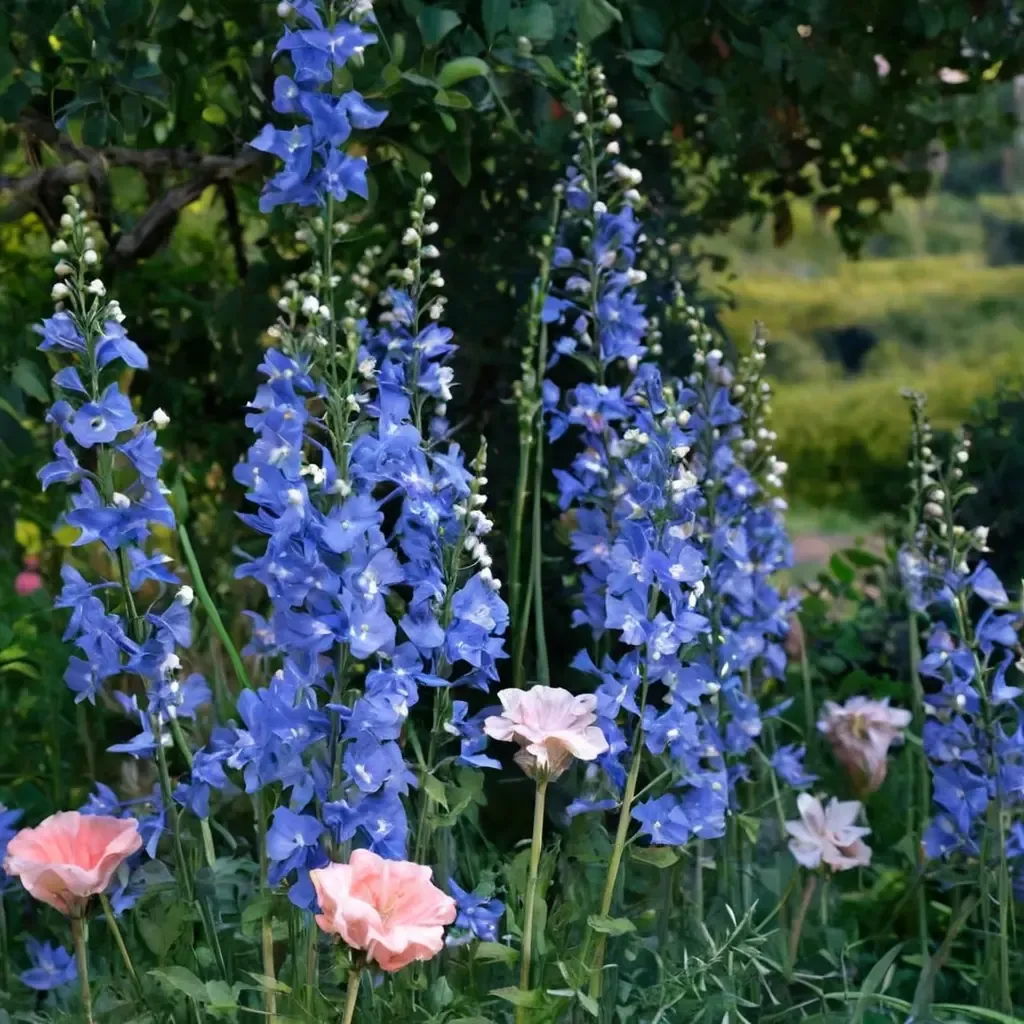
Delphinium 'Double Blue'
Delphinium elatum 'Double Blue'
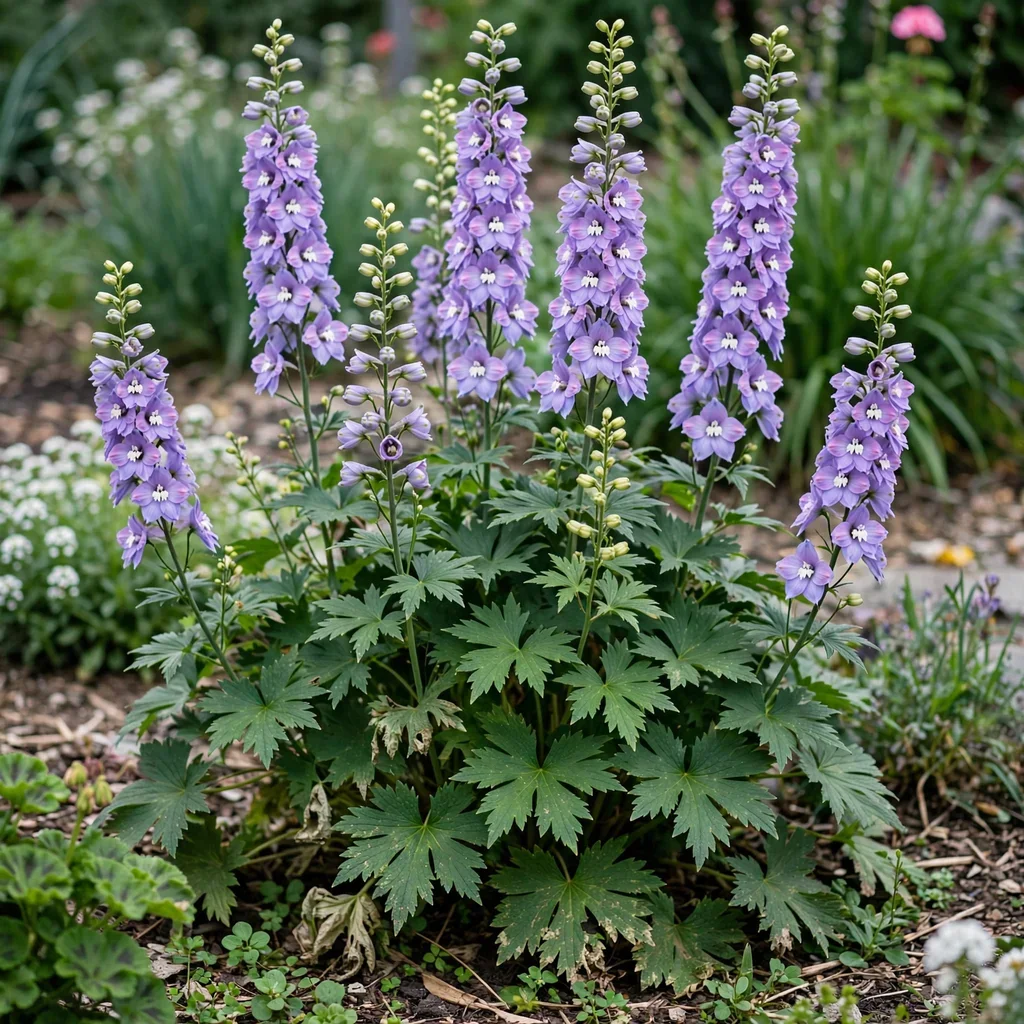
Larkspur
Delphinium elatum 'Magic Fountain Lavender'
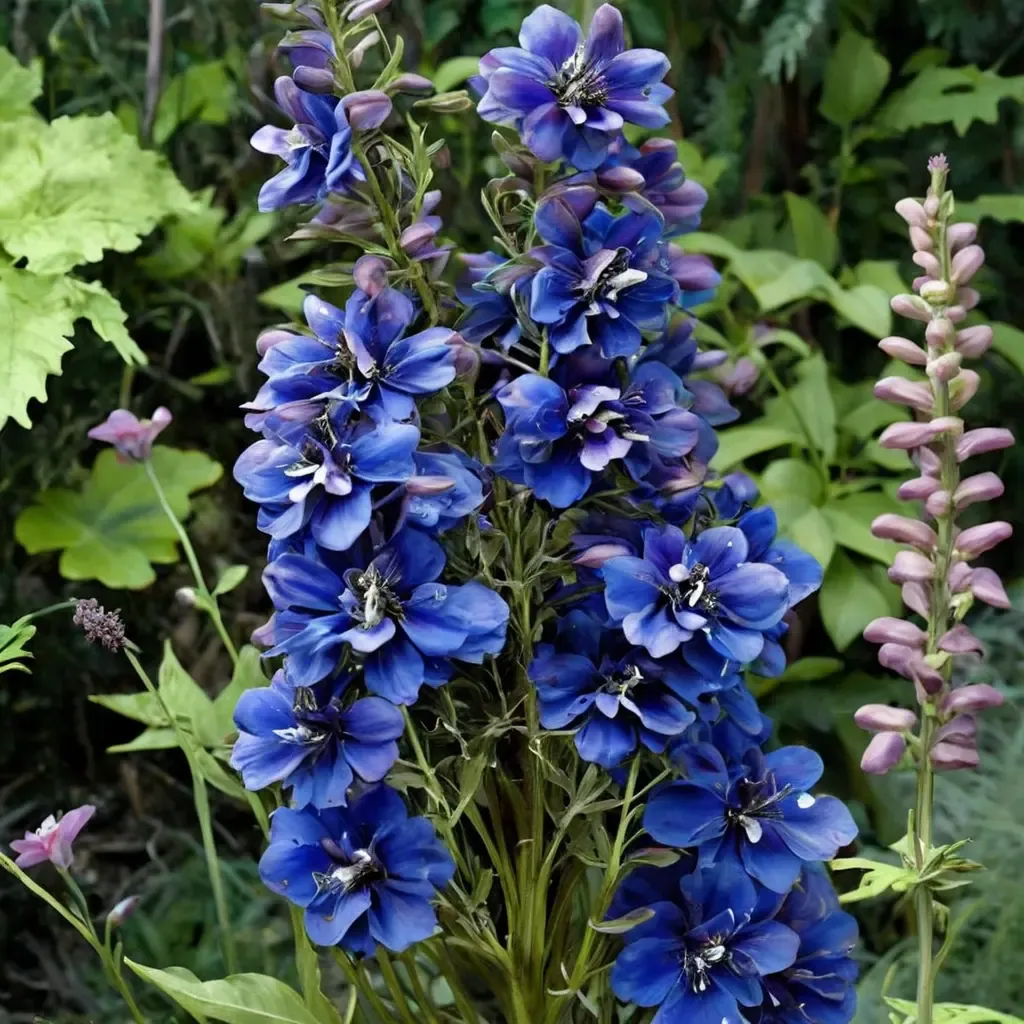
Belladonna Delphinium
Delphinium x belladonna 'Dark Blue Dark Bee'
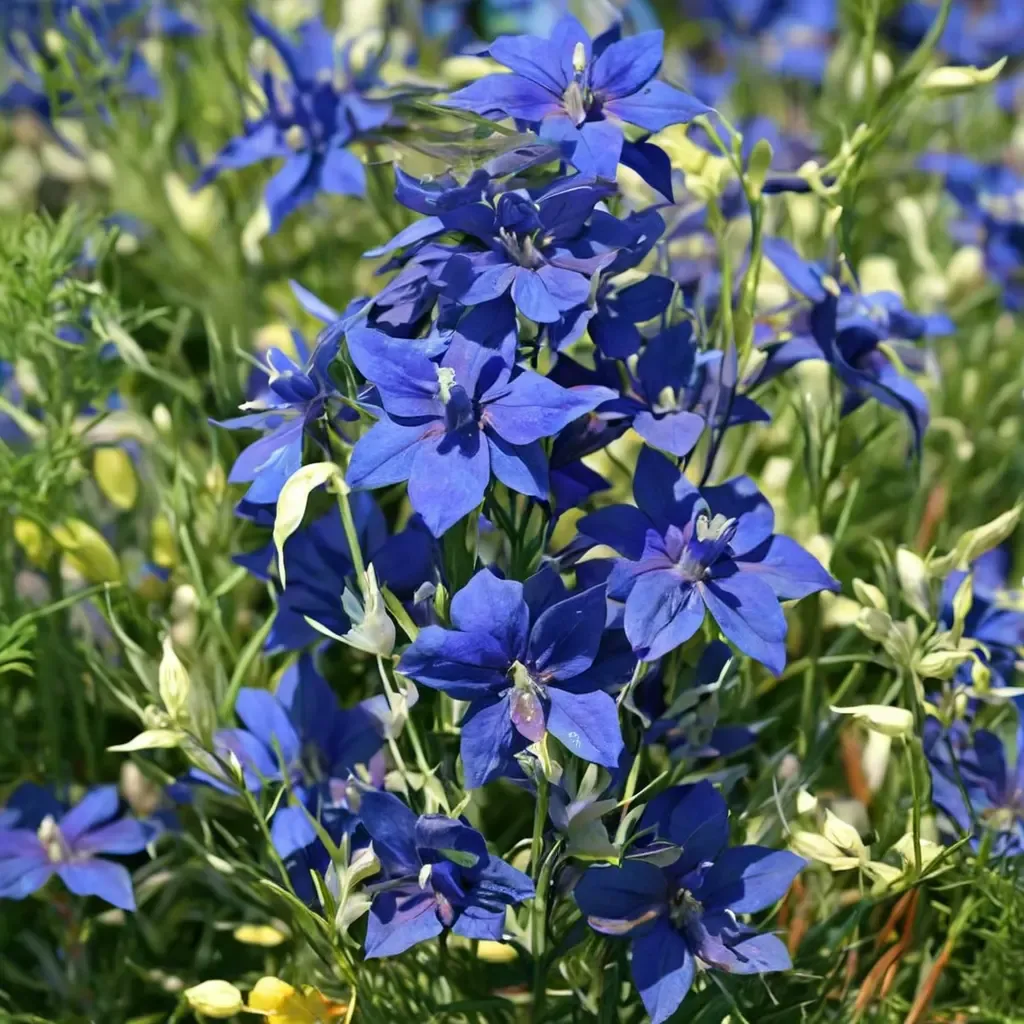
Summer Nights Larkspur
Delphinium elatum 'Summer Nights'
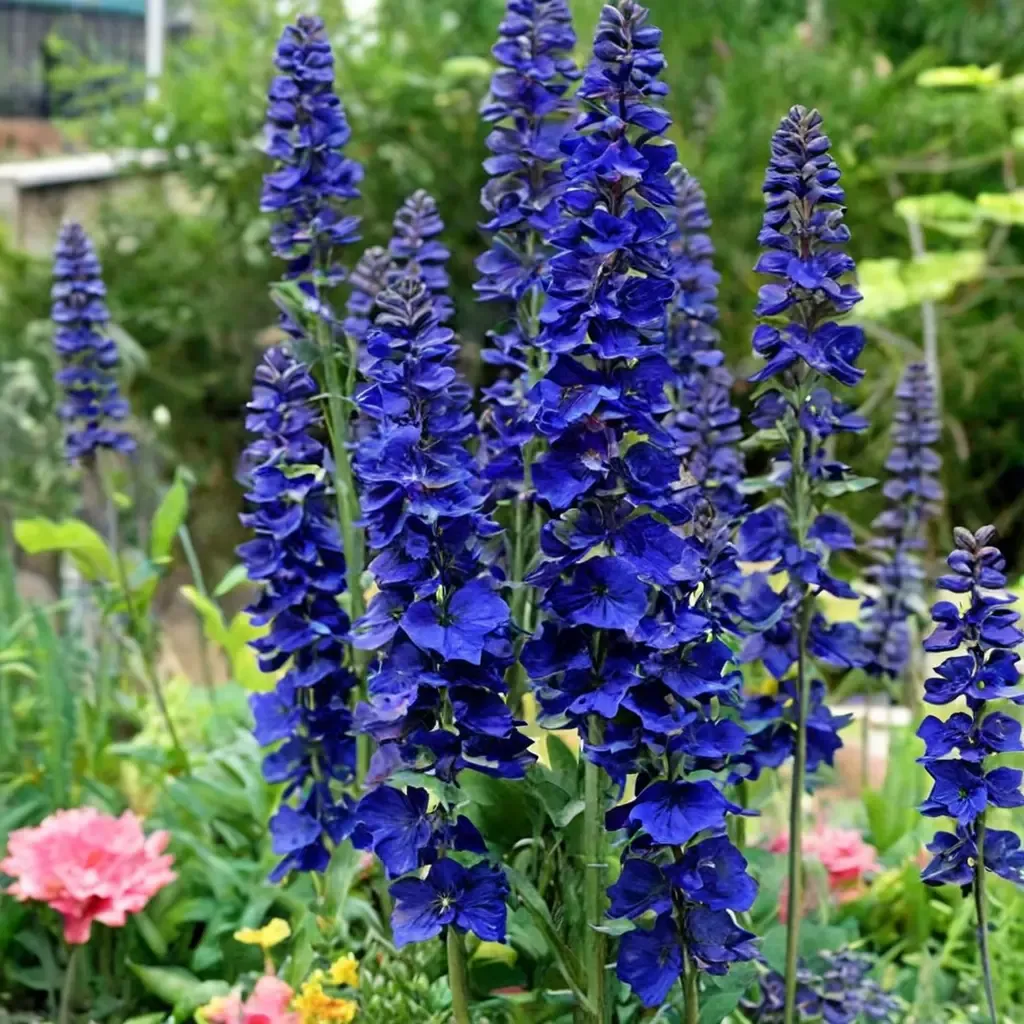
Faust Delphinium
Delphinium elatum 'Faust'
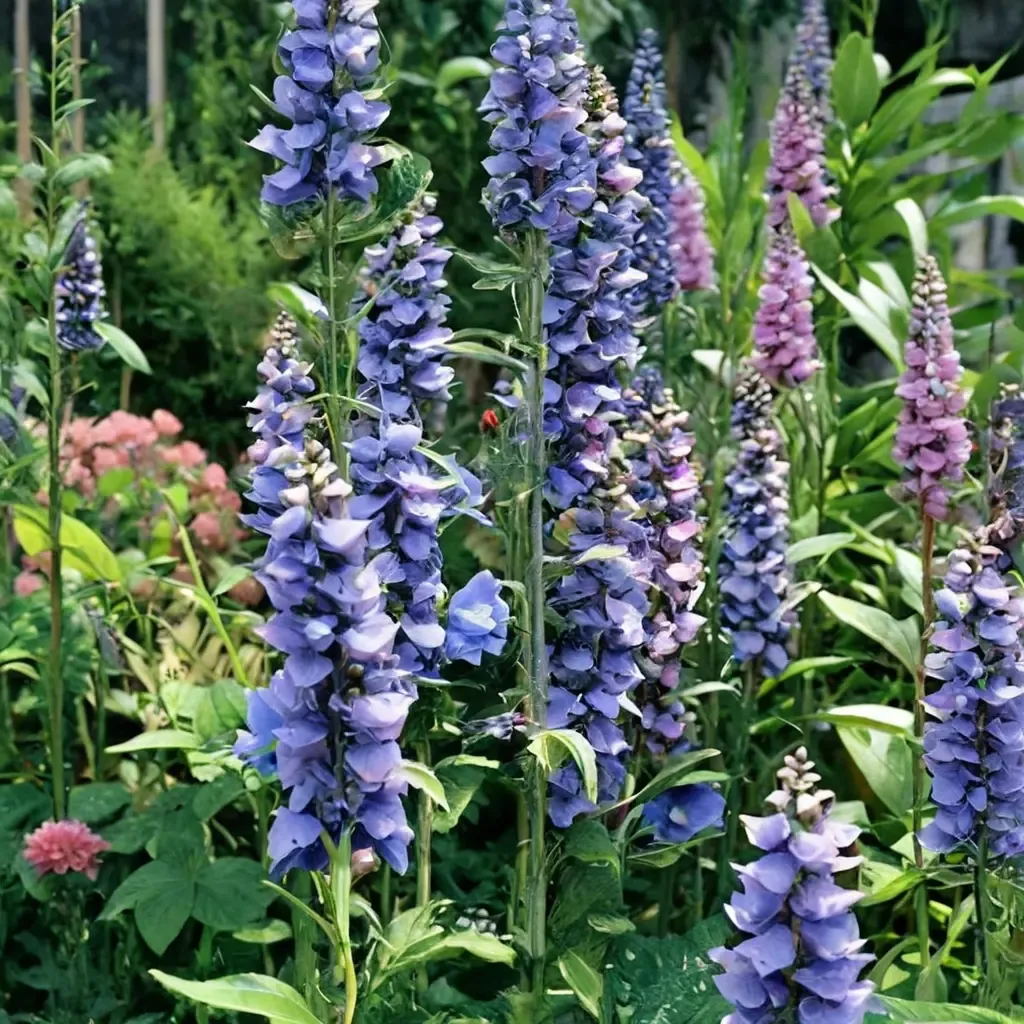
Pacific Giant Delphinium
Delphinium x belladonna 'Pacific Giant'
Keep exploring
Explore the genus
Grow Oriental Larkspur with confidence
See it in a design of your actual yard, get zone-matched care reminders, and track it season by season in your garden journal.