The Story
Plant Bio
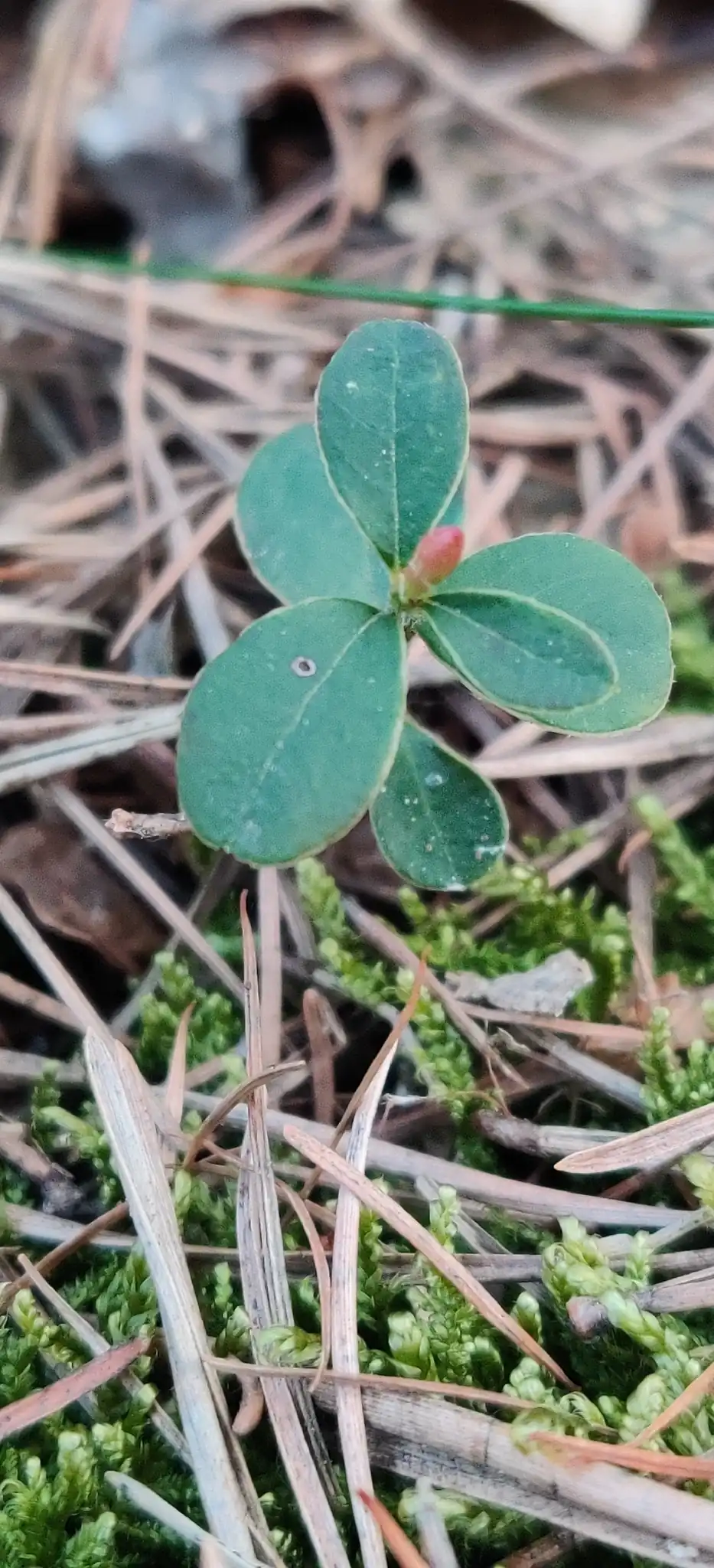
Vaccinium uliginosum, known as bog bilberry, is a low-growing, deciduous dwarf shrub native to circumboreal wetland and alpine habitats across the Northern Hemisphere. Unlike related bilberries with angled green stems, this species features round, brown branches clothed in dull blue-green, glaucous leaves with pale, net-like veins underneath.
In late spring, the shrub produces small, nodding, urn-shaped flowers of pale pink, white, or pale red from the previous year's wood, followed by edible blue-black berries. These downward-oriented flowers are adapted to pollination by native bees and butterflies rather than hummingbirds.
Uses & Benefits:
Essentials
At a Glance
Plant Type
Shrub
Height
30"
Width
40"
Light
Full Sun, Partial Sun
Zones
4, 5, 6, 7
Water
High
Humidity
High
Lifespan
Perennial
Native To
North America, Europe, Asia
Toxicity
Non-toxic
Bloom period
Late spring – Early summer
In flower about 2 months of the year
Planting
How to Grow
- Select a planting site in full sun to partial shade that mimics a bog or wet heath environment.
- Amend the soil heavily with peat moss or organic matter to achieve a highly acidic pH between 4.0 and 5.0.
- Install the plant, ensuring the shallow root system is positioned in a substrate that remains constantly moist but not stagnant.
- Apply a thick layer of organic mulch to conserve moisture and protect the shallow roots from drying out.
Pro Tip
Plant in a highly acidic, peaty substrate with constant moisture; attempting to grow this species in standard garden loam with neutral pH or intermittent dry spells causes rapid decline.
Keep It Thriving
Care Guide
Do
- Maintain constant soil moisture to prevent the shallow root system from drying out.
- Grow in highly acidic, organic-rich, peaty soils.
- Prune minimally, removing only dead or crossing branches in late winter.
Don't
- Do not plant in standard garden loam with neutral or alkaline pH.
- Do not prune heavily into old, leafless wood, as regrowth is slow and patchy.
- Do not allow the soil to dry out, as the plant has low drought tolerance.
- Do not over-fertilize; apply acidic organic fertilizers sparingly if at all.
Seasonal Care Calendar
| Task | Jan | Feb | Mar | Apr | May | Jun | Jul | Aug | Sep | Oct | Nov | Dec |
|---|---|---|---|---|---|---|---|---|---|---|---|---|
| Fertilize | ||||||||||||
| Mulch | ||||||||||||
| Pest Check | ||||||||||||
| Prune |
Watch Out For
Pests & Diseases
Common Pests
Common Diseases
In the Garden
Landscape Uses & Companions
Landscape Uses
Companion Plants
Multiply
Propagation Methods
Good to Know
Common Questions
Bog Bilberry questions
What zones can Bog Bilberry grow in?
Bog Bilberry is hardy in USDA Zones 4–7. Inside that range it survives winter in the ground; outside it, grow it as an annual or a container plant you protect.
Is Bog Bilberry deer resistant?
Not reliably. Deer may browse Bog Bilberry, especially tender spring growth — plan on repellents or fencing where pressure is high.
When does Bog Bilberry bloom?
Bog Bilberry typically blooms in late spring through early summer. Exact timing shifts a week or two with your zone — Sow's bloom calendar maps it to your garden.
Does Bog Bilberry need full sun?
Bog Bilberry does best in full sun to part shade. In hot climates, afternoon shade keeps blooms fresher longer.
More Vaccinium to compare
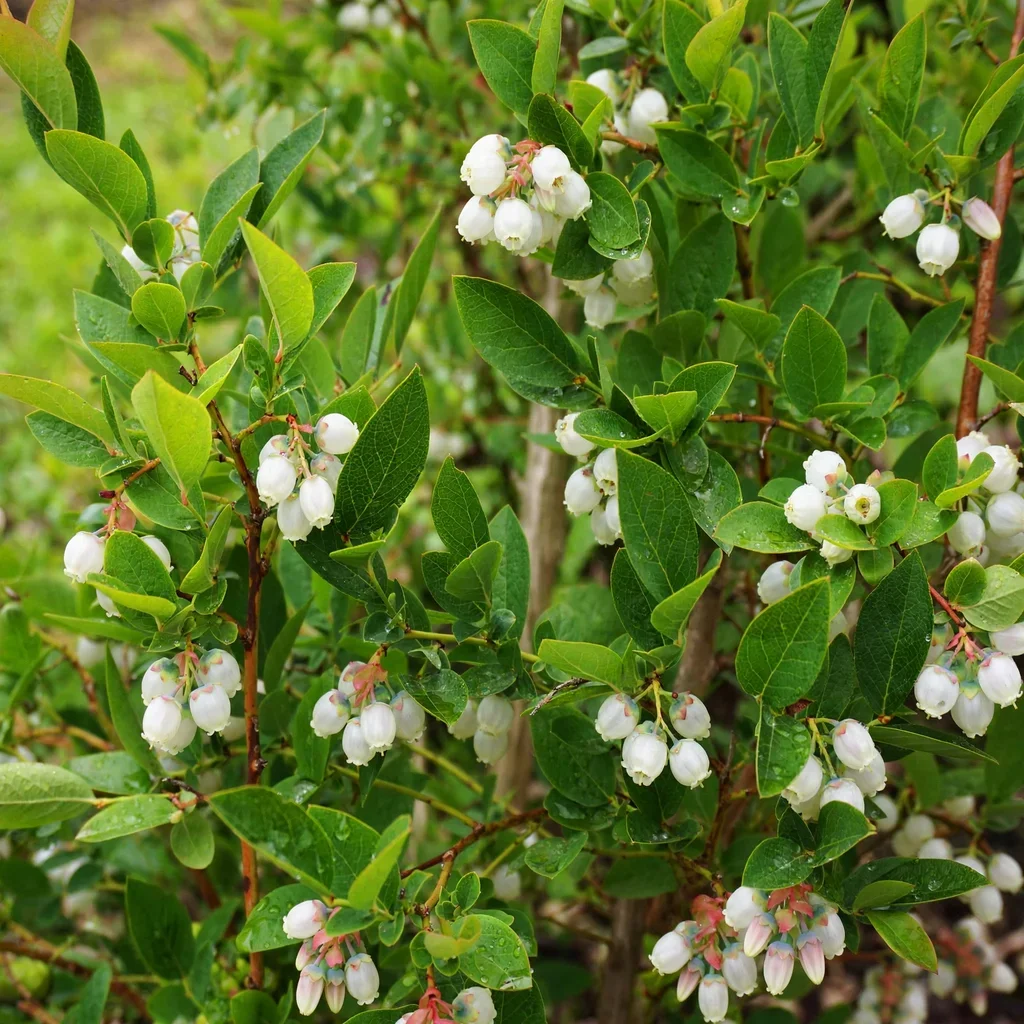
Highbush Blueberry
Vaccinium corymbosum
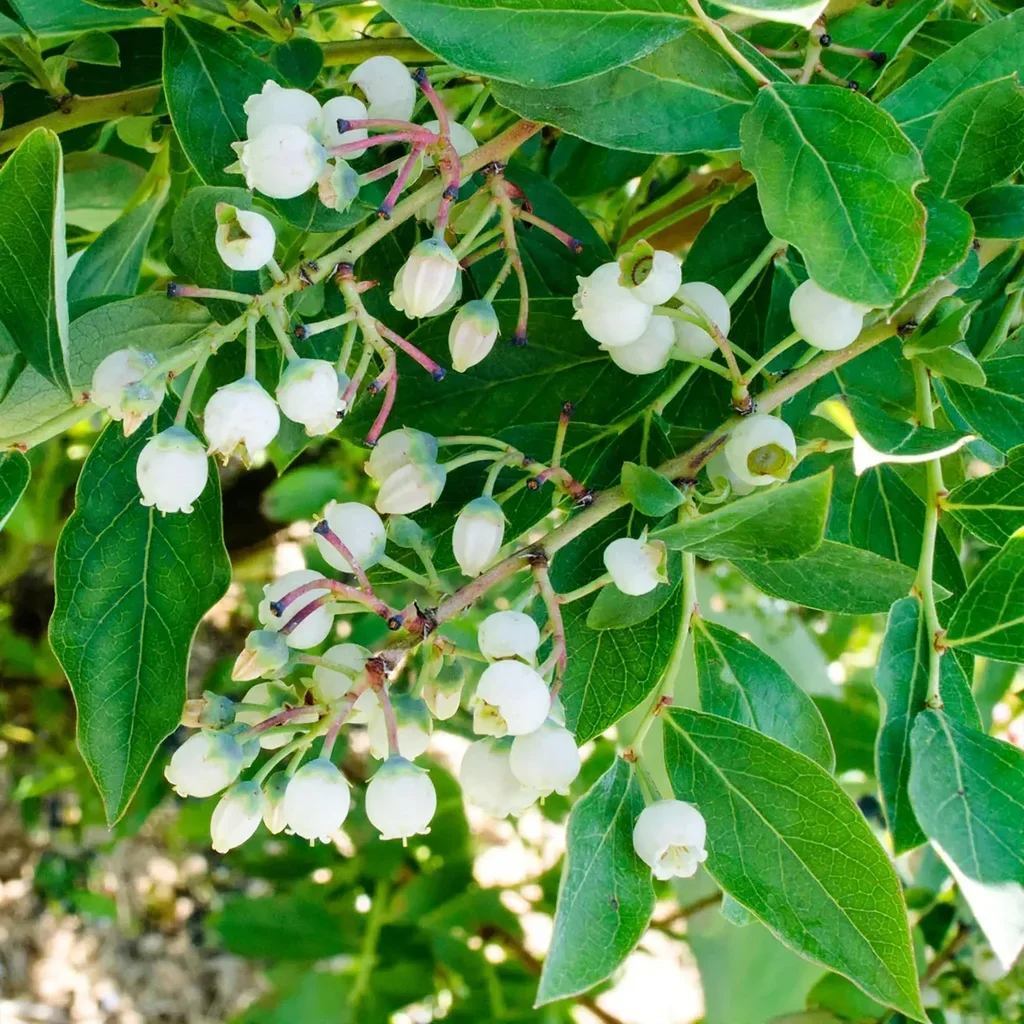
Echo Blueberry
Vaccinium corymbosum 'Echo'
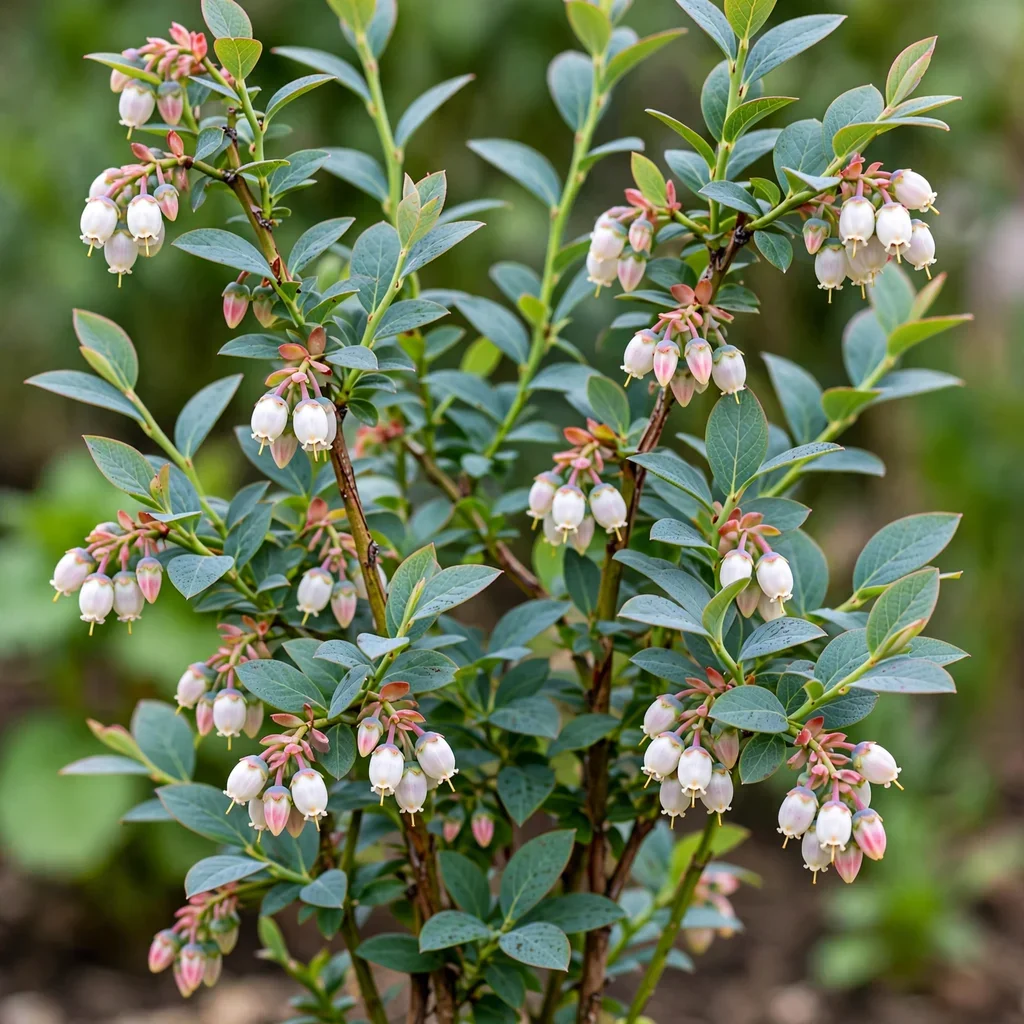
Sunshine Blue Blueberry
Vaccinium corymbosum 'Blueberry Sunshine Blue'
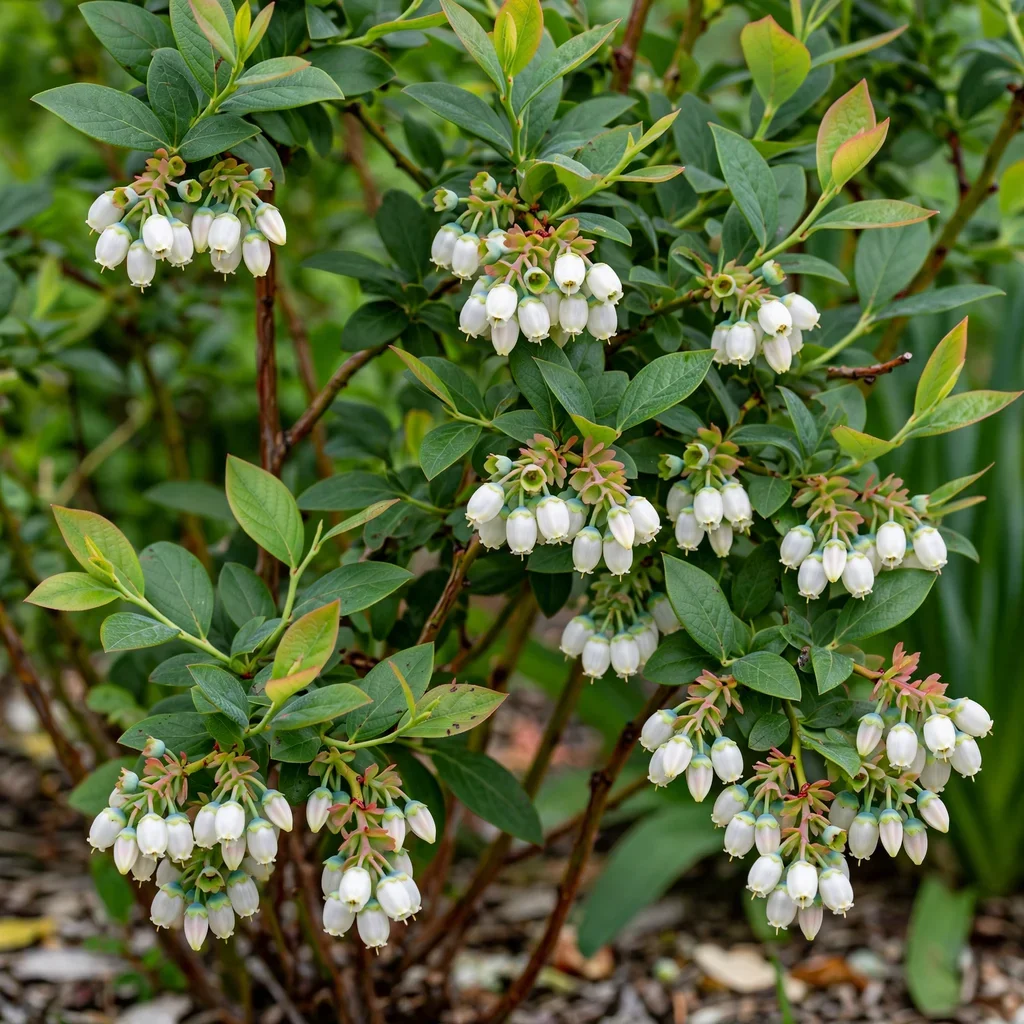
Chandler Blueberry
Vaccinium corymbosum 'Chandler'
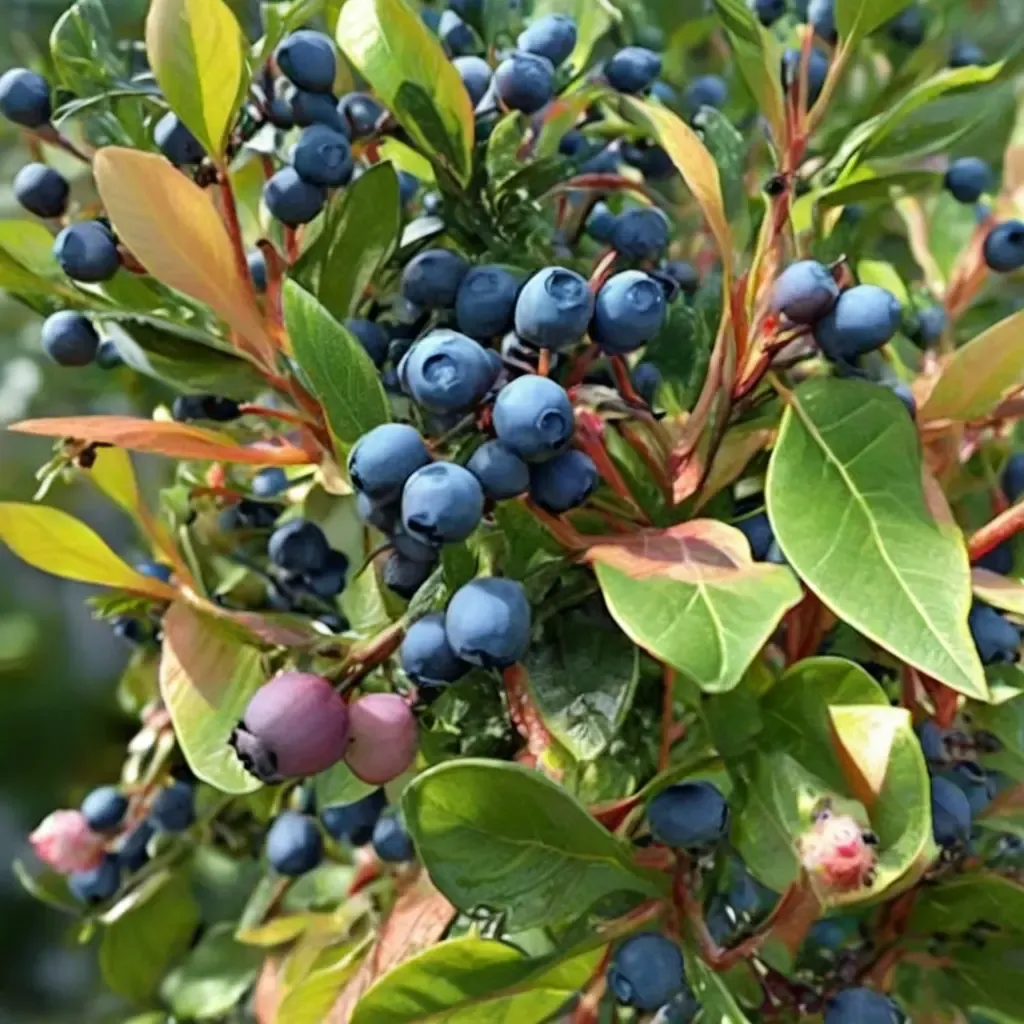
Bonus Blueberry
Vaccinium corymbosum 'Bonus'
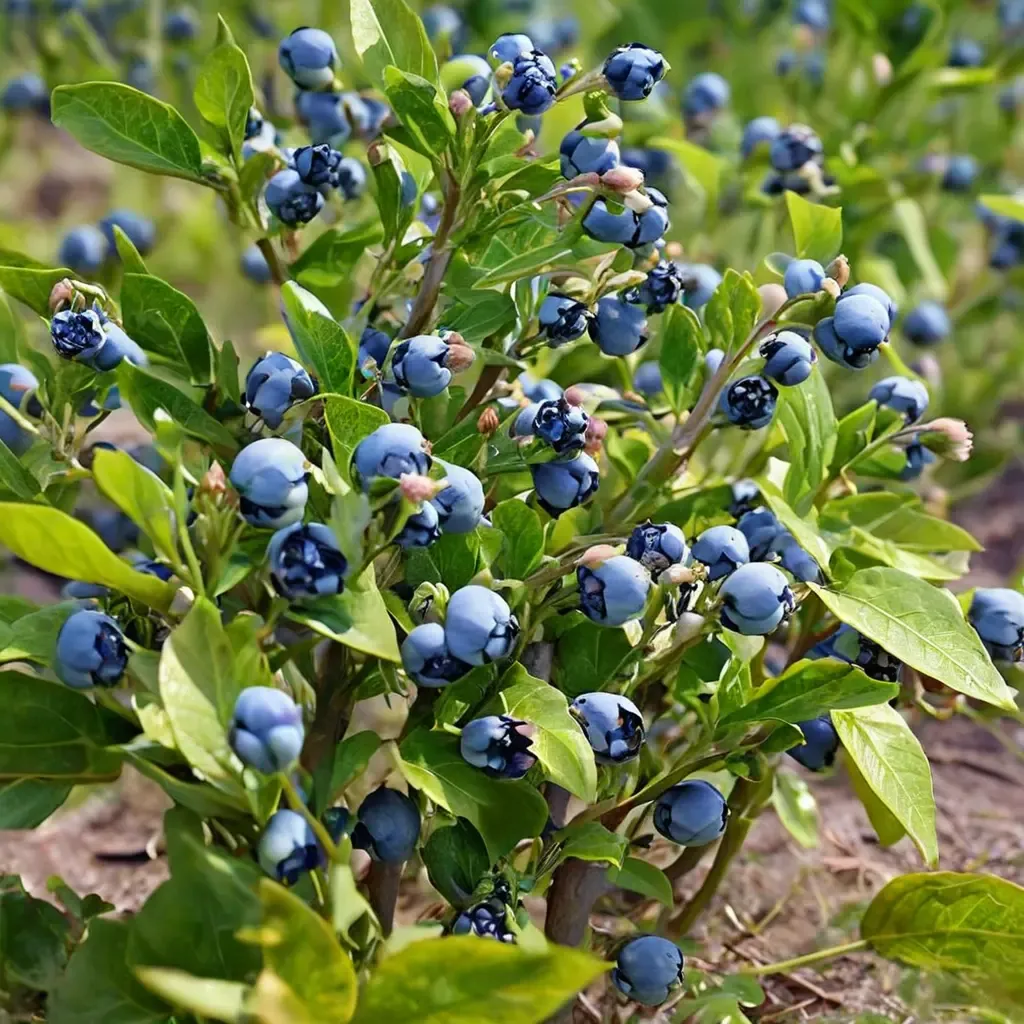
Duke blueberry
Vaccinium corymbosum 'Duke'
Keep exploring
Explore the genus
Hardy in your zone?
Grow Bog Bilberry with confidence
See it in a design of your actual yard, get zone-matched care reminders, and track it season by season in your garden journal.