


The Story
Plant Bio
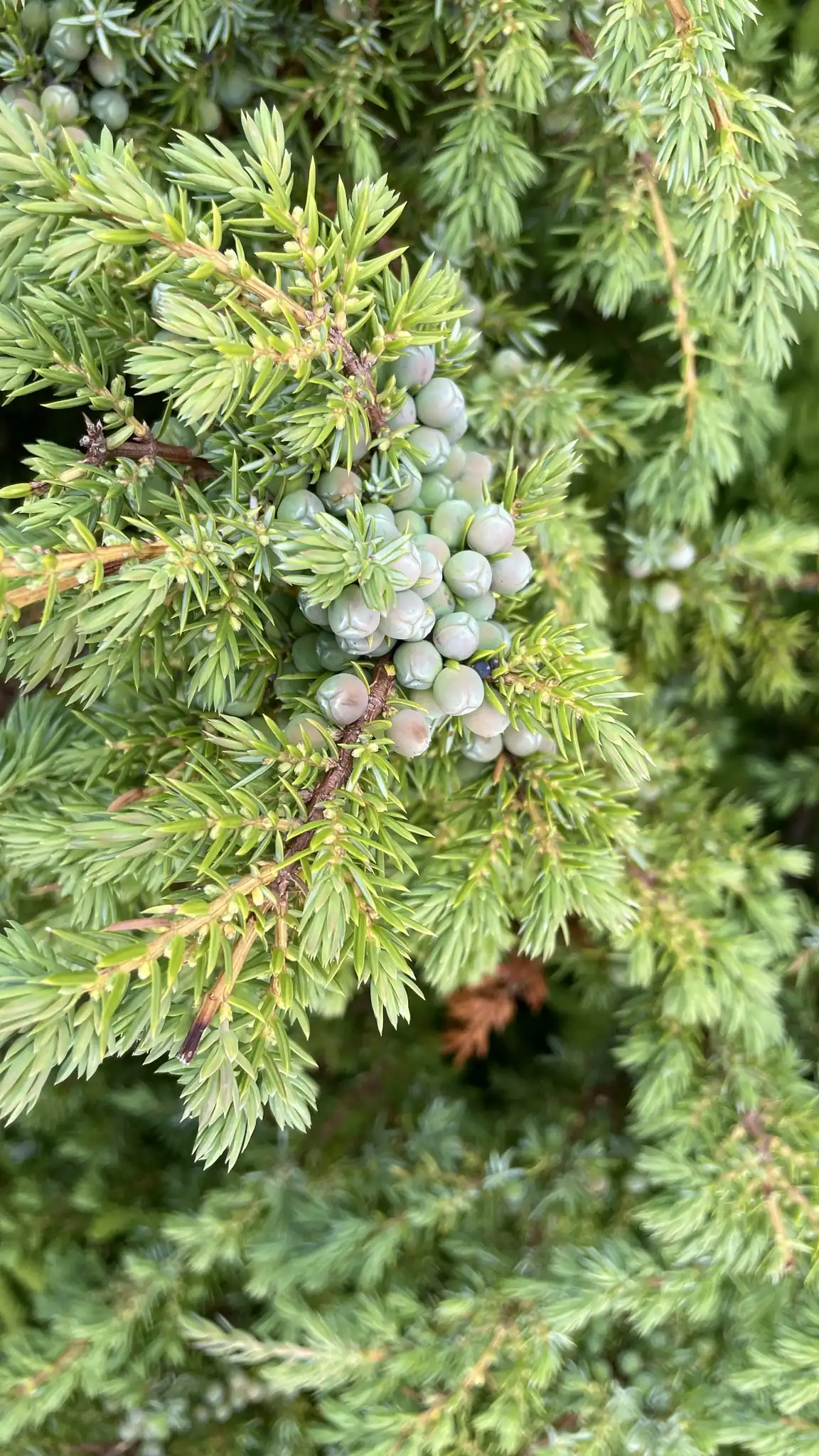
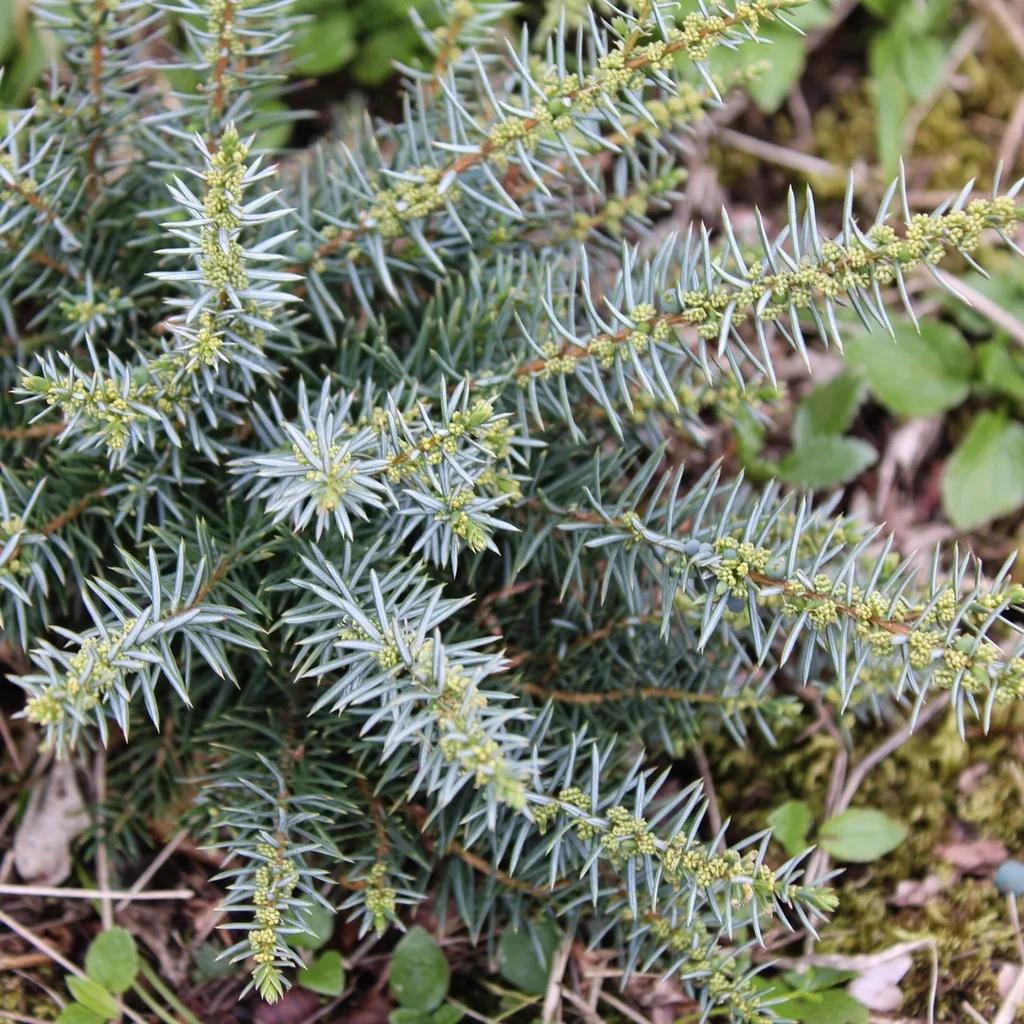
Juniperus communis, or common juniper, is a needled evergreen native right across the temperate northern hemisphere, including most of North America. In the wild it ranges from a sprawling mat to a small tree; in gardens the species form makes a shrub five to fifteen feet high and roughly as wide. The sharp needles carry a white band above.
The species itself is rarely sold, and the plants in commerce are named selections whose habit differs enormously, from ground-hugging mats to narrow columns. Buy on habit rather than on the species name, because a label reading Juniperus communis tells you almost nothing about the shape the plant will take.
Uses & Benefits:
Essentials
At a Glance
Plant Type
Shrub
Height
120"
Width
120"
Light
Full Sun
Zones
4, 5, 6, 7, 8, 9
Water
Low to medium
Humidity
Low to average
Lifespan
Perennial
Native To
Temperate northern hemisphere, including North America
Toxicity
Berries used as a culinary spice; foliage may irritate skin
Marketplace
Where to Buy
Shipping costs Year-round shipping Free shipping
Planting
How to Grow
- Plant in spring or autumn in full sun.
- Choose free-draining soil; poor, rocky ground is tolerated.
- Set the plant at the depth it grew in the pot.
- Water through the first season while roots establish.
- Mulch to suppress weeds, keeping mulch off the stem.
- Prune only lightly; old wood does not resprout.
Pro Tip
Never cut back into bare old wood — juniper will not break from it, and the gap stays open for the life of the plant.
Keep It Thriving
Care Guide
Do
- Plant it in full sun ☀️
- Give it sharply drained soil 🪨
- Prune lightly and only into green growth ✂️
- Use it where drought and poor soil defeat other shrubs 🌵
Don't
- Cut back into bare old wood ❌
- Plant it in wet or heavy ground ❌
- Site it in shade and expect dense growth ❌
Seasonal Care Calendar
| Task | Jan | Feb | Mar | Apr | May | Jun | Jul | Aug | Sep | Oct | Nov | Dec |
|---|---|---|---|---|---|---|---|---|---|---|---|---|
| Inspect | ||||||||||||
| Prune |
Watch Out For
Pests & Diseases
Common Pests
Common Diseases
In the Garden
Landscape Uses & Companions
Landscape Uses
Multiply
Propagation Methods
Good to Know
Common Questions
Common Juniper questions
What zones can Common Juniper grow in?
Common Juniper is hardy in USDA Zones 4–9. Inside that range it survives winter in the ground; outside it, grow it as an annual or a container plant you protect.
Is Common Juniper deer resistant?
Yes — Common Juniper is rated deer-resistant. Deer typically pass it over, though extreme hunger can override any plant's defenses.
When does Common Juniper bloom?
Common Juniper typically blooms in non-flowering; berry-like cones ripen over two years through late fall. Exact timing shifts a week or two with your zone — Sow's bloom calendar maps it to your garden.
Does Common Juniper need full sun?
Common Juniper does best in full sun (6+ hours).
Is Common Juniper drought tolerant?
Yes — once established (usually after the first full season), Common Juniper handles dry spells with minimal watering. Water deeply its first year to build the root system that makes that possible.
More Juniperus to compare
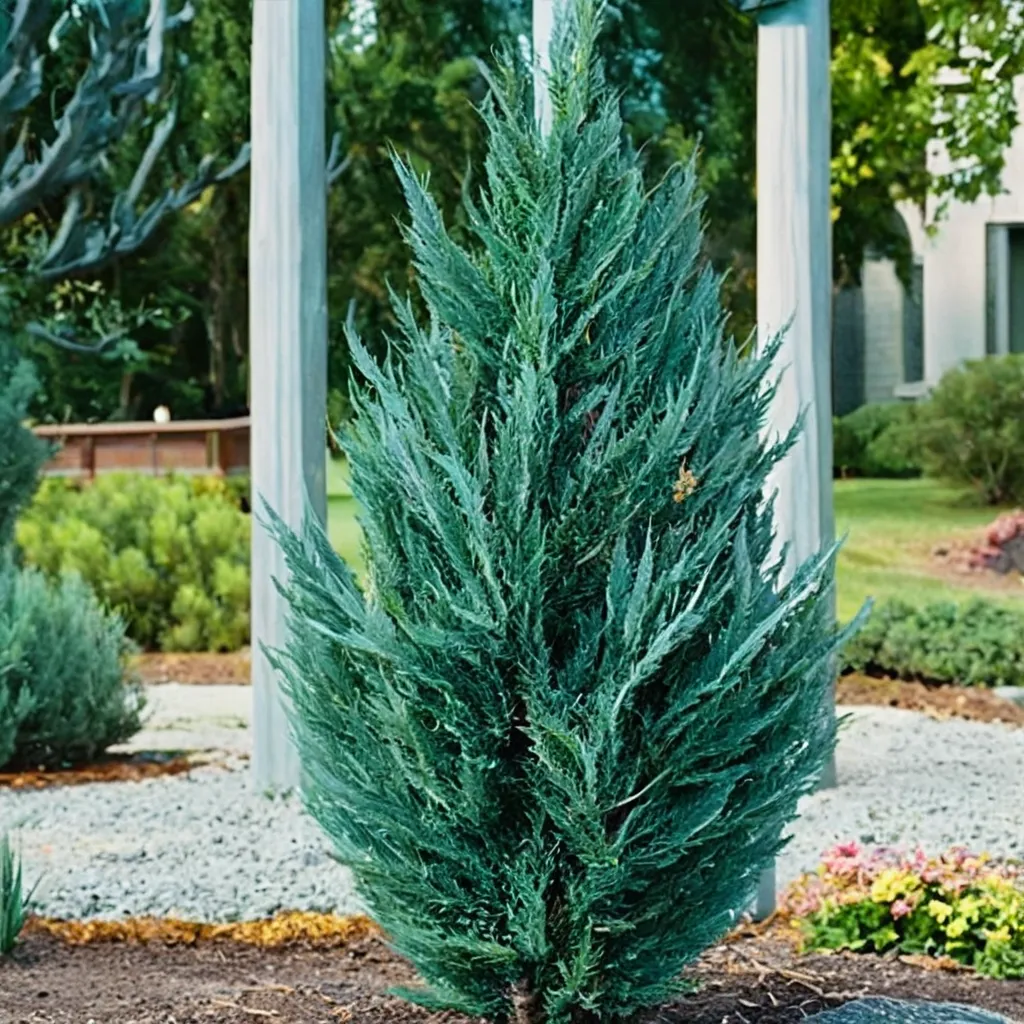
Blue Point Juniper
Juniperus chinensis 'Blue Point'
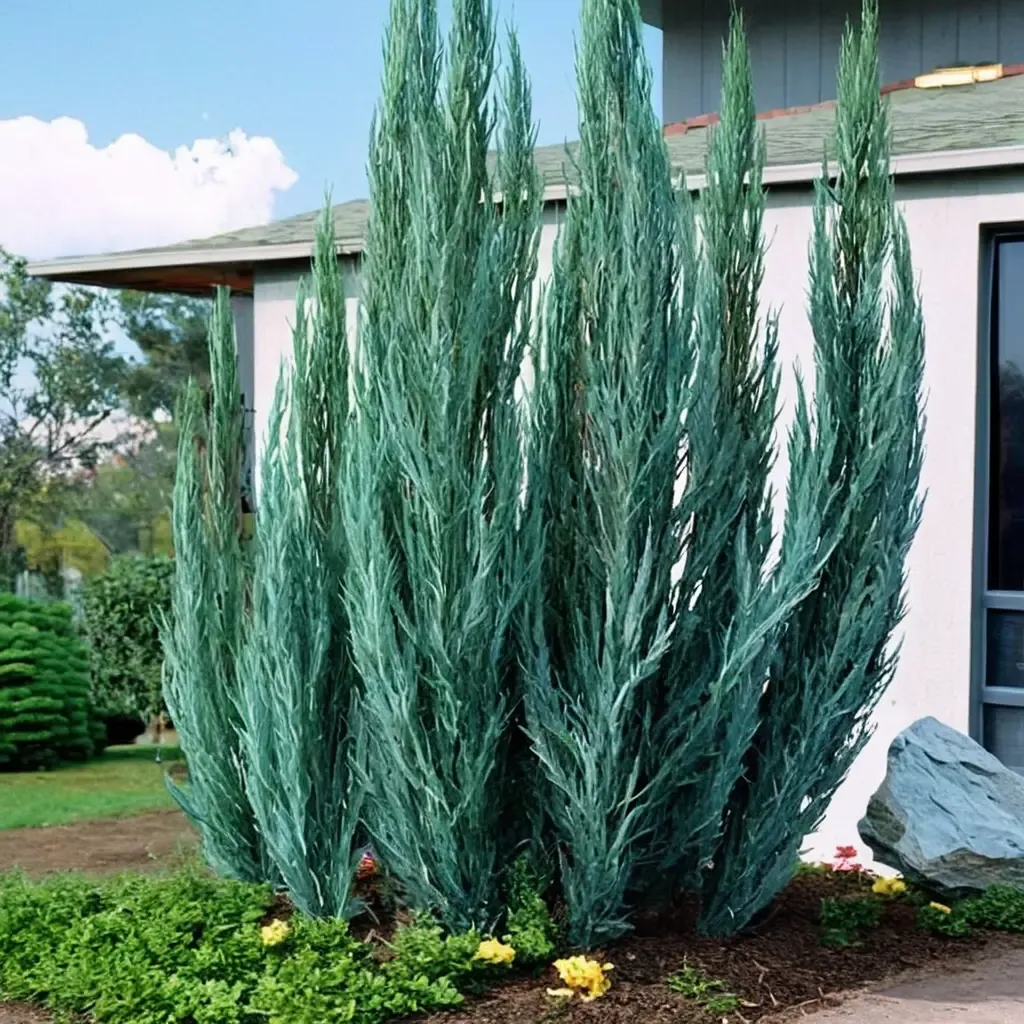
Skyrocket Juniper
Juniperus horizontalis 'Skyrocket'
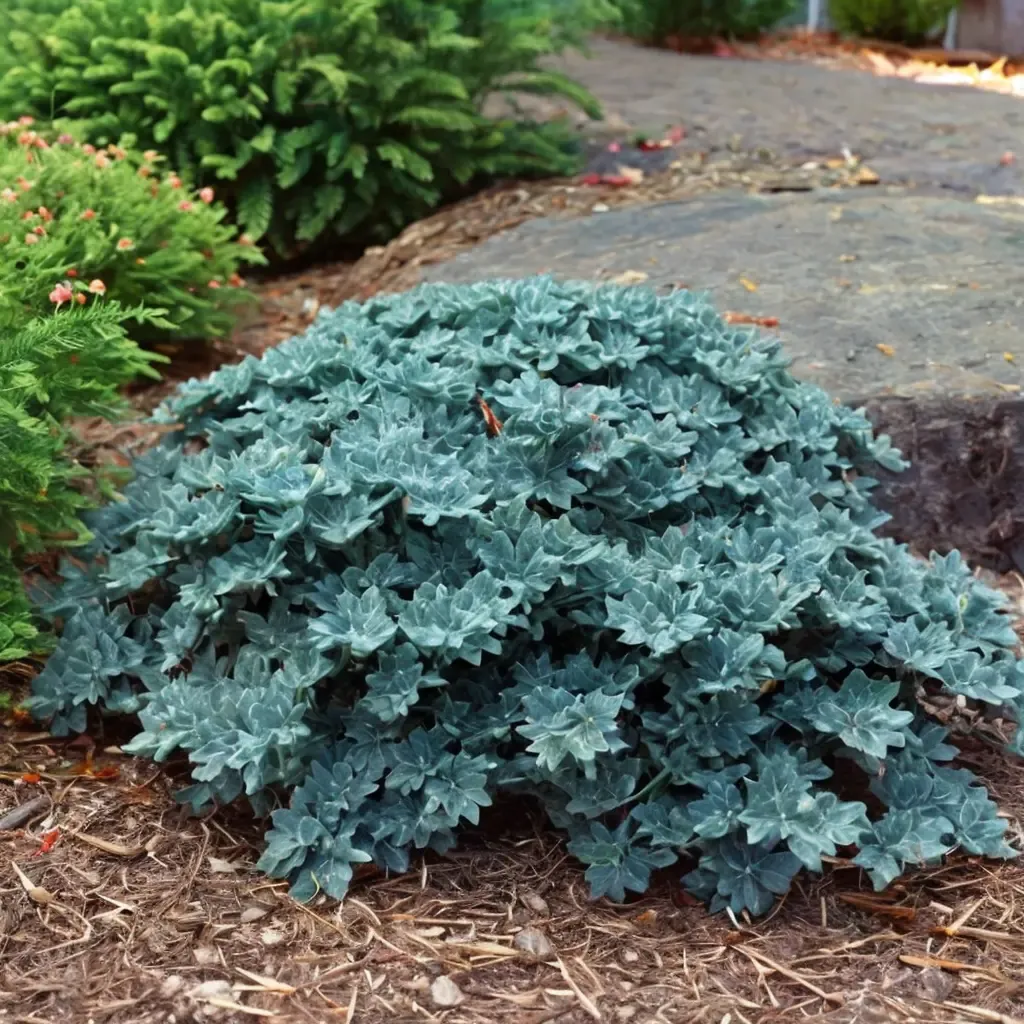
Blue Star Juniper
Juniperus squamata 'Blue Star'
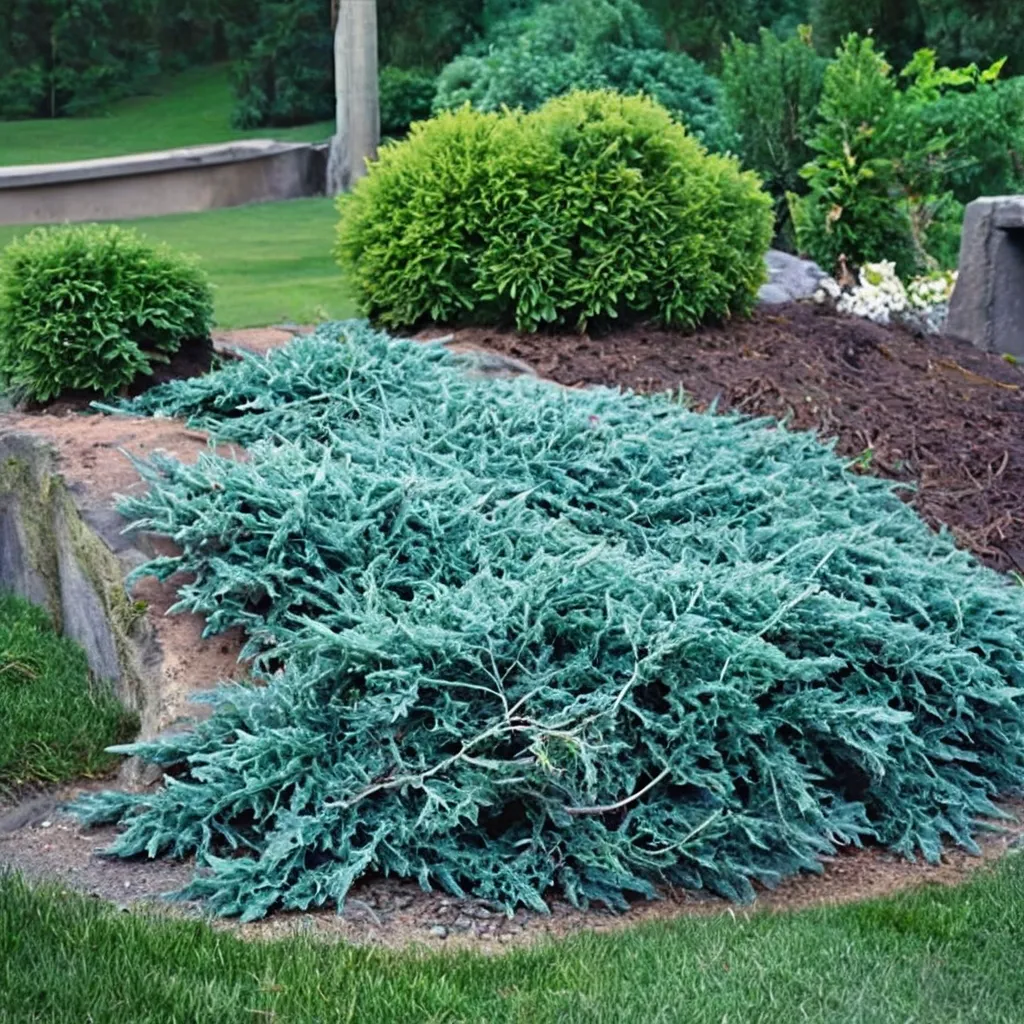
Blue Rug Juniper
Juniperus horizontalis 'Blue Rug'
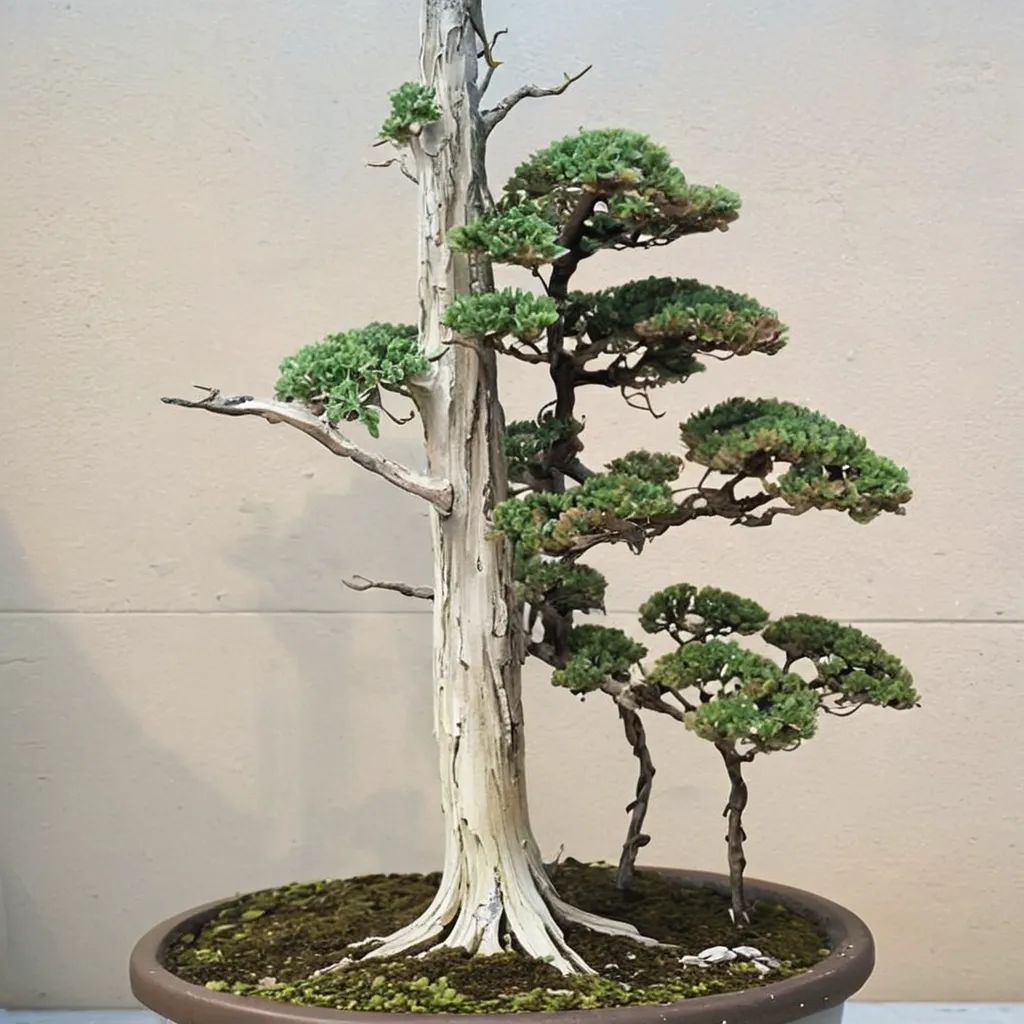
Foemina Chinese Juniper
Juniperus chinensis 'Foemina'
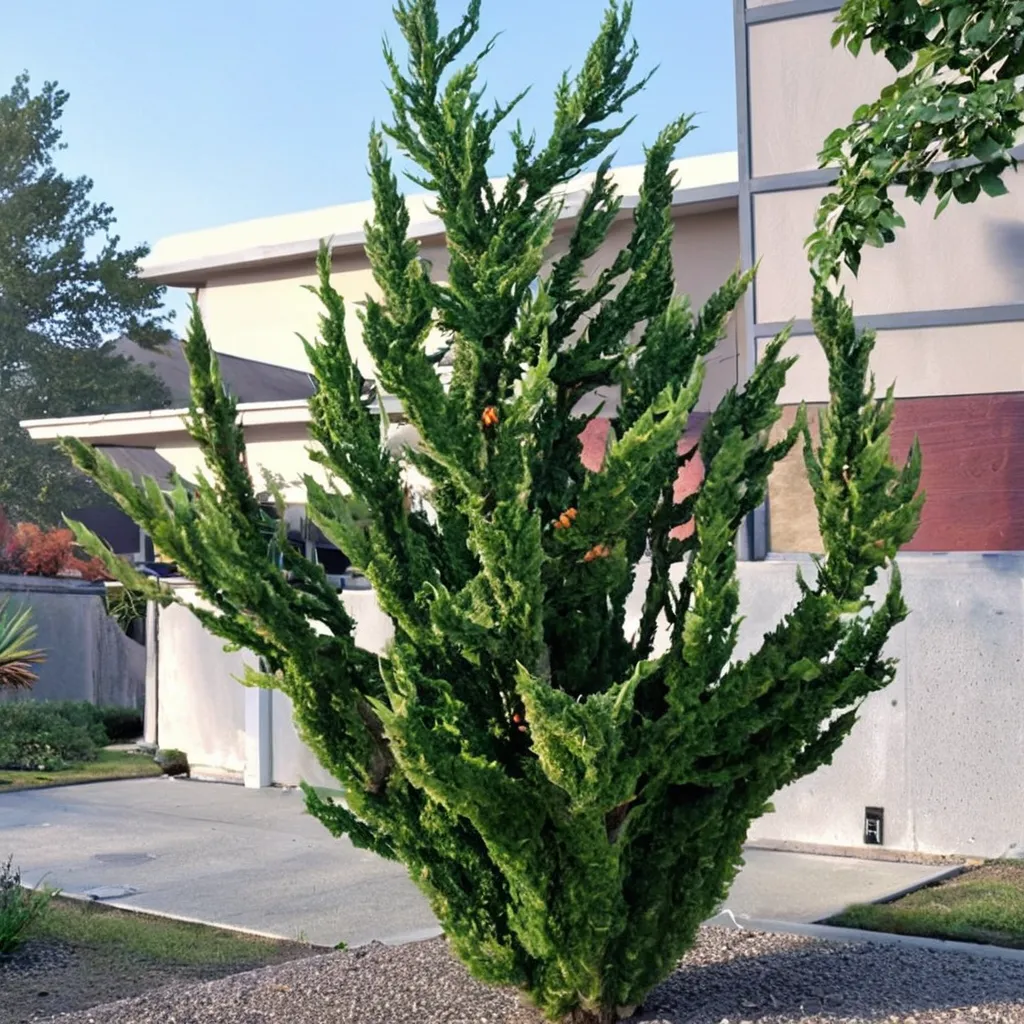
Hollywood Juniper
Juniperus chinensis 'Kaizuka'
Keep exploring
Explore the genus
Grow Common Juniper with confidence
See it in a design of your actual yard, get zone-matched care reminders, and track it season by season in your garden journal.