
Species
 Dracaena trifasciataSnake Plant
1 other cultivar
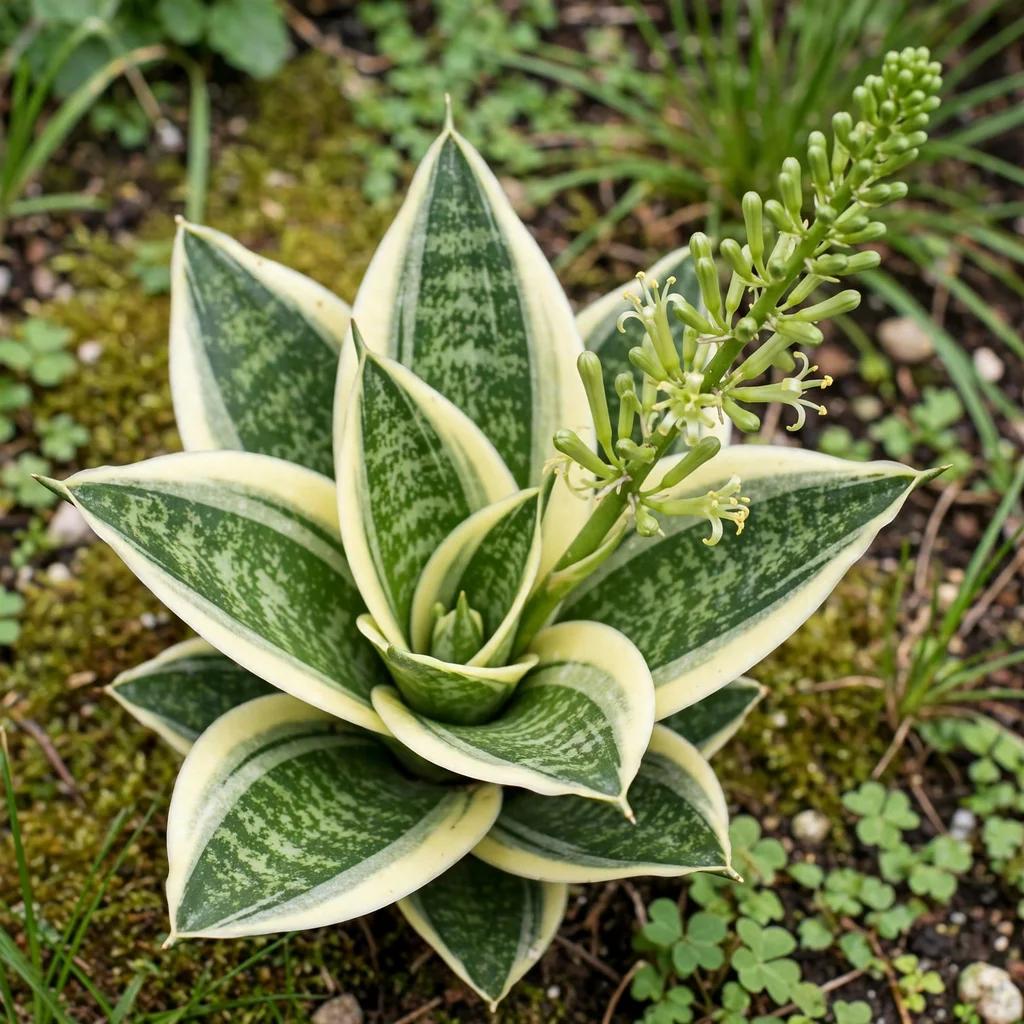
The Story
Plant Bio
Dracaena trifasciata is an evergreen succulent perennial native to tropical West Africa, characterized by its stiff, upright, strap-like leaves that form dense basal rosettes. The species is highly adapted to arid conditions, storing water within its thick rhizomes and fleshy foliage to survive prolonged dry periods.
'Moonshine' is distinguished by its broad, erect leaves that exhibit a luminous, uniform silvery-green or pale mint-green coloration with a subtle sheen. New growth emerges as a pale silvery mint, occasionally displaying faint cross-banding or narrow dark green margins as the foliage matures.
Uses & Benefits:
Essentials
At a Glance
Plant Type
Cactus Succulent
Height
18"
Width
8"
Light
Partial Sun, Shade
Zones
10
Water
Low
Humidity
Low to average
Lifespan
Perennial
Native To
Tropical West Africa
Toxicity
Toxic to cats and dogs
Bloom period
Spring
In flower about 3 months of the year
Planting
How to Grow
- Select a porous, well-draining succulent potting mix with a pH between 6.0 and 7.0.
- Position the container in bright, indirect light to maintain the light silvery foliage color.
- Water deeply only when the top few inches of soil have dried out completely, typically every three to four weeks.
- Apply a balanced, diluted houseplant fertilizer once or twice during the active spring and summer growth periods.
Pro Tip
Propagate exclusively by physical division of the underground offsets; leaf cuttings of 'Moonshine' will revert to the solid dark green form of the parent species.
Keep It Thriving
Care Guide
Do
- Allow the potting medium to dry out entirely between waterings to prevent root rot.
- Provide bright, filtered light to preserve the pale silvery-green coloration.
- Use sterile shears to remove dead or yellowed lower leaves cleanly at the base.
Don't
- Do not water on a fixed calendar schedule or allow the pot to sit in standing water.
- Never prune back green leaf tips or cut into old, leafless rhizome tissue.
- Avoid placing the plant in harsh, direct afternoon sunlight, which scorches the foliage.
Seasonal Care Calendar
| Task | Jan | Feb | Mar | Apr | May | Jun | Jul | Aug | Sep | Oct | Nov | Dec |
|---|---|---|---|---|---|---|---|---|---|---|---|---|
| Fertilize | ||||||||||||
| Pest Check | ||||||||||||
| Prune | ||||||||||||
| Winter Prep |
Watch Out For
Pests & Diseases
Common Pests
Common Diseases
In the Garden
Landscape Uses & Companions
Landscape Uses
Companion Plants
Multiply
Propagation Methods
Good to Know
Common Questions
Moonshine Snake Plant questions
What zones can Moonshine Snake Plant grow in?
Moonshine Snake Plant is hardy in USDA Zone 10. Inside that range it survives winter in the ground; outside it, grow it as an annual or a container plant you protect.
When does Moonshine Snake Plant bloom?
Moonshine Snake Plant typically blooms in spring through spring. Exact timing shifts a week or two with your zone — Sow's bloom calendar maps it to your garden.
Does Moonshine Snake Plant need full sun?
Moonshine Snake Plant does best in part shade.
Is Moonshine Snake Plant drought tolerant?
Yes — once established (usually after the first full season), Moonshine Snake Plant handles dry spells with minimal watering. Water deeply its first year to build the root system that makes that possible.
More Dracaena to compare
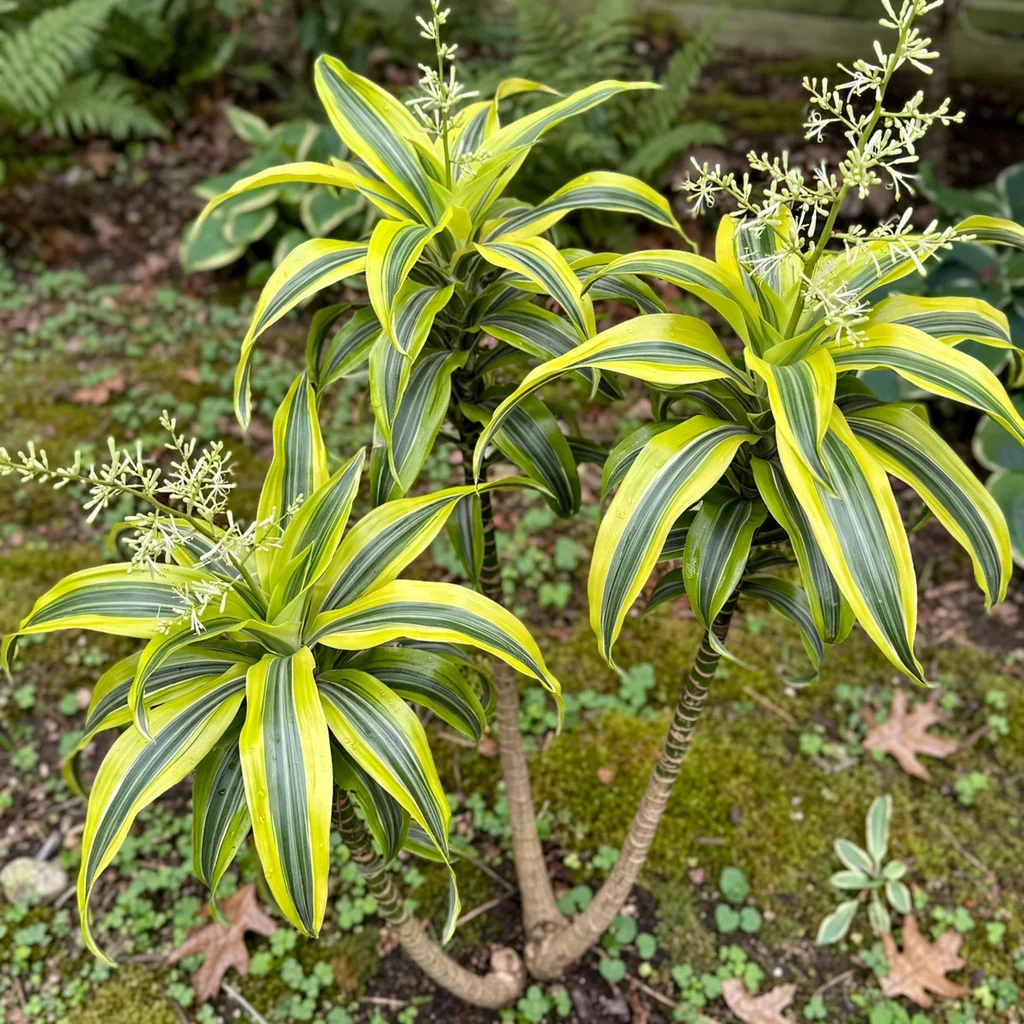
Lemon Surprise Corn Plant
Dracaena fragrans 'Lemon Surprise'
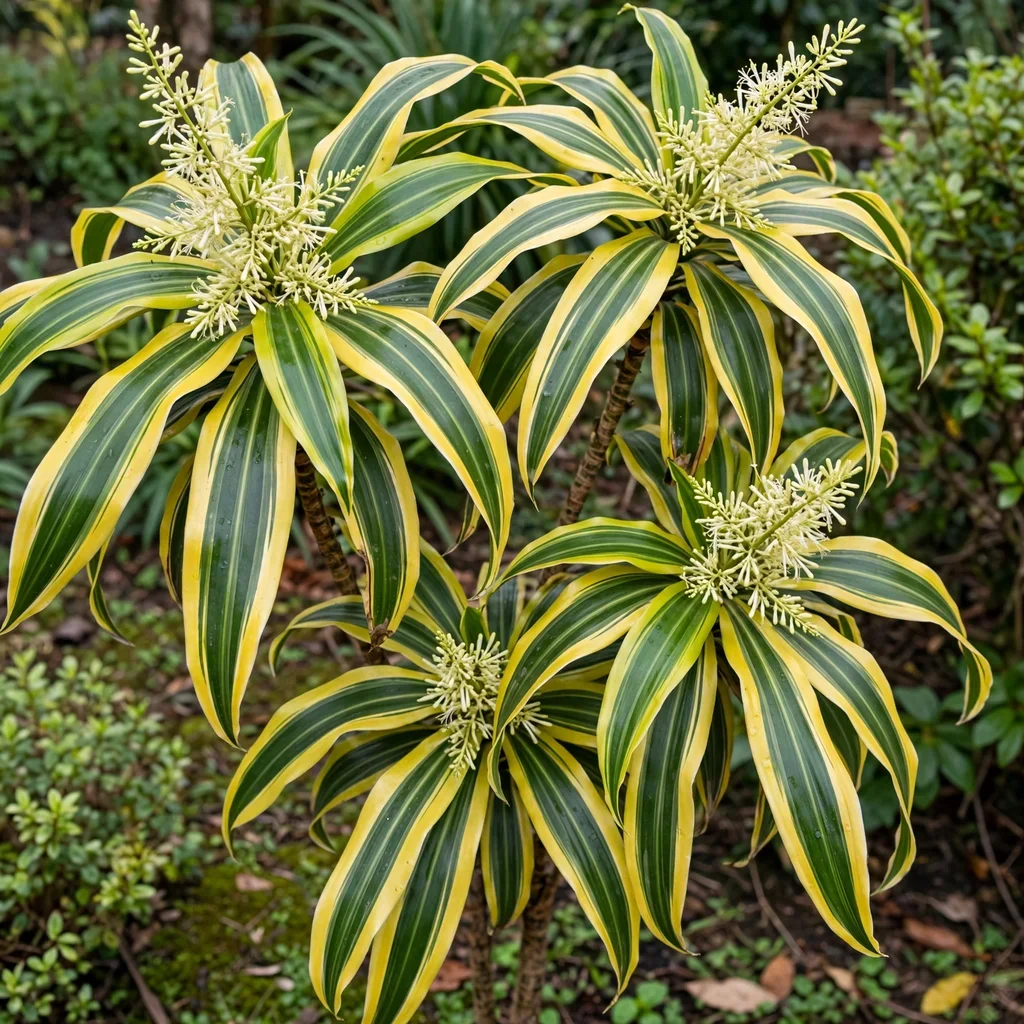
Corn Plant Dracaena Corn Plant
Dracaena fragrans 'Aureo Marginata'
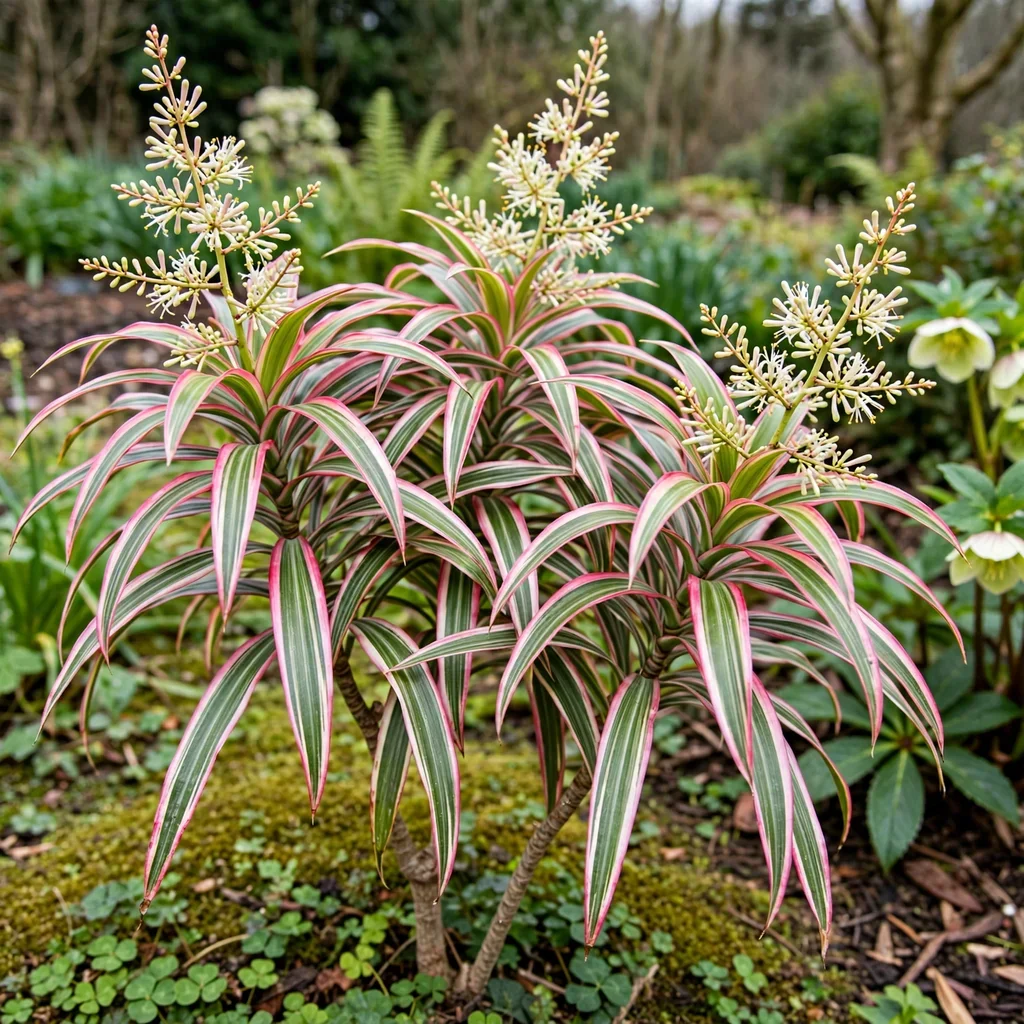
Madagascar Dragon Tree 'Colorama'
Dracaena fragrans 'Colorama'
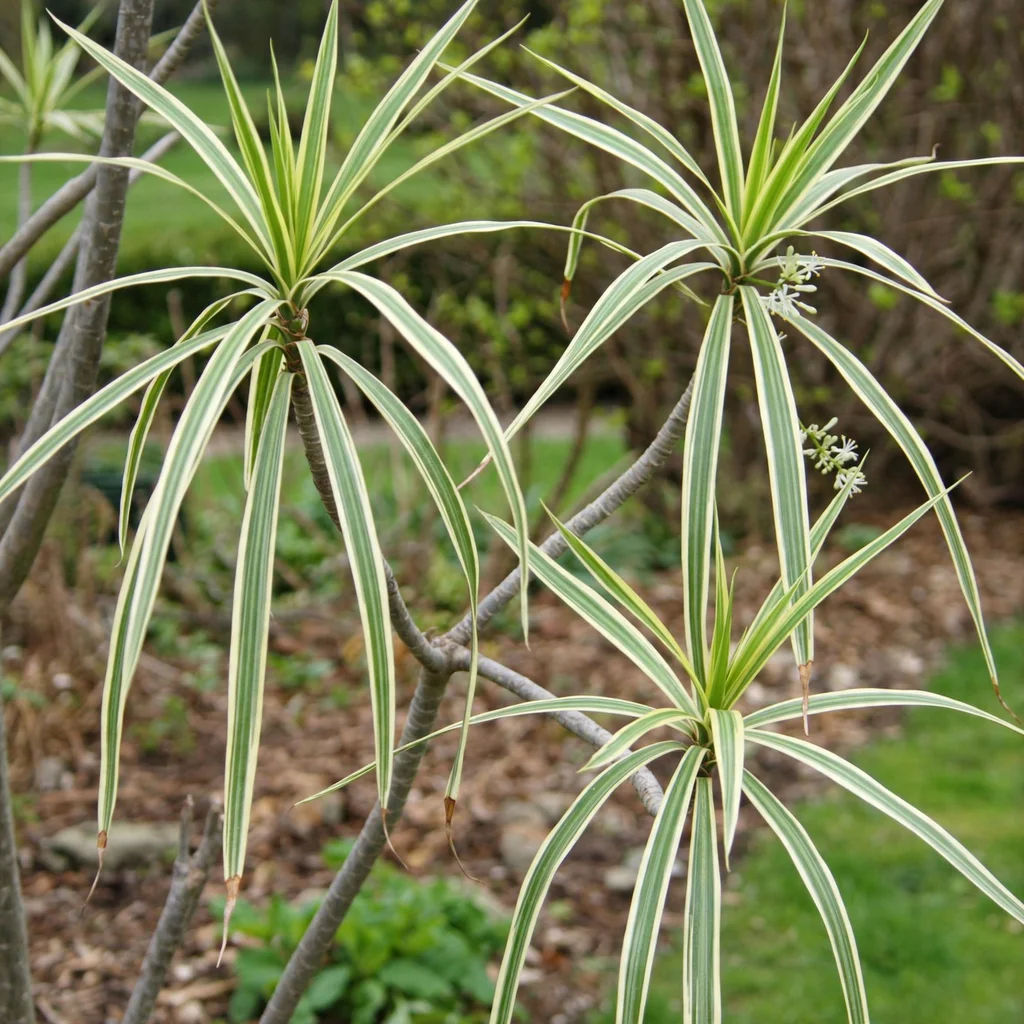
Madagascar Dragon Tree
Dracaena marginata
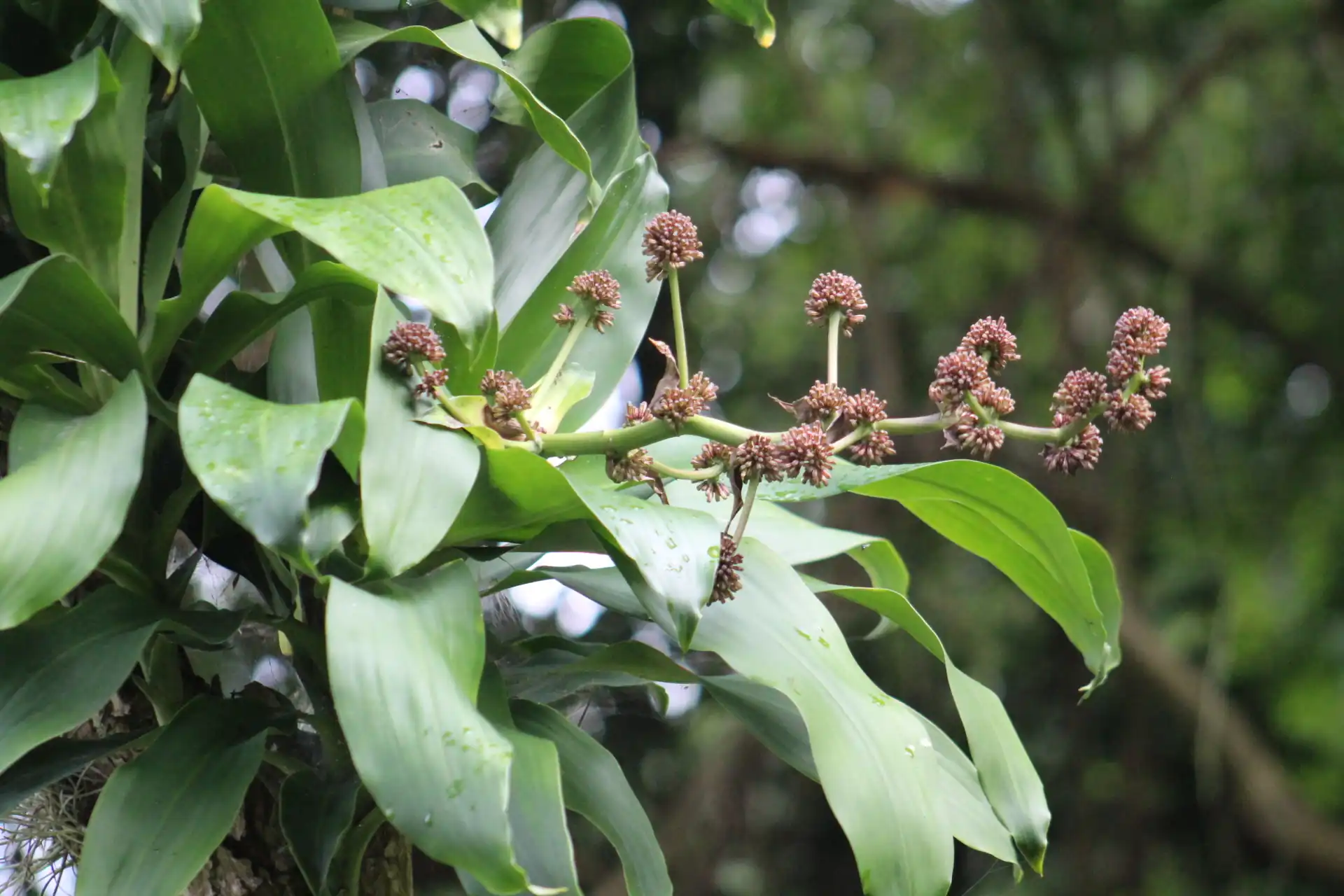
Corn Plant
Dracaena fragrans
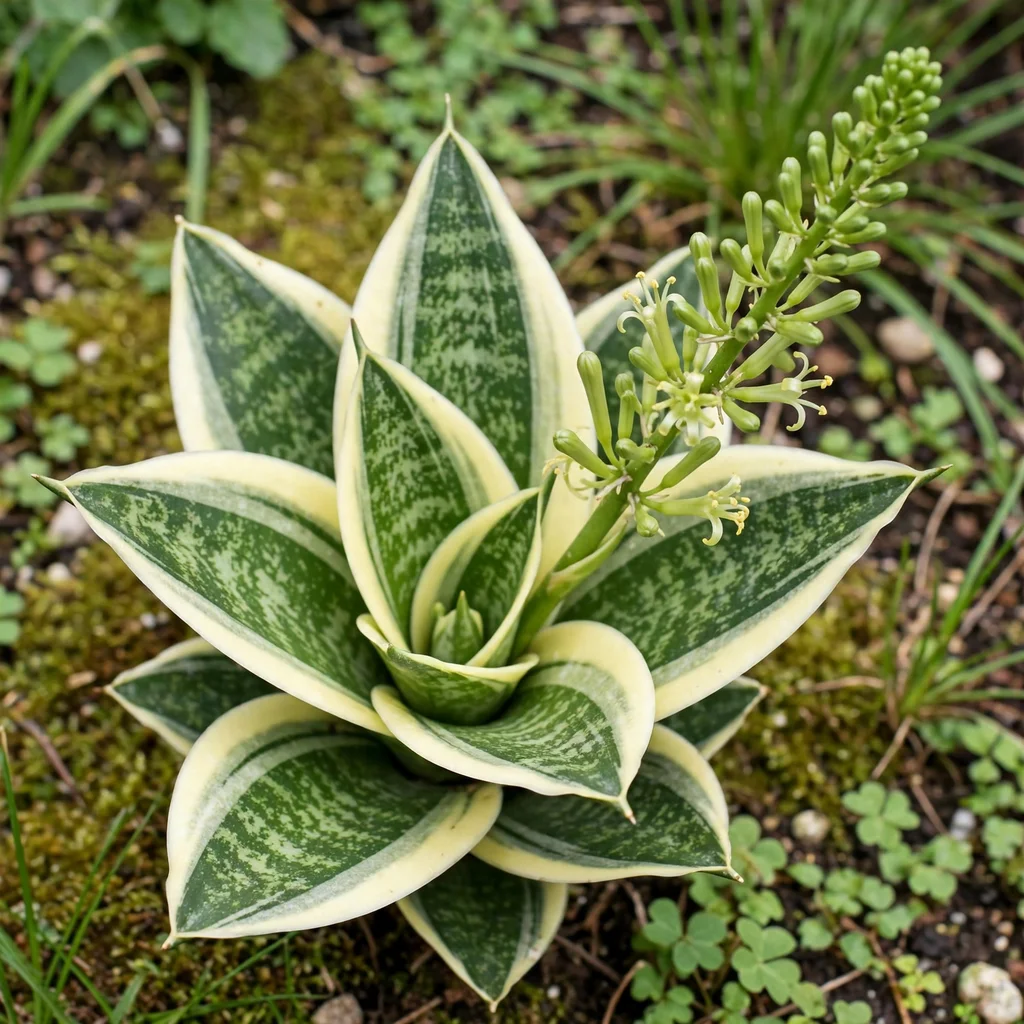
Bird's Nest Snake Plant
Dracaena trifasciata 'Hahnii'
Keep exploring
Explore the genus
Hardy in your zone?
Grow Moonshine Snake Plant with confidence
See it in a design of your actual yard, get zone-matched care reminders, and track it season by season in your garden journal.