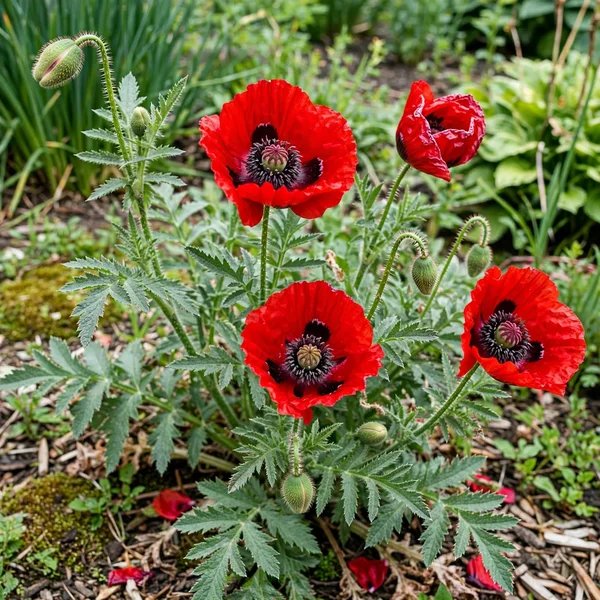
10 named cultivars
 ‘Naughty Nineties’Naughty Nineties Poppy
 ‘Sugar Plum’Sugar Plum Poppy
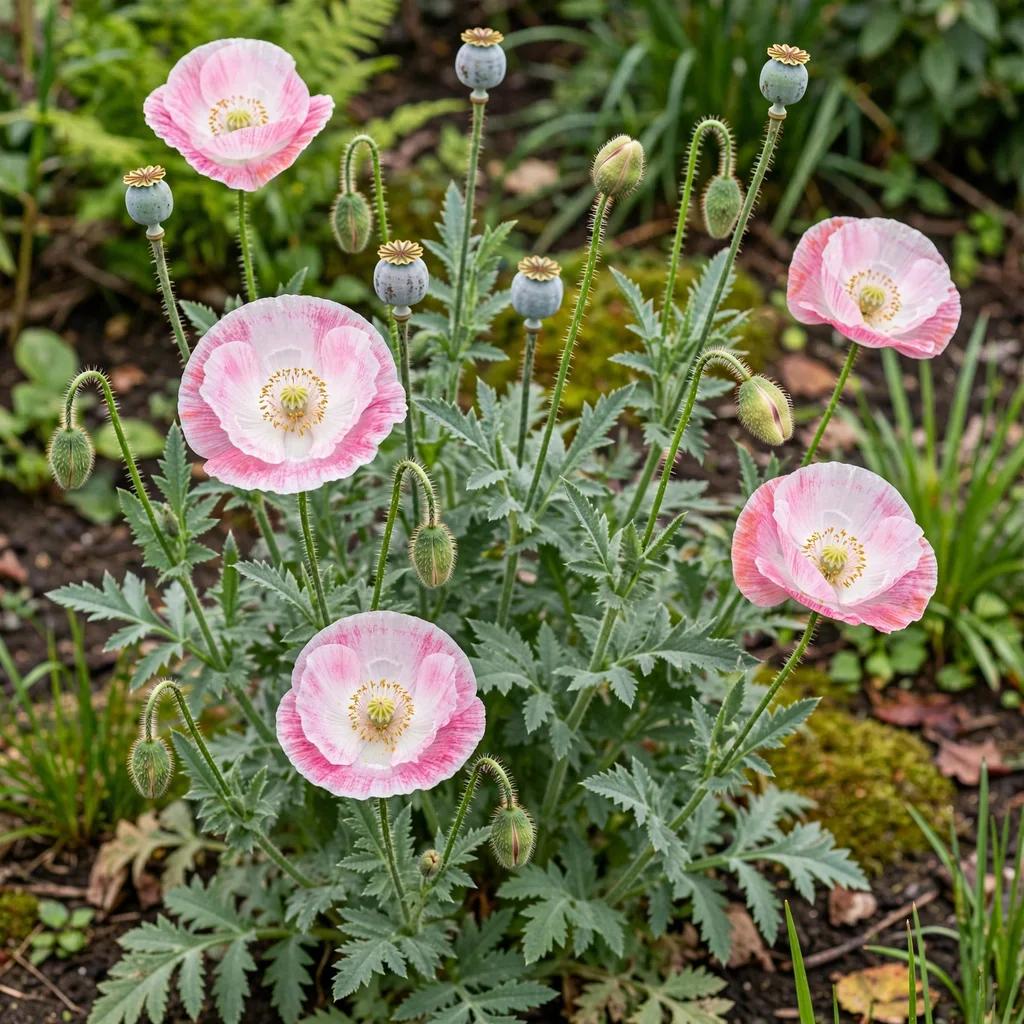 ‘Afghan Pink and White’Afghan Pink and White Poppy
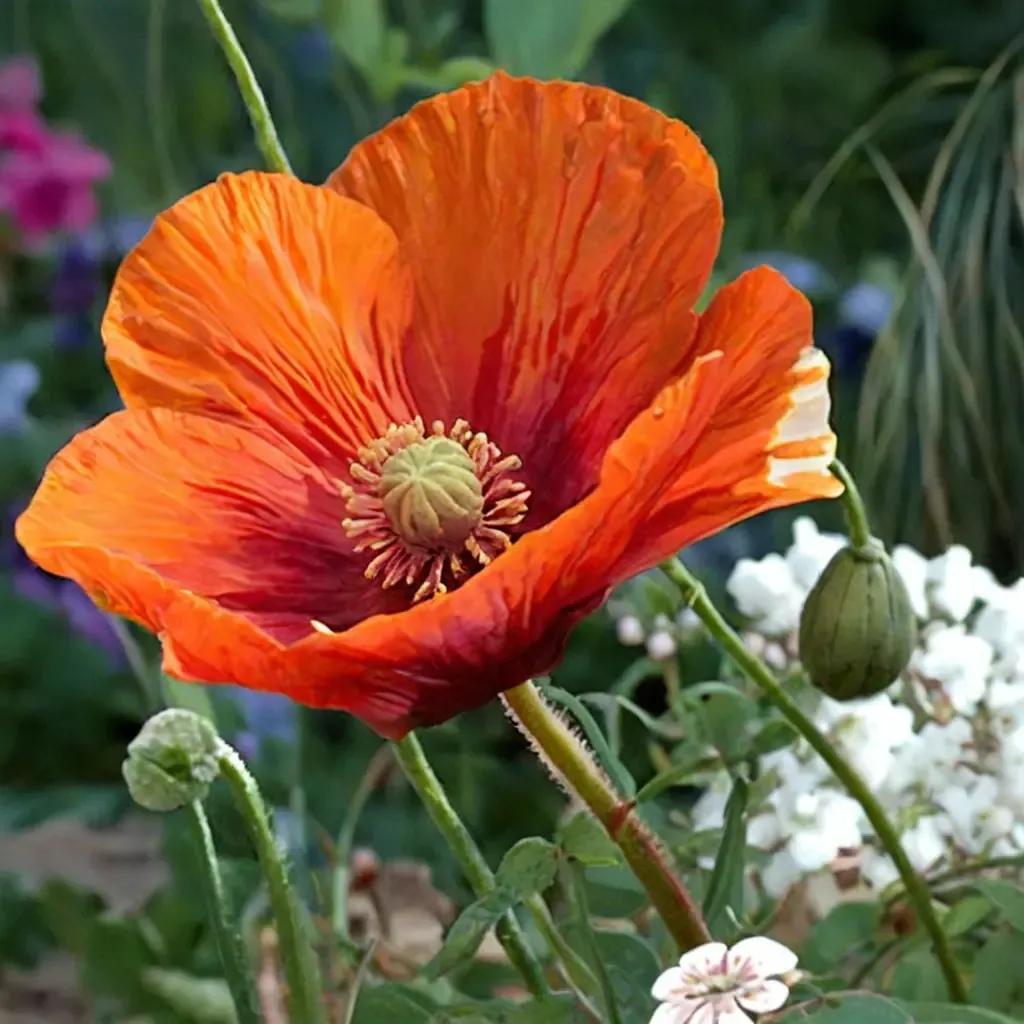 ‘Orange Chiffon’Orange Chiffon Poppy
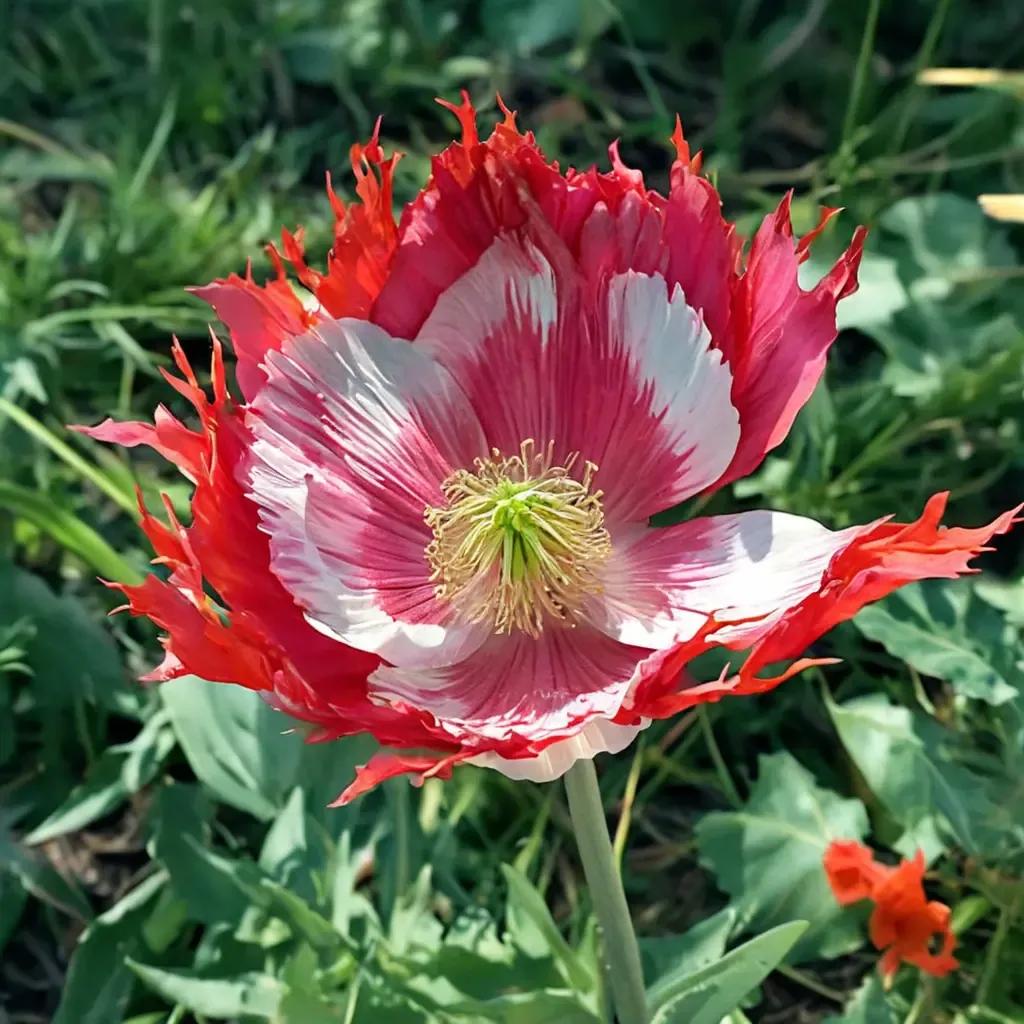 ‘Danebrog’Danish Flag Poppy
 ‘Raspberry Breadseed’Raspberry Breadseed Poppy
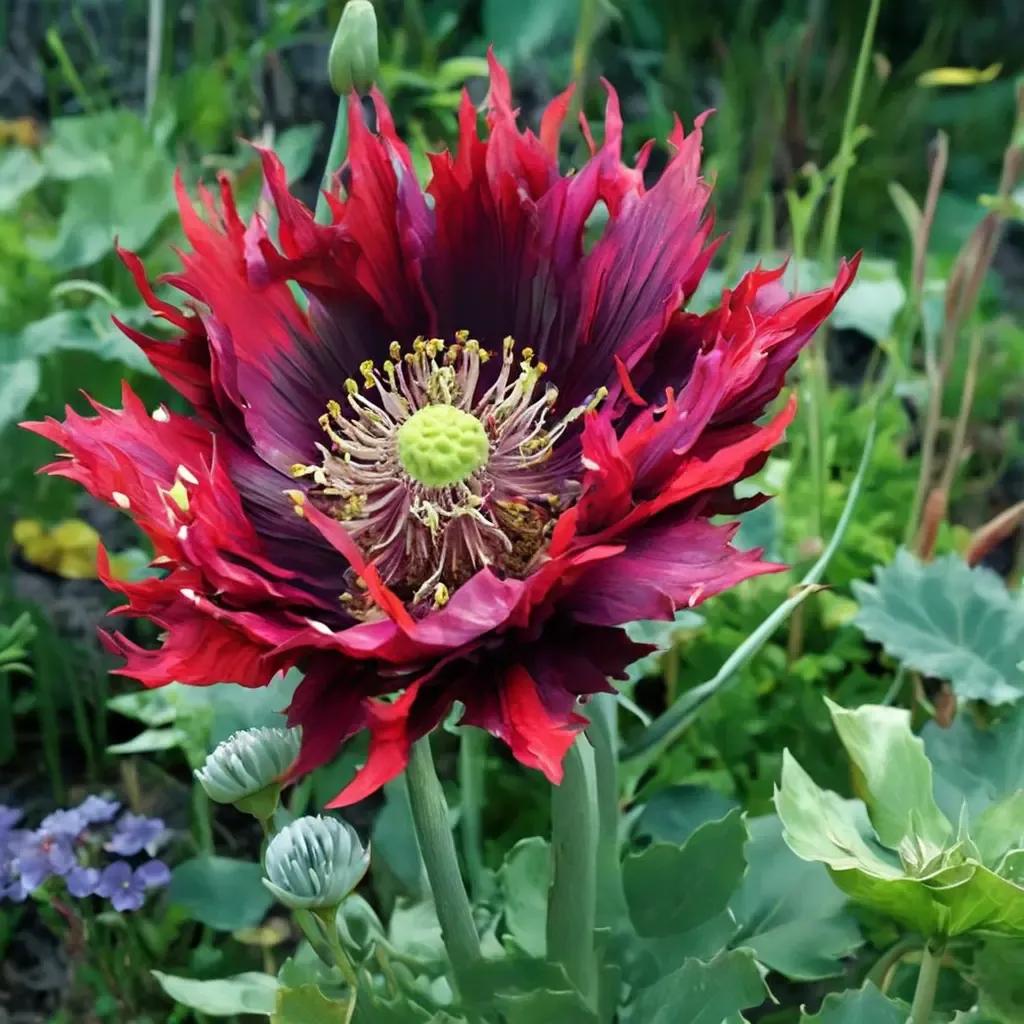 ‘Drama Queen’Drama Queen Poppy
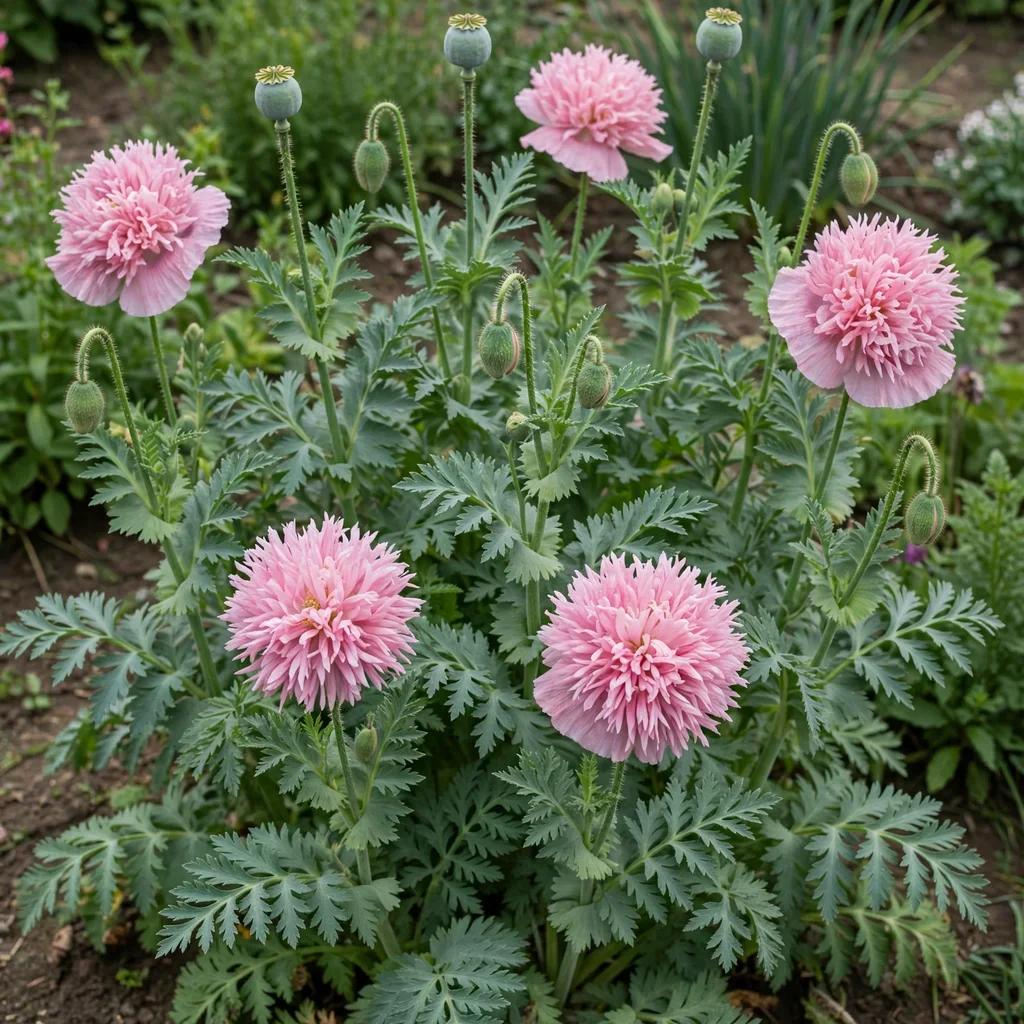 ‘Pink Heirloom’Pink Heirloom Poppy
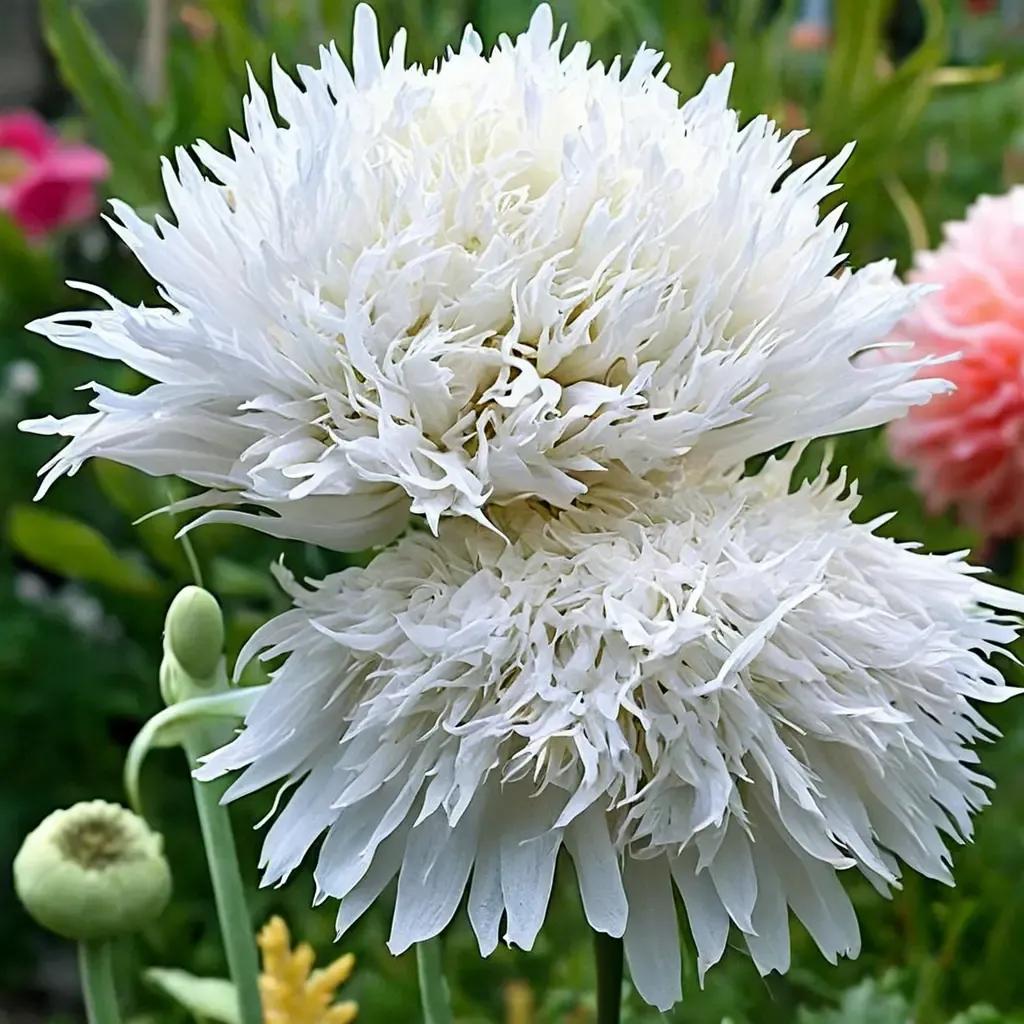 ‘Swansdown’Swansdown Peony Poppy
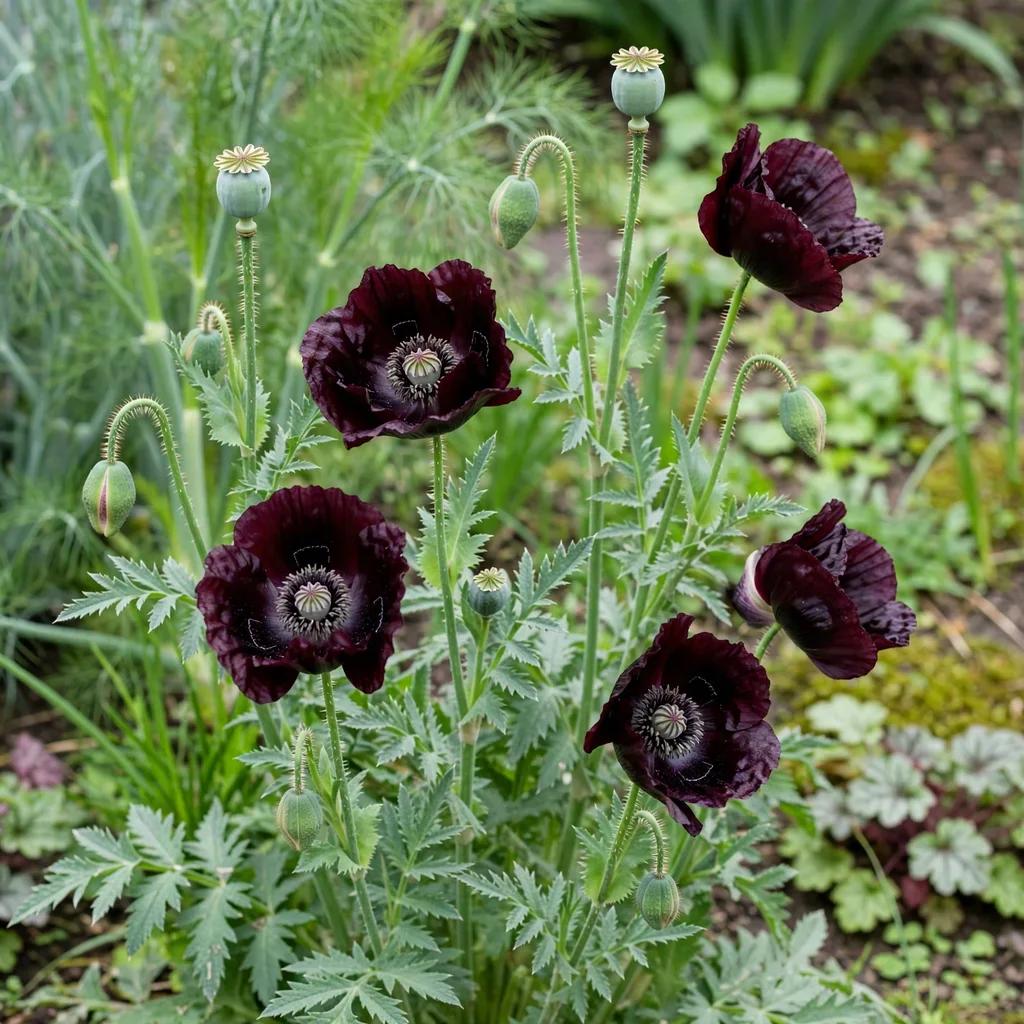 ‘Single Black’Single Black Poppy
The Story
Plant Bio
Papaver orientale hybrids are clump-forming perennials known for their large, showy, crepe-paper-like flowers in late spring and early summer. They have coarse, hairy, pinnately-lobed leaves.
These hybrids are prized for their vibrant, often dark-centered flowers in shades of red, orange, pink, and white. Plants typically go dormant after flowering, with new foliage emerging in fall.
Uses & Benefits:
Essentials
At a Glance
Plant Type
Annual
Height
24"
Width
18"
Light
Full Sun
Zones
4, 5, 6, 7
Water
Medium
Humidity
Average
Lifespan
Perennial
Native To
Western Asia
Toxicity
All parts are toxic if ingested.
Planting
How to Grow
- Tuck seeds into well-draining soil in early spring for best germination.
- Mist cuttings lightly to maintain moisture and encourage root growth.
- Provide full sun to promote vibrant blooms and healthy growth.
- Water regularly but avoid waterlogging to prevent root rot.
- Fertilize monthly with a balanced, water-soluble fertilizer during the growing season.
- Divide clumps every 2-3 years in early spring to maintain vigor.
Pro Tip
Sow seeds directly in the garden for natural spreading and vibrant spring blooms.
Keep It Thriving
Care Guide
Do
- Water consistently during dry periods 💧
- Deadhead spent flowers to encourage more blooms
- Mulch around plants to retain moisture and suppress weeds
Don't
- Avoid overwatering to prevent root rot ❌
- Don’t disturb roots during peak flowering
- Refrain from fertilizing late in the season to reduce disease risk
Seasonal Care Calendar
| Task | Jan | Feb | Mar | Apr | May | Jun | Jul | Aug | Sep | Oct | Nov | Dec |
|---|---|---|---|---|---|---|---|---|---|---|---|---|
| Divide | ||||||||||||
| Plant | ||||||||||||
| Spring Cleanup | ||||||||||||
| Stake |
Watch Out For
Pests & Diseases
Common Pests
Common Diseases
In the Garden
Landscape Uses & Companions
Landscape Uses
Multiply
Propagation Methods
Good to Know
Common Questions
Oriental Poppy questions
What zones can Oriental Poppy grow in?
Oriental Poppy is hardy in USDA Zones 4–7. Inside that range it survives winter in the ground; outside it, grow it as an annual or a container plant you protect.
Is Oriental Poppy deer resistant?
Yes — Oriental Poppy is rated deer-resistant. Deer typically pass it over, though extreme hunger can override any plant's defenses.
When does Oriental Poppy bloom?
Oriental Poppy typically blooms in early summer through mid-summer. Exact timing shifts a week or two with your zone — Sow's bloom calendar maps it to your garden.
Does Oriental Poppy need full sun?
Oriental Poppy does best in full sun (6+ hours).
Is Oriental Poppy drought tolerant?
Yes — once established (usually after the first full season), Oriental Poppy handles dry spells with minimal watering. Water deeply its first year to build the root system that makes that possible.
More Papaver to compare
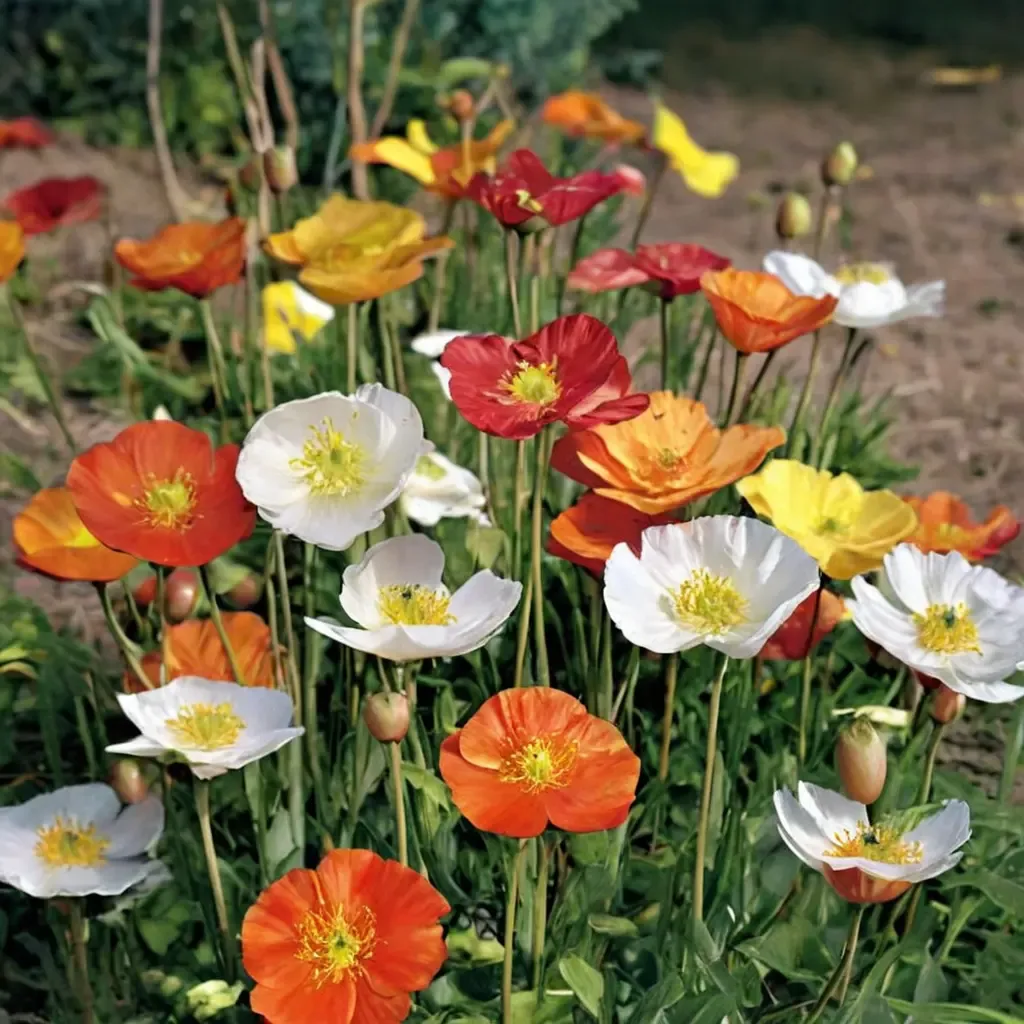
Iceland Poppy
Papaver nudicaule 'Mix'
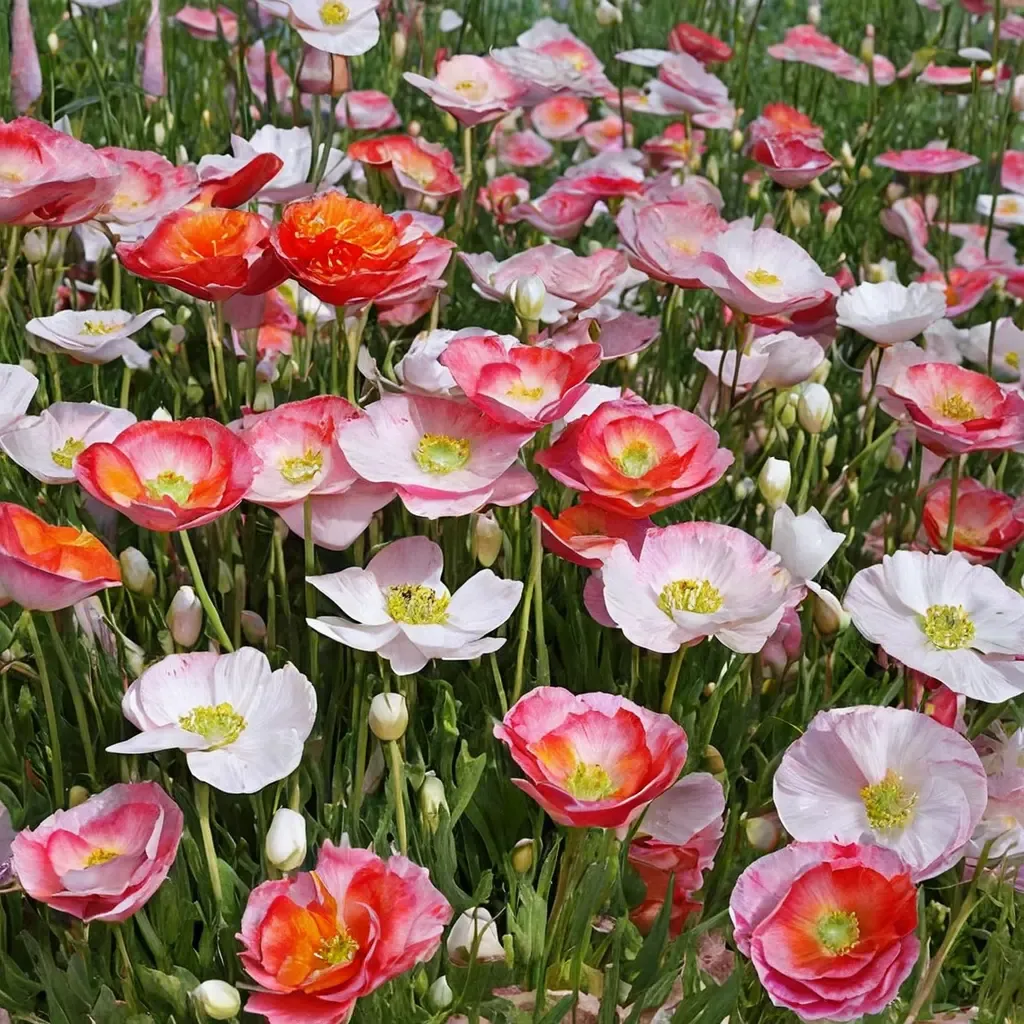
Falling in Love Corn Poppy
Papaver rhoeas 'Falling in Love'
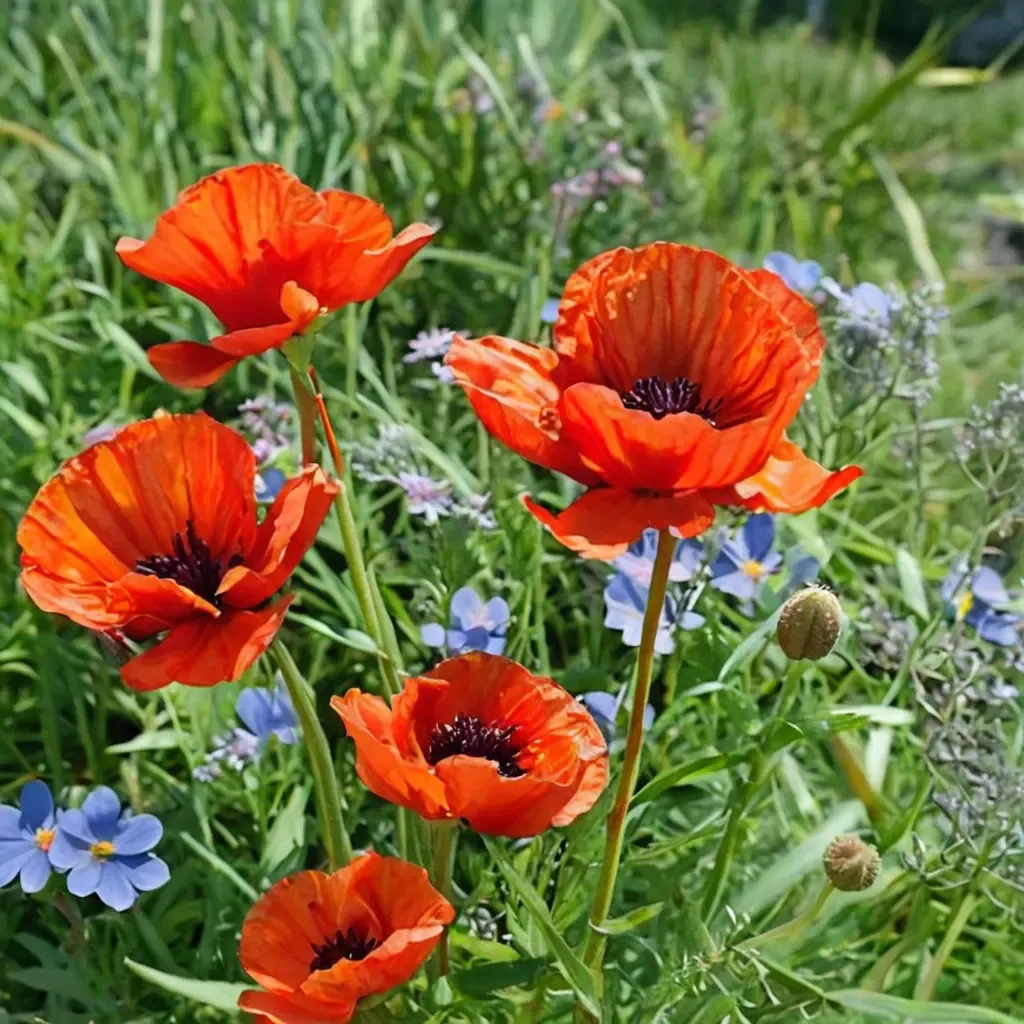
Brilliant Oriental Poppy
Papaver orientale 'Brilliant'
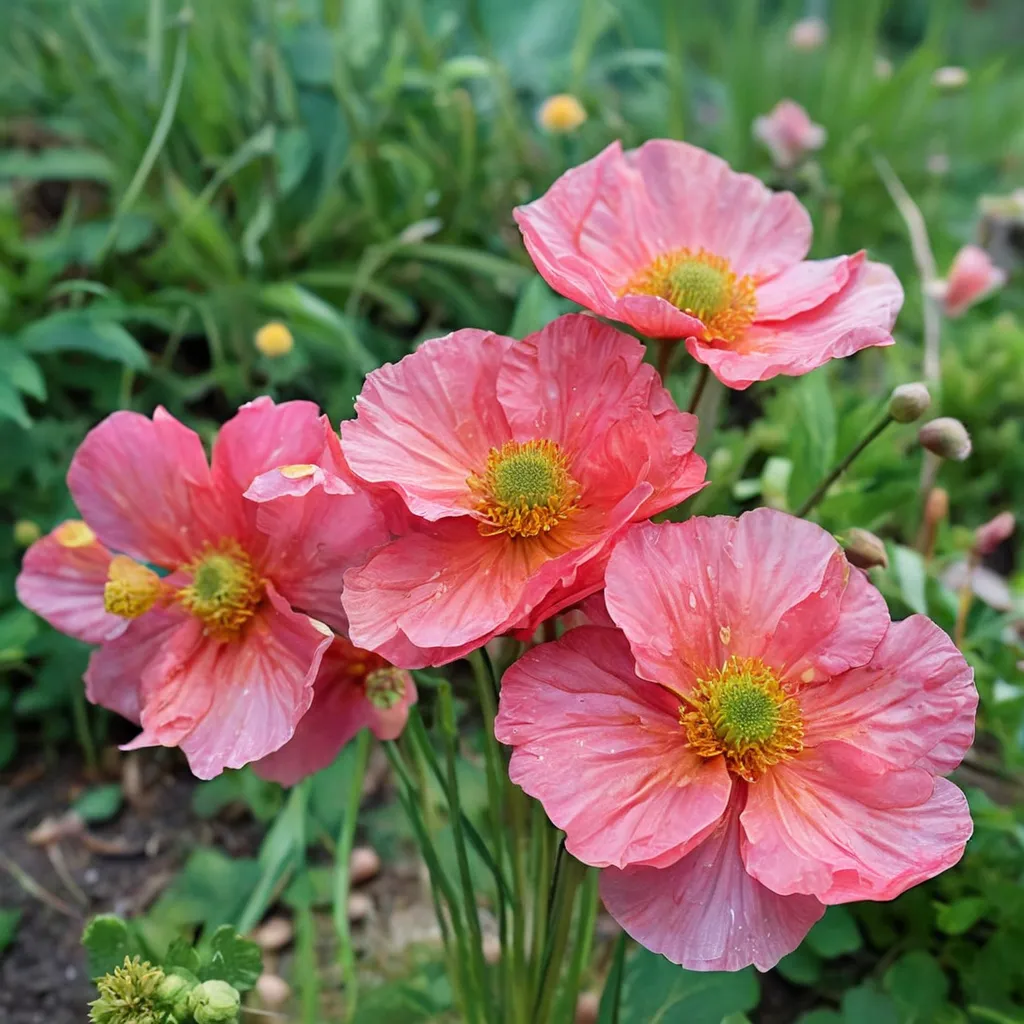
Pink Iceland Poppy
Papaver nudicaule 'Champagne Bubbles Pink'
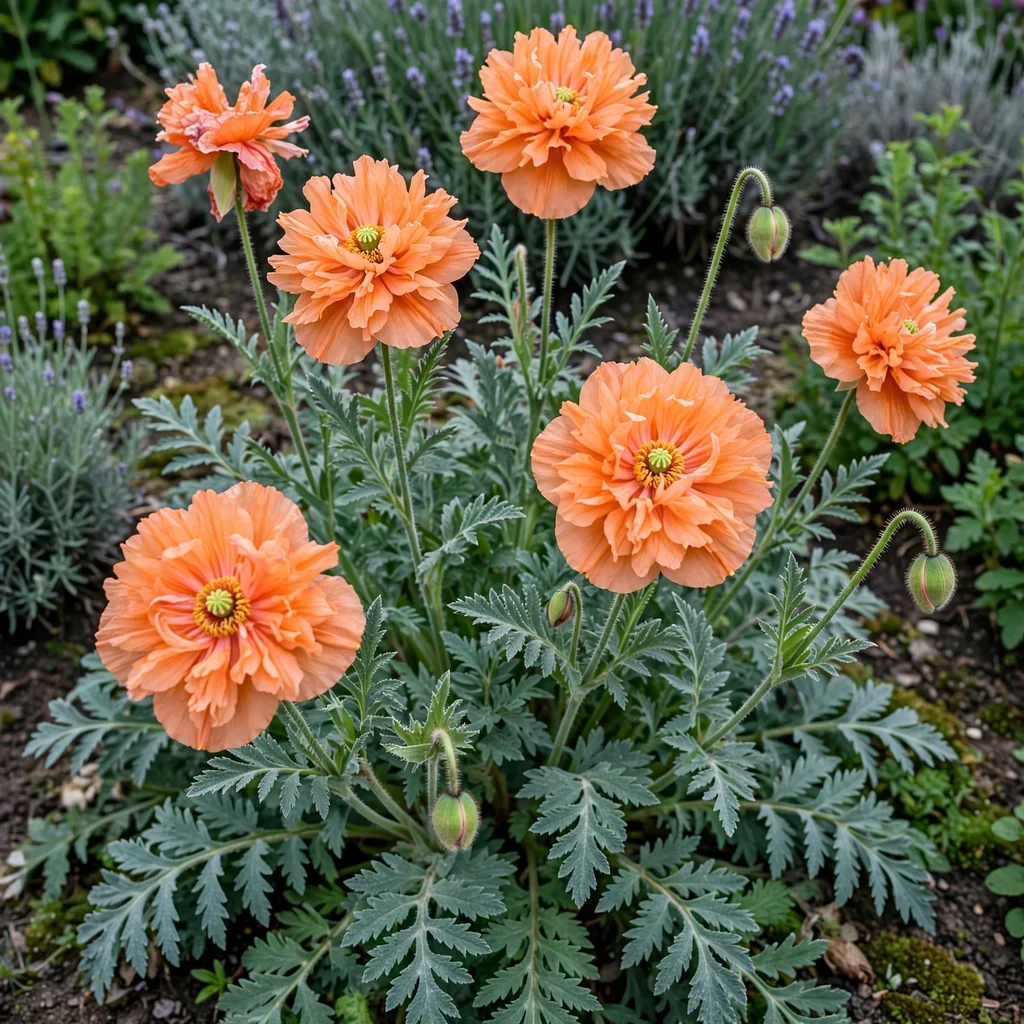
Double Atlantic Poppy
Papaver atlanticum 'Flore Pleno'
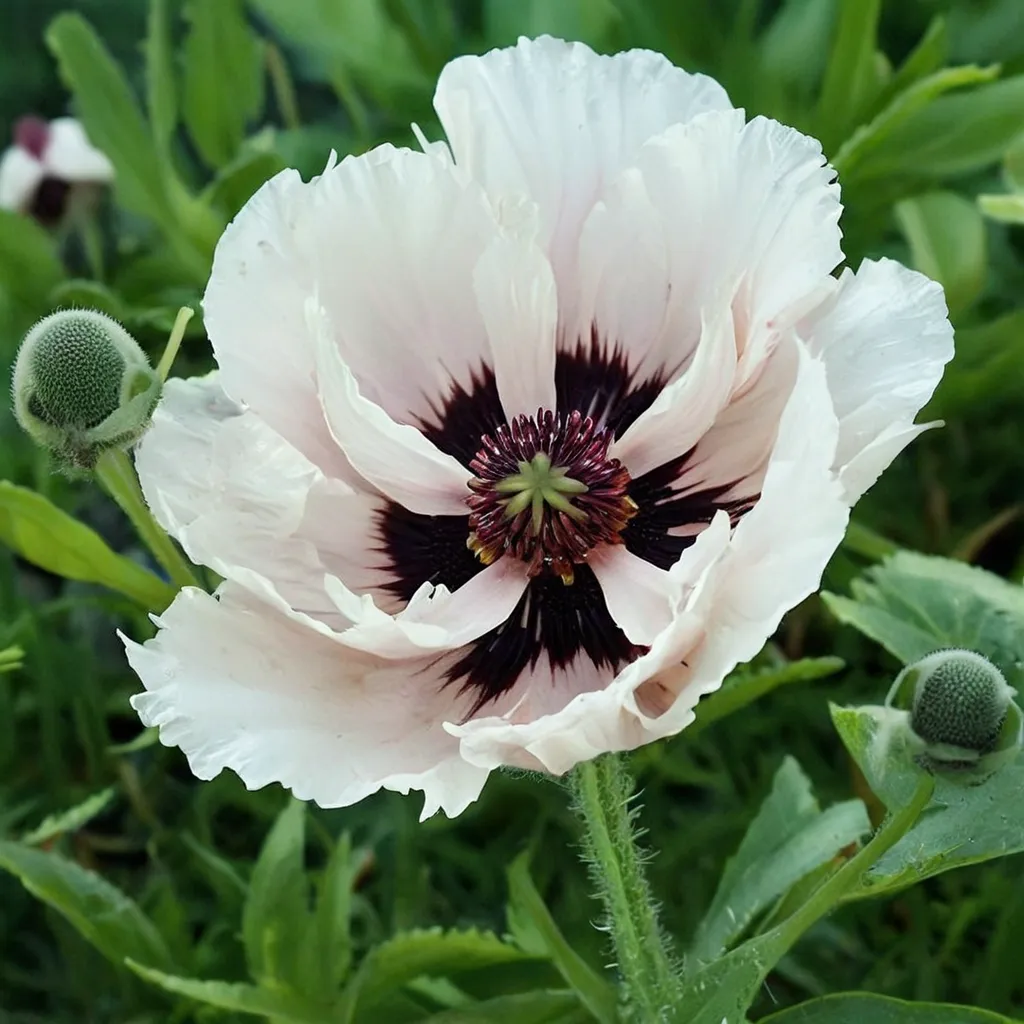
Oriental Poppy Royal Wedding
Papaver orientale 'Royal Wedding'
Keep exploring
Explore the genus
Hardy in your zone?
Grow Oriental Poppy with confidence
See it in a design of your actual yard, get zone-matched care reminders, and track it season by season in your garden journal.