The Story
Plant Bio
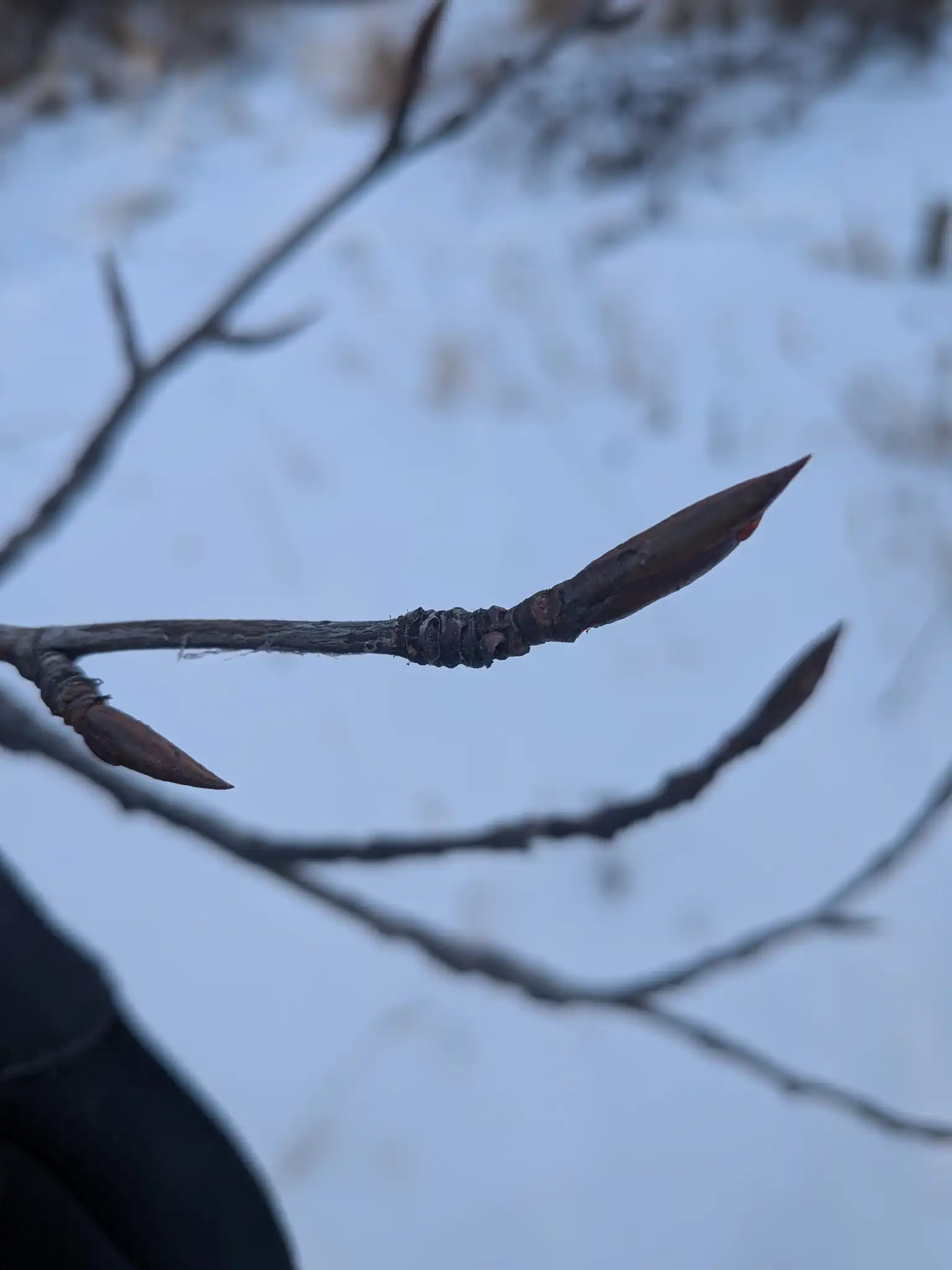
Populus balsamifera, commonly known as the balsam poplar, is a large, fast-growing deciduous tree native to the cold northern regions of North America. It develops an open, irregular, oval to rounded crown and is characterized by an aggressive root-suckering habit.
The new spring growth emerges with a highly aromatic, balsamic fragrance from strongly resinous buds. The simple, alternate leaves are dark glossy green above and feature a distinctive pale, rusty-resinous or bronze-tinged underside.
Uses & Benefits:
Essentials
At a Glance
Plant Type
Tree
Height
1181"
Width
472"
Light
Full Sun
Zones
4, 5, 6, 7
Water
High
Humidity
High
Native To
North America
Toxicity
Skin Irritant
Bloom period
Spring
In flower about 3 months of the year
Planting
How to Grow
- Select a planting site in full sun with moist, rich, well-aerated alluvial soil.
- Dig a hole twice as wide as the root system and plant at the same depth as the container or nursery line.
- Water thoroughly after planting to settle the soil around the roots.
- Maintain consistent soil moisture, ensuring the tree does not experience drought stress.
Pro Tip
Plant this species only where its aggressive root-suckering habit can be contained, keeping it far away from foundations, pipes, and paved areas. Attempting to grow it in hot, dry, or low-humidity climates leads to rapid physiological decline and extreme pest vulnerability.
Keep It Thriving
Care Guide
Do
- Prune only during the dormant winter season to remove damaged wood.
- Regularly remove aggressive root suckers to control unwanted spread.
- Clear fallen leaf debris to minimize the spread of leaf rust fungi.
Don't
- Do not plant near buildings, paved areas, or utility lines due to aggressive root systems.
- Do not plant in dry, compacted, or heavy clay soils.
- Avoid heavy pruning into old, leafless wood.
Seasonal Care Calendar
| Task | Jan | Feb | Mar | Apr | May | Jun | Jul | Aug | Sep | Oct | Nov | Dec |
|---|---|---|---|---|---|---|---|---|---|---|---|---|
| Pest Check | ||||||||||||
| Propagate | ||||||||||||
| Prune | ||||||||||||
| Spring Cleanup |
Watch Out For
Pests & Diseases
Common Pests
Common Diseases
In the Garden
Landscape Uses & Companions
Landscape Uses
Multiply
Propagation Methods
Good to Know
Common Questions
Balsam poplar questions
What zones can Balsam poplar grow in?
Balsam poplar is hardy in USDA Zones 4–7. Inside that range it survives winter in the ground; outside it, grow it as an annual or a container plant you protect.
Is Balsam poplar deer resistant?
Not reliably. Deer may browse Balsam poplar, especially tender spring growth — plan on repellents or fencing where pressure is high.
When does Balsam poplar bloom?
Balsam poplar typically blooms in spring through spring. Exact timing shifts a week or two with your zone — Sow's bloom calendar maps it to your garden.
Does Balsam poplar need full sun?
Balsam poplar does best in full sun (6+ hours).
More Populus to compare
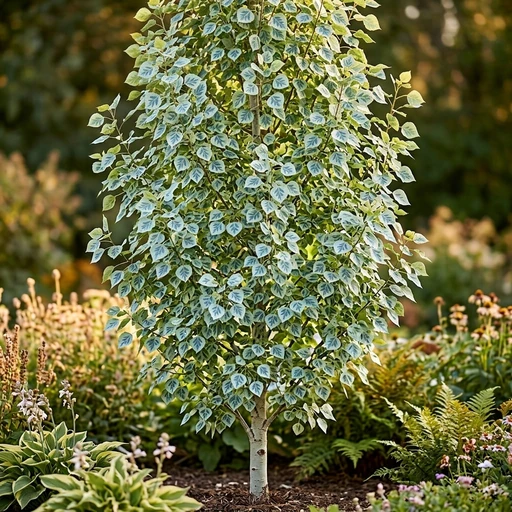
Summer Shimmer Aspen
Populus tremuloides 'Klaus Select'
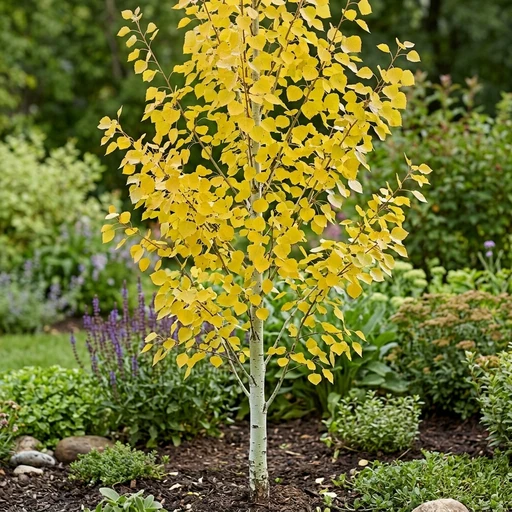
Prairie Gold Quaking Aspen
Populus tremuloides 'Prairie Gold'
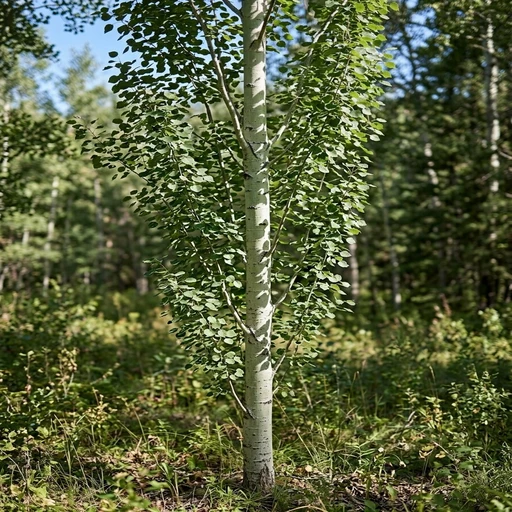
Mountain Sentinel Aspen
Populus tremuloides 'Mountain Sentinel'
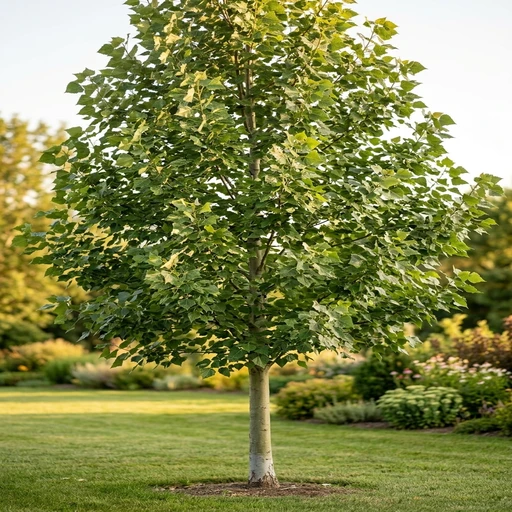
Siouxland Cottonless Poplar
Populus deltoides 'Siouxland'
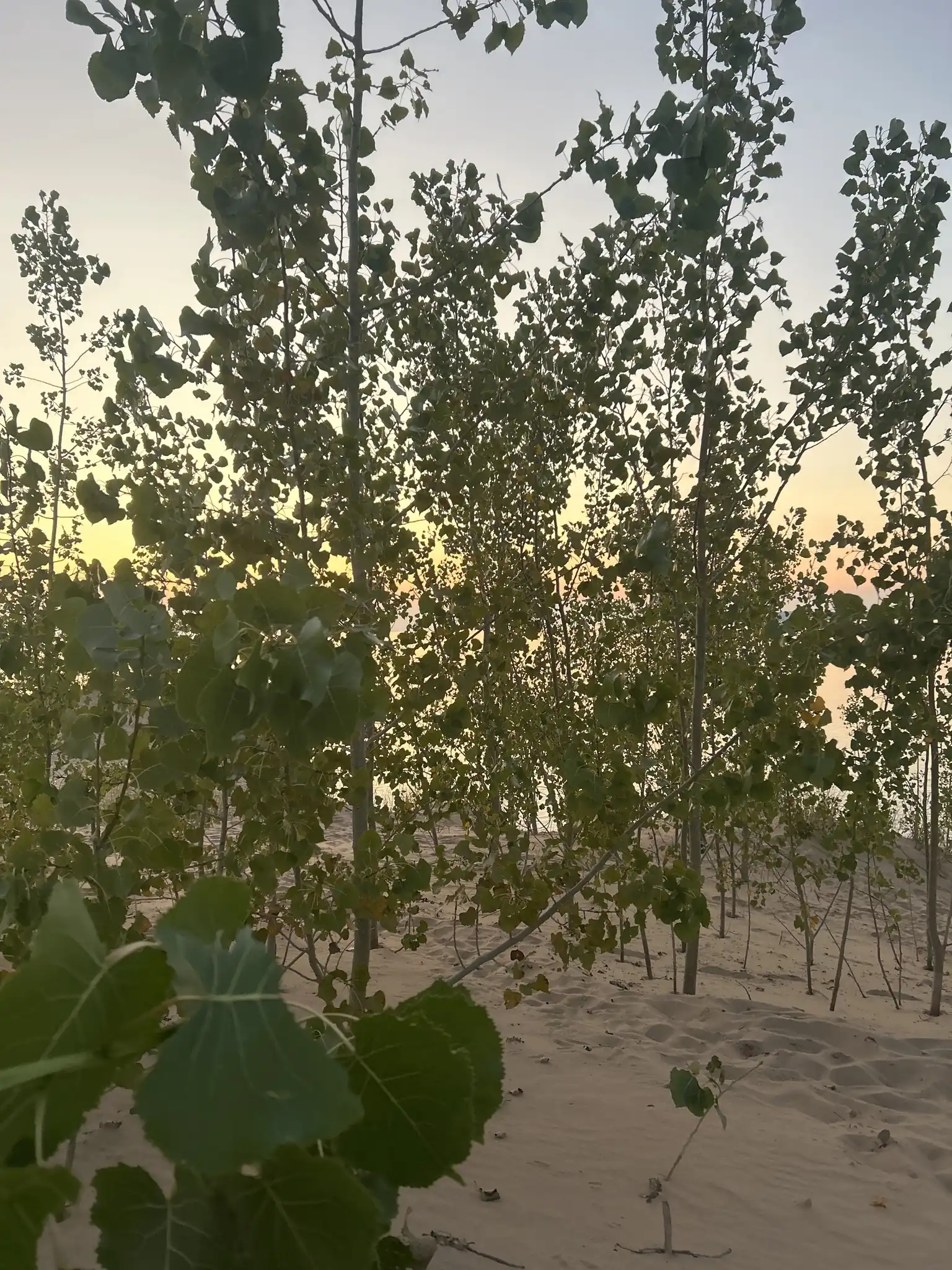
Eastern Cottonwood
Populus deltoides
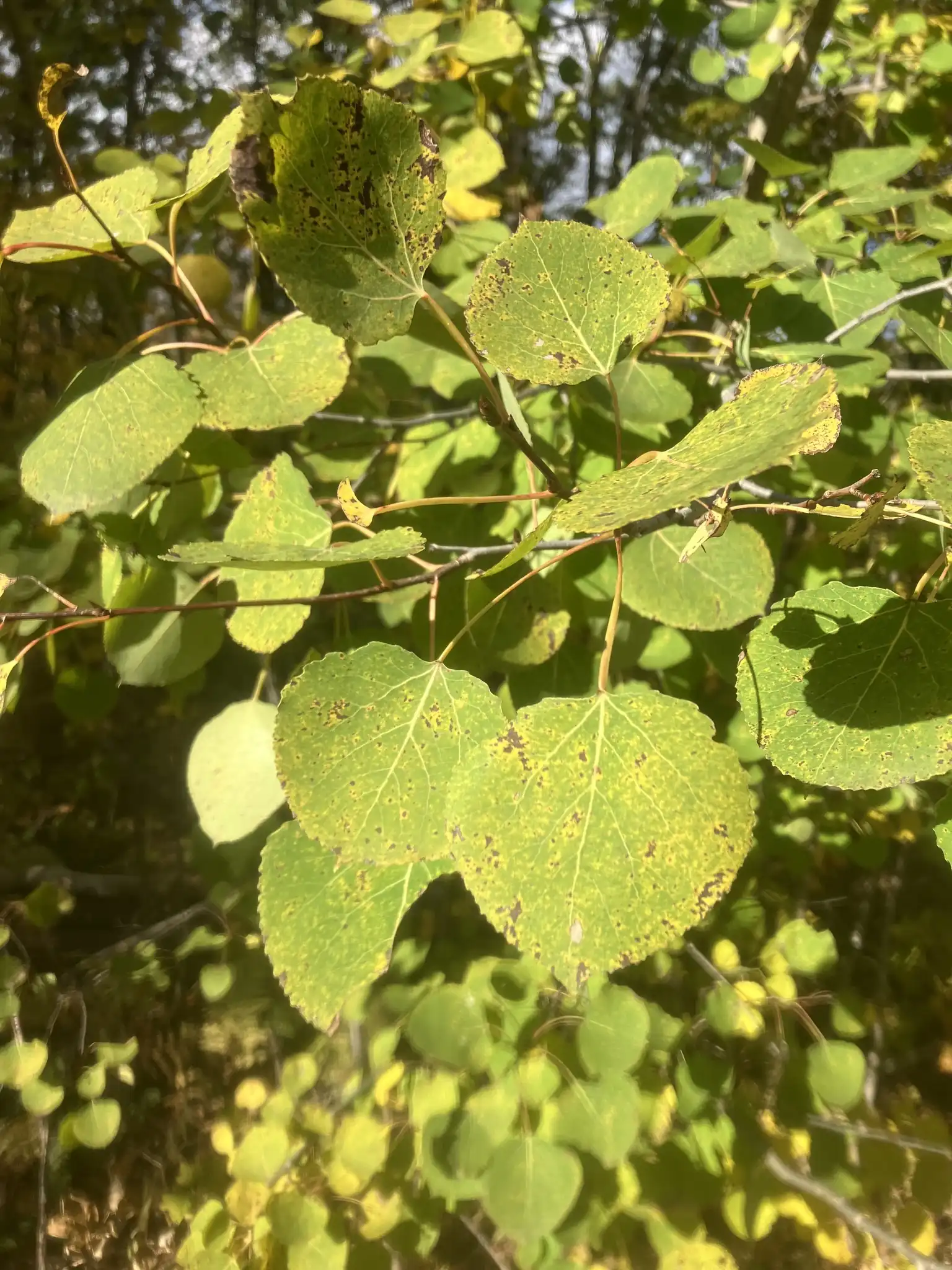
Quaking Aspen
Populus tremuloides
Keep exploring
Explore the genus
Hardy in your zone?
Grow Balsam poplar with confidence
See it in a design of your actual yard, get zone-matched care reminders, and track it season by season in your garden journal.