

The Story
Plant Bio
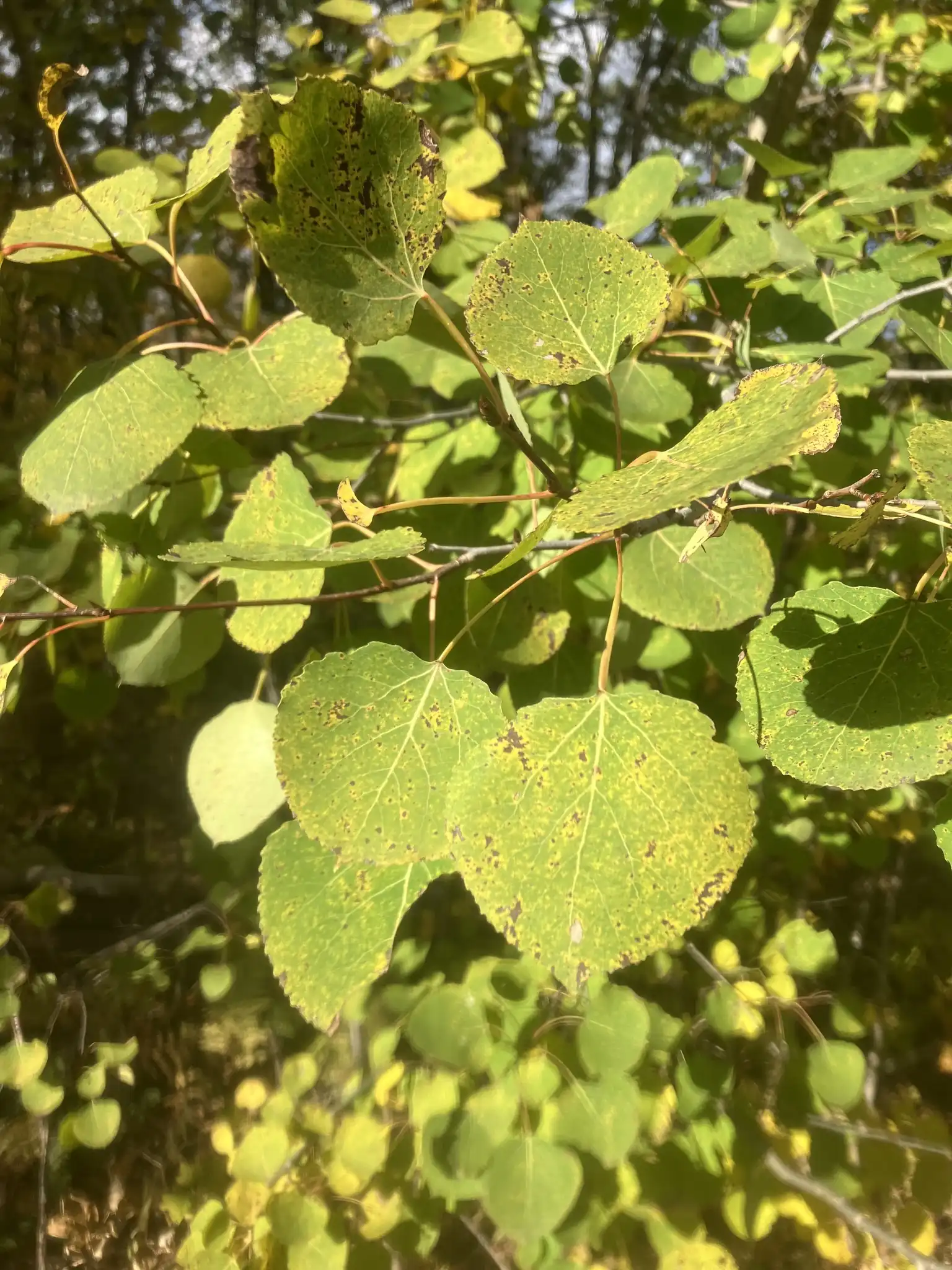
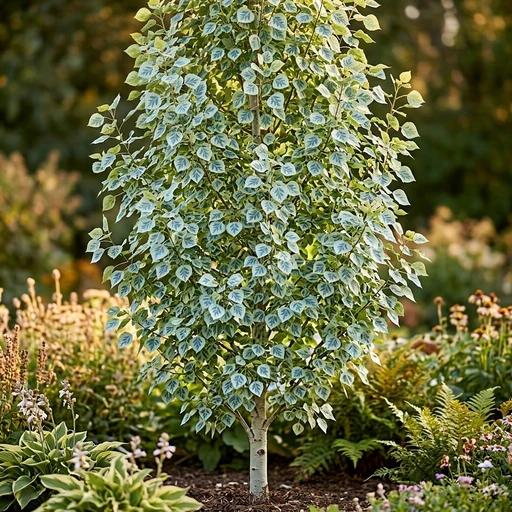
Populus tremuloides, quaking aspen, is a slender deciduous tree native across Alaska, Canada and much of the United States, reaching forty to fifty feet. Smooth greenish-white bark marks it out at any season, and its rounded leaves are held on flattened stalks that make them tremble in the lightest breeze. Autumn brings clear gold.
It spreads by root suckers into clonal groves, and a stand of aspen is often a single organism many thousands of years old — the largest known covers over a hundred acres. That same suckering makes it difficult in a small garden, and it is short-lived and disease-prone outside its cool native range.
Uses & Benefits:
Essentials
At a Glance
Plant Type
Tree
Height
540"
Width
300"
Light
Full Sun
Zones
4, 5, 6, 7
Water
Moderate
Humidity
Low
Lifespan
Perennial
Native To
Alaska, Canada and much of the United States
Toxicity
Non-toxic
Marketplace
Where to Buy
Shipping costs Year-round shipping Free shipping
Planting
How to Grow
- Plant in spring in moist, well-drained soil.
- Choose full sun and a cool position.
- Give it room; it suckers freely into a grove.
- Water through the first two seasons.
- Remove unwanted suckers annually.
- Avoid hot, humid regions where it declines fast.
Pro Tip
Only plant it if a grove is what you want — suckers come up many feet from the trunk and mowing them off is a permanent commitment.
Keep It Thriving
Care Guide
Do
- Plant in cool climates with full sun ❄️
- Allow space for a clonal grove 🌳
- Remove suckers yearly if unwanted ✂️
- Water through establishment 💧
Don't
- Plant near paving, lawns or foundations ❌
- Expect it to thrive in hot humid summers ❌
- Expect a long-lived specimen tree ❌
Seasonal Care Calendar
| Task | Jan | Feb | Mar | Apr | May | Jun | Jul | Aug | Sep | Oct | Nov | Dec |
|---|---|---|---|---|---|---|---|---|---|---|---|---|
| Monitor | ||||||||||||
| Prune |
Watch Out For
Pests & Diseases
Common Pests
Common Diseases
In the Garden
Landscape Uses & Companions
Landscape Uses
Multiply
Propagation Methods
Good to Know
Common Questions
Quaking Aspen questions
What zones can Quaking Aspen grow in?
Quaking Aspen is hardy in USDA Zones 4–7. Inside that range it survives winter in the ground; outside it, grow it as an annual or a container plant you protect.
Is Quaking Aspen deer resistant?
Yes — Quaking Aspen is rated deer-resistant. Deer typically pass it over, though extreme hunger can override any plant's defenses.
When does Quaking Aspen bloom?
Quaking Aspen typically blooms in early spring through mid-spring. Exact timing shifts a week or two with your zone — Sow's bloom calendar maps it to your garden.
Does Quaking Aspen need full sun?
Quaking Aspen does best in full sun (6+ hours).
Is Quaking Aspen drought tolerant?
Yes — once established (usually after the first full season), Quaking Aspen handles dry spells with minimal watering. Water deeply its first year to build the root system that makes that possible.
More Populus to compare
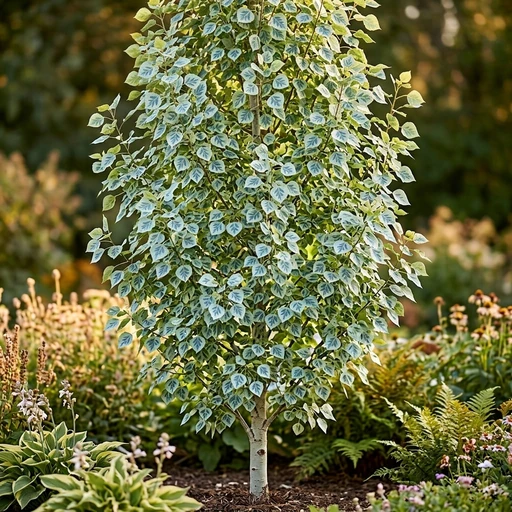
Summer Shimmer Aspen
Populus tremuloides 'Klaus Select'
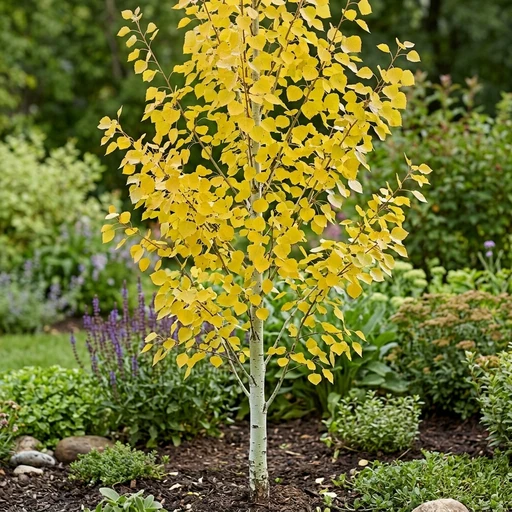
Prairie Gold Quaking Aspen
Populus tremuloides 'Prairie Gold'
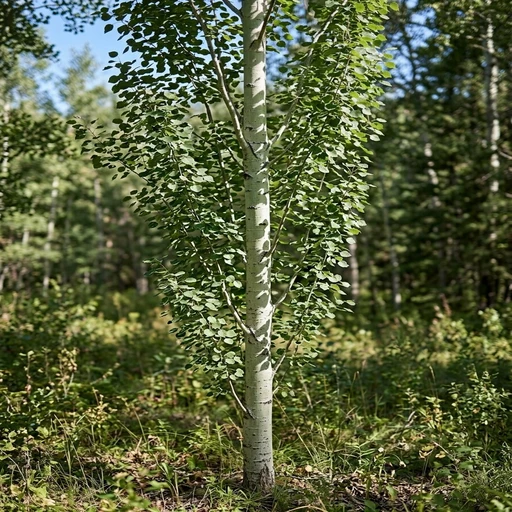
Mountain Sentinel Aspen
Populus tremuloides 'Mountain Sentinel'
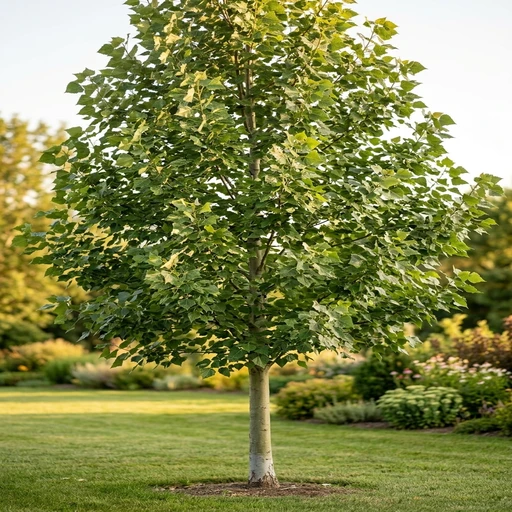
Siouxland Cottonless Poplar
Populus deltoides 'Siouxland'
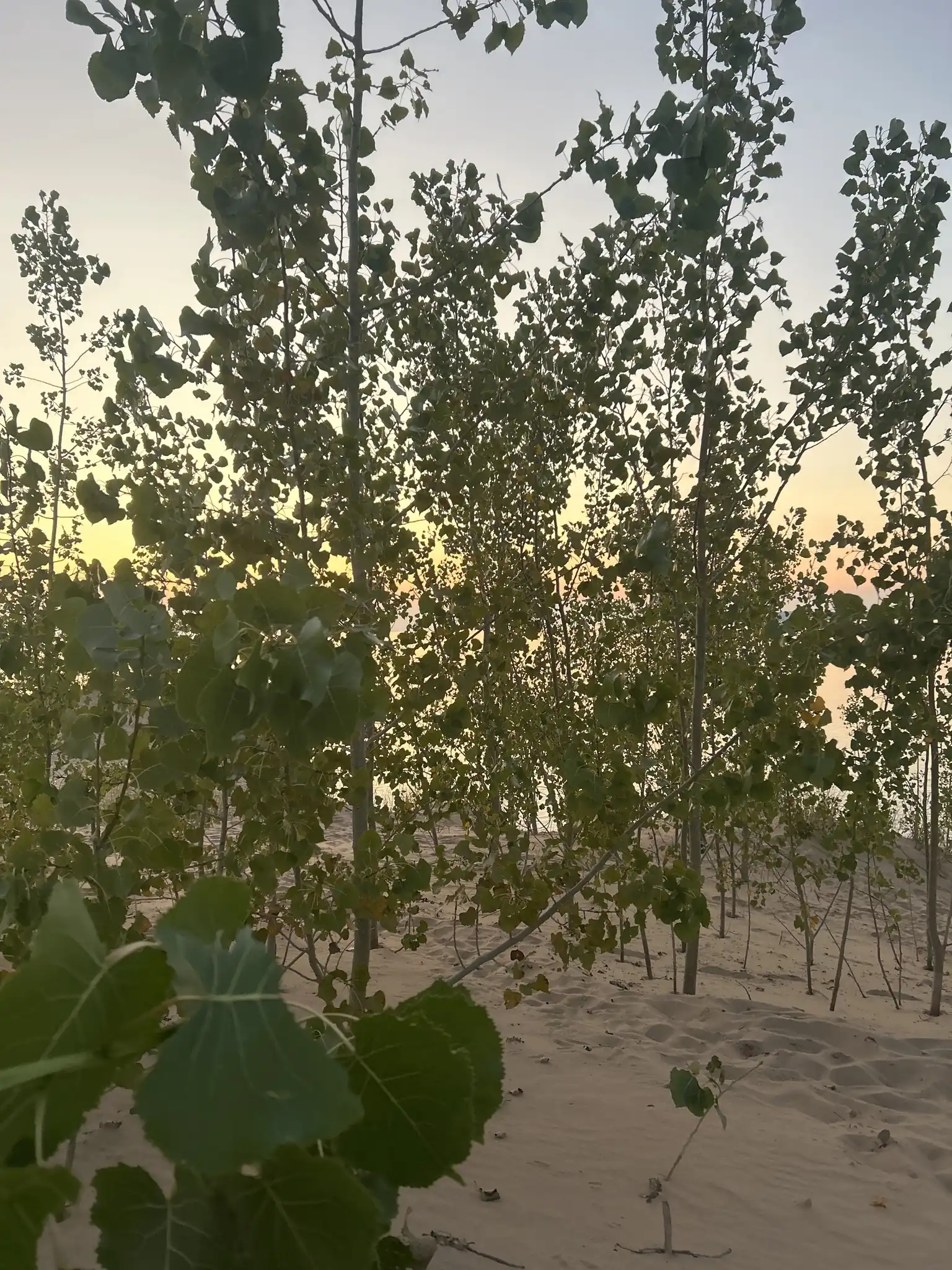
Eastern Cottonwood
Populus deltoides
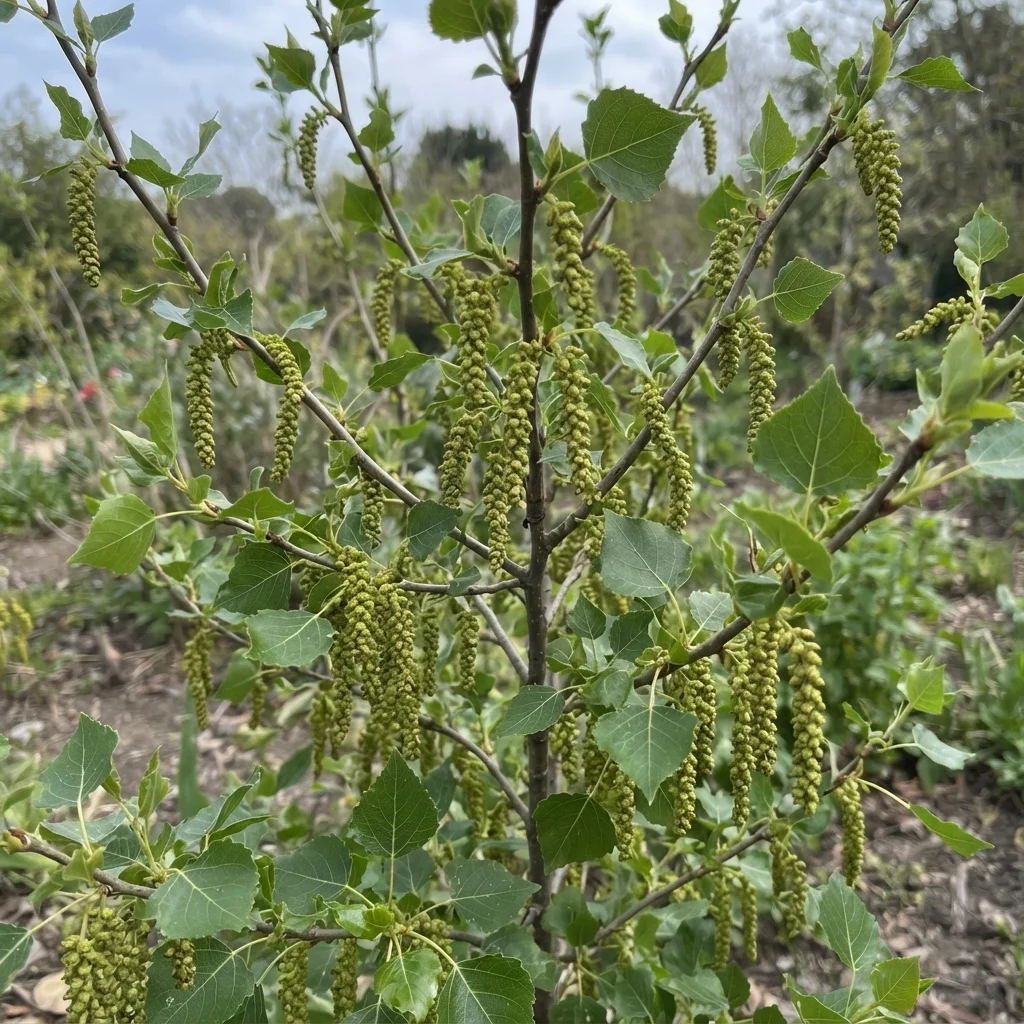
Black Poplar
Populus nigra
Keep exploring
Explore the genus
Hardy in your zone?
Grow Quaking Aspen with confidence
See it in a design of your actual yard, get zone-matched care reminders, and track it season by season in your garden journal.