The Story
Plant Bio
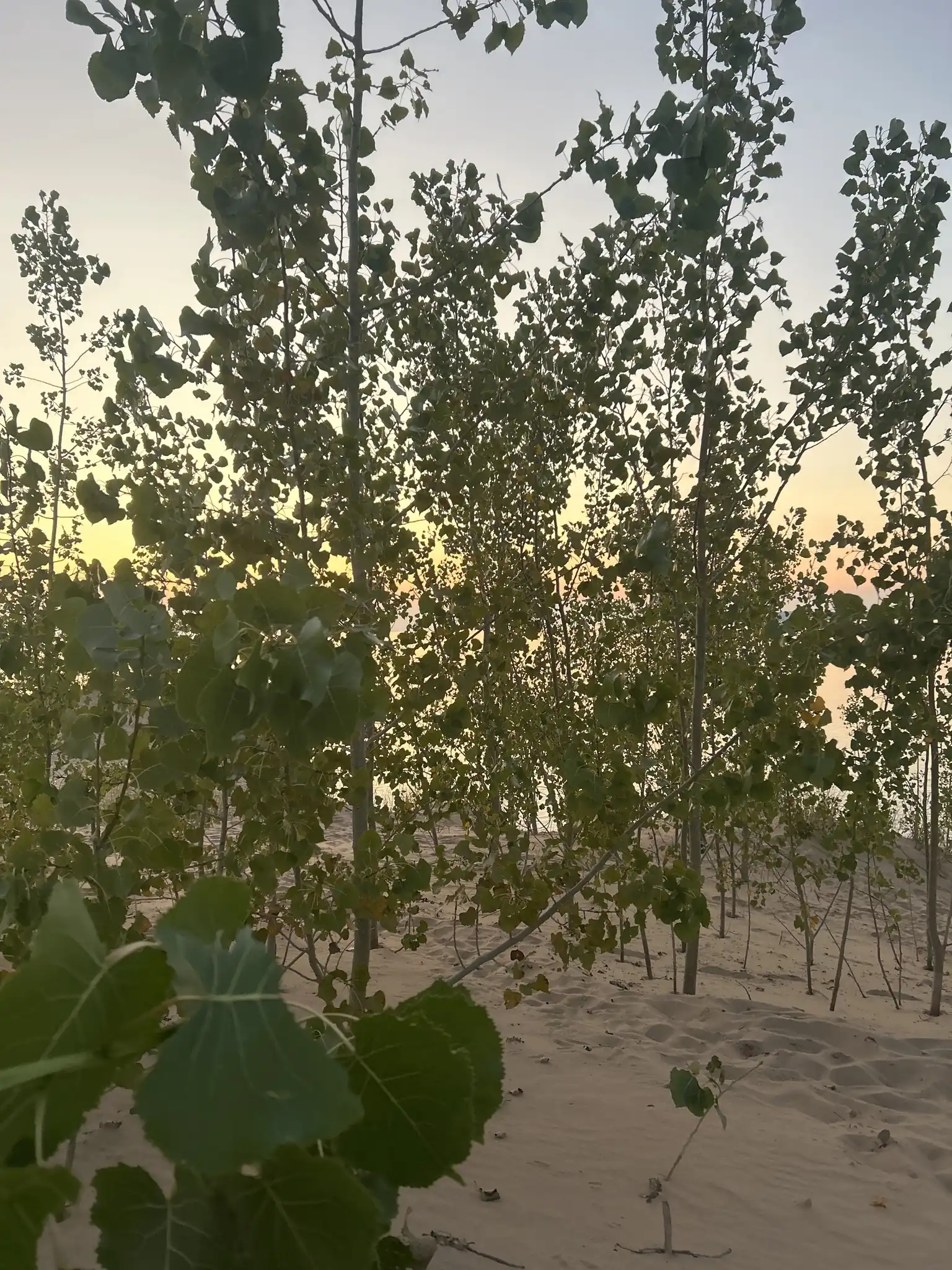
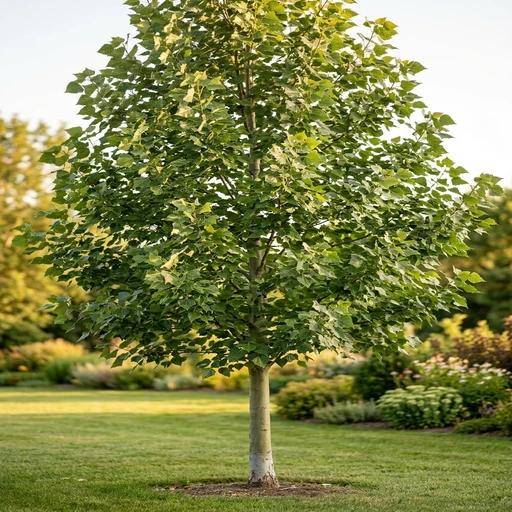
Populus deltoides, eastern cottonwood, is a very large fast-growing deciduous tree native across the eastern, central and southwestern United States and into Canada, typically found on floodplains and riverbanks. It reaches seventy-five to a hundred feet with a broad open crown. Glossy triangular leaves flutter audibly on flattened stalks, and female trees release masses of cottony seed in early summer.
Growth is exceptional — several feet a year on damp ground — and it tolerates flooding, drought, salt and urban conditions, which is why it colonises disturbed riversides so readily. That speed comes with brittle wood, a short life by tree standards, and aggressive roots, so it belongs well away from buildings, drains and paving.
Uses & Benefits:
Essentials
At a Glance
Plant Type
Tree
Height
1050"
Width
570"
Light
Full Sun
Zones
4, 5, 6, 7, 8, 9
Water
Moderate to high
Humidity
Moderate
Lifespan
Perennial
Native To
Central and eastern North America
Toxicity
Non-toxic
Planting
How to Grow
- Plant in autumn or early spring in deep, moist soil.
- Choose full sun and a site with plenty of room.
- Keep it at least fifty feet from buildings, drains and paving.
- Water through the first season; established trees rarely need it.
- Remove weak, crossing or damaged limbs early to build structure.
- Inspect after storms, as the wood breaks easily.
Pro Tip
Plant a male selection where you can: female trees shed enough cottony seed to clog gutters, filters and air conditioners for weeks.
Keep It Thriving
Care Guide
Do
- Give it a large open site well away from structures 🌳
- Use it for fast shade or shelter on damp ground 💧
- Prune young trees to build sound branch structure ✂️
- Check for storm damage after high winds 🔍
Don't
- Plant near drains, foundations or paving ❌
- Expect a long-lived specimen tree ❌
- Plant a female tree near a pool or air conditioning unit ❌
Seasonal Care Calendar
| Task | Jan | Feb | Mar | Apr | May | Jun | Jul | Aug | Sep | Oct | Nov | Dec |
|---|---|---|---|---|---|---|---|---|---|---|---|---|
| Monitor | ||||||||||||
| Prune |
Watch Out For
Pests & Diseases
Common Pests
Common Diseases
In the Garden
Landscape Uses & Companions
Landscape Uses
Multiply
Propagation Methods
Good to Know
Common Questions
Eastern Cottonwood questions
What zones can Eastern Cottonwood grow in?
Eastern Cottonwood is hardy in USDA Zones 4–9. Inside that range it survives winter in the ground; outside it, grow it as an annual or a container plant you protect.
Is Eastern Cottonwood deer resistant?
Not reliably. Deer may browse Eastern Cottonwood, especially tender spring growth — plan on repellents or fencing where pressure is high.
When does Eastern Cottonwood bloom?
Eastern Cottonwood typically blooms in spring through early spring. Exact timing shifts a week or two with your zone — Sow's bloom calendar maps it to your garden.
Does Eastern Cottonwood need full sun?
Eastern Cottonwood does best in full sun (6+ hours).
More Populus to compare
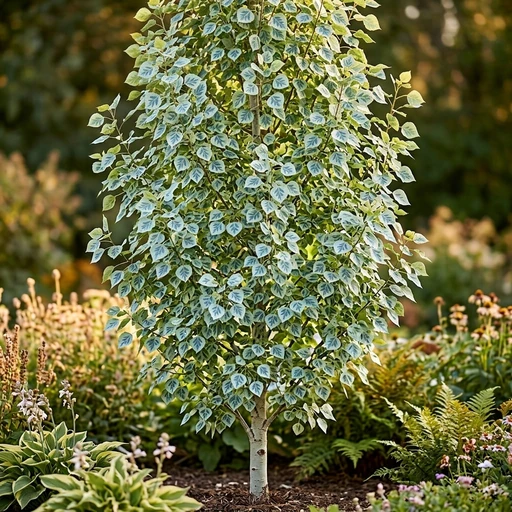
Summer Shimmer Aspen
Populus tremuloides 'Klaus Select'
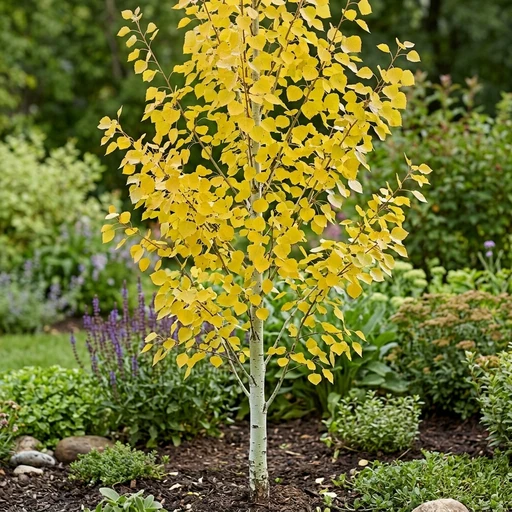
Prairie Gold Quaking Aspen
Populus tremuloides 'Prairie Gold'
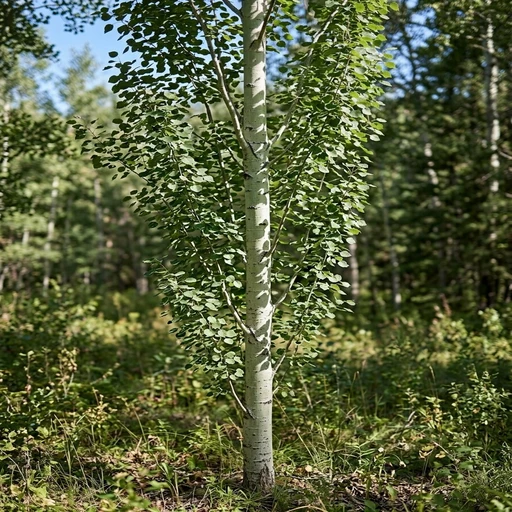
Mountain Sentinel Aspen
Populus tremuloides 'Mountain Sentinel'
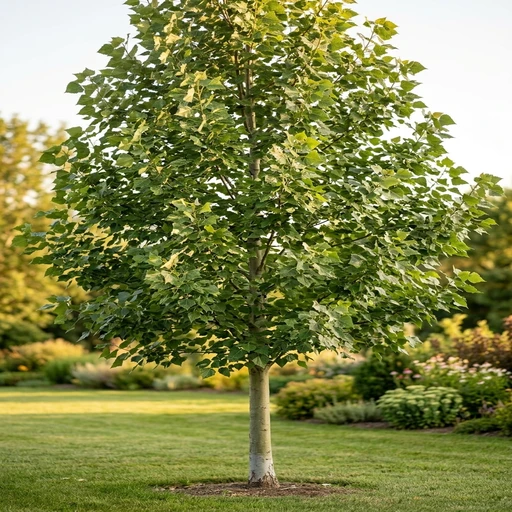
Siouxland Cottonless Poplar
Populus deltoides 'Siouxland'
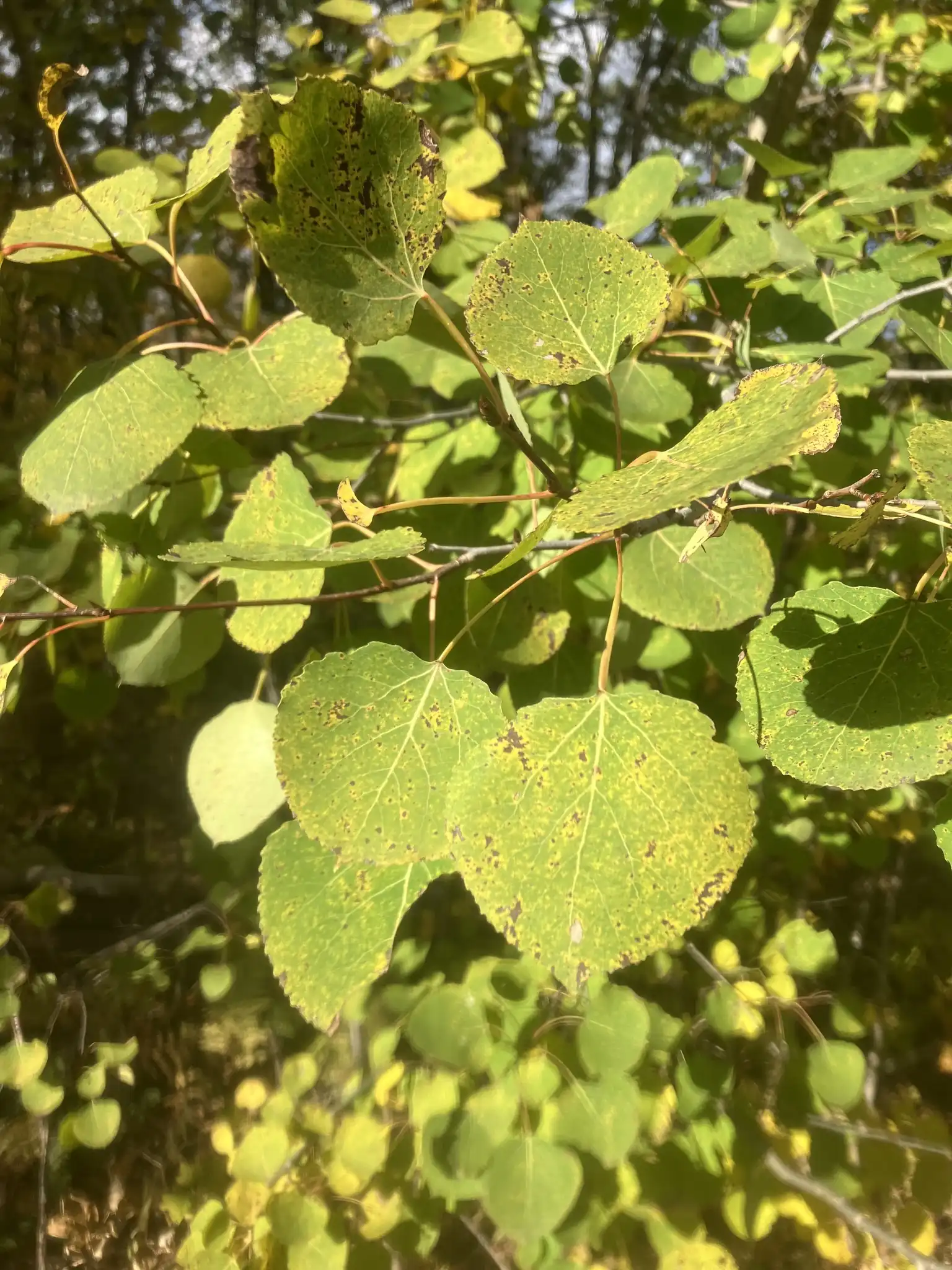
Quaking Aspen
Populus tremuloides
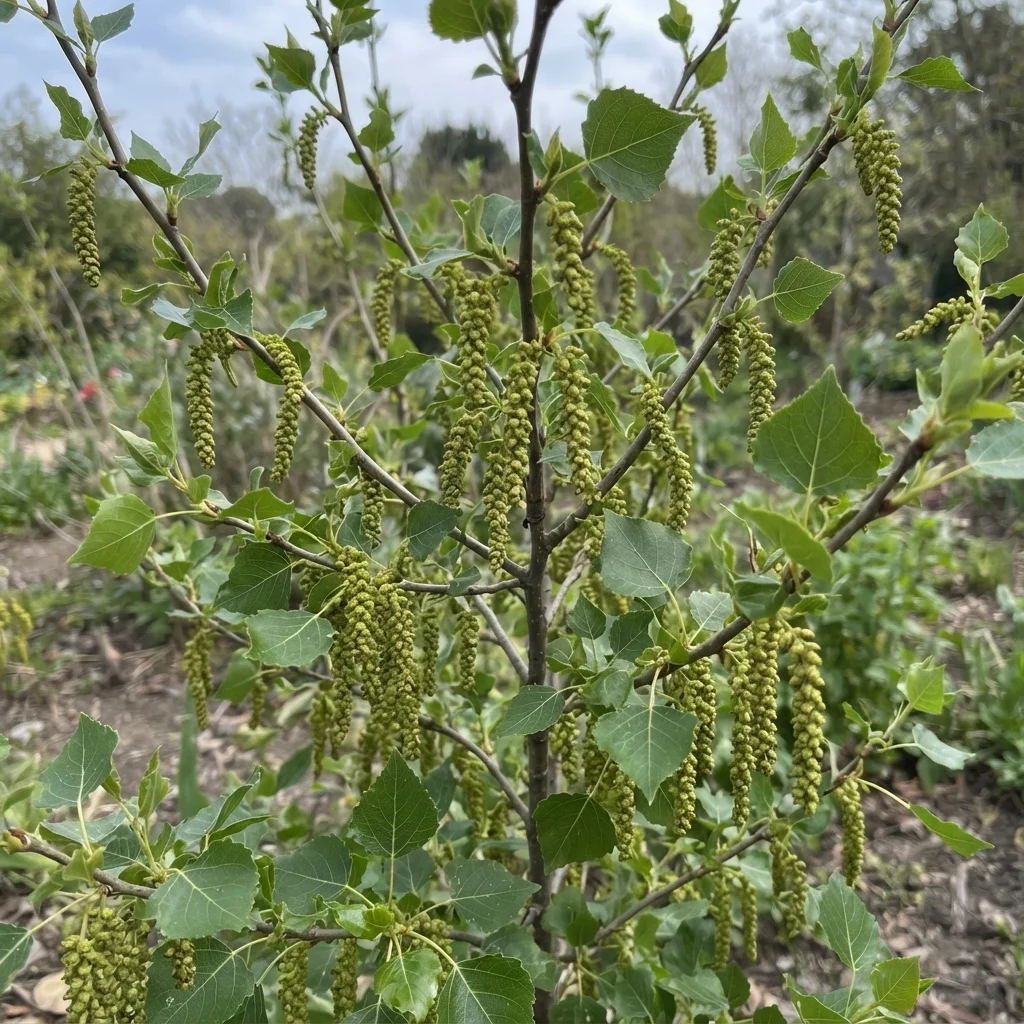
Black Poplar
Populus nigra
Keep exploring
Explore the genus
Grow Eastern Cottonwood with confidence
See it in a design of your actual yard, get zone-matched care reminders, and track it season by season in your garden journal.