The Story
Plant Bio
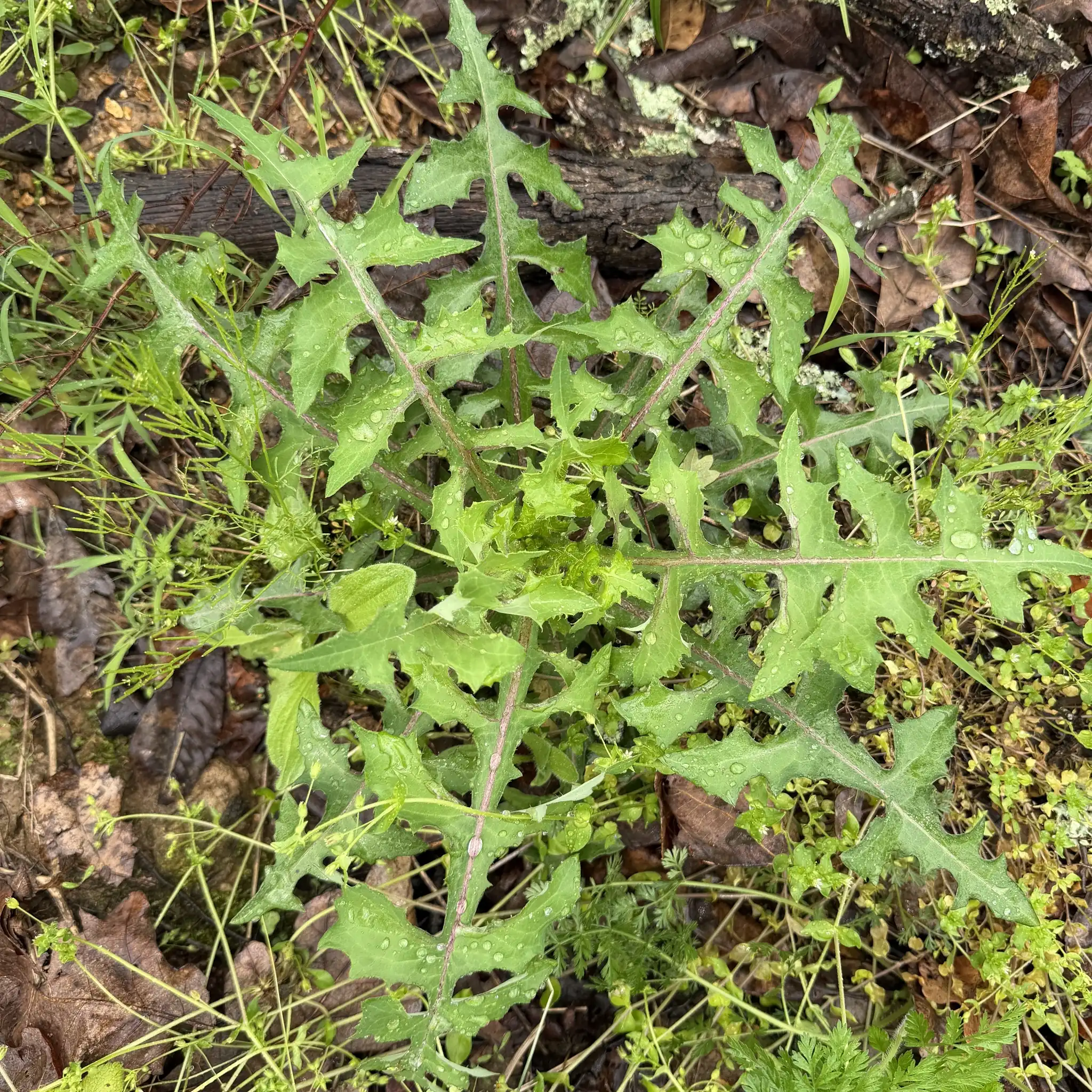
Lactuca canadensis, the Canada lettuce, is an erect biennial herb native to North America that forms a low basal rosette in its first year before bolting upward on a single unbranched stem. The highly variable, alternate foliage lacks the prickles of introduced weedy relatives and exudes a distinctive tan-to-orange milky latex when broken.
During its second-year reproductive phase, the plant produces a massive architectural flower spike reaching up to fifteen feet tall. This terminal panicle bears numerous small, yellow-to-orange composite flower heads that open in succession from midsummer through early fall.
Uses & Benefits:
Essentials
At a Glance
Plant Type
Perennial
Height
86"
Width
24"
Light
Full Sun, Partial Sun
Zones
4, 5, 6, 7, 8, 9
Water
Low to medium
Humidity
High
Lifespan
Biennial
Native To
North America
Toxicity
Skin Irritant / Toxic if Ingested
Bloom period
Summer – Early fall
In flower about 4 months of the year
Planting
How to Grow
- Sow seeds shallowly in spring or fall, pressing them lightly into the soil surface as they require light to germinate.
- Select a site in full sun to partial shade with well-drained loam, clay, or sandy soil.
- Water young seedlings regularly to establish the root system, though mature plants tolerate dry periods.
- Monitor the first-year rosettes for slugs and snails, protecting them with physical barriers if necessary.
Pro Tip
To prevent aggressive self-seeding in naturalized areas, cut the central flowering stalk down to the ground immediately after the flowers fade and before the seed heads dry and split open.
Keep It Thriving
Care Guide
Do
- Wear gloves when handling or cutting the stems to avoid skin irritation from the milky latex sap.
- Allow the plant to bolt if a tall, architectural structure is desired in a wild garden setting.
- Remove spent flower heads promptly if you wish to control its spread.
Don't
- Do not apply supplemental fertilizer, as this species thrives and bolts readily in poor, disturbed soils.
- Do not ingest raw wild plants in large quantities due to the presence of toxic bitter compounds.
- Do not plant in highly manicured borders where its tall, wild habit and self-seeding nature will disrupt the design.
Seasonal Care Calendar
| Task | Jan | Feb | Mar | Apr | May | Jun | Jul | Aug | Sep | Oct | Nov | Dec |
|---|---|---|---|---|---|---|---|---|---|---|---|---|
| Pest Check | ||||||||||||
| Plant | ||||||||||||
| Prune | ||||||||||||
| Spring Cleanup |
Watch Out For
Pests & Diseases
Common Pests
Common Diseases
In the Garden
Landscape Uses & Companions
Landscape Uses
Companion Plants
Multiply
Propagation Methods
Good to Know
Common Questions
Canada Lettuce questions
What zones can Canada Lettuce grow in?
Canada Lettuce is hardy in USDA Zones 4–9. Inside that range it survives winter in the ground; outside it, grow it as an annual or a container plant you protect.
Is Canada Lettuce deer resistant?
Not reliably. Deer may browse Canada Lettuce, especially tender spring growth — plan on repellents or fencing where pressure is high.
When does Canada Lettuce bloom?
Canada Lettuce typically blooms in summer through early fall. Exact timing shifts a week or two with your zone — Sow's bloom calendar maps it to your garden.
Does Canada Lettuce need full sun?
Canada Lettuce does best in full sun to part shade. In hot climates, afternoon shade keeps blooms fresher longer.
Is Canada Lettuce drought tolerant?
Yes — once established (usually after the first full season), Canada Lettuce handles dry spells with minimal watering. Water deeply its first year to build the root system that makes that possible.
More Lactuca to compare
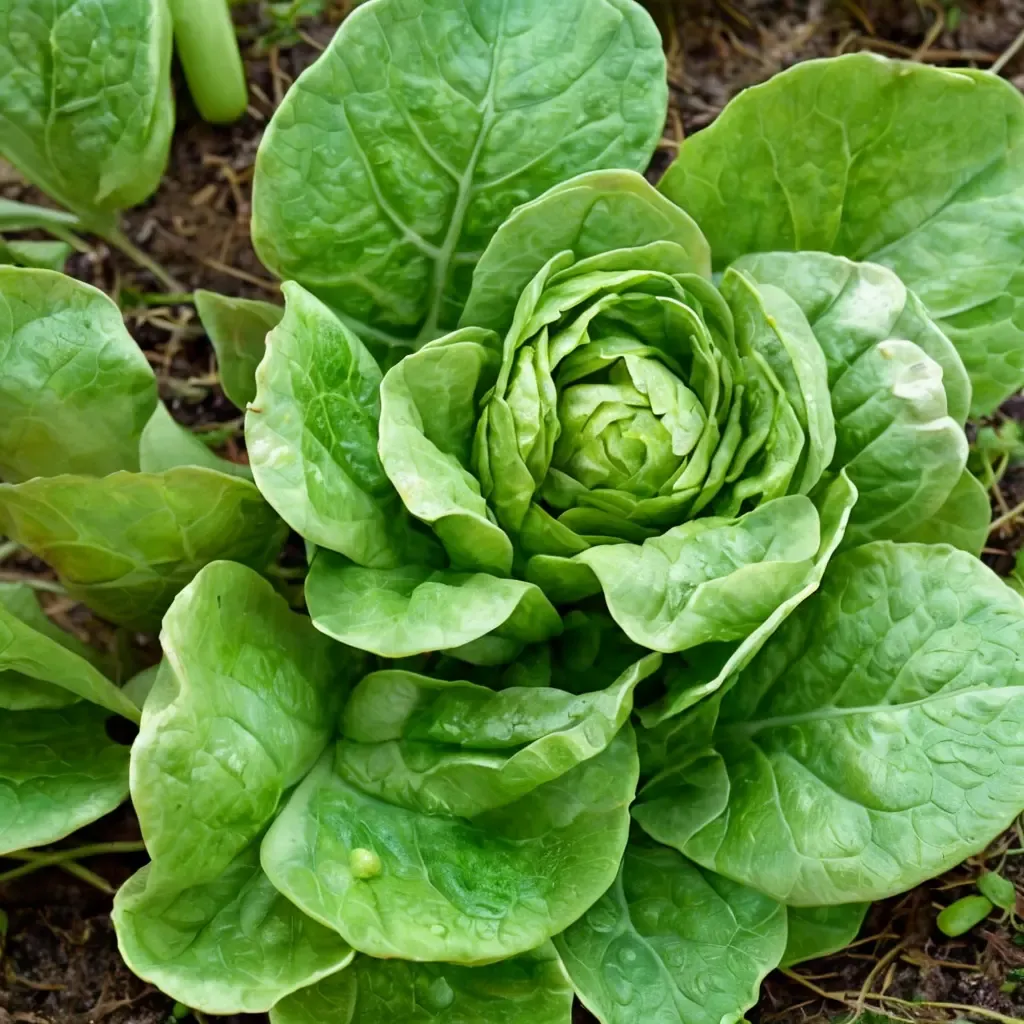
Little Gem Lettuce
Lactuca sativa 'Little Gem'
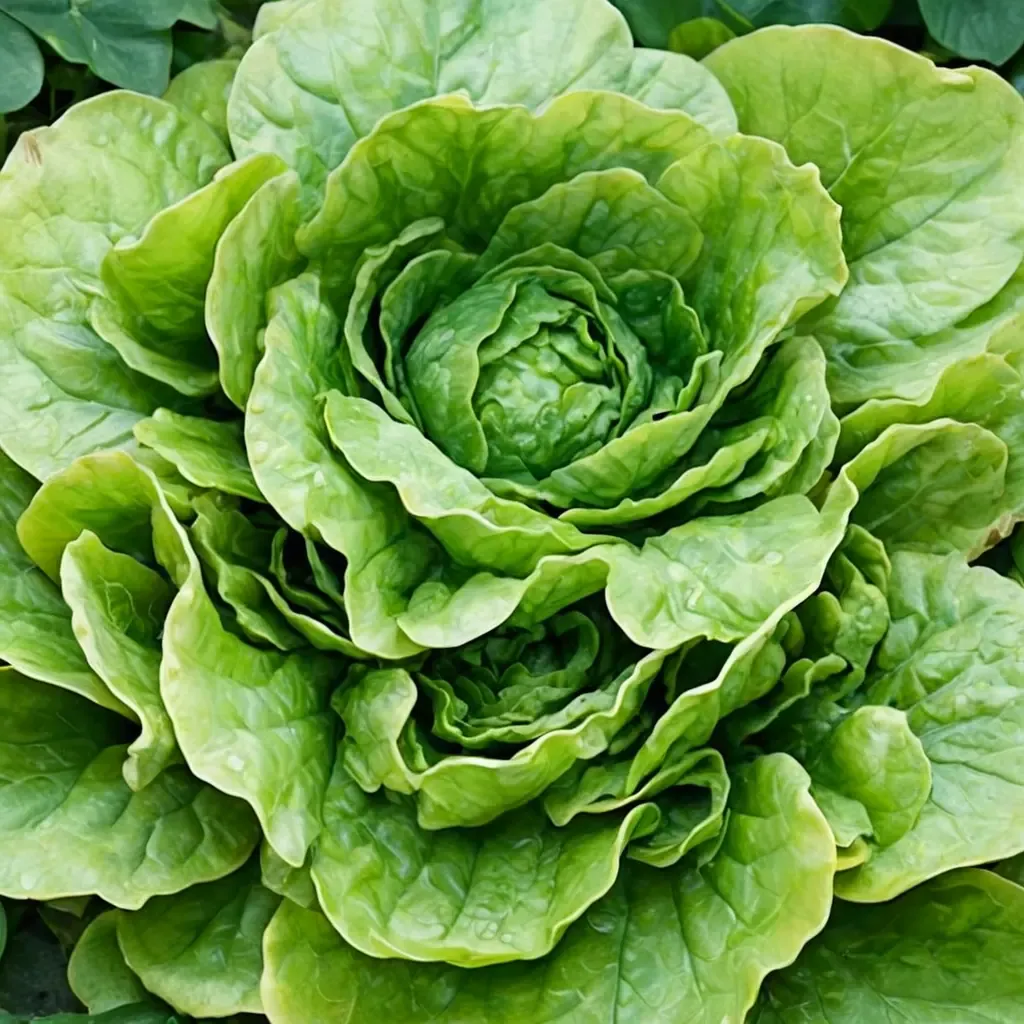
Buttercrunch Lettuce
Lactuca sativa 'Buttercrunch'
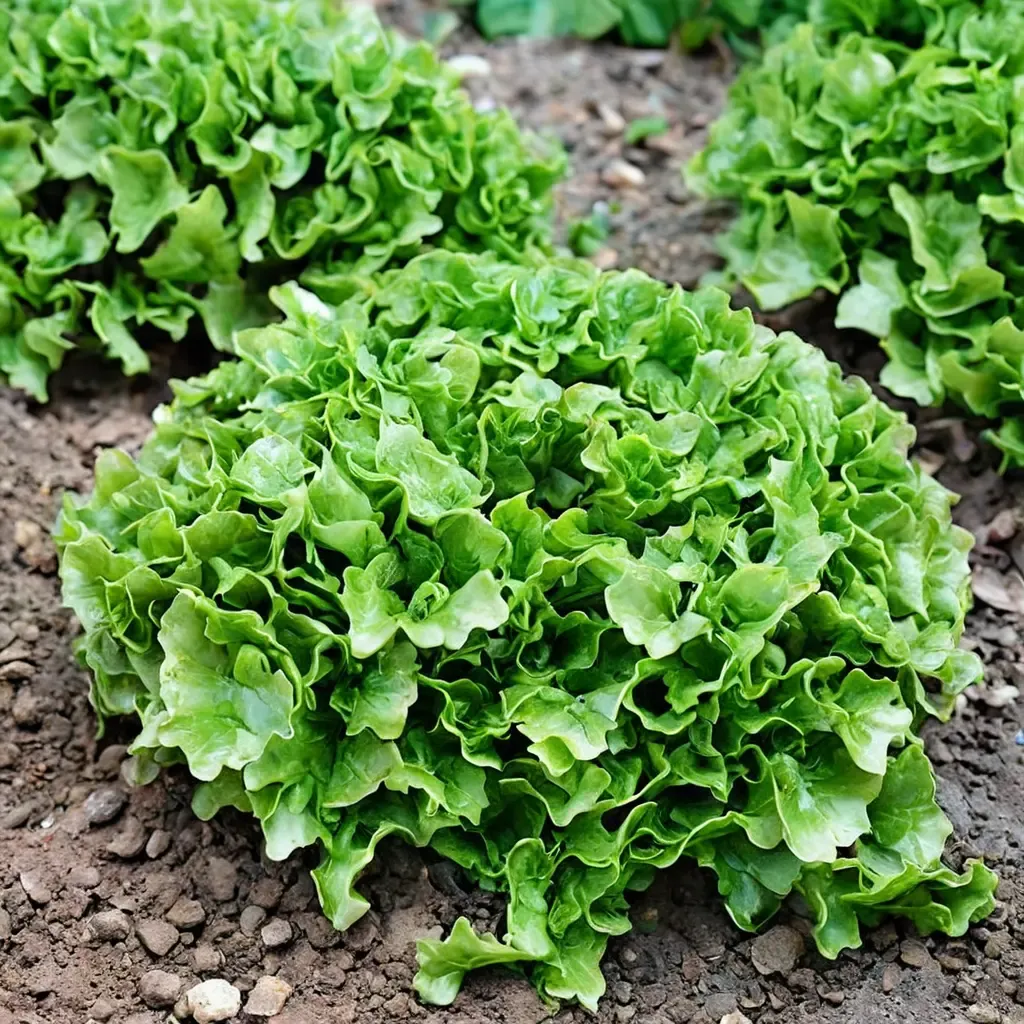
Hampton Lettuce
Lactuca sativa 'Hampton'
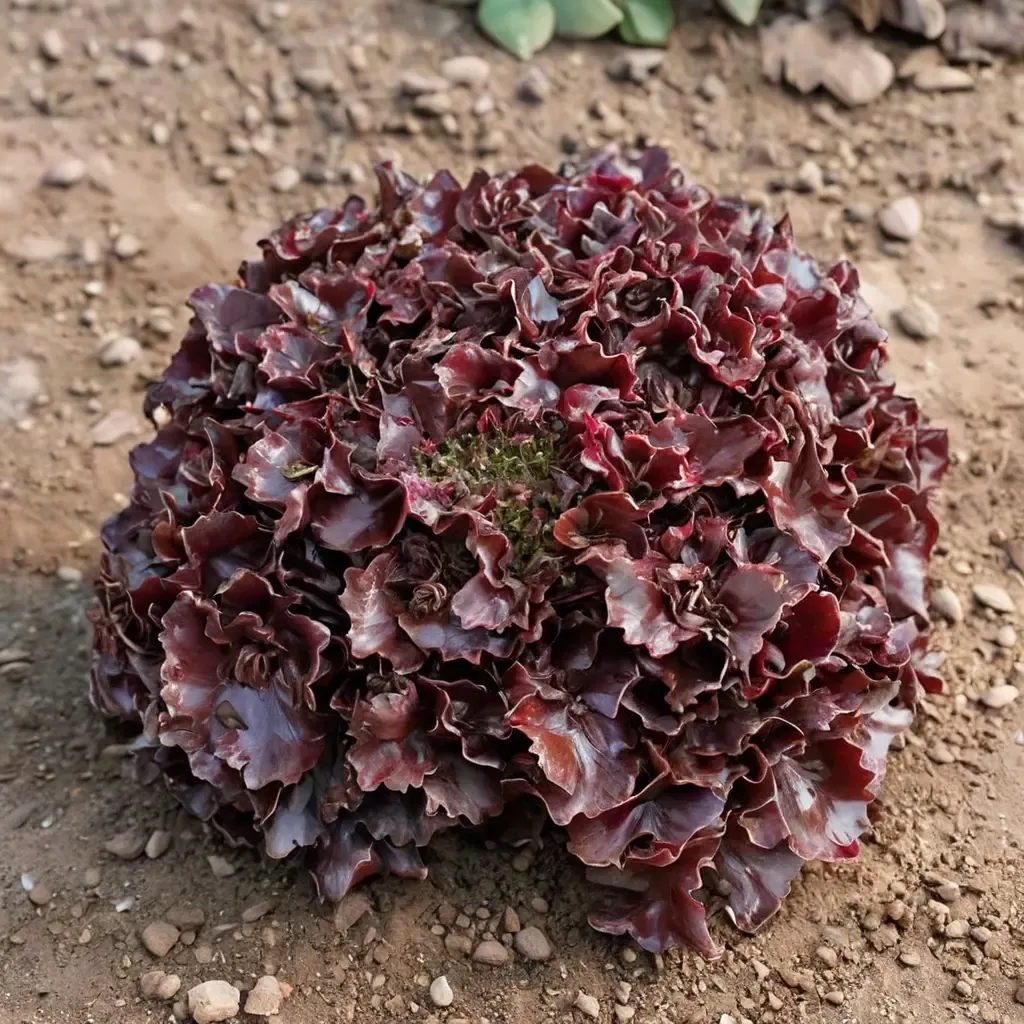
Brentwood Lettuce
Lactuca sativa 'Brentwood'
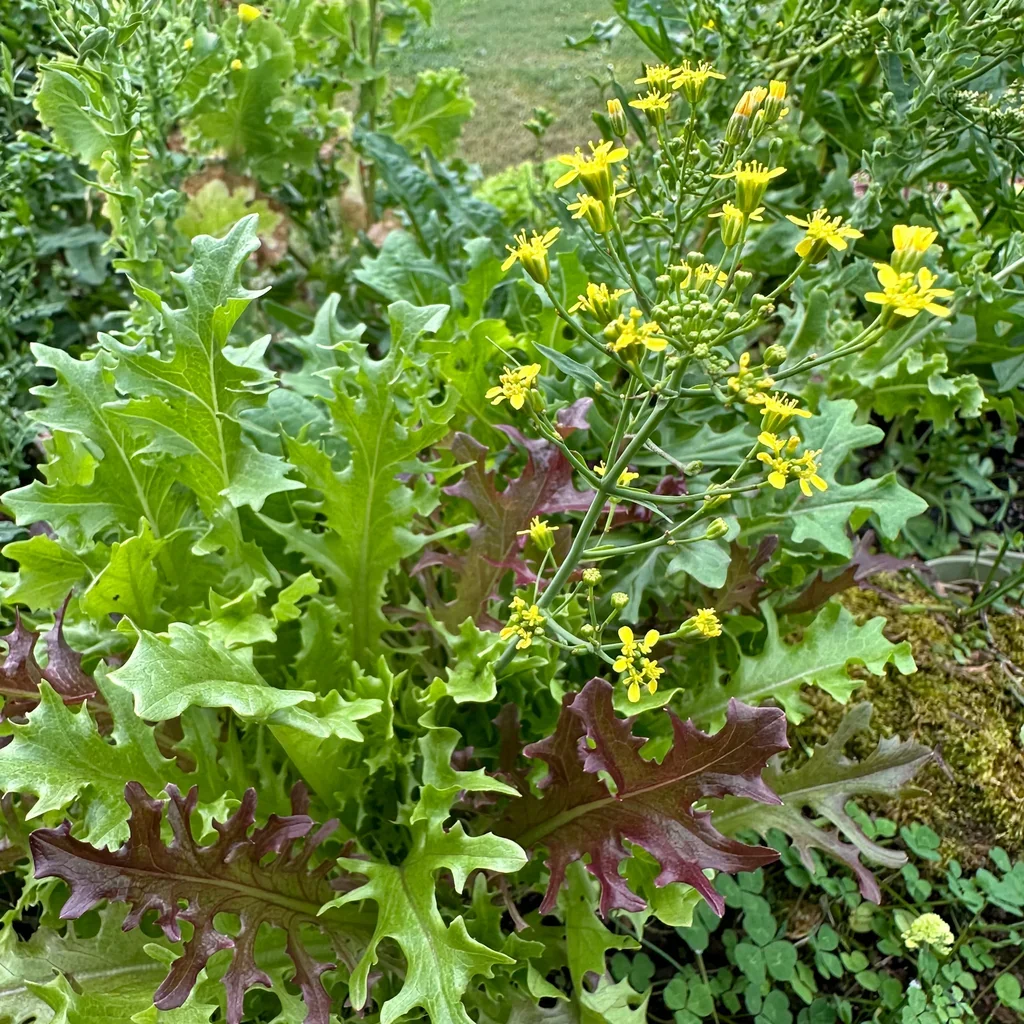
Lettuce Mix
Lactuca sativa 'Mix'
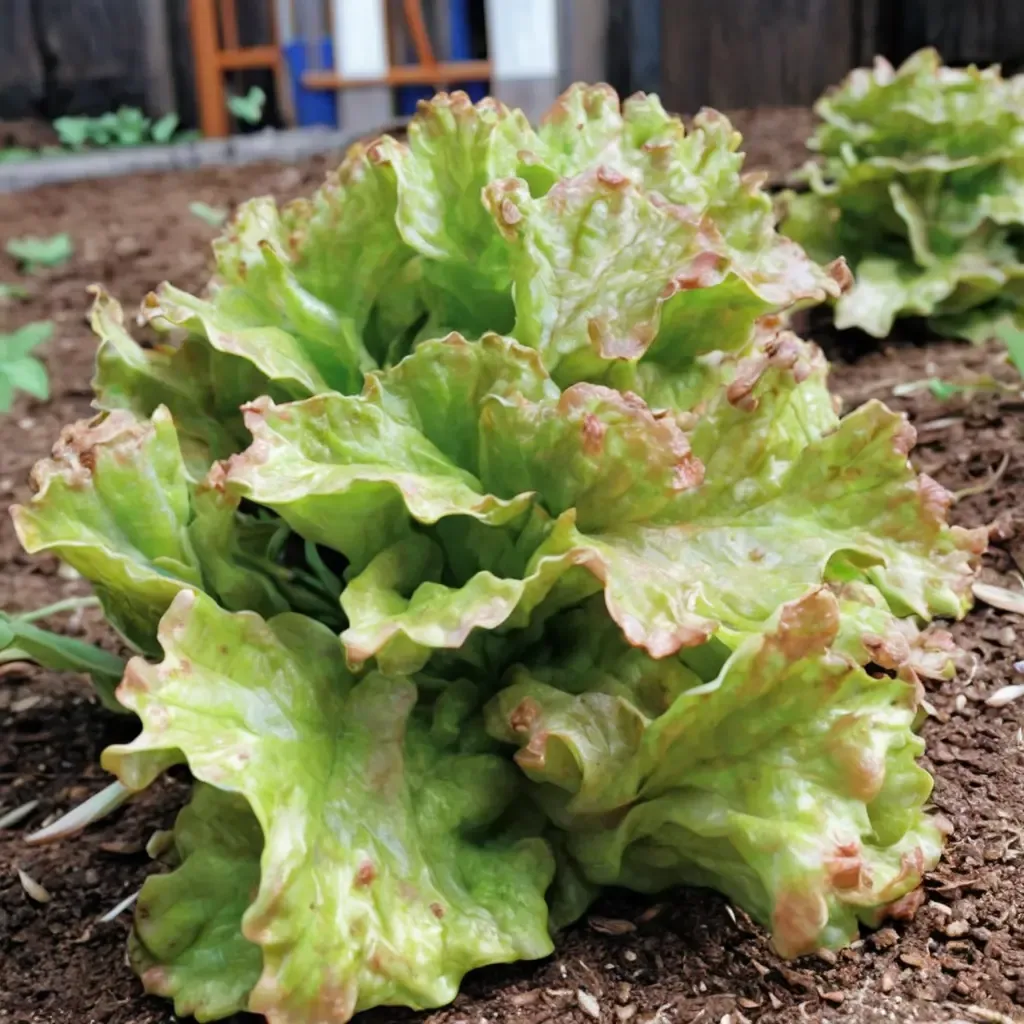
Drunken Woman Frizzy Headed Lettuce
Lactuca sativa 'Drunken Woman Frizzy Headed'
Keep exploring
Explore the genus
Grow Canada Lettuce with confidence
See it in a design of your actual yard, get zone-matched care reminders, and track it season by season in your garden journal.