The Story
Plant Bio
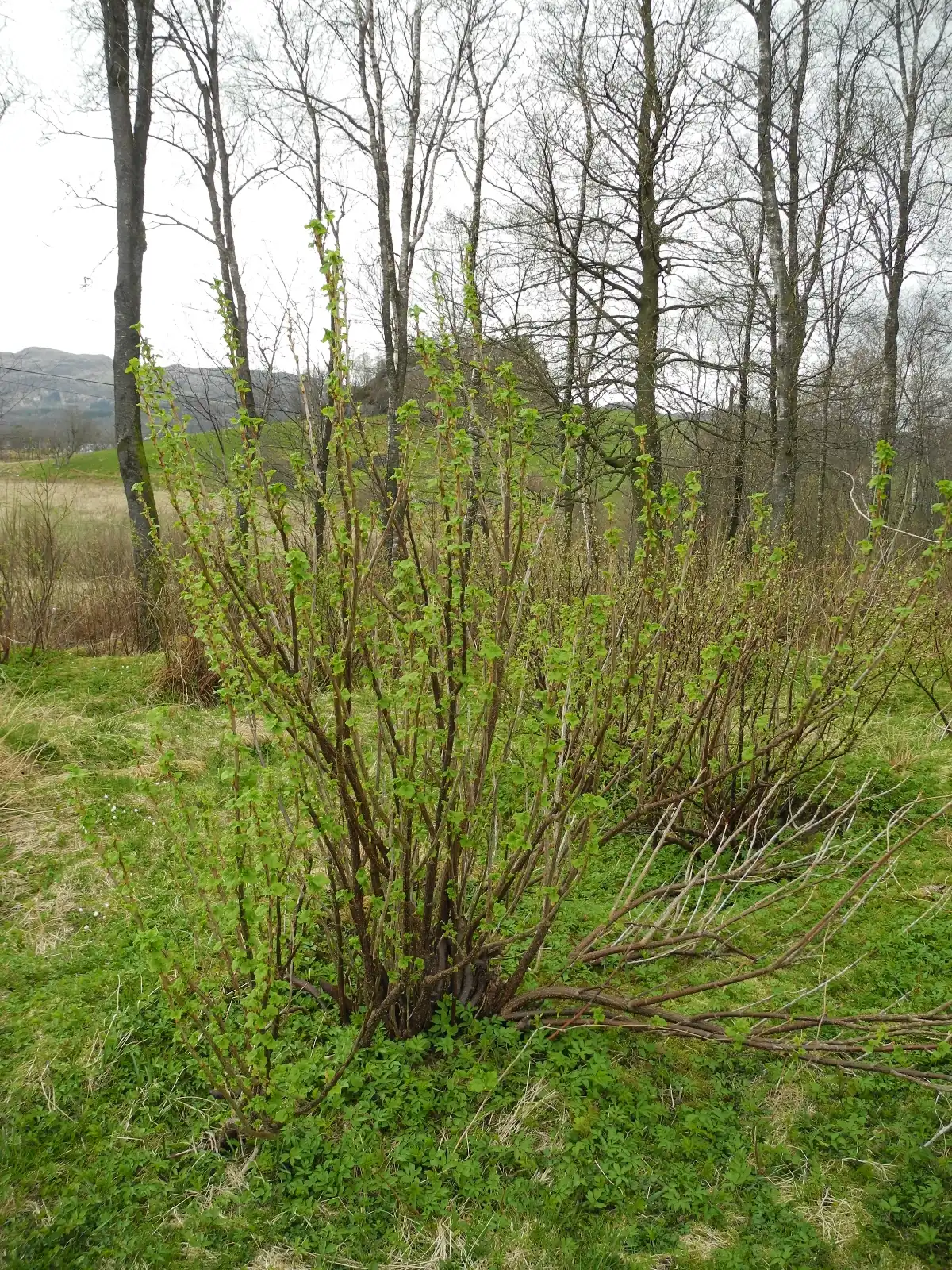
Ribes nigrum, the black currant, is an upright, multi-stemmed deciduous shrub reaching forty to eighty inches in height, with lobed leaves that release a pungent, spicy aroma when crushed. Inconspicuous greenish-white to pinkish-purple flowers hang in pendulous racemes during spring, followed by edible, dark purple-black berries rich in vitamin C.
This species is distinguished by its entirely spineless stems and highly aromatic foliage, which features resinous yellow glands on the leaf undersides. Unlike other currants, the fruit develops a deep, musky flavor highly prized for preserves, liqueurs, and syrups.
Uses & Benefits:
Essentials
At a Glance
Plant Type
Shrub
Height
60"
Width
60"
Light
Full Sun, Partial Sun
Zones
4, 5, 6, 7
Water
Consistent moisture
Humidity
Moderate
Lifespan
Perennial
Native To
Europe / Asia (Eurasia)
Toxicity
Non-toxic
Bloom period
Spring
In flower about 3 months of the year
Planting
How to Grow
- Select a site in full sun to partial shade with moist, fertile, humus-rich loam.
- Incorporate organic matter into the soil before planting to improve moisture retention.
- Plant bare-root or potted specimens in early spring, setting them slightly deeper than they grew in the nursery.
- Apply a thick layer of organic mulch around the base to conserve soil moisture and keep roots cool.
Pro Tip
Prune annually in late winter to maintain a balance of one- and two-year-old wood; shearing the shrub like a hedge destroys the fruiting spurs and ruins the harvest.
Keep It Thriving
Care Guide
Do
- Water consistently during the growing season to prevent drought stress.
- Apply a balanced general-purpose fruit fertilizer or organic matter annually in early spring.
- Prune during the dormant season to remove wood older than three years.
Don't
- Do not allow the soil to dry out completely, as the plant has low drought tolerance.
- Do not shear the shrub into formal shapes, which removes the productive one-year-old wood.
- Do not plant near five-needle white pines in areas where white pine blister rust is a concern.
Seasonal Care Calendar
| Task | Jan | Feb | Mar | Apr | May | Jun | Jul | Aug | Sep | Oct | Nov | Dec |
|---|---|---|---|---|---|---|---|---|---|---|---|---|
| Fertilize | ||||||||||||
| Harvest | ||||||||||||
| Mulch | ||||||||||||
| Pest Check | ||||||||||||
| Prune |
Watch Out For
Pests & Diseases
Common Pests
Common Diseases
In the Garden
Landscape Uses & Companions
Landscape Uses
Companion Plants
Multiply
Propagation Methods
Good to Know
Common Questions
Black Currant questions
What zones can Black Currant grow in?
Black Currant is hardy in USDA Zones 4–7. Inside that range it survives winter in the ground; outside it, grow it as an annual or a container plant you protect.
Is Black Currant deer resistant?
Not reliably. Deer may browse Black Currant, especially tender spring growth — plan on repellents or fencing where pressure is high.
When does Black Currant bloom?
Black Currant typically blooms in spring through spring. Exact timing shifts a week or two with your zone — Sow's bloom calendar maps it to your garden.
Does Black Currant need full sun?
Black Currant does best in full sun to part shade. In hot climates, afternoon shade keeps blooms fresher longer.
More Ribes to compare
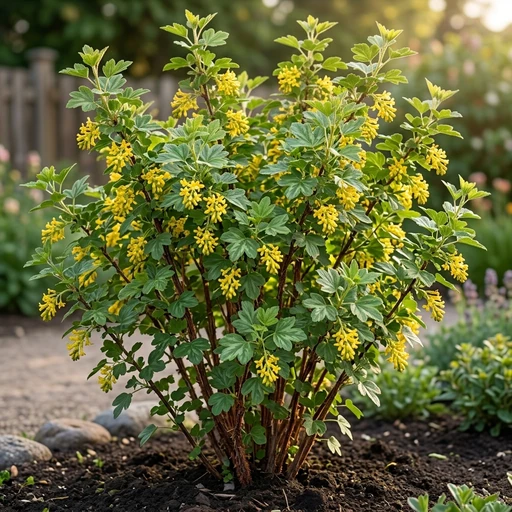
Golden Currant
Ribes aureum
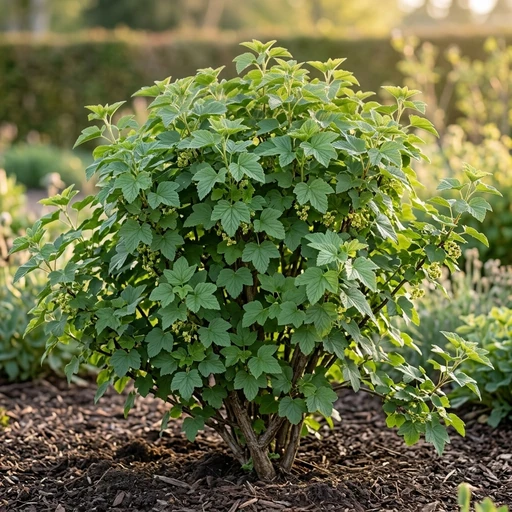
Alpine Currant
Ribes alpinum
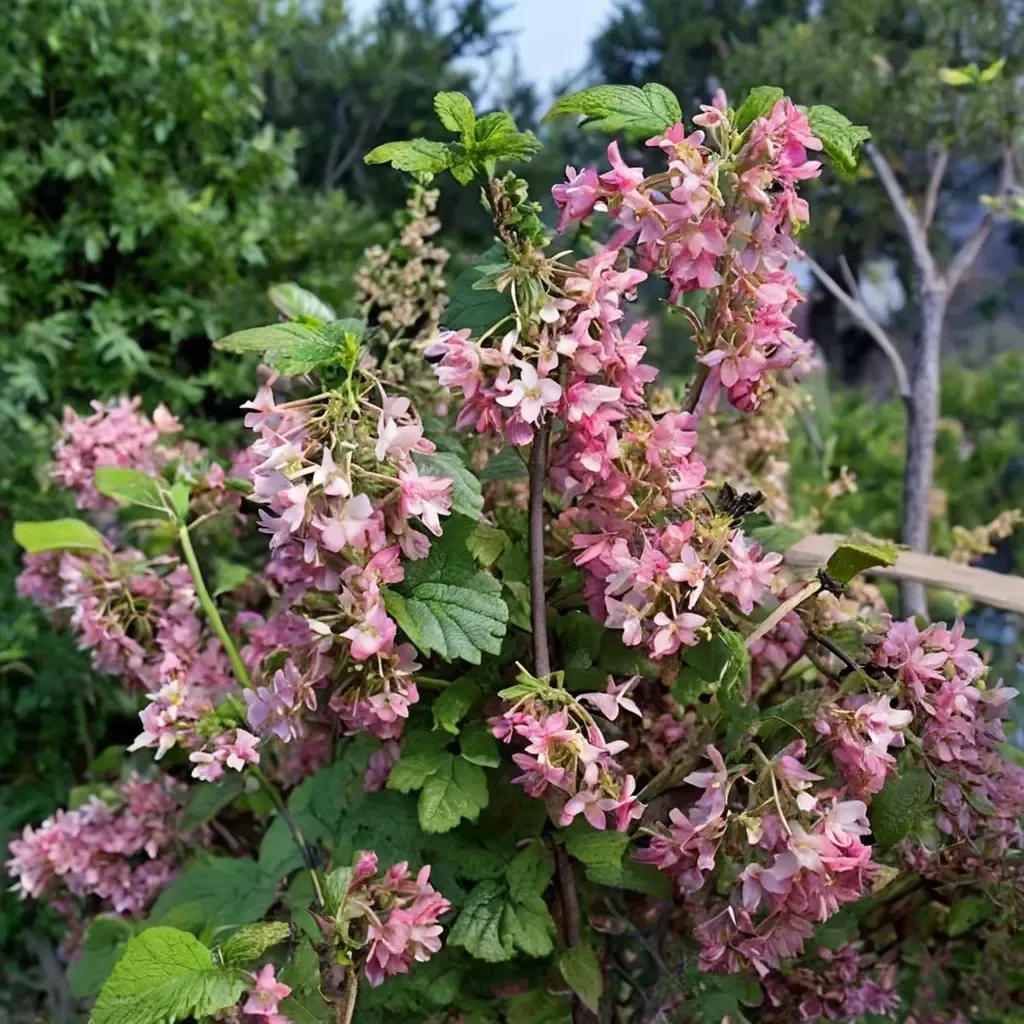
Claremont Currant
Ribes sanguineum 'Claremont'
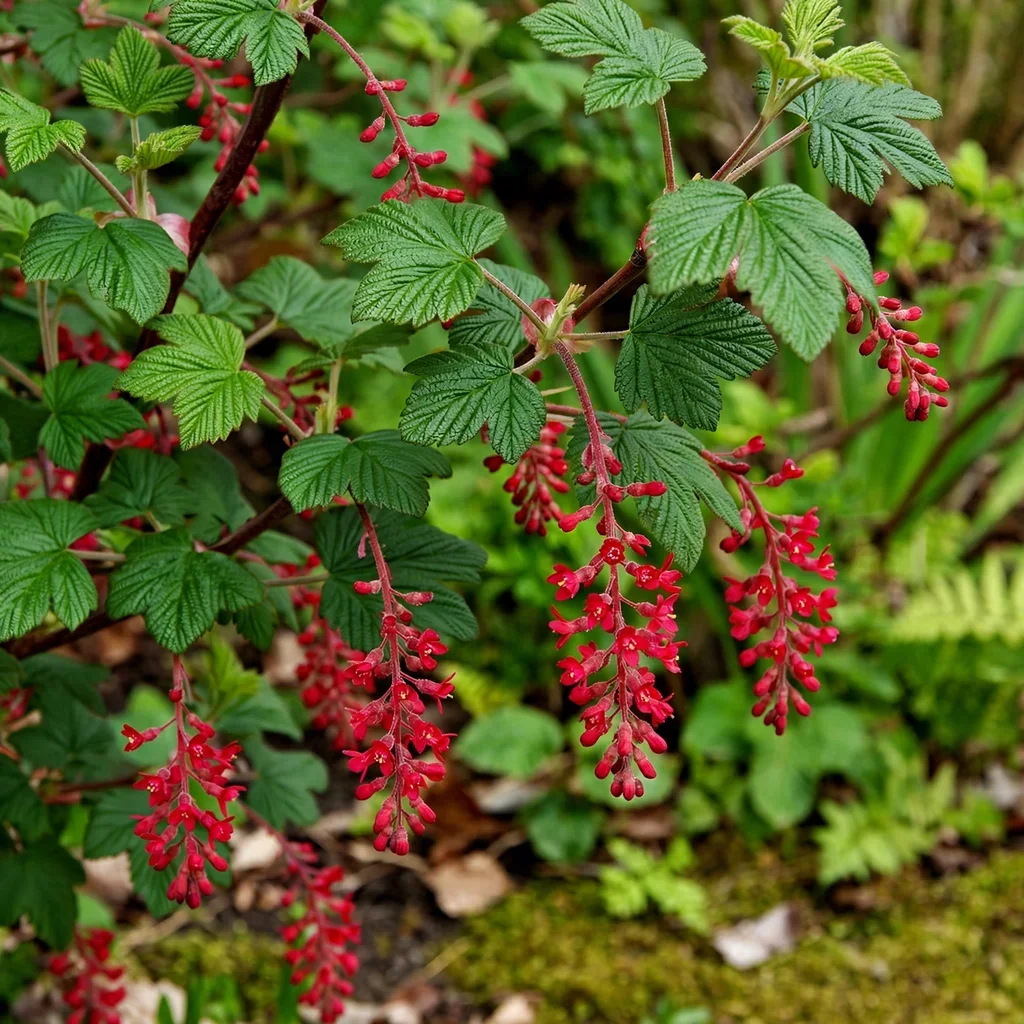
King Edward VII Flowering Currant
Ribes sanguineum 'King Edward VII'
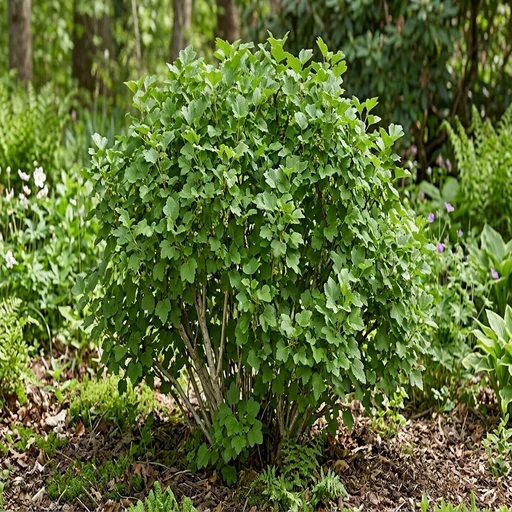
Green Mound Alpine Currant
Ribes alpinum 'Green Mound'
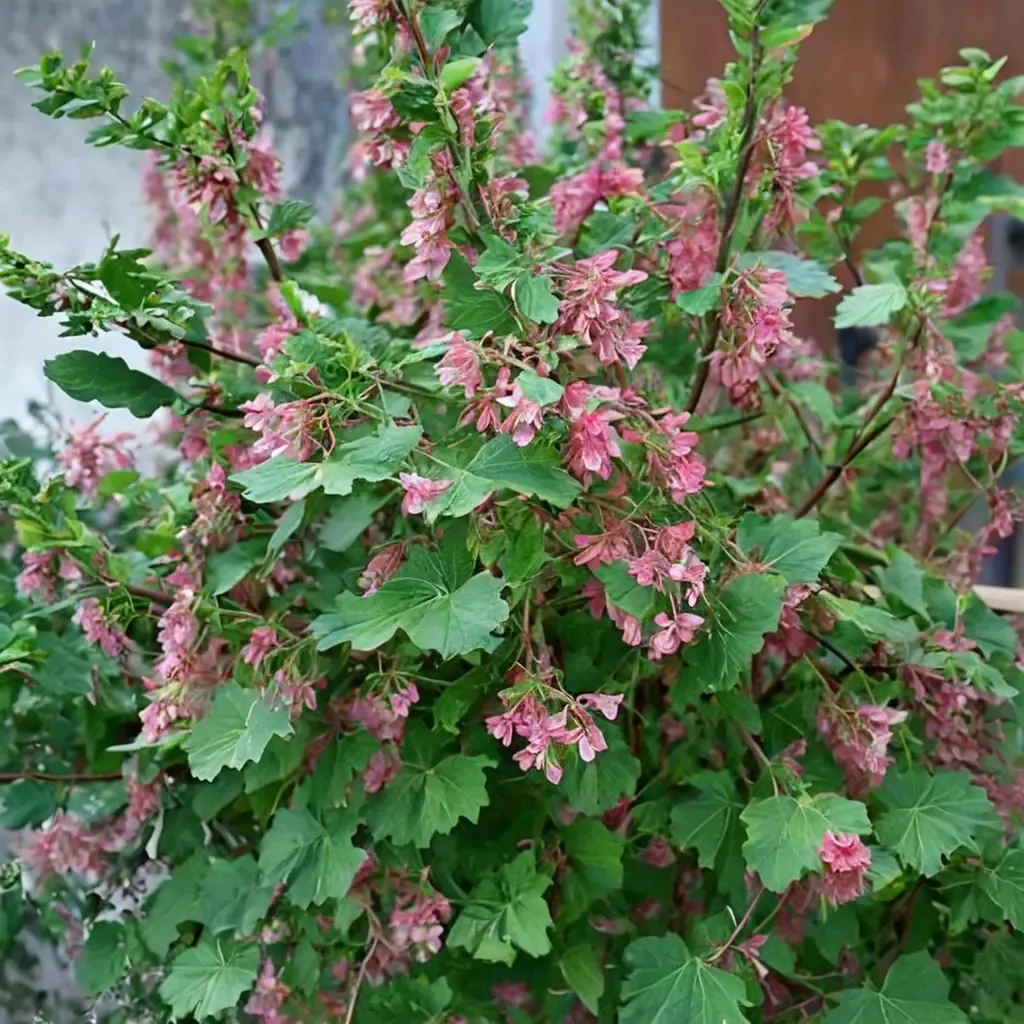
Pink-Flowering Currant
Ribes sanguineum 'glutinosum'
Keep exploring
Explore the genus
Hardy in your zone?
Grow Black Currant with confidence
See it in a design of your actual yard, get zone-matched care reminders, and track it season by season in your garden journal.