The Story
Plant Bio
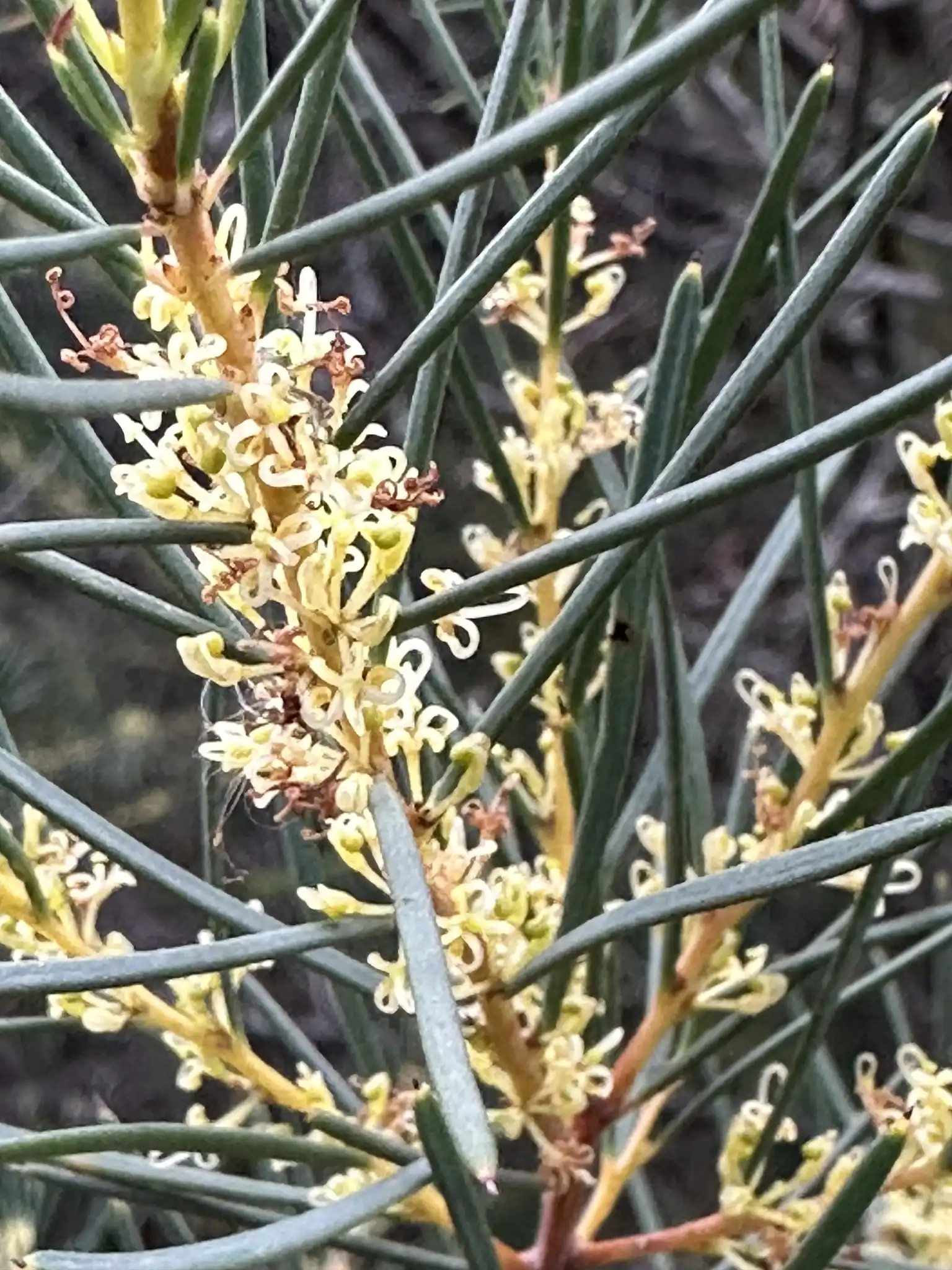
Hakea nodosa is an evergreen Australian shrub characterized by its flexible, bright green to blue-green needle-like foliage and sprawling, non-lignotuberous growth habit. In its native habitat, it thrives in wet heathlands and swampy woodlands, adapting to both sandy and heavy clay-loam soils.
During autumn and winter, the branchlets produce clusters of cream-white to deep yellow flowers directly in the leaf axils. These blooms are followed by woody, persistent, dimorphic seed pods that remain on the plant for years.
Uses & Benefits:
Essentials
At a Glance
Plant Type
Shrub
Height
118"
Width
157"
Light
Full Sun, Partial Sun
Water
Moist to wet, adapts to dry
Humidity
Unknown
Lifespan
Unknown
Native To
Australia
Toxicity
Unknown
Bloom period
Autumn – Winter
In flower about 6 months of the year
Planting
How to Grow
- Select a site with full sun to partial shade, keeping in mind that flowering is most prolific in high-light positions.
- Plant in sandy, clay-loam, or gravelly soil, ensuring the crown sits level with the surrounding soil surface.
- Water regularly during the first growing season to establish a deep root system, after which the plant can tolerate dry periods.
- Avoid high-phosphorus fertilizers, applying only low-phosphorus native plant formulations sparingly if needed.
Pro Tip
Prune only within the active green foliage zones; because this species lacks a lignotuber, cutting back into old, bare wood will kill the branch.
Keep It Thriving
Care Guide
Do
- Plant in poorly drained or seasonally wet areas where other shrubs might fail.
- Prune lightly after winter flowering to maintain a dense, compact shape.
- Use low-phosphorus fertilizers formulated specifically for Proteaceae.
Don't
- Do not cut back into old, leafless wood, as the plant cannot regenerate from bare stems.
- Do not apply standard garden fertilizers containing high levels of phosphorus.
- Do not allow containerized plants to sit in stagnant, warm water, which invites root rot.
Seasonal Care Calendar
| Task | Jan | Feb | Mar | Apr | May | Jun | Jul | Aug | Sep | Oct | Nov | Dec |
|---|---|---|---|---|---|---|---|---|---|---|---|---|
| Fertilize | ||||||||||||
| Pest Check | ||||||||||||
| Plant | ||||||||||||
| Prune |
Watch Out For
Pests & Diseases
Common Pests
Common Diseases
In the Garden
Landscape Uses & Companions
Landscape Uses
Multiply
Propagation Methods
Good to Know
Common Questions
Yellow Hakea questions
When does Yellow Hakea bloom?
Yellow Hakea typically blooms in autumn through winter. Exact timing shifts a week or two with your zone — Sow's bloom calendar maps it to your garden.
Does Yellow Hakea need full sun?
Yellow Hakea does best in full sun to part shade. In hot climates, afternoon shade keeps blooms fresher longer.
Is Yellow Hakea drought tolerant?
Yes — once established (usually after the first full season), Yellow Hakea handles dry spells with minimal watering. Water deeply its first year to build the root system that makes that possible.
More Hakea to compare
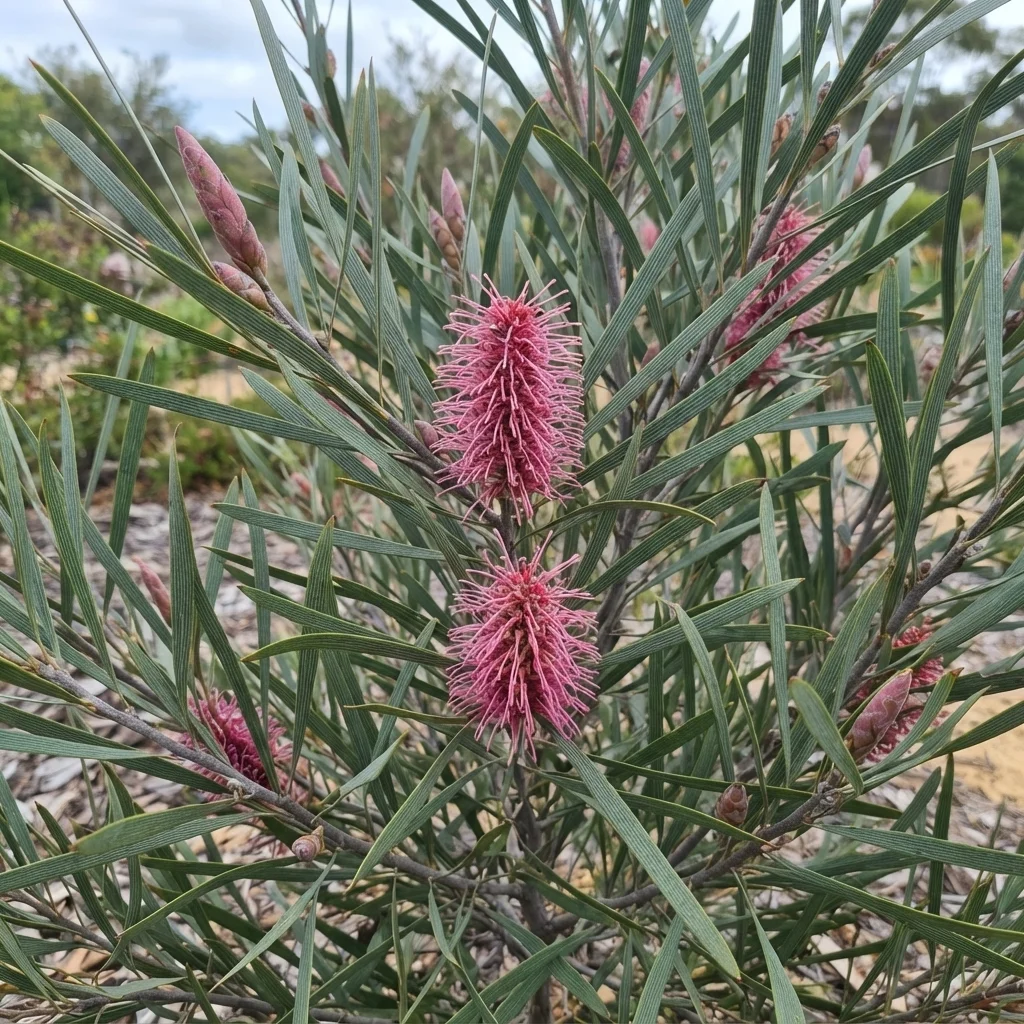
Grass-Leaf Hakea
Hakea francisiana
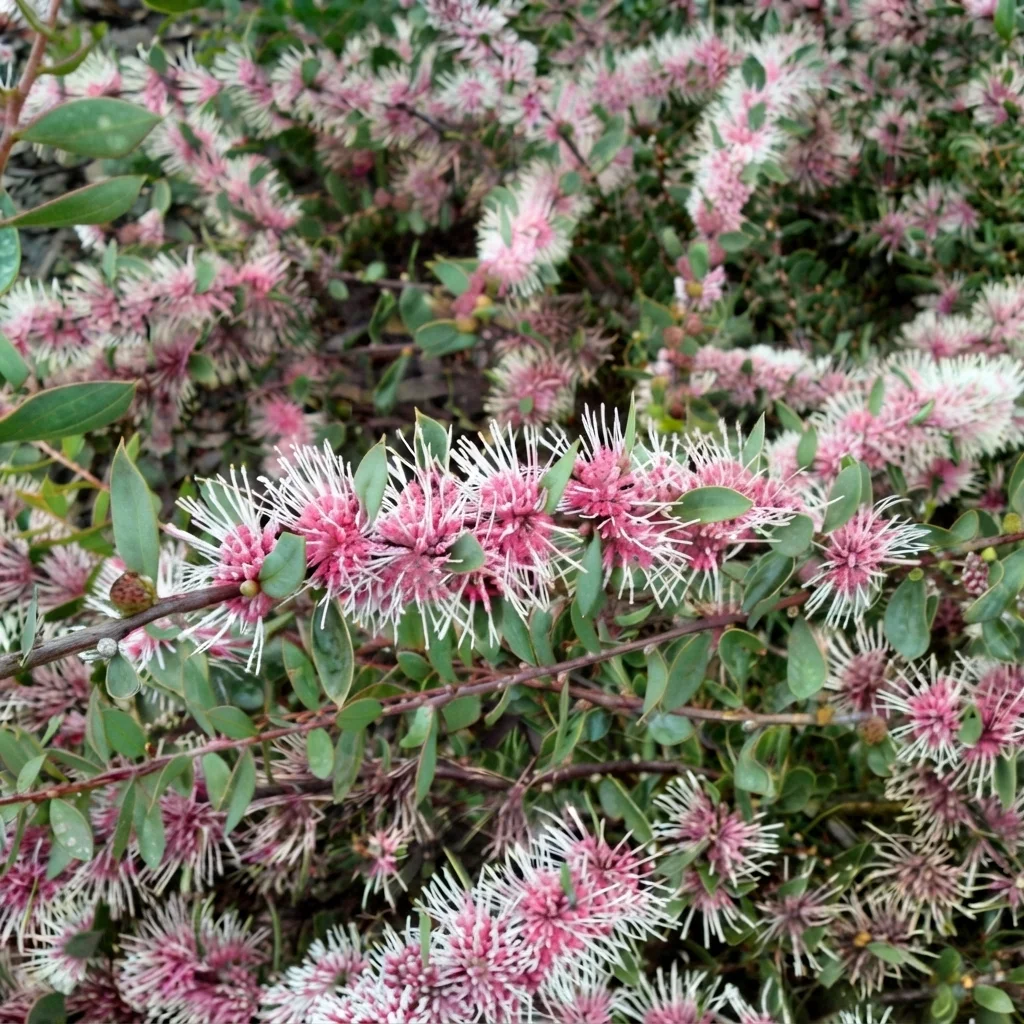
Burrendong Beauty
Hakea x hybrida 'Burrendong Beauty'
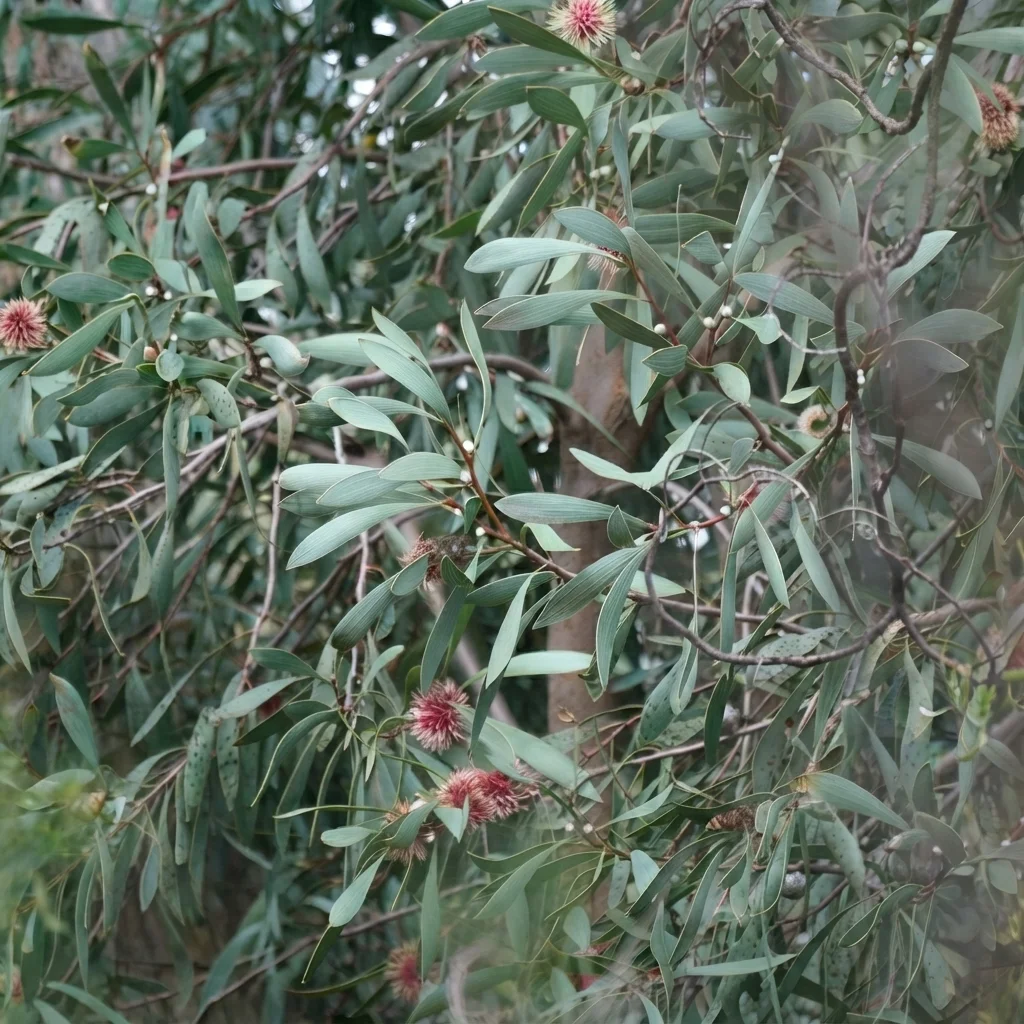
Pincushion Hakea
Hakea laurina
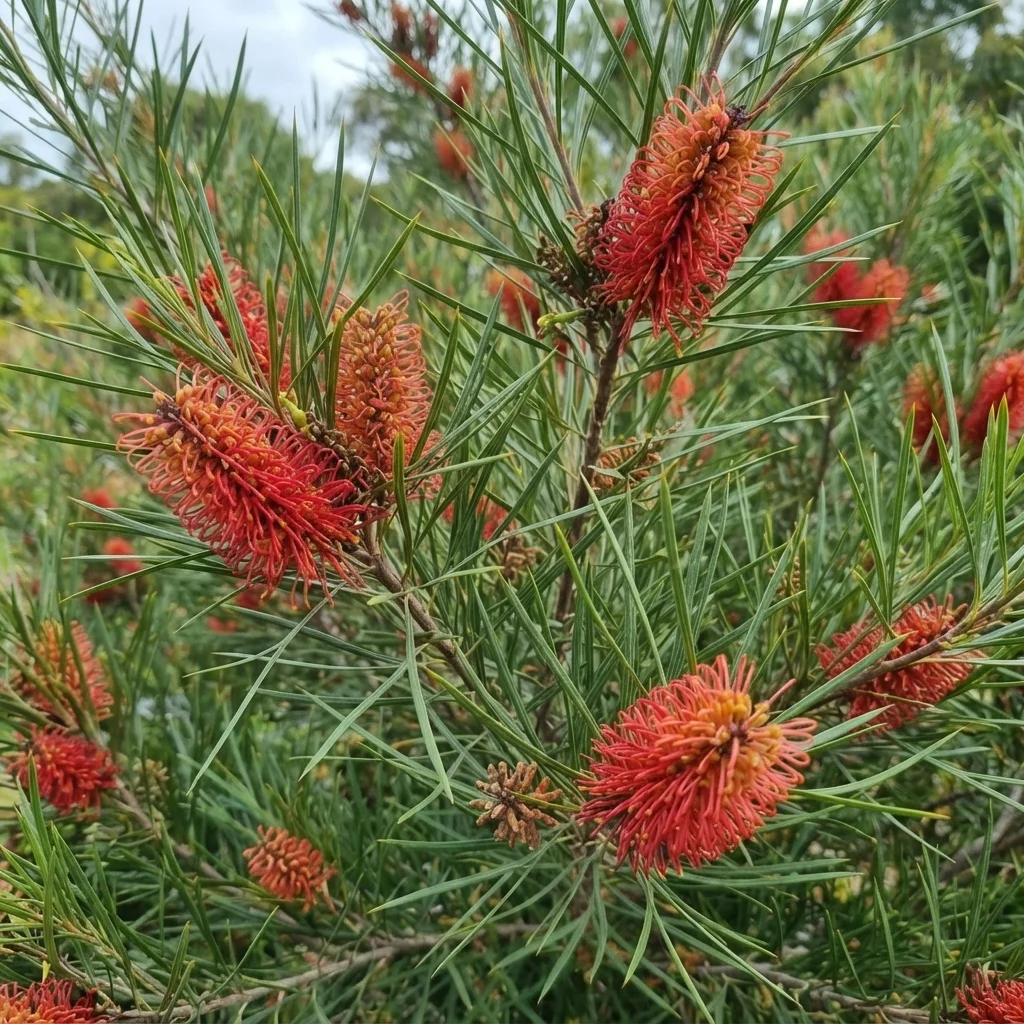
Red Pokers
Hakea bucculenta
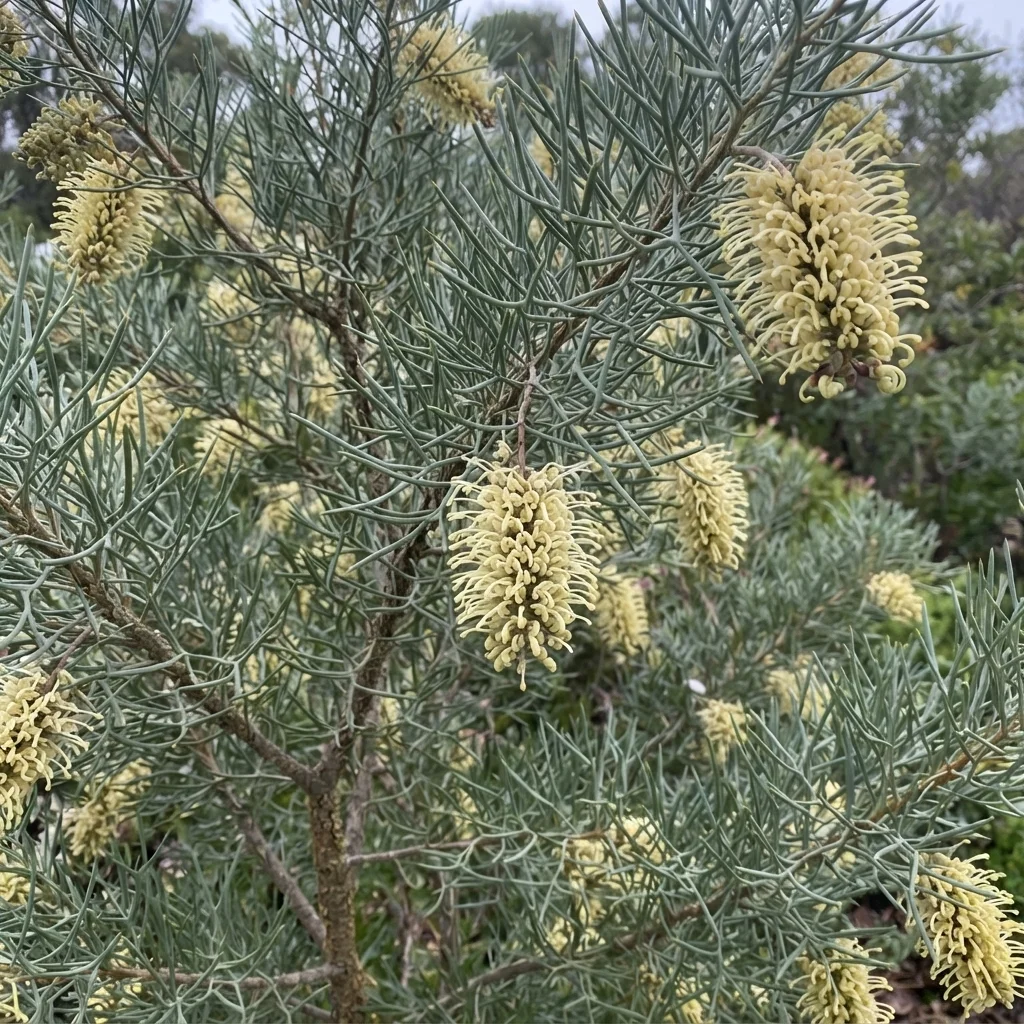
Needlewood
Hakea divaricata
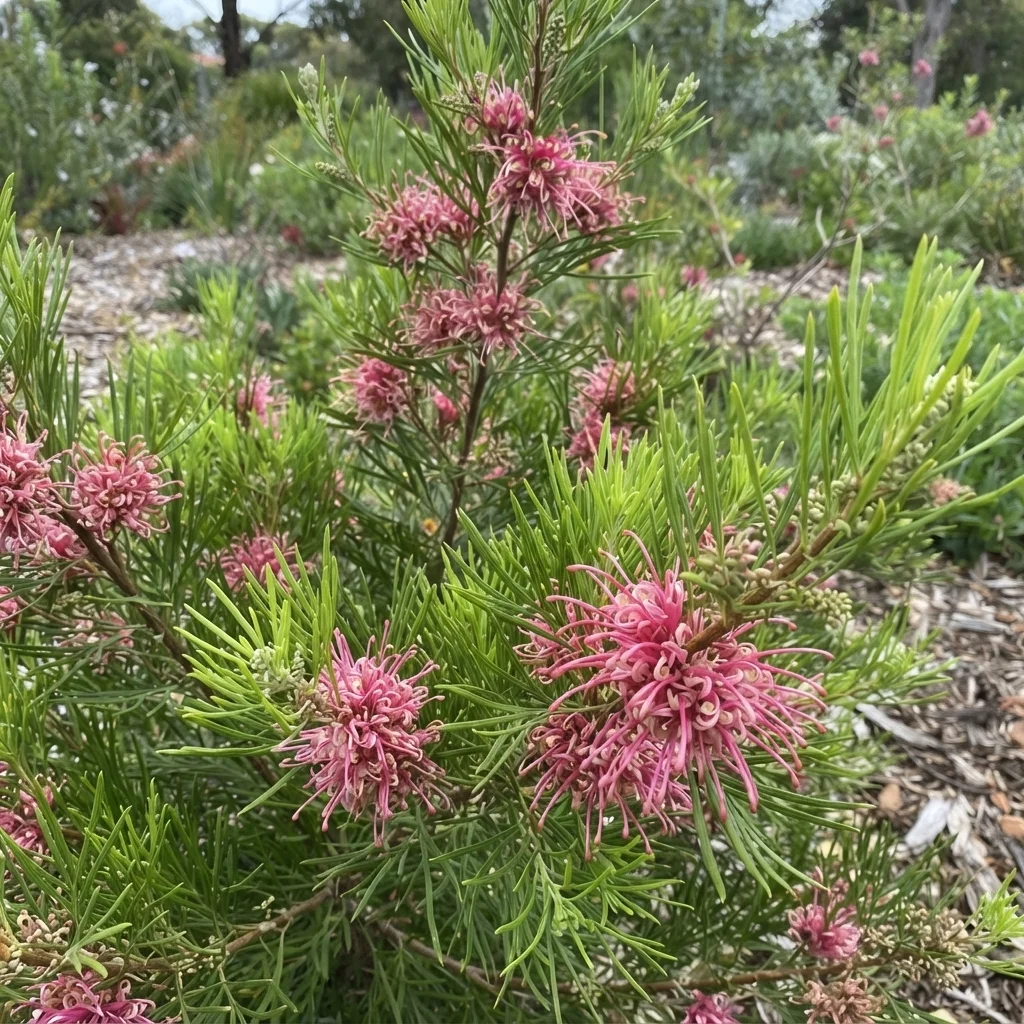
Baker's Hakea
Hakea bakeriana
Keep exploring
Explore the genus
Grow Yellow Hakea with confidence
See it in a design of your actual yard, get zone-matched care reminders, and track it season by season in your garden journal.