
The Story
Plant Bio
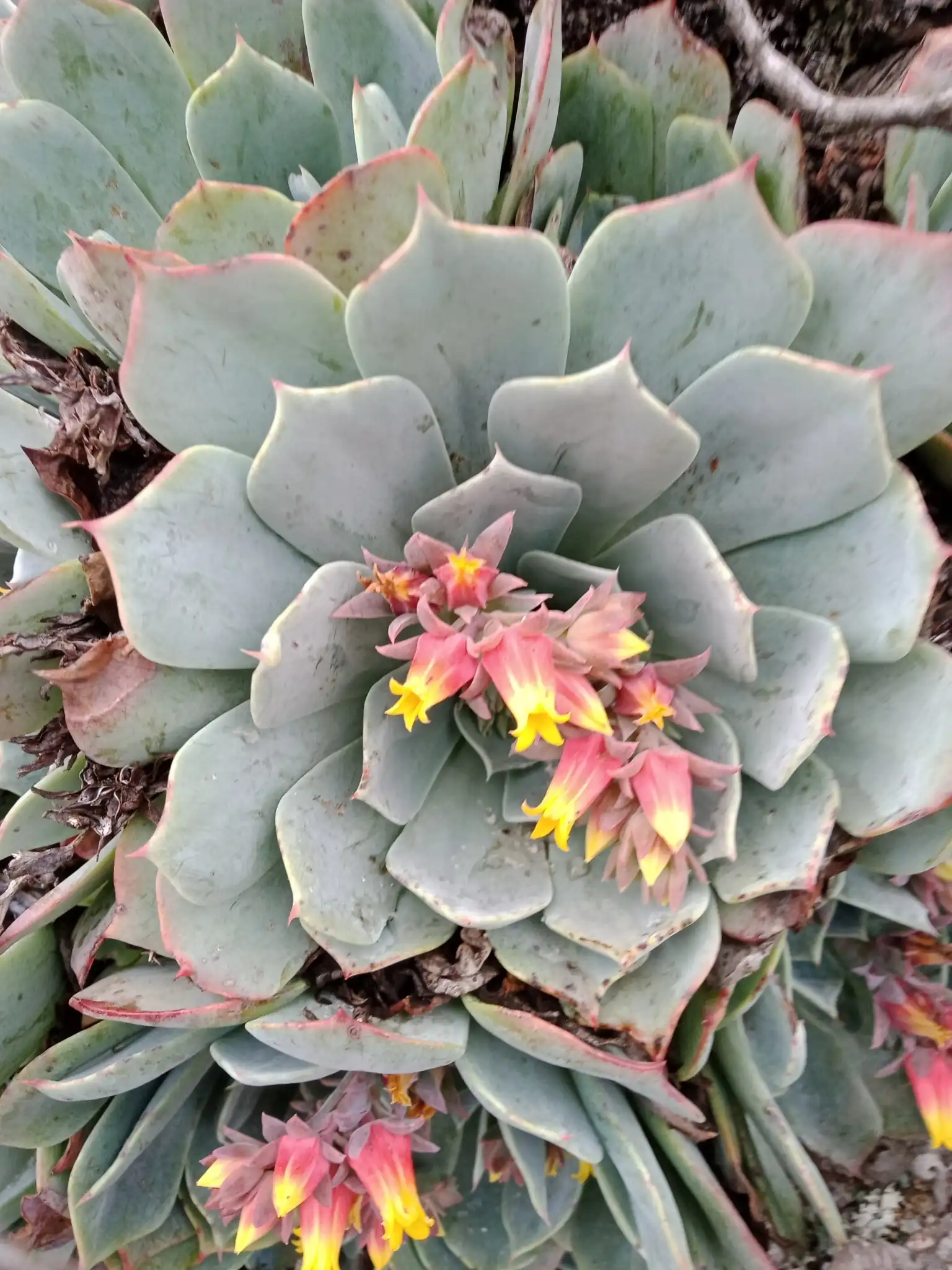
Echeveria secunda, the hen and chicks echeveria, is a low mounding succulent from Mexico, forming tight rosettes of oval blue-green leaves with pointed tips, up to six inches across. It offsets freely into clustered colonies, and arching stems carry small funnel-shaped flowers in yellow, orange or pink well above the foliage in summer.
The leaves carry a pale waxy bloom that gives the blue colour, and it rubs off permanently at a touch, so handle rosettes by the base rather than the leaves. Offsets pull away with a little root and establish immediately, which makes a single plant into a colony within a couple of seasons at no cost.
Uses & Benefits:
Essentials
At a Glance
Plant Type
Cactus Succulent
Height
6"
Width
8"
Light
Full Sun, Partial Sun
Zones
9, 10
Water
Low
Humidity
Low
Lifespan
Perennial
Native To
Mexico
Toxicity
Non-toxic
Planting
How to Grow
- Grow in full sun or bright light for tight rosettes.
- Use gritty, free-draining cactus compost.
- Water thoroughly, then let it dry out completely.
- Water into the soil, never into the rosette.
- Keep it dry and frost-free over winter.
- Detach offsets to build a colony.
Pro Tip
Water into the compost rather than the rosette — water trapped between the leaves is what rots the crown in a healthy-looking plant.
Keep It Thriving
Care Guide
Do
- Give it full sun for compact rosettes ☀️
- Use gritty, free-draining compost 🌵
- Let it dry out fully between waterings 💧
- Detach offsets to make more plants 🌱
Don't
- Water into the centre of the rosette ❌
- Handle the leaves and rub off the bloom ❌
- Leave it wet or frozen over winter ❌
Seasonal Care Calendar
| Task | Jan | Feb | Mar | Apr | May | Jun | Jul | Aug | Sep | Oct | Nov | Dec |
|---|---|---|---|---|---|---|---|---|---|---|---|---|
| Rest |
Watch Out For
Pests & Diseases
Common Pests
Common Diseases
In the Garden
Landscape Uses & Companions
Landscape Uses
Companion Plants
Multiply
Propagation Methods
Good to Know
Common Questions
Echeveria questions
What zones can Echeveria grow in?
Echeveria is hardy in USDA Zones 9–10. Inside that range it survives winter in the ground; outside it, grow it as an annual or a container plant you protect.
Is Echeveria deer resistant?
Yes — Echeveria is rated deer-resistant. Deer typically pass it over, though extreme hunger can override any plant's defenses.
When does Echeveria bloom?
Echeveria typically blooms in summer through early fall. Exact timing shifts a week or two with your zone — Sow's bloom calendar maps it to your garden.
Does Echeveria need full sun?
Echeveria does best in full sun to part shade. In hot climates, afternoon shade keeps blooms fresher longer.
Is Echeveria drought tolerant?
Yes — once established (usually after the first full season), Echeveria handles dry spells with minimal watering. Water deeply its first year to build the root system that makes that possible.
More Echeveria to compare
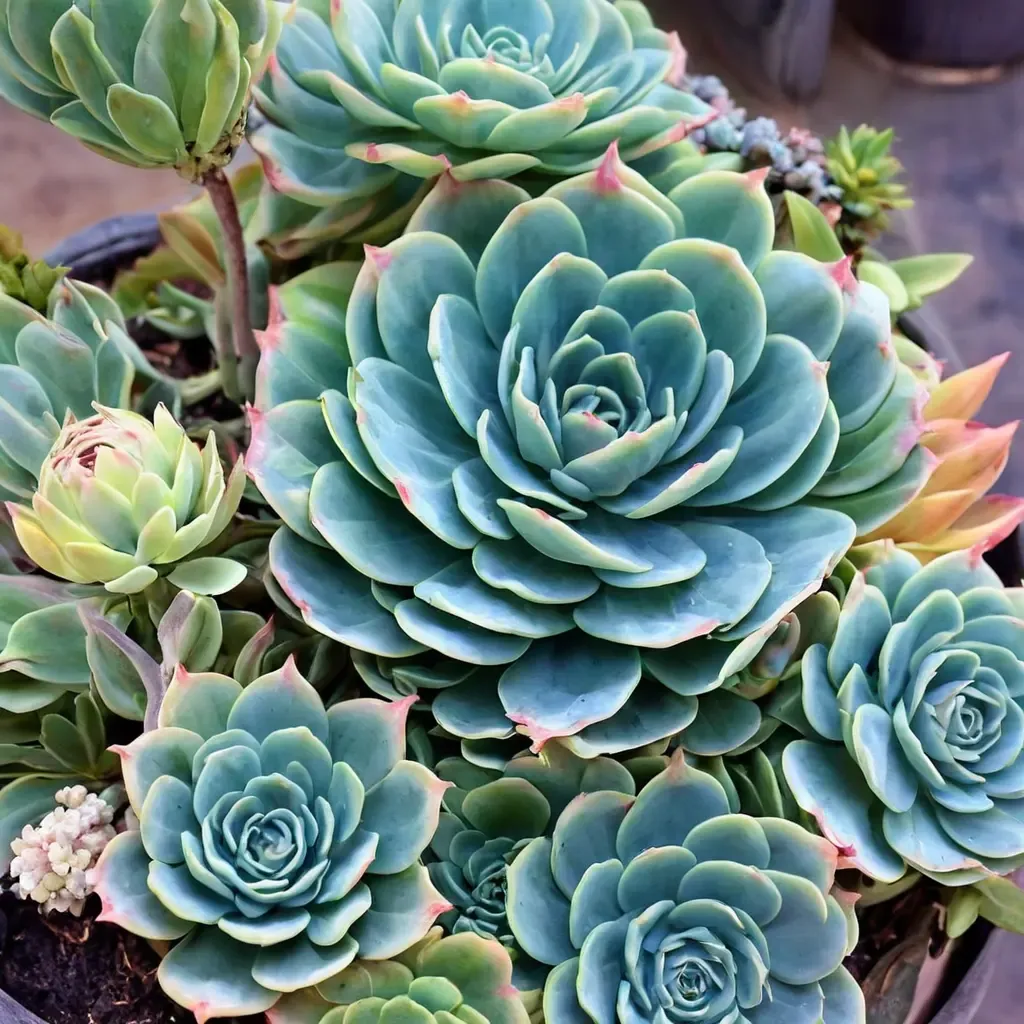
Blue Rose Echeveria
Echeveria imbricata
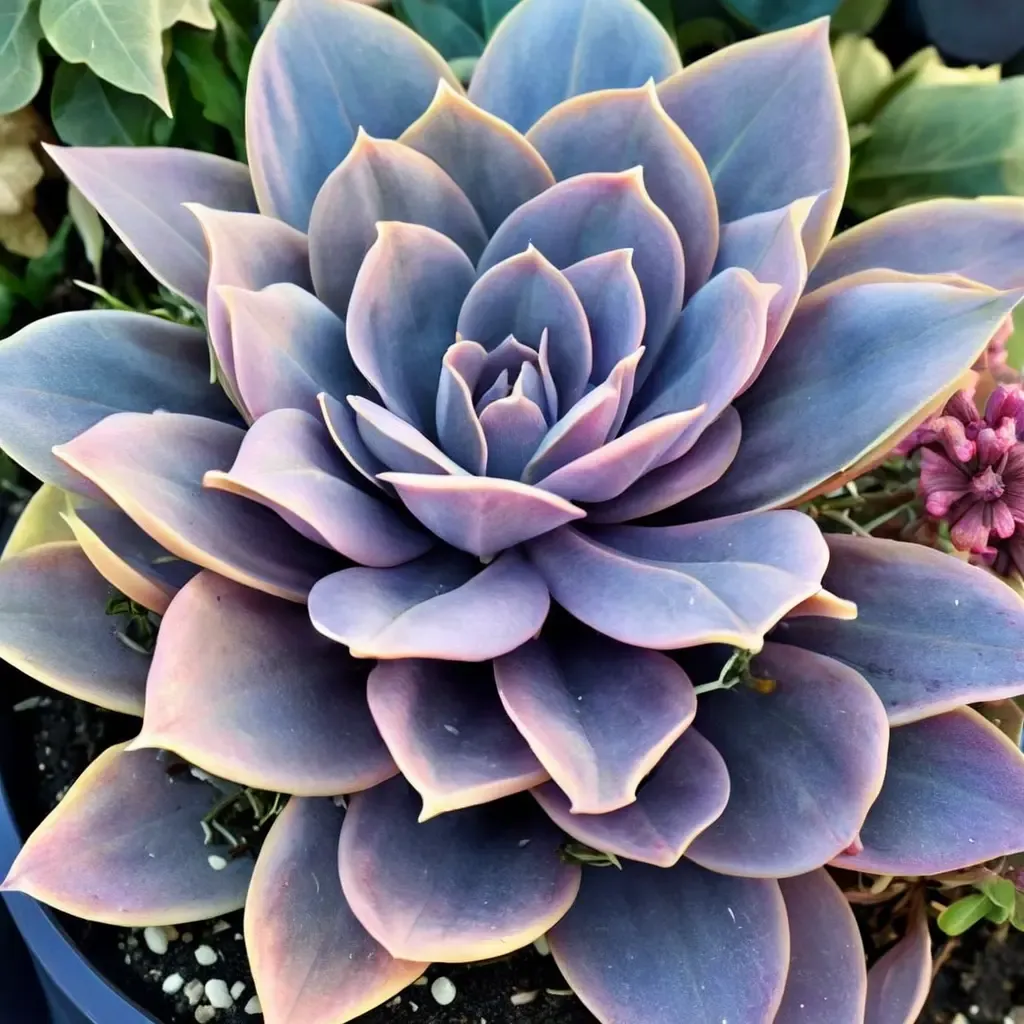
Perle Von Nurnberg
Echeveria secunda 'Perle Von Nurnberg'
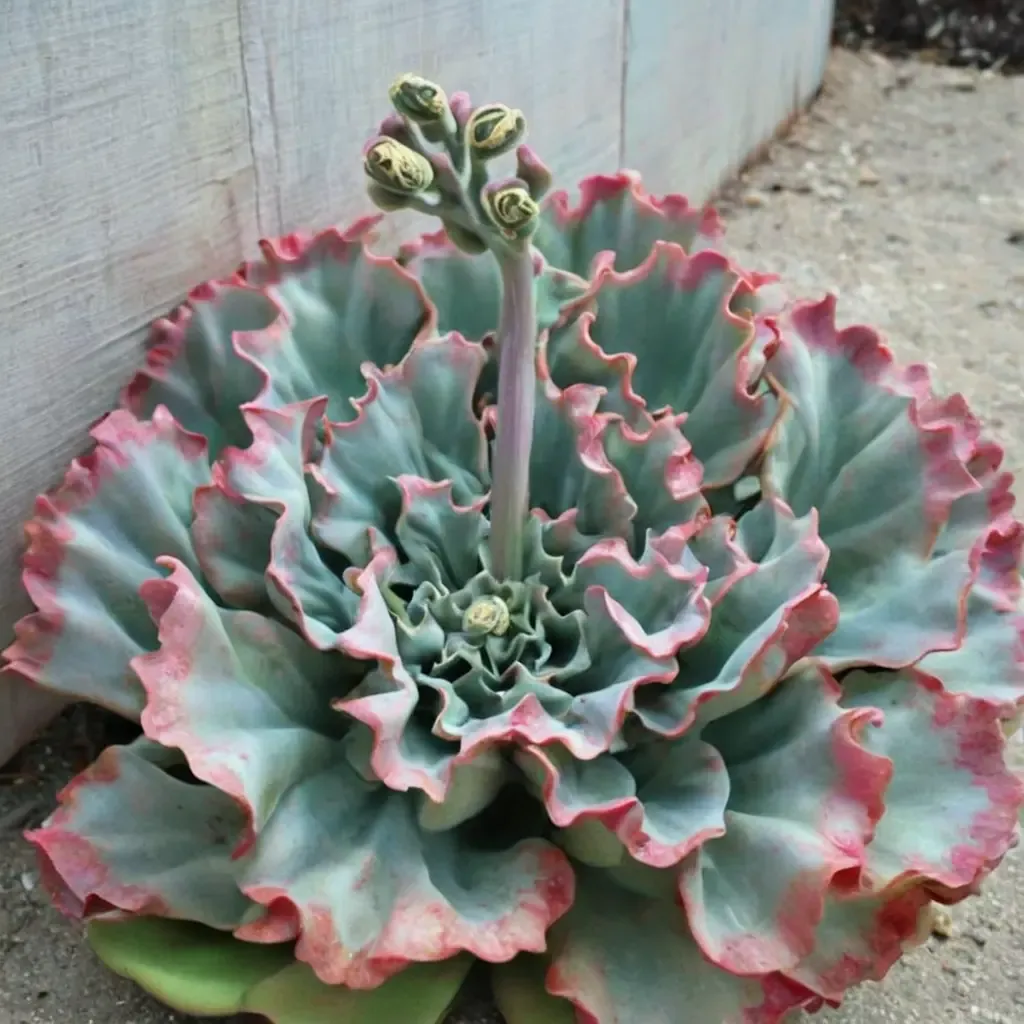
Lady Aquarius Echeveria
Echeveria gibbiflora 'Lady Aquarius'
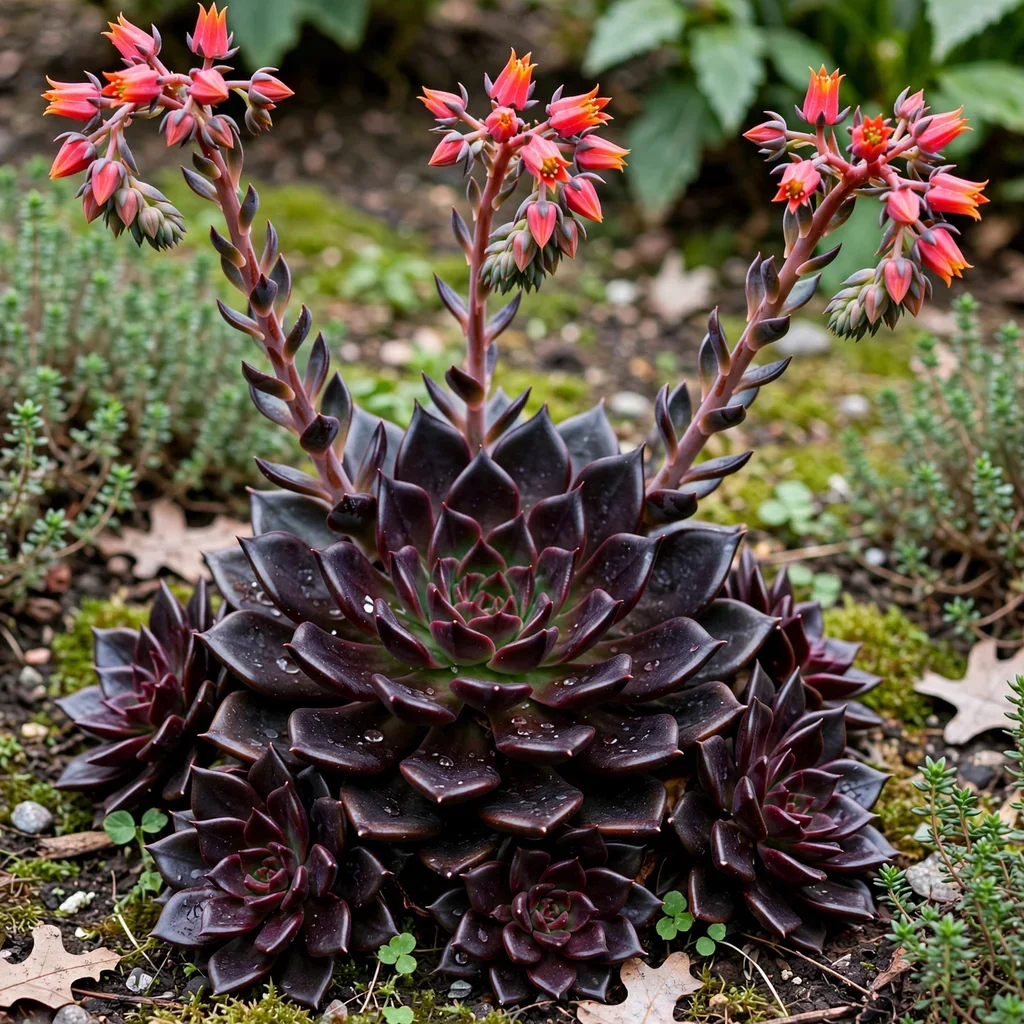
Echeveria Black Prince
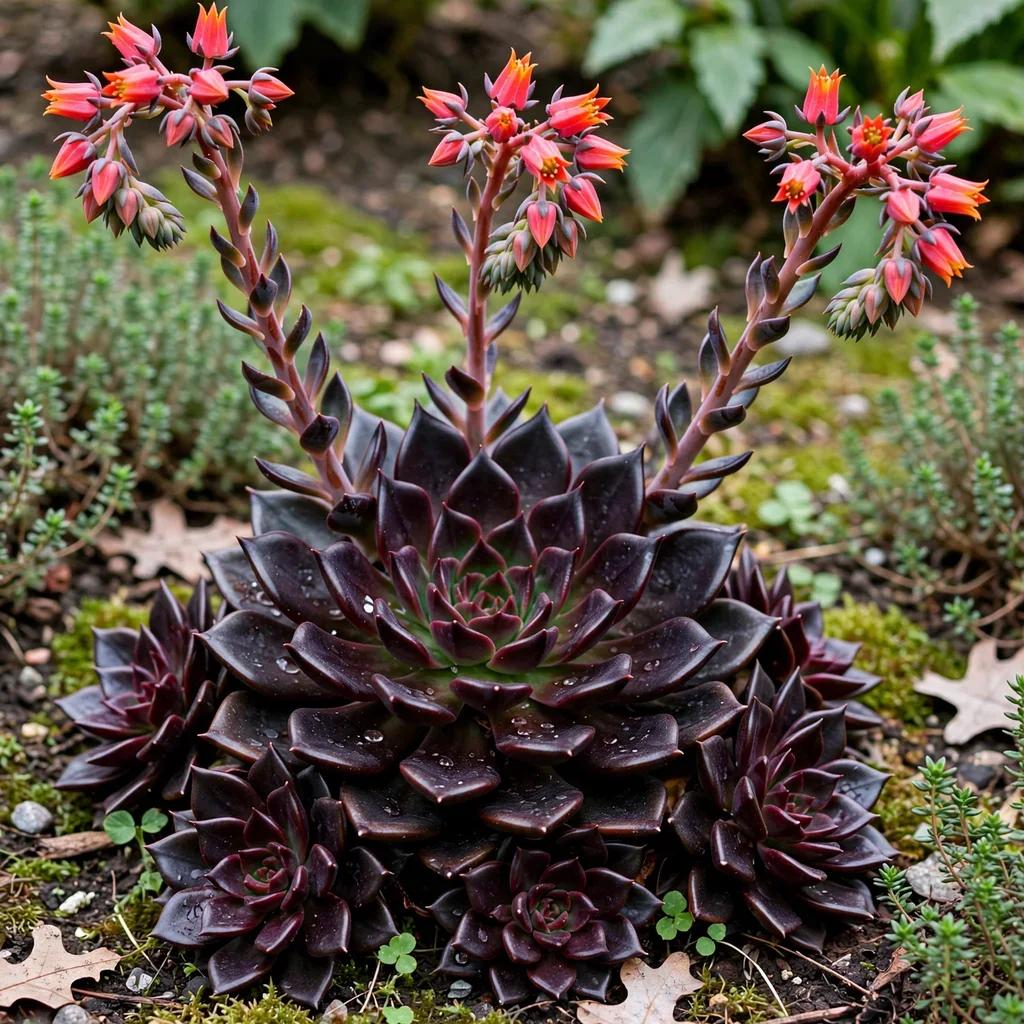
Echeveria secunda 'Black Prince'
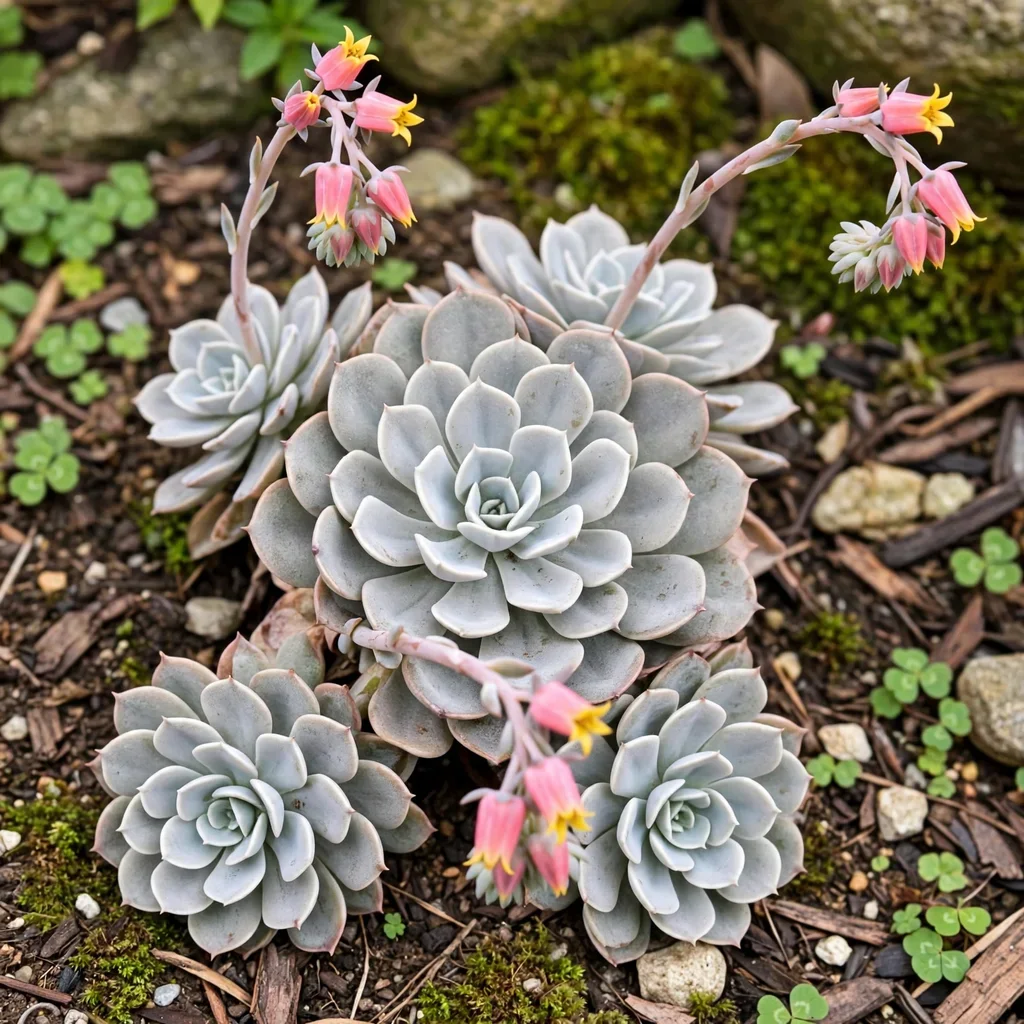
Mexican Snowball
Echeveria elegans 'Mexican Snowball'
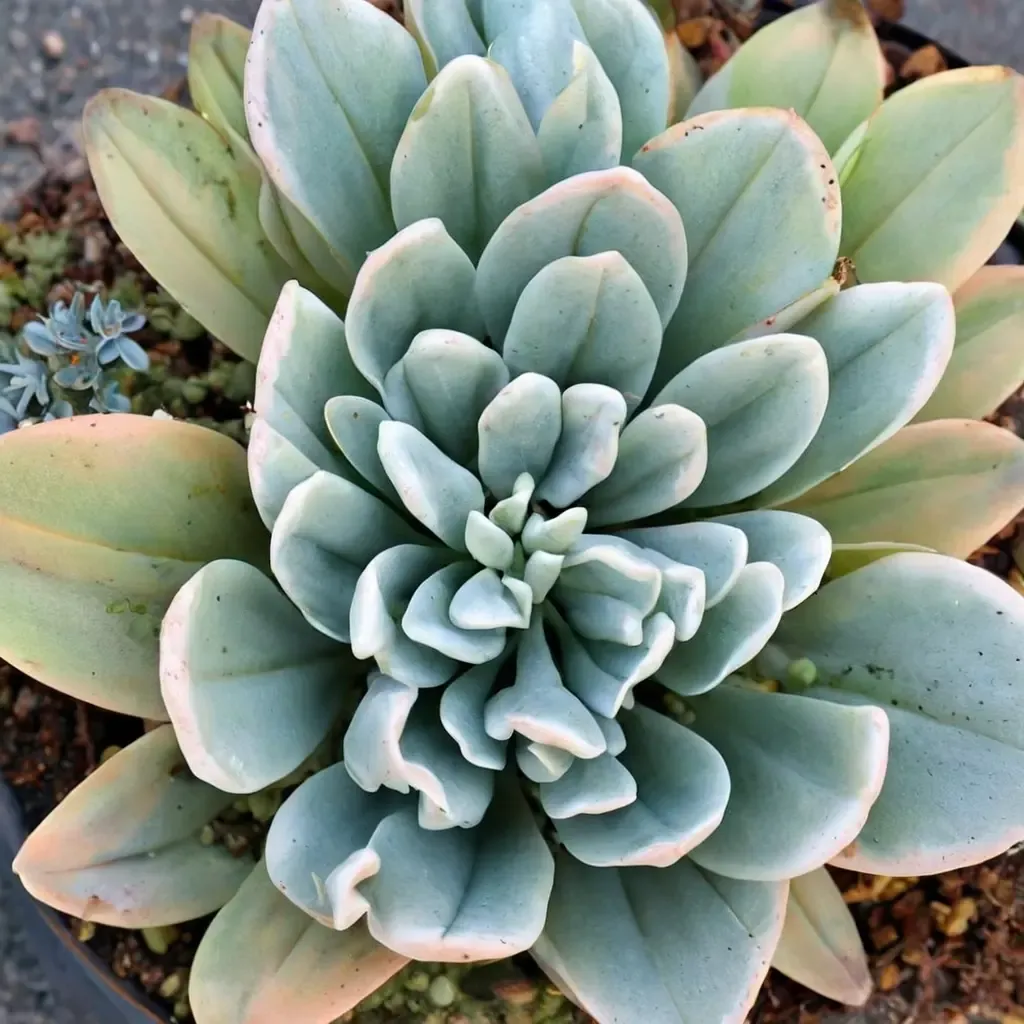
Caribbean Echeveria Echeveria Caribbean
Echeveria runyonii 'Caribbean'
Keep exploring
Explore the genus
Hardy in your zone?
Grow Echeveria with confidence
See it in a design of your actual yard, get zone-matched care reminders, and track it season by season in your garden journal.