

The Story
Plant Bio
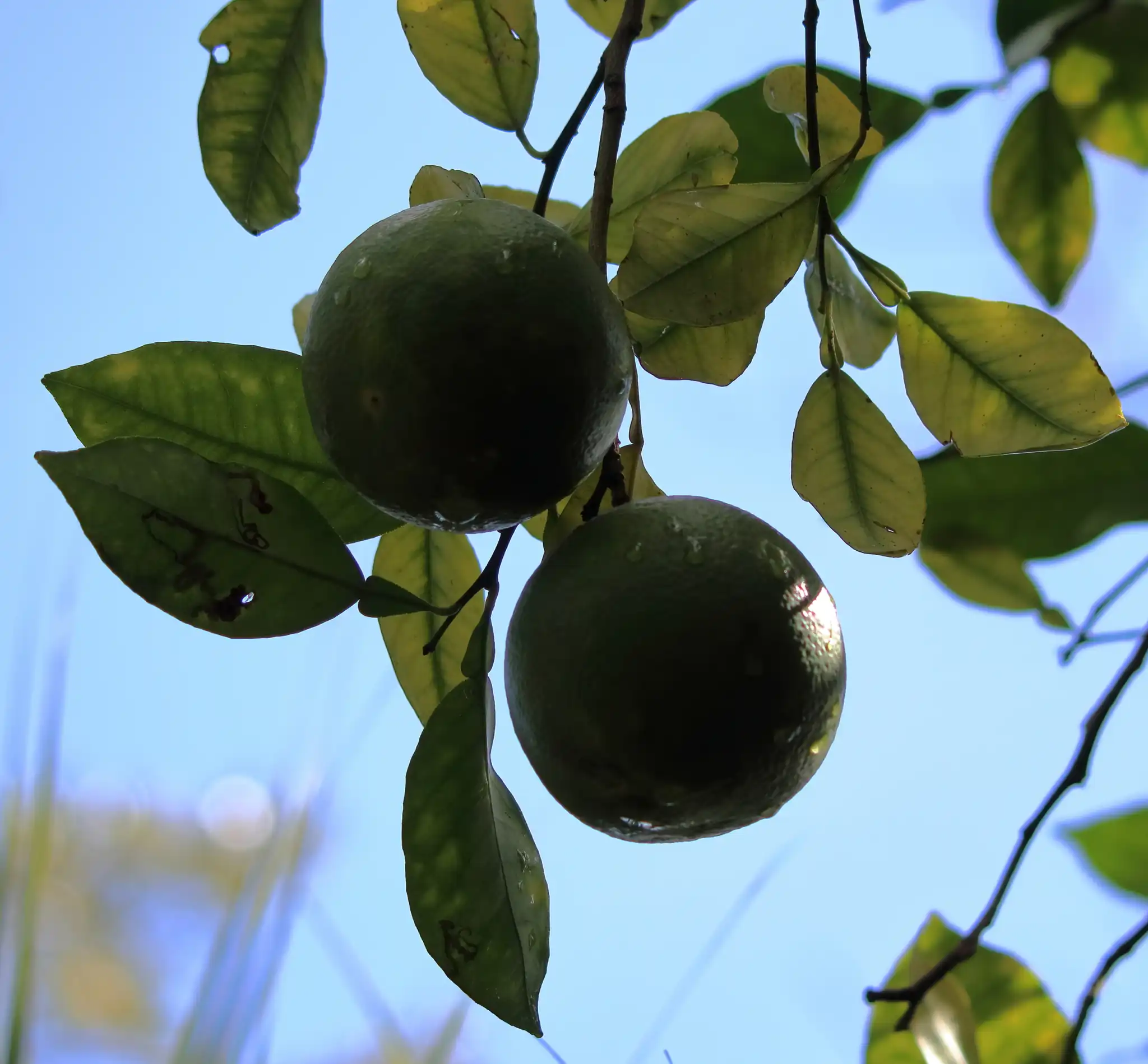
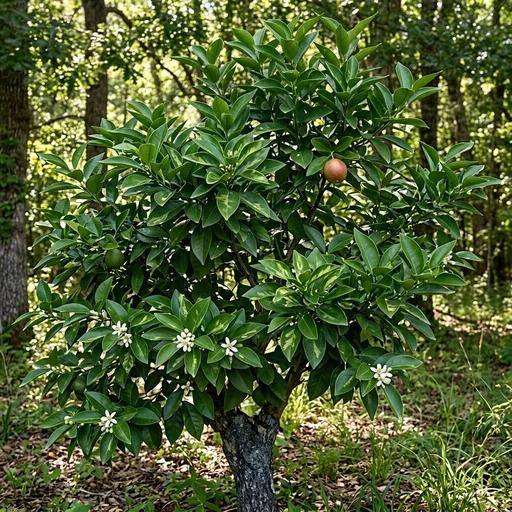
Citrus sinensis, the sweet orange, is a broadleaf evergreen tree of hybrid origin, eight to thirty feet where frost allows. Glossy aromatic ovate leaves up to four inches long clothe a rounded crown, fragrant white star-shaped flowers open in spring, and the familiar fruit ripens through winter.
Orange fruit needs cool nights to develop its colour — in genuinely tropical climates the same sweet ripe fruit stays green, which is why supermarket oranges are sometimes degreened artificially. Fruit also holds on the tree for months once ripe, so it can be picked as needed rather than harvested all at once.
Uses & Benefits:
Essentials
At a Glance
Plant Type
Fruit Vegetable
Height
228"
Width
138"
Light
Full Sun
Zones
8, 9, 10
Water
Moderate
Humidity
Moderate
Lifespan
Perennial
Native To
Hybrid of Asian origin
Toxicity
Fruit edible; foliage not eaten
Planting
How to Grow
- Grow it in a container north of zone 9.
- Give it full sun and free-draining citrus compost.
- Water thoroughly, then let the surface dry.
- Cut watering right back through winter.
- Feed with a citrus fertiliser in the growing season.
- Leave ripe fruit on the tree and pick as needed.
Pro Tip
Ripe fruit holds on the tree for months, so pick as you need it rather than harvesting the whole crop at once.
Keep It Thriving
Care Guide
Do
- Give it the sunniest position 🍊
- Use free-draining citrus compost 🌱
- Cut watering back in winter ❄️
- Feed with citrus fertiliser 🧪
Don't
- Keep the compost wet in winter ❌
- Move it suddenly between temperatures ❌
- Assume green fruit is unripe ❌
Seasonal Care Calendar
| Task | Jan | Feb | Mar | Apr | May | Jun | Jul | Aug | Sep | Oct | Nov | Dec |
|---|---|---|---|---|---|---|---|---|---|---|---|---|
| Feed |
Watch Out For
Pests & Diseases
Common Pests
Common Diseases
In the Garden
Landscape Uses & Companions
Landscape Uses
Companion Plants
Multiply
Propagation Methods
Good to Know
Common Questions
Blood Orange questions
What zones can Blood Orange grow in?
Blood Orange is hardy in USDA Zones 8–10. Inside that range it survives winter in the ground; outside it, grow it as an annual or a container plant you protect.
Is Blood Orange deer resistant?
Not reliably. Deer may browse Blood Orange, especially tender spring growth — plan on repellents or fencing where pressure is high.
When does Blood Orange bloom?
Blood Orange typically blooms in mid spring through late spring. Exact timing shifts a week or two with your zone — Sow's bloom calendar maps it to your garden.
Does Blood Orange need full sun?
Blood Orange does best in full sun (6+ hours).
Is Blood Orange drought tolerant?
Yes — once established (usually after the first full season), Blood Orange handles dry spells with minimal watering. Water deeply its first year to build the root system that makes that possible.
More Citrus to compare
Meyer Lemon
Citrus limon 'Meyer'
Key Lime
Citrus aurantiifolia
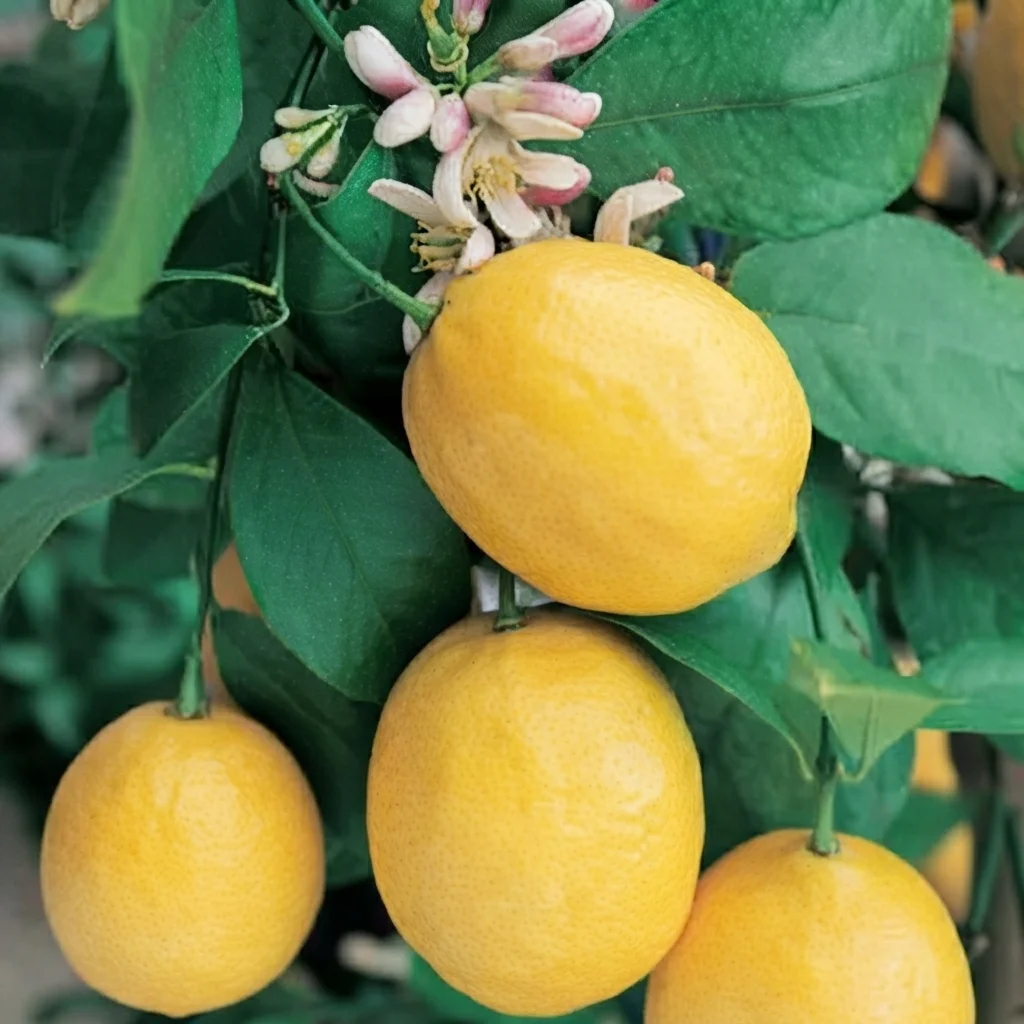
Eureka Lemon
Citrus limon 'Eureka'
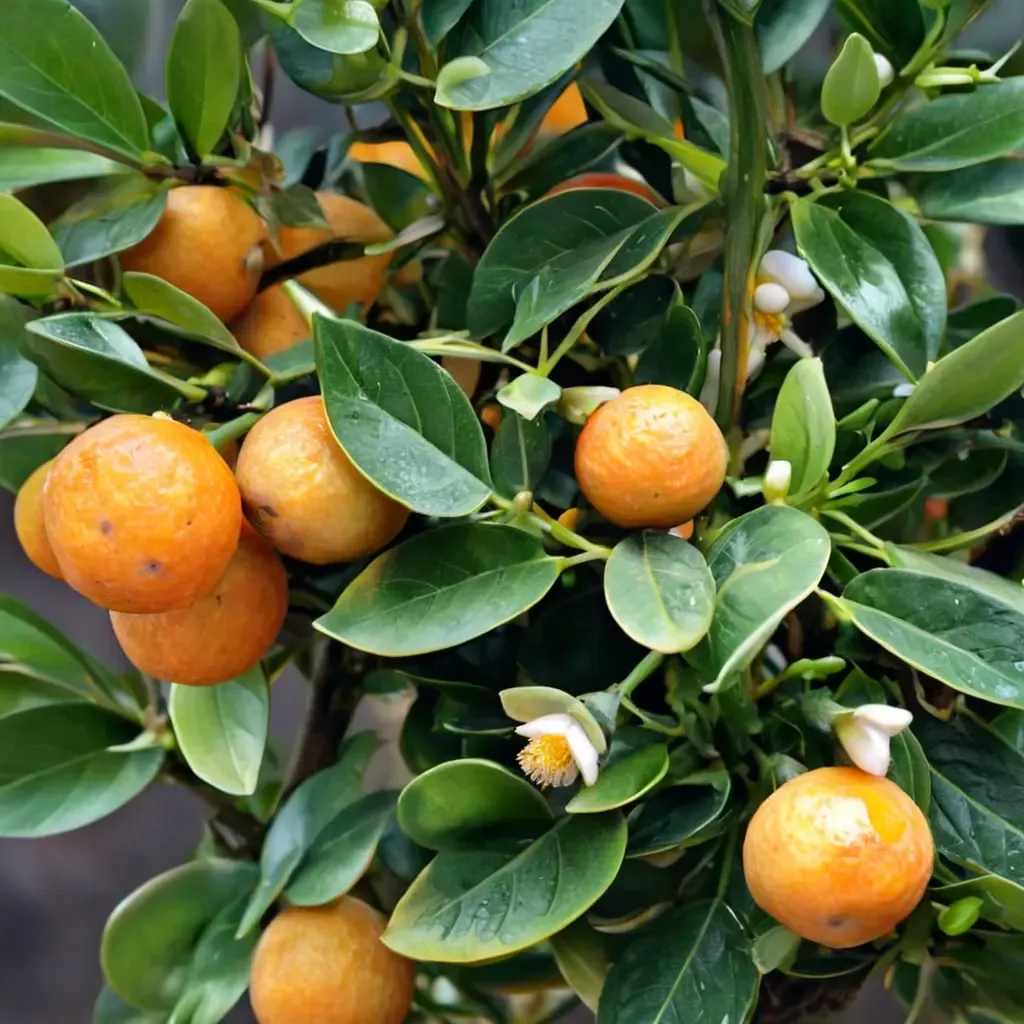
Calamondin
Citrus mitis
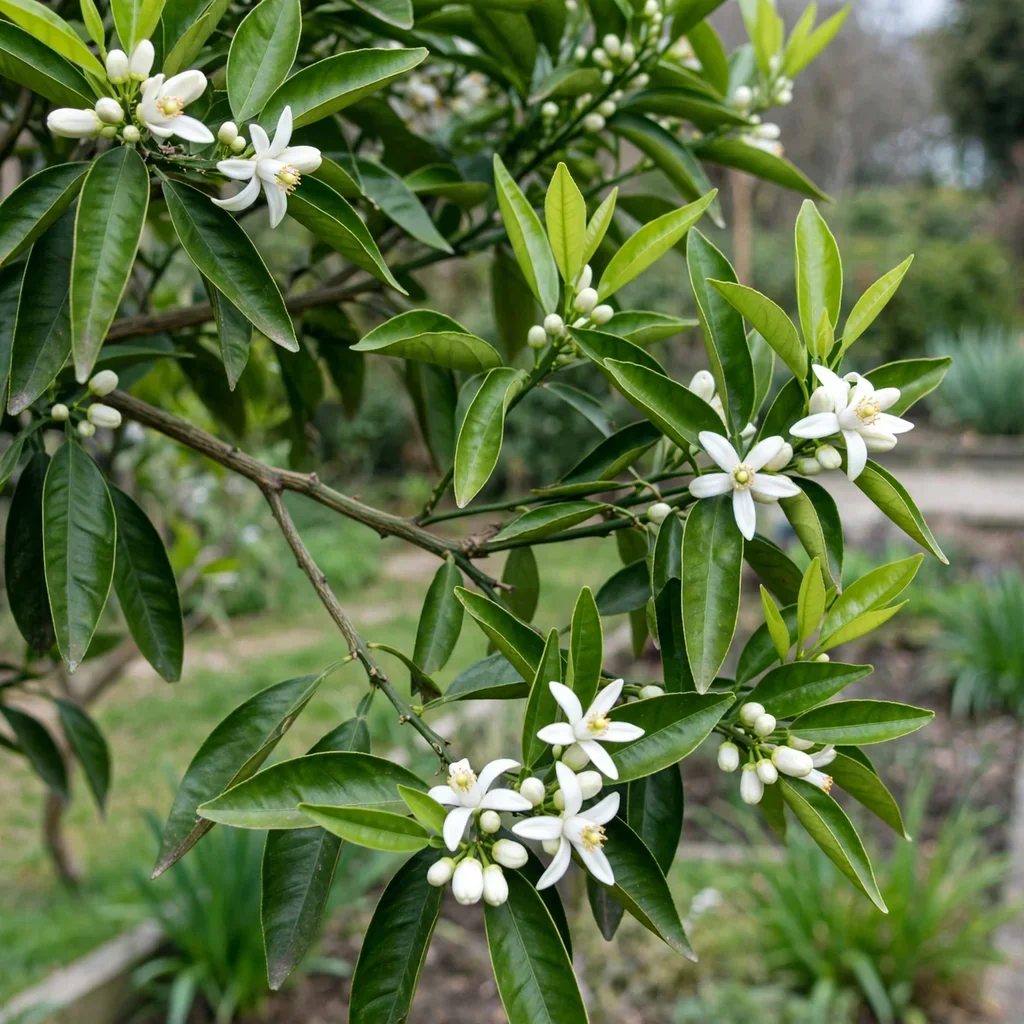
Sanguinello Orange
Citrus reticulata 'Sanguinea'
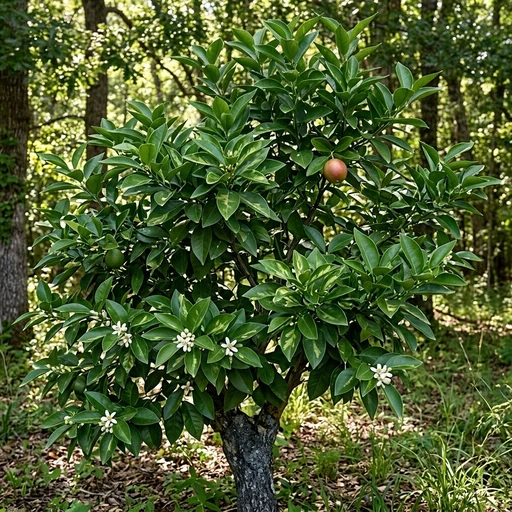
Moro Blood Orange
Citrus sinensis 'Moro'
Keep exploring
Explore the genus
Hardy in your zone?
Grow Blood Orange with confidence
See it in a design of your actual yard, get zone-matched care reminders, and track it season by season in your garden journal.