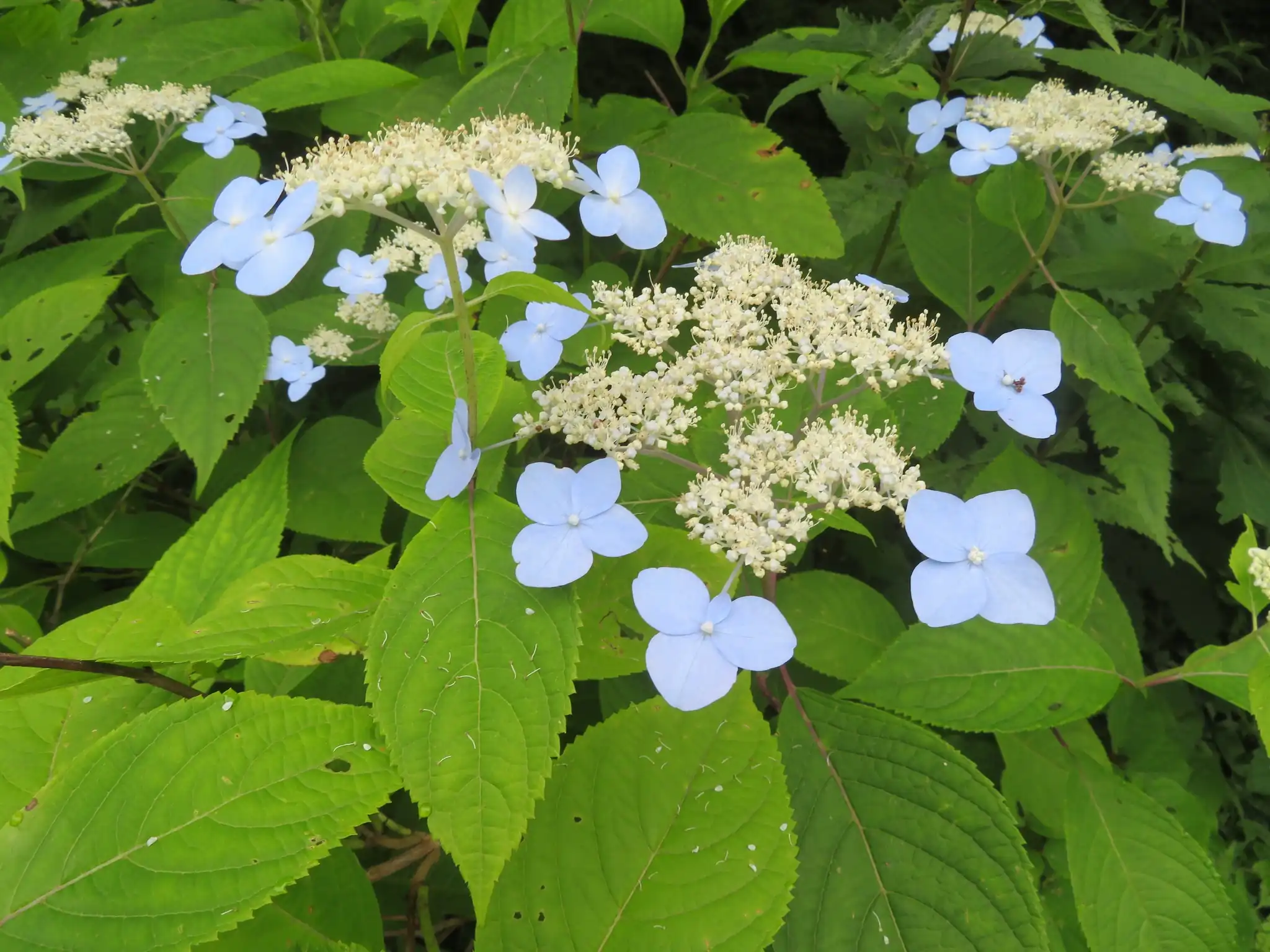
8 named cultivars
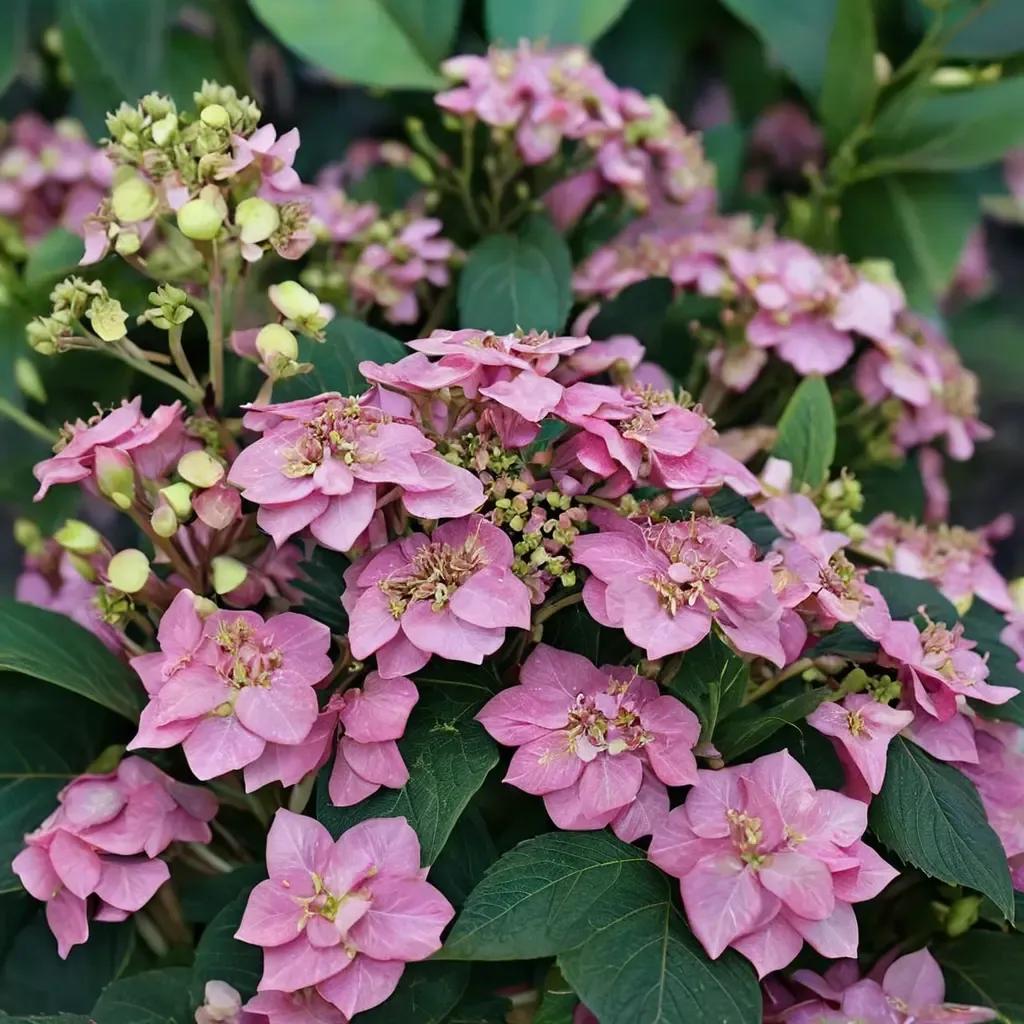 ‘Let's Dance Cancan’Let's Dance Cancan Hydrangea
 ‘Tuff Stuff’Tuff Stuff Mountain Hydrangea
 ‘Tiny Tuff Stuff’Tiny Tuff Stuff Mountain Hydrangea
 ‘Pink Dynamo’Pink Dynamo Mountain Hydrangea
 ‘Lets Dance Can Do’Let's Dance Can Do Hydrangea
 ‘Tuff Stuff Ah-Ha’Tuff Stuff Ah-Ha Mountain Hydrangea
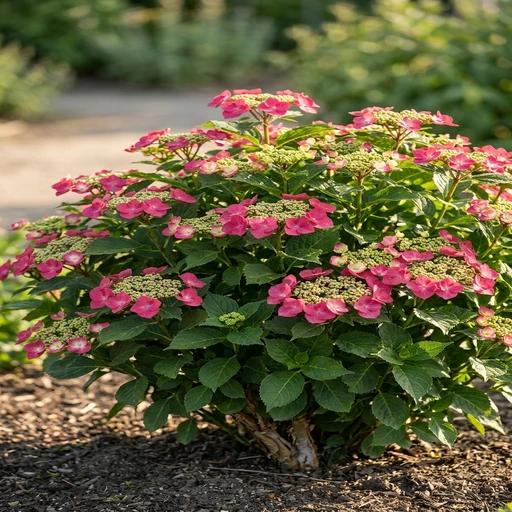 ‘Tuff Stuff Red’Tuff Stuff Red Mountain Hydrangea
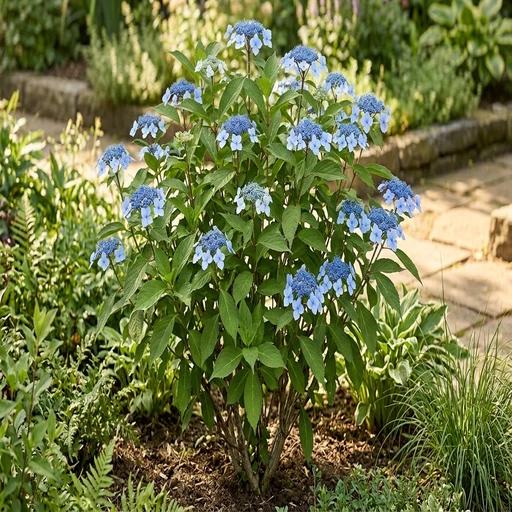 ‘Bluebird’Bluebird Lacecap Hydrangea
The Story
Plant Bio
Hydrangea serrata, the mountain hydrangea, is a compact deciduous shrub from the mountain woodlands of Japan and Korea. It forms a rounded clump 2 to 4 ft high and wide, with slender stems and pointed, finely toothed dark green leaves. Flat lacecap heads of small fertile flowers ringed by showy sterile florets open through summer.
It is smaller, finer-stemmed and hardier in bud than the mophead hydrangea, so it flowers more reliably after a cold spring. Sepal colour follows soil chemistry, blue on acid ground and pink on alkaline. NCSU lists the plant as poisonous, and the buds and leaves contain cyanogenic compounds.
Uses & Benefits:
Essentials
At a Glance
Plant Type
Shrub
Height
36"
Width
36"
Light
Partial Sun
Zones
5, 6, 7, 8, 9
Water
Moderate; keep evenly moist
Humidity
Average to high
Lifespan
Over 20 years
Native To
Japan and Korea
Toxicity
Toxic — listed as poisonous; buds and leaves contain cyanogenic compounds
Planting
How to Grow
- Plant in dappled shade or morning sun with shelter from midday heat.
- Work leaf mould into the planting hole and mulch afterwards.
- Keep the soil evenly moist; it wilts fast when dry.
- Prune only just after flowering, cutting to a strong bud pair.
- Leave the old flower heads on over winter to protect the buds.
- Adjust soil pH deliberately if you want to shift the colour.
Pro Tip
It flowers on old wood, so any tidy-up after late summer removes next year's buds — prune the week the heads fade or not at all.
Keep It Thriving
Care Guide
Do
- Keep the root zone cool with a generous mulch 🍂
- Water before the leaves wilt, not after 💧
- Prune within a few weeks of flowering ✂️
- Feed acid soil with sulphur to deepen the blue 🔵
Don't
- Do not prune in late winter; you cut off the flowers ❌
- Do not plant it in full afternoon sun ❌
- Do not let children or pets chew the buds or leaves ❌
Seasonal Care Calendar
| Task | Jan | Feb | Mar | Apr | May | Jun | Jul | Aug | Sep | Oct | Nov | Dec |
|---|---|---|---|---|---|---|---|---|---|---|---|---|
| Mulch And Protect Buds | ||||||||||||
| Prune After Flowering |
Watch Out For
Pests & Diseases
Common Pests
Common Diseases
In the Garden
Landscape Uses & Companions
Landscape Uses
Multiply
Propagation Methods
Good to Know
Common Questions
Mountain Hydrangea questions
What zones can Mountain Hydrangea grow in?
Mountain Hydrangea is hardy in USDA Zones 5–9. Inside that range it survives winter in the ground; outside it, grow it as an annual or a container plant you protect.
Is Mountain Hydrangea deer resistant?
Yes — Mountain Hydrangea is rated deer-resistant. Deer typically pass it over, though extreme hunger can override any plant's defenses.
When does Mountain Hydrangea bloom?
Mountain Hydrangea typically blooms in summer through early fall. Exact timing shifts a week or two with your zone — Sow's bloom calendar maps it to your garden.
Does Mountain Hydrangea need full sun?
Mountain Hydrangea does best in part shade.
More Hydrangea to compare
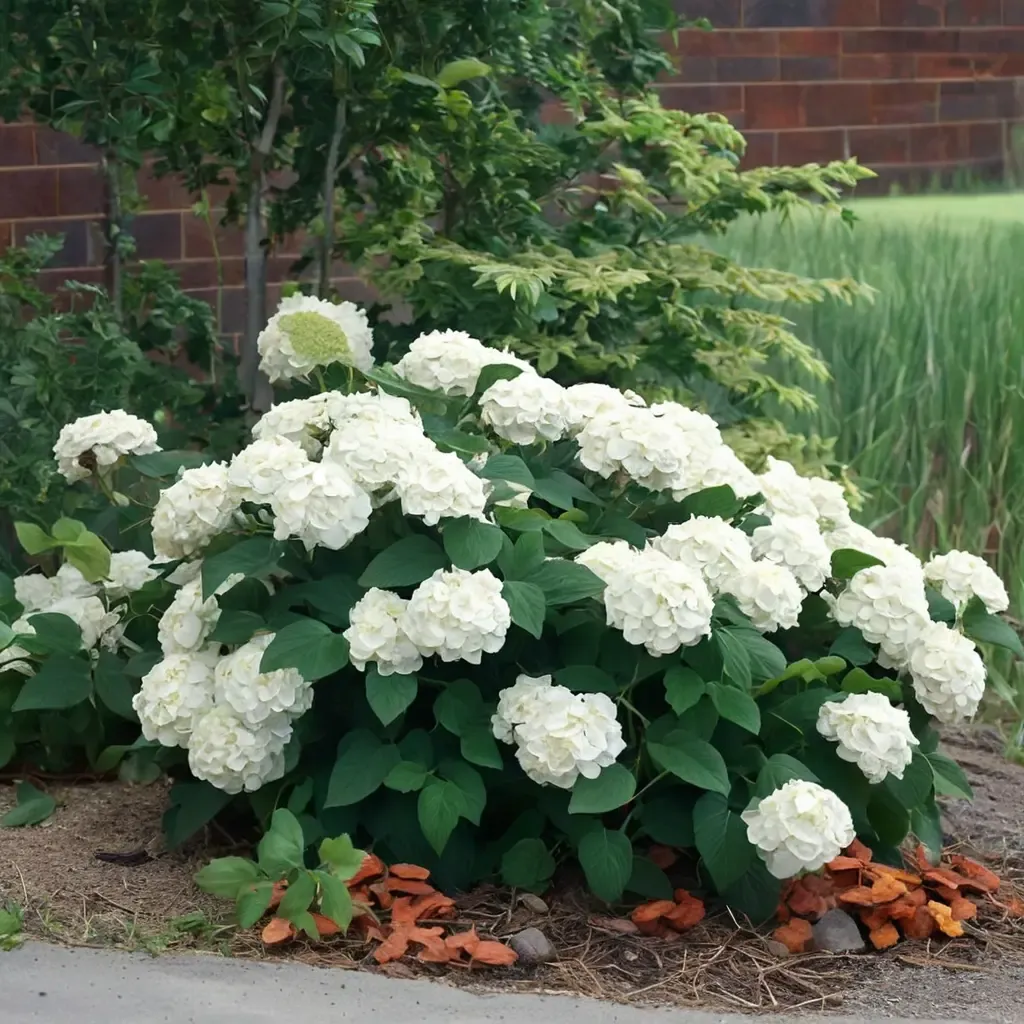
Incrediball Hydrangea
Hydrangea arborescens 'Incrediball'
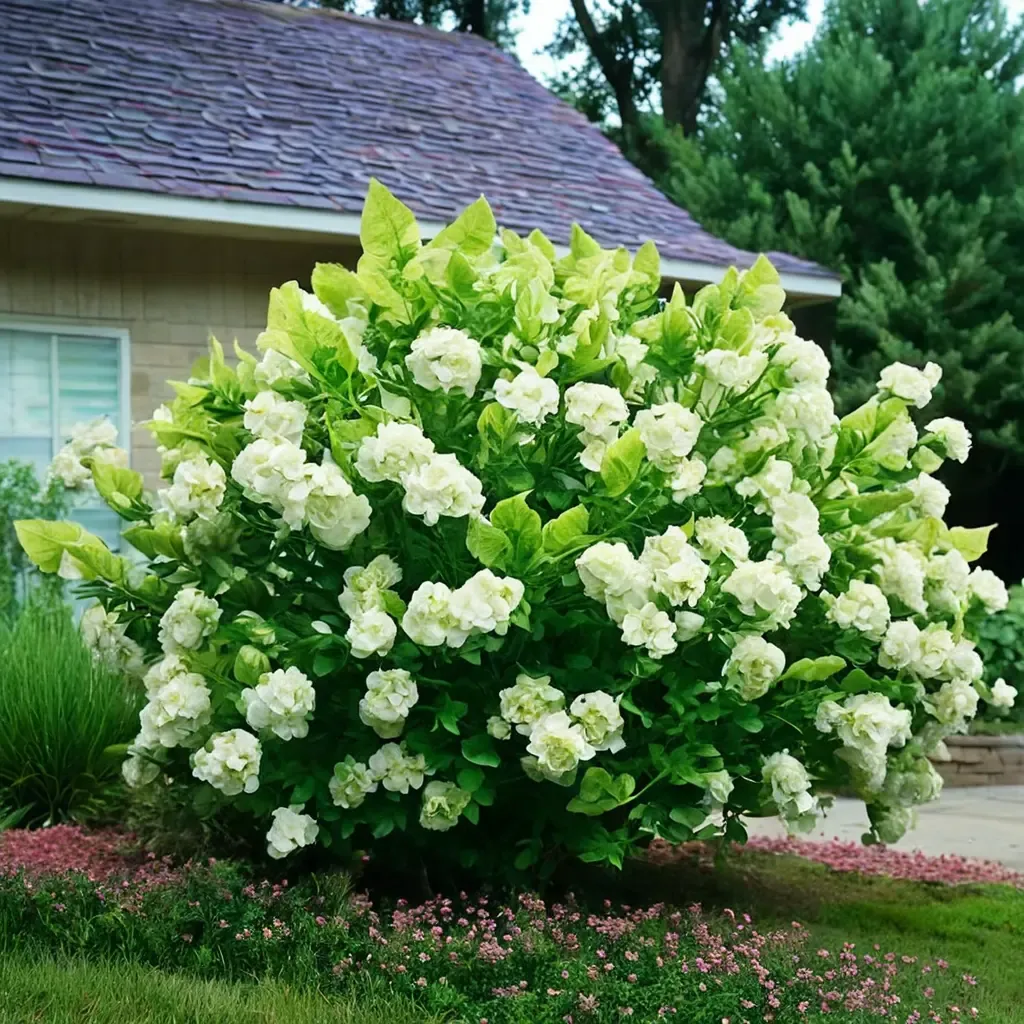
Limelight Hydrangea
Hydrangea paniculata 'Limelight'
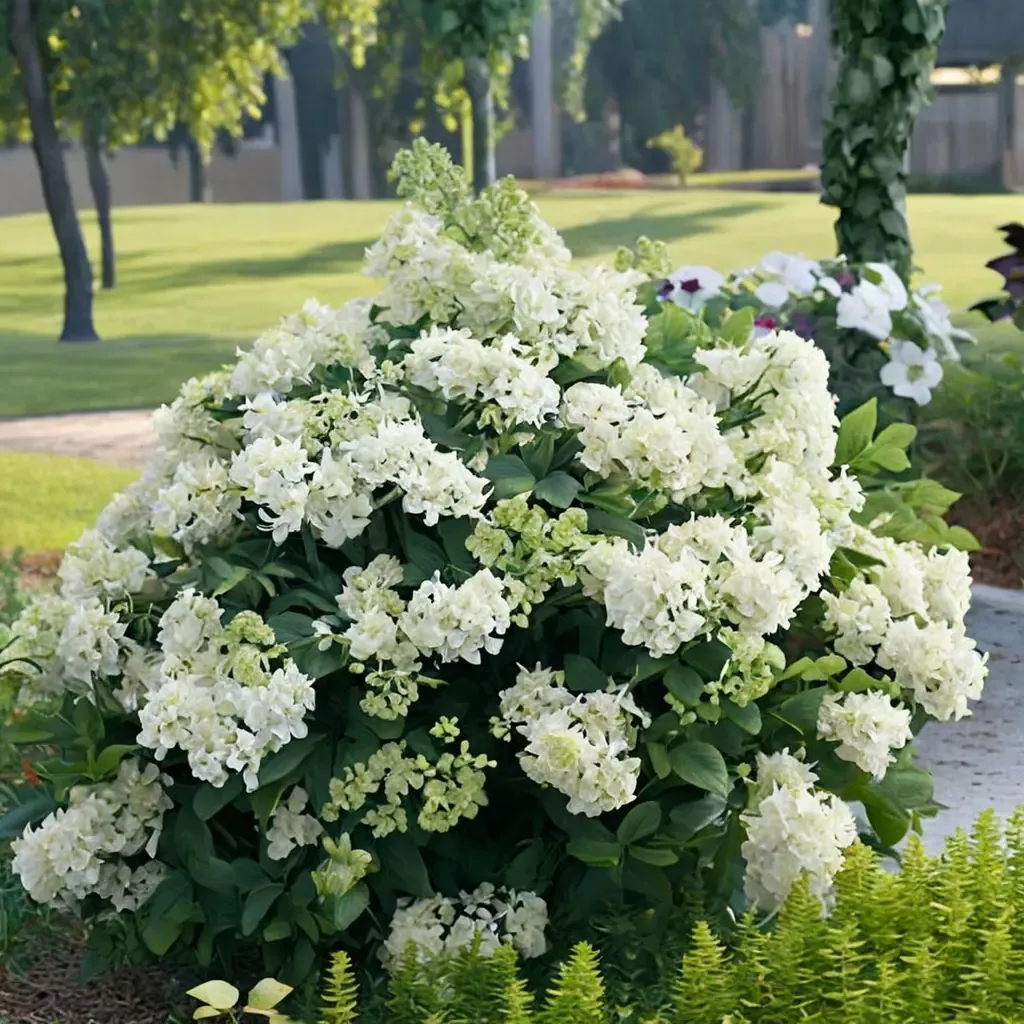
Bobo Hydrangea
Hydrangea paniculata 'ILVOBO'
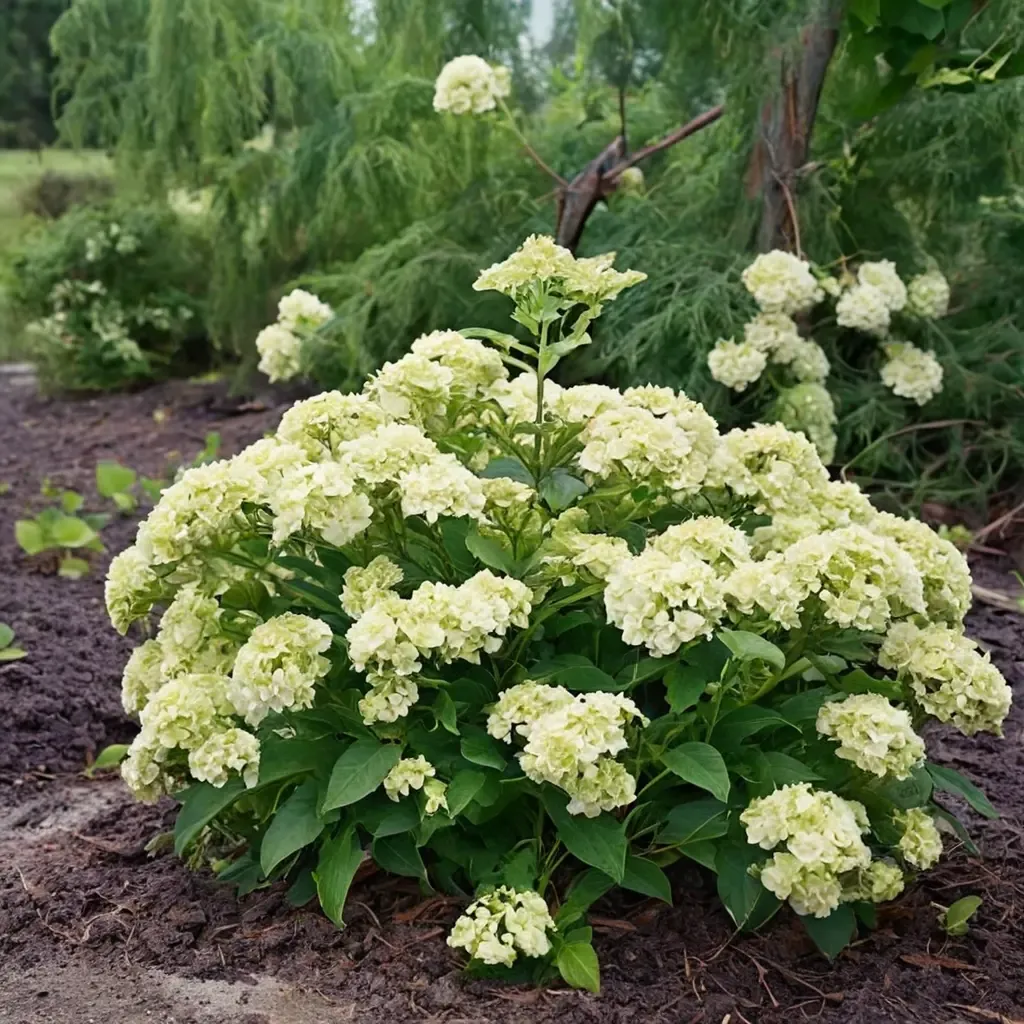
Little Lime Hydrangea
Hydrangea paniculata 'Jane'
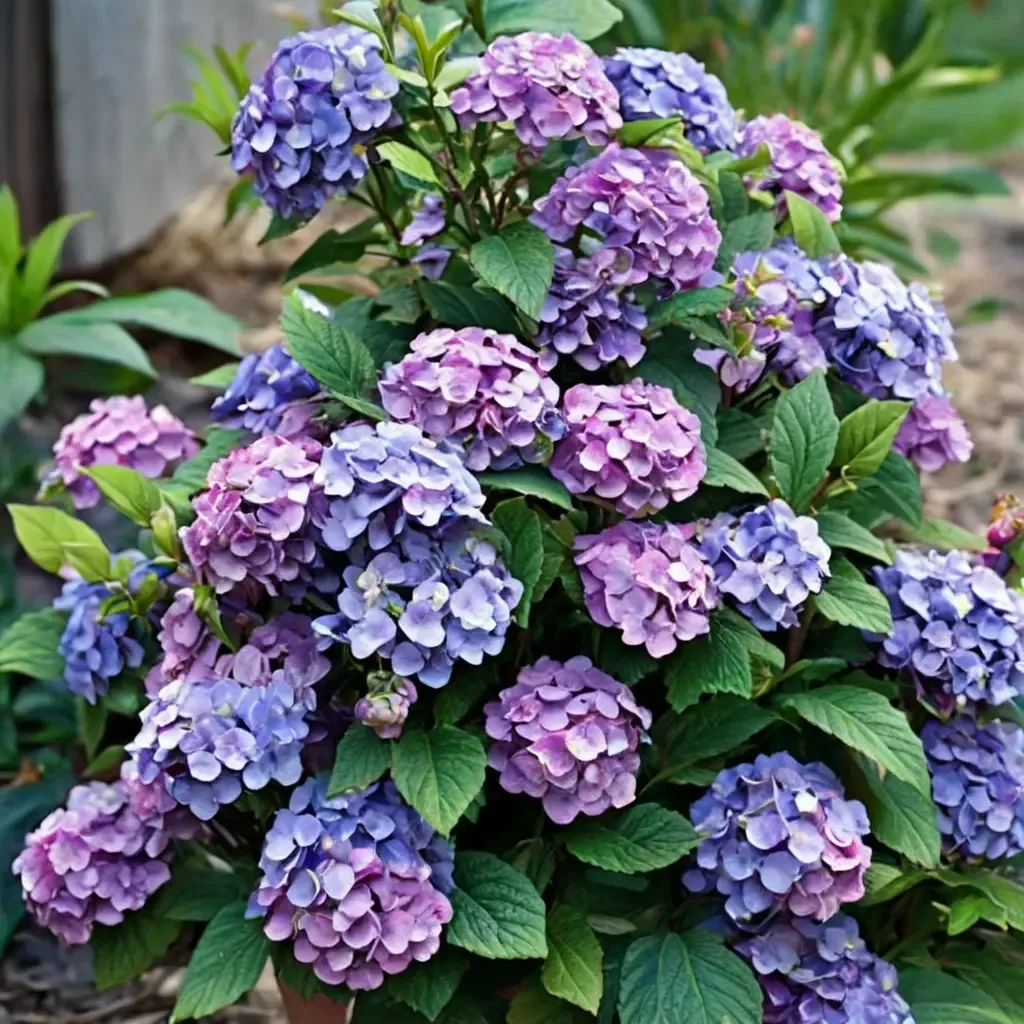
Bloomstruck Hydrangea
Hydrangea macrophylla 'Bloomstruck'
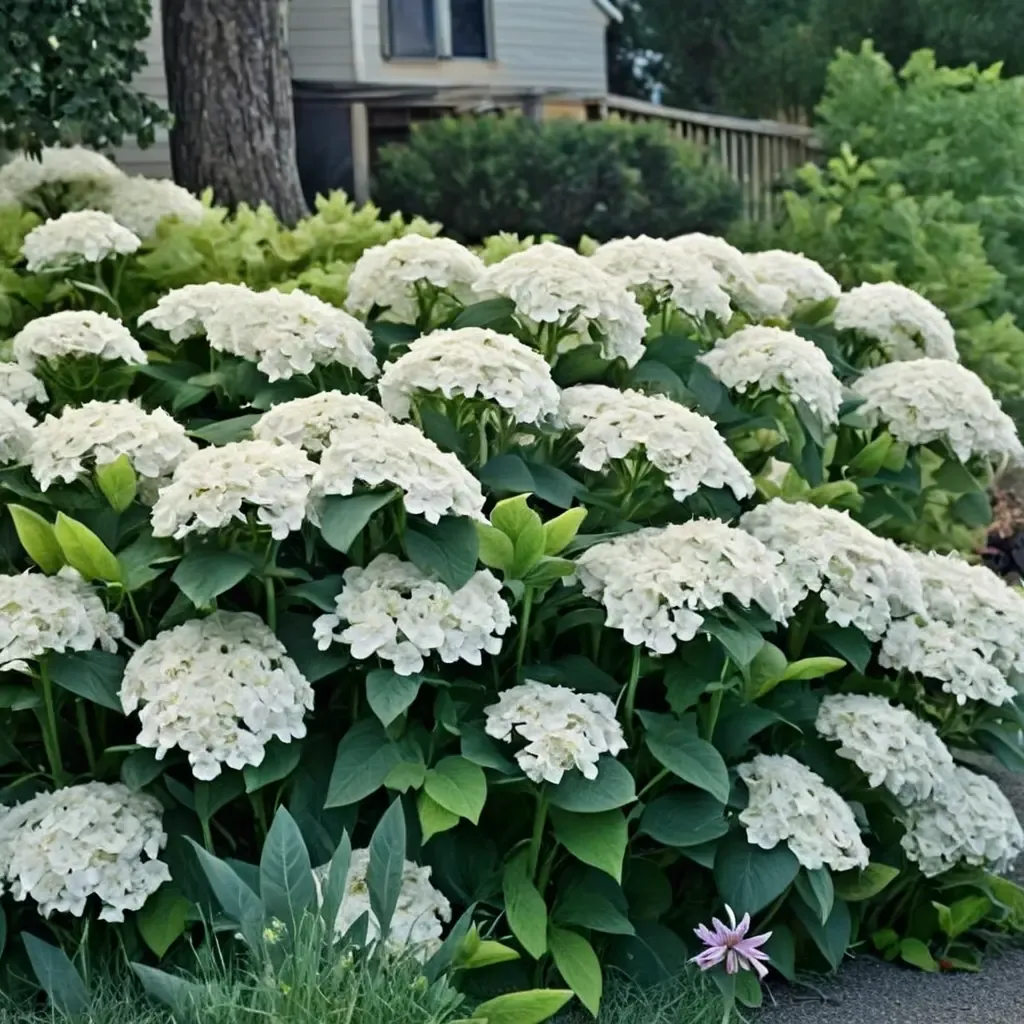
Annabelle Hydrangea Smooth Hydrangea
Hydrangea arborescens 'Annabelle'
Keep exploring
Explore the genus
Hardy in your zone?
Grow Mountain Hydrangea with confidence
See it in a design of your actual yard, get zone-matched care reminders, and track it season by season in your garden journal.