The Story
Plant Bio
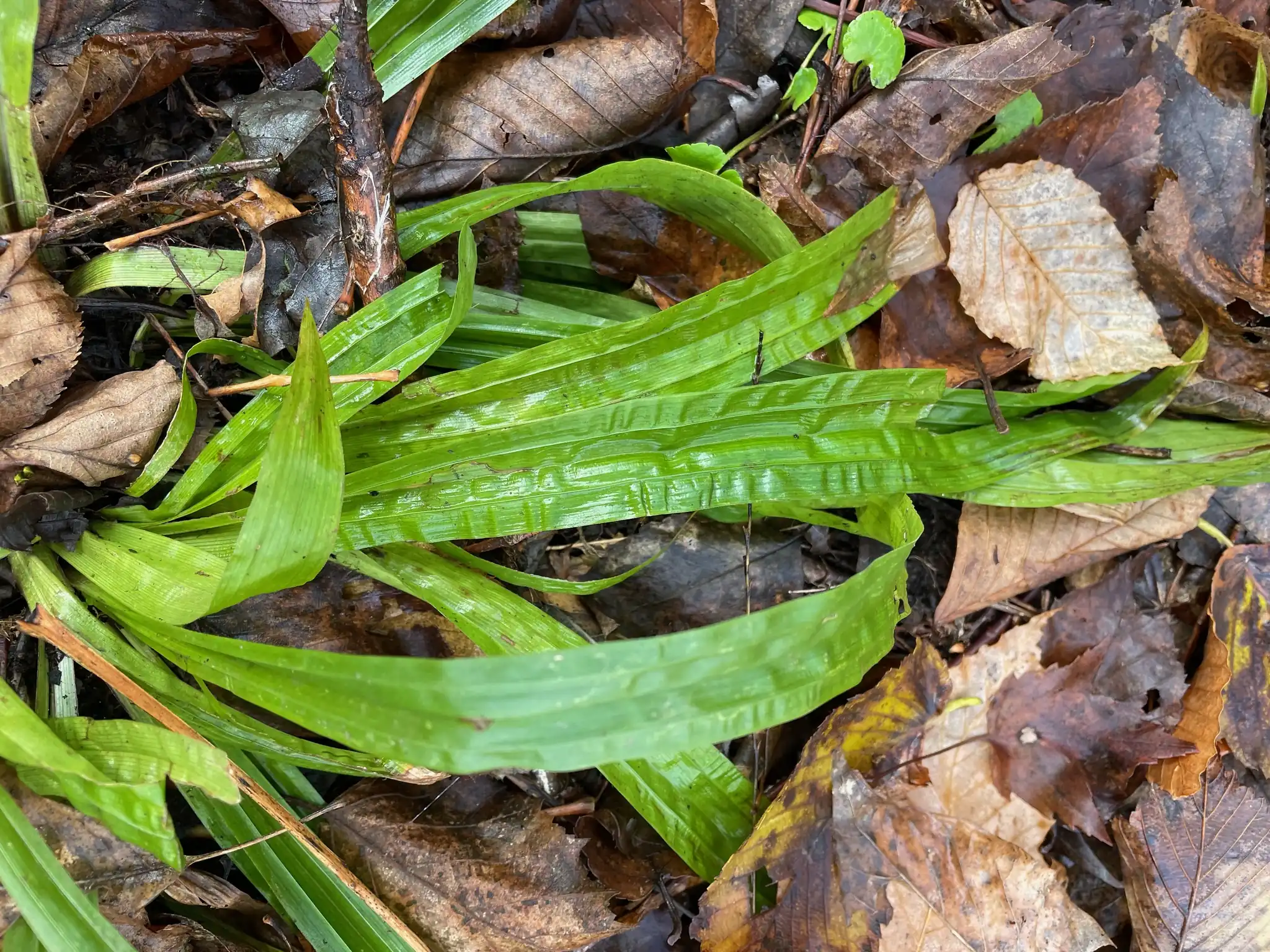
Carex plantaginea is a clump-forming, cool-season sedge native to the deciduous forests of eastern North America. It is notable for its broad, semi-evergreen leaves rather than its insignificant flowers.
This sedge is distinguished by its wide, puckered, lime-green leaves that resemble seersucker fabric, providing unique texture in the shade garden. The leaf sheaths at the base of the plant are a distinctive reddish-purple.
Uses & Benefits:
Essentials
At a Glance
Plant Type
Grass
Height
10"
Width
10"
Light
Partial Sun, Shade
Zones
4, 5, 6, 7, 8
Water
Moderate to high
Humidity
High
Lifespan
Long-lived perennial
Native To
Eastern North America
Toxicity
Non-toxic
Bloom period
Early spring – Mid-spring
In flower about 2 months of the year
Marketplace
Where to Buy
Shipping costs Year-round shipping Free shipping
Planting
How to Grow
- Select a location in part to full shade with moist, rich soil.
- Amend soil with compost or leaf mold to improve fertility and moisture retention.
- Dig a hole as deep and twice as wide as the pot.
- Gently remove the plant and place it in the hole.
- Backfill with soil, ensuring the crown is at soil level.
- Water well after planting and maintain consistent moisture.
Pro Tip
Plant in groups or as a massed groundcover to best appreciate its unique foliar texture and suppress weeds.
Keep It Thriving
Care Guide
Do
- Provide consistently moist soil, especially during dry periods.
- Plant in a shaded location to prevent leaf scorch.
- Allow leaves to remain over winter for protection and interest.
- Divide every few years if clumps become too large.
Don't
- Do not plant in full sun, which will burn the leaves.
- Avoid letting the soil dry out completely.
- Don't bury the crown of the plant when planting or mulching.
- Avoid heavy fertilization; a top-dressing of compost is sufficient.
Seasonal Care Calendar
| Task | Jan | Feb | Mar | Apr | May | Jun | Jul | Aug | Sep | Oct | Nov | Dec |
|---|---|---|---|---|---|---|---|---|---|---|---|---|
| Divide | ||||||||||||
| Plant | ||||||||||||
| Spring Cleanup |
Watch Out For
Pests & Diseases
Common Pests
Common Diseases
In the Garden
Landscape Uses & Companions
Landscape Uses
Multiply
Propagation Methods
Good to Know
Common Questions
Seersucker Sedge questions
What zones can Seersucker Sedge grow in?
Seersucker Sedge is hardy in USDA Zones 4–8. Inside that range it survives winter in the ground; outside it, grow it as an annual or a container plant you protect.
Is Seersucker Sedge deer resistant?
Yes — Seersucker Sedge is rated deer-resistant. Deer typically pass it over, though extreme hunger can override any plant's defenses.
When does Seersucker Sedge bloom?
Seersucker Sedge typically blooms in early spring through mid-spring. Exact timing shifts a week or two with your zone — Sow's bloom calendar maps it to your garden.
Does Seersucker Sedge need full sun?
Seersucker Sedge does best in part shade.
More Carex to compare
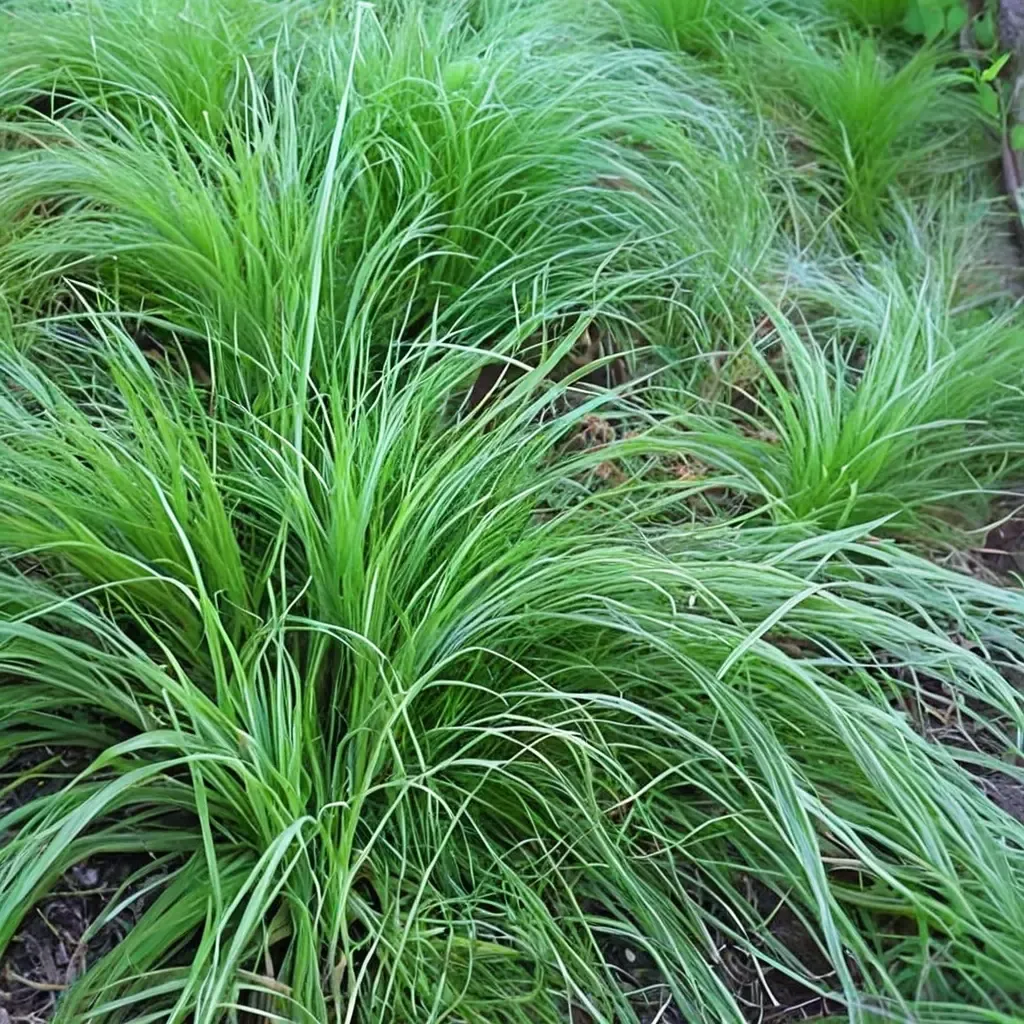
Pennsylvania Sedge
Carex pensylvanica
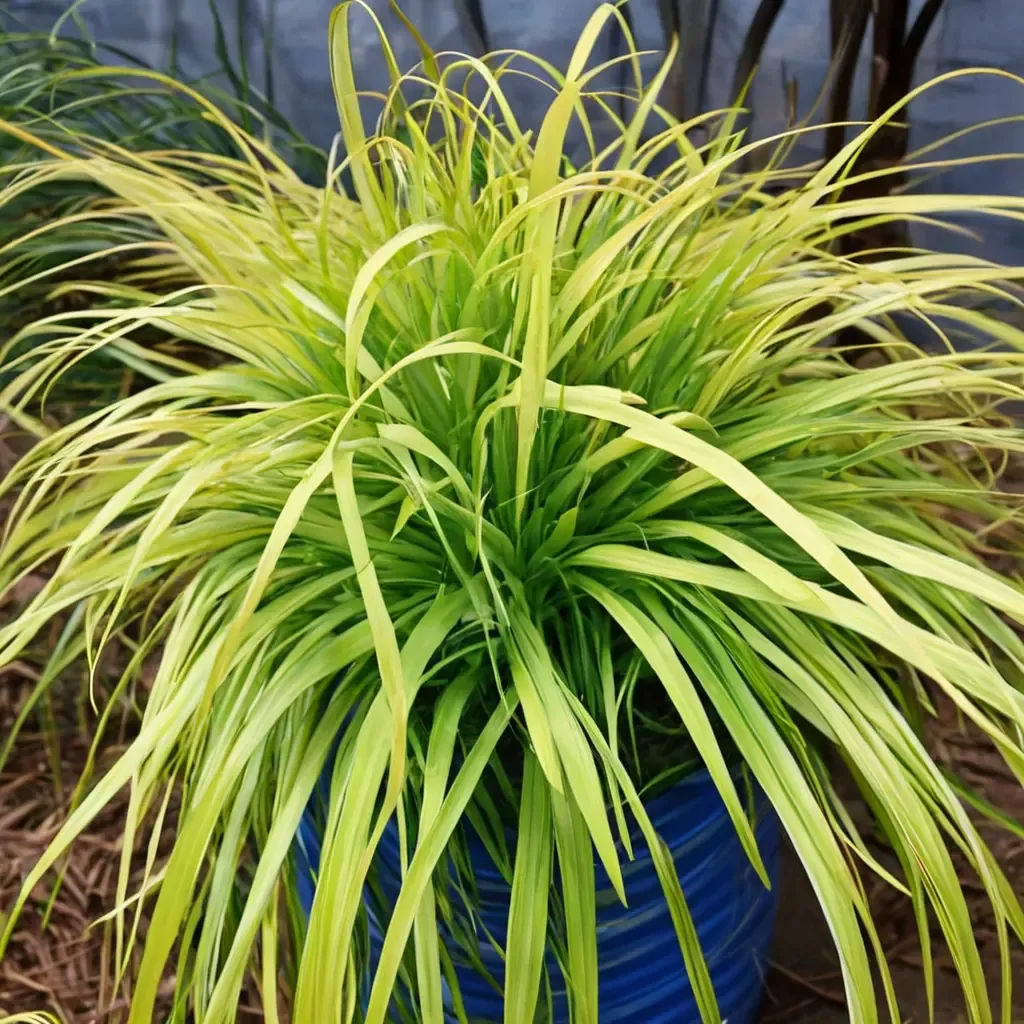
Everillo Sedge
Carex oshimensis 'Everillo'
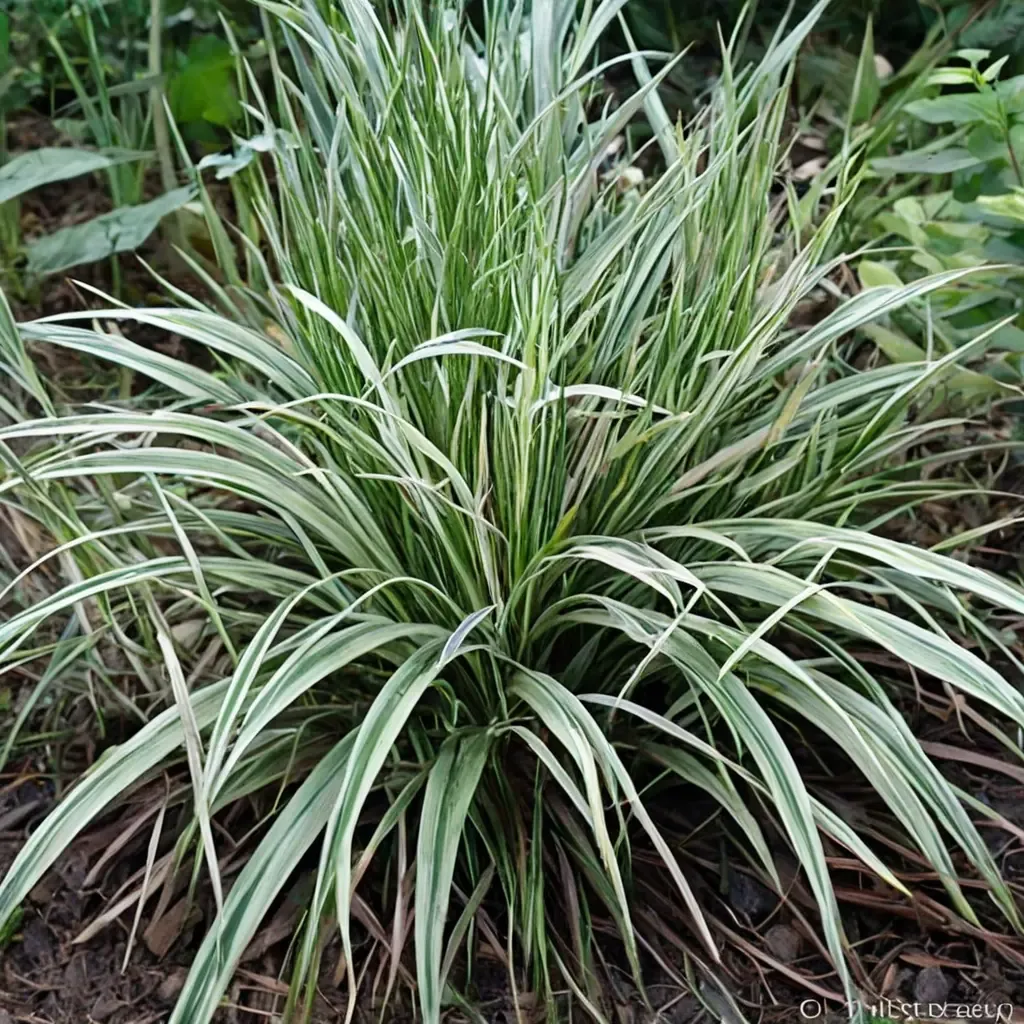
Japanese Sedge
Carex morrowii
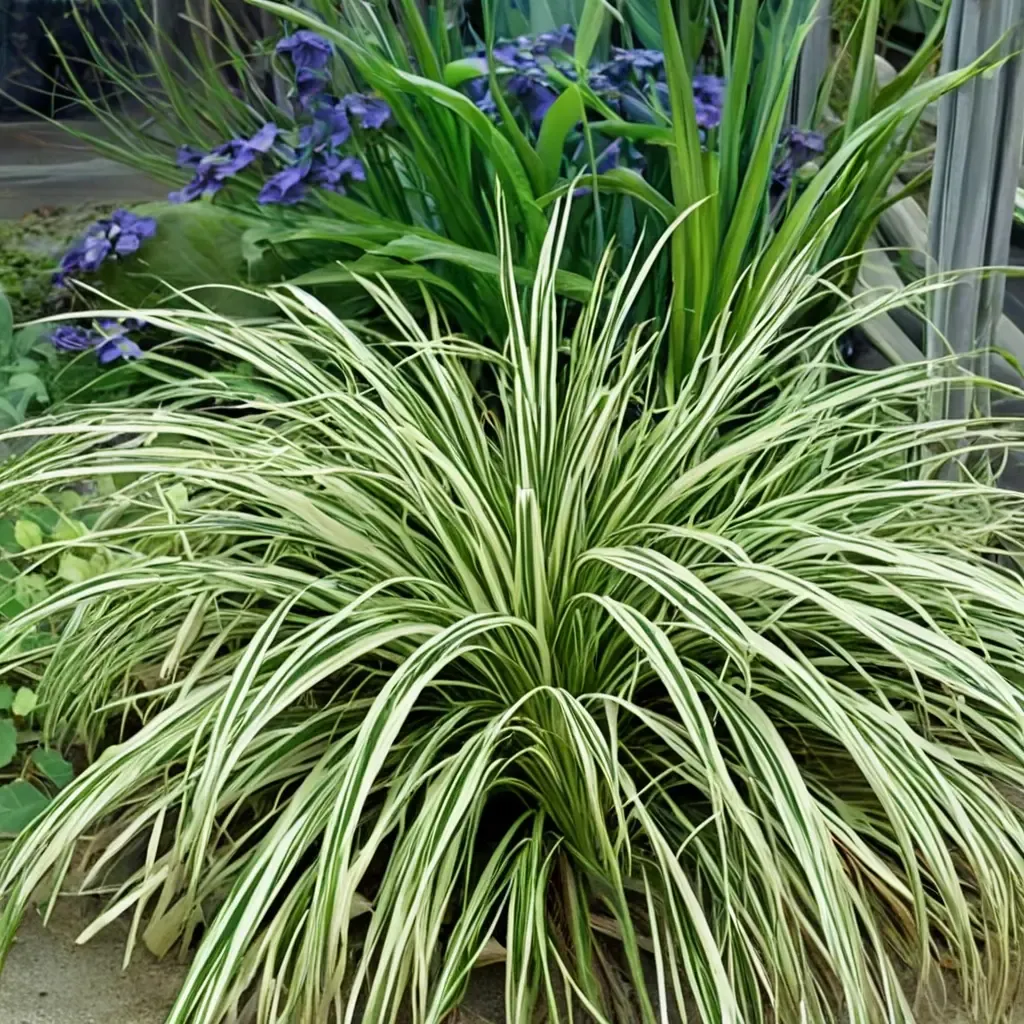
Evergold Japanese Sedge
Carex oshimensis 'Evergold'
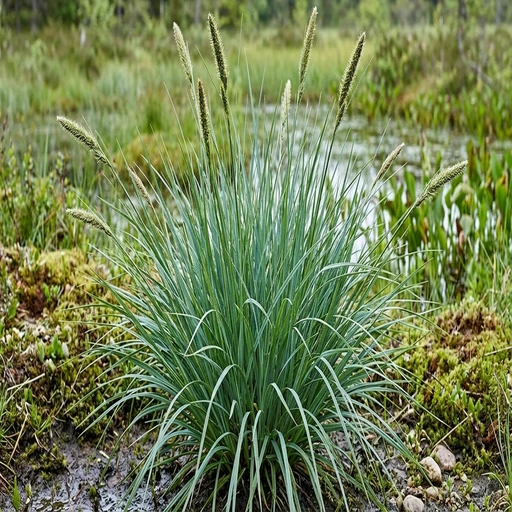
Comosa Sedge
Carex comosa
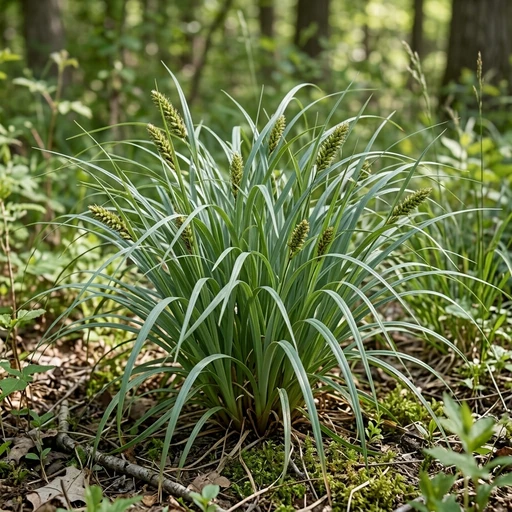
Shortbeak Sedge
Carex brevior
Keep exploring
Explore the genus
Hardy in your zone?
Grow Seersucker Sedge with confidence
See it in a design of your actual yard, get zone-matched care reminders, and track it season by season in your garden journal.