The Story
Plant Bio
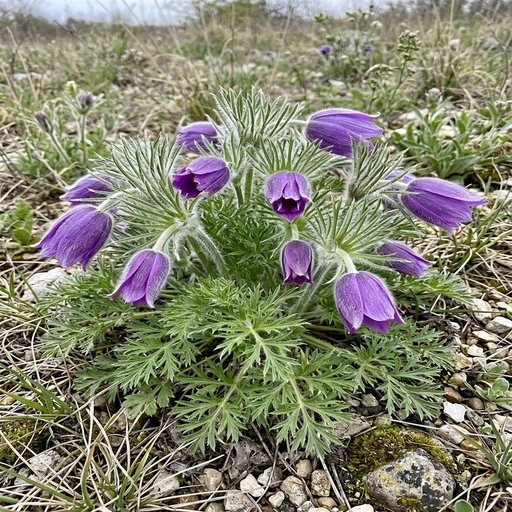
Pulsatilla vulgaris, the Pasque Flower, is a cherished harbinger of spring, producing bell-shaped flowers often before its ferny foliage fully emerges. The entire plant is covered in soft, silky hairs, giving it a fuzzy appearance.
One of its most captivating features is the transition from flower to seed head. After the petals drop, the plant develops incredibly ornamental, plume-like seed heads that resemble silvery puffs of smoke, extending its visual interest well into summer.
Uses & Benefits:
Essentials
At a Glance
Plant Type
Perennial
Height
12 inches
Width
12 inches
Light
Full Sun
Zones
4, 5, 6, 7, 8
Water
Low
Humidity
Low to moderate
Lifespan
Long-lived perennial
Native To
Europe and Asia
Toxicity
Toxic if ingested, skin irritant
Bloom period
Early spring – Mid-spring
In flower about 2 months of the year
Planting
How to Grow
- Choose a location in full sun with excellent drainage
- Amend soil with grit or sand if it is heavy
- Dig a hole deep enough to accommodate the taproot
- Carefully place the plant in the hole without disturbing the roots
- Backfill with soil, firming gently around the plant
- Water well after planting, then only during prolonged drought
Pro Tip
Provide a gravel mulch around the crown to ensure sharp drainage and prevent rot, especially in winter.
Keep It Thriving
Care Guide
Do
- Provide sharply drained, alkaline to neutral soil
- Plant in full sun for best flowering
- Allow the plant to self-seed if you want more plants
- Appreciate the ornamental seed heads after flowering
Don't
- Do not plant in heavy, wet clay soil
- Avoid transplanting established plants due to their deep taproot
- Do not overwater; they are very drought tolerant once established
- Don't remove the seed heads, as they are a key ornamental feature
Seasonal Care Calendar
| Task | Jan | Feb | Mar | Apr | May | Jun | Jul | Aug | Sep | Oct | Nov | Dec |
|---|---|---|---|---|---|---|---|---|---|---|---|---|
| Mulch | ||||||||||||
| Plant |
Watch Out For
Pests & Diseases
Common Pests
Common Diseases
In the Garden
Landscape Uses & Companions
Landscape Uses
Companion Plants
Multiply
Propagation Methods
Good to Know
Common Questions
Pasque Flower questions
What zones can Pasque Flower grow in?
Pasque Flower is hardy in USDA Zones 4–8. Inside that range it survives winter in the ground; outside it, grow it as an annual or a container plant you protect.
Is Pasque Flower deer resistant?
Yes — Pasque Flower is rated deer-resistant. Deer typically pass it over, though extreme hunger can override any plant's defenses.
When does Pasque Flower bloom?
Pasque Flower typically blooms in early spring through mid-spring. Exact timing shifts a week or two with your zone — Sow's bloom calendar maps it to your garden.
Does Pasque Flower need full sun?
Pasque Flower does best in full sun (6+ hours).
Is Pasque Flower drought tolerant?
Yes — once established (usually after the first full season), Pasque Flower handles dry spells with minimal watering. Water deeply its first year to build the root system that makes that possible.
More Anemone to compare
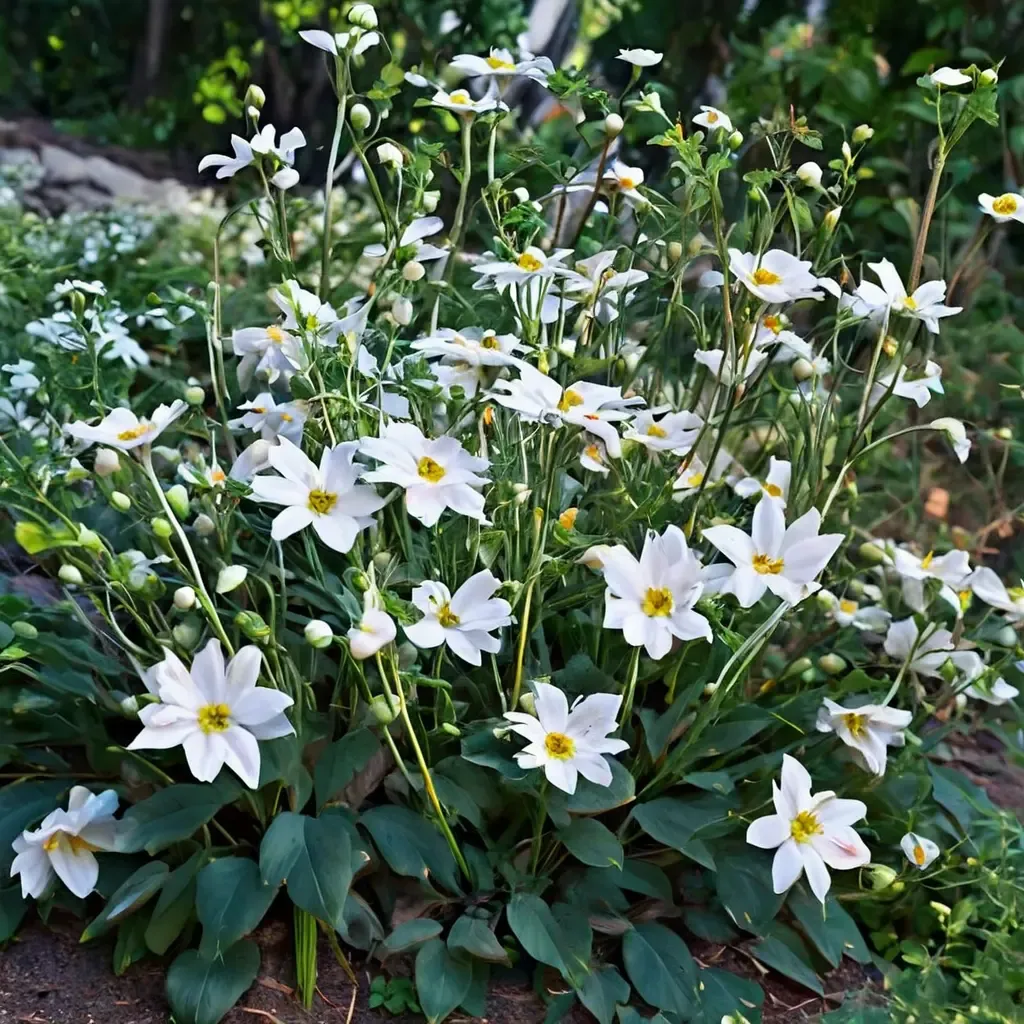
Honorine Jobert Anemone
Anemone x hybrida 'Honorine Jobert'
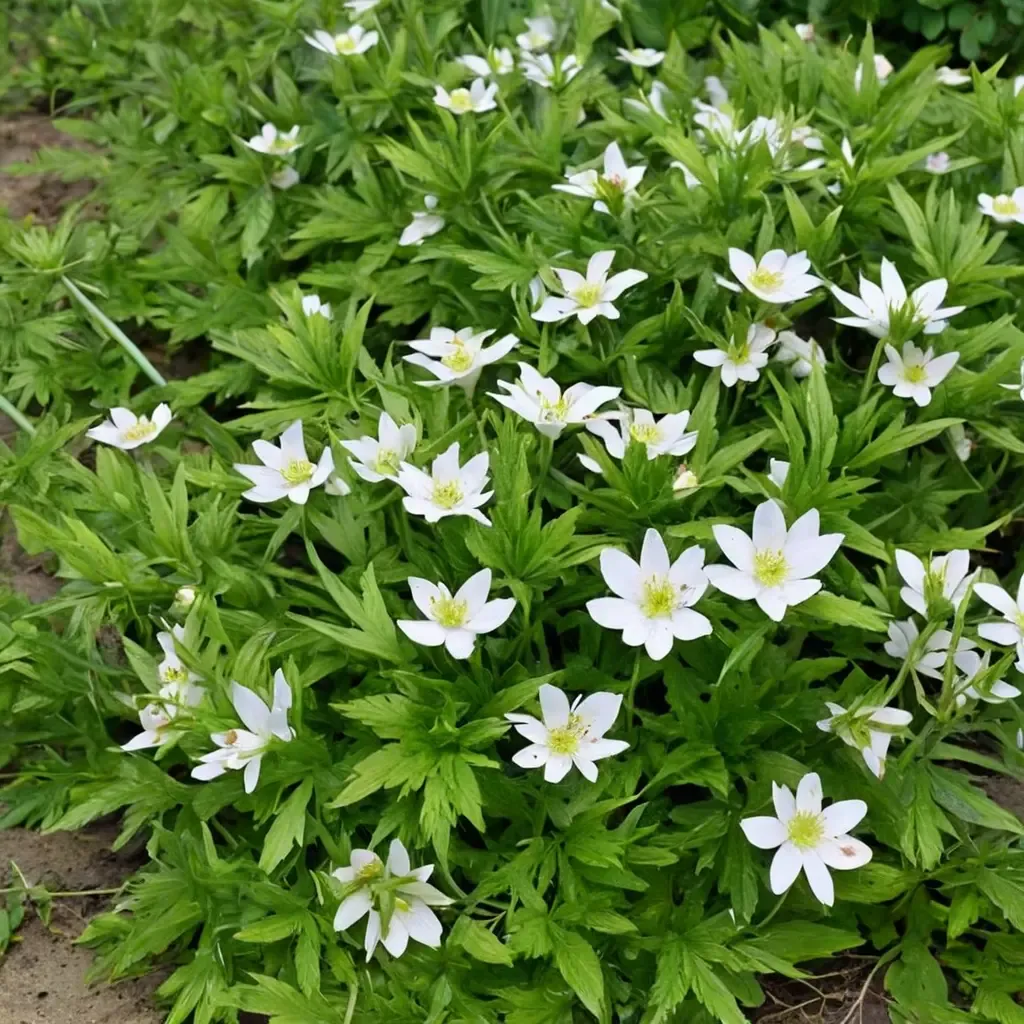
Canada Anemone
Anemone canadensis
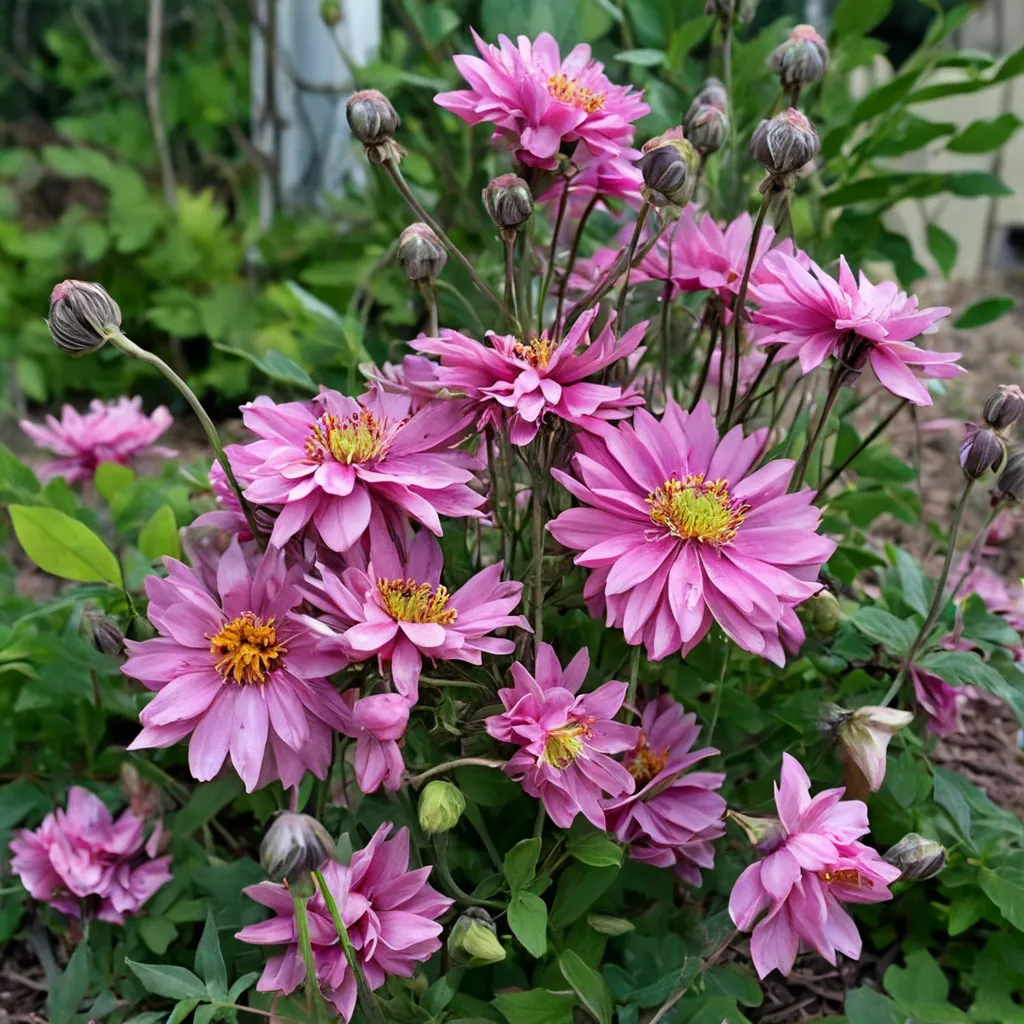
Japanese Anemone Sweetly
Anemone x hybrida 'Sweetly'
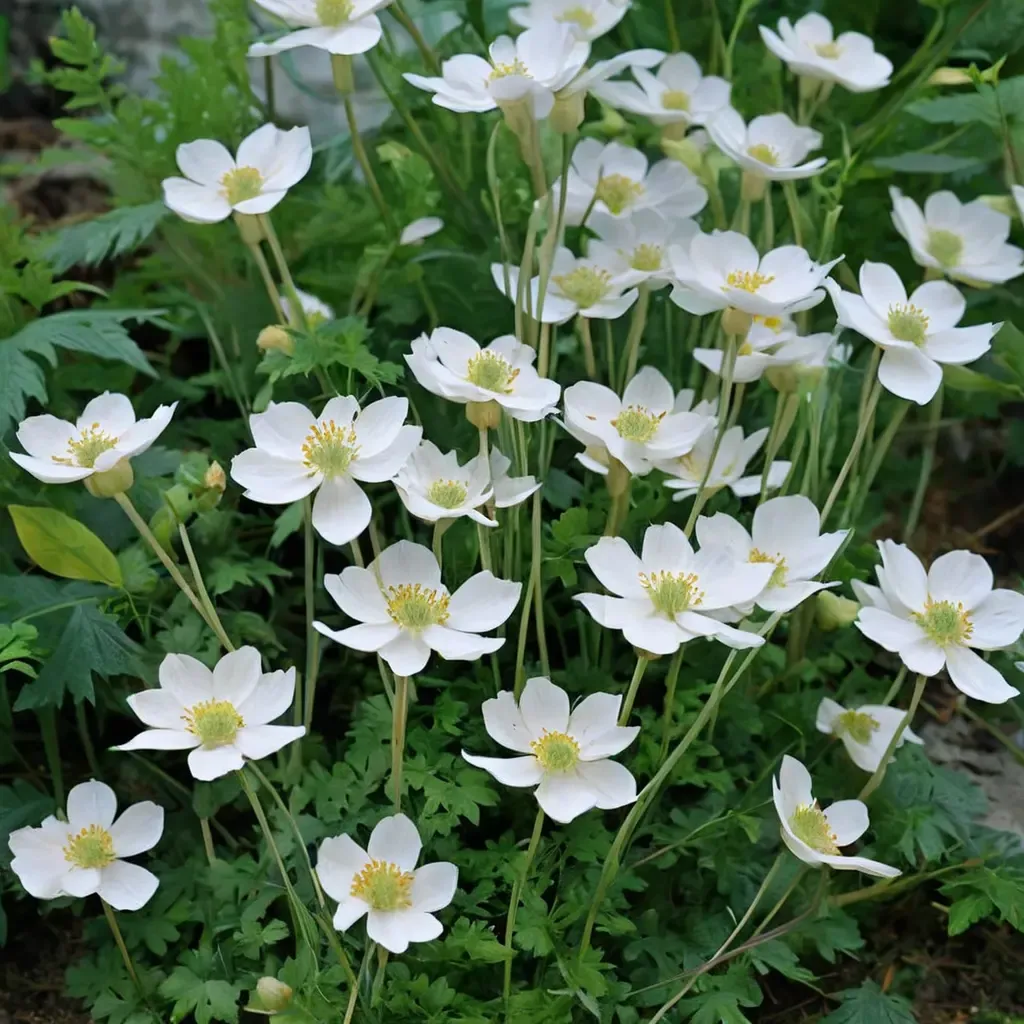
Snowdrop Anemone
Anemone sylvestris 'Snowdrop Windflower'
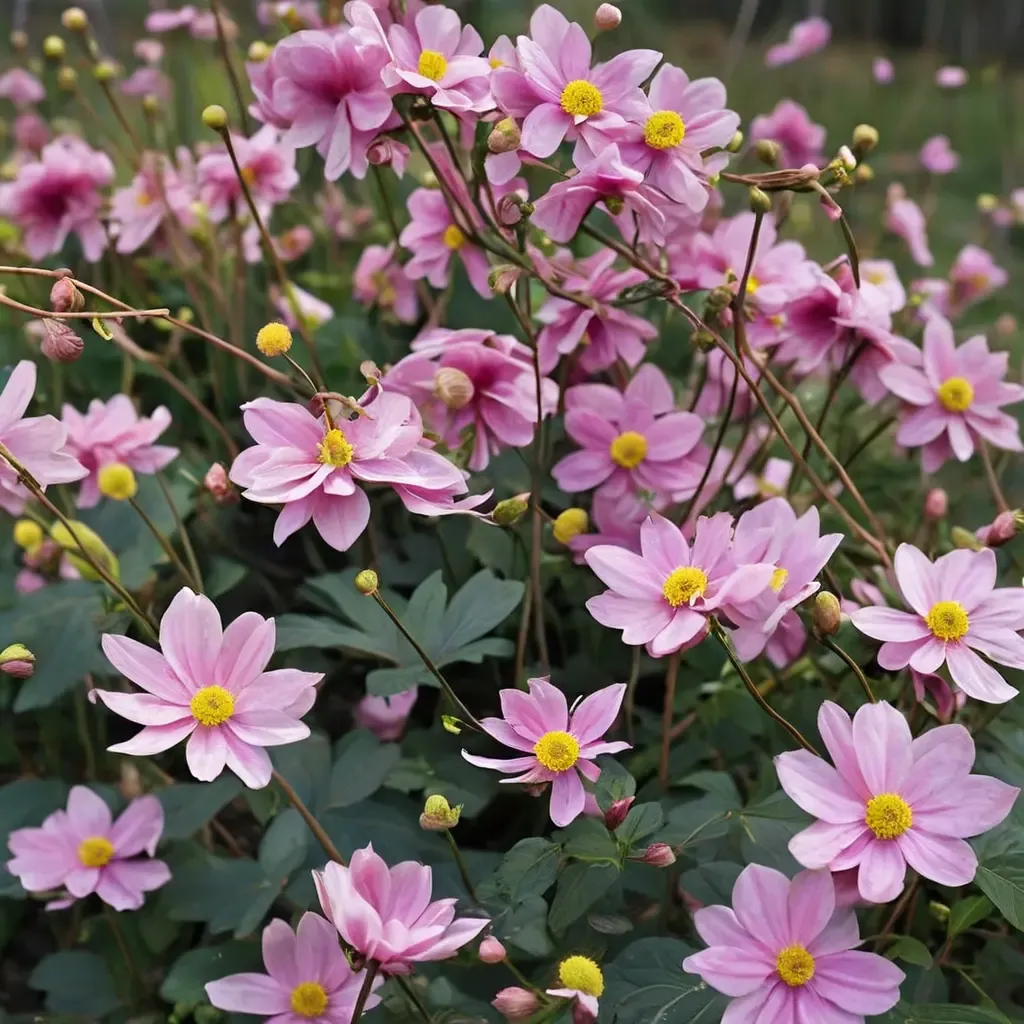
Anemone Serenade
Anemone x hybrida 'Serenade'
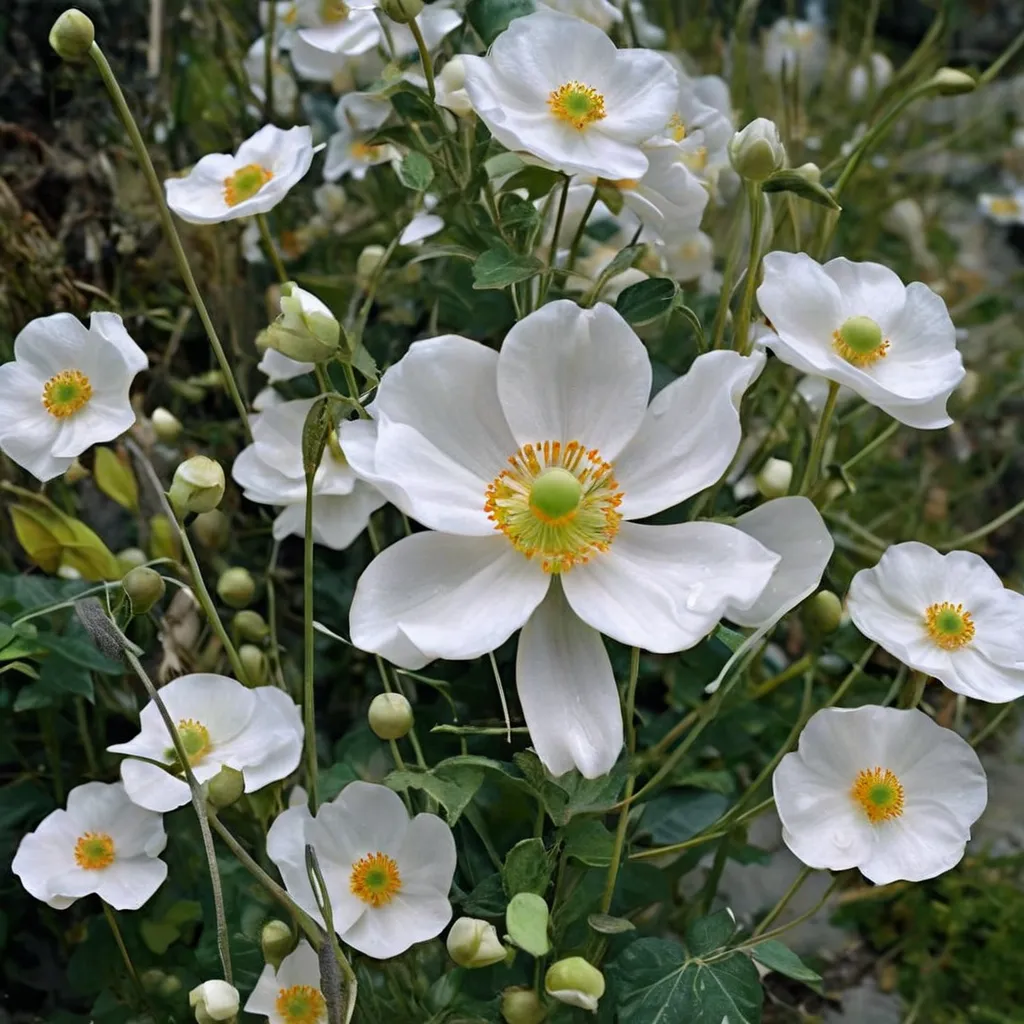
Japanese Anemone 'Andrea Atkinson'
Anemone x hybrida 'Andrea Atkinson'
Keep exploring
Explore the genus
Hardy in your zone?
Grow Pasque Flower with confidence
See it in a design of your actual yard, get zone-matched care reminders, and track it season by season in your garden journal.