

The Story
Plant Bio
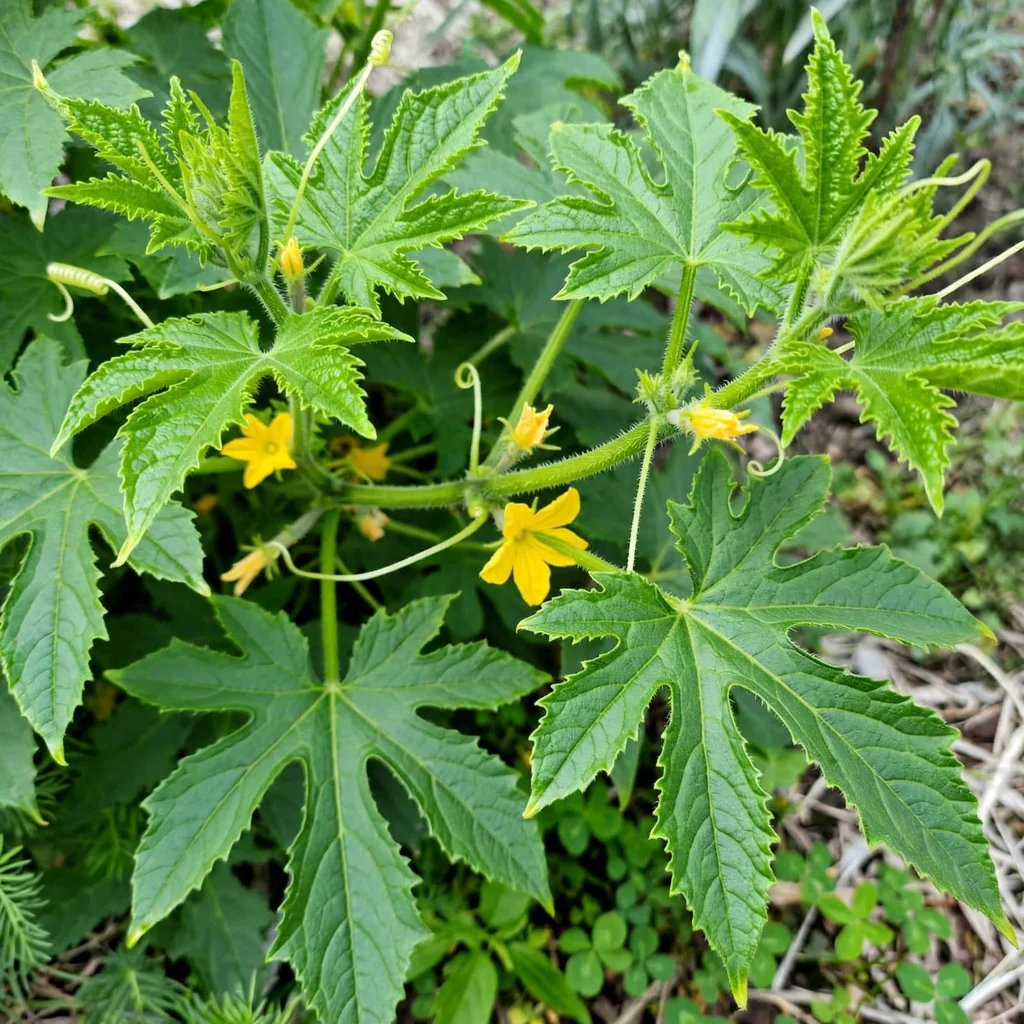
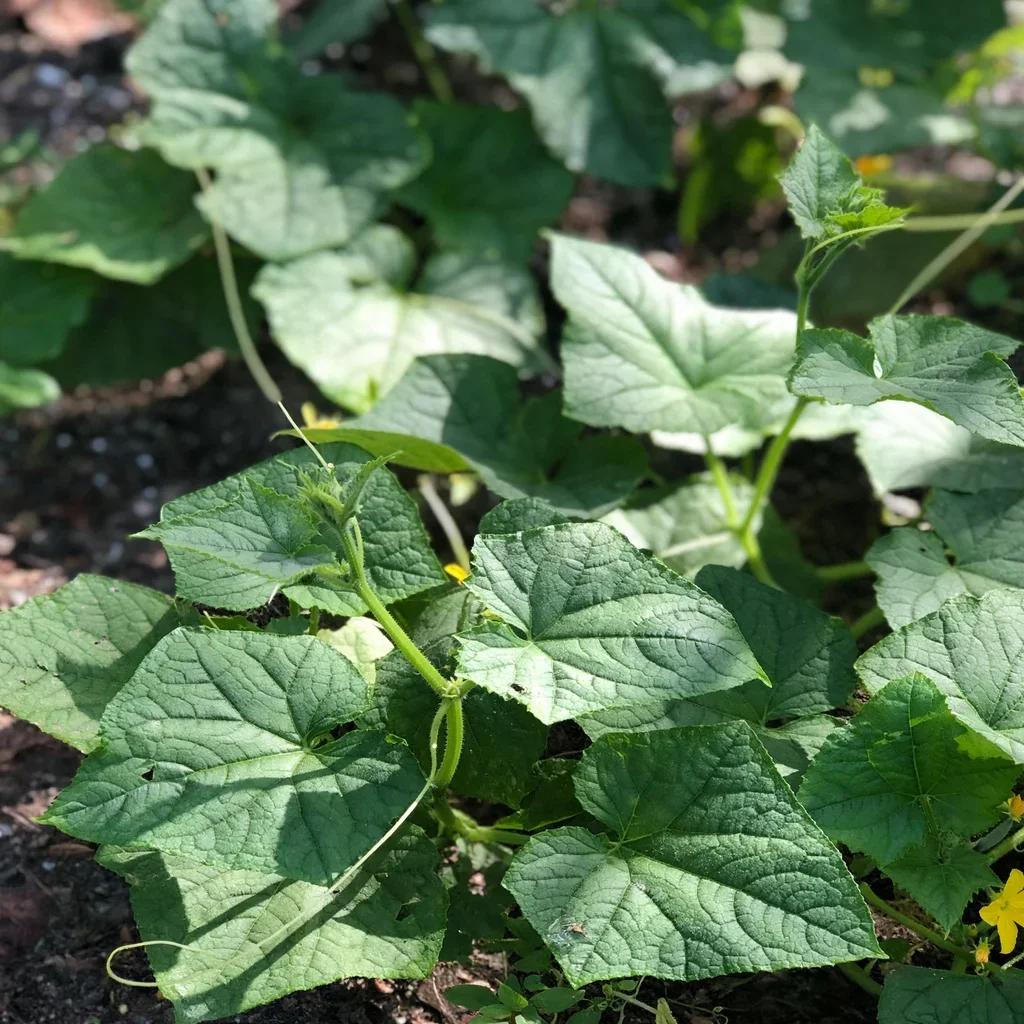
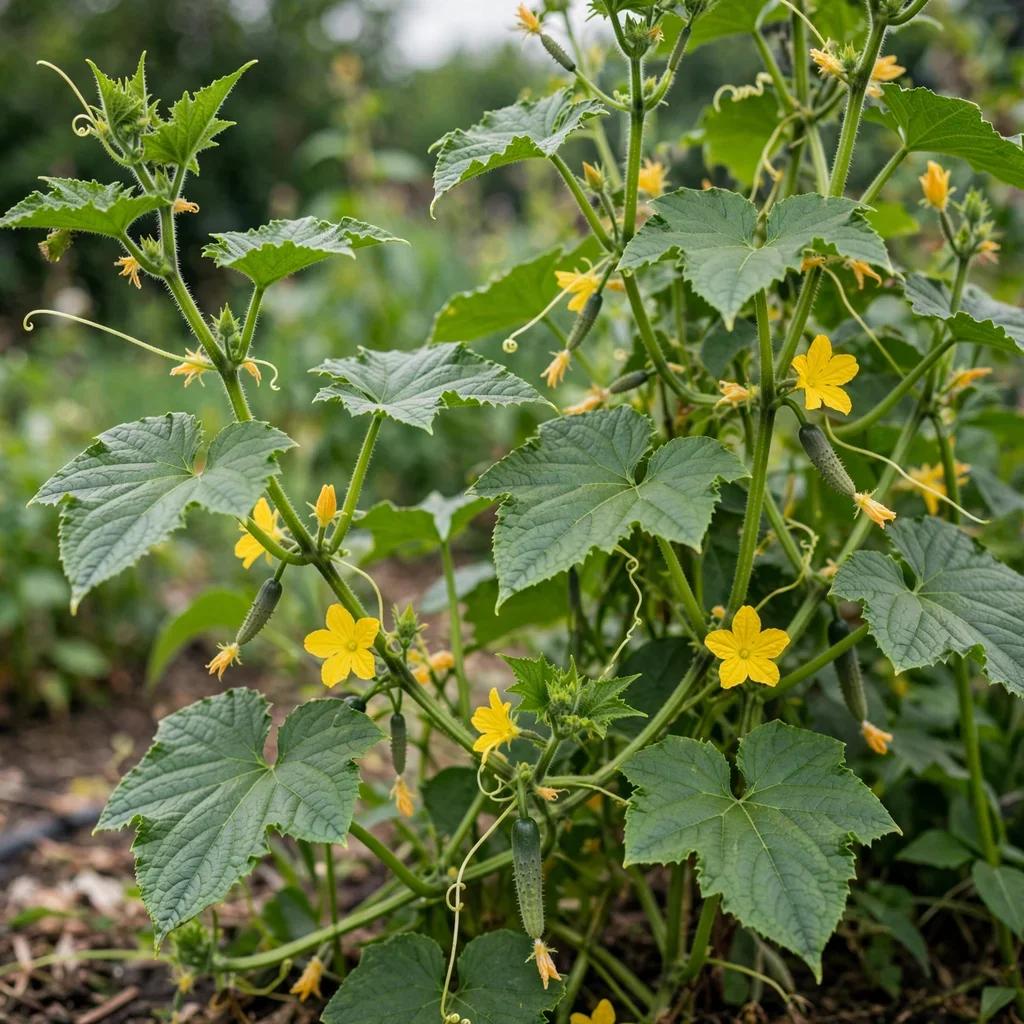
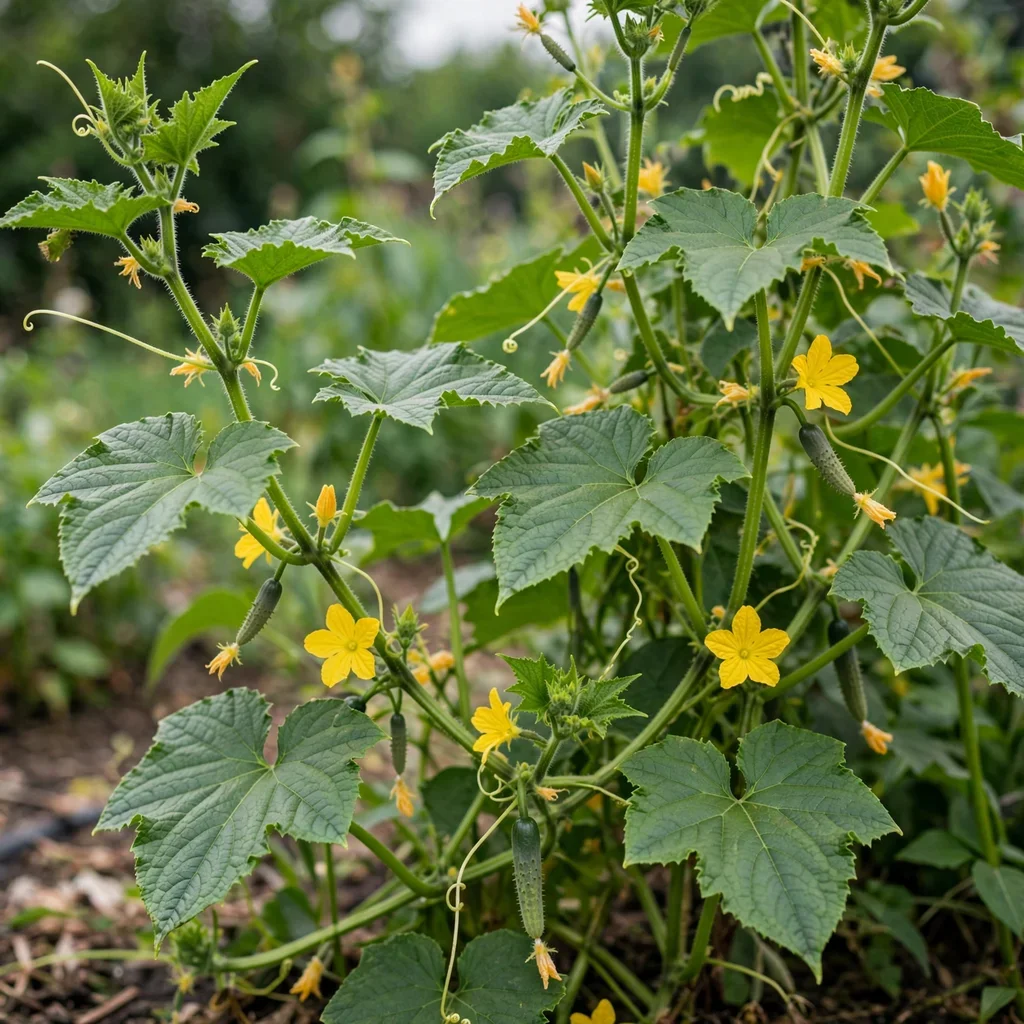
Cucumis sativus is a sprawling or climbing herbaceous annual vine native to South Asia, utilizing slender, spiraling tendrils to ascend supports. The alternate, simple leaves feature three to five palmate lobes with a rough, hairy surface and bright green new growth.
'Lebanese' produces smooth, thin-skinned, nearly seedless green fruits measuring five to eight inches long that are eaten unpeeled. This cultivar group, also known as Beit Alpha or Persian cucumbers, is prized for its sweet, non-bitter flesh and high productivity on compact vines.
Uses & Benefits:
Essentials
At a Glance
Plant Type
Fruit Vegetable
Height
72"
Width
72"
Light
Full Sun
Zones
4, 5, 6, 7, 8, 9, 10
Water
High
Humidity
Moderate
Lifespan
Annual
Native To
South Asia
Toxicity
Non-toxic
Bloom period
Spring – Summer
In flower about 6 months of the year
Planting
How to Grow
- Sow seeds directly into warm soil after all danger of frost has passed, or start indoors in biodegradable pots three weeks prior to planting.
- Amend the planting site heavily with compost or aged manure to provide a rich, loose, well-draining loam.
- Install a sturdy trellis or A-frame support at planting time to keep the climbing vines and developing fruit off the ground.
- Water deeply at the base of the plant to maintain consistent soil moisture, avoiding overhead irrigation that wets the foliage.
- Harvest fruits daily when they reach five to seven inches long to stimulate continuous flower and fruit production.
Pro Tip
Strip the lower leaves from the first six inches of the main stem once the vine is established to maximize air circulation and prevent soil-borne fungal pathogens.
Keep It Thriving
Care Guide
Do
- Water consistently to prevent moisture stress, which triggers bitter compounds in the fruit.
- Apply a balanced organic fertilizer every two to three weeks once flowering begins.
- Keep a close watch for cucumber beetles on young seedlings and protect them with floating row covers.
Don't
- Do not let the soil dry out completely, as drought causes immediate wilting and fruit bitterness.
- Do not overhead water, which promotes powdery and downy mildew on the leaves.
- Do not allow fruits to overripen on the vine, which halts further production.
Seasonal Care Calendar
| Task | Jan | Feb | Mar | Apr | May | Jun | Jul | Aug | Sep | Oct | Nov | Dec |
|---|---|---|---|---|---|---|---|---|---|---|---|---|
| Fertilize | ||||||||||||
| Harvest | ||||||||||||
| Pest Check | ||||||||||||
| Plant |
Watch Out For
Pests & Diseases
Common Pests
Common Diseases
In the Garden
Landscape Uses & Companions
Landscape Uses
Companion Plants
Multiply
Propagation Methods
Good to Know
Common Questions
Lebanese Cucumber questions
What zones can Lebanese Cucumber grow in?
Lebanese Cucumber is hardy in USDA Zones 4–10. Inside that range it survives winter in the ground; outside it, grow it as an annual or a container plant you protect.
Is Lebanese Cucumber deer resistant?
Not reliably. Deer may browse Lebanese Cucumber, especially tender spring growth — plan on repellents or fencing where pressure is high.
When does Lebanese Cucumber bloom?
Lebanese Cucumber typically blooms in spring through summer. Exact timing shifts a week or two with your zone — Sow's bloom calendar maps it to your garden.
Does Lebanese Cucumber need full sun?
Lebanese Cucumber does best in full sun (6+ hours).
More Cucumis to compare
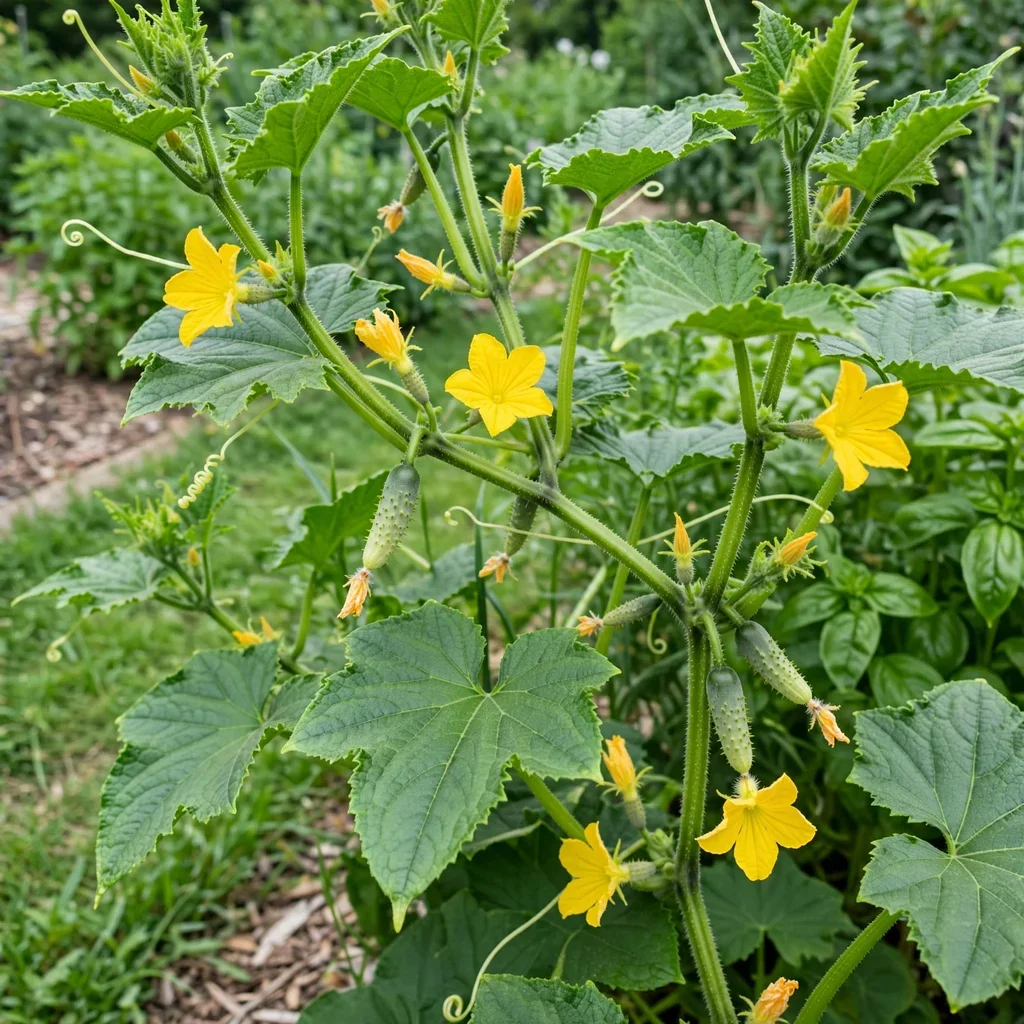
Tasty Jade Cucumber
Cucumis sativus 'Tasty Jade'
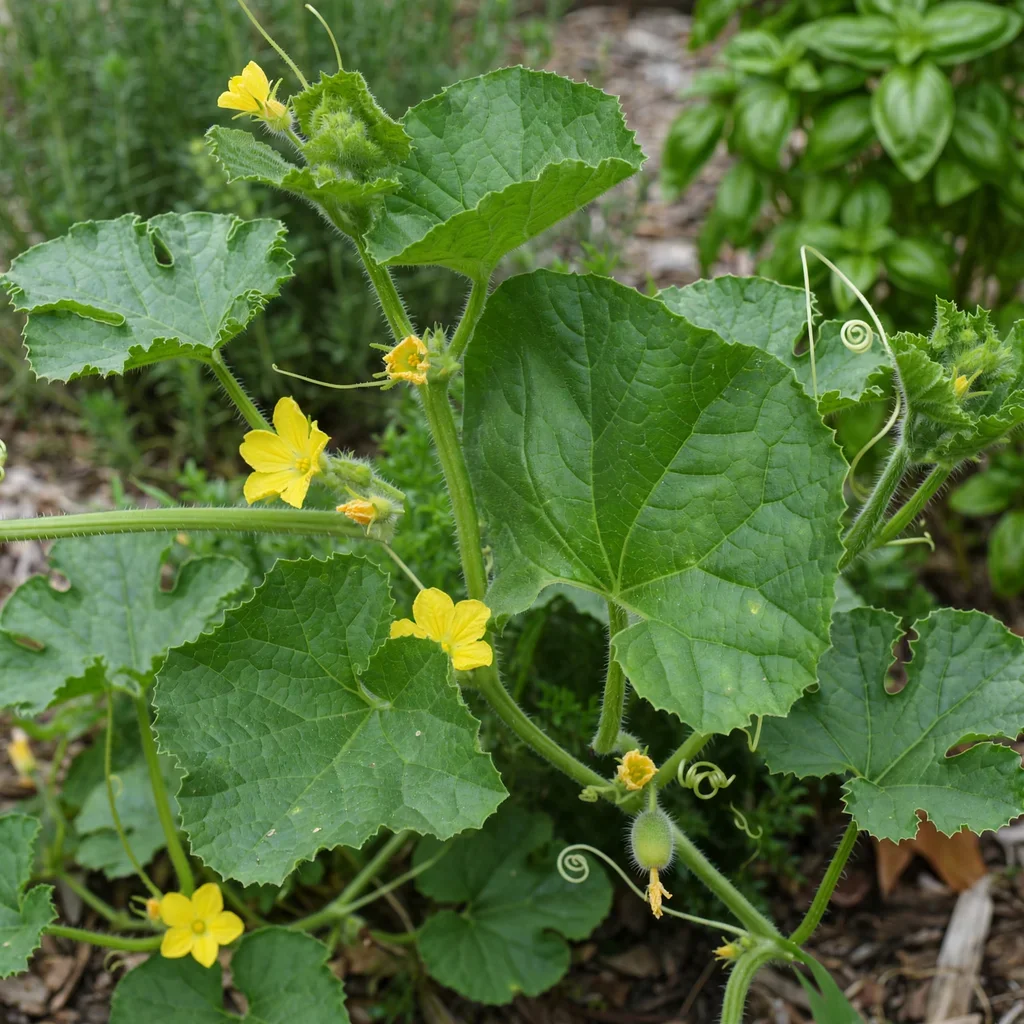
Snows Fancy Pickling Cucumber
Cucumis sativus 'Snows Fancy Pickling'
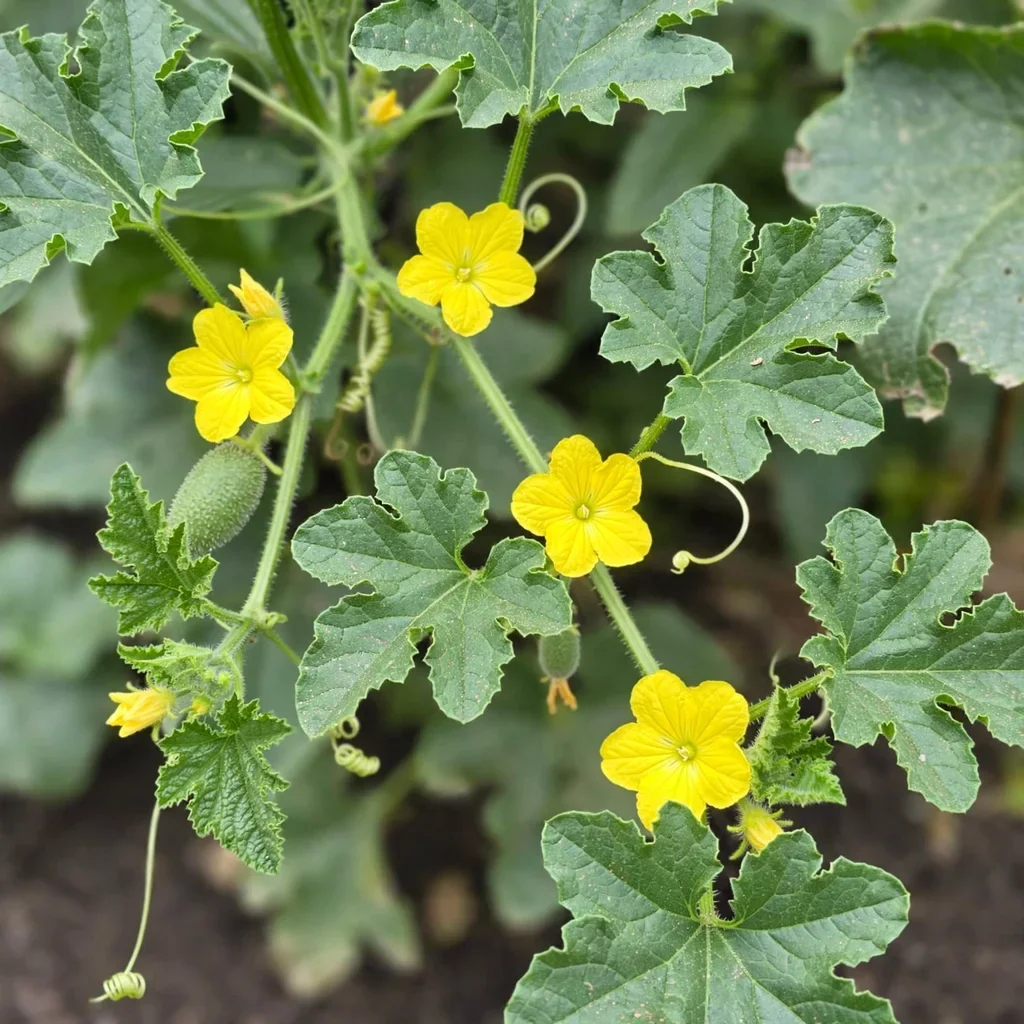
Muskmelon
Cucumis melo
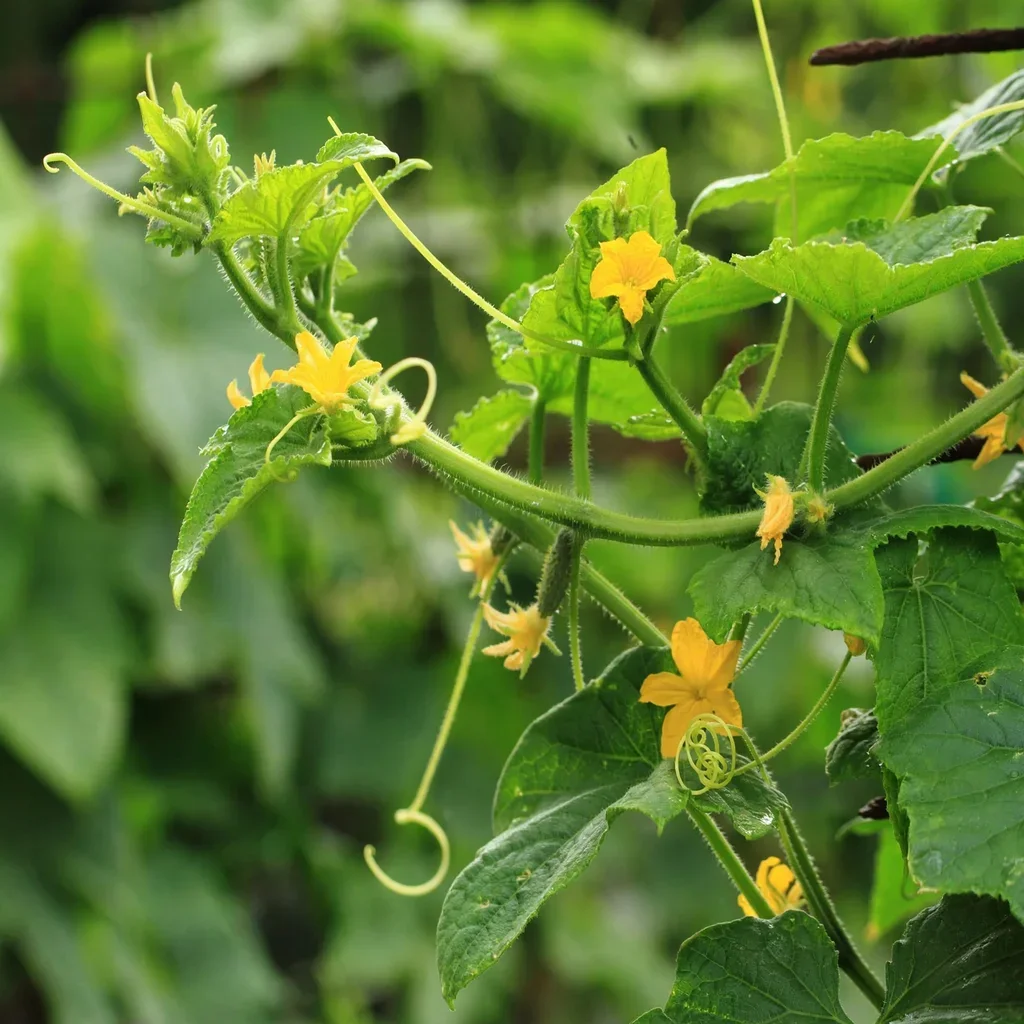
Ha'ogen melon
Cucumis melo 'Ha'ogen'
Cucumber
Cucumis sativus
Green Fingers Cucumber
Cucumis sativus 'Persian Green Fingers'
Keep exploring
Explore the genus
Grow Lebanese Cucumber with confidence
See it in a design of your actual yard, get zone-matched care reminders, and track it season by season in your garden journal.