The Story
Plant Bio
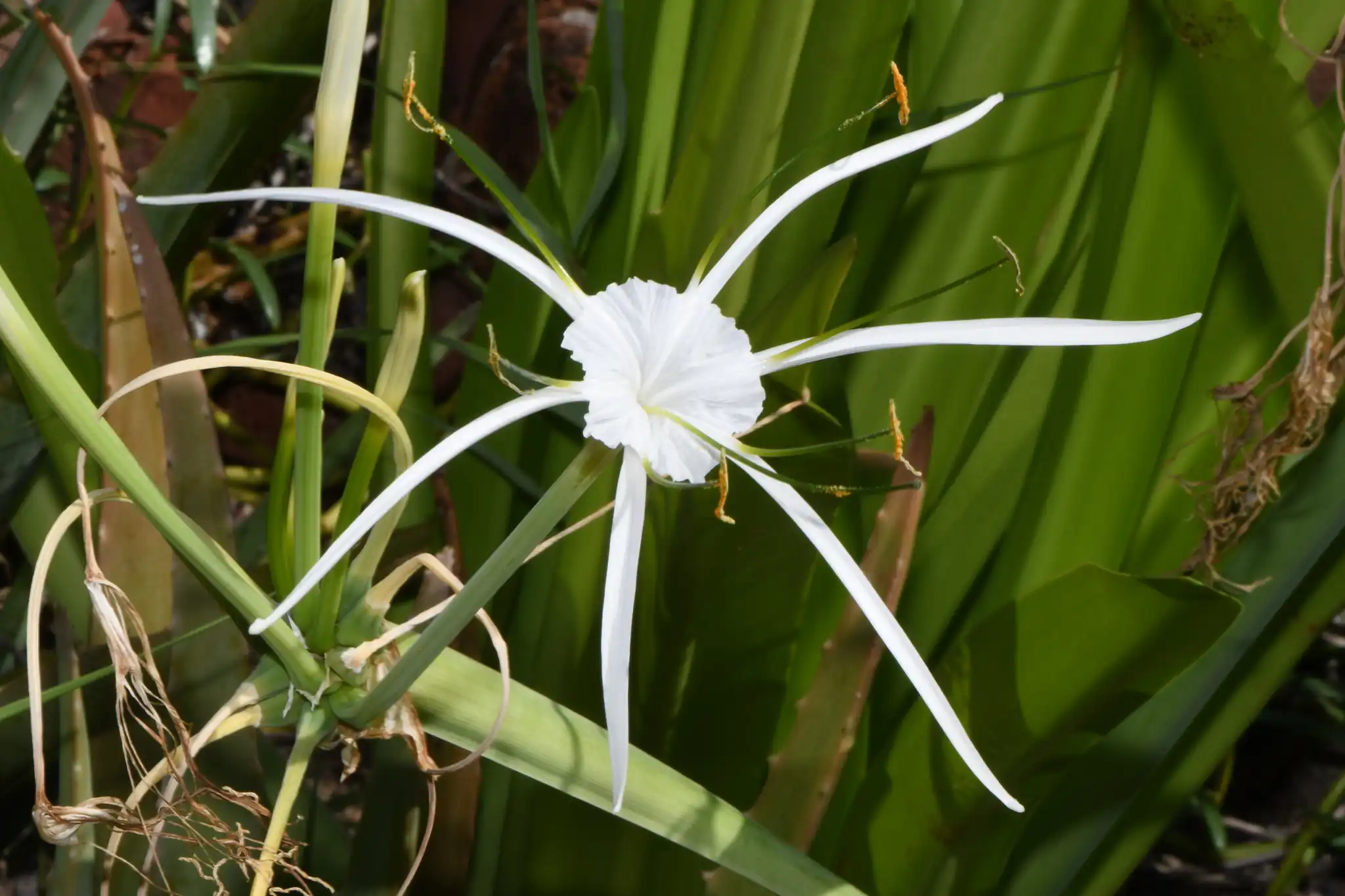
Hymenocallis latifolia, the perfumed spider lily, is an evergreen, bulbous perennial native to the coastal dunes and mangrove swamps of southern Florida and the West Indies. It forms dense, clumping mounds of arching, strap-shaped green leaves up to three feet long, topped by tall, leafless stems bearing clusters of highly fragrant, white flowers.
The distinctive blossoms feature narrow, spidery petals radiating from a central, daffodil-like staminal cup. Each robust flower cluster contains ten to sixteen individual blooms that open in succession from spring through fall.
Uses & Benefits:
Essentials
At a Glance
Plant Type
Perennial
Height
36"
Width
60"
Light
Full Sun, Partial Sun
Zones
9, 10
Water
High
Humidity
High
Lifespan
Perennial
Native To
North America, West Indies
Toxicity
Toxic if ingested; skin irritant
Bloom period
Spring – Fall
In flower about 9 months of the year
Planting
How to Grow
- Select a planting site in full sun to partial shade with moist, organically rich soil.
- Dig a hole and place the bulb with its neck positioned at or slightly above the soil surface.
- Water thoroughly after planting to settle the soil around the roots.
- Maintain consistent moisture, ensuring the soil never dries out completely during the growing season.
Pro Tip
Position the bulb so that the neck sits level with or slightly above the soil line; burying the crown too deeply in moisture-retentive soils triggers basal rot.
Keep It Thriving
Care Guide
Do
- Keep the soil consistently moist to wet, especially during hot summer periods.
- Remove spent flower scapes at the base to maintain a clean appearance.
- Apply a balanced fertilizer sparingly during the active spring and summer growth phases.
Don't
- Do not allow the soil to dry out completely, which causes rapid foliage decline.
- Do not cut back healthy green foliage; only remove yellowed or damaged lower leaves.
- Do not bury the bulb neck below the soil line, as this traps moisture and causes rot.
Seasonal Care Calendar
| Task | Jan | Feb | Mar | Apr | May | Jun | Jul | Aug | Sep | Oct | Nov | Dec |
|---|---|---|---|---|---|---|---|---|---|---|---|---|
| Divide | ||||||||||||
| Fertilize | ||||||||||||
| Pest Check | ||||||||||||
| Spring Cleanup |
Watch Out For
Pests & Diseases
Common Pests
Common Diseases
In the Garden
Landscape Uses & Companions
Landscape Uses
Companion Plants
Multiply
Propagation Methods
Good to Know
Common Questions
Perfumed Spider Lily questions
What zones can Perfumed Spider Lily grow in?
Perfumed Spider Lily is hardy in USDA Zones 9–10. Inside that range it survives winter in the ground; outside it, grow it as an annual or a container plant you protect.
Is Perfumed Spider Lily deer resistant?
Yes — Perfumed Spider Lily is rated deer-resistant. Deer typically pass it over, though extreme hunger can override any plant's defenses.
When does Perfumed Spider Lily bloom?
Perfumed Spider Lily typically blooms in spring through fall. Exact timing shifts a week or two with your zone — Sow's bloom calendar maps it to your garden.
Does Perfumed Spider Lily need full sun?
Perfumed Spider Lily does best in full sun to part shade. In hot climates, afternoon shade keeps blooms fresher longer.
More Hymenocallis to compare
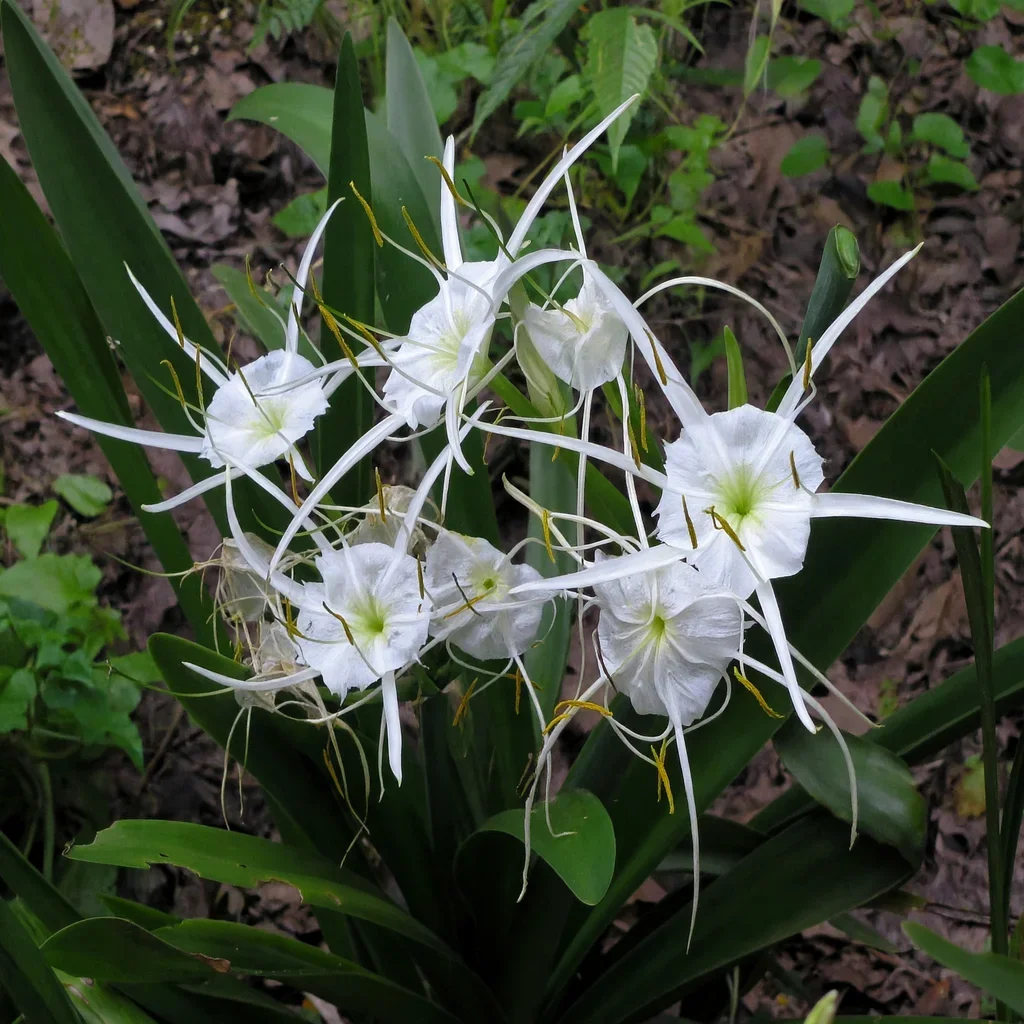
Spring Spiderlily
Hymenocallis liriosme
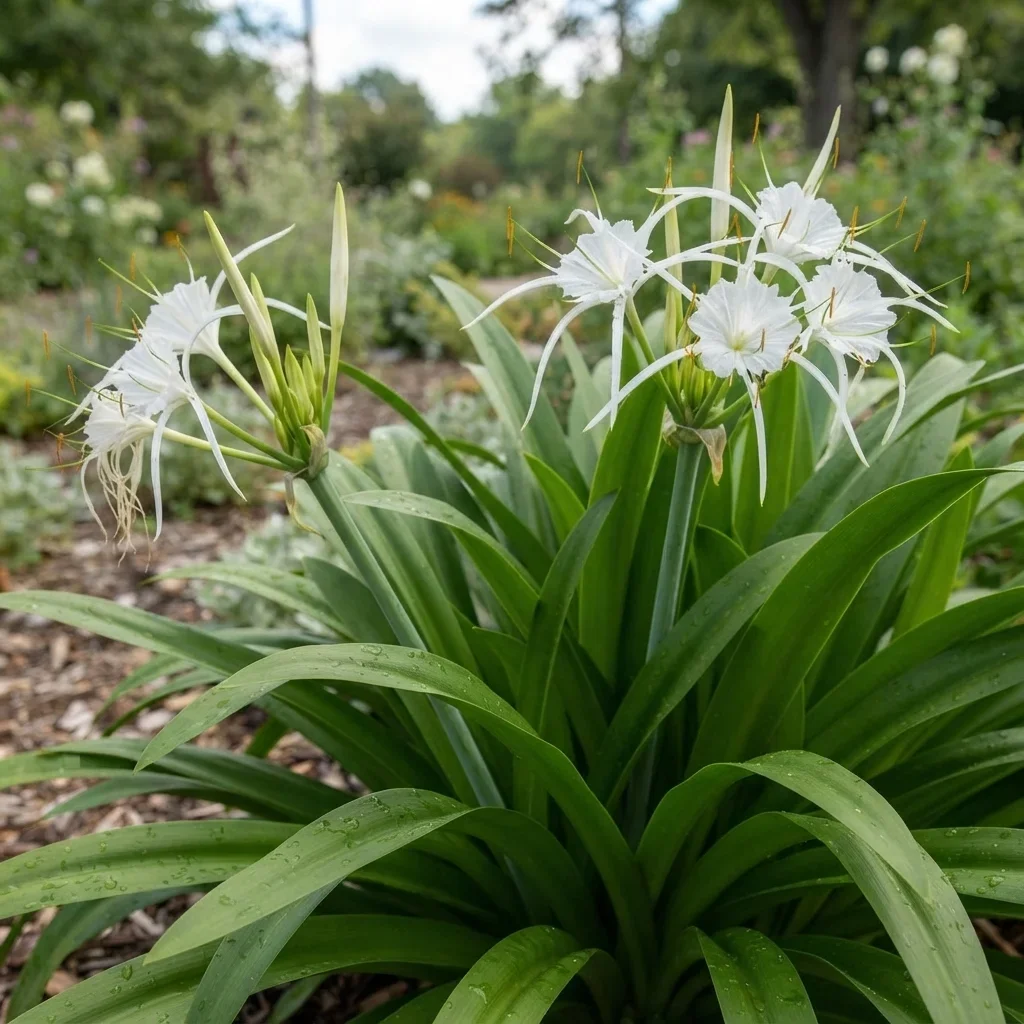
Rayville Spider Lily
Hymenocallis liriosme 'Rayville'
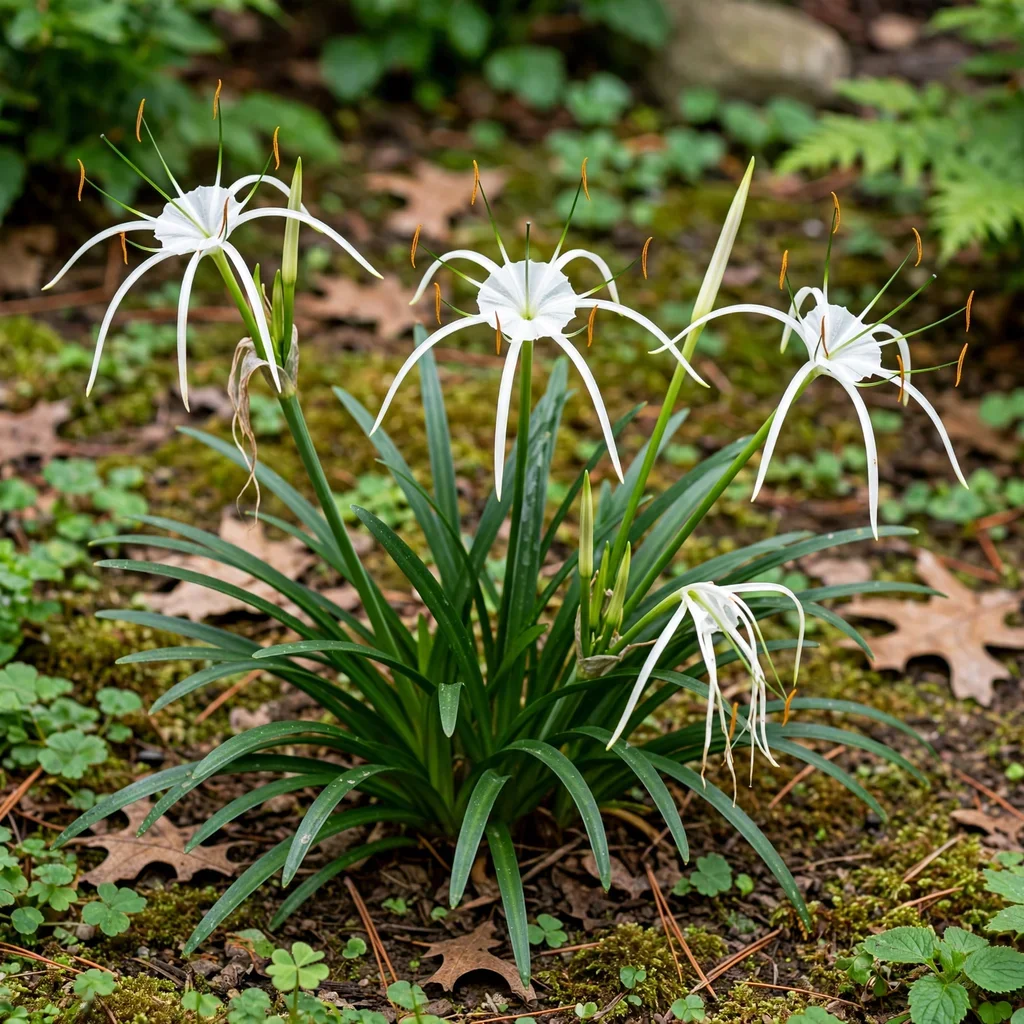
Dwarf Spider Lily
Hymenocallis pygmaea 'Carolina Creeper'
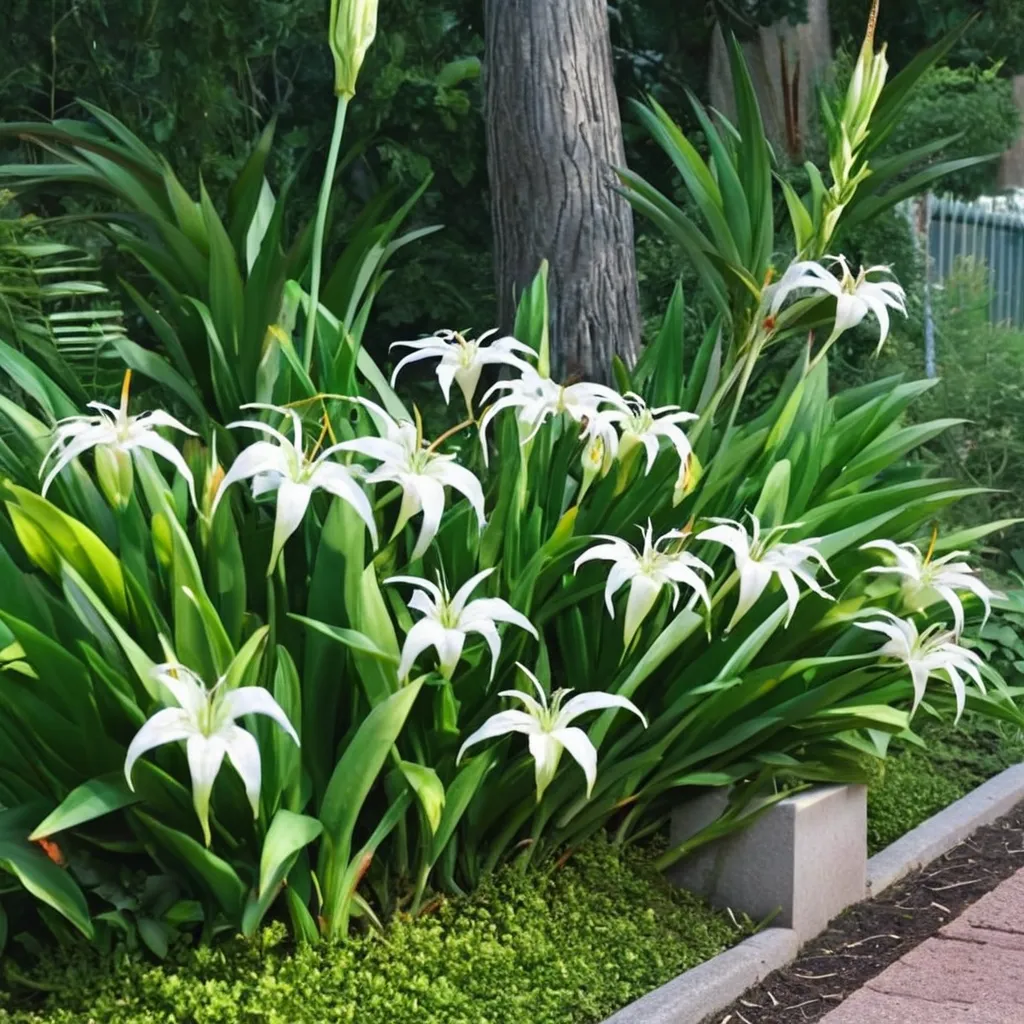
Caribbean Spider Lily Tropical Giant
Hymenocallis caribaea 'Tropical Giant'
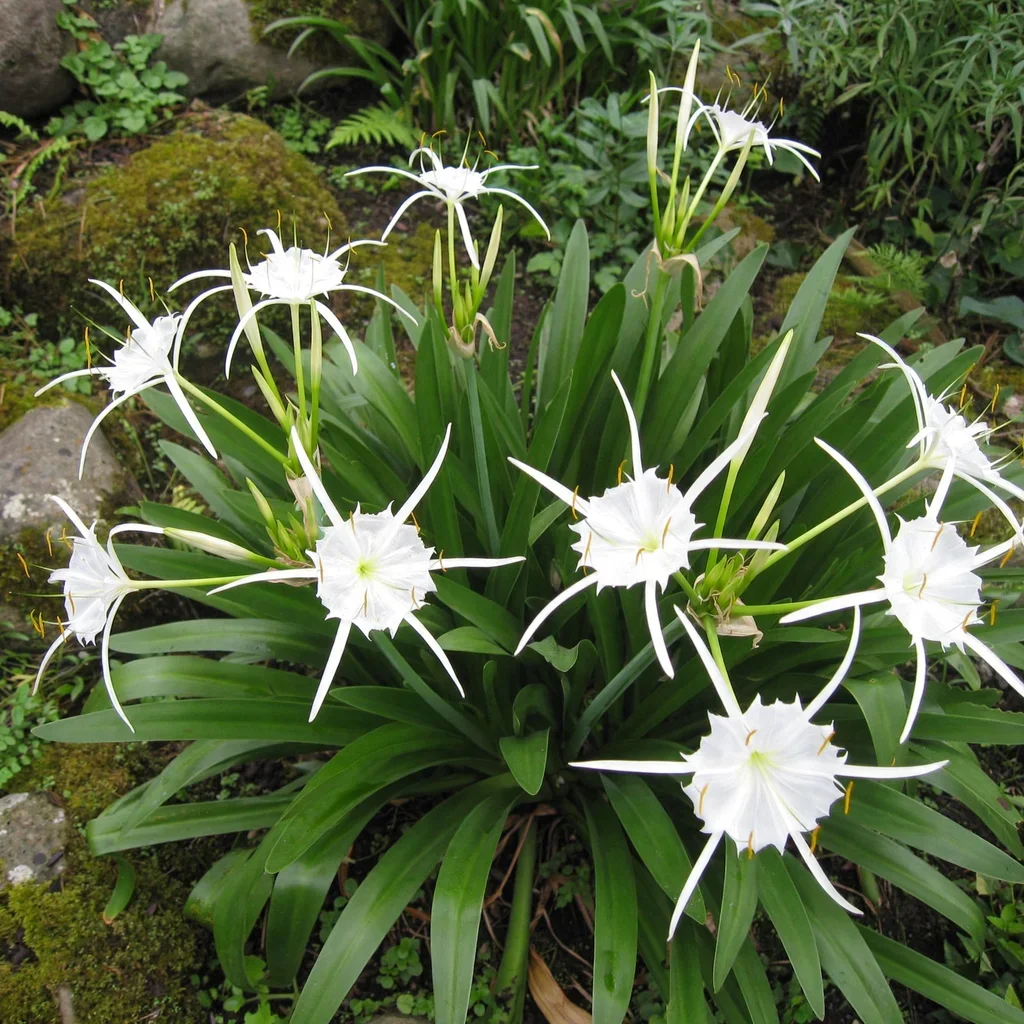
Spider Lily
Hymenocallis coronaria
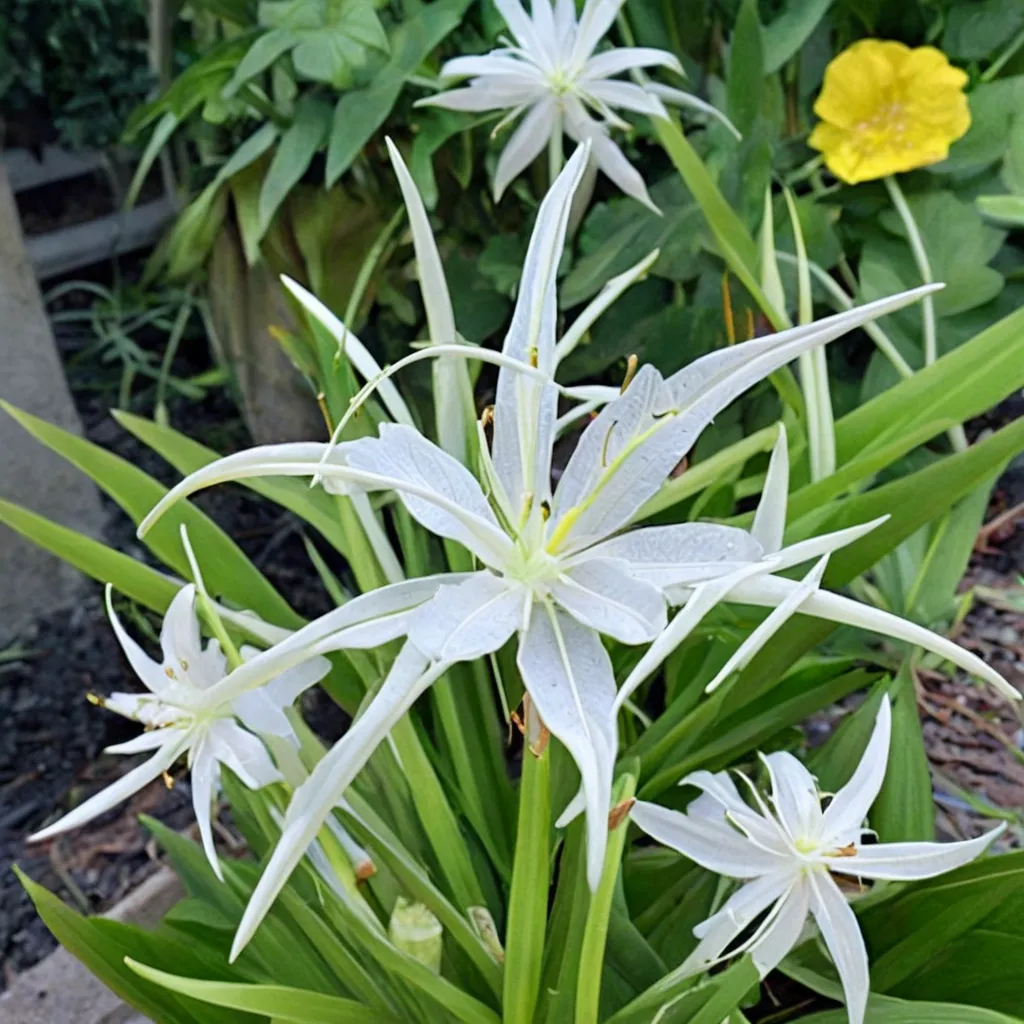
Traub's Spider Lily
Hymenocallis traubii
Keep exploring
Explore the genus
Hardy in your zone?
Grow Perfumed Spider Lily with confidence
See it in a design of your actual yard, get zone-matched care reminders, and track it season by season in your garden journal.