Also known as Bald Cypress · 203 saves
Taxodium
Taxodium, the genus most gardeners know as bald cypress. We track 7 varieties; the ones most used by real gardeners.
The 7 most-saved Taxodium varieties
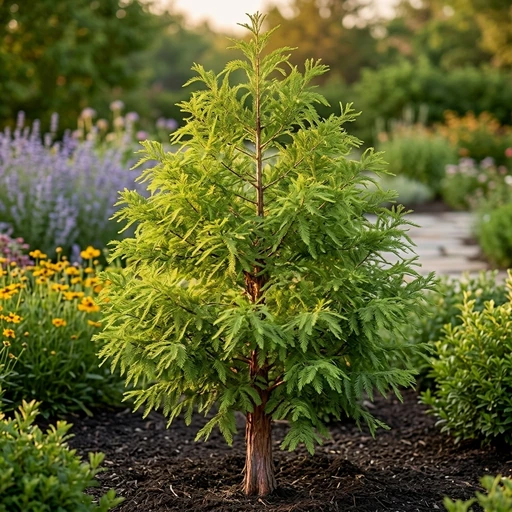
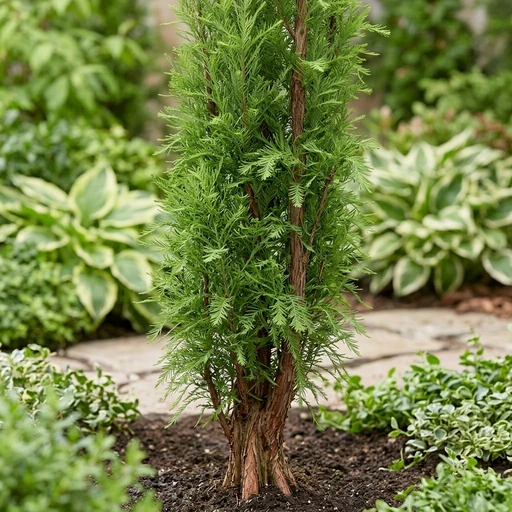
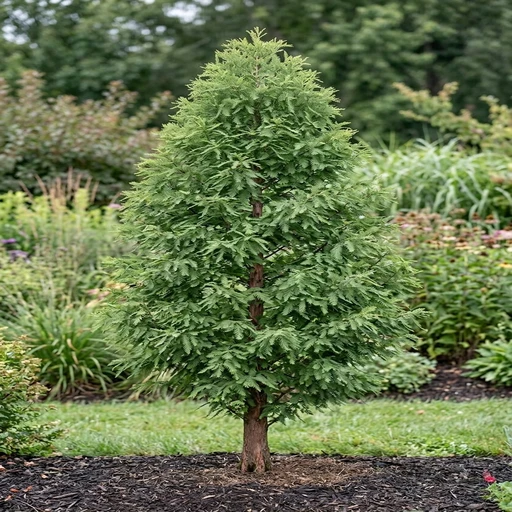
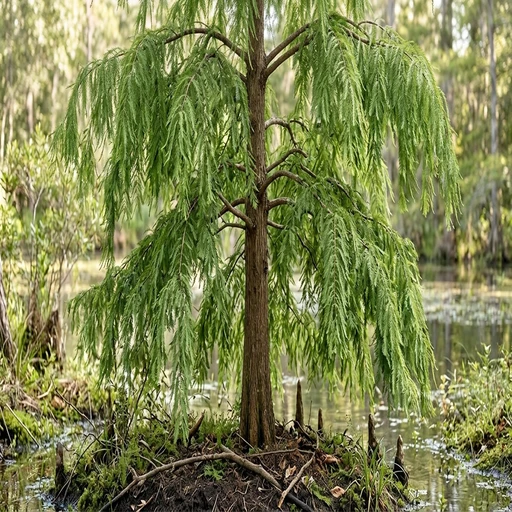
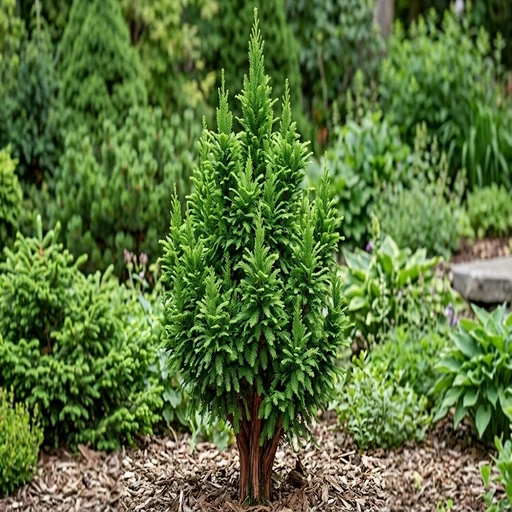
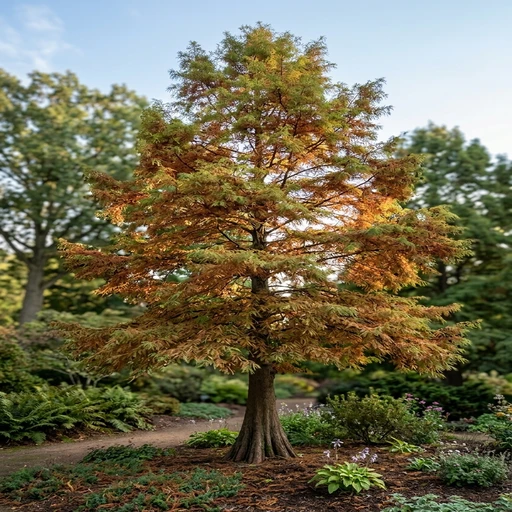
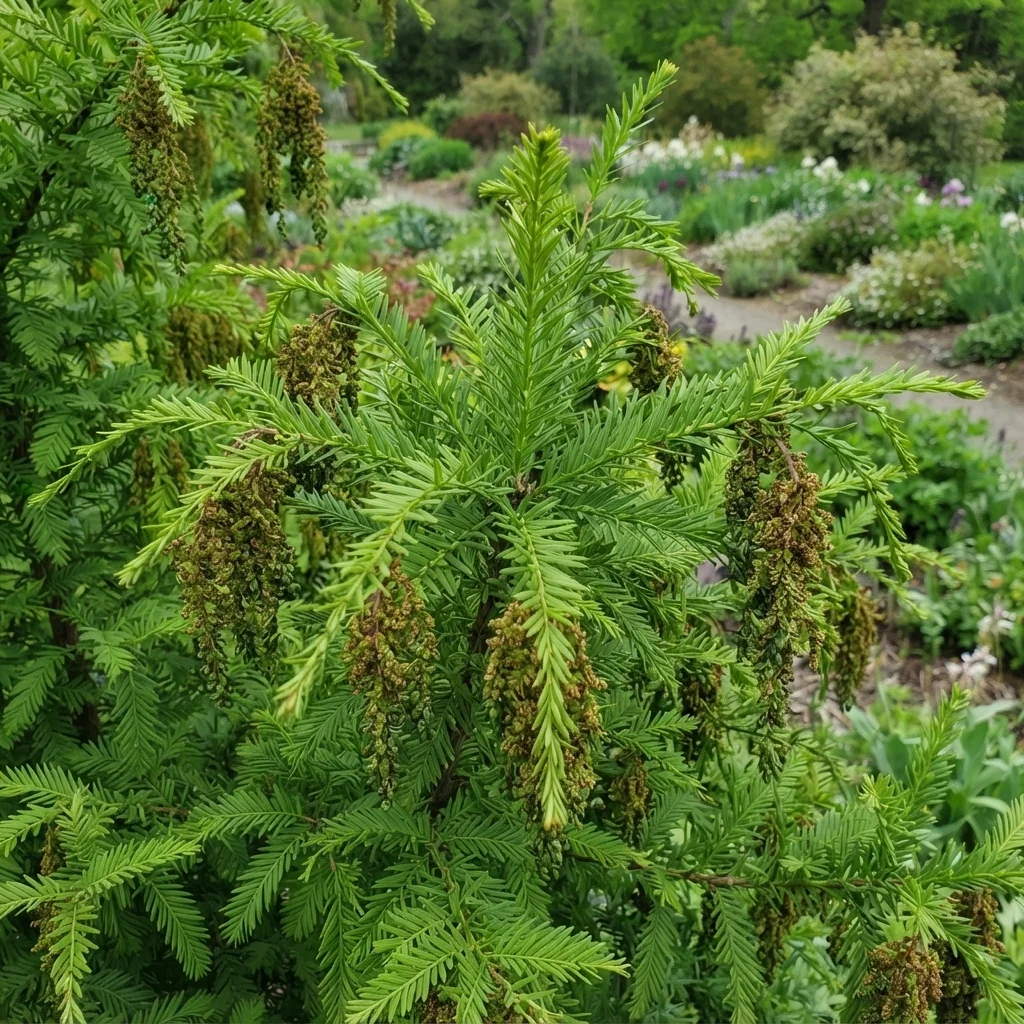
Species of Taxodium
Each one is a parent of the varieties above.
Track your Taxodium in Sow
Save the Taxodium you grow and get care reminders timed to your zone.
How to grow Taxodium
Whats common across all Taxodium varieties in our catalog — drawn from the care records of the 7 most-grown of them.
The Taxodium year
- PruneFebruary and March86% of varieties
Prune in late winter if needed to remove lower branches for clearance.
- PlantMarch, April, May, October and November71% of varieties
Plant in spring or fall. Ensure ample space for its mature size.
- MulchMay and November57% of varieties
Maintain a 2-inch layer of mulch to conserve moisture.
- Spring CleanupApril43% of varieties
Rake up fallen needles from the previous season if desired.
- FertilizeApril43% of varieties
Apply a slow-release fertilizer for conifers in early spring if needed.


Do
- Provide full sun for best growth and form.
- Water deeply during establishment and extended droughts.
- Allow plenty of space for its ultimate height and spread.
- Appreciate its natural form; minimal pruning is needed.
- Provide full sun for best growth.
Avoid
- Don't plant in deep shade.
- Don't plant it too close to buildings or power lines.
- Avoid planting in deep shade.
- Don't be alarmed when it drops its needles in fall; it's deciduous.
What goes wrong with Taxodium
| Problem | What you'll see | What to do |
|---|---|---|
| Bagworms | Spindle-shaped bags made of silk and foliage hanging from branches. | Hand-pick and destroy bags in winter. Apply Bacillus thuringiensis (Bt) in late spring when caterpillars are small. |
| Spider Mites | Stippling on needles, fine webbing, especially in hot, dry conditions. | Spray with a strong jet of water. Use horticultural oil or insecticidal soap. |
| Spider mites and gall mites | Stippling or browning of foliage | Hose down with strong water jets or apply insecticidal soap for heavy infestations. |
| Twig Blight | Browning and dieback of branch tips. | Generally not serious. Prune out affected twigs and improve air circulation. Fungicides are rarely necessary. |
| Twig blight | Dieback of branch tips | Prune out infected twigs during dry weather and dispose of debris. |
| Iron chlorosis | Yellowing of leaves due to high pH or alkaline soils | Apply soil sulfur or iron chelates to lower pH and restore green color. |
Making more Taxodium
Grafting
- Collect scion wood in winter from 'Peve Minaret'.
- Graft onto seedling rootstock of Taxodium distichum.
- Use a side-veneer or whip-and-tongue graft.
- Keep in a humid greenhouse for 2-3 months until the union heals.
Seed
- Collect cones in fall and extract seeds.
- Stratify seeds in moist sand in a refrigerator for 60-90 days.
- Sow seeds in spring in a protected seedbed.
- Germination occurs in 1-3 months.
Taxodium questions
How many types of Taxodium are there?
The Sow catalog tracks 7 distinct Taxodium varieties. The most popular — ranked by 203 real gardeners — are shown first above.
What zones does Taxodium grow in?
Across its varieties, Taxodium covers USDA Zones 4–9. Individual varieties differ — each plant page lists its exact range, and Sow filters the catalog to your zone automatically.
When does Taxodium bloom?
Most Taxodium varieties bloom in late winter, late spring, early spring. Staggering early, mid, and late varieties extends the genus's season in one bed.
Which Taxodium should I choose?
Start from the most-saved varieties above — popularity across thousands of gardens is a strong signal of reliability — then filter by your zone and sun. In the Sow app you can preview any of them in a photo of your actual yard before you buy.