



The Story
Plant Bio
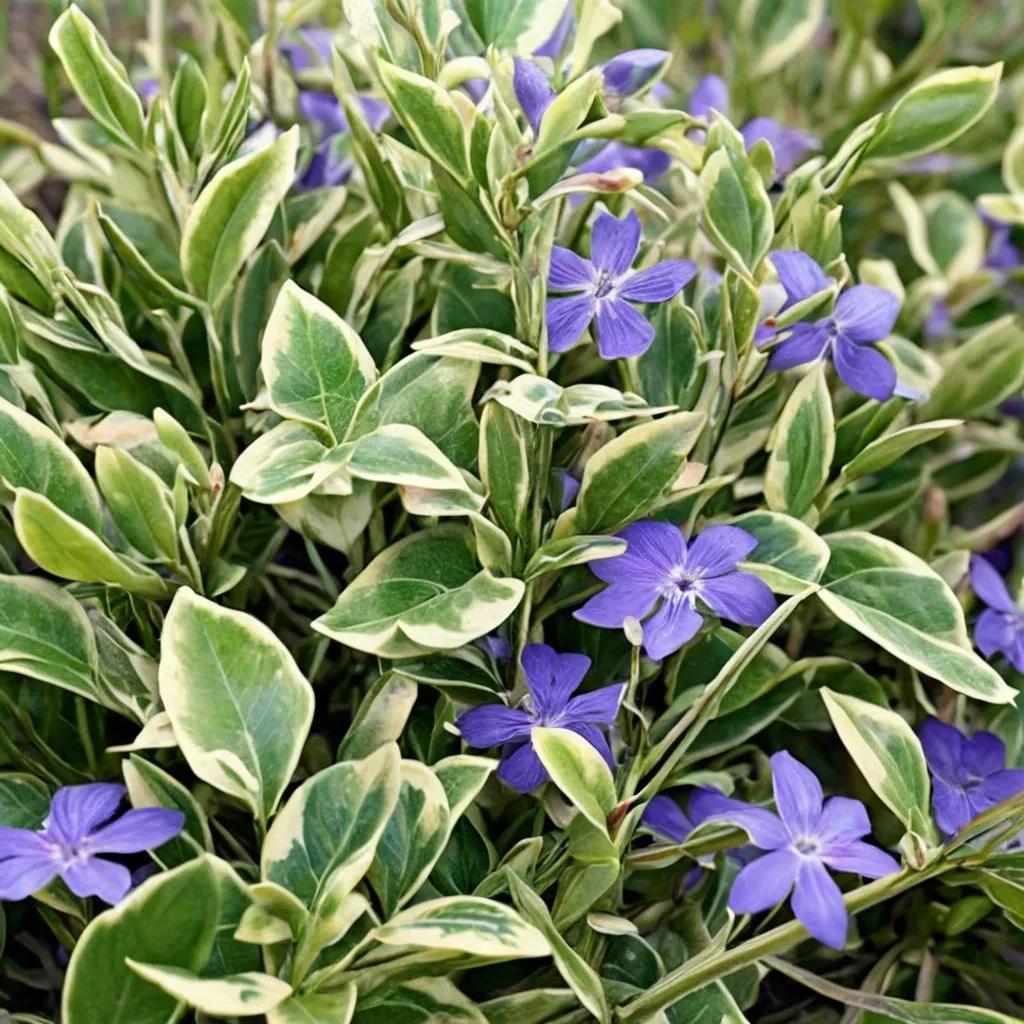
Vinca minor, commonly known as lesser periwinkle, is an evergreen groundcover native to Europe and western Asia that forms a dense mat via trailing, self-rooting stems. The species features small, glossy, dark green leaves and produces single, star-shaped flowers from spring through fall.
'Gertrude Jekyll' is distinguished by its compact, low-growing habit and pure white flowers that stand out sharply against the dark foliage. This cultivar is less aggressive than the species type, making it more manageable in cultivated garden spaces.
Uses & Benefits:
Essentials
At a Glance
Plant Type
Groundcover
Height
4"
Width
20"
Light
Full Sun, Partial Sun, Shade
Zones
4, 5, 6, 7, 8, 9
Water
Medium
Humidity
High
Lifespan
Perennial
Native To
Europe, Western Asia, Caucasus
Toxicity
Toxic to humans, dogs, cats, and horses
Bloom period
Spring – Fall
In flower about 9 months of the year
Planting
How to Grow
- Select a planting site ranging from full sun to deep shade, keeping in mind that flowering is most abundant with partial sun.
- Amend the soil with organic matter to improve moisture retention, especially when planting under mature trees where root competition is high.
- Space plants 12 to 18 inches apart to allow the trailing stems to spread and root at the nodes, forming a dense mat.
- Water regularly during the first growing season to establish a deep root system, as dry conditions will stunt initial growth.
- Apply an annual top-dressing of leaf mold or compost in spring to provide slow-release nutrients without over-fertilizing.
Pro Tip
Avoid cutting back into old, leafless wood during maintenance, as these bare stems lack active buds and fail to regenerate.
Keep It Thriving
Care Guide
Do
- Water consistently during dry summer spells until the root system is fully established.
- Mulch annually with well-rotted compost to maintain soil moisture and suppress weeds while the groundcover fills in.
- Prune trailing stems in early spring to maintain boundaries and encourage denser growth.
Don't
- Do not cut back into old, leafless wood, as it lacks the buds required to regenerate new foliage.
- Do not plant in poorly drained, waterlogged soils where root rot pathogens thrive.
- Do not allow pets or livestock to graze on the foliage, as it contains toxic vinca alkaloids.
Seasonal Care Calendar
| Task | Jan | Feb | Mar | Apr | May | Jun | Jul | Aug | Sep | Oct | Nov | Dec |
|---|---|---|---|---|---|---|---|---|---|---|---|---|
| Divide | ||||||||||||
| Mulch | ||||||||||||
| Pest Check | ||||||||||||
| Prune | ||||||||||||
| Spring Cleanup |
Watch Out For
Pests & Diseases
Common Pests
Common Diseases
In the Garden
Landscape Uses & Companions
Landscape Uses
Companion Plants
Multiply
Propagation Methods
Good to Know
Common Questions
Gertrude Jekyll Periwinkle questions
What zones can Gertrude Jekyll Periwinkle grow in?
Gertrude Jekyll Periwinkle is hardy in USDA Zones 4–9. Inside that range it survives winter in the ground; outside it, grow it as an annual or a container plant you protect.
Is Gertrude Jekyll Periwinkle deer resistant?
Yes — Gertrude Jekyll Periwinkle is rated deer-resistant. Deer typically pass it over, though extreme hunger can override any plant's defenses.
When does Gertrude Jekyll Periwinkle bloom?
Gertrude Jekyll Periwinkle typically blooms in spring through fall. Exact timing shifts a week or two with your zone — Sow's bloom calendar maps it to your garden.
Does Gertrude Jekyll Periwinkle need full sun?
Gertrude Jekyll Periwinkle does best in full sun to part shade. In hot climates, afternoon shade keeps blooms fresher longer.
Is Gertrude Jekyll Periwinkle drought tolerant?
Yes — once established (usually after the first full season), Gertrude Jekyll Periwinkle handles dry spells with minimal watering. Water deeply its first year to build the root system that makes that possible.
More Vinca to compare
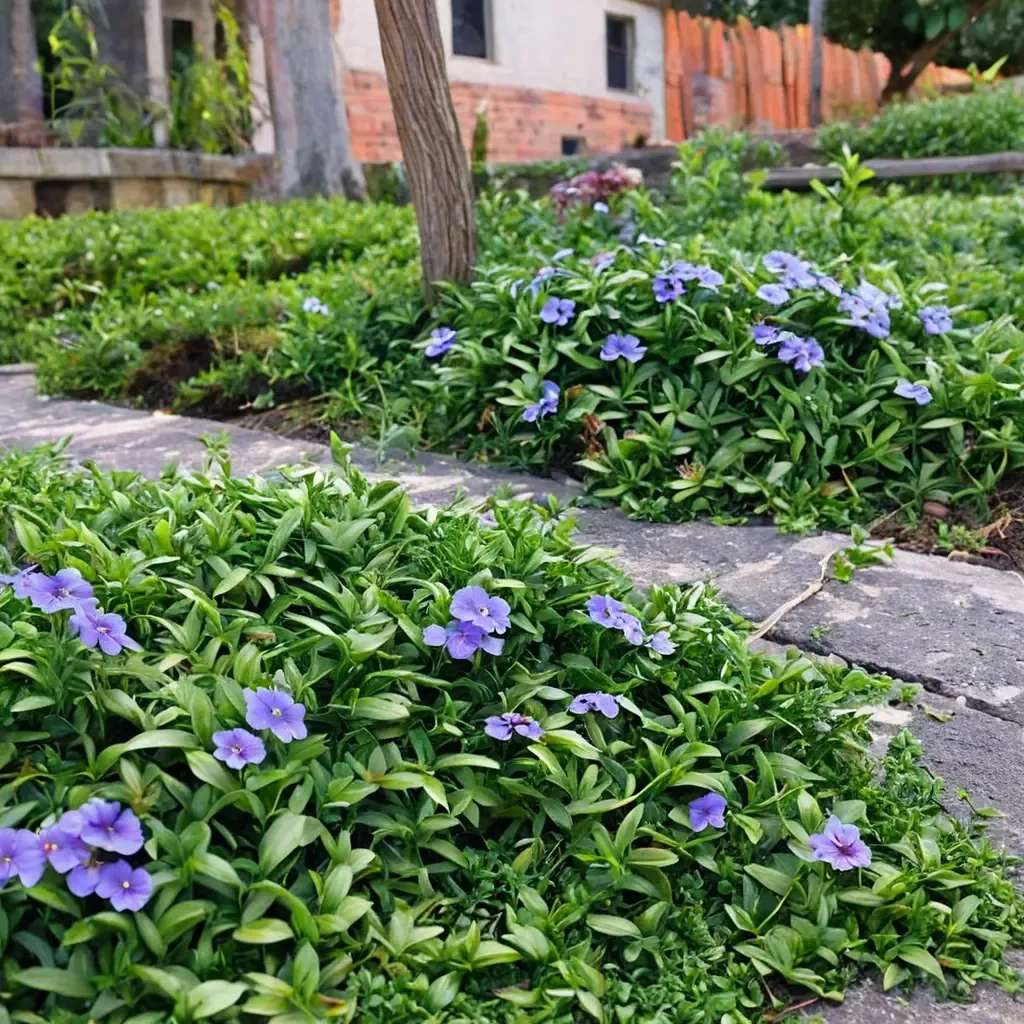
Periwinkle
Vinca minor
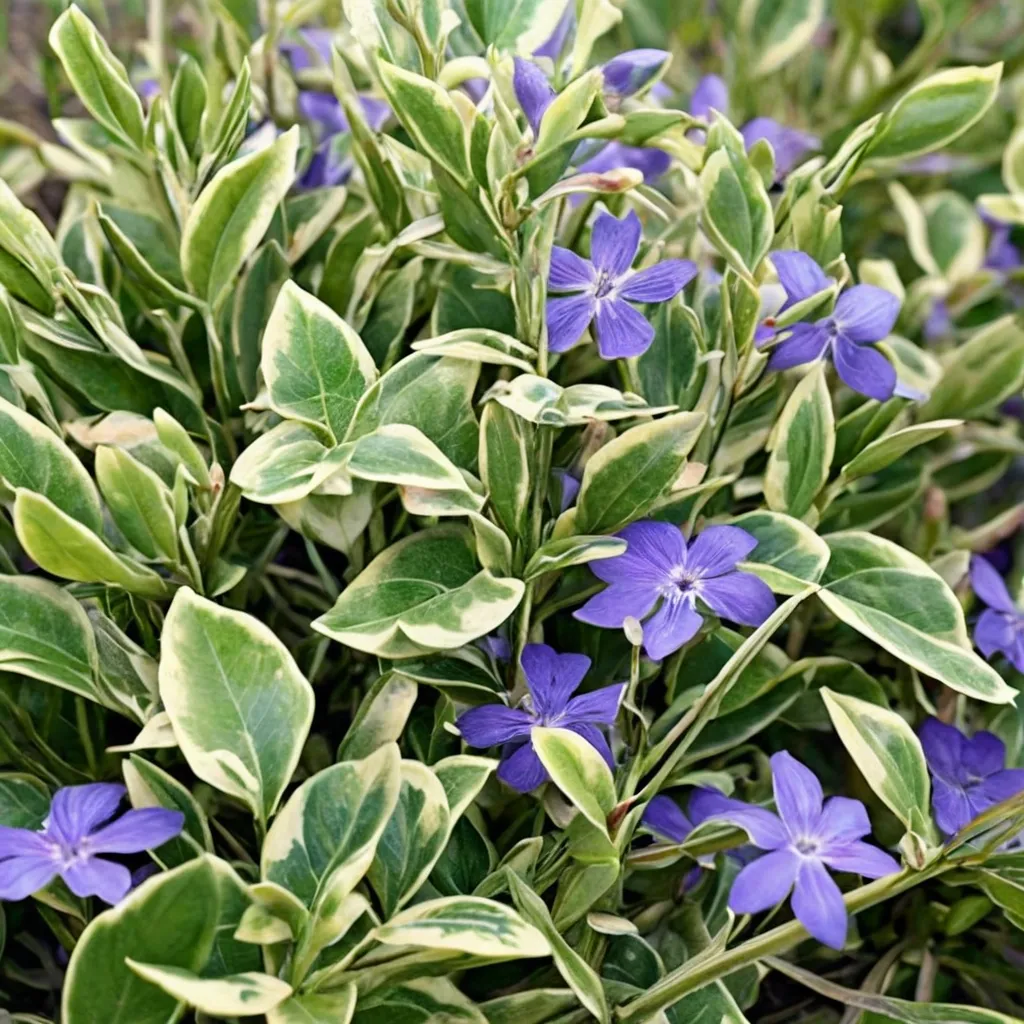
Periwinkle Variegated
Vinca minor 'Variegated'
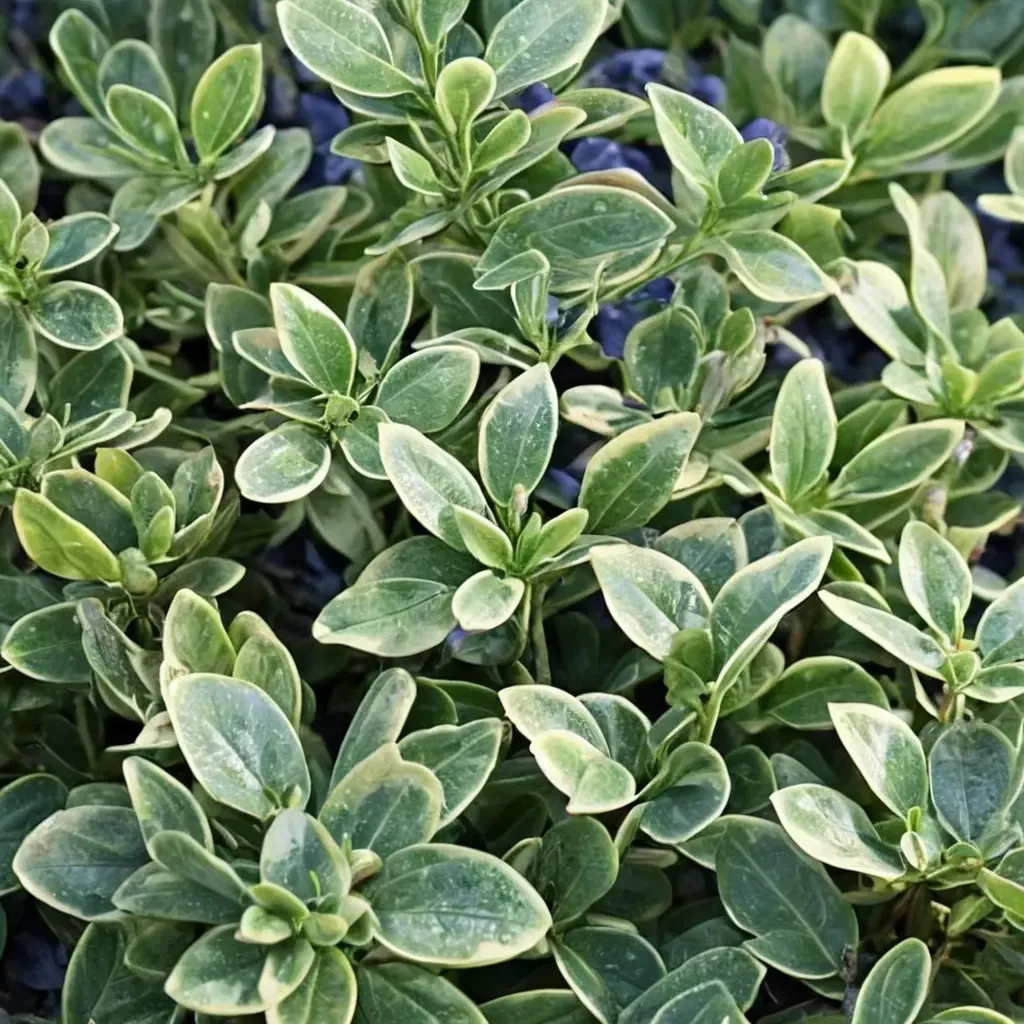
Sterling Silver Periwinkle
Vinca minor 'Sterling Silver'
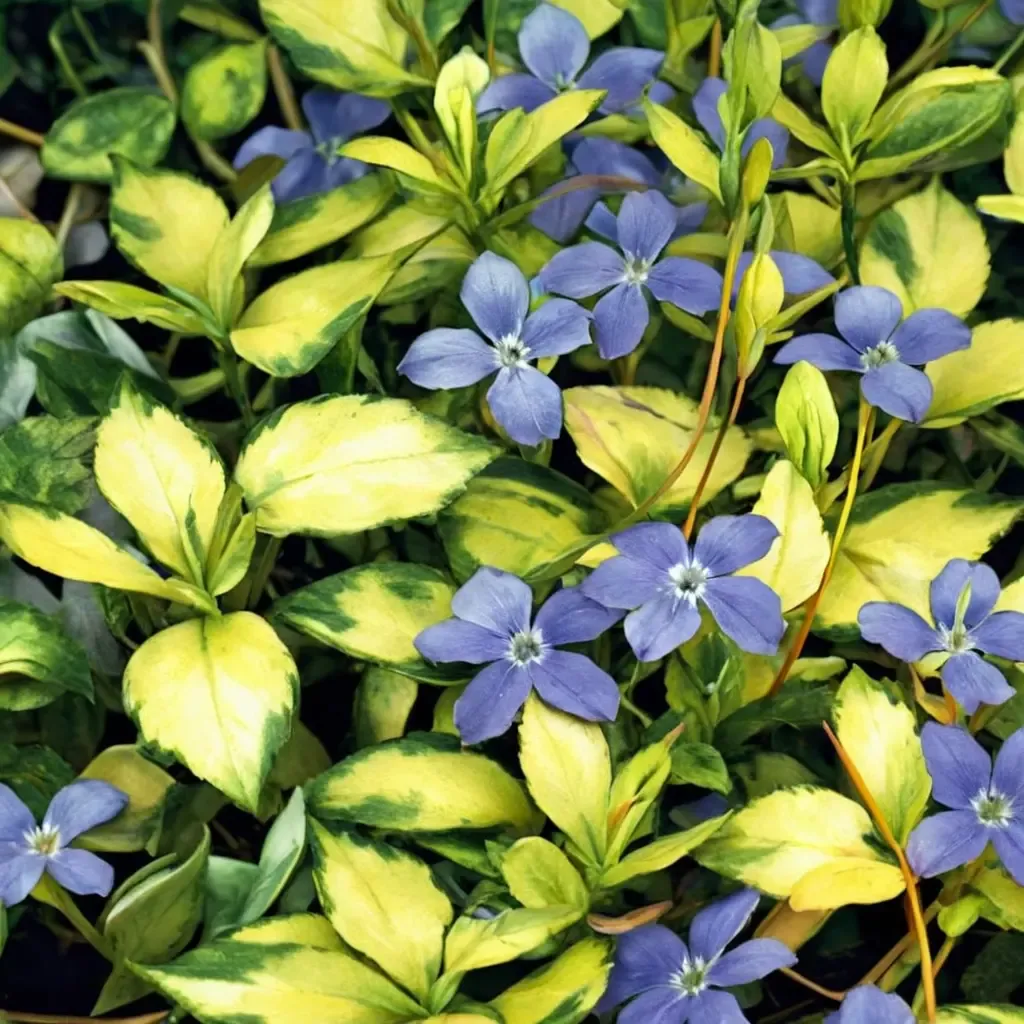
Illumination Periwinkle
Vinca minor 'Illumination'
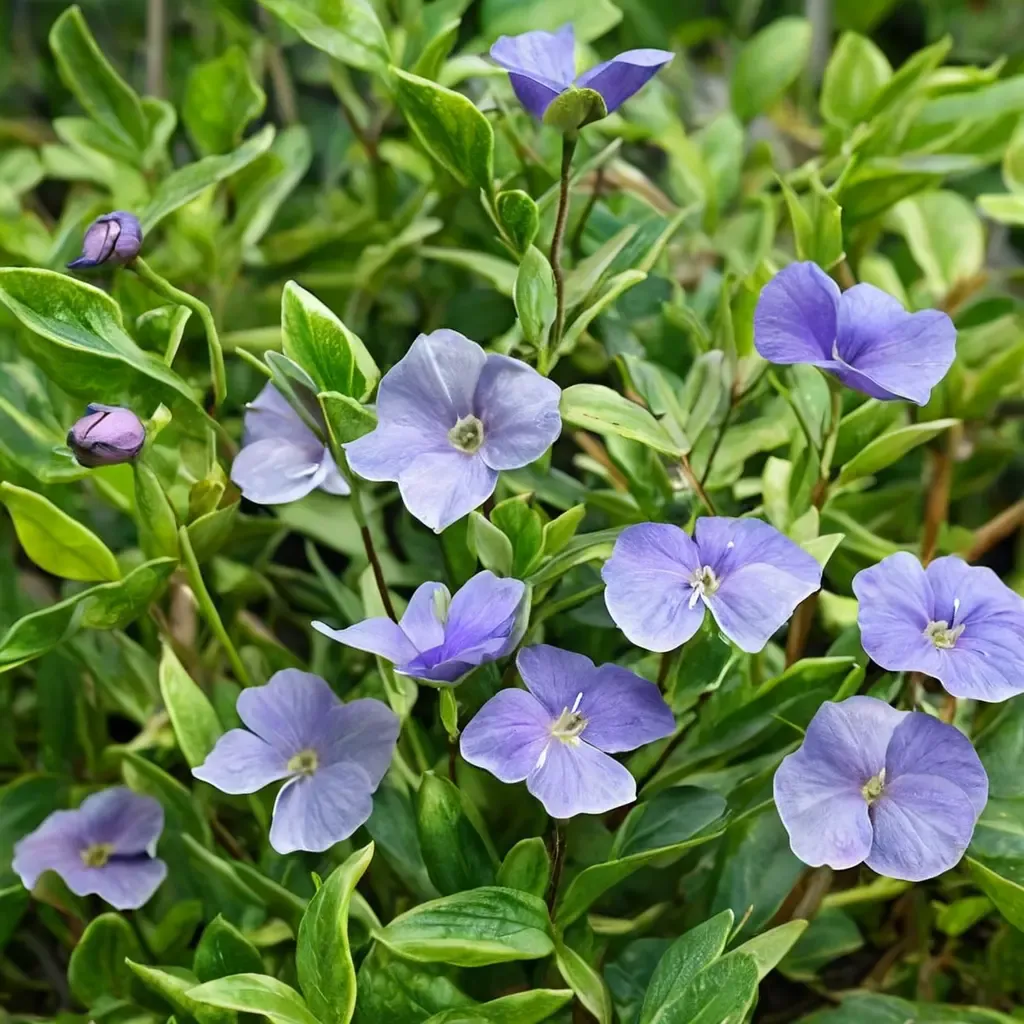
Common Periwinkle Vinca
Vinca major
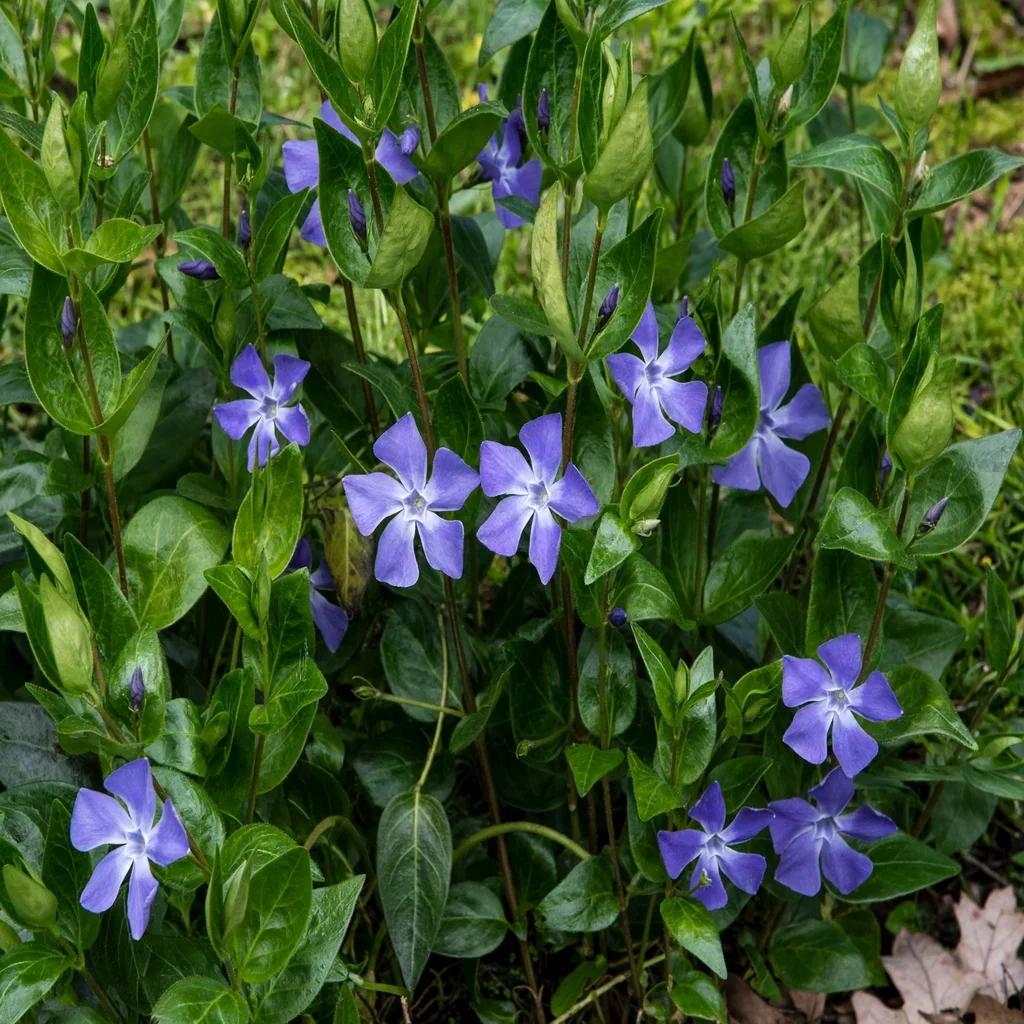
Greater Periwinkle
Vinca major 'Traditional'
Keep exploring
Explore the genus
Grow Gertrude Jekyll Periwinkle with confidence
See it in a design of your actual yard, get zone-matched care reminders, and track it season by season in your garden journal.