The Story
Plant Bio
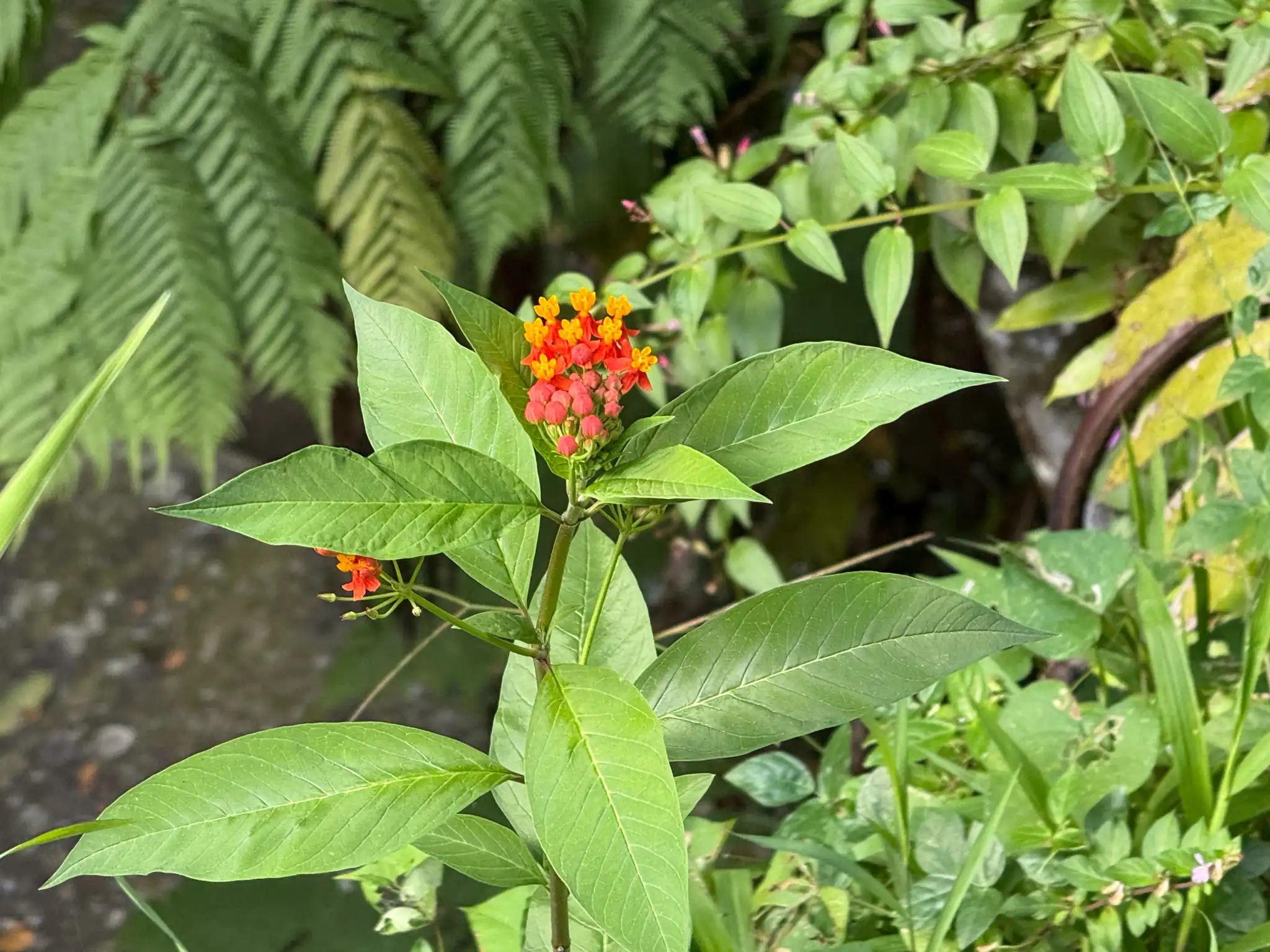
Asclepias curassavica is an erect, evergreen subshrub native to the American tropics, distinguished by its slender stems containing a milky, toxic latex. The terminal clusters of flowers feature bright red corolla lobes contrasting with golden-yellow central hoods, blooming continuously from spring through fall.
While primarily grown for its vibrant bicolored blooms, select cultivars may emerge with bronze or burgundy tones on new foliage before maturing to a deep green. The plant serves as an essential larval host for monarch and queen butterflies, though its evergreen nature in mild climates can disrupt natural migration patterns.
Uses & Benefits:
Essentials
At a Glance
Plant Type
Perennial
Height
36"
Width
20"
Light
Full Sun, Partial Sun
Zones
9, 10
Water
Moderate
Humidity
High
Lifespan
Short-lived perennial
Native To
American tropics
Toxicity
Highly toxic if ingested; sap is a skin and eye irritant
Bloom period
Spring – Fall
In flower about 9 months of the year
Planting
How to Grow
- Select a planting site in full sun with fertile, sandy or loamy soil that drains rapidly.
- Dig a hole twice the width of the root ball and set the plant at the same depth as its nursery container.
- Water deeply at planting to settle the soil around the taproot, then maintain moderate moisture until established.
- Prune the entire plant back to the ground in late winter to disrupt parasite life cycles and encourage vigorous spring shoots.
Pro Tip
Cut the stems back to the ground in late winter to eliminate overwintering protozoan parasites and force fresh, disease-free basal growth.
Keep It Thriving
Care Guide
Do
- Wear gloves when handling the plant to protect skin from the irritating milky sap.
- Deadhead spent flower clusters to prevent unwanted self-seeding in nearby damp areas.
- Provide at least six hours of direct sunlight daily for optimal flowering.
Don't
- Do not allow the soil to remain waterlogged, as the root system is highly susceptible to rot.
- Avoid light, frequent shearing during the growing season, which prevents natural flushing.
- Do not plant this species near natural waterways in frost-free regions where it can easily escape.
Seasonal Care Calendar
| Task | Jan | Feb | Mar | Apr | May | Jun | Jul | Aug | Sep | Oct | Nov | Dec |
|---|---|---|---|---|---|---|---|---|---|---|---|---|
| Fertilize | ||||||||||||
| Pest Check | ||||||||||||
| Plant | ||||||||||||
| Prune |
Watch Out For
Pests & Diseases
Common Pests
Common Diseases
In the Garden
Landscape Uses & Companions
Landscape Uses
Companion Plants
Multiply
Propagation Methods
Good to Know
Common Questions
Tropical Milkweed questions
What zones can Tropical Milkweed grow in?
Tropical Milkweed is hardy in USDA Zones 9–10. Inside that range it survives winter in the ground; outside it, grow it as an annual or a container plant you protect.
Is Tropical Milkweed deer resistant?
Yes — Tropical Milkweed is rated deer-resistant. Deer typically pass it over, though extreme hunger can override any plant's defenses.
When does Tropical Milkweed bloom?
Tropical Milkweed typically blooms in spring through fall. Exact timing shifts a week or two with your zone — Sow's bloom calendar maps it to your garden.
Does Tropical Milkweed need full sun?
Tropical Milkweed does best in full sun to part shade. In hot climates, afternoon shade keeps blooms fresher longer.
Is Tropical Milkweed drought tolerant?
Yes — once established (usually after the first full season), Tropical Milkweed handles dry spells with minimal watering. Water deeply its first year to build the root system that makes that possible.
More Asclepias to compare
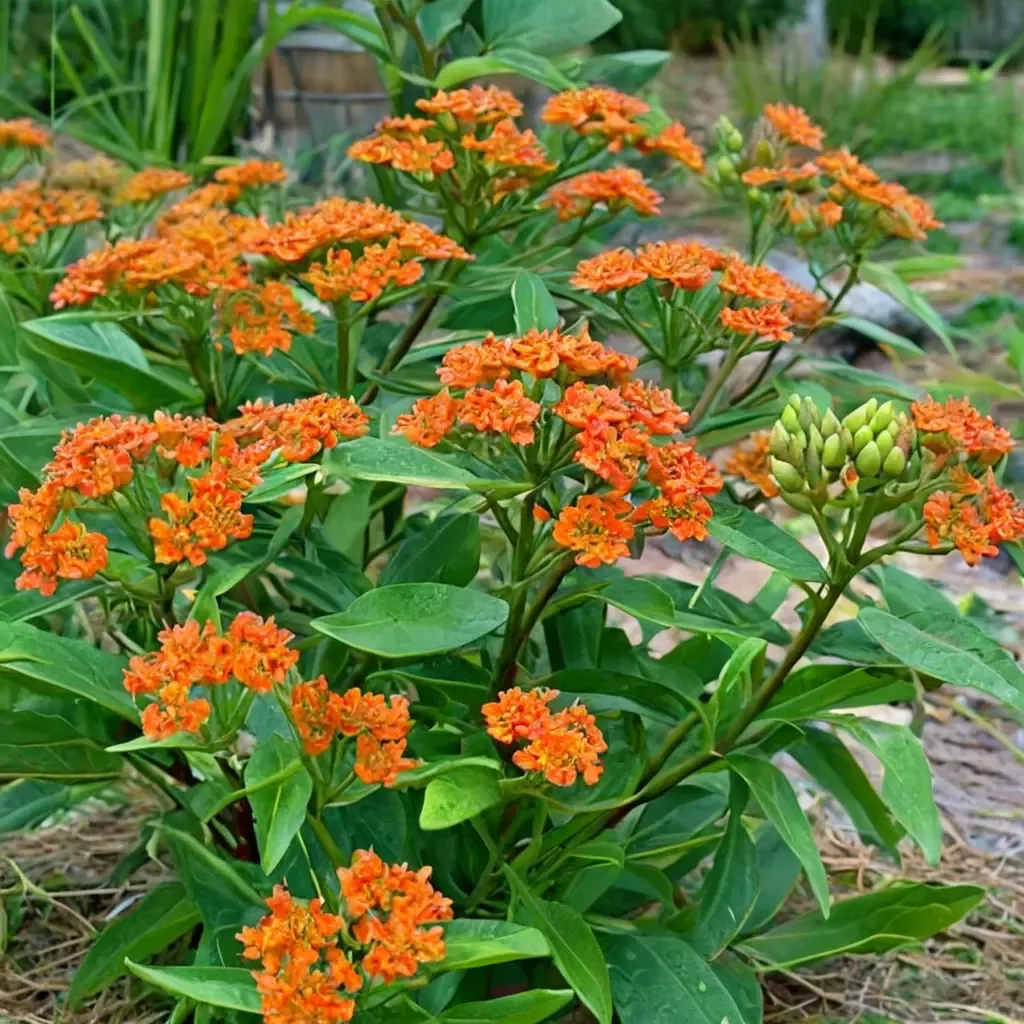
Butterfly Weed
Asclepias tuberosa
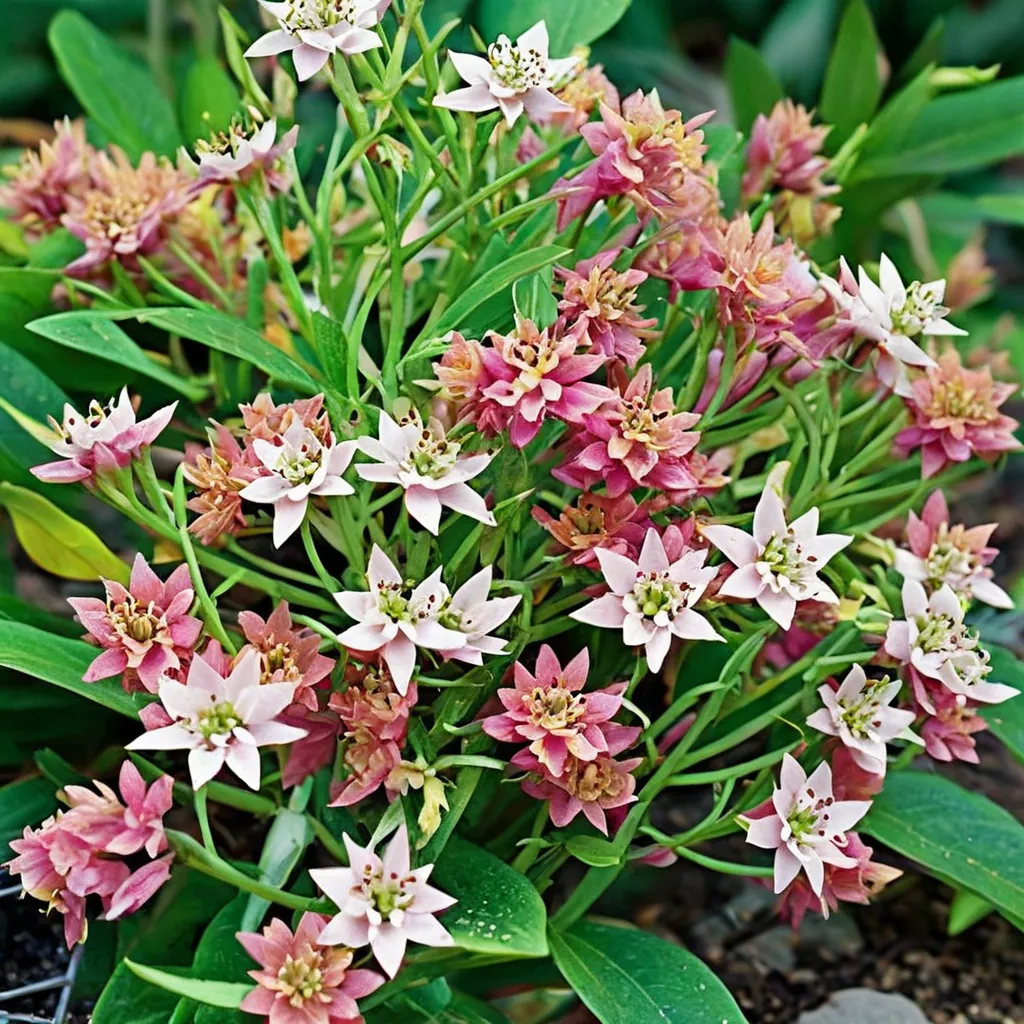
Butterfly Milkweed
Asclepias x hybrida
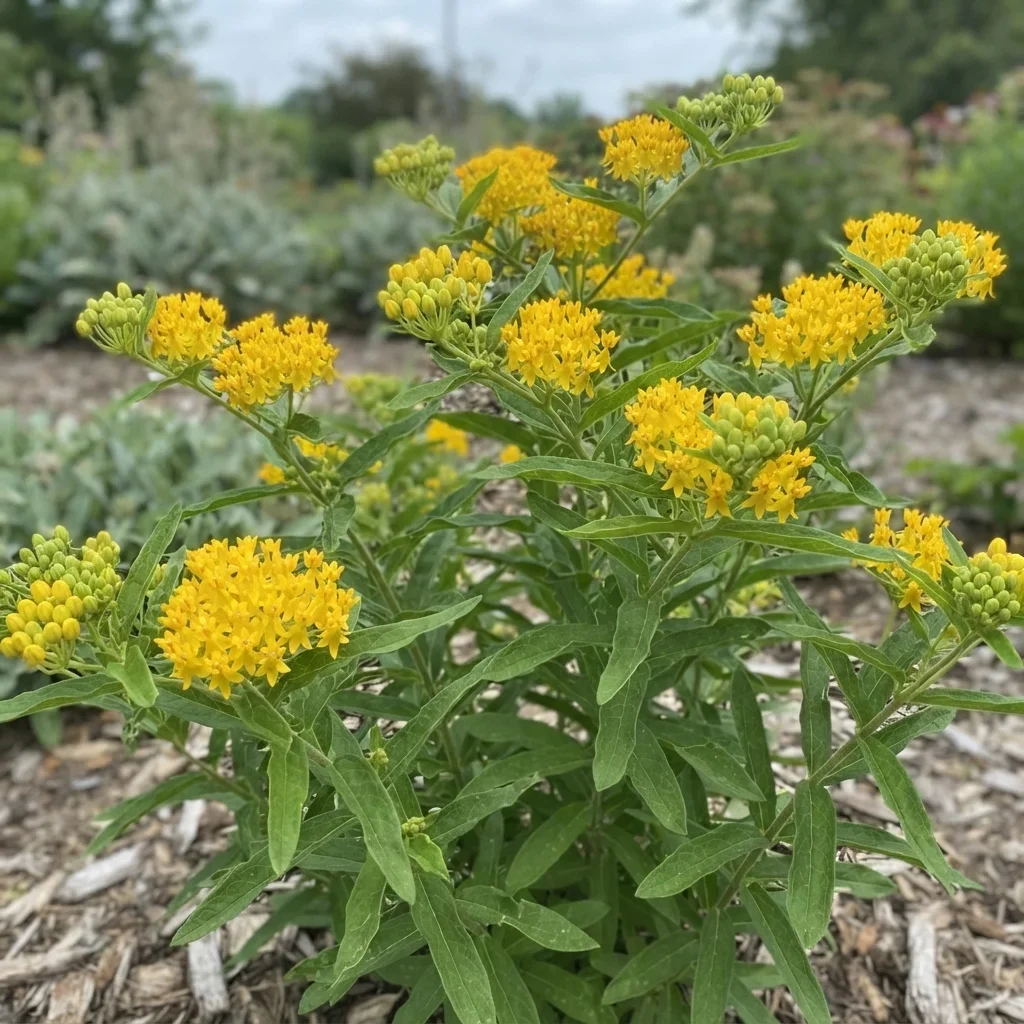
Hello Yellow Butterfly Weed
Asclepias tuberosa 'Hello Yellow'
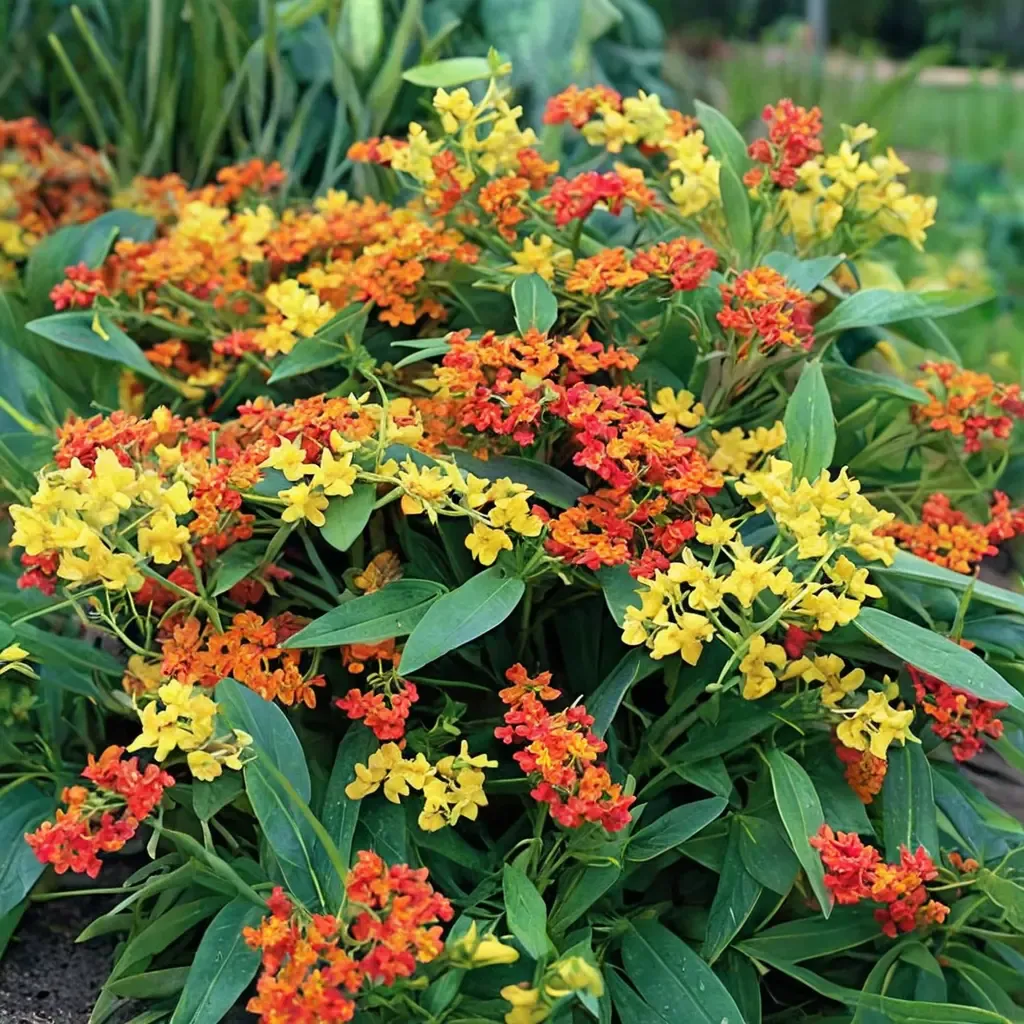
Gay Butterflies Mix Butterfly Weed
Asclepias tuberosa 'Gay Butterflies Mix'
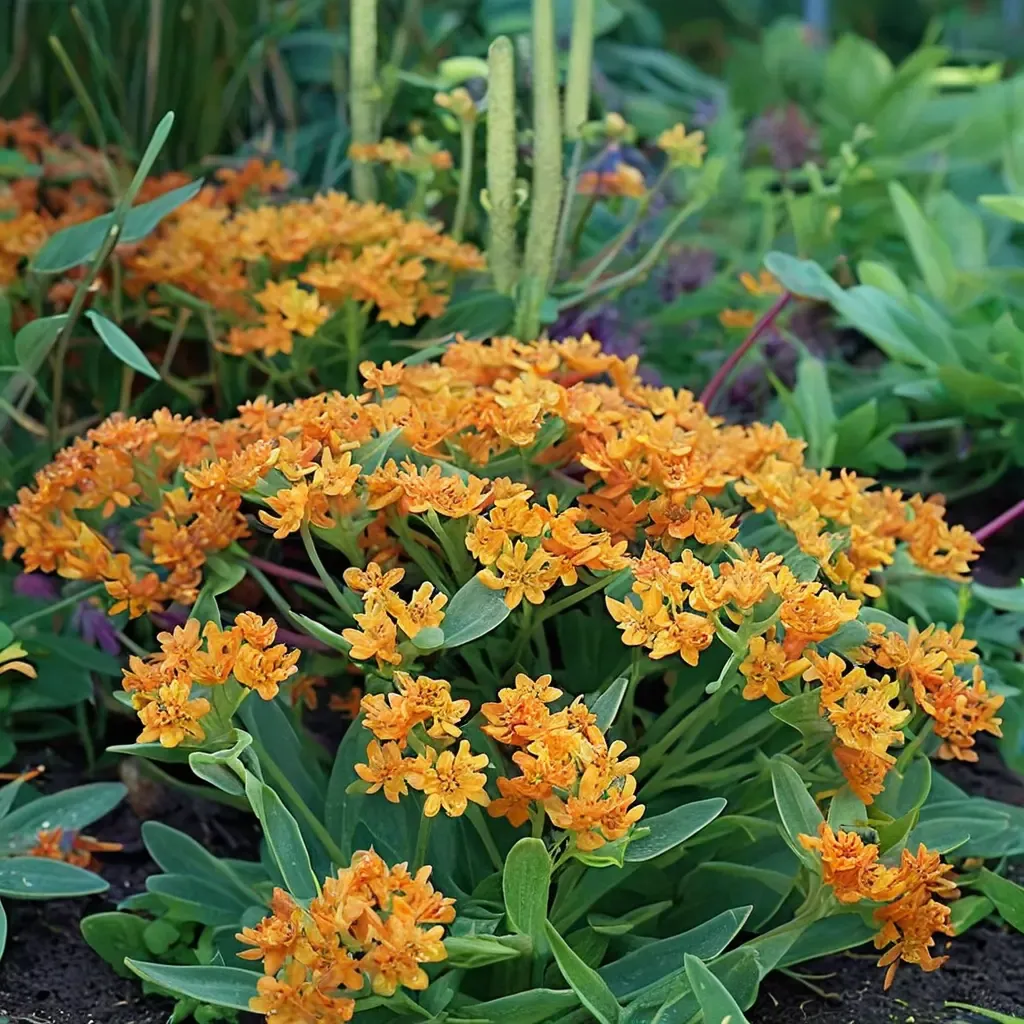
Butterfly Weed Gay Butterflies Milkweed
Asclepias tuberosa 'Gay Butterflies'
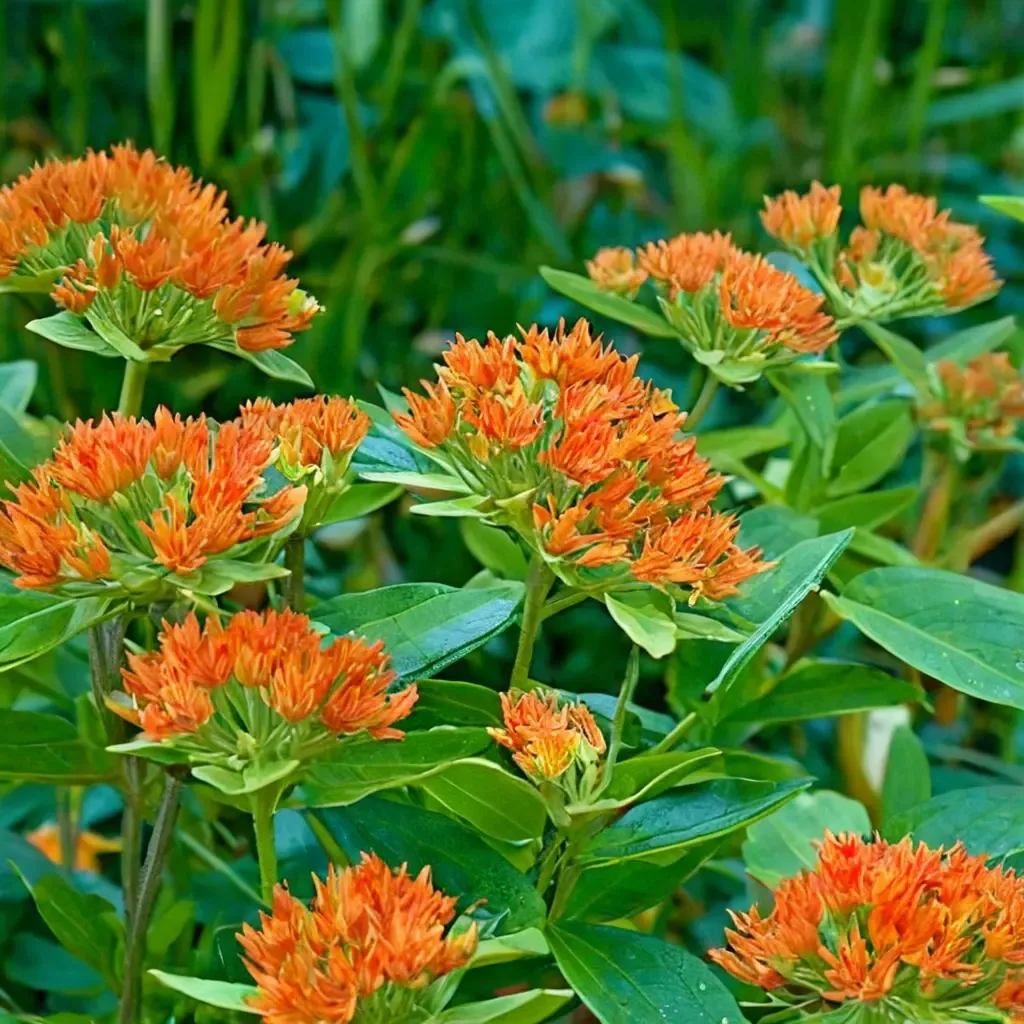
Butterfly Garden Butterfly Weed
Asclepias tuberosa 'Deluxe Butterfly Garden'
Keep exploring
Explore the genus
Hardy in your zone?
Grow Tropical Milkweed with confidence
See it in a design of your actual yard, get zone-matched care reminders, and track it season by season in your garden journal.