The Story
Plant Bio
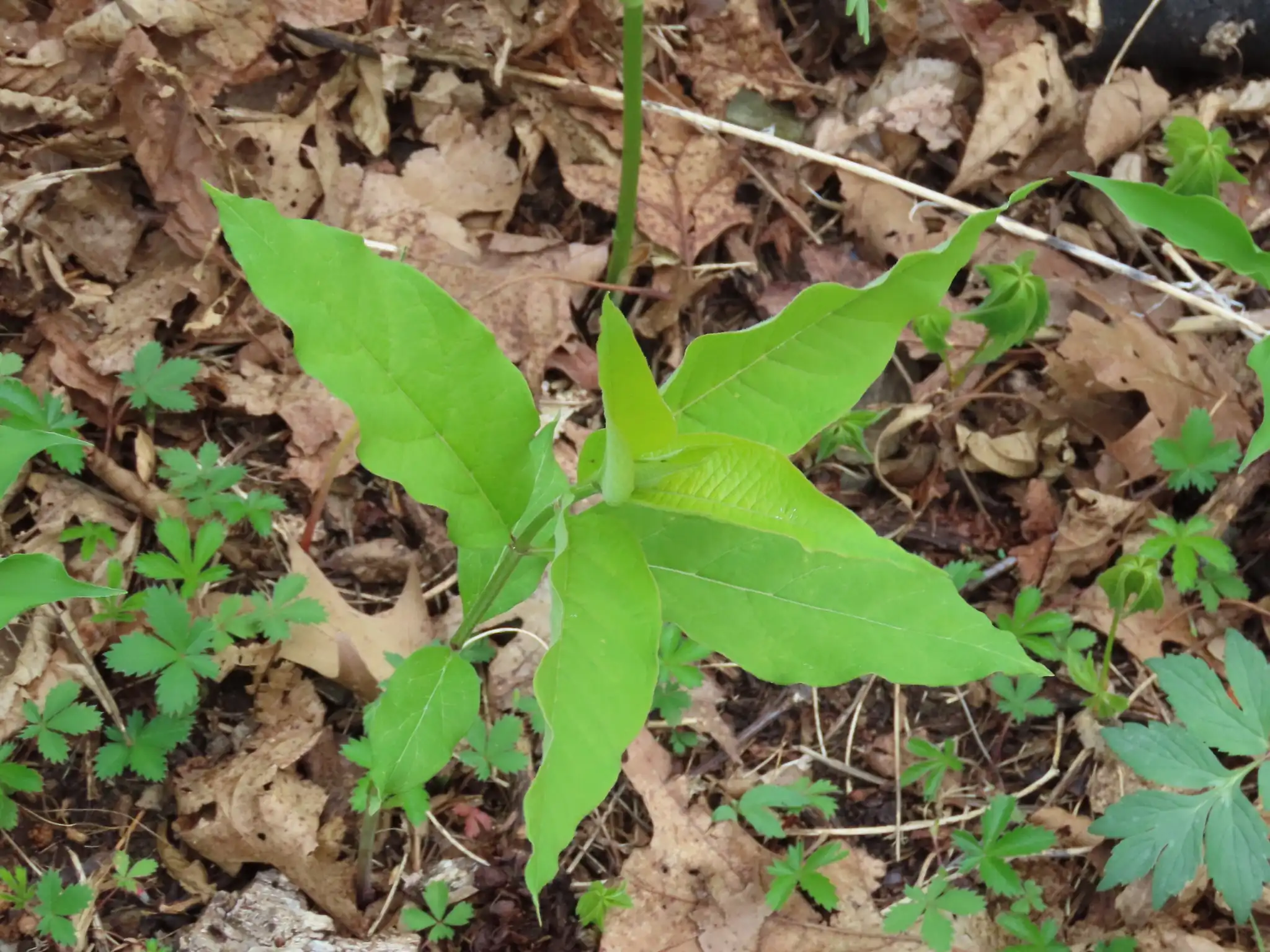
Asclepias exaltata, commonly known as poke milkweed, is an upright herbaceous perennial native to rich, moist woodland margins across eastern North America. Unlike sun-loving members of its genus, it thrives in dappled shade where it produces drooping umbels of greenish-white flowers tinged with pink and lavender.
The species is distinguished by its broad, purplish-veined leaves and gracefully nodding inflorescences that mimic the habit of pokeberry. It serves as a vital larval food source for monarch butterflies while adapting to partially shaded gardens where other milkweeds fail to bloom.
Uses & Benefits:
Essentials
At a Glance
Plant Type
Perennial
Height
71"
Width
47"
Light
Partial Sun, Shade
Zones
4, 5, 6, 7, 8
Water
Moderate
Humidity
High
Lifespan
Perennial
Native To
North America
Toxicity
Toxic if ingested; milky sap causes skin irritation
Bloom period
Early summer – Mid summer
In flower about 2 months of the year
Planting
How to Grow
- Select a planting site receiving partial sun or dappled shade with rich, well-draining soil.
- Amend the planting area with compost or leaf mold to maintain moisture retention without causing waterlogging.
- Plant bare-root crowns or container specimens at the exact depth they were previously growing, firming the soil gently.
- Water thoroughly after planting and maintain consistent soil moisture throughout the first growing season.
Pro Tip
Plant in rich, organic soil with reliable moisture and partial shade; intense afternoon sun and dry soils cause severe leaf scorch and premature drop.
Keep It Thriving
Care Guide
Do
- Provide partial shade or dappled light to prevent leaf scorch.
- Maintain consistent soil moisture in organic-rich, well-drained loam.
- Leave spent stems standing into late winter to shelter overwintering beneficial insects.
Don't
- Do not plant in full, hot sun or compacted, waterlogged clay.
- Avoid applying chemical insecticides that harm monarch larvae and native pollinators.
- Do not attempt to move established plants due to their deep, sensitive root systems.
Seasonal Care Calendar
| Task | Jan | Feb | Mar | Apr | May | Jun | Jul | Aug | Sep | Oct | Nov | Dec |
|---|---|---|---|---|---|---|---|---|---|---|---|---|
| Mulch | ||||||||||||
| Pest Check | ||||||||||||
| Plant | ||||||||||||
| Spring Cleanup |
Watch Out For
Pests & Diseases
Common Pests
Common Diseases
In the Garden
Landscape Uses & Companions
Landscape Uses
Multiply
Propagation Methods
Good to Know
Common Questions
Poke Milkweed questions
What zones can Poke Milkweed grow in?
Poke Milkweed is hardy in USDA Zones 4–8. Inside that range it survives winter in the ground; outside it, grow it as an annual or a container plant you protect.
Is Poke Milkweed deer resistant?
Not reliably. Deer may browse Poke Milkweed, especially tender spring growth — plan on repellents or fencing where pressure is high.
When does Poke Milkweed bloom?
Poke Milkweed typically blooms in early summer through mid summer. Exact timing shifts a week or two with your zone — Sow's bloom calendar maps it to your garden.
Does Poke Milkweed need full sun?
Poke Milkweed does best in part shade.
More Asclepias to compare
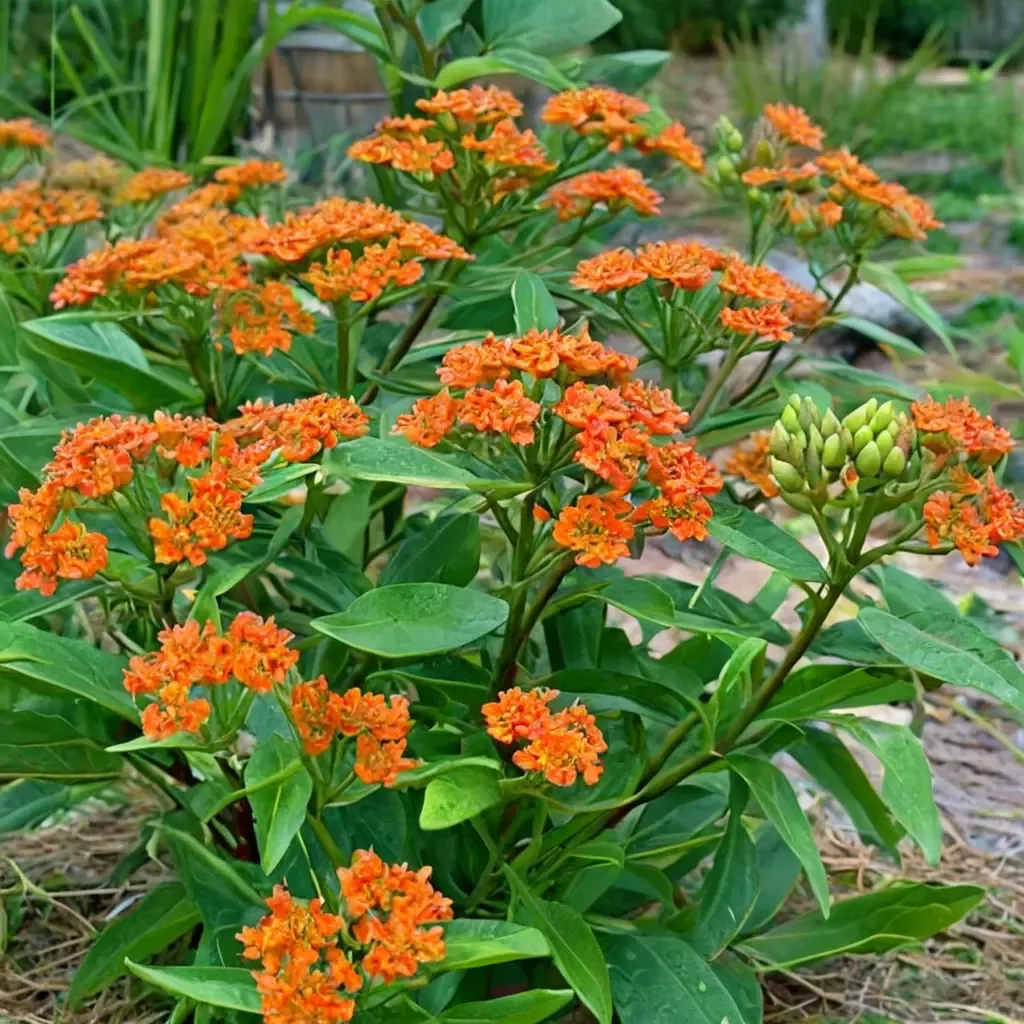
Butterfly Weed
Asclepias tuberosa
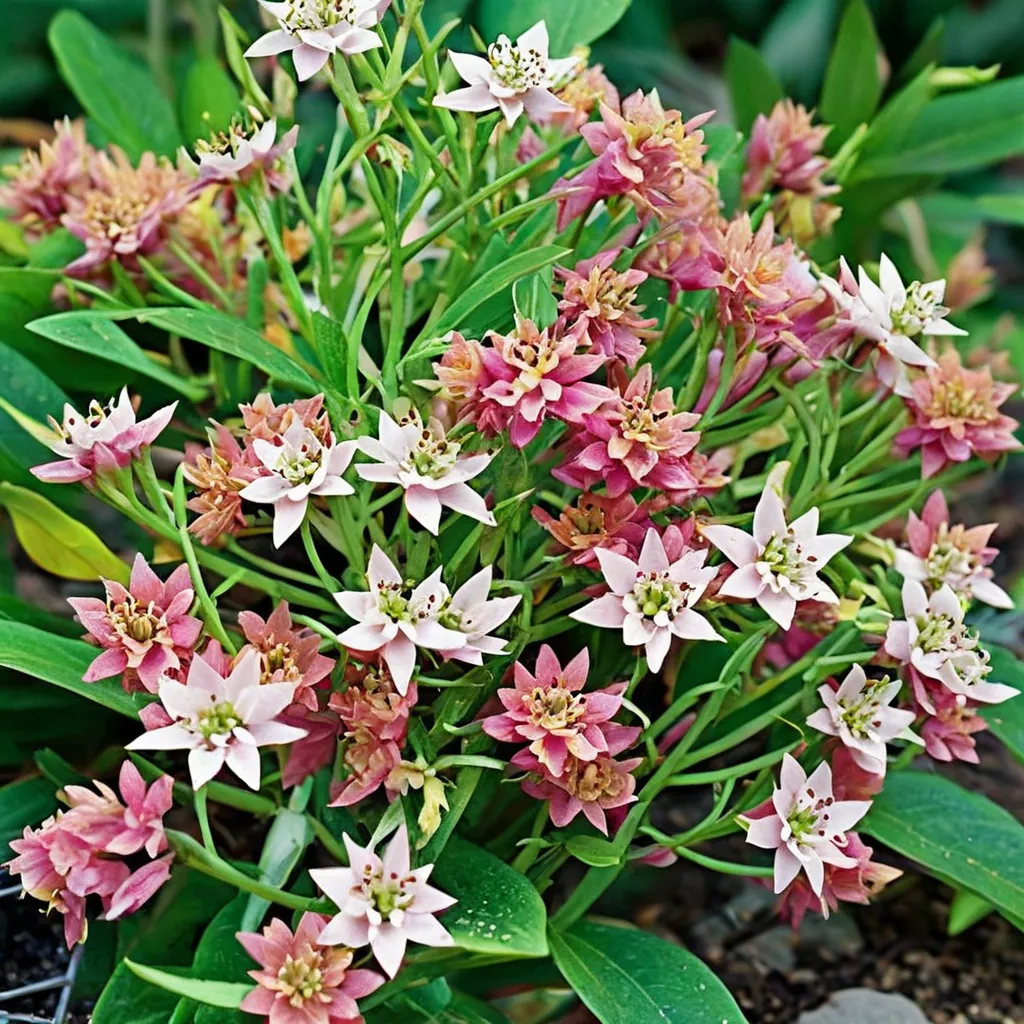
Butterfly Milkweed
Asclepias x hybrida
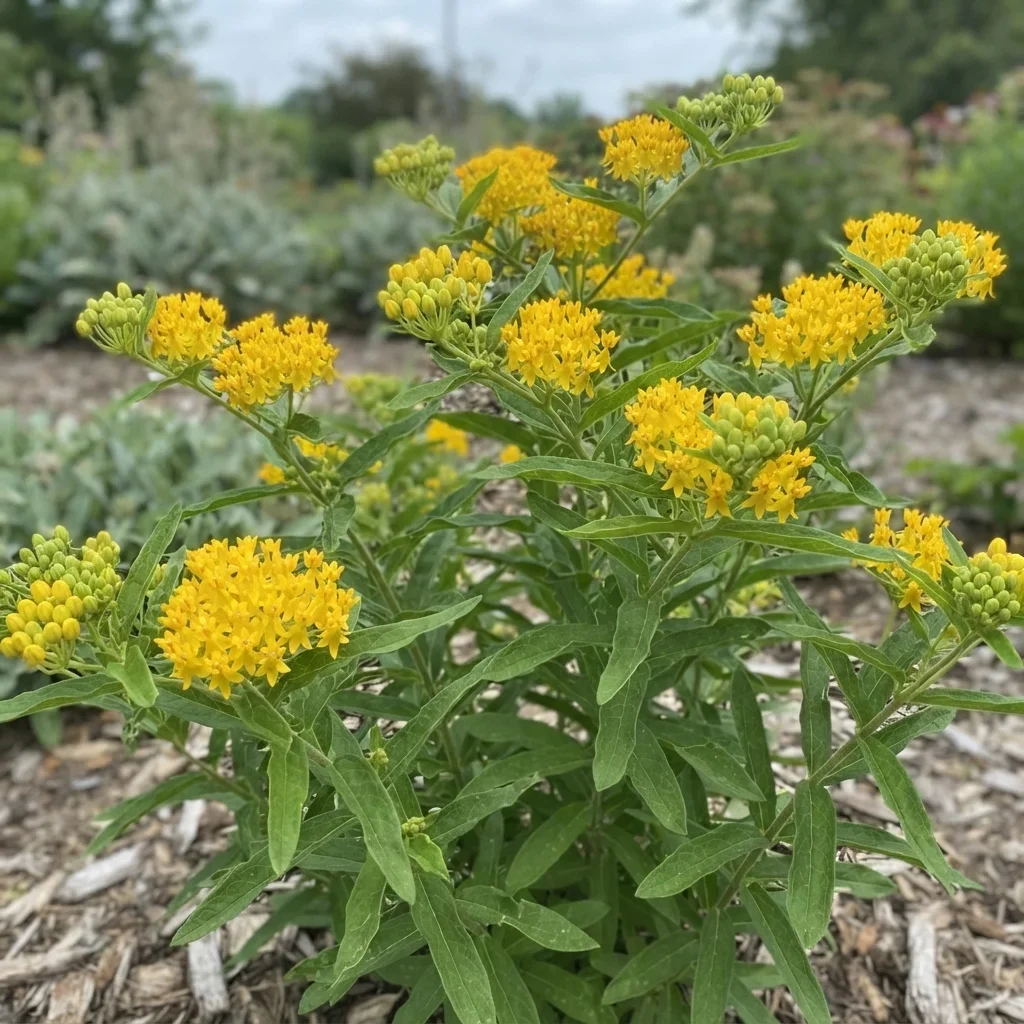
Hello Yellow Butterfly Weed
Asclepias tuberosa 'Hello Yellow'
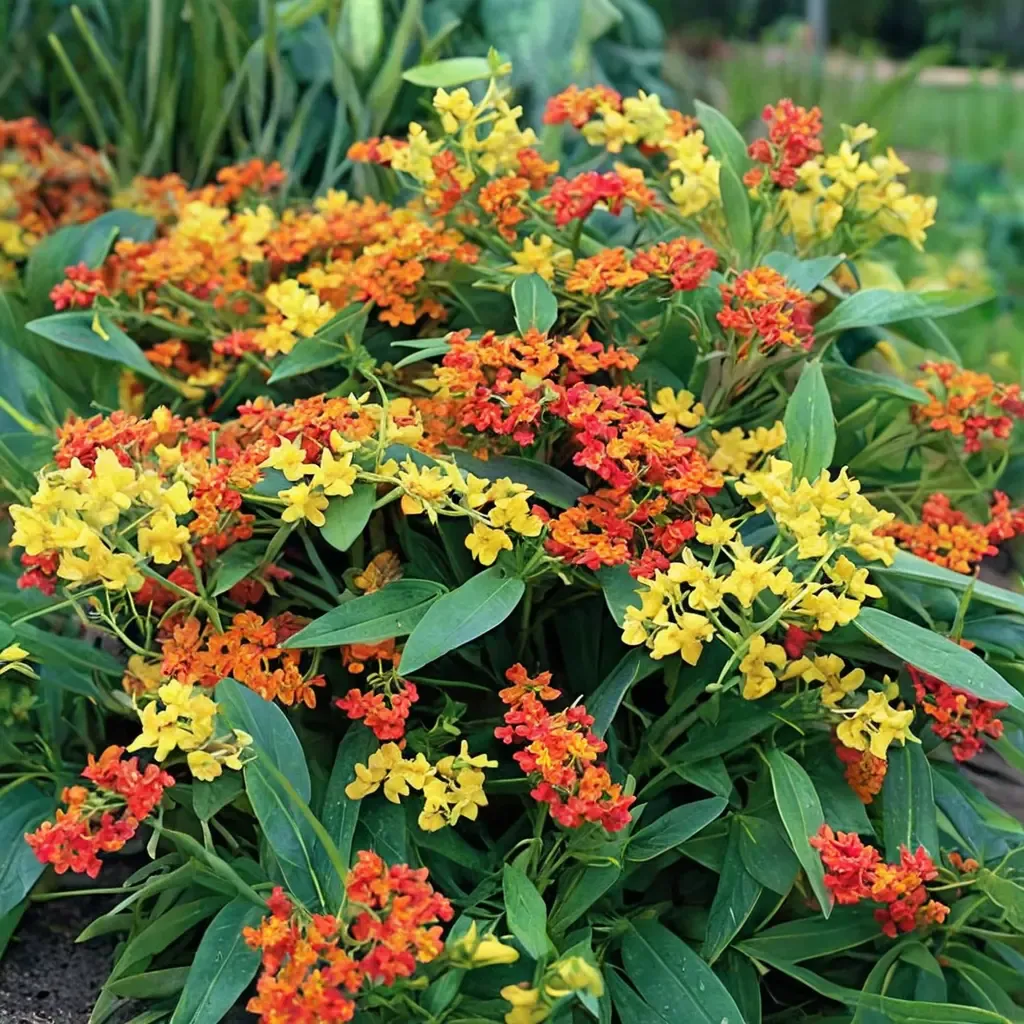
Gay Butterflies Mix Butterfly Weed
Asclepias tuberosa 'Gay Butterflies Mix'
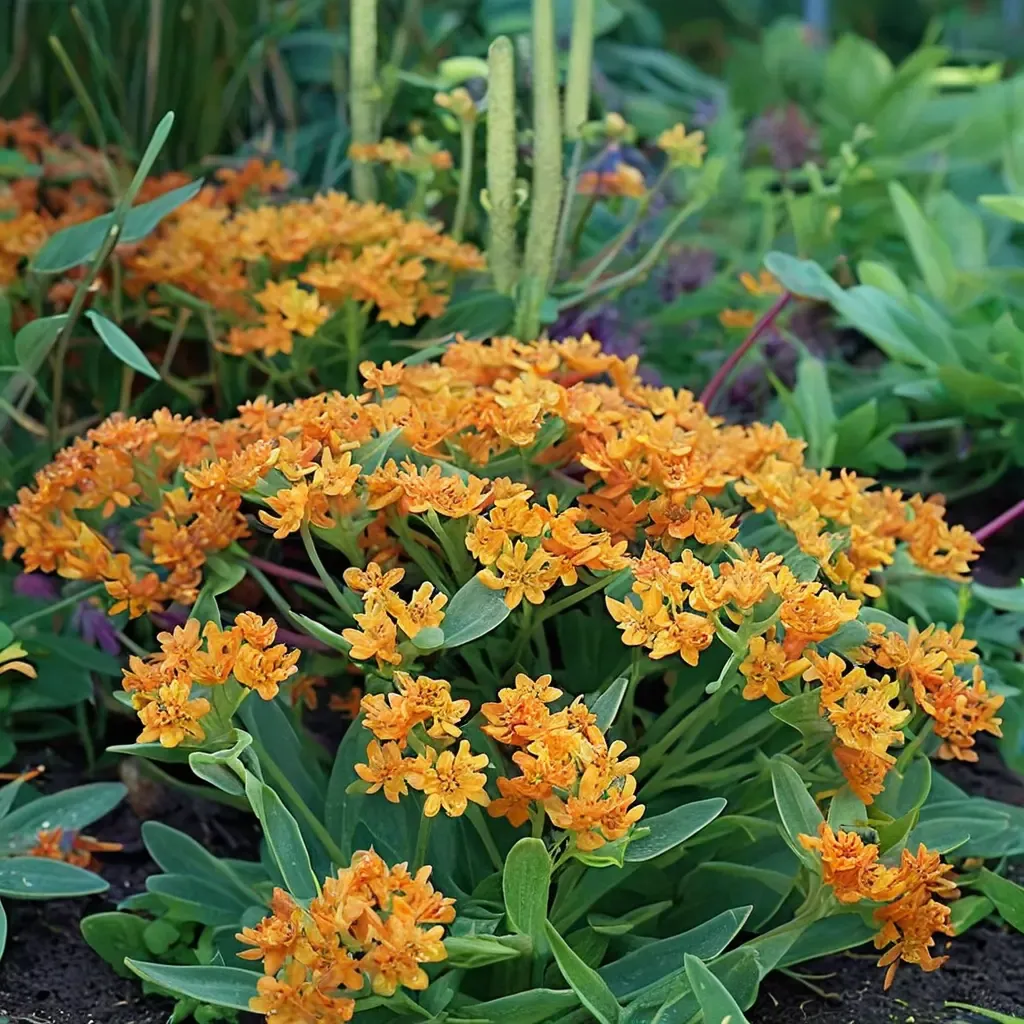
Butterfly Weed Gay Butterflies Milkweed
Asclepias tuberosa 'Gay Butterflies'
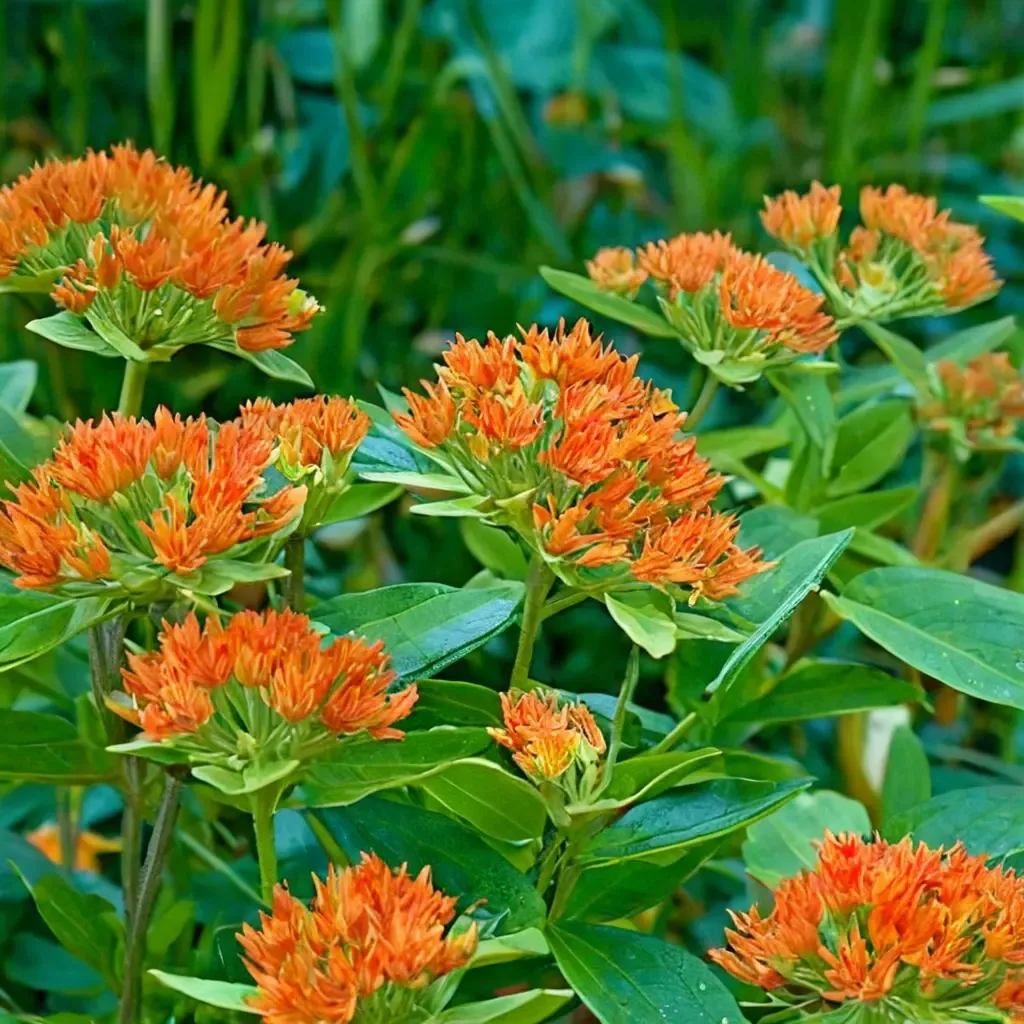
Butterfly Garden Butterfly Weed
Asclepias tuberosa 'Deluxe Butterfly Garden'
Keep exploring
Explore the genus
Hardy in your zone?
Grow Poke Milkweed with confidence
See it in a design of your actual yard, get zone-matched care reminders, and track it season by season in your garden journal.