The Story
Plant Bio
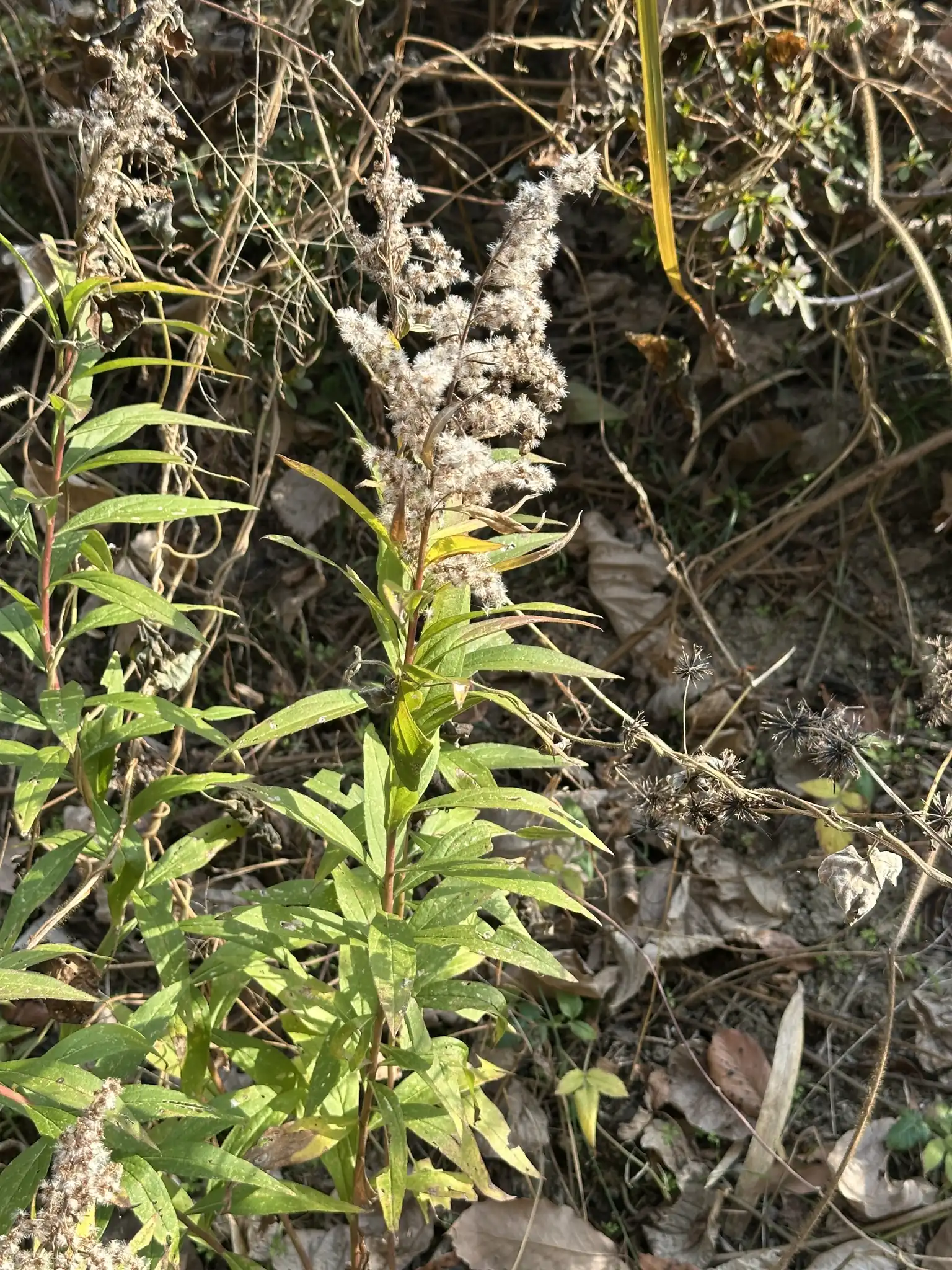
Solidago altissima, the tall goldenrod, is an upright herbaceous perennial native to North America that reaches heights of two to six feet, expanding into dense colonies via creeping rhizomes. The lance-shaped, rough-textured leaves line strong central stems that terminate in large, plume-like clusters of dark yellow flowers from summer through fall.
This species is distinguished by its strongly three-nerved, finely serrated leaves that are rough on the upper surface and short-hairy underneath. Unlike wind-pollinated weeds, its heavy, sticky pollen is carried by insects, making it a vital late-season resource for native bees and butterflies rather than a cause of hay fever.
Uses & Benefits:
Essentials
At a Glance
Plant Type
Perennial
Height
71"
Width
35"
Light
Full Sun, Partial Sun
Zones
5, 6, 7, 8, 9, 10
Water
Low to Moderate
Humidity
High
Lifespan
Perennial
Native To
North America
Toxicity
Non-toxic
Bloom period
Summer – Fall
In flower about 6 months of the year
Planting
How to Grow
- Select a planting site in full sun to partial shade with well-drained soil.
- Dig a hole twice the width of the root ball and set the plant at its original container depth.
- Water thoroughly after planting to settle the soil around the roots.
- Space multiple plants two to three feet apart to accommodate their rhizomatous spread.
Pro Tip
Skip fertilizer entirely; excess soil nutrients trigger rapid, weak stem growth that flops over and requires staking.
Keep It Thriving
Care Guide
Do
- Cut stems back to ground level in late winter or early spring.
- Deadhead spent flower plumes in late fall if you want to limit self-seeding.
- Divide dense root clumps every three to four years in spring to maintain vigor.
Don't
- Do not apply fertilizer, as high nutrient levels cause weak stems that flop.
- Do not plant in poorly drained soils where standing water can cause root rot.
- Avoid overhead watering to minimize the risk of powdery mildew on the foliage.
Seasonal Care Calendar
| Task | Jan | Feb | Mar | Apr | May | Jun | Jul | Aug | Sep | Oct | Nov | Dec |
|---|---|---|---|---|---|---|---|---|---|---|---|---|
| Deadhead | ||||||||||||
| Divide | ||||||||||||
| Pest Check | ||||||||||||
| Spring Cleanup |
Watch Out For
Pests & Diseases
Common Pests
Common Diseases
In the Garden
Landscape Uses & Companions
Landscape Uses
Multiply
Propagation Methods
Good to Know
Common Questions
Tall Goldenrod questions
What zones can Tall Goldenrod grow in?
Tall Goldenrod is hardy in USDA Zones 5–10. Inside that range it survives winter in the ground; outside it, grow it as an annual or a container plant you protect.
When does Tall Goldenrod bloom?
Tall Goldenrod typically blooms in summer through fall. Exact timing shifts a week or two with your zone — Sow's bloom calendar maps it to your garden.
Does Tall Goldenrod need full sun?
Tall Goldenrod does best in full sun to part shade. In hot climates, afternoon shade keeps blooms fresher longer.
Is Tall Goldenrod drought tolerant?
Yes — once established (usually after the first full season), Tall Goldenrod handles dry spells with minimal watering. Water deeply its first year to build the root system that makes that possible.
More Solidago to compare
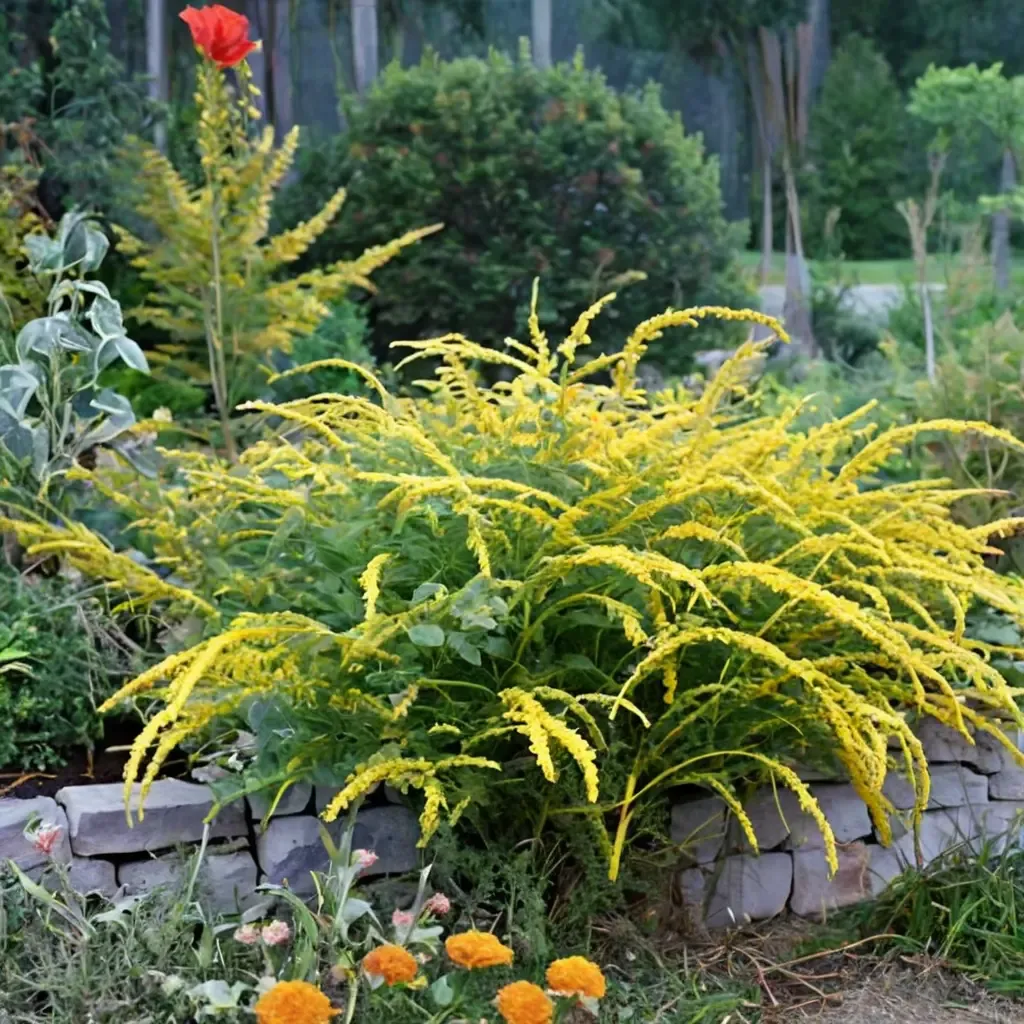
Fireworks Goldenrod
Solidago rugosa 'Fireworks'
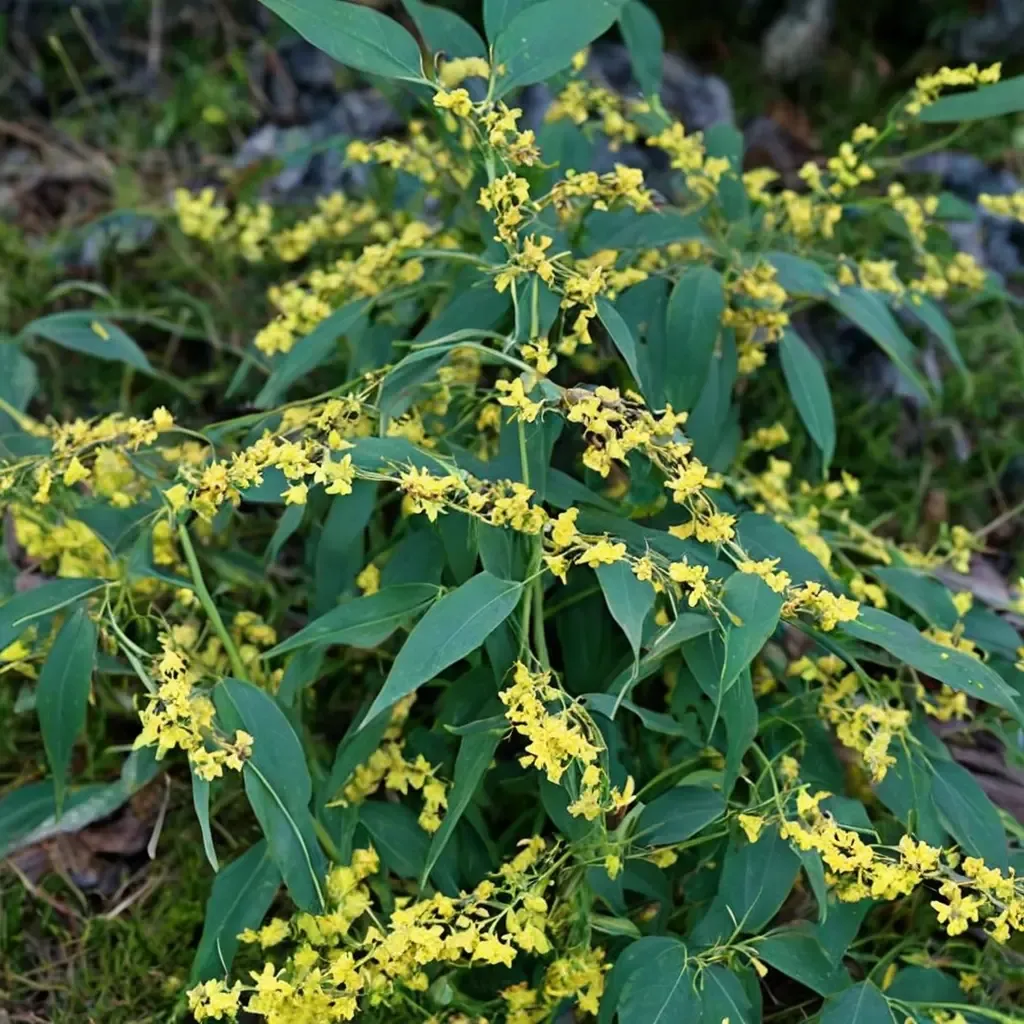
Bluestem Goldenrod
Solidago caesia
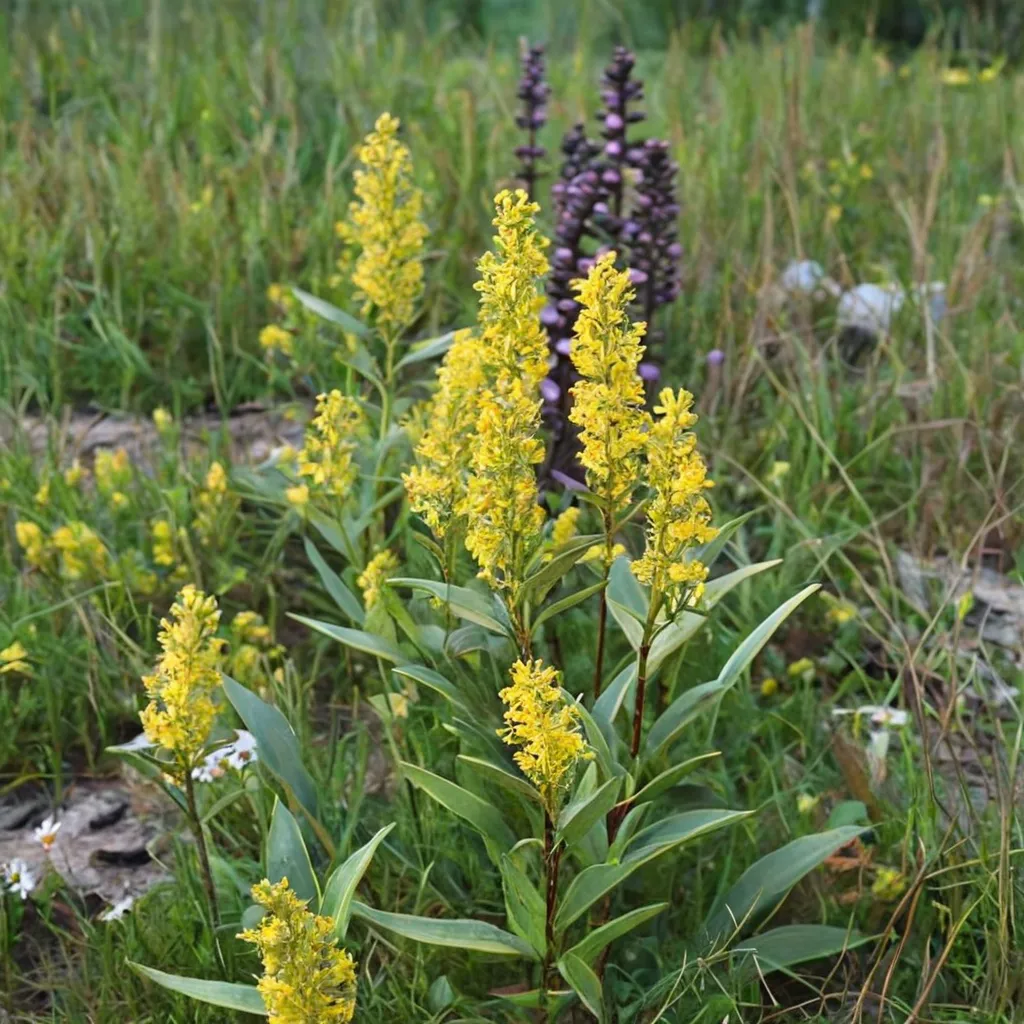
Showy Goldenrod
Solidago speciosa
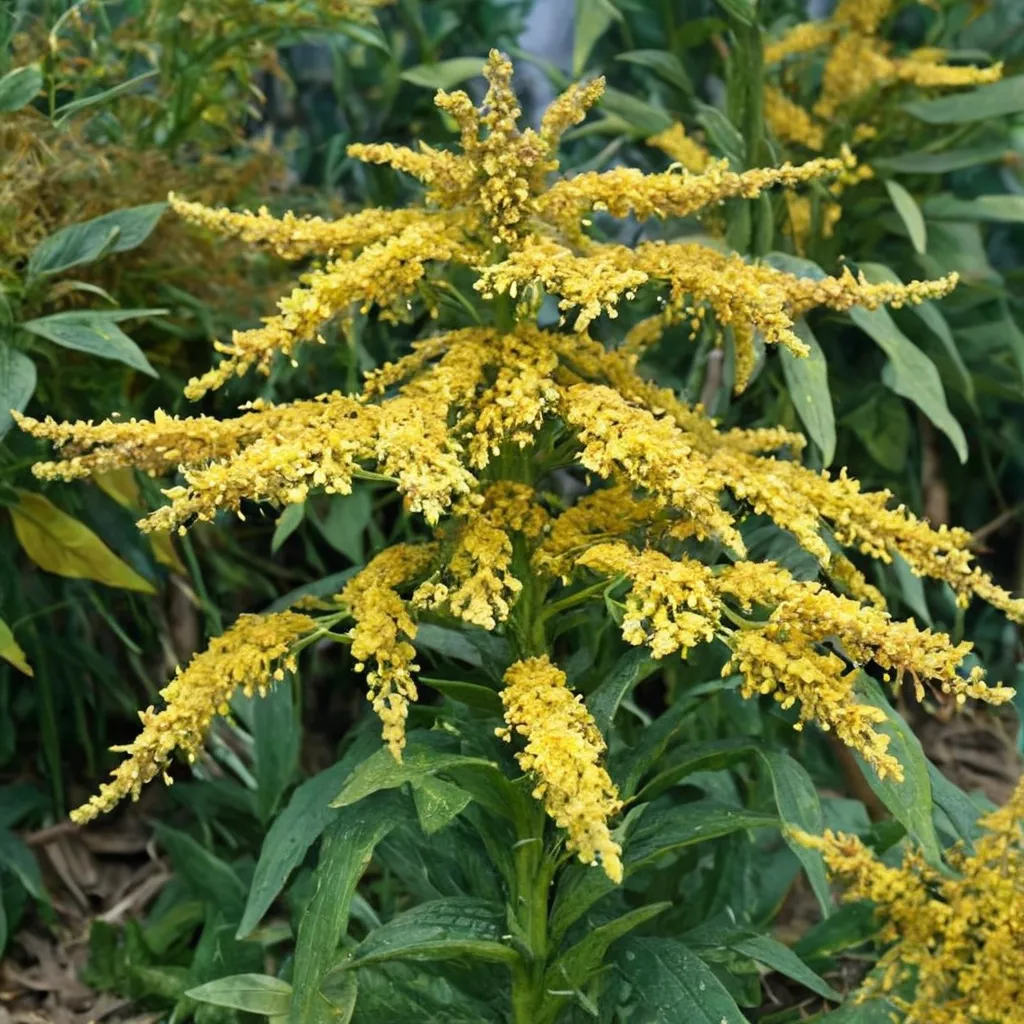
Goldenrod Peter Pan
Solidago x hybrida 'Peter Pan'
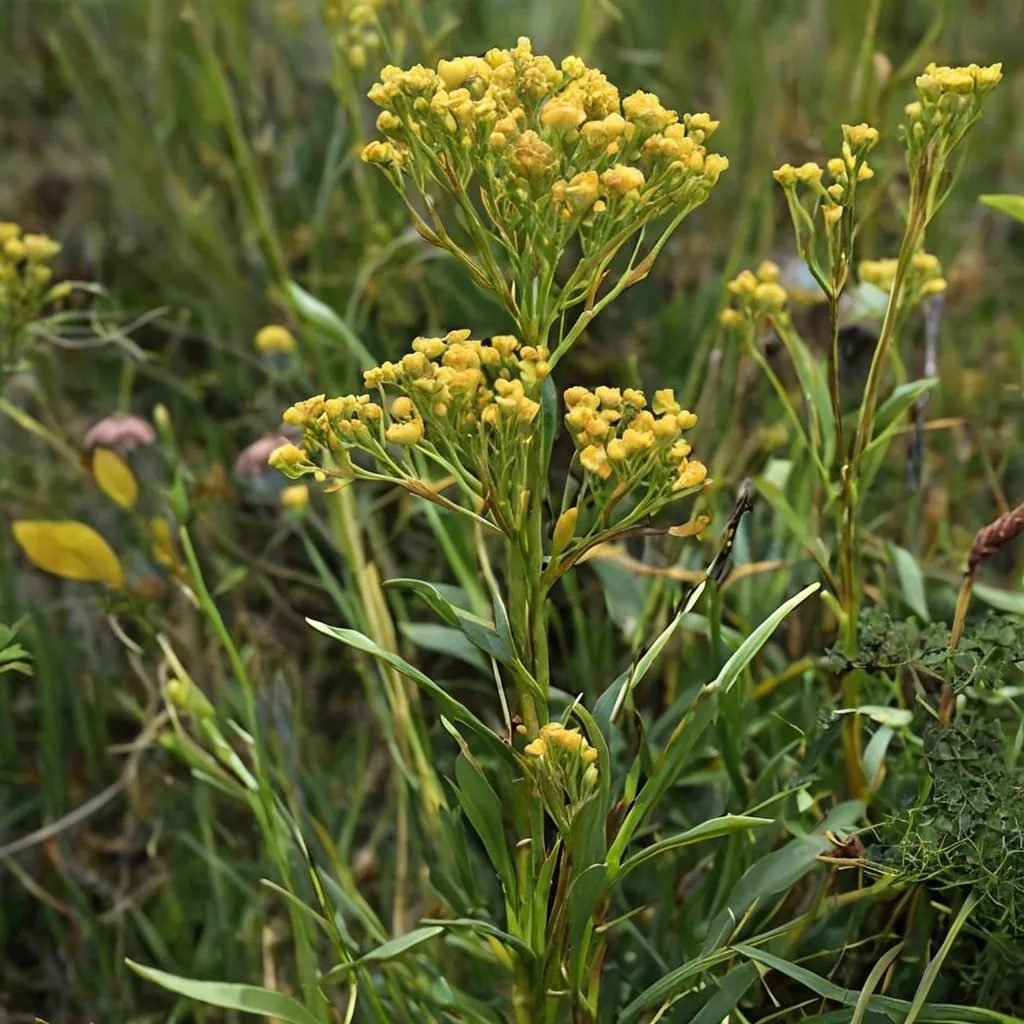
Ohio Goldenrod
Solidago ohioensis
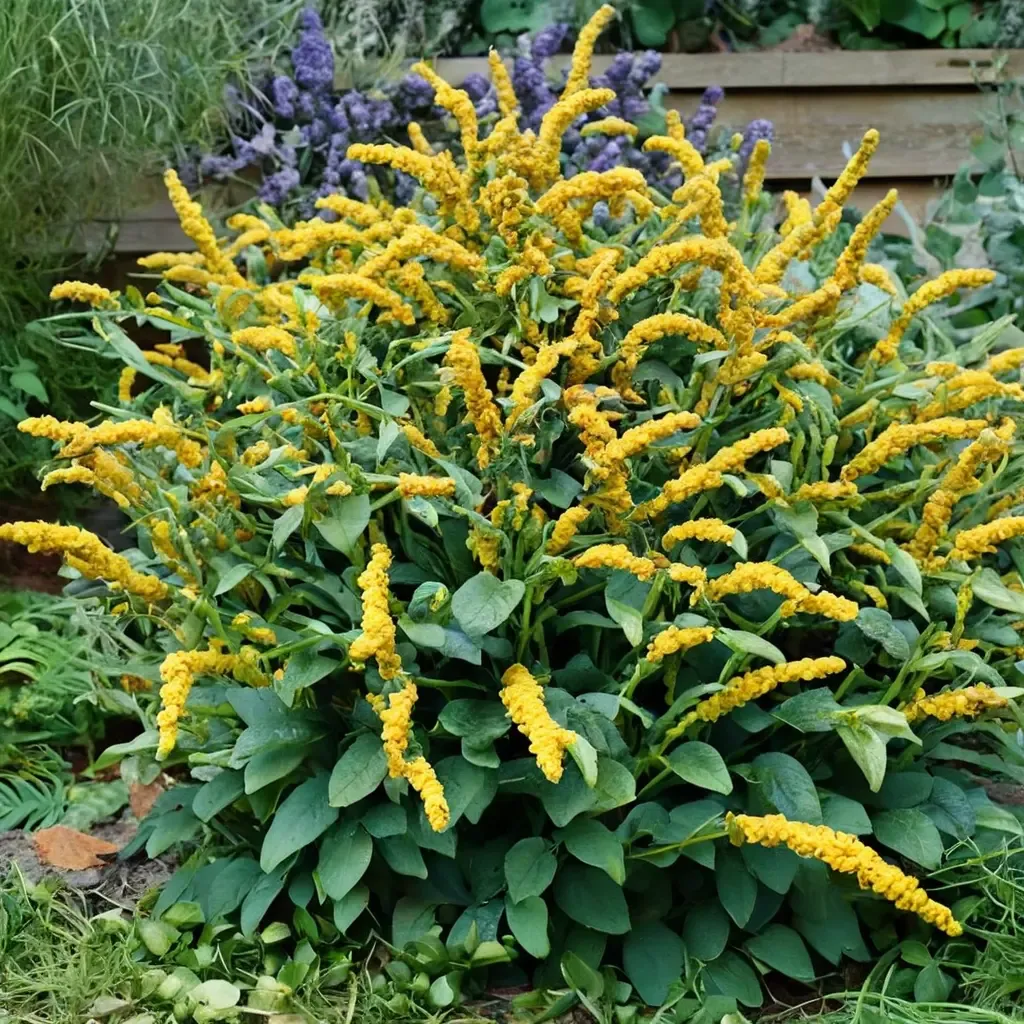
Golden Fleece Solidago Solidago Golden Fleece
Solidago sphacelata 'Golden Fleece'
Keep exploring
Explore the genus
Grow Tall Goldenrod with confidence
See it in a design of your actual yard, get zone-matched care reminders, and track it season by season in your garden journal.