The Story
Plant Bio
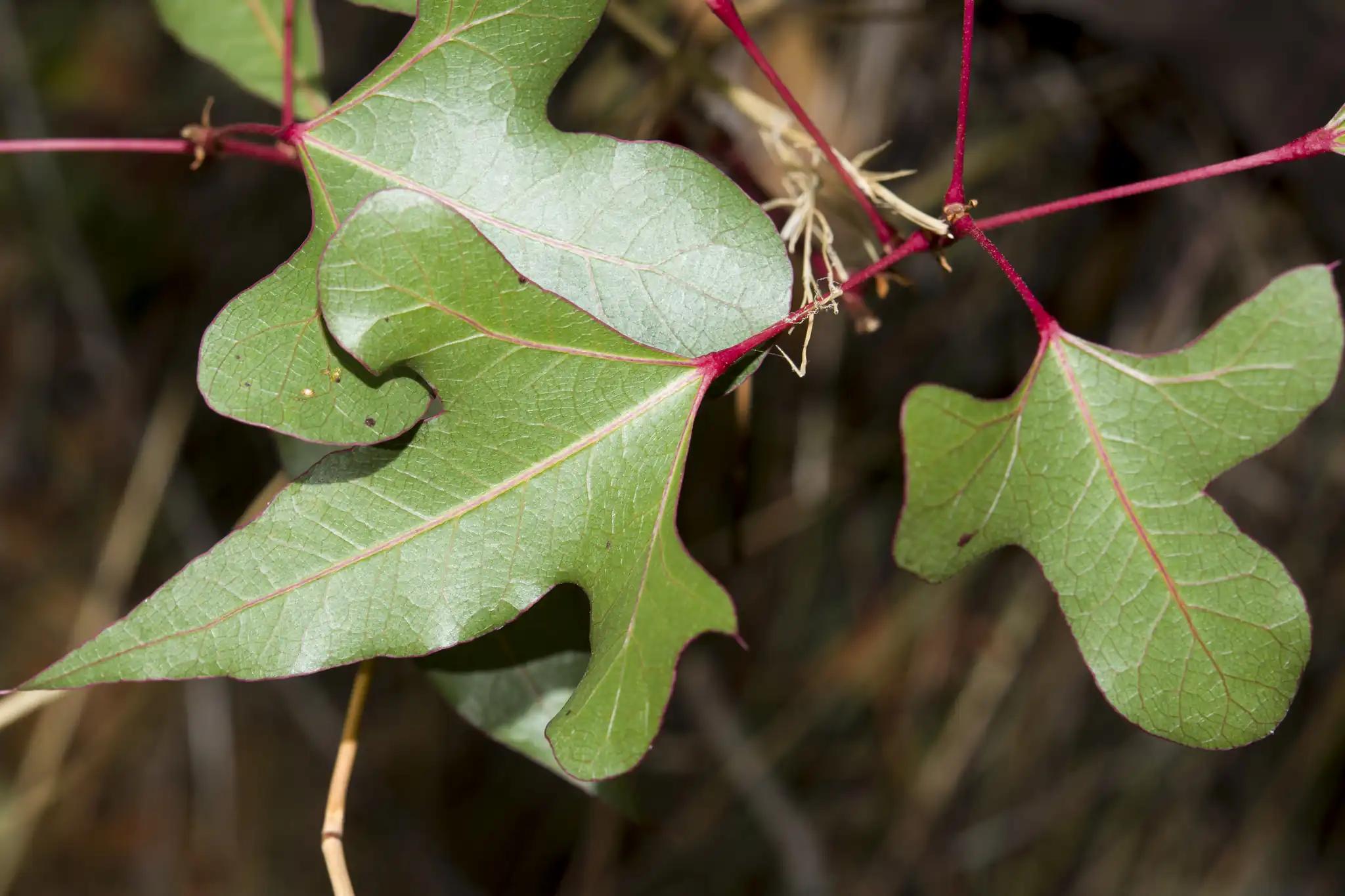
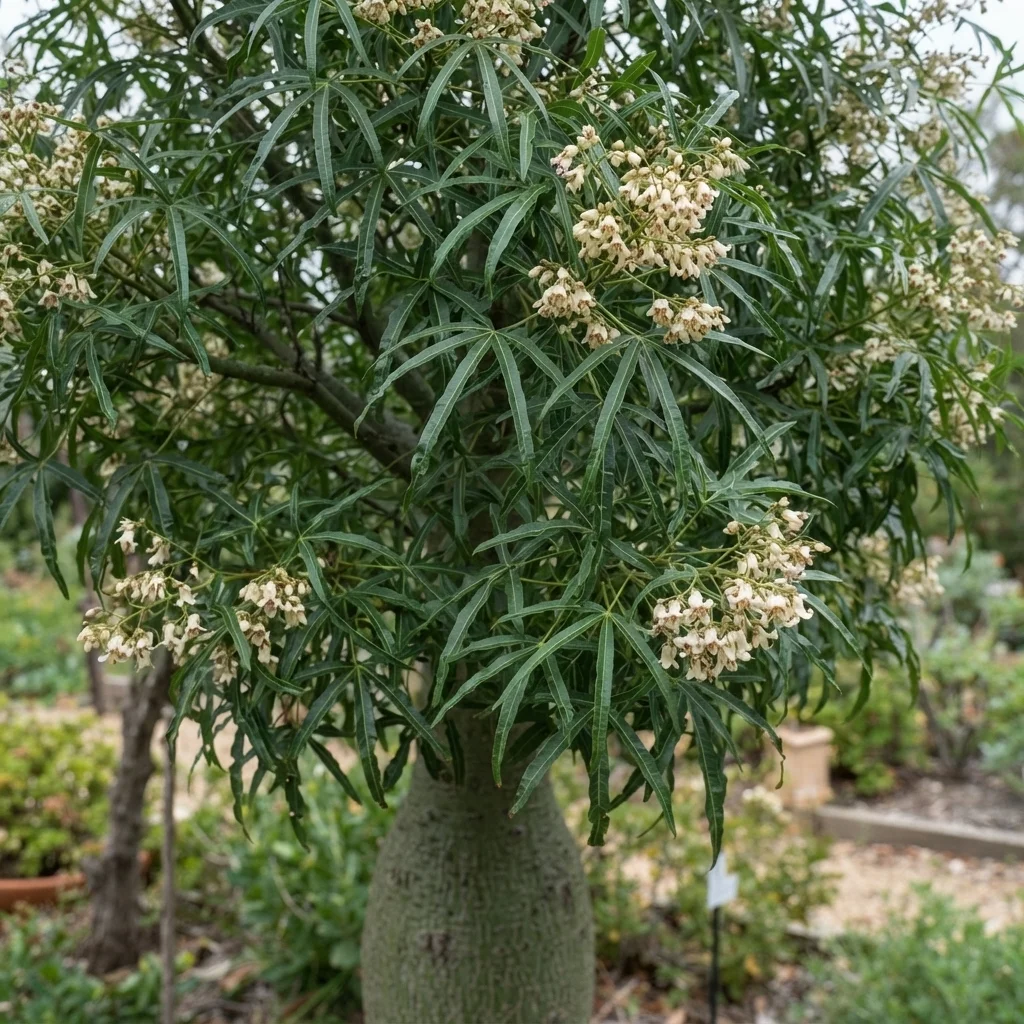
Brachychiton populneus, the kurrajong, is an evergreen Australian tree reaching thirty to sixty-five feet in height, featuring a characteristic swollen, water-storing trunk base that tapers with age. The glossy dark green leaves are highly variable, shifting from deeply lobed shapes on juvenile growth to simple lanceolate forms on mature branches.
The bell-shaped flowers lack true petals, presenting instead as clusters of creamy-white calyces speckled with dark red or purple inside the throat from spring through summer. Large, woody seed pods follow the blooms, containing seeds packed tightly within a layer of fine, irritating hairs.
Uses & Benefits:
Essentials
At a Glance
Plant Type
Tree
Height
787"
Width
394"
Light
Full Sun, Partial Sun
Zones
9, 10
Water
Low
Humidity
Low to Moderate
Lifespan
Long-lived
Native To
Australia
Toxicity
Seeds toxic to livestock in large quantities; seed pods contain irritating hairs
Bloom period
Spring – Summer
In flower about 6 months of the year
Planting
How to Grow
- Select a planting site in full sun to partial shade with highly permeable, well-draining soil.
- Dig a hole twice as wide as the root ball but no deeper, ensuring the trunk flare sits level with the surrounding soil.
- Water deeply immediately after planting to settle the soil, then establish a deep, infrequent watering schedule.
- Apply a thin layer of organic mulch around the root zone, keeping it several inches away from the trunk base to prevent rot.
Pro Tip
Avoid cutting heavy structural limbs back into old, leafless wood, as the tree fails to resprout cleanly from inactive tissue; always wear heavy gloves when handling the woody seed pods to prevent skin irritation from the internal fibers.
Keep It Thriving
Care Guide
Do
- Wear thick gloves and eye protection when collecting or cleaning up fallen seed pods.
- Ensure the soil dries out completely between waterings once the tree is established.
- Protect young saplings from browsing deer and rabbits with physical cages.
Don't
- Do not plant in low-lying areas prone to standing water or prolonged waterlogging.
- Do not prune heavily into old, thick, leafless wood.
- Do not over-fertilize, though standard slow-release formulas are tolerated without issue.
Seasonal Care Calendar
| Task | Jan | Feb | Mar | Apr | May | Jun | Jul | Aug | Sep | Oct | Nov | Dec |
|---|---|---|---|---|---|---|---|---|---|---|---|---|
| Fertilize | ||||||||||||
| Pest Check | ||||||||||||
| Prune | ||||||||||||
| Winter Prep |
Watch Out For
Pests & Diseases
Common Pests
Common Diseases
In the Garden
Landscape Uses & Companions
Landscape Uses
Companion Plants
Multiply
Propagation Methods
Good to Know
Common Questions
Kurrajong questions
What zones can Kurrajong grow in?
Kurrajong is hardy in USDA Zones 9–10. Inside that range it survives winter in the ground; outside it, grow it as an annual or a container plant you protect.
Is Kurrajong deer resistant?
Not reliably. Deer may browse Kurrajong, especially tender spring growth — plan on repellents or fencing where pressure is high.
When does Kurrajong bloom?
Kurrajong typically blooms in spring through summer. Exact timing shifts a week or two with your zone — Sow's bloom calendar maps it to your garden.
Does Kurrajong need full sun?
Kurrajong does best in full sun to part shade. In hot climates, afternoon shade keeps blooms fresher longer.
Is Kurrajong drought tolerant?
Yes — once established (usually after the first full season), Kurrajong handles dry spells with minimal watering. Water deeply its first year to build the root system that makes that possible.
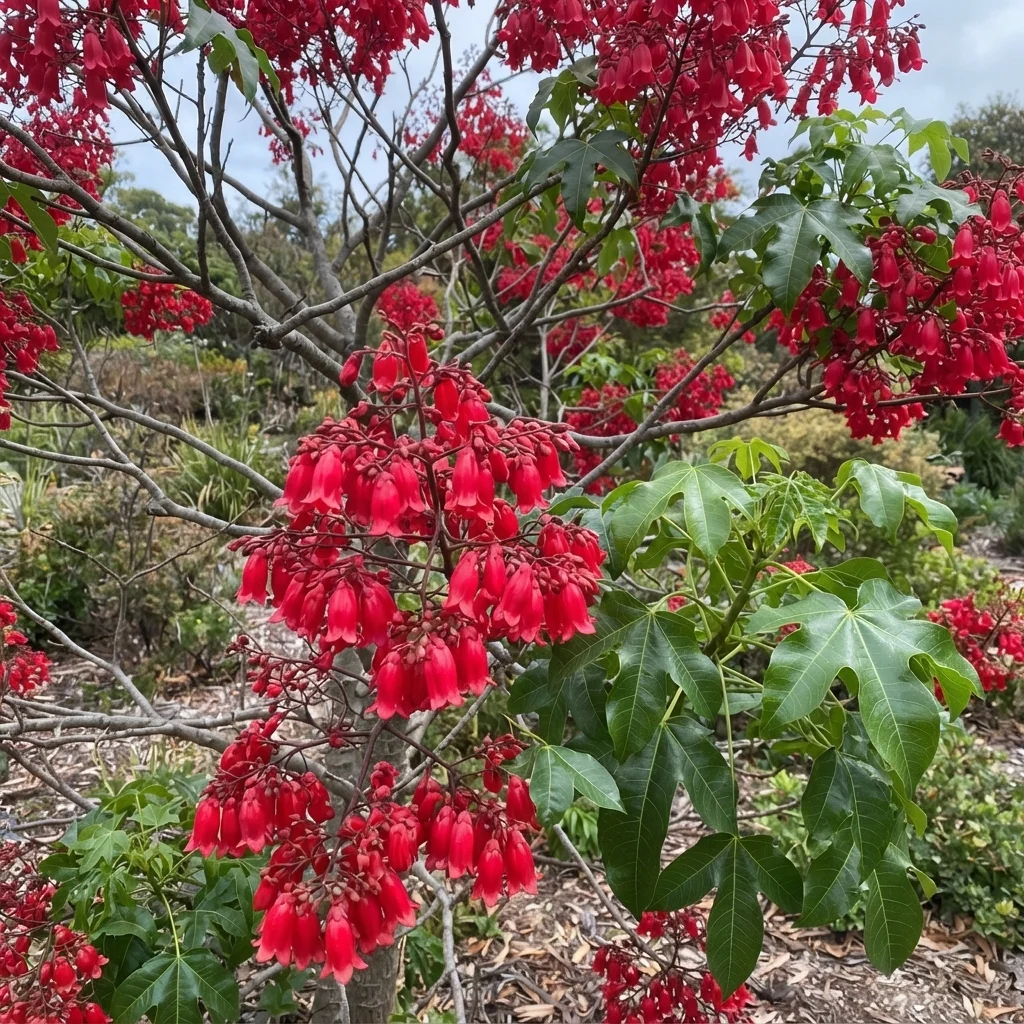
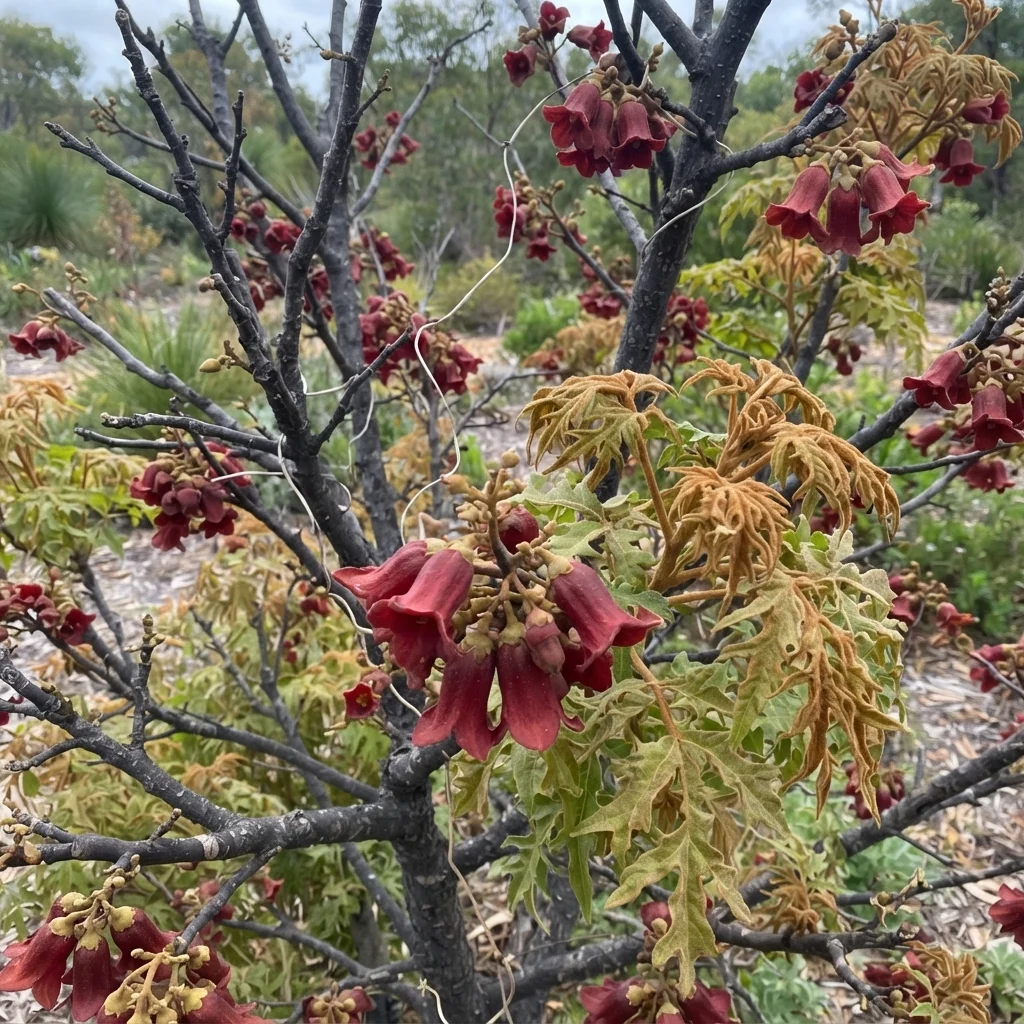
More Brachychiton to compare
Keep exploring
Explore the genus
Hardy in your zone?
Grow Kurrajong with confidence
See it in a design of your actual yard, get zone-matched care reminders, and track it season by season in your garden journal.