The Story
Plant Bio
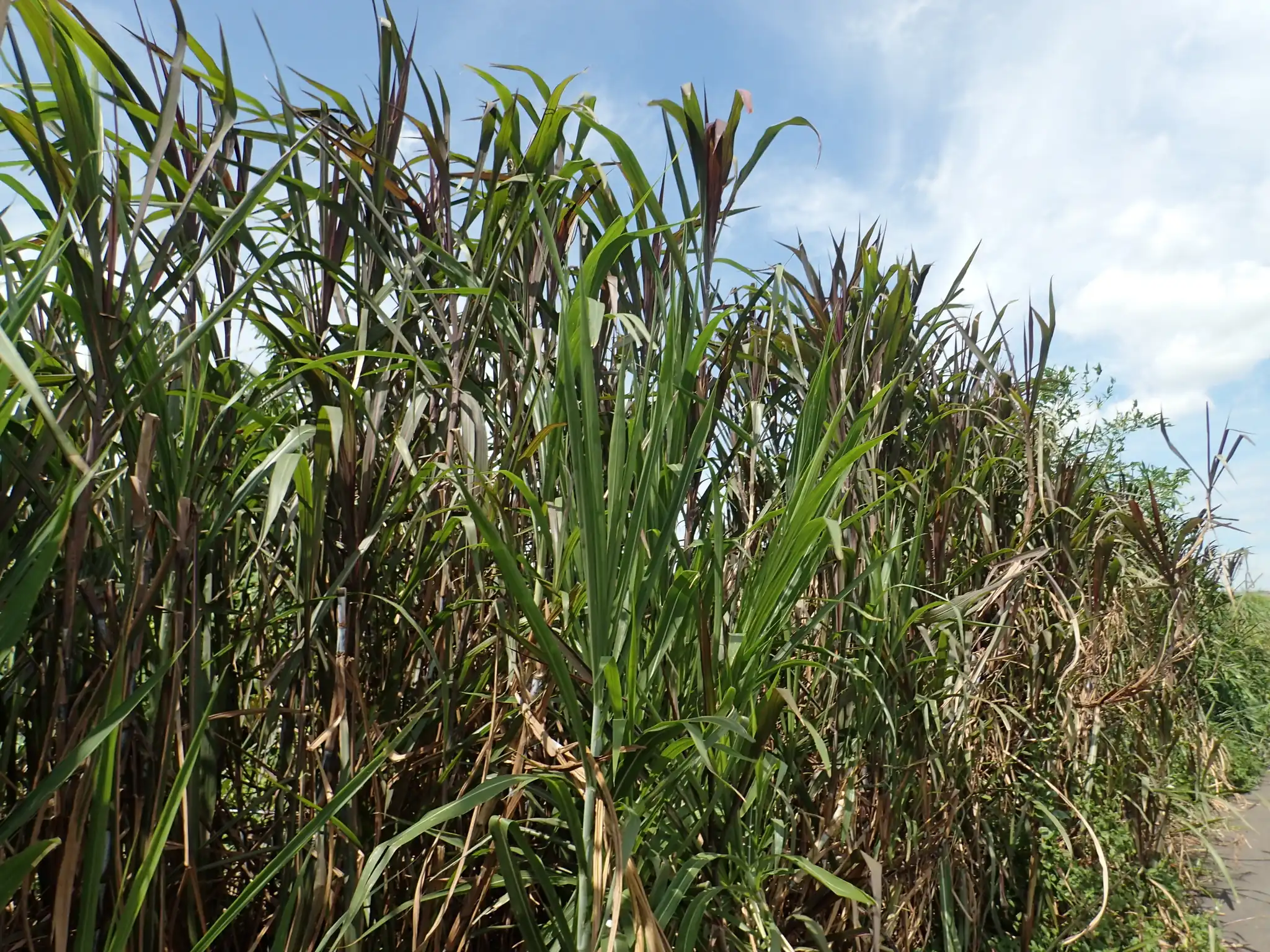
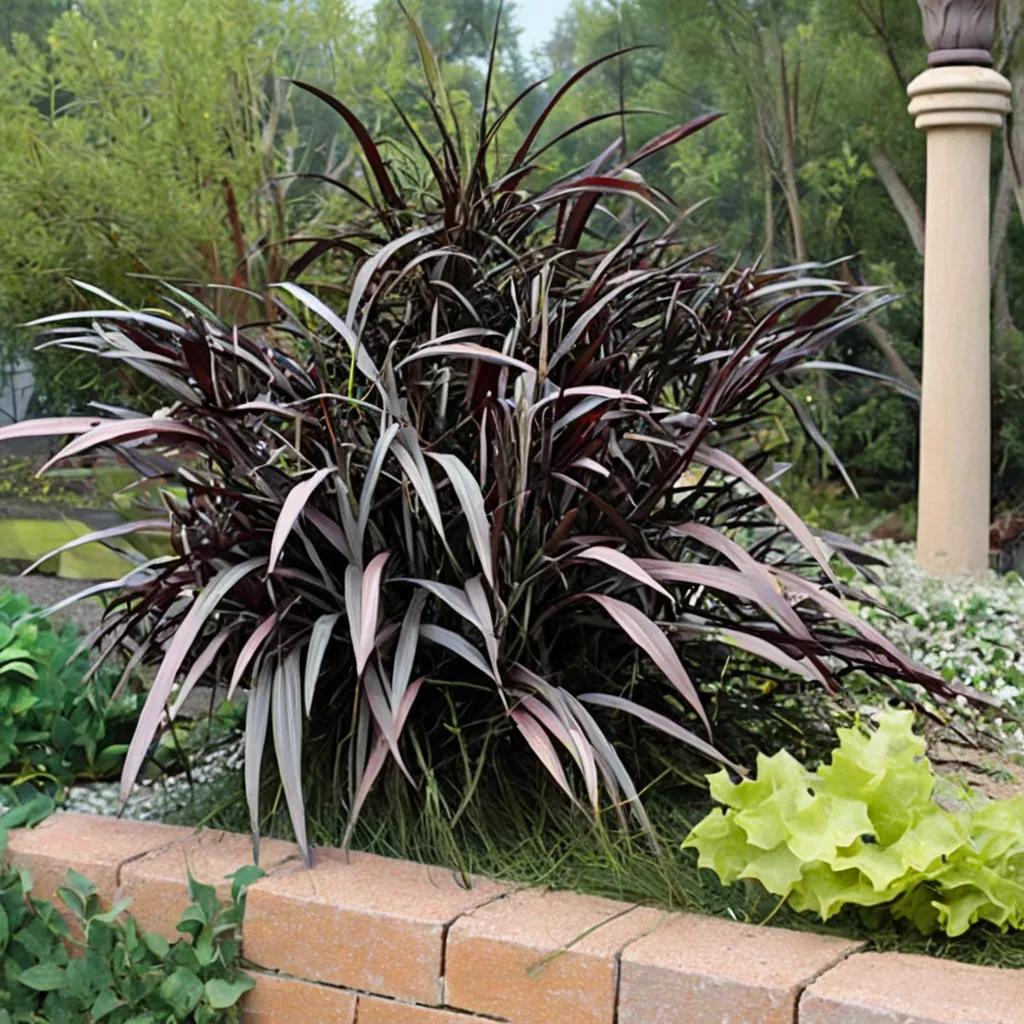
Pennisetum purpureum, elephant grass or napier grass, is a warm-season perennial grass from Africa, forming upright clumps four to six feet high and three to five across in a single season. The broad arching blades are green or, in the widely grown selections, deep burgundy-purple. Yellow-brown flower spikes appear in October where the season is long enough.
It sets seed and spreads invasively in warm-winter regions, and is a listed problem plant in parts of the southeastern United States and Hawaii. North of zone 8 it is grown as an annual and killed by frost long before it flowers, which is the simplest safeguard; further south, choose a sterile ornamental selection.
Uses & Benefits:
Essentials
At a Glance
Plant Type
Grass
Height
60"
Width
36"
Light
Full Sun, Partial Sun
Zones
9, 10
Water
Medium
Humidity
Average
Lifespan
Perennial, often grown as an annual
Native To
Africa
Toxicity
Non-toxic
Planting
How to Grow
- Plant out after the last frost in full sun.
- Choose average, well-drained soil.
- Allow at least four feet of space per plant.
- Water regularly through the first weeks.
- Feed once in early summer to drive growth.
- Cut to the ground in autumn, or lift in cold regions.
Pro Tip
Grown as an annual it makes its full height in one season, so plant small and cheap rather than paying for a large specimen.
Keep It Thriving
Care Guide
Do
- Give it full sun and plenty of room ☀️
- Grow it as an annual north of zone 8 🍂
- Water it well through establishment 💧
- Choose a sterile selection in warm regions 🌾
Don't
- Let it flower and seed in a warm-winter climate ❌
- Crowd it against smaller plants ❌
- Plant it near wetlands or natural areas ❌
Seasonal Care Calendar
| Task | Jan | Feb | Mar | Apr | May | Jun | Jul | Aug | Sep | Oct | Nov | Dec |
|---|---|---|---|---|---|---|---|---|---|---|---|---|
| Cut Back | ||||||||||||
| Plant |
Watch Out For
Pests & Diseases
Common Pests
Common Diseases
In the Garden
Landscape Uses & Companions
Landscape Uses
Companion Plants
Multiply
Propagation Methods
Good to Know
Common Questions
Elephant Grass questions
What zones can Elephant Grass grow in?
Elephant Grass is hardy in USDA Zones 9–10. Inside that range it survives winter in the ground; outside it, grow it as an annual or a container plant you protect.
Is Elephant Grass deer resistant?
Yes — Elephant Grass is rated deer-resistant. Deer typically pass it over, though extreme hunger can override any plant's defenses.
When does Elephant Grass bloom?
Elephant Grass typically blooms in mid-fall where the season is long enough through late fall. Exact timing shifts a week or two with your zone — Sow's bloom calendar maps it to your garden.
Does Elephant Grass need full sun?
Elephant Grass does best in full sun to part shade. In hot climates, afternoon shade keeps blooms fresher longer.
Is Elephant Grass drought tolerant?
Yes — once established (usually after the first full season), Elephant Grass handles dry spells with minimal watering. Water deeply its first year to build the root system that makes that possible.
More Pennisetum to compare
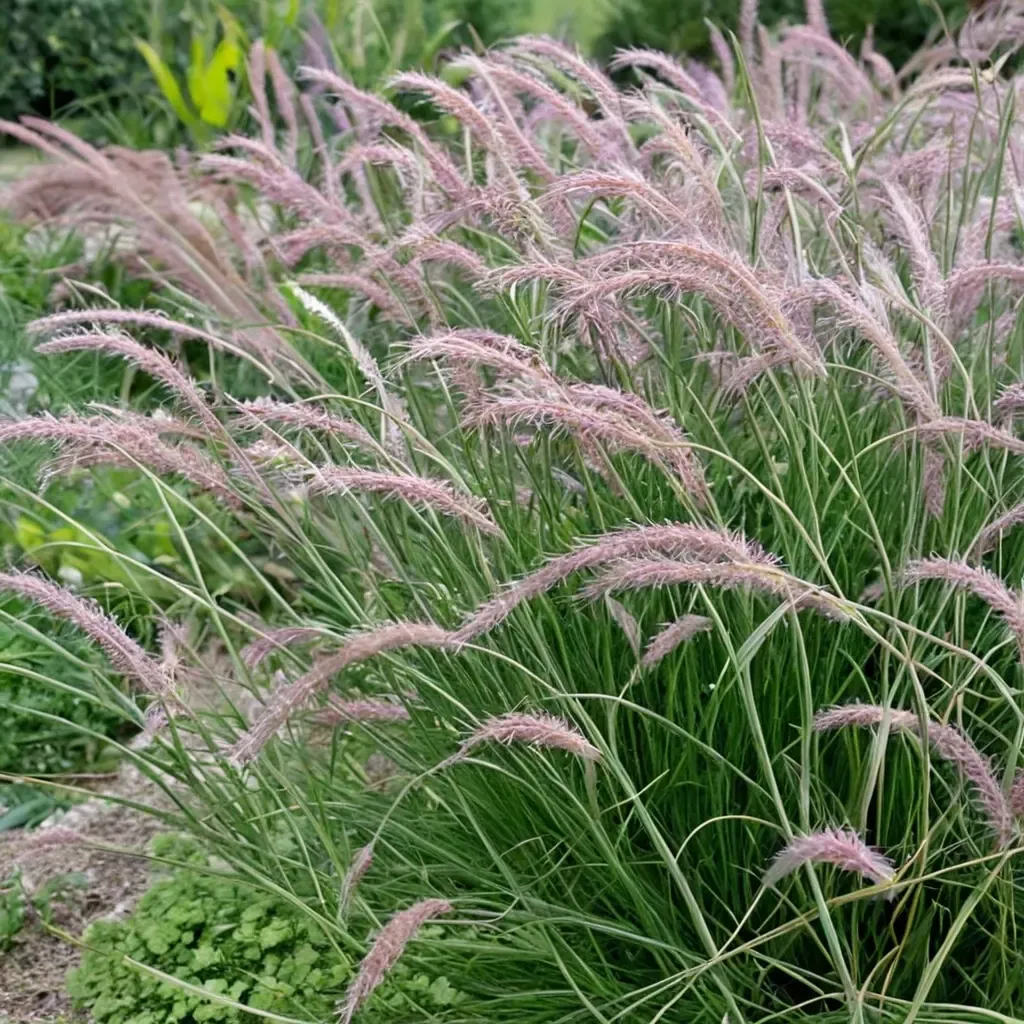
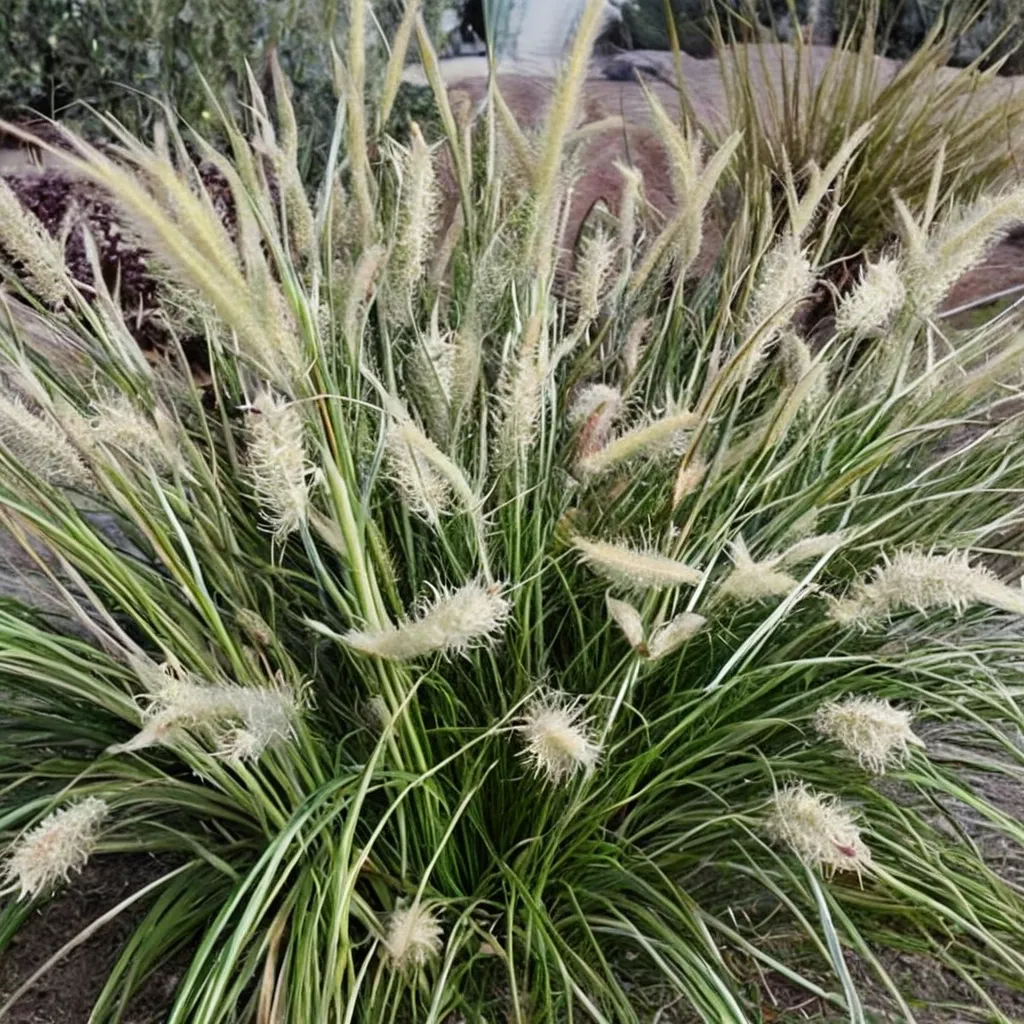
Karley Rose Fountain Grass
Pennisetum orientale 'Karley Rose'
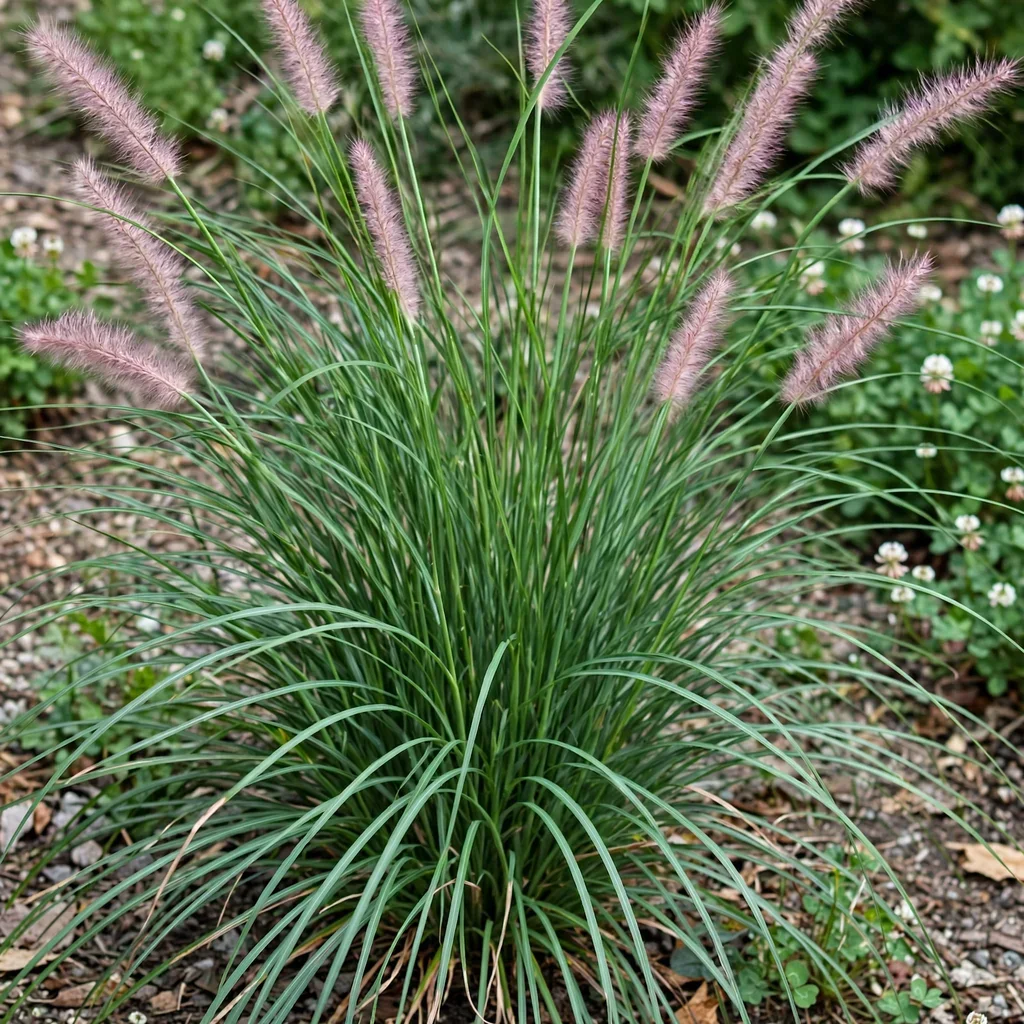
Pauls Giant Fountain Grass
Pennisetum alopecuroides 'Paul's Giant'
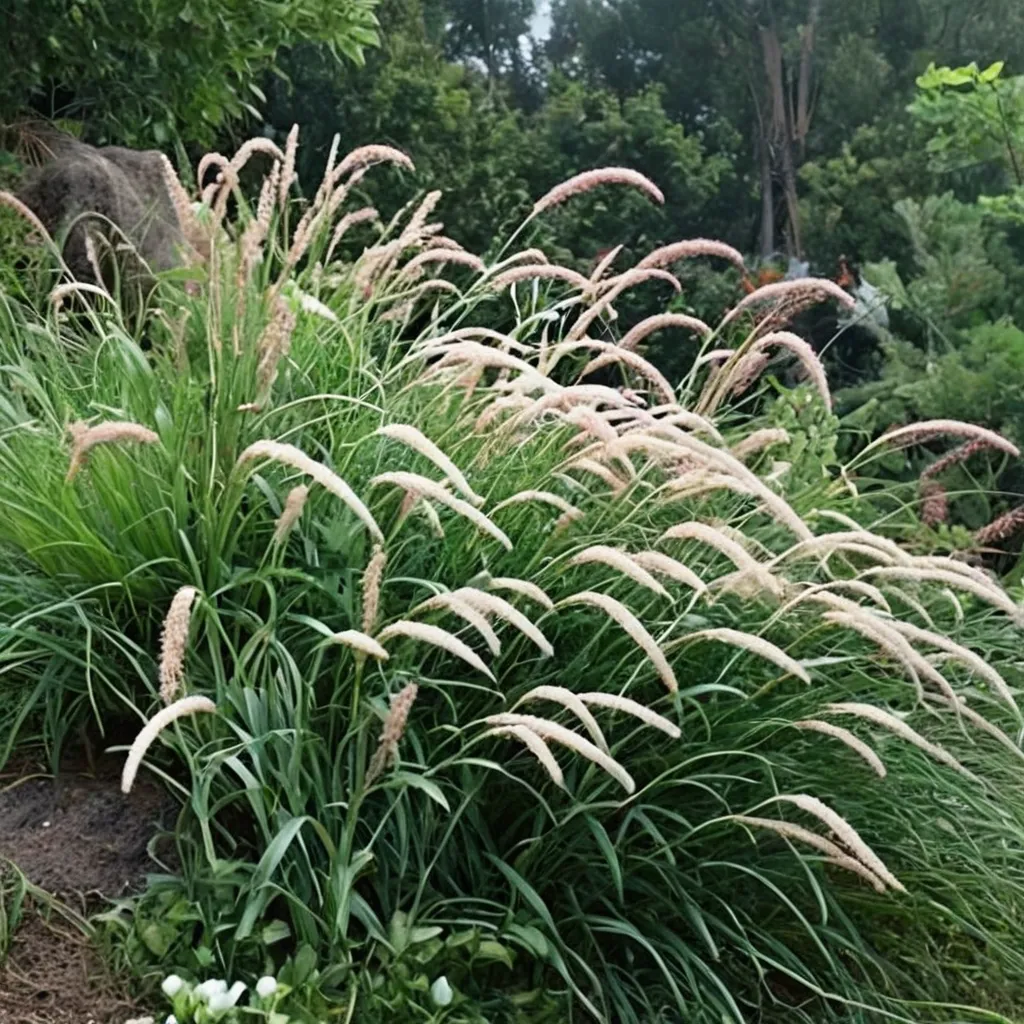
Oriental Fountain Grass
Pennisetum orientale
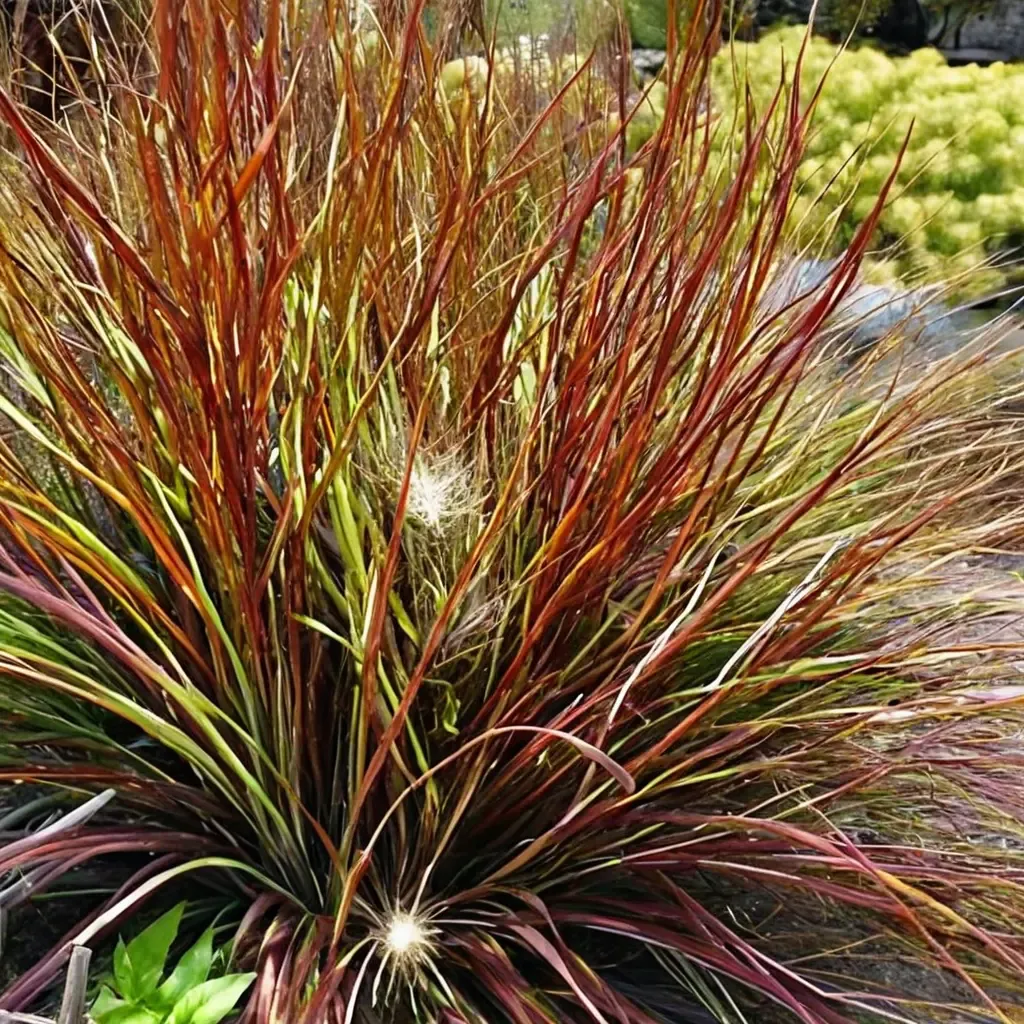
Tall Tails Oriental Fountain Grass
Pennisetum orientale 'Tall Tails'
Burgundy Bunny Fountain Grass
Pennisetum setaceum 'Burgundy Bunny'
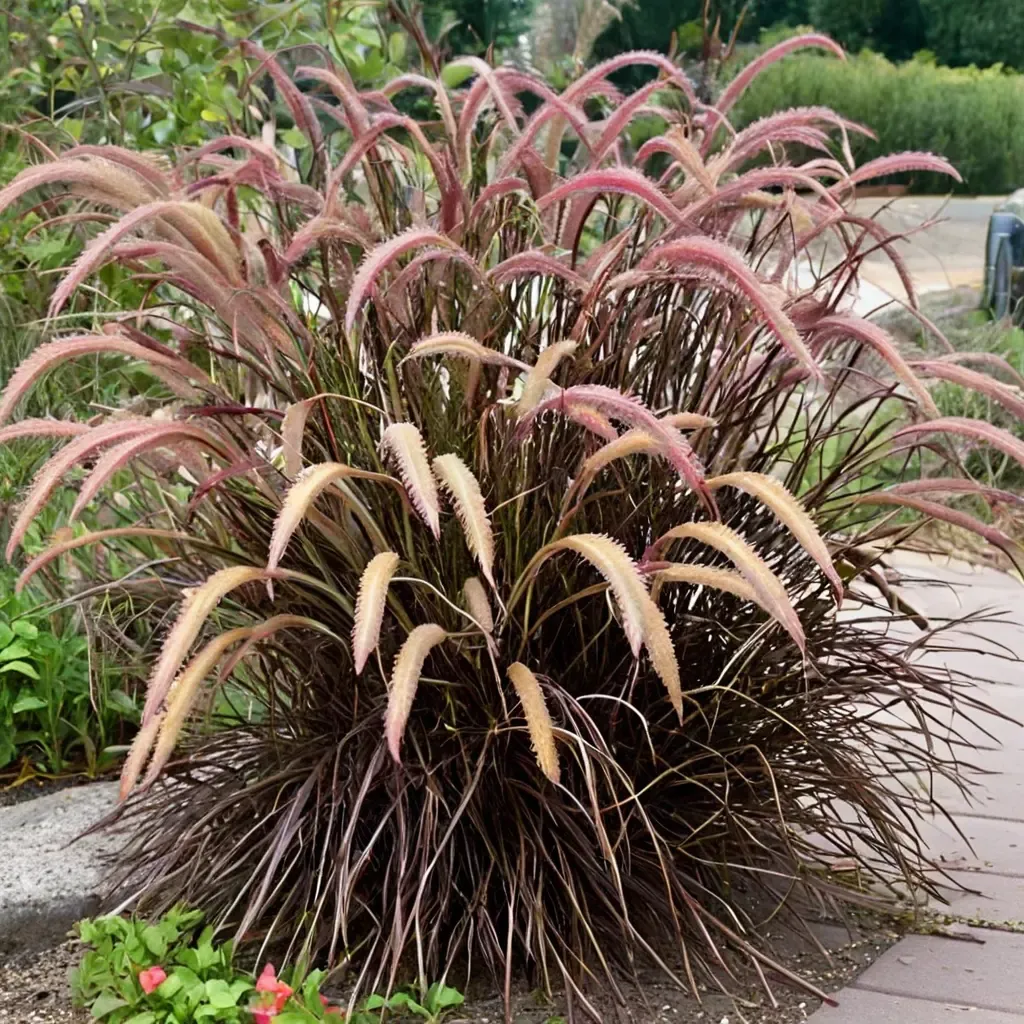
Rubrum Purple Fountain Grass
Pennisetum setaceum 'Rubrum'
Keep exploring
Explore the genus
Hardy in your zone?
Grow Elephant Grass with confidence
See it in a design of your actual yard, get zone-matched care reminders, and track it season by season in your garden journal.