The Story
Plant Bio
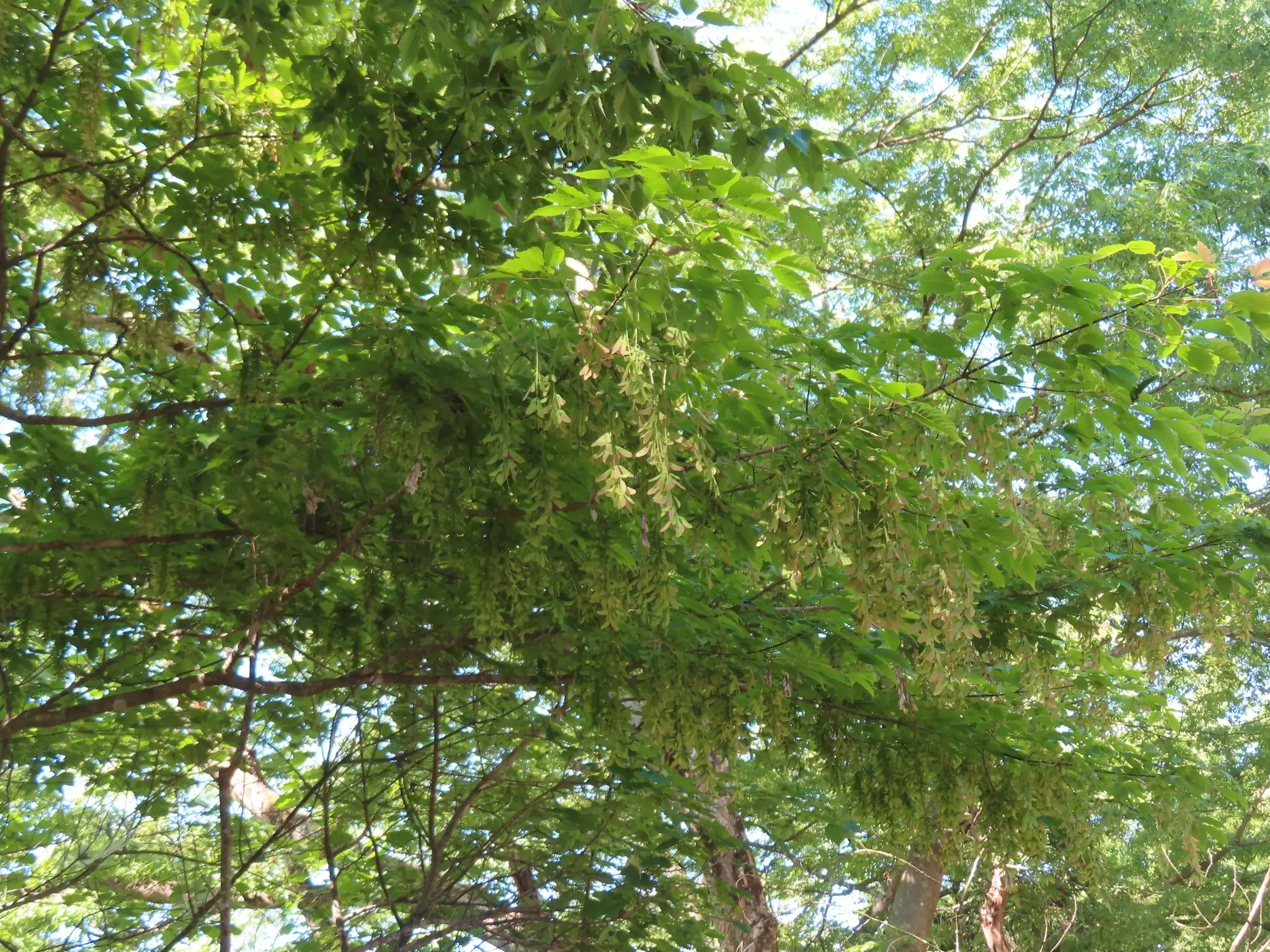
Acer cissifolium, the ivyleaf maple, is a small deciduous tree native to Japan that develops a rounded, spreading crown with a fine texture resembling a Japanese maple. Its trifoliolate compound leaves emerge with a bronze tint in spring, mature to a deep green, and turn vibrant shades of yellow, orange, and red in the fall.
This species is distinguished by its trifoliolate leaves held on slender reddish petioles and its pendulous, yellow-green flower racemes that appear alongside the emerging foliage. Unlike many maples, it maintains a multi-stemmed, low-branching habit that makes it an excellent understory specimen for dappled shade.
Uses & Benefits:
Essentials
At a Glance
Plant Type
Tree
Height
300"
Width
240"
Light
Full Sun, Partial Sun
Zones
5, 6, 7, 8
Water
Medium
Humidity
Moderate
Lifespan
Long-lived
Native To
Japan
Toxicity
Non-toxic
Bloom period
Early spring – Spring
In flower about 3 months of the year
Planting
How to Grow
- Select a planting site with well-drained, acidic to neutral loam that receives full sun or partial shade, preferably protected from strong winds.
- Dig a hole twice as wide as the root ball and of equal depth, ensuring the root flare sits level with or slightly above the surrounding soil.
- Backfill with native soil without adding amendments, tamp down gently to remove air pockets, and water deeply to settle the soil.
- Apply a three-inch layer of organic mulch around the base to retain moisture, keeping the mulch several inches away from the trunk.
Pro Tip
Prune only during late summer or early fall to prevent the heavy sap-bleeding common to maples in spring, and avoid cutting back into old, leafless wood where dormant buds will fail to break.
Keep It Thriving
Care Guide
Do
- Water regularly during dry spells to maintain consistent soil moisture and prevent leaf scorch.
- Provide afternoon shade in hotter climates to protect the delicate foliage from intense sun.
- Apply a balanced, slow-release fertilizer in early spring if growth appears sluggish.
Don't
- Do not plant in heavy, poorly drained clay or areas prone to standing water.
- Do not prune in winter or spring, as this causes excessive sap bleeding.
- Do not cut back heavily into old, bare wood where new buds cannot form.
Seasonal Care Calendar
| Task | Jan | Feb | Mar | Apr | May | Jun | Jul | Aug | Sep | Oct | Nov | Dec |
|---|---|---|---|---|---|---|---|---|---|---|---|---|
| Fertilize | ||||||||||||
| Mulch | ||||||||||||
| Pest Check | ||||||||||||
| Prune |
Watch Out For
Pests & Diseases
Common Pests
Common Diseases
In the Garden
Landscape Uses & Companions
Landscape Uses
Companion Plants
Multiply
Propagation Methods
Good to Know
Common Questions
Ivyleaf Maple questions
What zones can Ivyleaf Maple grow in?
Ivyleaf Maple is hardy in USDA Zones 5–8. Inside that range it survives winter in the ground; outside it, grow it as an annual or a container plant you protect.
Is Ivyleaf Maple deer resistant?
Not reliably. Deer may browse Ivyleaf Maple, especially tender spring growth — plan on repellents or fencing where pressure is high.
When does Ivyleaf Maple bloom?
Ivyleaf Maple typically blooms in early spring through spring. Exact timing shifts a week or two with your zone — Sow's bloom calendar maps it to your garden.
Does Ivyleaf Maple need full sun?
Ivyleaf Maple does best in full sun to part shade. In hot climates, afternoon shade keeps blooms fresher longer.
More Acer to compare
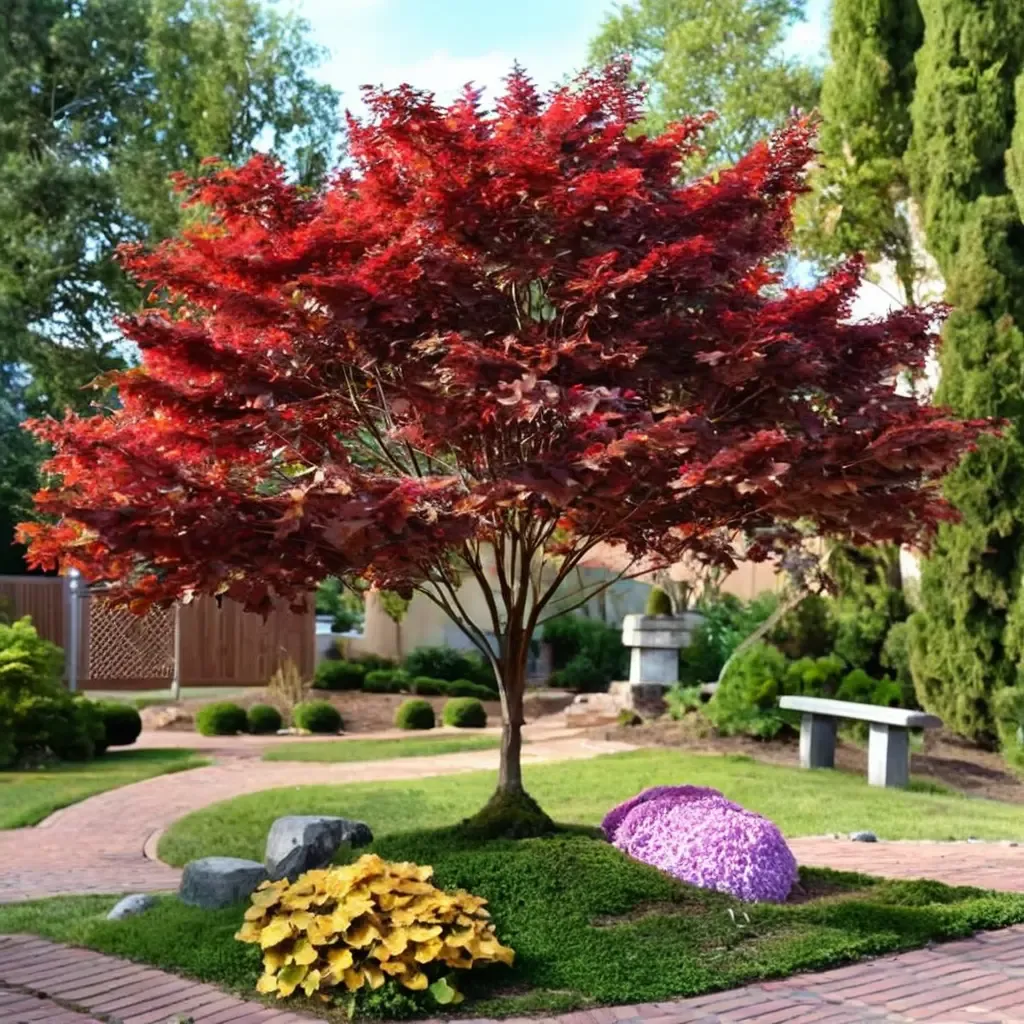
Bloodgood Japanese Maple
Acer palmatum 'Bloodgood'
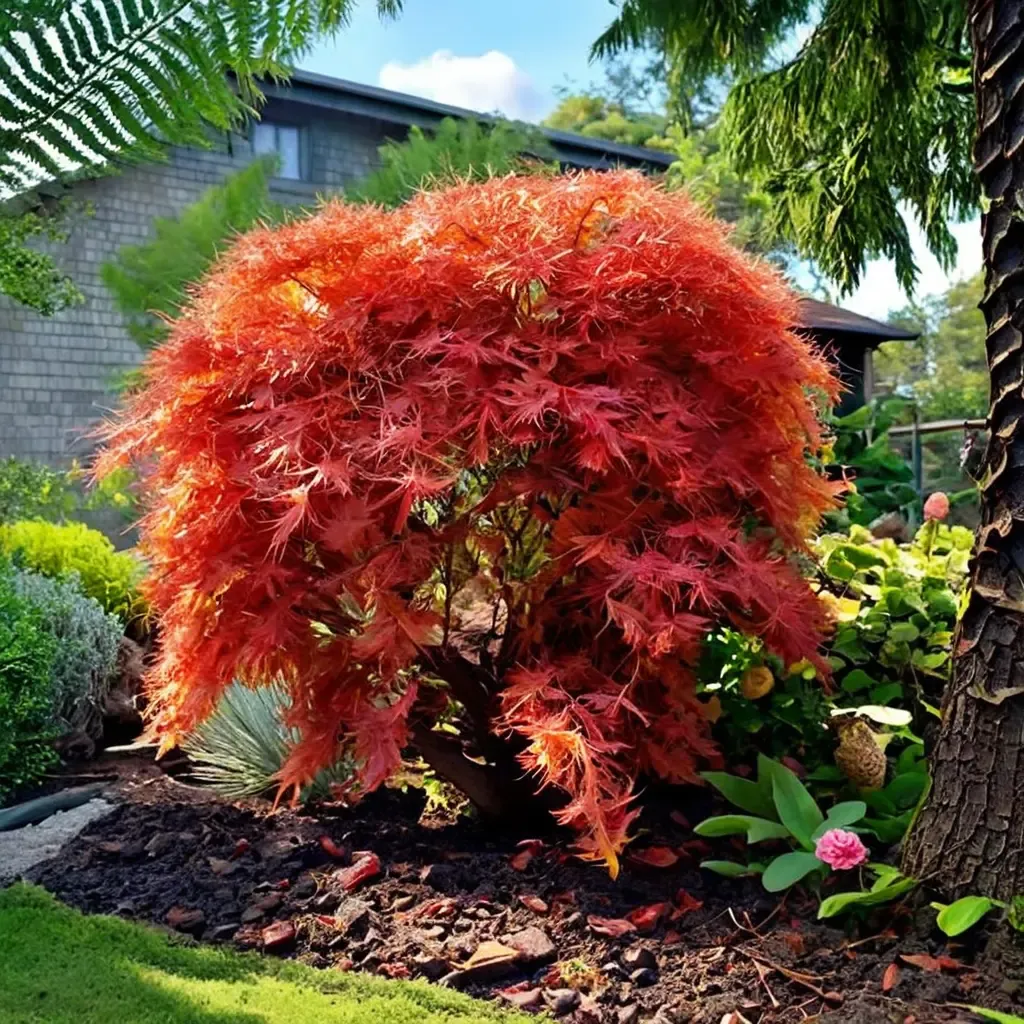
Orangeola Japanese Maple
Acer palmatum 'Orangeola'
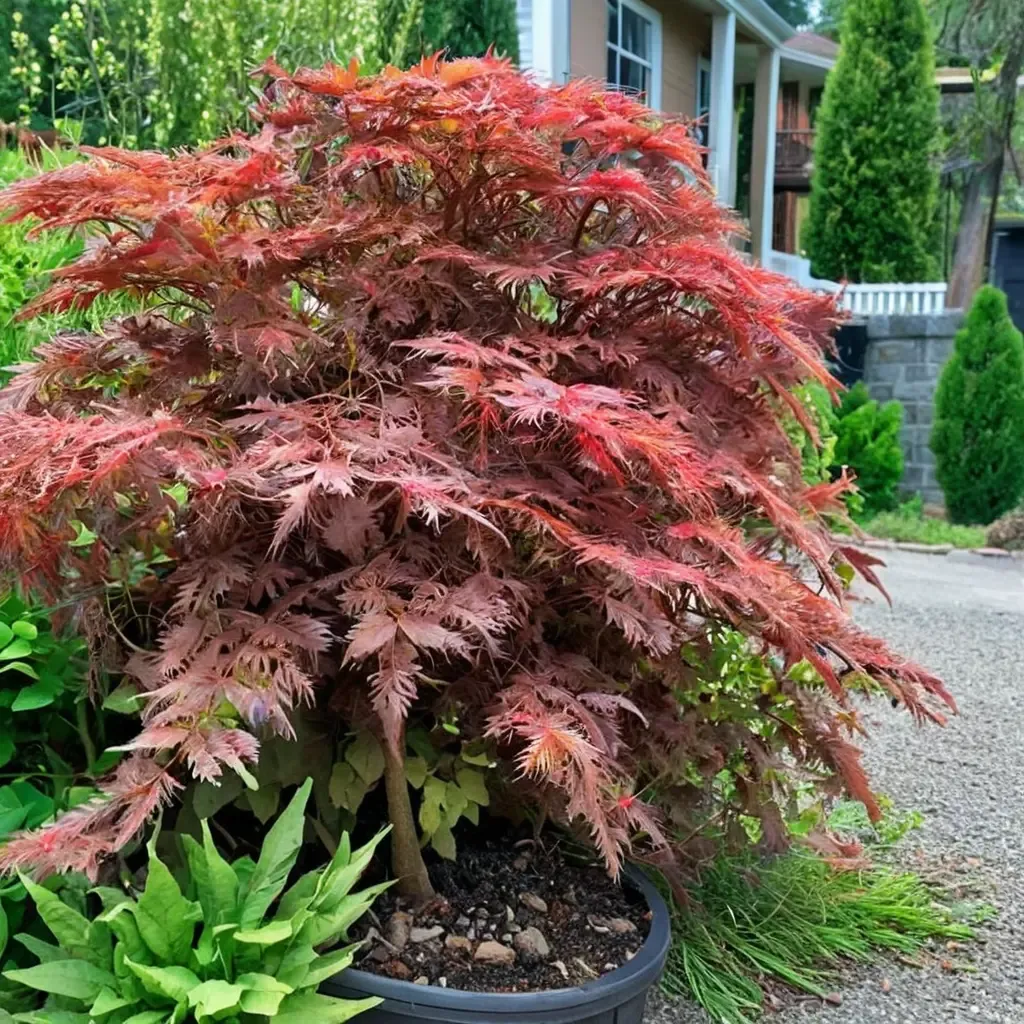
Crimson Queen Japanese Maple
Acer palmatum 'Crimson Queen'
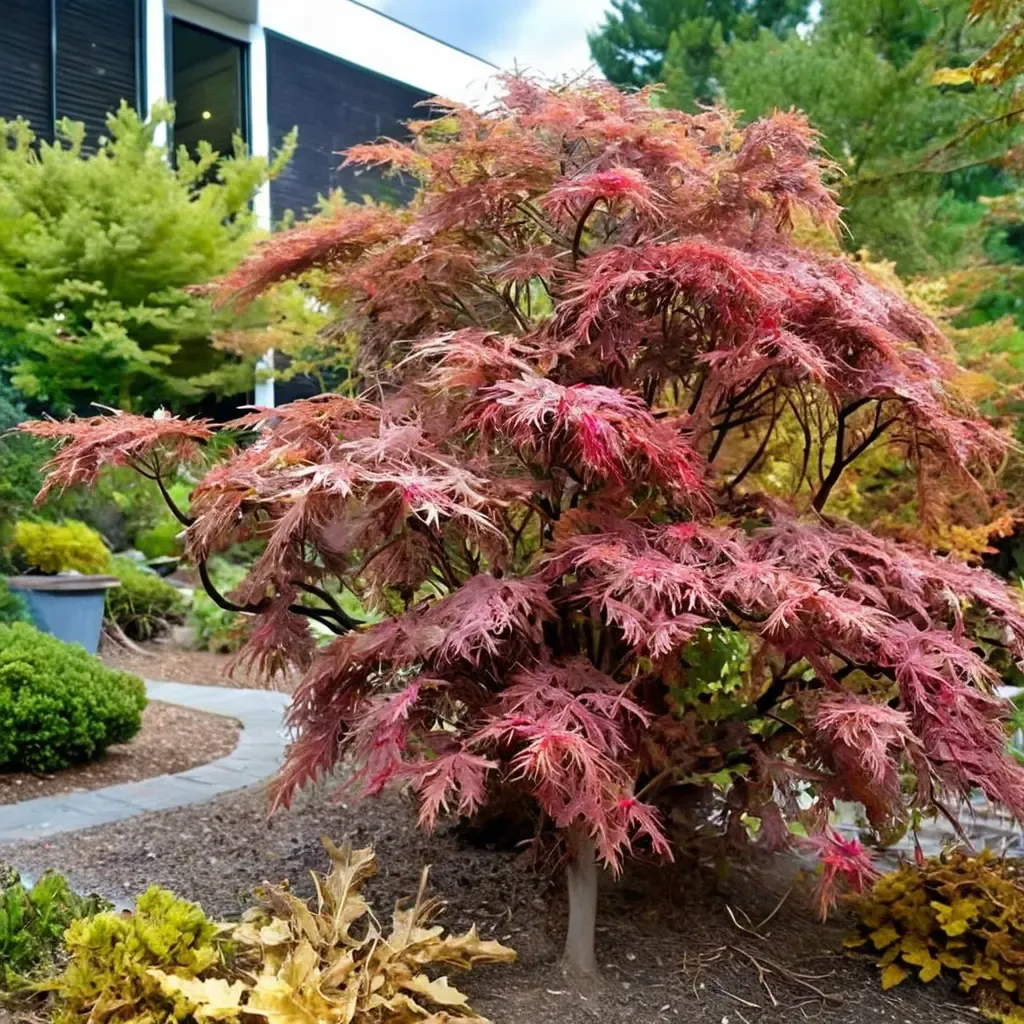
Weeping Japanese Maple
Acer palmatum 'Shidare'
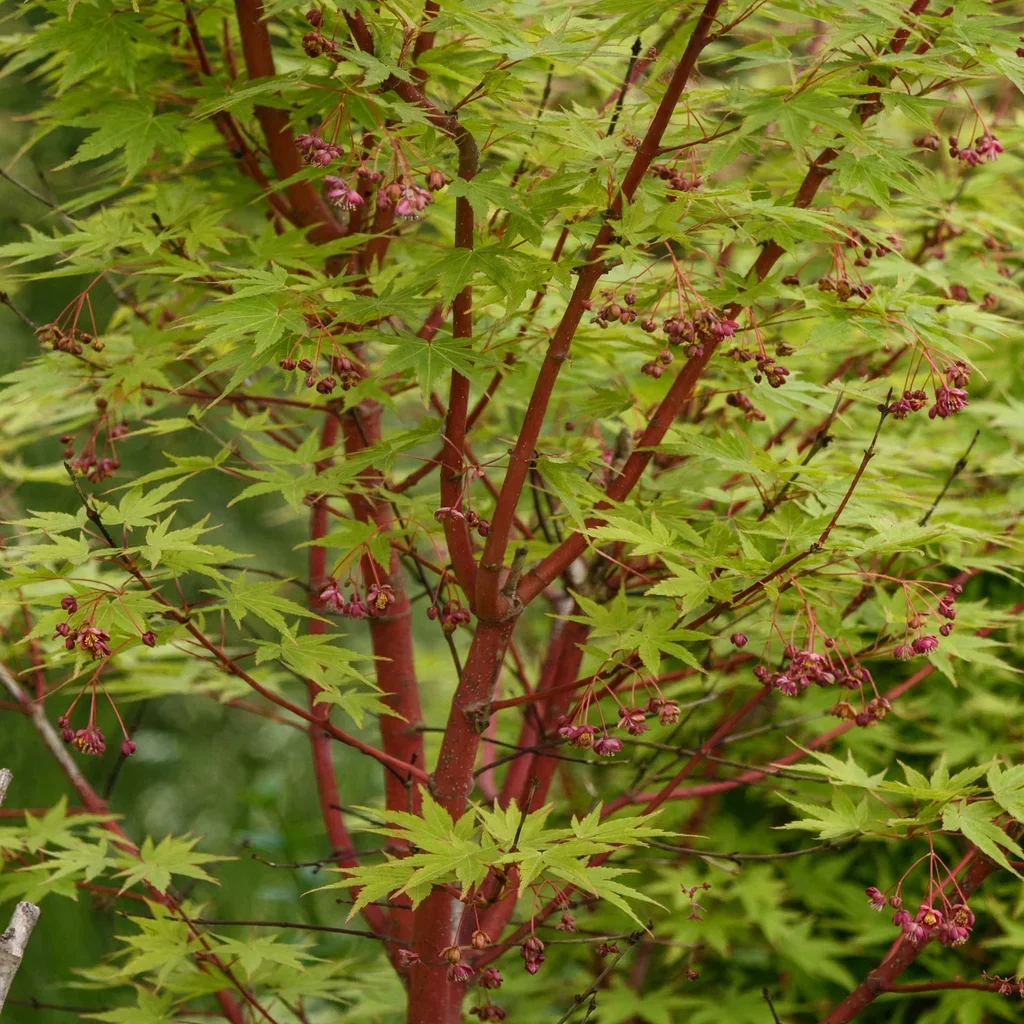
Coral Bark Maple
Acer palmatum 'Sango-Kaku'
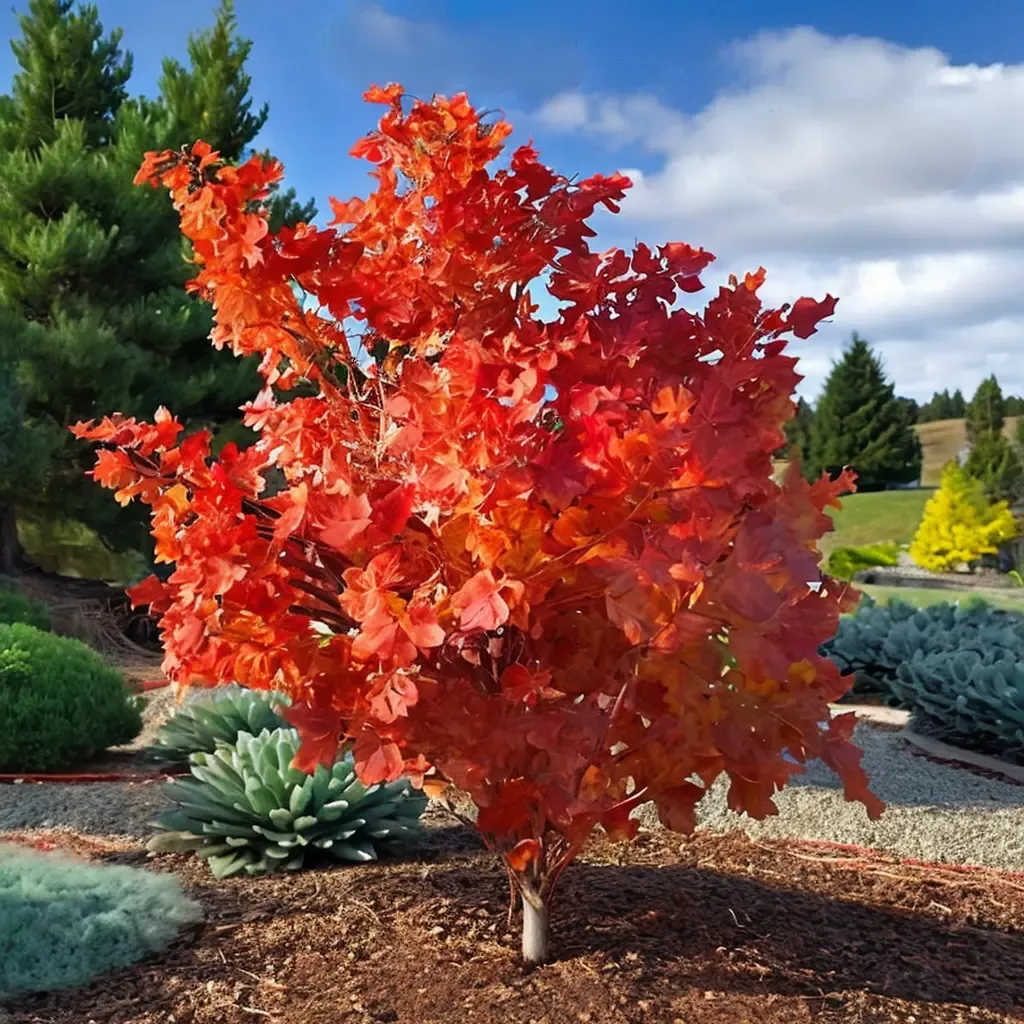
Final Fire Japanese Maple
Acer palmatum 'Final Fire'
Keep exploring
Explore the genus
Hardy in your zone?
Grow Ivyleaf Maple with confidence
See it in a design of your actual yard, get zone-matched care reminders, and track it season by season in your garden journal.