

The Story
Plant Bio
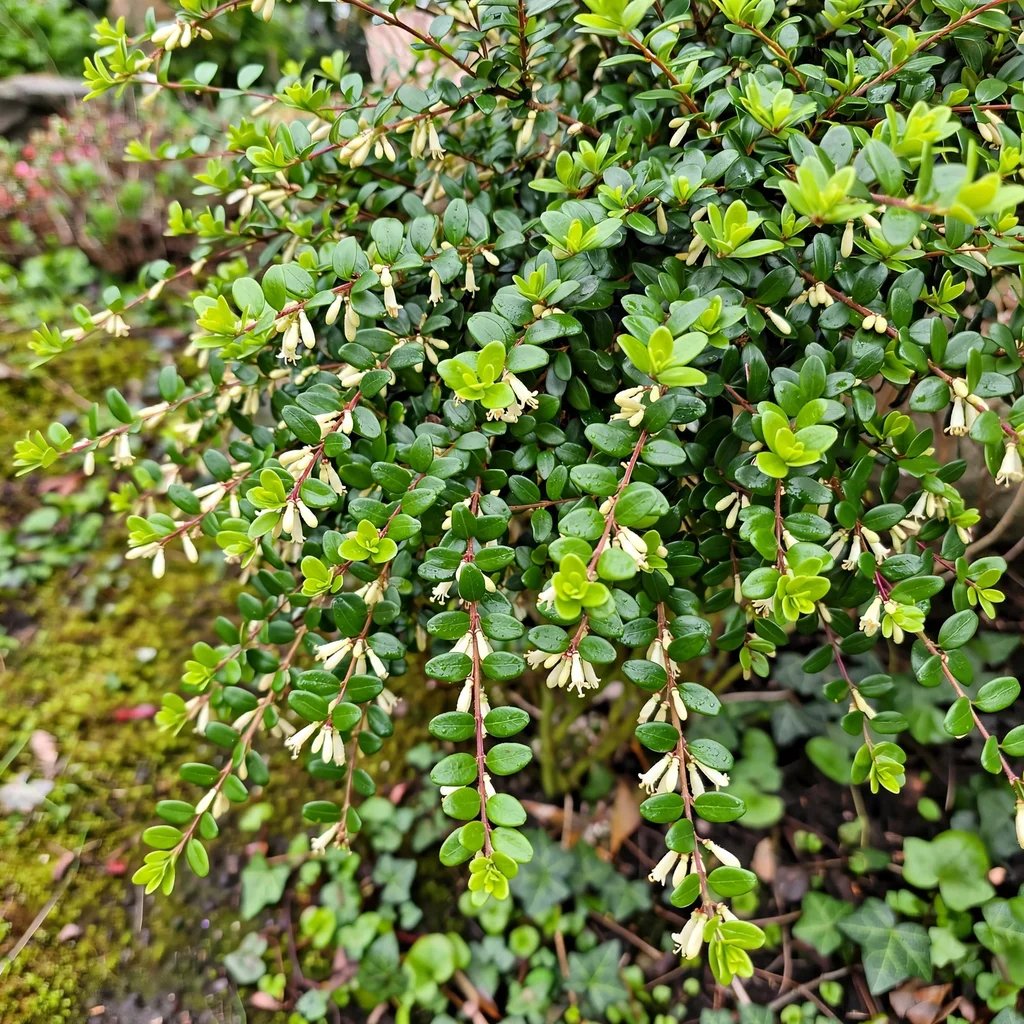
Lonicera nitida is a dense, evergreen to semi-evergreen shrub native to the streamsides and scrub of western China. The species features tiny, glossy dark green leaves on tightly branched, overlapping stems that resemble a miniature haystack.
'Maigrün' is distinguished by its compact, low-spreading form that reaches two to three feet in height when pruned. The cultivar is named for its vibrant, bright pale green new growth that emerges in spring before maturing to deep green.
Uses & Benefits:
Essentials
At a Glance
Plant Type
Shrub
Height
36"
Width
48"
Light
Full Sun, Partial Sun
Zones
7, 8, 9
Water
Moderate
Humidity
Moderate
Lifespan
Multi-year
Native To
China
Toxicity
Mildly toxic if ingested
Bloom period
Mid spring – Late spring
In flower about 2 months of the year
Planting
How to Grow
- Select a planting site in full sun to partial shade with well-drained soil, ensuring protection from harsh afternoon sun in hot summer climates.
- Dig a hole twice as wide as the root ball and set the plant at the same depth it was growing in the container.
- Backfill with native soil, press firmly to eliminate air pockets, and water thoroughly to settle the roots.
- Apply a light layer of organic mulch around the base to retain moisture, keeping it clear of the main stems.
Pro Tip
Shear the shrub two to three times between spring and fall to maintain a tight, formal shape; leaving it unpruned causes the layered branches to flop and lose their dense, compact structure.
Keep It Thriving
Care Guide
Do
- Prune regularly from spring to fall to maintain a dense, compact hedge or topiary form.
- Water deeply but infrequently once established, allowing the soil to dry slightly between waterings.
- Apply a light application of balanced, slow-release fertilizer in early spring.
Don't
- Do not plant in poorly drained, waterlogged soils, as standing water quickly induces root rot.
- Avoid overhead watering to minimize the risk of powdery mildew and fungal leaf spots.
- Do not allow the plant to go completely unpruned if a tidy, structured appearance is desired.
Seasonal Care Calendar
| Task | Jan | Feb | Mar | Apr | May | Jun | Jul | Aug | Sep | Oct | Nov | Dec |
|---|---|---|---|---|---|---|---|---|---|---|---|---|
| Fertilize | ||||||||||||
| Pest Check | ||||||||||||
| Propagate | ||||||||||||
| Prune |
Watch Out For
Pests & Diseases
Common Pests
Common Diseases
In the Garden
Landscape Uses & Companions
Landscape Uses
Companion Plants
Multiply
Propagation Methods
Good to Know
Common Questions
Box Honeysuckle questions
What zones can Box Honeysuckle grow in?
Box Honeysuckle is hardy in USDA Zones 7–9. Inside that range it survives winter in the ground; outside it, grow it as an annual or a container plant you protect.
When does Box Honeysuckle bloom?
Box Honeysuckle typically blooms in mid spring through late spring. Exact timing shifts a week or two with your zone — Sow's bloom calendar maps it to your garden.
Does Box Honeysuckle need full sun?
Box Honeysuckle does best in full sun to part shade. In hot climates, afternoon shade keeps blooms fresher longer.
Is Box Honeysuckle drought tolerant?
Yes — once established (usually after the first full season), Box Honeysuckle handles dry spells with minimal watering. Water deeply its first year to build the root system that makes that possible.
More Lonicera to compare
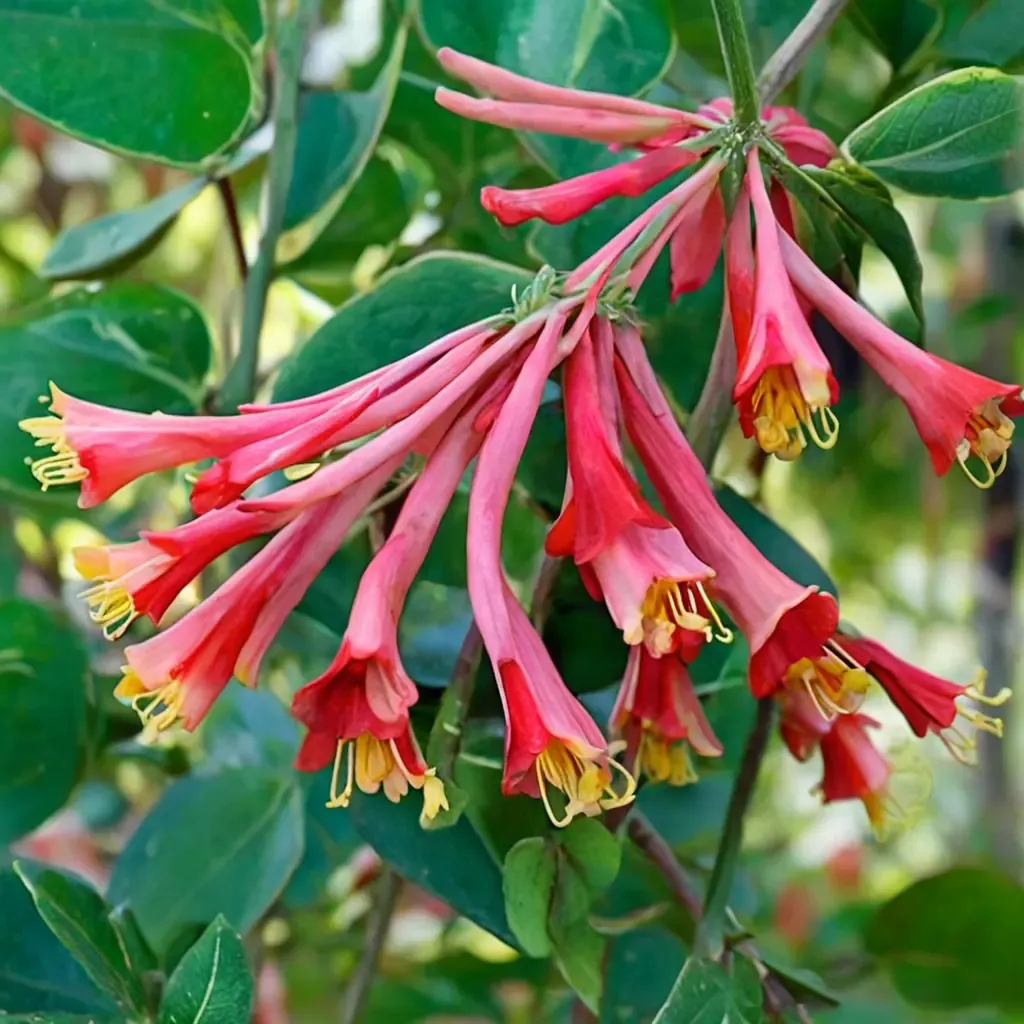
Coral Honeysuckle
Lonicera sempervirens 'Coral Honeysuckle'
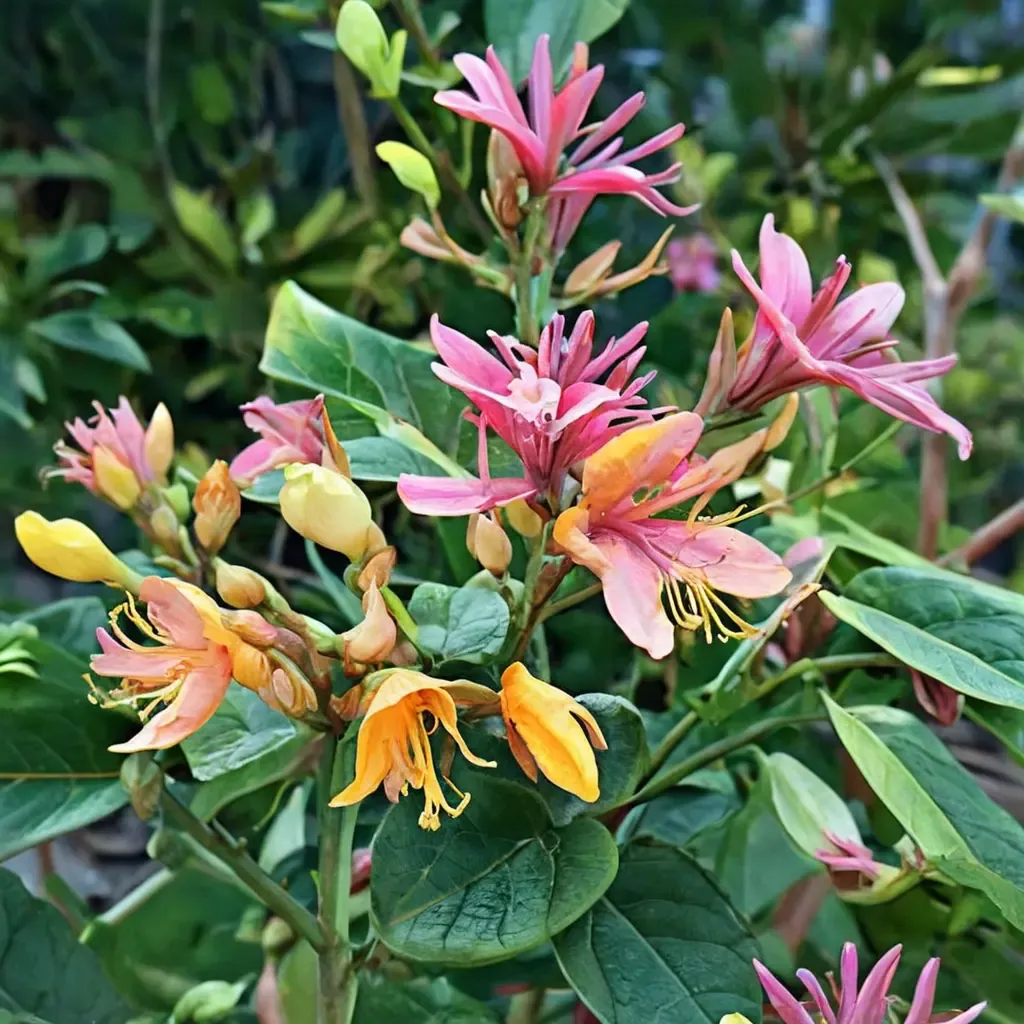
Goldflame Honeysuckle
Lonicera x heckrottii 'Goldflame'
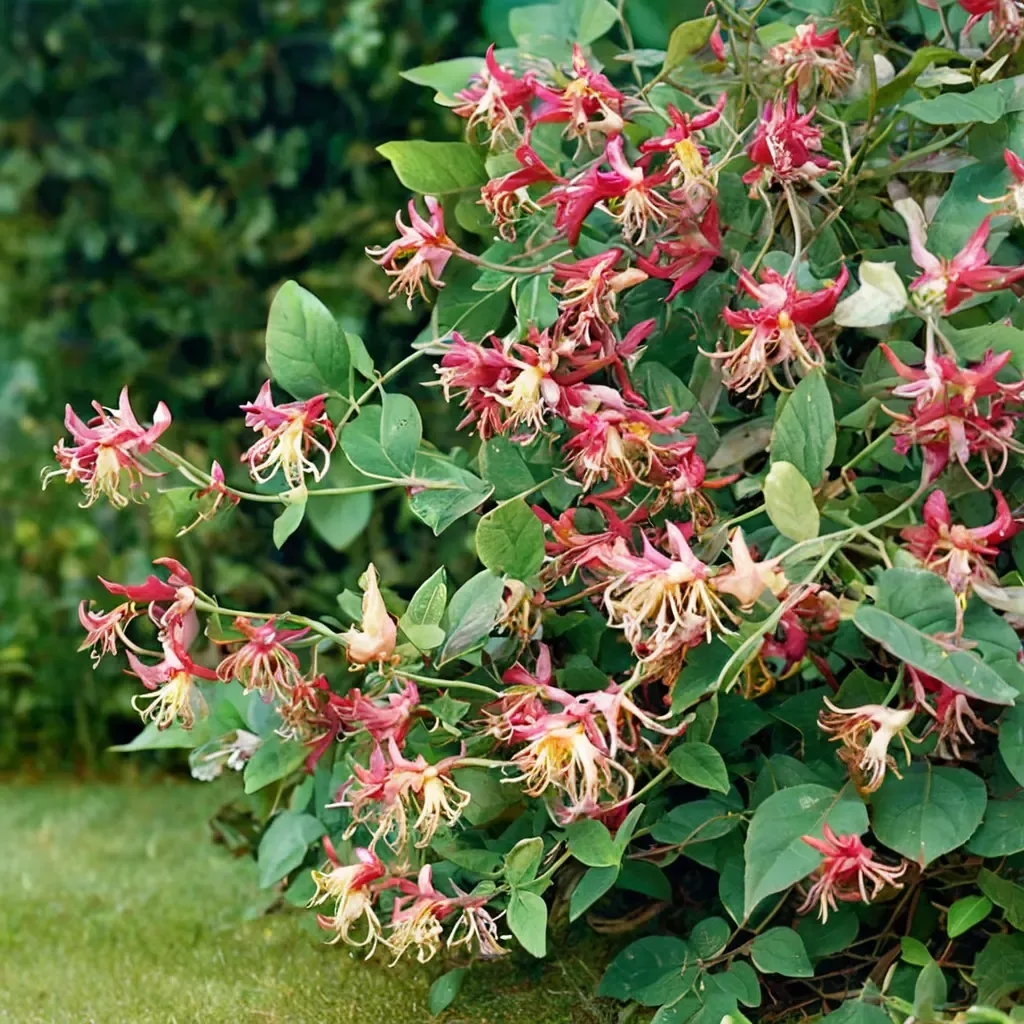
Late Dutch Honeysuckle
Lonicera serotina
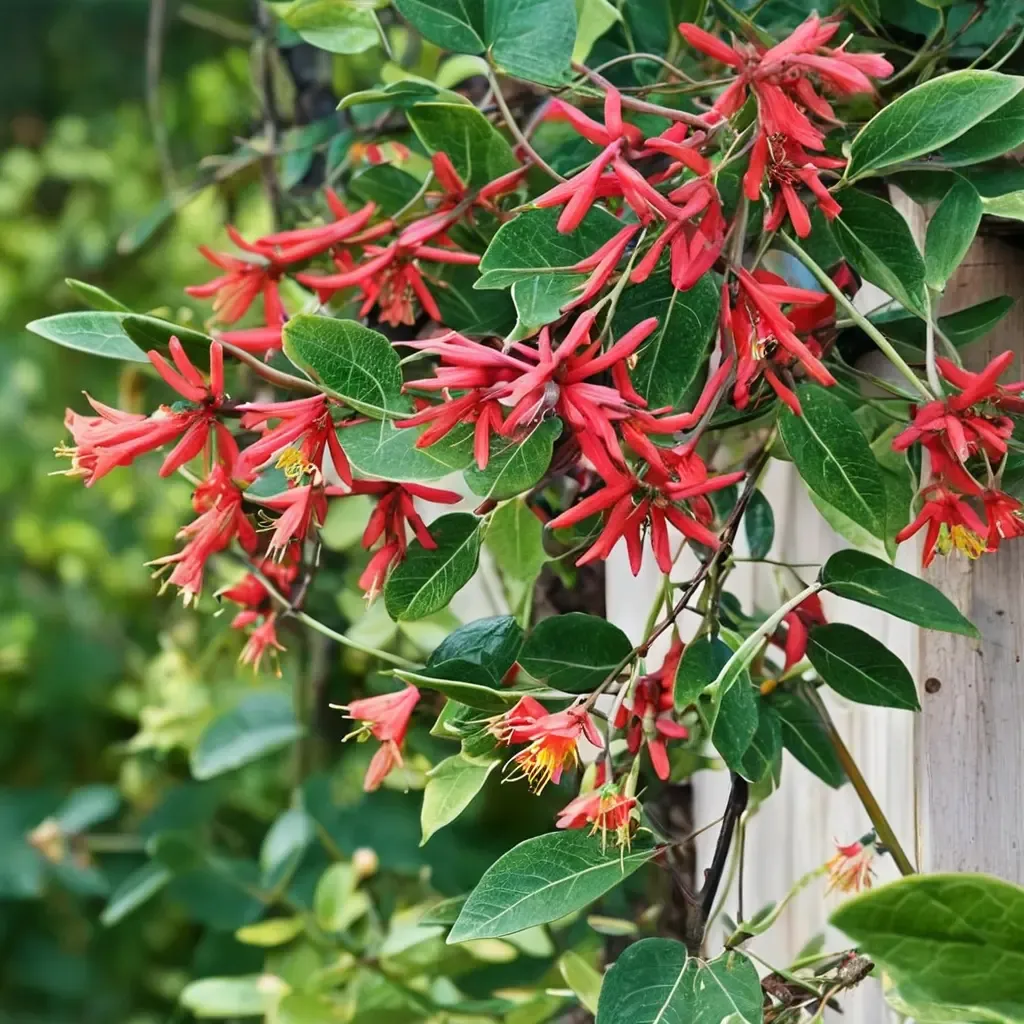
Major Wheeler honeysuckle
Lonicera sempervirens 'Major Wheeler'
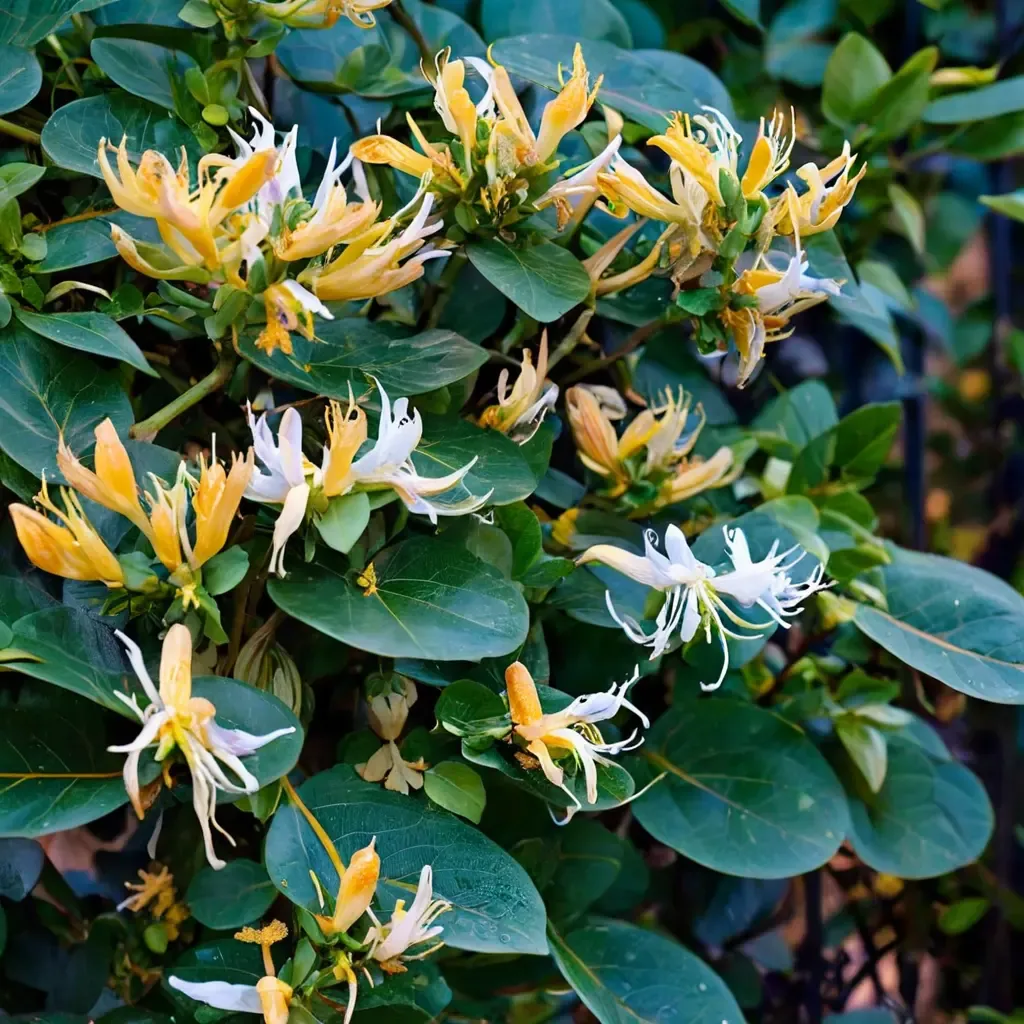
Japanese Honeysuckle
Lonicera japonica
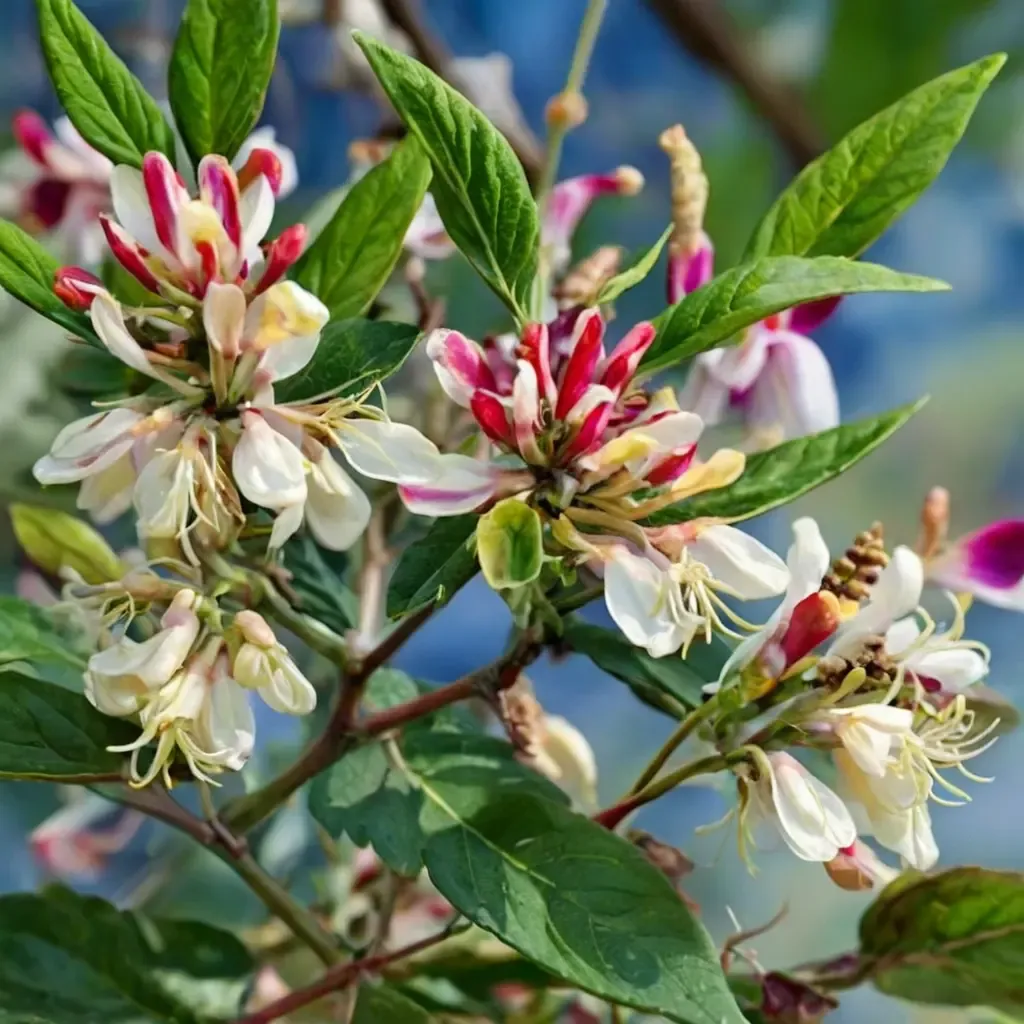
Winter Honeysuckle
Lonicera fragrantissima 'Fragrant Cloud'
Keep exploring
Explore the genus
Hardy in your zone?
Grow Box Honeysuckle with confidence
See it in a design of your actual yard, get zone-matched care reminders, and track it season by season in your garden journal.